Choosing between an alaska cruise land tour vs self drive itinerary comes down to whether you prioritize hands-off logistics or complete control over your daily pacing, route, and budget. While a cruise line land package handles luggage transfers and motorcoach seating between major lodges, an independent road trip allows you to escape 50-passenger tour crowds, explore trailheads and scenic pullouts at your own pace, and save significantly on lodging and dining.
For first-time and returning visitors planning a 2026 trip, understanding how these two travel styles function in practice is essential. Alaska's geography is massive, highway corridors are distinct, and services between towns are separated by dozens of miles of wilderness. Deciding between a pre-packaged cruisetour and renting a vehicle determines what wildlife you see, where you sleep, and how much time you spend waiting in group lines.
Alaska Cruise Land Tour vs Self Drive: The Core Trade-Offs at a Glance
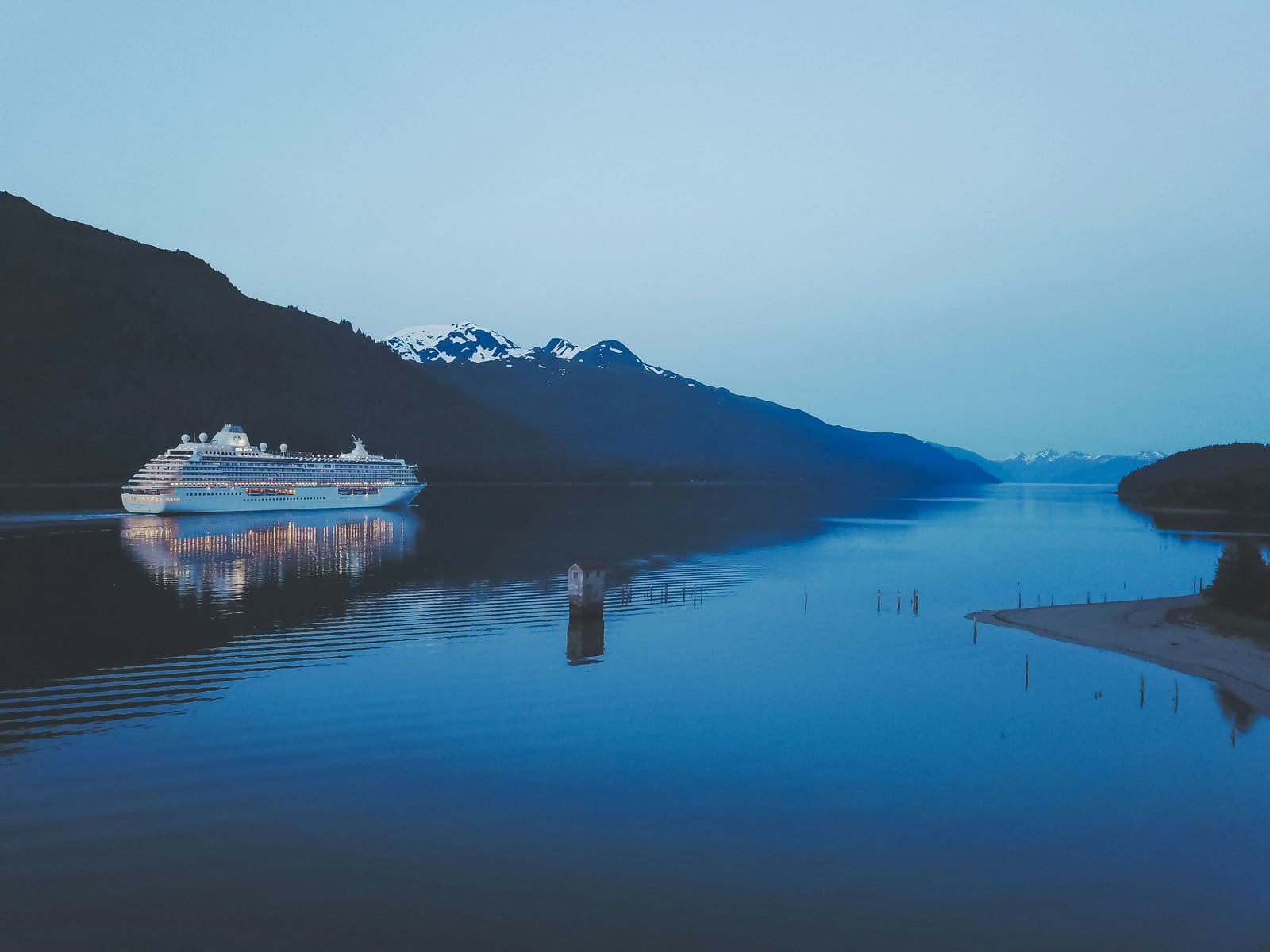
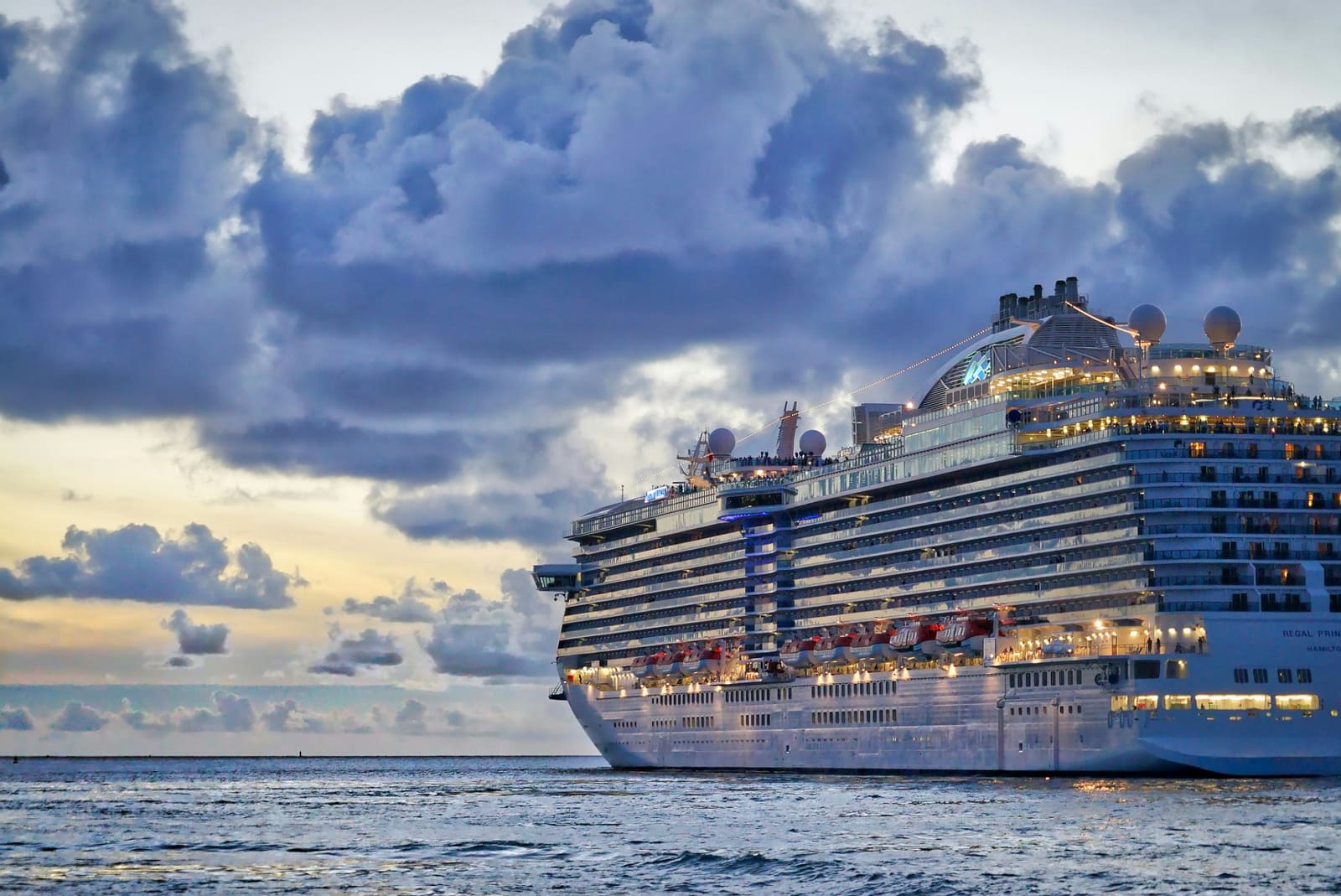
A cruise land tour (often called a "cruisetour") bundles your multi-day land travel before or after a 7-day Gulf of Alaska sailing. Operated primarily by major cruise lines like Princess and Holland America, these packages transport guests through the Interior on contracted motorcoaches and private rail cars (such as the McKinley Explorer or Wilderness Express). Guests stay at large, company-owned wilderness lodges situated near major hubs like Denali National Park and Talkeetna.
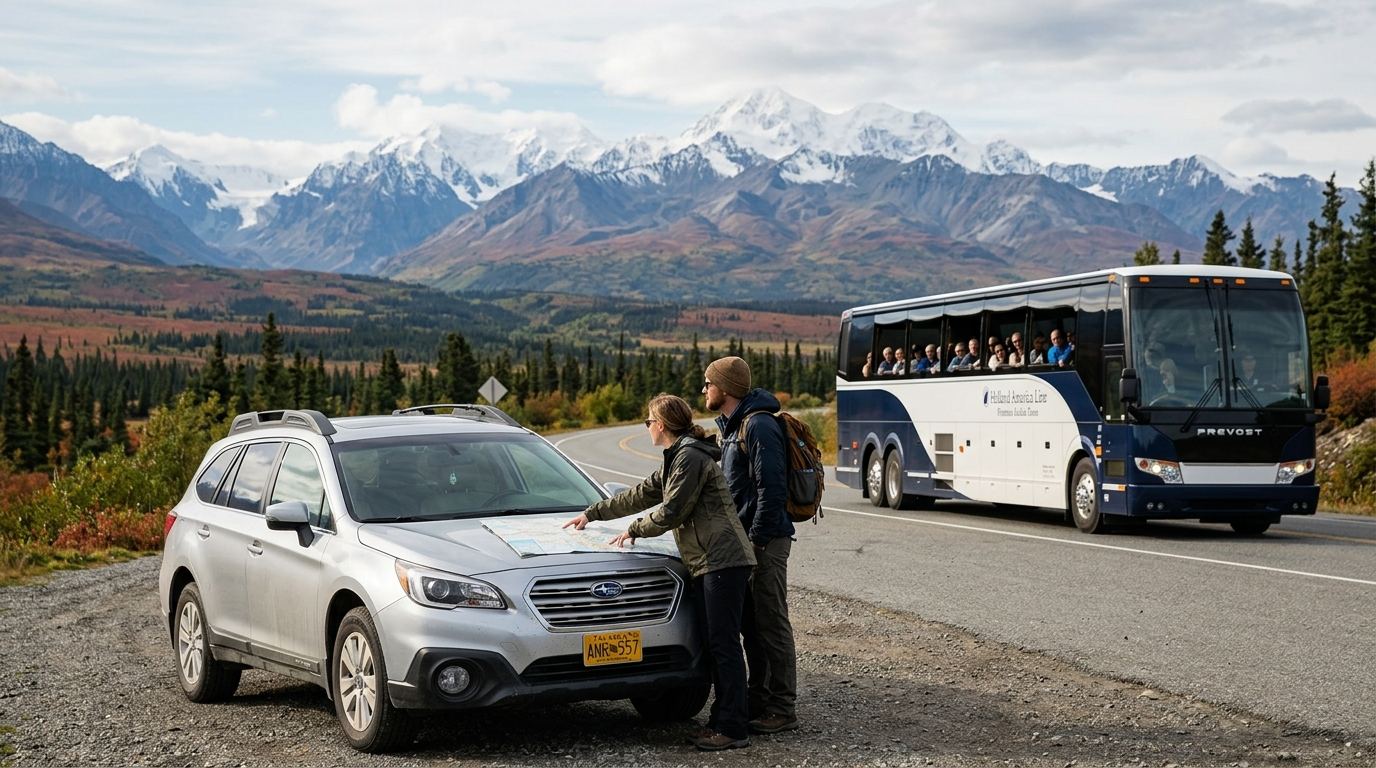
By contrast, an independent self-drive trip uses a standard rental car or SUV on Alaska's well-maintained, paved highway network. You select your own boutique lodges, cabins, or bed-and-breakfasts, determine your own departure times each morning, and select your own activities and dining spots.
| Decision Factor | Alaska Cruise Land Tour (Packaged) | Alaska Self-Drive Road Trip (Independent) |
|---|---|---|
| Schedule & Pacing | Fixed schedules; mandatory morning luggage callouts (often 6:00 AM); designated group rest stops and meal breaks. | 100% flexible; wake up when you want; stop spontaneously for wildlife, photography, or hiking. |
| Route Control | Locked to main highway corridors (Parks Hwy) and high-volume corporate lodge complexes. | Full access to side routes, scenic highways (e.g., Hatcher Pass, Kenai Peninsula), and quiet coastal towns. |
| Lodging Character | Large 200- to 500-room corporate wilderness lodges; uniform amenities, higher guest density. | Locally owned boutique cabins, bed-and-breakfasts, and historic inns close to town centers. |
| Cost & Markups | High per-person package pricing; costly captive hotel dining and optional excursion add-ons. | Vehicle and lodging costs are shared across your party; freedom to buy groceries, choose local diners, and book tours directly. |
| Wildlife Access | Restricted to highway views from high coach windows and pre-booked group park tours (often shorter routes). | Ability to stop immediately when wildlife appears, access early-morning trailheads, and book full-day park transit shuttles. |
| Logistical Burden | Very low; luggage transfer and transit are handled entirely by cruise line staff. | Moderate to high DIY planning required for route timing, reservations, and fuel stops (unless using a tailored itinerary). |
Pacing and Daily Schedules: Motorcoach Convoys vs Independent Driving
When comparing self-drive alaska vs cruise tour operations, the day-to-day rhythm of travel is the most noticeable differentiator. On a cruise land tour, your day is governed by group logistics. Because tour operators must move several hundred guests between destinations like Anchorage, Talkeetna, and Denali, mornings start early. It is standard practice on a land tour to have luggage placed outside your lodge door by 6:00 AM, followed by a set breakfast window and a 7:30 AM motorcoach departure.
Travel days on a tour bus involve structured rest stops at designated highway plazas equipped to handle 100 or more people at once. If a cow moose and twin calves appear in the roadside willow brush along the George Parks Highway, a 50-passenger motorcoach rarely pulls over onto a narrow shoulder. You view the wildlife through tinted windows from 30 feet away while the bus maintains its convoy schedule.
Independent driving offers an entirely different daily experience. Alaska's primary road network—including the scenic drive detailed in our Seward Highway guide—features dozens of engineered scenic pullouts. Driving yourself means you can pull over at Beluga Point to watch Cook Inlet beluga whales on an incoming tide, stop for fresh pastries in Girdwood, or linger at an overlook for an hour without answering to a tour guide's microphone. Travelers can check real-time road conditions and summer highway maintenance through the official Alaska 511 travel portal before setting out each morning.
Fatigue also manifests differently between the two styles. While driving requires active navigation, Alaska's paved highways outside of Anchorage have light traffic by Lower-48 standards, with long daylight hours stretching from May through August. Driving 3 to 4 hours at your own pace with frequent stretch breaks feels significantly less confining than spending 6 to 8 hours adhering to fixed motorcoach and rail boarding schedules.
Cost Analysis: Packaged Cruise Tours Compared to Self-Drive Logistics
A primary consideration in any alaska cruise land tour vs self drive comparison is total trip cost. Packaged cruise tours are priced on a per-person, double-occupancy basis. A typical 4- to 7-night land tour package added to an Alaska cruise regularly costs several thousand dollars per person above the base cruise fare. For a couple or a family of four, land tour packages quickly multiply in price before accounting for off-property meals, excursions, and gratuities.
The hidden expenses of a packaged land tour add up quickly:
- Meals and Dining: Cruisetour packages rarely include land meals. Guests are delivered to remote corporate lodge properties where on-site dining is captive, pricing is premium, and off-property options are miles away without transport.
- Excursion Markups: Cruise lines sell land excursions (such as river rafting, glacier landings, or flightseeing) at marked-up rates, often directing guests toward shorter, high-capacity group tours.
- Gratuities: Tips for motorcoach drivers, rail hosts, lodge luggage handlers, and step-on guides add hundreds of dollars across a multi-day land package.
With an independent self-drive itinerary, key travel expenses are fixed per vehicle rather than multiplied per person:
- Vehicle Rental: A midsize SUV rented during peak summer (June through August) covers your entire group under a single rate. Whether you have two people or four in the vehicle, the transit cost remains identical.
- Lodging Options: Booking independent cabins, lodge rooms, or vacation rentals gives you direct control over price points, allowing you to choose authentic accommodations close to local attractions.
- Dining Flexibility: You have the freedom to stock a cooler with lunch supplies and snacks from an Anchorage grocery store, visit local food trucks, or dine at authentic regional restaurants in coastal and mountain towns.
For couples and families, an independently planned road trip regularly saves thousands of dollars compared to equivalent cruise line land packages, while delivering higher-quality lodging and private vehicle comfort.
Wildlife Viewing and Off-the-Beaten-Path Route Access
Large commercial tour buses are physically limited to major highway arteries with expansive turning radiuses and high-capacity parking facilities. As a result, cruisetour itineraries follow a rigid geographic track: Anchorage to Talkeetna, Talkeetna to Denali Canyon, and occasionally north to Fairbanks. Entire regions of mainland Alaska remain unreachable on a cruise land tour.
When you drive independently, you can access routes and coastal destinations that tour buses bypass:
- Hatcher Pass and Independence Mine: A paved climb into alpine tundra and historic gold rush infrastructure in the Talkeetna Mountains, inaccessible to 45-foot highway motorcoaches.
- The Sterling Highway to Homer: Exploring the southern tip of the Kenai Peninsula, where you can walk the Homer Spit, catch a water taxi to Kachemak Bay state park trailheads, or visit the Russian-influenced village of Ninilchik.
- Off-Corridor Wildlife Viewing: Early morning or late evening drives along rivers and mountain passes when moose, bears, and caribou are most active—times when tour bus groups are locked into lodge breakfast or dinner seatings.
In Denali National Park, access logistics are a major consideration for 2026 travel. The National Park Service continues construction on the Polychrome Pass bridge over the Pretty Rocks landslide. According to the National Park Service Denali Conditions page, public road travel remains restricted at Mile 43 through the 2026 season. Independent travelers can review our detailed Denali Park Road 2026 updates to secure full-day Park transit shuttle tickets that maximize interior park access, rather than settling for the basic 4-hour "Natural History Tour" that cruise packages frequently bundle into their base pricing.
Alaska Cruise Land Package Pros and Cons for Couples, Families, and Retirees
Every travel style serves a distinct travel profile. Reviewing these alaska cruise land package pros and cons helps clarify which option fits your group's priorities.
When a Cruise Land Package Makes Sense
- Zero Driving Responsibility: For travelers with limited mobility, vision concerns in variable weather, or zero interest in navigating unfamiliar mountain roads, tour buses remove all driving stress.
- Luggage Handling: Porters handle your primary luggage pieces from lodge to lodge, which benefits older retirees who prefer not to load and unload bags daily.
- Solo Travelers Seeking Groups: Solo visitors who want built-in social interaction and don't want to absorb the full cost of a rental vehicle alone.
When Self-Drive Is Unequivocally Superior
- Active Couples and Photographers: Couples who want romantic, secluded cabins rather than 400-room hotel corridors, and photographers who need golden-hour lighting late in the evening without curfew restrictions.
- Families with Children or Teens: Rigid 8-hour bus segments lead to restlessness. Self-driving lets families stop at playgrounds, visitor centers, glacier overlooks, and ice cream shops whenever needed.
- Travelers Seeking Authentic Alaska: Staying in family-owned roadhouses, meeting local charter boat captains in small harbors, and avoiding the commercialized tour corridors outside Denali.
The Hybrid Option: One-Way Gulf Cruise Paired with an Independent Road Trip
You do not have to choose strictly between cruising and driving. The most rewarding way to experience Alaska is often the hybrid model: book a 7-day one-way northbound Inside Passage cruise from Vancouver to Seward or Whittier, followed by an independent self-drive road trip through Southcentral and the Interior.
This approach combines the marine wonders of Southeast Alaska (glacier viewing in Glacier Bay or Hubbard Glacier, historic ports like Ketchikan and Skagway) with the flexibility of independent road touring once you reach the road grid.
Structuring Your Post-Cruise Vehicle Pickup
Cruise ships disembark in either Seward or Whittier:
- Disembarking in Seward: Seward connects directly to the highway network. You can pick up a rental car directly in Seward (reserve months in advance due to small local fleet sizes) or ride the scenic passenger service operated by the Alaska Railroad along Turnagain Arm directly to Anchorage, where vehicle fleets and competitive rates are widely available.
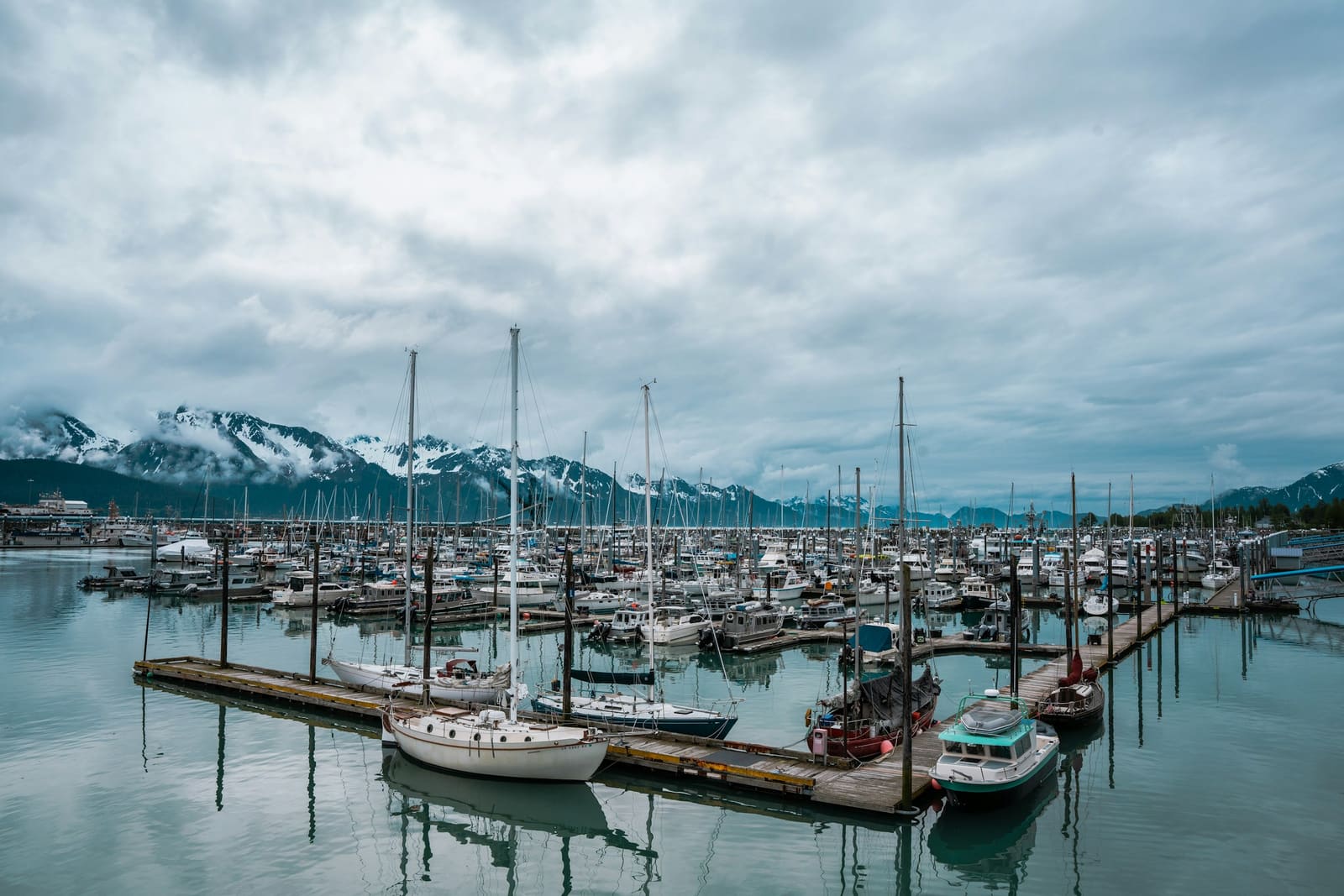
- Disembarking in Whittier: Whittier connects to the mainland via the Anton Anderson Memorial Tunnel. You can board a direct rail connection, motorcoach transfer, or local shuttle through the tunnel to Anchorage Ted Stevens International Airport (ANC) to collect your vehicle.
From Anchorage, you have the road network open in all directions. You can execute a driving route connecting the mountain hiking of the Kenai Mountains, the historic mining trails of Hatcher Pass, and wildlife viewing near Talkeetna and Denali before catching your return flight home. If you want to plan an independent driving loop tailored around your cruise ship arrival, explore our dedicated cruise add-on road trip planning options.
Alaska Cruise Land Tour vs Self Drive: How to Pick Your Best Route
To finalize your decision for your 2026 trip, run your travel party through these four primary criteria:
- Comfort with Highway Driving: Alaska's major highways (Seward, Sterling, Parks, and Glenn Highways) are paved two-lane or four-lane roads with standard signage, clear pullouts, and moderate summer speed limits (55–65 mph). If you are comfortable driving standard interstate and country highways in the Lower 48 or Canada, you will have no trouble driving in Alaska.
- Group Size and Budget Structure: If you are traveling as a party of 2, 3, 4, or more, an independent road trip dramatically reduces your cost per person. A packaged tour charges full retail for every seat; a rental vehicle spreads fixed transit costs across your entire party.
- Pacing Tolerance: Ask yourself honestly: do you enjoy waking up to group alarms, eating in massive banquet rooms, and following a tour flag? Or do you prefer setting your own morning schedule, choosing a roadside coffee hut, and adjusting your plans if rain or sunshine alters the day?
- Desired Destination Depth: If your bucket list includes hiking remote subalpine trails, visiting coastal fishing ports, or driving a customized Kenai Peninsula loop, an independent self-drive itinerary is the only approach that provides the necessary geographic access.
Eliminating DIY Stress: Getting a Tailored Independent Route
While the benefits of an independent self-drive trip are clear, planning an Alaska road trip on your own can feel overwhelming. Map applications routinely underestimate Alaska driving times by failing to account for summer road construction, motorhome traffic, and winding mountain passes. Park shuttle reservation systems and regional lodging shortages add layers of planning friction.
You do not need to accept the rigid confinement of a cruise tour simply to avoid the headache of spreadsheet planning. Every itinerary is hand-built by a named founder who has driven thousands of Alaska miles across multiple seasons.
Every itinerary provides clear daily drive times, curated route highlights, and practical seasonal advice. Alaska Road Trip hand-picks lodging and gives you direct booking links, but you book it yourself — it does not make reservations on your behalf, so you keep full control and flexibility. Alaska Road Trip recommends activities and tours with timing and booking links; you reserve them yourself.
Alaska Road Trip does not book flights or rental cars; you arrange those independently. Alaska Road Trip is a one-time flat fee, not a subscription — there are no recurring charges. Packages are structured as Lite (a measurable budget for 1–5 days), Standard (a measurable budget for up to 14 days), and Plus (a measurable budget for 15+ days), with a Concierge option (a measurable budget) that adds a 30-minute live founder call.
Your custom itinerary is delivered as a printable, offline-ready PDF in 3 to 5 business days, including 1 to 2 revision rounds, backed by a published 14-day money-back guarantee with a full refund and no questions asked. Itineraries reflect current-season research at the time they're built. The trip dashboard can check available park, road, weather, and aurora data, but Alaska Road Trip does not provide real-time booking availability, live tracking, or intended live condition monitoring.
If you want to experience Alaska with complete open-road freedom while skipping weeks of trial-and-error research, you can plan your custom trip with an itinerary built specifically for your travel dates and style.
Frequently Asked Questions
Is it cheaper to do an Alaska cruise land tour or drive yourself?
Driving yourself is almost often significantly cheaper for couples, families, and small groups. A packaged cruisetour charges premium per-person pricing for the land segment alone, whereas independent travelers share the fixed costs of a rental vehicle and lodging. Self-driving also gives you the freedom to choose affordable dining and book local tours directly without cruise line markups.
Is driving in Alaska difficult for first-time visitors?
No. Alaska's primary travel corridors—such as the Seward Highway, Parks Highway, Glenn Highway, and Sterling Highway—are paved, well-maintained, and heavily signed. Summer driving conditions (May through September) do not require winter driving skills or heavy off-road equipment. You simply need to observe posted speed limits, watch for wildlife on road shoulders, and account for occasional summer repaving projects.
Can you do a 7-day cruise and rent a car for a land tour afterward?
Yes. This "hybrid" itinerary is one of the most effective ways to visit Alaska. By booking a one-way northbound Inside Passage cruise ending in Seward or Whittier, you can disembark, collect a rental vehicle in Seward or Anchorage, and spend several days exploring the Kenai Peninsula, Mat-Su Valley, and Denali region on your own terms before flying home from Anchorage.
How far in advance should I book my rental car and lodging for an independent Alaska trip?
For peak summer travel (mid-June through late August), you should begin reserving your rental vehicle and accommodations 6 to 9 months in advance. Alaska's visitor infrastructure outside Anchorage has limited capacity, and boutique cabins, rental SUVs, and popular excursions in hubs like Seward, Homer, and Denali frequently sell out before spring arrives.
Ready to explore Alaska on your own terms without the DIY planning headaches? Order a custom, hand-built Alaska Road Trip itinerary delivered as an offline-ready PDF with direct booking links and realistic daily driving pacing.
See a real Alaska itinerary before you spend a dollar
A real 3-day plan with driving times, lodging picks, and a daylight chart — free, in your inbox.
One email. No spam. Unsubscribe anytime. Or view it right now — no email needed ↗
Ready for the full plan? Get your custom itinerary — from $197 · 5-day delivery →