The Ultimate Frontier: An Introduction to Dalton Highway Camping
If you are searching for the ultimate North American road trip, look no further than the rugged, untamed stretches of northern Alaska. Dalton Highway camping offers an unparalleled adventure for those willing to leave the pavement behind. Stretching 414 miles from the Elliott Highway just north of Fairbanks all the way to Deadhorse near the Arctic Ocean, the James Dalton Highway (Route 11) is legendary. Originally built as a supply road for the Trans-Alaska Pipeline, it has evolved into a bucket-list destination for intrepid travelers, overlanders, and nature enthusiasts seeking absolute solitude.
Embarking on a Dalton Highway camping trip is not your average weekend getaway. It requires meticulous planning, a reliable vehicle, and a deep respect for the unpredictable Alaskan wilderness. However, the rewards are immeasurable. From crossing the Arctic Circle to witnessing the midnight sun illuminate the Brooks Range, the experiences you will gather along this gravel highway are truly once-in-a-lifetime. In this comprehensive guide, we will explore the realities of the road, the best places to pitch your tent or park your rig, and the essential survival tips you need for a successful journey.
Alaska Highway and Dalton Highway Camping: What to Know
2027 planning note: Treat Dalton Highway camping as a self-supported dry-camping trip. Confirm BLM campground status before leaving Fairbanks, carry enough fuel for the Coldfoot-to-Deadhorse gap, and pair this guide with our Dalton Highway driving guide, Alaska fuel planning guide, Alaska packing list, AlCan driving guide, Dalton dust and camera gear guide, low-bandwidth communication tips, and camper van bear-proofing guide before you go.
What to know about camping Alaska Highway
The Alaska Highway is the approach route through British Columbia and the Yukon; the Dalton Highway begins much farther north after Fairbanks. If you are camping the Alaska Highway first, expect more formal campgrounds, private RV parks, and highway services than you will find on the Dalton.
What to know about campgrounds along Alaska Highway
Campgrounds along the Alaska Highway are better for resupply nights, showers, laundry, and weather resets before the haul road. Use those stops to repair gear, top off fuel, and verify conditions before continuing toward Fairbanks and the Dalton.
What to know about camping along the AlCan Highway
Camping along the AlCan Highway can be part of the same overland trip, but it is not the same risk profile as camping at Five Mile, Arctic Circle, Marion Creek, or Galbraith Lake. Once you turn north onto the Dalton, plan for longer service gaps, heavier truck dust, limited communications, and stricter food storage discipline.
Understanding the Road: Is Dalton Highway Camping for You?
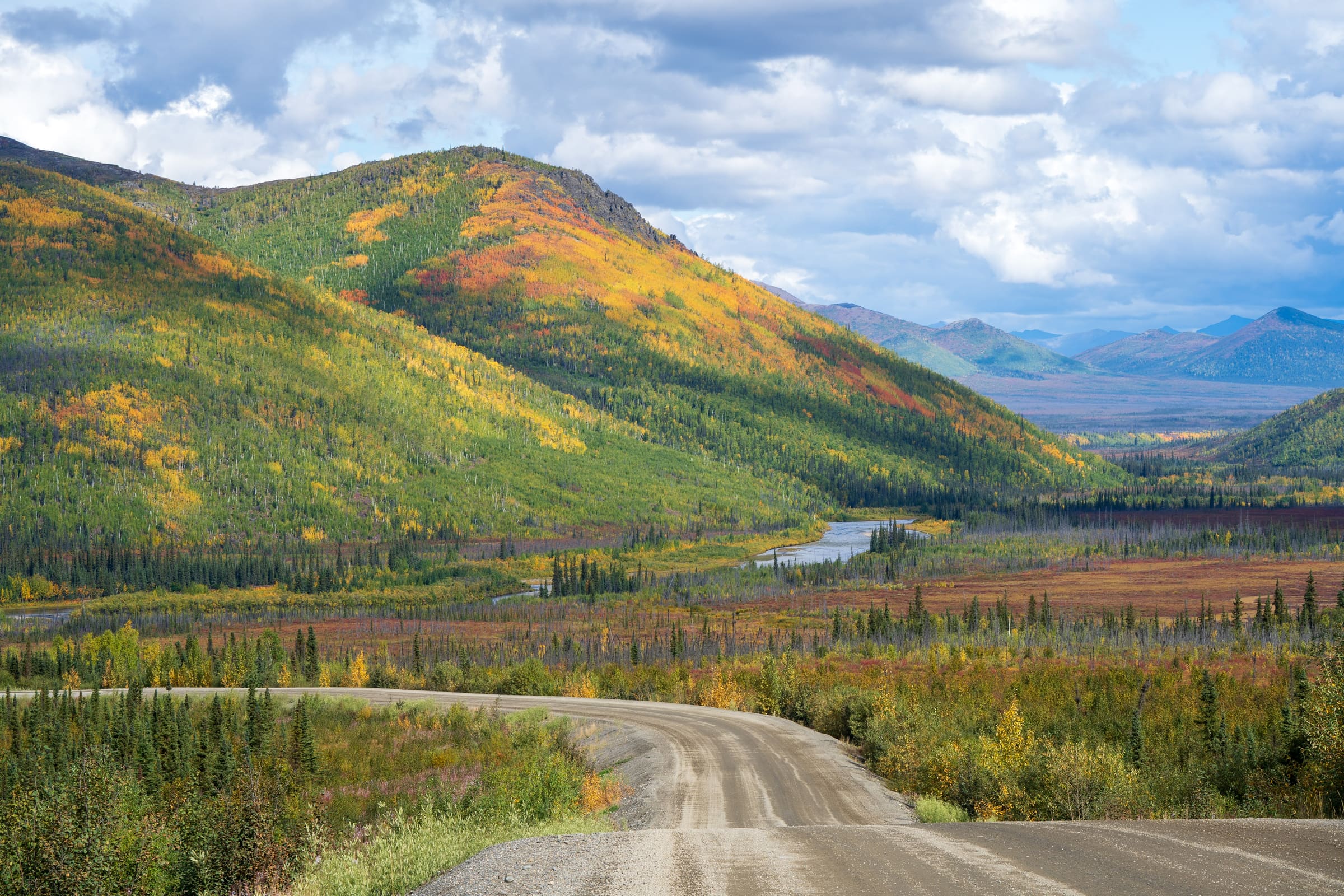
Before packing your gear, it is crucial to understand what you are signing up for. The Dalton Highway is primarily a highly active industrial haul road. You will be sharing the route with massive 18-wheelers kicking up blinding clouds of dust in the summer and navigating treacherous ice in the shoulder seasons. The road surface is a punishing mix of dirt, gravel, and heavily potholed pavement. Services are virtually nonexistent for stretches of up to 240 miles.
Because of these extreme conditions, preparation is everything. You need to be self-sufficient, carrying extra supplies, spare tires, and emergency communication devices. If you are unsure about the logistics of tackling this route, we highly recommend reading our comprehensive Dalton Highway guide to familiarize yourself with the terrain, seasonal closures, and driving etiquette required to safely navigate alongside the truckers.
Choosing Your Rig: Car vs. RV
One of the most common questions regarding Dalton Highway camping is what type of vehicle is best suited for the journey. While you can technically drive the highway in a standard passenger car, a high-clearance 4WD or AWD vehicle is strongly recommended. The gravel and rocks can wreak havoc on low-riding sedans, often leading to punctured oil pans or shattered windshields.
If you are considering bringing a recreational vehicle, you must weigh the pros and cons carefully. RVs offer the comfort of a hard-sided shelter, a warm bed, and a built-in kitchen—luxuries that are highly appreciated in the unpredictable Arctic weather. However, large Class A motorhomes or long travel trailers will struggle on the steep grades (like Atigun Pass) and the relentless washboard surfaces. Truck campers, campervans, and small, ruggedized travel trailers are generally the best options. For a deeper dive into vehicle selection, check out our guide on choosing between an RV and a car for Alaska.
Top Dalton Highway Camping Spots
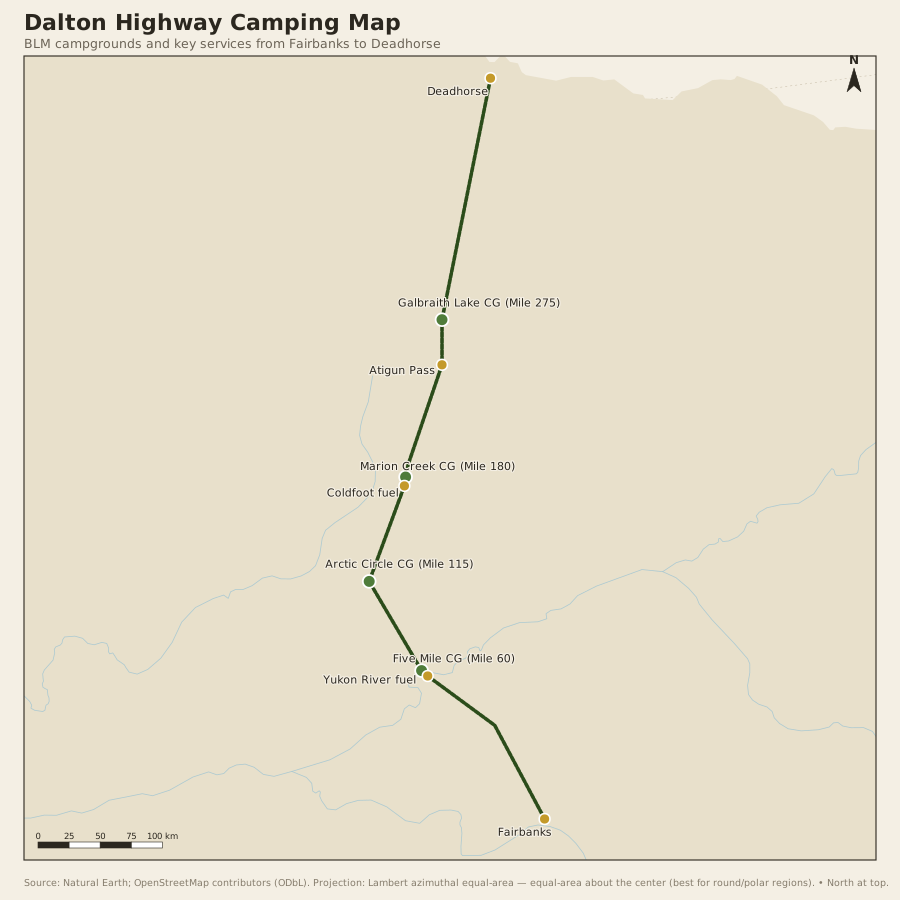
Despite its desolate reputation, there are some pretty cool places on the Dalton Highway where you can camp with your car or RV. The Bureau of Land Management (BLM) maintains several official campgrounds along the route, and dispersed camping is permitted in many areas, provided you follow Leave No Trace principles. Here are the top designated spots to consider for your itinerary:
1. Five Mile Campground (Mile 60)
Located just north of the Yukon River crossing, Five Mile Campground is an excellent first stop on your Dalton Highway camping adventure. It offers basic amenities, including pit toilets and a potable water well (which requires a hand pump). It is a fantastic place to rest after navigating the initial, often heavily potholed, paved section of the highway. The nearby Yukon River Camp offers a chance to grab a hot meal and top off your fuel tank before heading further north.
2. Arctic Circle Campground (Mile 115)
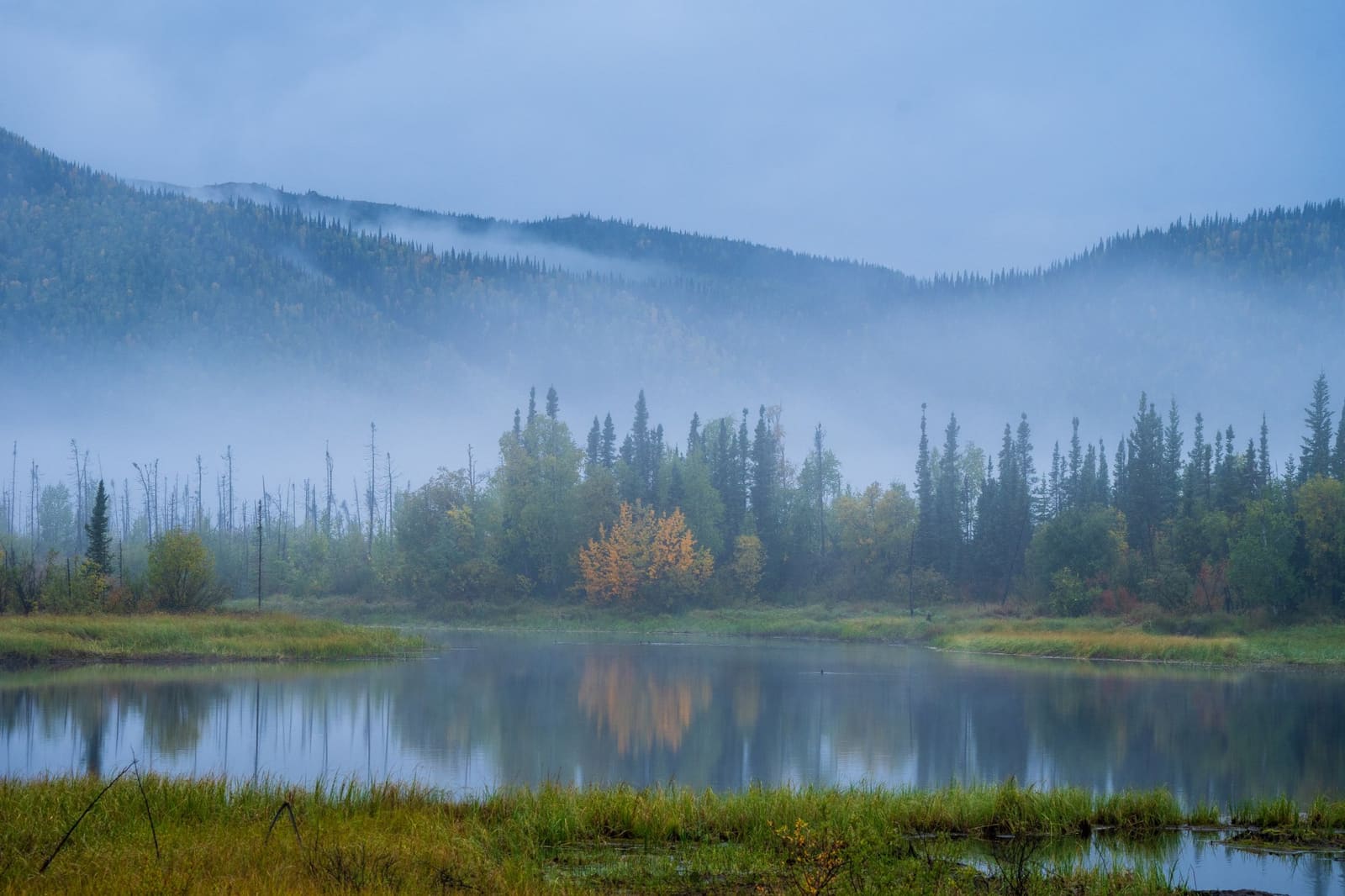
No Dalton Highway camping trip is complete without a stop at the Arctic Circle. Located at Mile 115, this campground is situated just slightly off the main highway, offering a quiet retreat surrounded by stunted boreal forest. While the amenities are limited to pit toilets and bear-proof trash cans, the real draw is the iconic Arctic Circle sign located nearby. Camping here allows you to experience the surreal phenomenon of the midnight sun during the peak summer months, where the sky never truly grows dark.
3. Marion Creek Campground (Mile 180)
Situated five miles north of Coldfoot, Marion Creek Campground is the most developed camping area on the Dalton Highway. It features 27 sites, a campground host during the summer season, potable water, and well-maintained outhouses. It is an ideal basecamp for exploring the southern foothills of the Brooks Range. Since Coldfoot is one of the only places on the highway with a restaurant, tire repair shop, and fuel station, Marion Creek offers a comforting blend of wilderness and accessibility.
The Crown Jewel: Galbraith Lake Campground (Mile 275)
While the aforementioned stops are fantastic, there is one that is especially awesome: Galbraith Lake. Located at Mile 275, just north of the towering Atigun Pass, this is arguably the most spectacular Dalton Highway camping destination. The landscape here transitions dramatically from the boreal forests of the interior to the vast, treeless expanse of the Arctic tundra.
Galbraith Lake offers some amazing views that will leave you reaching for your camera at every turn. The campground sits in a glacial valley, surrounded by the jagged, snow-capped peaks of the Brooks Range. Because there are no trees to obstruct your view, the sense of scale and isolation is profoundly beautiful.
Beyond the scenery, this area provides some pretty cool hiking opportunities. You can trek across the spongy tundra, explore the shores of the lake, or hike up the nearby ridges for even more expansive panoramic views. Furthermore, wildlife enthusiasts will be thrilled by the option to see caribou. The Galbraith Lake area is a known migratory route for the Porcupine Caribou herd, and spotting these majestic animals moving across the tundra is a highlight of any Alaskan road trip.
It is important to note that it's a bit hard to get to the camping site, because the Dalton Highway is not the easiest road to drive, especially the steep and often slippery ascent over Atigun Pass. The access road to the campground itself is a two-mile stretch of rough gravel. But once you are there, breathing in the crisp Arctic air and taking in the untouched wilderness, it's totally worth it.
Essential Survival Tips for Dalton Highway Camping
Successfully navigating and camping along this remote highway requires more than just a sense of adventure; it demands rigorous preparation. Here are the critical factors you must account for before you depart.
Mastering Your Fuel Strategy
Fuel is your lifeline on the Dalton Highway. There are only three places to buy gas along the entire 414-mile route: the Yukon River Camp (Mile 56), Coldfoot (Mile 175), and Deadhorse (Mile 414). This means you will face a 240-mile stretch between Coldfoot and Deadhorse with absolutely no services. You must calculate your vehicle's fuel efficiency, factoring in the heavy toll that gravel roads and steep mountain passes take on your MPG. Always carry extra fuel in approved, secure containers. For a comprehensive breakdown of how to manage your gas tank in the Last Frontier, read our guide on fuel planning in Alaska.
Tires, Tools, and Vehicle Prep
The Dalton Highway is notorious for destroying tires. The sharp shale and gravel used to surface the road can easily puncture standard highway tires. You should equip your vehicle with high-quality, 10-ply all-terrain tires and carry at least one (preferably two) full-size spare tires mounted on rims. A simple donut spare will not survive the journey back to civilization. Additionally, pack a heavy-duty tire plug kit, a portable air compressor, a full tool kit, extra fluids (oil, coolant, transmission fluid), and a CB radio (Channel 19) to communicate with the truckers.
Wildlife Awareness and Safety
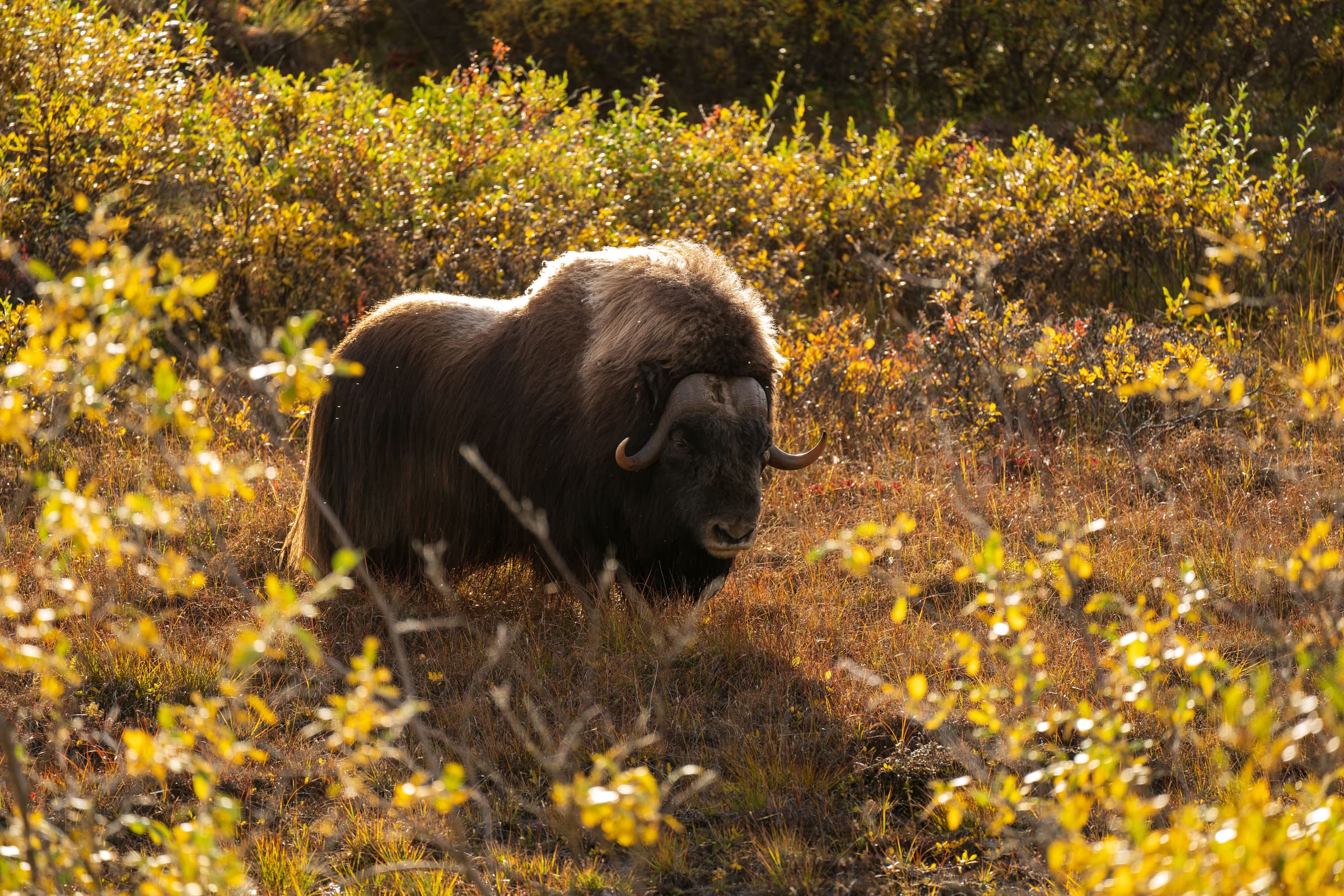
Dalton Highway camping puts you squarely in the middle of prime wildlife habitat. You are sharing this land with grizzly bears, black bears, moose, wolves, and caribou. Proper food storage is non-negotiable. If you are tent camping, you must use bear-resistant food canisters or keep all food and scented items securely locked inside your vehicle. Never cook near your tent, and always carry bear spray on your person, ensuring you know how to use it. For detailed protocols on how to protect yourself and the animals, review our essential tips on wildlife safety in Alaska.
Frequently Asked Questions
Do I need a 4x4 for Dalton Highway camping?
While a 4x4 is not legally required, it is highly recommended. The road can become incredibly slick and muddy after rain, and the extra traction of a 4WD or AWD system is invaluable. High clearance is equally important to avoid damaging your vehicle's undercarriage on rocks and deep potholes.
Are there hookups at Dalton Highway camping sites?
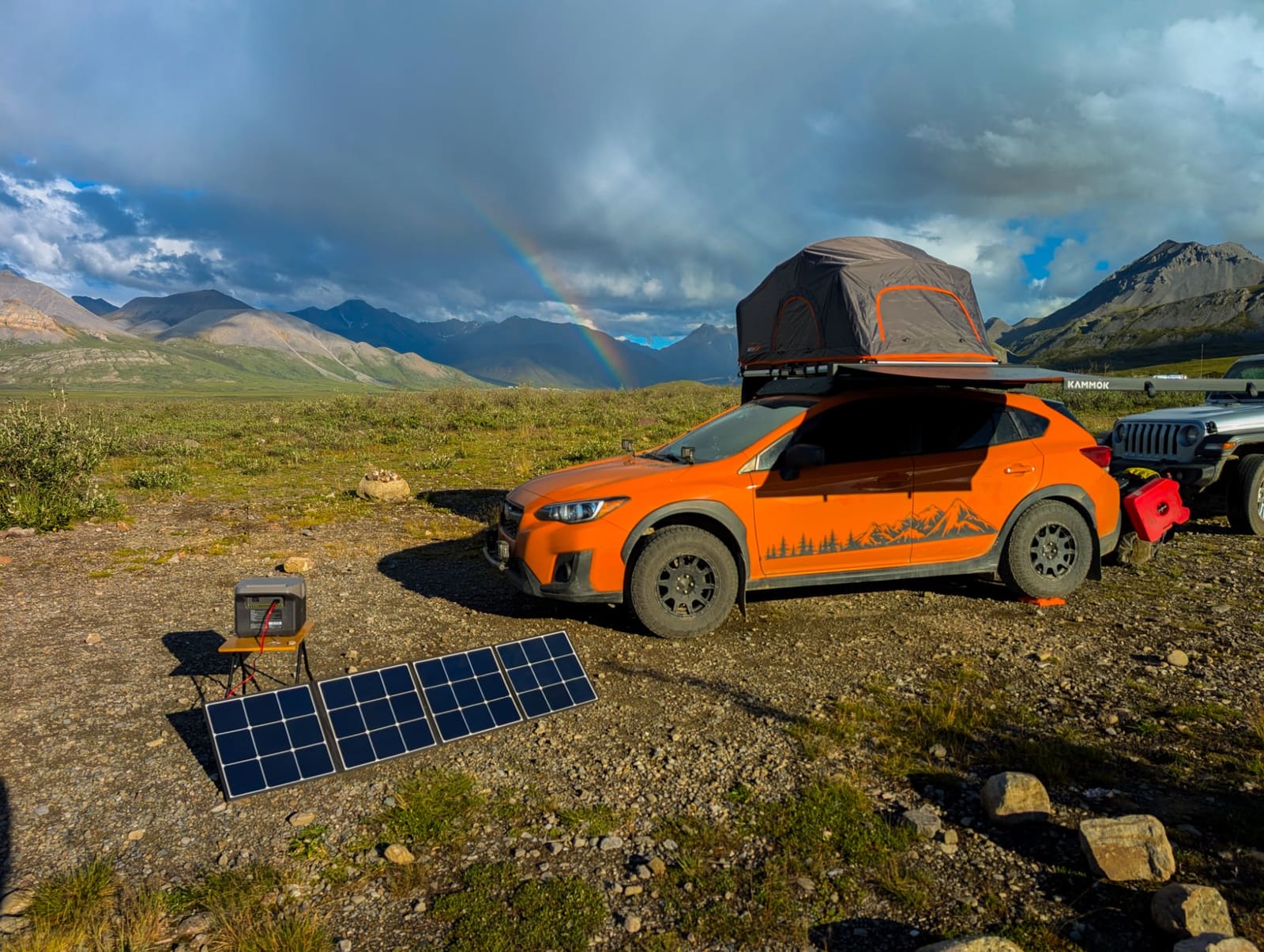
No. There are absolutely no RV hookups (electricity, water, or sewer) at any of the BLM campgrounds along the Dalton Highway. All Dalton Highway camping is dry camping (boondocking). You must be entirely self-contained, relying on your own battery power, solar panels, or generators, and you must pack out all of your waste.
Is it safe to tent camp on the Dalton Highway?
Yes, tent camping is safe and common, provided you take the necessary precautions. The biggest threats to tent campers are extreme weather and wildlife. Ensure you have a high-quality, four-season tent capable of withstanding high winds, and a sleeping bag rated for sub-freezing temperatures, as it can snow in the Brooks Range even in July. Strict adherence to bear safety protocols is mandatory.
When is the best time for Dalton Highway camping?
The optimal window for Dalton Highway camping is very short, typically running from early June through late August. During this time, the weather is the warmest, the midnight sun is shining, and the road is generally free of snow and ice. Traveling outside of this window requires specialized winter survival gear and extreme cold-weather driving experience.
Can I drink the water from the rivers and lakes?
While the water in the Arctic may look pristine, you should never drink it straight from the source. All water gathered from rivers, streams, or lakes must be boiled, filtered, or chemically treated to prevent giardia and other waterborne illnesses. It is best to fill your fresh water tanks at Marion Creek or Five Mile Campground.
Conclusion
Dalton Highway camping is not a trip for the unprepared, but for those who answer the call of the wild, it is an experience that will resonate for a lifetime. From the dense forests of the Arctic Circle to the breathtaking, sweeping vistas of Galbraith Lake, the raw beauty of northern Alaska is unmatched. By respecting the road, preparing your vehicle, and embracing the solitude, you will conquer one of the most legendary routes on earth. If you are ready to turn this dream into a reality, let us help you plan your ultimate Alaska travel itinerary today, ensuring every mile of your journey is safe, spectacular, and unforgettable.
See a real Alaska itinerary before you spend a dollar
A real 3-day plan with driving times, lodging picks, and a daylight chart — free, in your inbox.
One email. No spam. Unsubscribe anytime. Or view it right now — no email needed ↗
Ready for the full plan? Get your custom itinerary — from $197 · 5-day delivery →