The Overland Route to Alaska
Driving to Alaska from the Lower 48 is one of the great North American road trips. It is also a serious undertaking. The most direct route from the US border at Montana to Fairbanks, Alaska, covers roughly 2,500 miles through western Canada and takes a minimum of four to five days of driving. Most travelers spend seven to ten days to enjoy the journey rather than just endure it. Once you arrive, you will still want a plan for the state itself — our 14-day Alaska itinerary picks up where the drive ends, looping the Kenai Peninsula, Denali, Fairbanks, and Valdez.
Planning the drive as one leg of a bigger overland adventure? Our sister project, PanAm Trip, is building a Pan-American expedition from the Arctic to Patagonia, and its Alaska leg follows the same Lower-48-to-Alaska route covered here.
Can you drive to Alaska from the Lower 48? Yes — but there is no road to Alaska that stays within the United States. Every overland route passes through British Columbia and the Yukon Territory in Canada, which means border crossings, Canadian regulations, and long stretches of remote Canadian highway.
Route Options
The Classic Route: Alaska Highway
The most popular route follows Interstate highways to the US-Canada border near Great Falls, Montana (or alternatively through Alberta via the I-15 or I-5 through Washington to BC), then heads north through British Columbia to Dawson Creek, the official start of the Alaska Highway. From Dawson Creek, the Alaska Highway runs 1,390 miles through BC and the Yukon to Delta Junction, Alaska.
Approximate distances from major US cities to Fairbanks:
- Seattle: 2,300 miles (4-5 days minimum)
- Denver: 3,100 miles (5-6 days minimum)
- Chicago: 3,700 miles (6-7 days minimum)
- New York: 4,400 miles (7-8 days minimum)
The Cassiar Highway Alternative
Instead of driving to Dawson Creek, you can turn north on the Cassiar Highway (Highway 37) from the Yellowhead Highway (Highway 16) near Kitwanga, BC. The Cassiar runs 450 miles north through remote BC wilderness to the Alaska Highway near Watson Lake, Yukon. This route is slightly shorter if you are coming from the Pacific Northwest and offers wilder, less-trafficked scenery. However, services are more spread out, and the road has some rough sections. It is fully paved but narrower than the Alaska Highway.

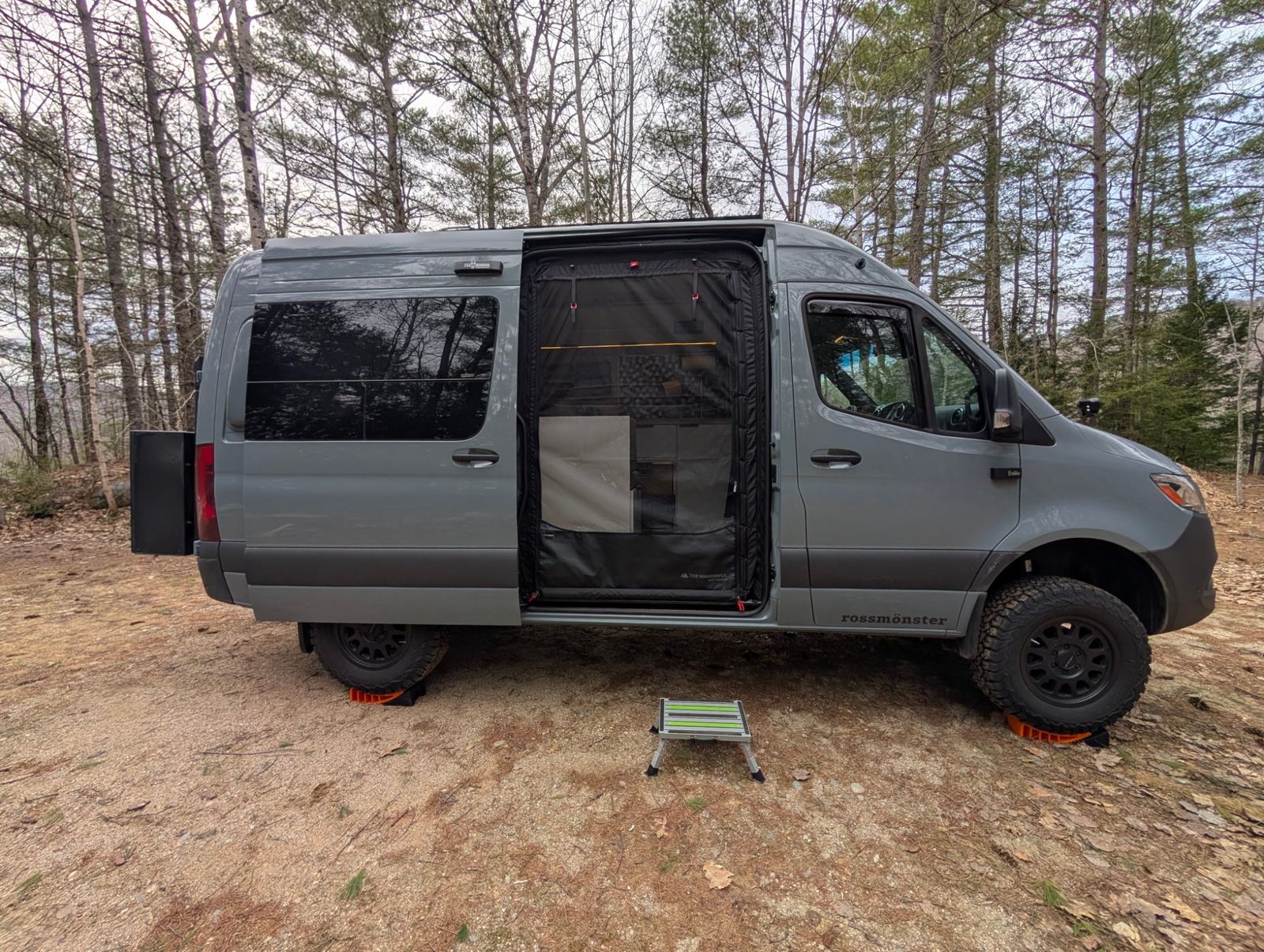
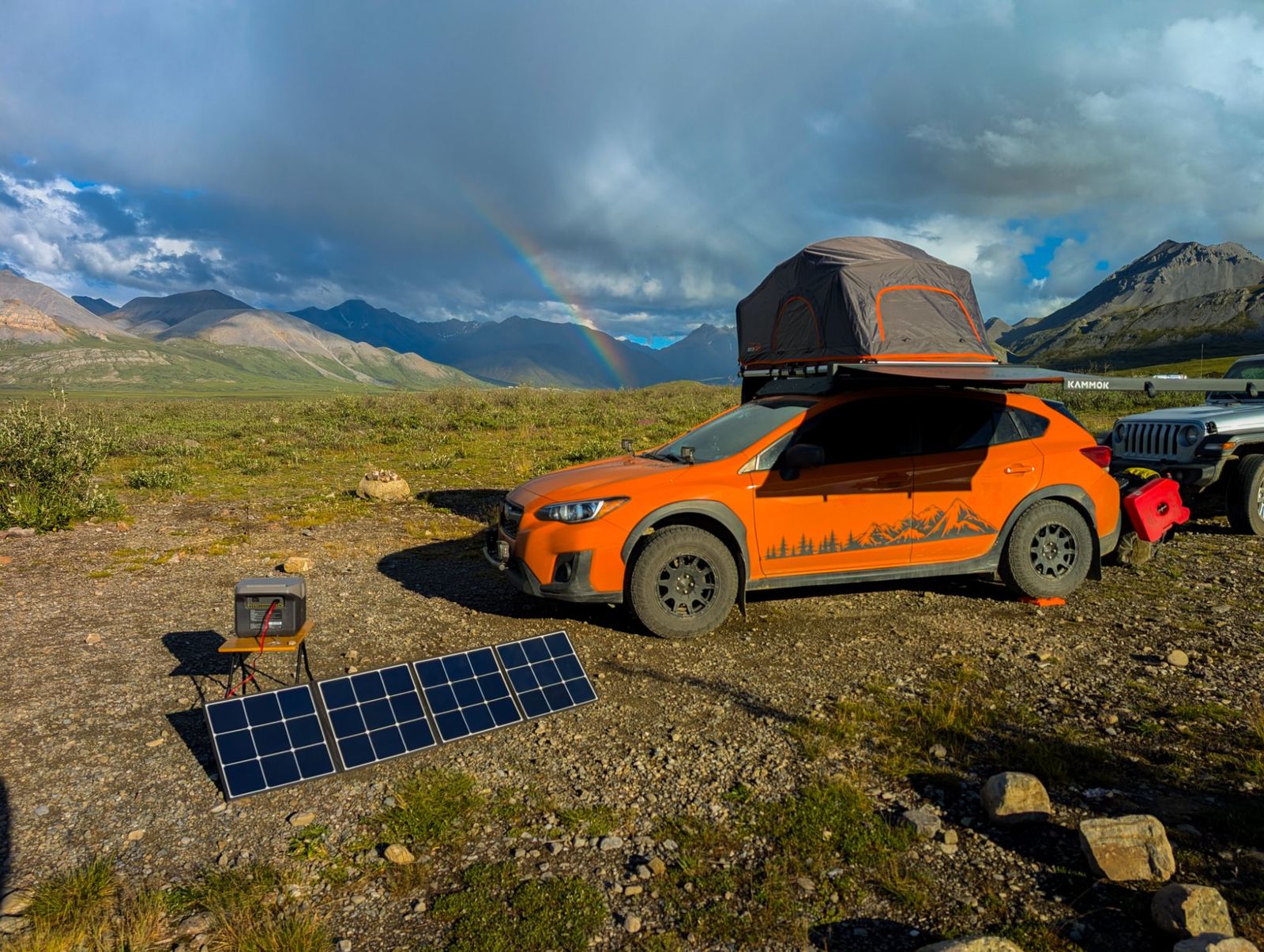
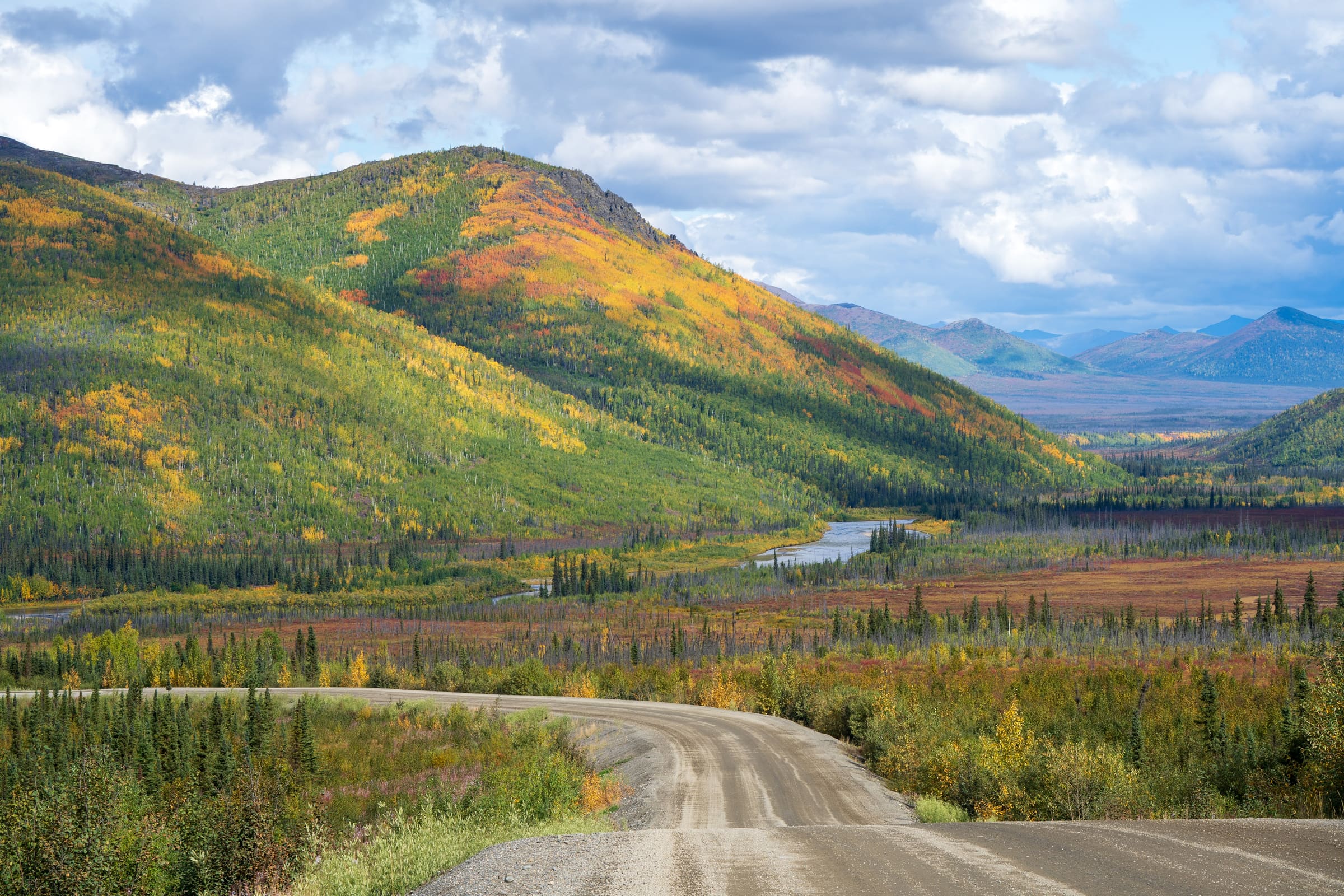
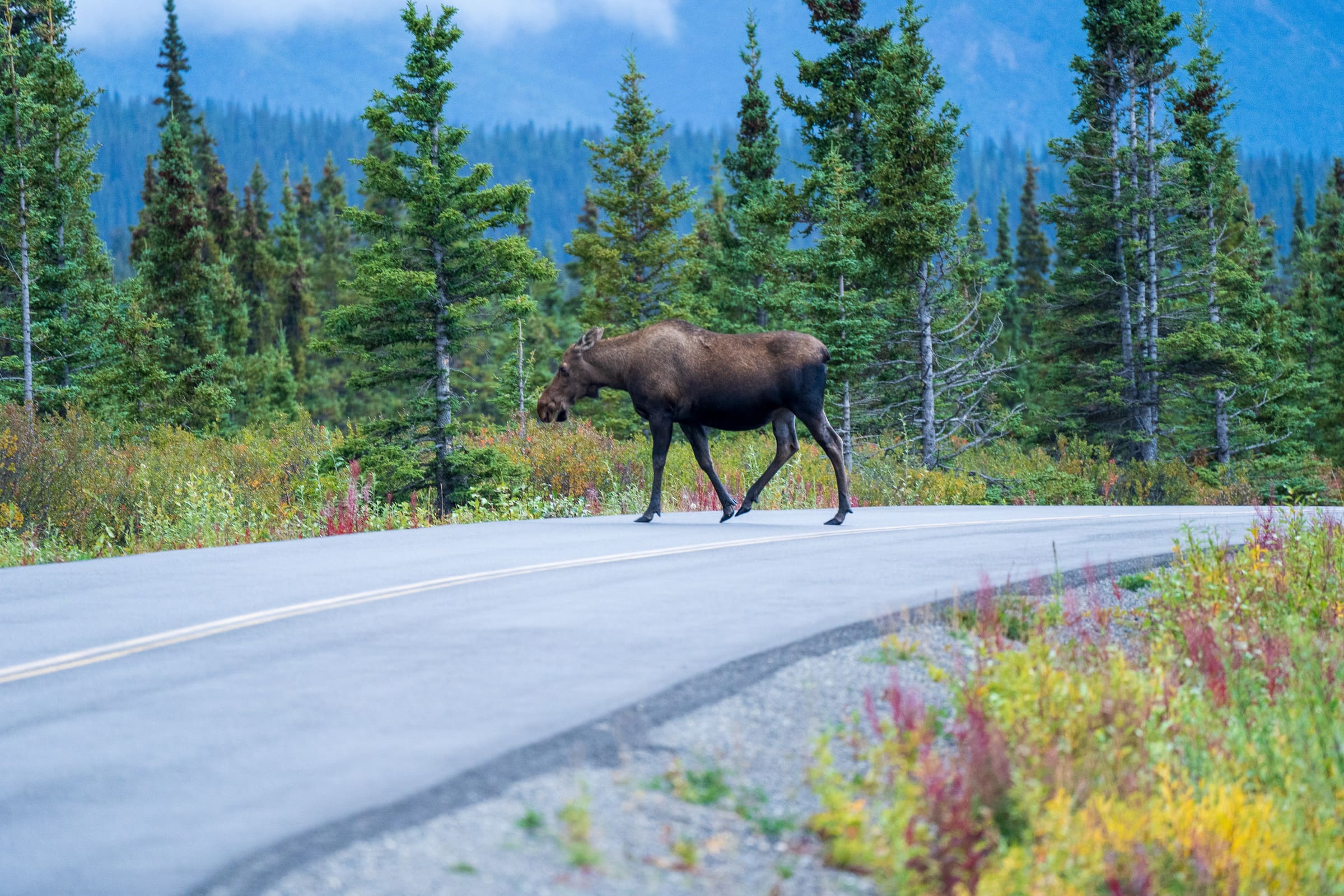
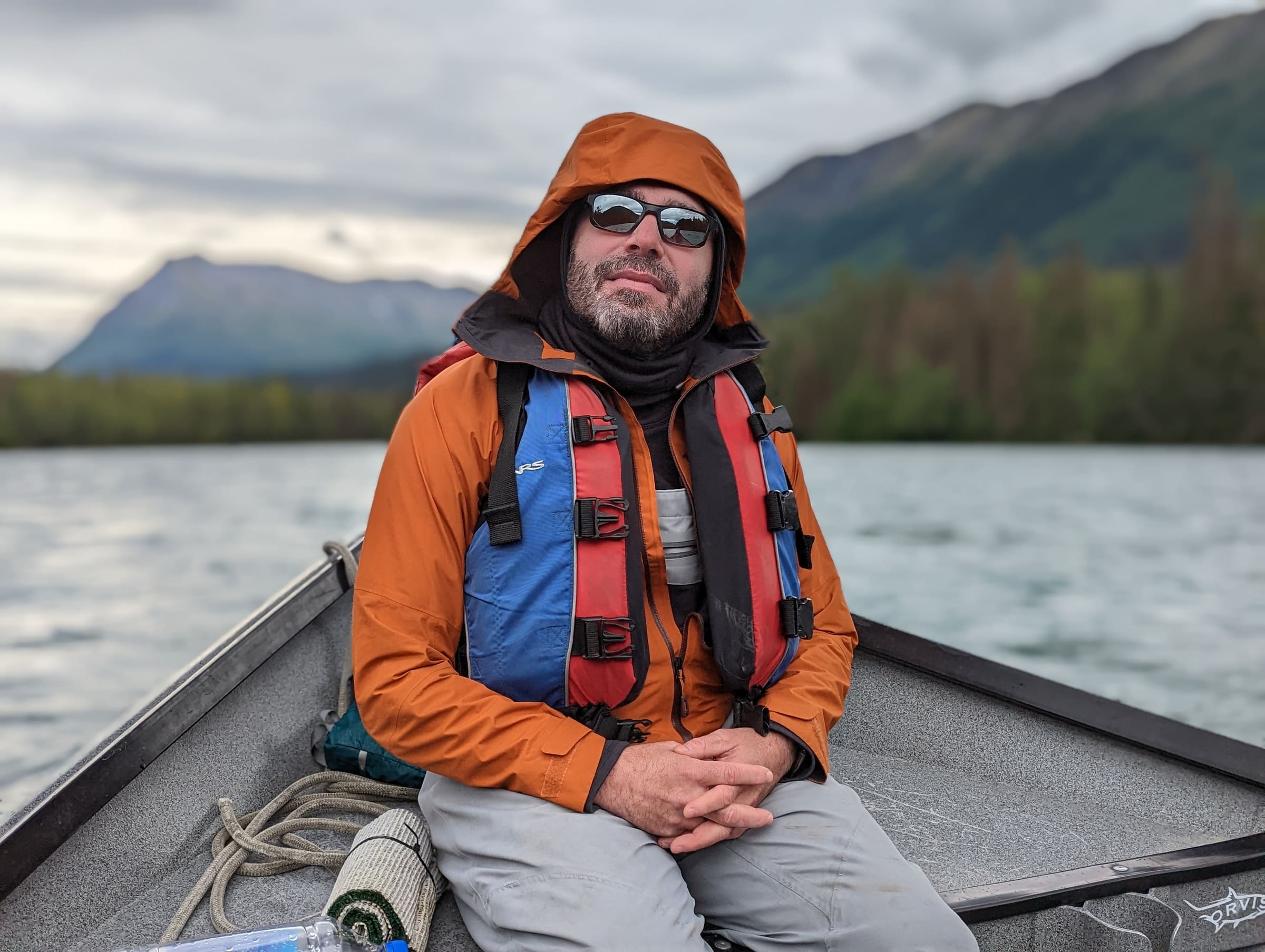
Wildlife, camp stops, and the long road home through northern Canada.
Border Crossings
You will cross the US-Canada border twice: once entering Canada and once entering Alaska. Here is what you need:
- Passport: A valid passport is strongly recommended for all travelers, including US citizens. At land crossings, US citizens may alternatively use a passport card, Enhanced Driver's License, or NEXUS card, but a passport is the simplest and most universally accepted option.
- Vehicle documents: Registration and proof of insurance. Your US auto insurance may not cover you in Canada. Check with your insurer and purchase Canadian coverage if needed.
- Firearms: Canada has strict firearms laws. Handguns and many semi-automatic rifles are prohibited. Long guns for hunting may be brought in with a declaration and fee (currently $25 CAD). Declare all firearms at the border. Failure to declare a firearm is a serious criminal offense in Canada.
- Pets: Dogs and cats need proof of current rabies vaccination. Bring the certificate. If you are traveling with animals, our Alaska pet safety guide covers wilderness precautions for the rest of the trip.
- Restricted items: No pepper spray (it is a prohibited weapon in Canada unless labeled for use against bears and carried in a wilderness context), no cannabis across the border (regardless of legalization status on either side), and standard food restrictions on fresh produce and meat.
Want a custom itinerary built for your trip? We'll plan your entire Alaska road trip around your dates, budget, and interests. Get your custom itinerary →
Vehicle Preparation
Before driving to Alaska, your vehicle needs to be in solid mechanical condition. The distances between repair shops in northern BC and the Yukon can be 200 miles or more.
- Tires: Good quality all-season or all-terrain tires with plenty of tread. Carry a full-size spare.
- Windshield: Start with one in good condition. Chips and cracks from gravel are common, and a pre-existing crack can spread quickly on rough roads.
- Fluids: Fresh oil, coolant, brake fluid, and windshield washer fluid. Carry extra washer fluid; you will use a lot on dusty gravel roads.
- Emergency kit: Jumper cables, basic tools, tow strap, first aid kit, flashlight, and warm blankets or sleeping bags in case of a breakdown in a remote area.
- Fuel capacity: Know your vehicle's range. If your tank only gets 250 miles, you may need a jerry can for some remote stretches. See our fuel planning guide for details.
Fuel and Costs Along the Way
Fuel in Canada is sold by the liter. In northern BC and the Yukon, expect to pay $1.70 to $2.20 CAD per liter, which works out to roughly $5.00 to $6.50 USD per gallon. Budget $600 to $1,000 in fuel for the drive from the Lower 48 to Alaska, depending on your vehicle.
Lodging along the route varies from $25-$50 per night for campgrounds to $120-$250 for hotels and lodges. Summer prices at Alaska Highway lodges can be steep because there is limited competition in remote areas.
When to Drive
The driving season for the overland route to Alaska is mid-May through mid-September. June and July offer the best weather and longest days. May and September are shoulder months with lower prices and fewer crowds but a higher chance of snow in the mountain passes of BC.
Driving in winter is possible but demands serious preparation: studded tires, engine block heater, extreme cold weather gear, and experience driving in ice and snow at temperatures that can drop to minus 40 degrees. Winter driving is not recommended for casual travelers. For seasonal trip planning, check our guide on the best time for an Alaska road trip.
Cell Service and Communication
Cell service is spotty to nonexistent through much of northern BC and the Yukon. Major towns like Fort St. John, Fort Nelson, Whitehorse, and Watson Lake have service, but long stretches between them do not. Consider:
- A satellite communicator (such as a Garmin inReach) for emergency communication
- Downloaded offline maps on your phone or a standalone GPS unit
- Paper maps as a backup (available at visitor centers along the route)
Is Driving to Alaska Worth It?
If you have the time and enjoy road trips, absolutely. Flying to Alaska and renting a car is faster and sometimes cheaper, but driving the overland route is an adventure in itself. The scenery through BC and the Yukon is stunning, the hot springs at Liard River are unforgettable, and there is a real sense of journey and accomplishment that arrives with you when you cross into Alaska. Budget at least seven days for the drive up, and you will not regret a single mile.
See a real Alaska itinerary before you spend a dollar
A real 3-day plan with driving times, lodging picks, and a daylight chart — free, in your inbox.
One email. No spam. Unsubscribe anytime. Or view it right now — no email needed ↗
Ready for the full plan? Get your custom itinerary — from $197 · 5-day delivery →