Embarking on an alaska road trip indigenous culture exploration offers a profound way to connect with the deep history, living traditions, and sacred landscapes of the Great Land. Alaska is not merely a wilderness of glaciers, fjords, and dramatic mountain ranges; it is the ancestral homeland of diverse Indigenous peoples who have actively stewarded these lands for thousands of years. From the Tlingit, Haida, and Tsimshian of the temperate coastal rainforests to the Athabascans of the vast Interior, and the Inupiat, Yup'ik, and Cup'ik of the Arctic and western coasts, Alaska's cultural tapestry is as varied and magnificent as its geography. By intentionally structuring your journey around heritage sites, cultural centers, and community-led experiences, you transform a standard sightseeing vacation into a deeply respectful, educational, and unforgettable adventure.
Understanding the Indigenous Peoples of Alaska
Before setting out on your highway adventure, it is crucial to understand that "Alaska Native" is an umbrella term encompassing distinct cultures speaking numerous languages. These groups are broadly categorized into major regions based on geographic, linguistic, and cultural commonalities: the Athabascans of the Interior; the Yup'ik and Cup'ik of the southwest; the Inupiat and St. Lawrence Island Yupik of the north and northwest; the Aleut (Unangax̂) and Alutiiq (Sugpiaq) of the south-central coastal regions and Aleutian chain; and the Tlingit, Haida, and Tsimshian of the Southeast Panhandle.
Each culture has developed unique artistic styles, oral histories, and technologies adapted to their environments. For instance, the coastal Tlingit are renowned for totem poles and Chilkat weaving, while Interior Athabascans are celebrated for beadwork and birchbark basketry. Incorporating these distinct heritages into your travel plans requires a thoughtful approach, which is why utilizing a comprehensive Alaska road trip planner can help you balance driving times with meaningful cultural stops.
To truly appreciate modern Alaska, visitors should also understand the unique legal and social landscape shaped by the Alaska Native Claims Settlement Act (ANCSA) of 1971. Unlike the reservation system predominant in the Lower 48, ANCSA established regional, for-profit Alaska Native corporations and village corporations. These corporations manage ancestral land, drive economic development, and fund cultural preservation initiatives. As you travel, you will frequently encounter businesses, land tracts, and cultural centers owned and operated by these corporations, showcasing a modern model of self-determination and cultural resilience.
The Southcentral Hub: Anchorage and the Mat-Su Valley
Your cultural journey begins in Anchorage (known in the local Athabascan language as Dgheyey Kaq', meaning "mouth of the Ship Creek"), the traditional homeland of the Dena'ina Athabascan people. Anchorage serves as an ideal launching pad for an alaska road trip indigenous culture itinerary, offering institutions that provide essential historical context before you hit the highway.
The premier destination here is the Alaska Native Heritage Center (ANHC). Located on a spacious wooded campus in northeast Anchorage, the ANHC is a living cultural center where visitors can interact with culture bearers, watch traditional dances, witness athletic demonstrations, and explore life-sized recreated village sites. Each site represents a different cultural group, showcasing traditional architecture, tools, and clothing. Walking through an Alutiiq barabara (sod house) or standing inside a Tlingit clan house provides an immersive understanding of historical architectural ingenuity.
In downtown Anchorage, the Anchorage Museum features the Smithsonian Arctic Studies Center, housing hundreds of meticulously curated Alaska Native artifacts. Here, you can view historic parkas, hunting implements, and ceremonial masks, accompanied by commentary from contemporary elders. This collaborative curation ensures that items are presented through an Indigenous lens.
As you drive north into the Matanuska-Susitna Valley, consider stopping in Palmer or Wasilla. The Chickaloon Village Traditional Council, an Ahtna Athabascan tribe, offers opportunities to learn about local stewardship and language revitalization. Understanding Ahtna history provides a rich backdrop as you prepare for drives into the Interior.
The Interior Route: Anchorage to Denali and Fairbanks
Heading north along the Parks Highway, you will traverse the traditional lands of the Dena'ina, Ahtna, and Tanana Athabascan peoples. Integrating an alaska road trip indigenous culture focus here adds immense depth to these iconic landscapes.
When driving from Anchorage to Denali, you will pass through Talkeetna. While famous as a mountaineering base, Talkeetna (originally a Dena'ina word meaning "river of plenty") has deep Indigenous roots. The confluence of the Talkeetna, Chulitna, and Susitna rivers served as a historic gathering place for Athabascan trading parties for generations.
Upon reaching Denali National Park and Preserve, it is vital to recognize that this landscape is a homeland. The National Park Service cultural resources highlight how Athabascan groups have hunted, gathered, and traveled through these mountains for millennia. The park's visitor centers offer exhibits on Athabascan land-use patterns, traditional place names, and ongoing subsistence rights of local communities who rely on these resources.
Continuing north to Fairbanks (Tanan), you enter the heart of the Tanana Valley. Fairbanks is home to the Morris Thompson Cultural and Visitors Center, featuring exhibits on the seasonal cycles of Athabascan life. The dioramas depict winter trapping, spring fish camps, and autumn hunts, illustrating how survival in the subarctic requires a deep relationship with the land. Additionally, the University of Alaska Museum of the North houses an extraordinary collection of Indigenous art, ranging from prehistoric carvings to contemporary installations.
The Kenai Peninsula: Coastal Heritages and Marine Connections
South of Anchorage, the Seward Highway winds through dramatic coastal scenery. Utilizing a detailed scenic Seward Highway guide will help you navigate this route, which transitions from Dena'ina Athabascan territory to the ancestral lands of the Alutiiq (Sugpiaq) and Chugach Miut peoples.
The Kenai Peninsula has been a cultural crossroads for thousands of years. In Kenai, visit the Kenai Visitors & Cultural Center to view exhibits on local Dena'ina culture and the impact of Russian fur traders who arrived in the late 18th century. The unique blend of Russian Orthodox Christianity and Indigenous traditions is visible today in the historic St. Nicholas Memorial Chapel, built in 1906 on the site of an earlier Dena'ina village.
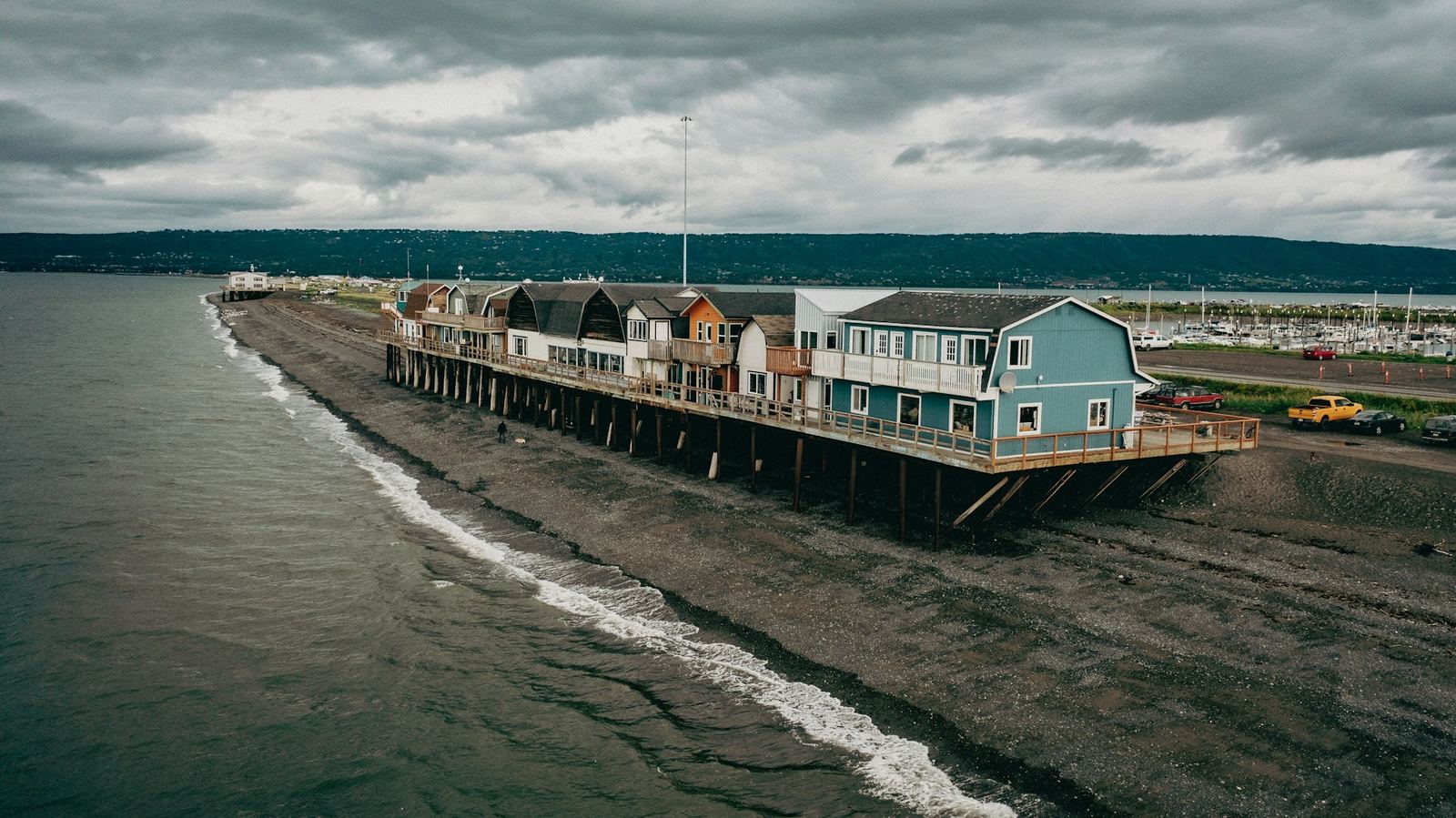
Further south in Homer, the Pratt Museum offers exhibits on the marine ecology and cultural history of the Kachemak Bay region. Learn about the Sugpiaq people's sophisticated maritime technology, including the use of qayaqs (kayaks) made of driftwood and sea mammal skins to hunt in subarctic waters. If you extend your journey, consider taking a ferry or flight to Kodiak Island, the heart of the Alutiiq homeland. The Alutiiq Museum in Kodiak is dedicated to preserving and sharing the language, arts, and culture of the Alutiiq people.
Southeast Alaska: The Marine Highway and Totem Traditions
While many associate an Alaska road trip with the mainland highway system, incorporating the Alaska Marine Highway System (the state ferry network) allows you to bring your vehicle into Southeast Alaska, the ancestral home of the Tlingit, Haida, and Tsimshian nations. This region adds a unique dimension to your cultural exploration.
In Haines, accessible by road via the Haines Highway, you can visit the Jilkaat Kwaan Cultural Heritage Center in the traditional Tlingit village of Klukwan. Located on the banks of the Chilkat River, Klukwan has been inhabited for thousands of years and is famous for its Chilkat weavers, who create intricate ceremonial blankets. The heritage center houses the legendary Whale House collection, widely considered some of the finest examples of Northwest Coast Indigenous art.
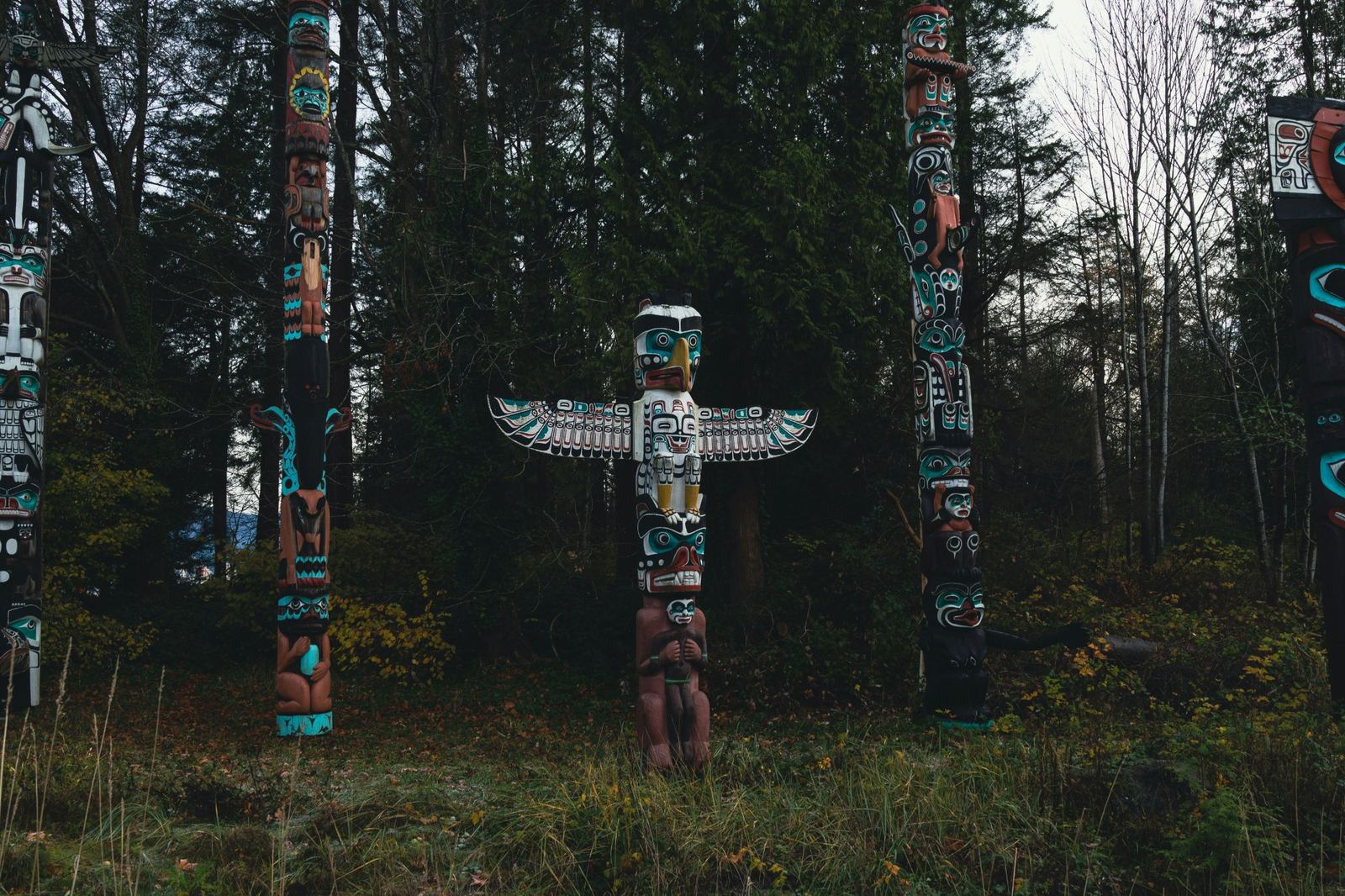
In Ketchikan (accessible by ferry), Totem Bight State Historical Park and Saxman Totem Park offer opportunities to view historic and replicated totem poles. These monumental cedar carvings are historical documents that record clan lineages, notable events, and oral histories. Learning to identify figures like the Raven, Eagle, Killer Whale, and Bear reveals the complex social structures of the coastal tribes.
Respectful Cultural Tourism: Etiquette and Best Practices
To ensure your alaska road trip indigenous culture experience is mutually beneficial and respectful, it is important to adhere to ethical travel practices. Cultural tourism should support, rather than exploit, local communities.
- Respect Private Property and Tribal Lands: Many Alaska Native villages are self-governing sovereign nations, and some require permission or permits for non-residents to visit. Travelers are encouraged to research local guidelines before entering remote communities, respecting private property and subsistence harvesting areas.
- Ask Before Photographing: It is highly recommended to ask for permission before photographing individuals, cultural performances, or private property. Some ceremonies, dances, or sacred sites are not appropriate for photography or filming.
- Support the Local Economy: Support local communities by purchasing authentic Alaska Native art directly from the artists or from reputable, certified galleries. Many visitors look for the "Silver Hand" logo, a program administered by the Alaska State Council on the Arts to guarantee that the artwork was created by a certified Alaska Native artist. This protects artists from cheap, imported imitations and ensures your financial contribution directly supports the preservation of traditional craft techniques. You can learn more about these protections through the federal Indian Arts and Crafts Board.
- Approach with Humility: Approach every cultural interaction with humility and a willingness to listen. Indigenous history in Alaska includes painful chapters of colonization, forced assimilation, and boarding schools. Listening to these histories with empathy is a crucial part of being a responsible traveler.
Planning Your Itinerary
To truly appreciate these rich cultural landscapes, Alaska Road Trip recommends dedicating at least a week or two to your road trip. This allows you to slow down, spend time in community museums, participate in guided cultural tours, and avoid rushing through sacred spaces. Whether you are planning a short loop or an extensive cross-state journey, integrating these cultural touchstones will elevate your Alaskan adventure from a simple vacation to a transformative learning experience. To begin mapping out your route, plan your trip with our customizable itineraries that highlight both natural wonders and rich cultural heritage sites.
Frequently Asked Questions
What is the best time of year to experience Alaska Native culture?
While cultural centers and museums are open year-round, the summer season (mid-May to mid-September) offers the most robust programming, including outdoor dance performances, guided tours, and active artist-in-residence programs. Additionally, major cultural events like Celebration (held biennially in June in Juneau) showcase the vibrant, living traditions of Southeast Alaska's tribes through dance, song, and art.
How can I ensure the art I buy is authentically made by Alaska Native artists?
Many buyers look for the "Silver Hand" logo, which features a silver hand design and the words "Authentic Alaska Native Art from Alaska." This seal, managed by the Alaska State Council on the Arts, is awarded to artists of Alaska Native descent. You can also look for the "Made in Alaska" logo, which guarantees the product was manufactured in the state, though it does not guarantee the artist is Indigenous. Buying directly from museum gift shops, cultural centers, or the artists themselves is the best way to ensure authenticity.
Are Alaska Native villages open to road-trip visitors?
Many villages along the road system welcome visitors, but these are quiet, residential communities rather than living history museums. Checking local tribal government or community websites before arriving can help visitors confirm open hours, visitor guidelines, and any permit requirements.
What is the significance of totem poles, and where can I see them on a road trip?
Totem poles are monumental carvings that serve as historical records, family crests, and memorials. They are unique to the coastal peoples of Southeast Alaska and the Pacific Northwest. While you won't find them traditionally in the Interior or Southcentral regions (which are Athabascan territories), you can see them in Anchorage at the Alaska Native Heritage Center, or by taking your vehicle on the ferry to Southeast Alaska destinations like Haines, Ketchikan, and Sitka.
Begin Your Journey Today
An Alaska road trip is more than a drive through scenic landscapes; it is an opportunity to walk through living history and learn from cultures that have thrived in harmony with this rugged environment for millennia. By prioritizing Indigenous heritage sites, supporting local artists, and traveling with respect, you will gain a deeper appreciation for the true spirit of Alaska. Let us help you design a meaningful, culturally respectful itinerary that connects you with the authentic heart of the Great Land.
See a real Alaska itinerary before you spend a dollar
A real 3-day plan with driving times, lodging picks, and a daylight chart — free, in your inbox.
One email. No spam. Unsubscribe anytime. Or view it right now — no email needed ↗
Ready for the full plan? Get your custom itinerary — from $197 · 5-day delivery →