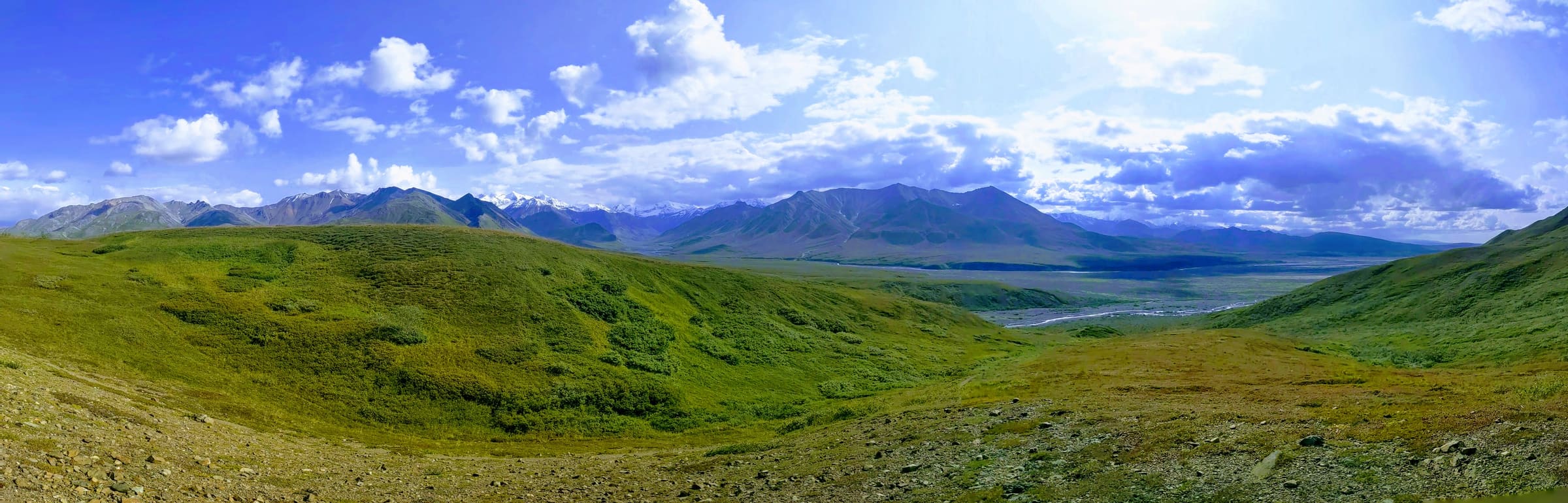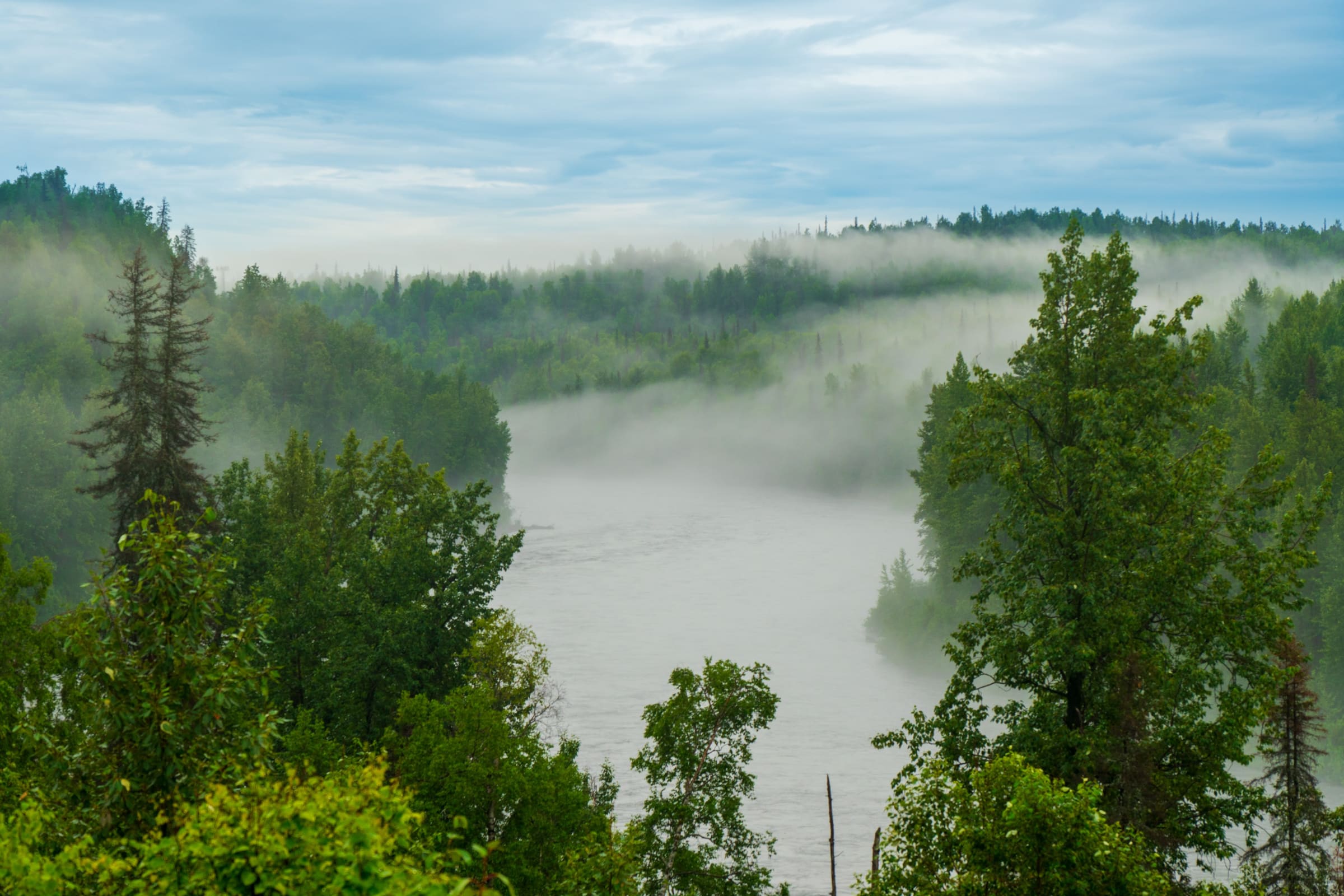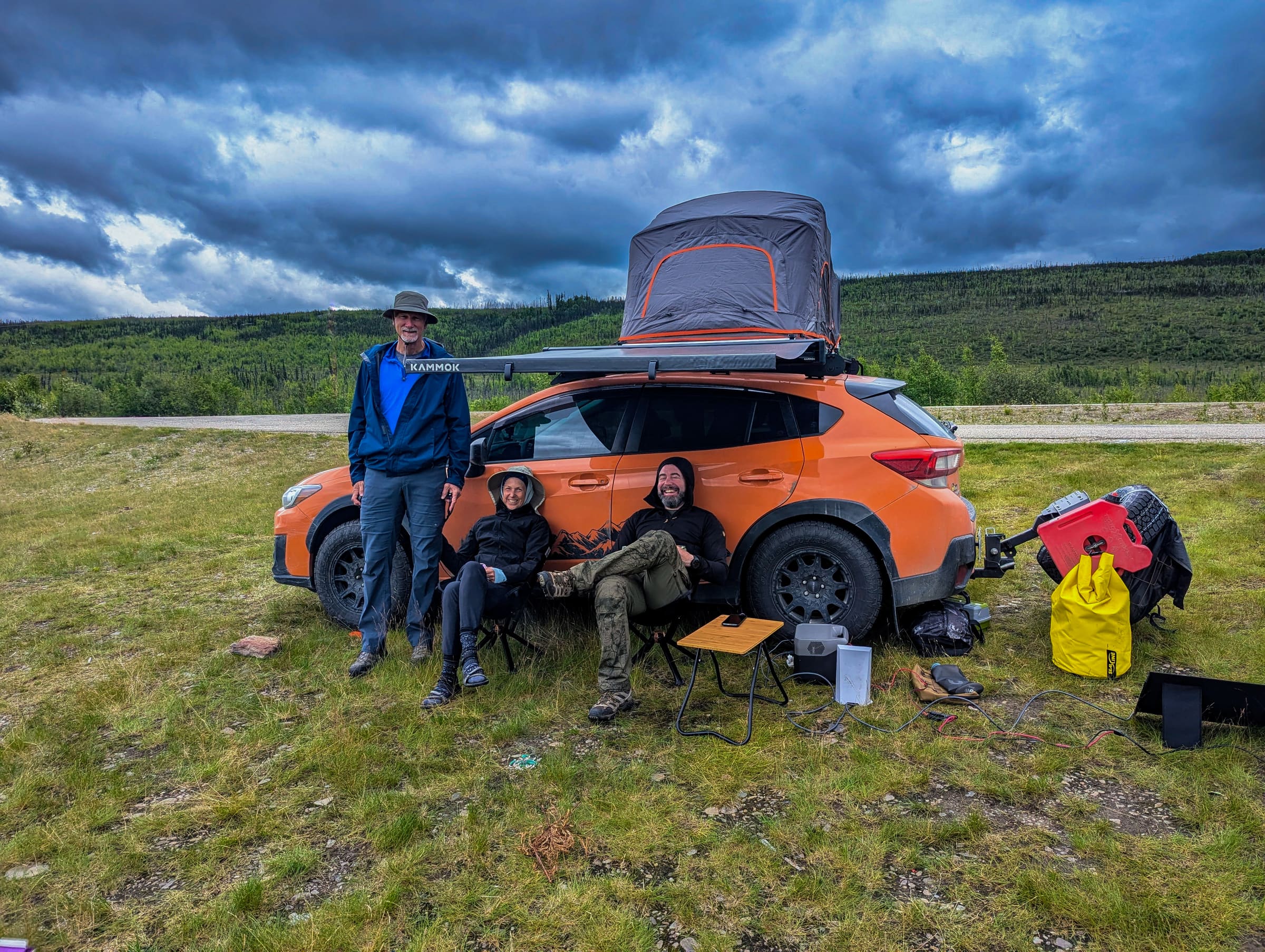
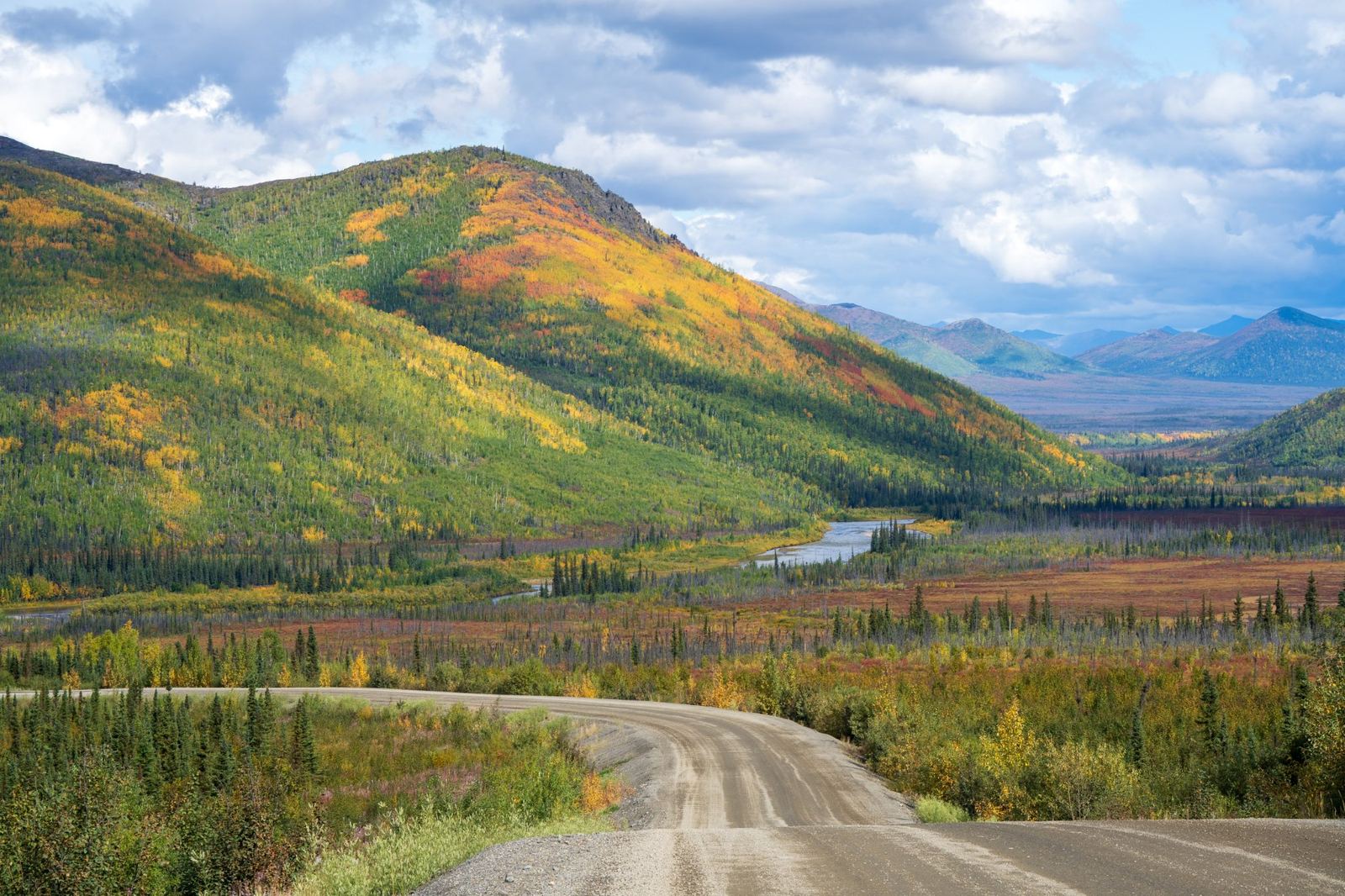
When planning an adventure in the Last Frontier, having a solid alaska road trip backup plan is not just a smart safety measure—it is an absolute necessity. Alaska is a land of unmatched beauty, dramatic landscapes, and untamed wilderness. However, the very elements that make it an extraordinary destination—towering glaciers, active tectonic zones, dense boreal forests, and wild weather—also make its infrastructure vulnerable to sudden disruptions. As we look ahead to the 2026 travel season, smart travelers are realizing that a successful journey requires more than just a list of sights; it requires a strategic blueprint for the unexpected.
Imagine driving down a scenic highway, surrounded by snow-capped peaks, only to find that a sudden mudslide, wildfire, or glacial outburst flood has closed the road ahead. In most parts of North America, a road closure means a minor detour of a few miles. In Alaska, where major destinations are often connected by a single primary highway, a closure can mean a detour of significant distance—or being cut off from your destination entirely. This is why creating a flexible alaska road trip backup plan before you set foot in the state is crucial to saving your vacation, your budget, and your peace of mind.
The Vulnerability of Alaska's Highway System
To build a realistic alaska road trip backup plan, you must first understand the unique geography of Alaska’s highway system. Unlike the contiguous United States, which features a dense grid of interconnected interstate highways, Alaska relies on a limited number of primary paved routes. The Alaska Department of Transportation & Public Facilities manages a highway network that, while incredibly scenic, is highly susceptible to environmental disruptions.
The core of Alaska’s road system consists of a few key arteries:
- The Seward Highway: Connecting Anchorage to the Kenai Peninsula.
- The Parks Highway: Connecting Anchorage to Denali National Park and Fairbanks.
- The Glenn Highway: Connecting Anchorage to the Glennallen area and the eastern Interior.
- The Richardson Highway: Connecting Valdez to Fairbanks.
This vulnerability is the primary reason why an alaska road trip backup plan must account for single-point-of-failure routes. If a rockslide occurs on the Seward Highway along Turnagain Arm, there is no alternative road to the Kenai Peninsula. You are either stuck waiting for the road to clear, or you must pivot to an entirely different region of the state. Understanding these geographic bottlenecks is the first step in designing a resilient itinerary.
Mastering Alaska 511 for Real-Time Updates
The foundation of any successful alaska road trip backup plan is access to real-time, accurate information. Fortunately, the state provides an excellent resource for monitoring road conditions: the Alaska 511 system. This platform offers up-to-the-minute reports on road closures, construction delays, weather advisories, and active natural hazards like wildfires or mudslides.
When executing an alaska road trip backup plan, you cannot rely on standard GPS routing apps, which often fail to update quickly in remote areas or may suggest unsafe, unmaintained dirt roads as detours. Instead, follow these steps to master Alaska 511:
- Download the App Before You Arrive: Install the official Alaska 511 mobile app on your phone. Familiarize yourself with its interface while you still have reliable high-speed internet.
- Check the Map Layers: Use the map layers to view active construction zones, weather warnings, and road cameras. Road cameras are particularly useful for assessing real-time visibility and road surface conditions.
- Sign Up for Alerts: Set up custom text or email alerts for the specific highways on your itinerary. This ensures you receive immediate notifications of any major incidents.
- Understand the Terminology: A "restriction" might mean delays or vehicle size limits, while a "closure" means the road is completely impassable. Knowing the difference helps you decide whether to wait it out or execute your backup route.
It is highly recommended to check the Alaska 511 system before leaving major towns like Anchorage, Fairbanks, or Kenai, and download offline maps to your device so you can navigate even when cellular coverage is unavailable.
The Kenai Peninsula Bottleneck & Alternative Loops
A critical scenario to address in your alaska road trip backup plan is a closure on the Seward Highway. This stunning road is the sole overland route to Seward, Kenai, Soldotna, and Homer. If you have planned a Kenai Peninsula loop itinerary, a major rockfall or mudslide near Girdwood can completely disrupt your travel plans.
If the Seward Highway is blocked south of Portage, you cannot drive to the Kenai Peninsula. This is where a creative alaska road trip backup plan can turn a potential disaster into an incredible journey. Instead of waiting indefinitely, consider these alternative routes:
The Prince William Sound Ferry Bypass
If the blockage is south of the Portage turnoff but north of Seward, travelers coming from Anchorage can still drive to the town of Whittier through the Anton Anderson Memorial Tunnel. From Whittier, you can book a vehicle-ferry crossing via the Alaska Marine Highway System to Valdez. Once in Valdez, you can drive north on the Richardson Highway, connecting to the Glenn Highway to return to Anchorage. While this bypasses the Kenai Peninsula entirely, it takes you through the breathtaking Prince William Sound, offering incredible opportunities for glacier viewing and wildlife watching.
Pivoting to the Matanuska-Susitna Valley
If the Seward Highway is closed closer to Anchorage, preventing you from heading south at all, pivot your itinerary north toward the Matanuska-Susitna (Mat-Su) Valley. You can explore the Hatcher Pass area, hike the Matanuska Glacier, or head toward Talkeetna. This shift keeps you on paved, accessible roads while offering a wealth of classic Alaskan experiences without the logistical headache of a blocked southern route. For detailed navigation of the southern route when it is open, consult our detailed Seward Highway guide.
Integrating ferry travel into your alaska road trip backup plan requires some foresight, as ferry spots for vehicles can fill up quickly during the peak summer season. However, keeping the ferry schedule handy is an excellent way to ensure you have a viable escape route if the highway is compromised.
Interior Detours: Redirecting to the Glenn Highway
Another essential scenario for your alaska road trip backup plan involves travel to the Interior. The Parks Highway is the primary route connecting Anchorage to Denali National Park and Fairbanks. During the dry summer months, wildfires can occasionally cause temporary closures or pilot-car delays along this corridor. Similarly, heavy rains can lead to washouts near the mountainous passes.
If the Parks Highway is closed or heavily restricted, your direct route to Denali is blocked. This is the beauty of a well-designed alaska road trip backup plan: it turns a stressful detour into a scenic highlight. Instead of forcing your way north through smoke or construction, redirect your trip toward the Glenn Highway.
The Glenn Highway offers an equally stunning, if not superior, glacier-viewing experience. Driving east from Anchorage, you will pass through the dramatic Matanuska River Valley. You can stop to explore the Matanuska Glacier, one of the most accessible roadside glaciers in the state. Continuing east to Glennallen, you can then head south on the Richardson Highway toward Valdez, or north toward Delta Junction and Fairbanks. This eastern loop allows you to bypass the Parks Highway entirely while still reaching the Interior or experiencing world-class alpine scenery.
To help you visualize and structure these alternative routes, we recommend utilizing a comprehensive Alaska road trip planner. Having pre-mapped alternatives for both the northern and southern portions of your trip ensures that you can make quick, confident decisions on the road.
Protecting Your Lodging Deposits & Bookings
A financial safety net is just as important to your alaska road trip backup plan as physical route alternatives. Alaska’s peak summer travel season is short, and high-quality accommodations are in high demand. Consequently, many lodges, cabins, and boutique hotels enforce strict cancellation policies, often requiring non-refundable deposits in advance during the peak summer season.
To protect your investment while maintaining the flexibility required for a successful alaska road trip backup plan, employ the following booking strategies:
1. Prioritize Flexible Cancellation Policies
When designing your alaska road trip backup plan, prioritize booking accommodations that offer flexible cancellation windows. While these rates may sometimes carry a slight premium, the ability to cancel or modify your reservation within a flexible window before arrival is invaluable when natural disasters strike. You can monitor real-time Alaska lodging availability to find last-minute alternatives if you are forced to change your route.
2. Invest in Travel Insurance
Standard travel insurance often covers trip interruptions due to documented road closures or natural disasters. For ultimate peace of mind, consider purchasing a "Cancel For Any Reason" (CFAR) policy. This type of coverage ensures that even if you decide to alter your route due to nearby active wildfires or heavy smoke—even if the road is technically open—you can recover a significant portion of your prepaid lodging costs.
3. Communicate Directly with Hosts
Alaskan lodge owners and hosts are incredibly familiar with the local geography and the realities of Alaskan travel. If a major road closure or natural disaster physically prevents you from reaching their property, contact them immediately. Many hosts are highly accommodating under these extreme circumstances and may offer refunds, credits, or alternative dates, even if you are technically past the cancellation deadline.
Essential Gear and Preparation for Route Changes
When executing your alaska road trip backup plan , having the right gear in your vehicle is paramount. Because detours in Alaska can add significant mileage and hours to your journey due to the vast distances between major routes, your vehicle should often be prepared for extended travel through remote areas.
Ensure your rental car or RV is equipped with the following essentials:
- A Physical Road Atlas: Do not rely solely on digital devices. A physical copy of "The Milepost" or a detailed paper map of Alaska is indispensable when navigating unfamiliar detour routes without cell service.
- Satellite Communication Device: Devices like a Garmin inReach or ZOLEO allow you to send messages, receive weather updates, and contact emergency services even in complete dead zones.
- Extra Food and Water: Carry a sufficient supply of non-perishable food and drinking water for everyone in your vehicle to sustain you in the event of an unexpected delay.
- Warm Clothing and Blankets: Even in mid-summer, temperatures in mountain passes can drop rapidly. Keep warm layers, rain gear, and blankets easily accessible.
- A Full Tank of Fuel: A common recommendation among local travelers is to keep your fuel tank as full as possible and top off whenever you pass a service station, as fuel stops can be far apart. When executing a backup route, gas stations may be few and far between. Fill up at every opportunity.
Frequently Asked Questions
Why is an alaska road trip backup plan necessary if I have a GPS?
Standard GPS routing applications often lack real-time data for remote Alaskan highways. They may not reflect sudden closures due to mudslides or wildfires quickly enough, and they might suggest unmaintained, dangerous gravel roads as alternative routes. A dedicated backup plan utilizing official resources like Alaska 511 ensures you stay on safe, paved, and open roads.
How does an alaska road trip backup plan handle limited cell service?
A robust backup plan relies on offline preparation. This includes downloading offline Google Maps, carrying a physical road atlas, utilizing a satellite communication device, and checking the Alaska 511 system before leaving major towns where cell service is still available.
Can I adjust my rental car agreement as part of my alaska road trip backup plan?
Most rental car companies in Alaska have strict rules regarding where their vehicles can be driven, particularly prohibiting travel on unpaved roads like the Dalton Highway or the Denali Highway. When executing a backup route, ensure your new path consists of approved, paved highways to avoid violating your rental agreement and voiding your insurance coverage.
What is the most common cause of road closures in Alaska during the summer?
During the summer months, the most common causes of road closures are active wildfires (which can cause heavy smoke and zero visibility), mudslides or rockfalls triggered by heavy rains, and ongoing road construction. Road construction is particularly common as crews work quickly to repair winter damage during the short summer window.
Plan Your Unforgettable Alaska Adventure Today
At Alaska Road Trip, we believe that a robust alaska road trip backup plan is the key to stress-free travel. By understanding the local geography, mastering real-time monitoring tools, and preparing for alternative routes, you can face any road closure with confidence. Let us help you design a customizable, flexible itinerary that ensures your Alaskan dream vacation remains a success, no matter what Mother Nature throws your way. Explore our expert travel resources and start planning your perfect, worry-free journey today.
See a real Alaska itinerary before you spend a dollar
A real 3-day plan with driving times, lodging picks, and a daylight chart — free, in your inbox.
One email. No spam. Unsubscribe anytime. Or view it right now — no email needed ↗
Ready for the full plan? Get your custom itinerary — from $197 · 5-day delivery →