Summer in Alaska: What You're Actually Signing Up For
Summer in Alaska is a short, intense, occasionally surreal season that runs roughly from late May through early September. For about 14 weeks, the state transforms. Roads that were buried under four feet of snow in April become scenic highways. Lodges that were shuttered reopen. Salmon start running. Bears come out of their dens. The sun barely sets. And nearly every visitor to the state books into that window, because it is when the place is most itself.
This guide is the honest version of what to expect from an Alaska summer — the daylight, the weather, the wildlife, the prices, what to pack, and what each month actually looks like on the ground. It is meant to help you pick the right week and go in with clear expectations.
How Much Daylight, Really
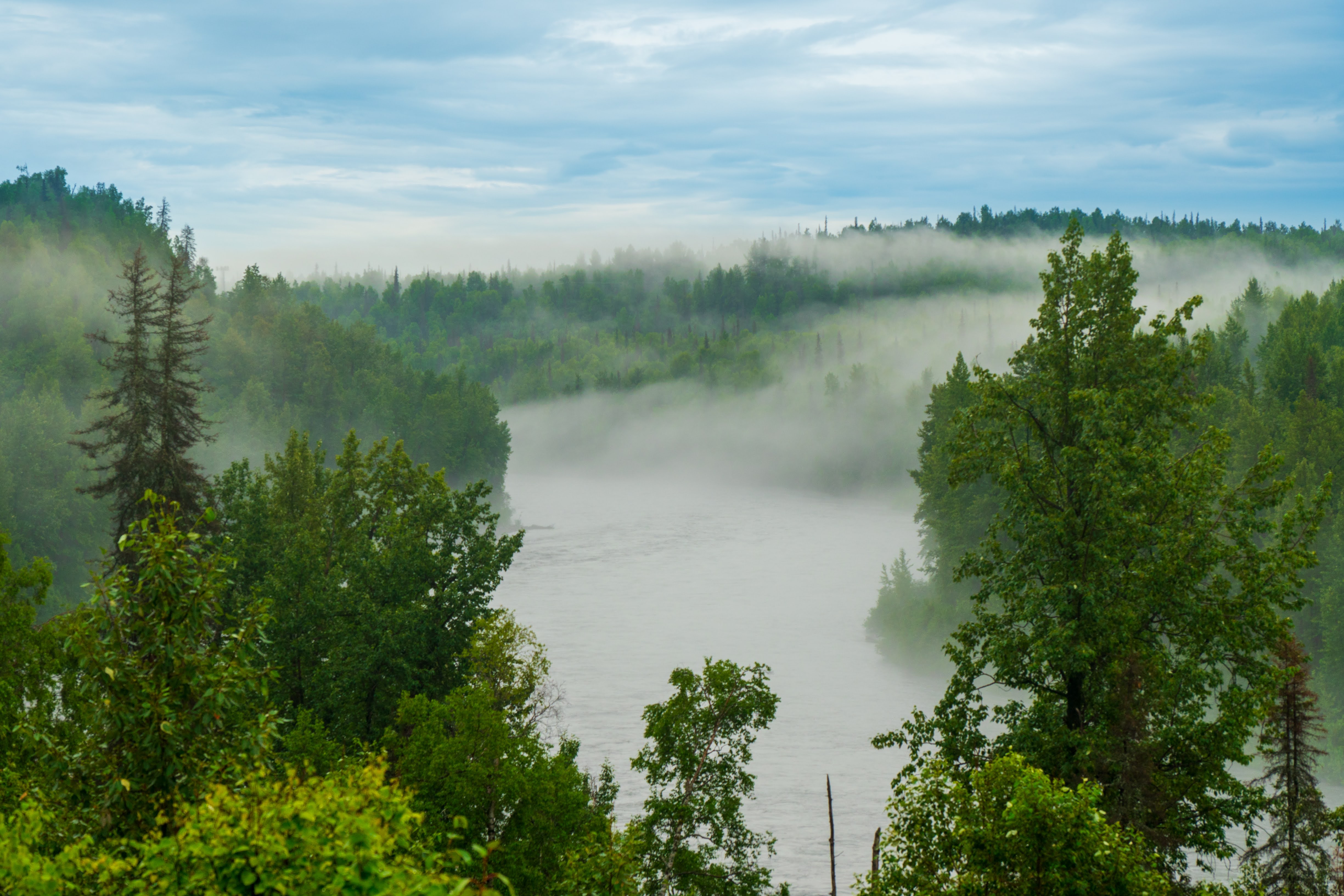
The biggest thing first-time visitors underestimate is daylight. Anchorage, at about 61° north, gets 19 hours 21 minutes of real sun at the summer solstice. Fairbanks, at 64° north, technically never gets fully dark from mid-May through late July — the sun dips below the horizon for a few hours but astronomical twilight persists all night. Nome, further north still, stays sunlit 24 hours a day.
What this means in practice:
- You can hike, drive, fish, and eat dinner outside at 10 PM in bright sunshine.
- Sleep is harder than you expect. Most hotels have blackout curtains but not great ones. Bring a sleep mask — I am not joking, this is the single most overlooked item on every first-timer's trip.
- Kids get wired. If you are traveling with children, plan for the fact that their internal clock will fight you. See our Alaska with kids guide.
- Dawn and dusk for photography are compressed into strange hours (3 AM, 11 PM). The "golden hour" at the solstice lasts nearly four hours but happens when most travelers are asleep.
Daylight decreases faster than most people realize as the summer progresses. By August 15, Anchorage loses about five minutes per day. By early September, it feels genuinely dark at 10 PM.
Weather: The Short Version
Alaska is bigger than the Lower 48 east of the Mississippi, so the weather generalizations depend heavily on where you go. For the road-accessible south-central and interior regions that most travelers see:
Temperatures
- Anchorage / Kenai Peninsula: Daytime highs 55–70°F (13–21°C) in June, 60–72°F in July, 55–67°F in August. Nights 45–55°F.
- Denali / Interior: More variable. 60–75°F daytime is common in June and July, but a cold front can drop it into the 40s with wind. Nights can dip to freezing even in July at higher elevations.
- Fairbanks: Warmer than you'd expect — the interior is continental, not coastal. July highs routinely hit 75°F and occasionally 85°F. Low humidity.
- Southeast (Juneau, Ketchikan): Cooler, wetter, and gray. 55–65°F is typical. It rains more than you think.
Rain
June is the driest month almost everywhere. July is usually the warmest but slightly wetter. August has the most rain, and September is wetter still. Seward and the Southeast get significantly more rain than Anchorage and the Interior — Seward averages about 60 inches of rain per year, mostly in August–October, while Anchorage only gets 16 inches annually.
The practical rule: pack a real rain shell and waterproof hiking boots, and plan activities assuming at least one or two rain days in a week-long trip. The weather rarely cancels an entire day — it comes in bands — but it will absolutely rain on you at some point.
Month-by-Month Summer Breakdown
Late May: The Season Opens
By late May, most of the road system is clear of snow at low elevations. Exit Glacier Road opens, the Kenai Fjords boat tours start running, and Denali's road opens gradually as the snow melts at higher elevations. Daylight is already 18+ hours. Wildflowers are just beginning. Moose and bears are extremely active — bears just out of dens, moose with new calves.
Pros: Lower prices, smaller crowds, no mosquitoes yet, dramatic low-angle light from the mountains still holding snow.
Cons: Weather is more variable. Snow squalls still possible over Turnagain Pass. Some trails at higher elevations are still under snow. A few seasonal lodges haven't opened yet.
Good for: Travelers who want the shoulder-season experience, photographers wanting dramatic light and snow-capped peaks, and anyone on a budget.
June: The Sweet Spot
June is the driest, sunniest, and arguably best month overall. The longest days of the year happen around June 21, and temperatures are warm but rarely hot. Wildflowers peak. King salmon run the Kenai River. Denali is visible more often than any other month (though still only about 35% of the time). Mosquitoes are present but not yet brutal at the coast.
Pros: Best weather odds, longest daylight, peak wildflowers, most reliable mountain views.
Cons: Sockeye haven't arrived yet on the Russian River (that's early July). Beluga whales haven't returned to Turnagain Arm in force. Crowds are ramping up — book ahead.
Good for: First-time visitors who want maximum chance of good weather and scenery. Photographers. Long-daylight lovers.
July: Peak Everything
July is the most popular month and the most expensive. It is also the month when Alaska is most vividly alive. Sockeye salmon flood the Kenai and Russian rivers. Halibut charters out of Homer are booked solid. Belugas return to Turnagain Arm. Bears congregate around salmon streams. Wildflowers give way to fireweed. It is the month most people picture when they imagine Alaska.
Pros: Maximum wildlife activity. All trails and lodges open. Warmest temperatures. Full salmon runs. Longest list of available activities.
Cons: The highest prices and busiest crowds. Kenai Fjords boat tours need to be booked 3+ weeks out. Lodging in Seward and Homer in July books months ahead. Mosquitoes peak in the Interior. Occasional wildfire smoke from Interior fires can haze out Denali views for days at a time.
Good for: Salmon fishing, bear viewing, families (warmest weather, warmest water), and anyone willing to pay and book ahead for peak season.
August: Underrated
August is the month most locals quietly recommend. Crowds thin after the first week (school starts in mid-August in Alaska). Fireweed blooms pink across entire mountainsides. Silver (coho) salmon runs begin. Berries ripen and bears feed on them heavily. The light shifts golden and warm. The first hint of fall color appears on the tundra by the third week.
Pros: Fewer crowds. Lower prices than July. Spectacular color. Still-warm weather through the first two weeks. Northern lights become theoretically visible again by late August as real darkness returns.
Cons: Rain becomes more frequent, especially in Southeast Alaska. Some operators wind down by the end of the month. Mosquitoes are still present but less intense than July.
Good for: Travelers who prefer fewer crowds over absolute peak conditions. Berry-season bear viewing. Photographers chasing the tundra-color shift.
Early September: The Golden Exit
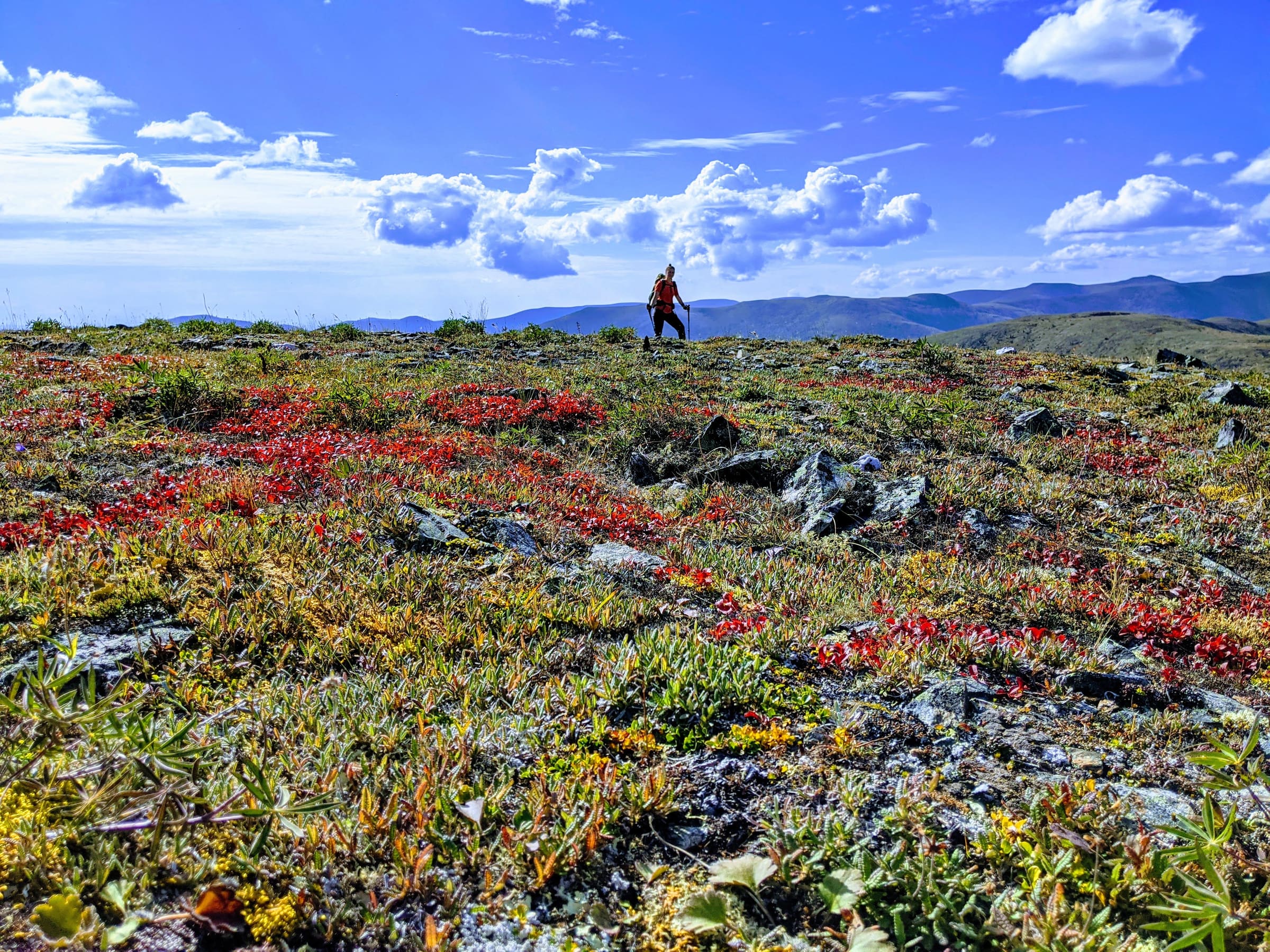
The first two weeks of September are arguably the most beautiful time in Alaska, with an asterisk: the weather is less reliable. Tundra explodes into red, orange, and gold. The Kenai Peninsula turns yellow with birch and aspen. Denali often gets its first dusting of snow on the peaks while the valleys are still autumn. Rooms are much easier to find. Prices drop.
Pros: Peak fall color. Low crowds. Dropping prices. Northern lights return. Golden light.
Cons: Weather risk increases — rain, wind, early snow on passes. Some operators have closed for the season (check specific tour and lodge availability before you plan). Some trails may be muddy or iced.
Good for: Photographers, return visitors, and travelers who prioritize solitude and color over peak wildlife activity.
Wildlife Calendar
Different months give you different wildlife. Here is the cheat sheet.
- Bears (brown and black): All summer, but peak viewing is July–August when they congregate at salmon streams. Berries in August and September also keep them active.
- Moose with calves: Late May and June.
- Dall sheep: Year-round on cliffs above the Seward Highway, most active in June and July.
- Caribou: Denali summer, velvet antlers peak in June and July.
- Humpback whales: Kenai Fjords June through August.
- Beluga whales: Turnagain Arm mid-July through mid-August.
- Orcas: Kenai Fjords, less predictable; best odds in June and July.
- Sea otters and puffins: Resurrection and Kachemak bays, all summer.
- Bald eagles: All summer, with concentrations wherever fish are running.
- Salmon (viewable spawning): Russian River sockeye peaks mid-July. Bear-viewing streams at Brooks Falls and Katmai peak late July.
Crowds and Pricing: What to Actually Expect
Alaska tourism is heavily concentrated. About 2 million visitors come each year, and the vast majority visit in the 10-week window from mid-June to late August. That means:
- Airfare to Anchorage peaks in July. Round-trip from the Lower 48 runs $500–$900 typically, with premium flights higher. Book 2–4 months out for the best rates.
- Rental cars are the tightest constraint in peak season. A mid-size SUV for a week can run $700–$1,500 in July. Book as early as humanly possible. May and September prices drop by 30–40%.
- Hotels in Seward, Denali, and Homer book months ahead in July. If you want your first-choice room, book February or March for a July trip.
- Tours and charters (Kenai Fjords boats, halibut charters, flightseeing, Denali buses) vary — flightseeing often has last-minute availability due to weather; boat tours and bus tickets sell out far ahead.
Packing for Alaska Summer
The summer packing philosophy is layers. You can experience 40°F and 75°F in the same day if you're moving between a glacier boat and an Anchorage restaurant. Quick list:
- Waterproof rain shell with hood
- Warm midlayer (fleece or light puffy)
- Long-sleeve base layers (merino or synthetic)
- Hiking pants and one pair of waterproof overpants if you're doing any boat tours
- Waterproof hiking boots or trail runners
- Warm hat and light gloves (yes, even in July — for the Kenai Fjords boat)
- Bug head net and DEET or picaridin repellent
- Sleep mask (critical)
- Polarized sunglasses
- Binoculars
- Reusable water bottle
- Sunscreen (the sun is surprisingly strong through thin air at high latitudes)
Full breakdown in our Alaska packing list.
Mosquitoes: A Separate Section
Yes, Alaska mosquitoes are as bad as their reputation, but only in specific places and times. They are worst in the Interior (around Fairbanks, Denali backcountry, and anywhere with standing water) from mid-June through mid-August. They are noticeably less bad on the coast where wind and cooler temperatures suppress them. They are nearly absent above treeline and in exposed windy areas.
Practical approach: bug head net for any backcountry hike or evening outdoors in the Interior, DEET or picaridin repellent, long sleeves and pants in peak season, and acceptance. They are a real nuisance but rarely trip-ruining.
Pros and Cons: The Summary
Why Summer is the Right Choice for Most Visitors
- Everything is open — every road, trail, lodge, tour, and restaurant.
- Wildlife is at peak activity and visibility.
- Weather is as good as it gets.
- Daylight is essentially unlimited.
- All five salmon species are running at some point in the window.
The Real Downsides
- Peak prices for flights, cars, and lodging.
- Crowds at popular destinations.
- Booking requirements — you can't fully wing it in July.
- Mosquitoes in the Interior.
- Occasional wildfire smoke.
Frequently Asked Questions
What's the single best week of summer?
Mid-June — specifically the week around June 20. You get maximum daylight, near-best weather odds, wildflowers in full bloom, and the crowds haven't hit their July peak yet. Early August is a close second if you prefer fewer people over peak hours of daylight.
Is Alaska warm enough to swim?
Ocean water stays around 45–55°F even in peak summer. Lakes near Anchorage get warm enough for a brave dip (mid-60s) by late July. Hot springs like Chena (near Fairbanks) are warm year-round, and Alaska's hidden hot springs offer wilder, undeveloped soaks. Bring a swimsuit if you are a hot springs person; skip it otherwise.
Can I see the northern lights in summer?
No — it's too light at night from mid-May through mid-August. Northern lights require real darkness. By late August the night returns enough that a strong aurora display is visible, and September is viable. If the lights are your priority, come in late August or September, or return in winter.
Are cruise ports crowded?
Yes. Ketchikan, Juneau, and Skagway each host 3–5 cruise ships per day in peak summer, putting 10,000+ tourists on streets designed for a fraction of that number. The best strategy is to avoid cruise ports on big ship days or time visits around ship departures. A road trip up the road system avoids the worst of this.
How does an Alaska summer compare to Iceland or Norway?
Alaska is roughly comparable in latitude (south-central Alaska is a bit lower than southern Iceland, similar to Bergen, Norway). The daylight and general feel of the summer season are similar. The key differences: Alaska has more dramatic wildlife (especially land mammals), less developed tourism infrastructure off the main road system, and — for most U.S. travelers — no passport required.
When should I book?
For July: book flights and rental car by March. Lodging in Seward/Denali/Homer by late February for ideal inventory. Tours and charters at least a month out. For June or August: you have a bit more flexibility, but still book key pieces 2–3 months ahead. For May or September: 3–6 weeks is usually fine.
For more detailed planning help, see our step-by-step Alaska road trip planner, our month-by-month timing guide, and our classic 7-day itinerary.
A Final Note: The Light
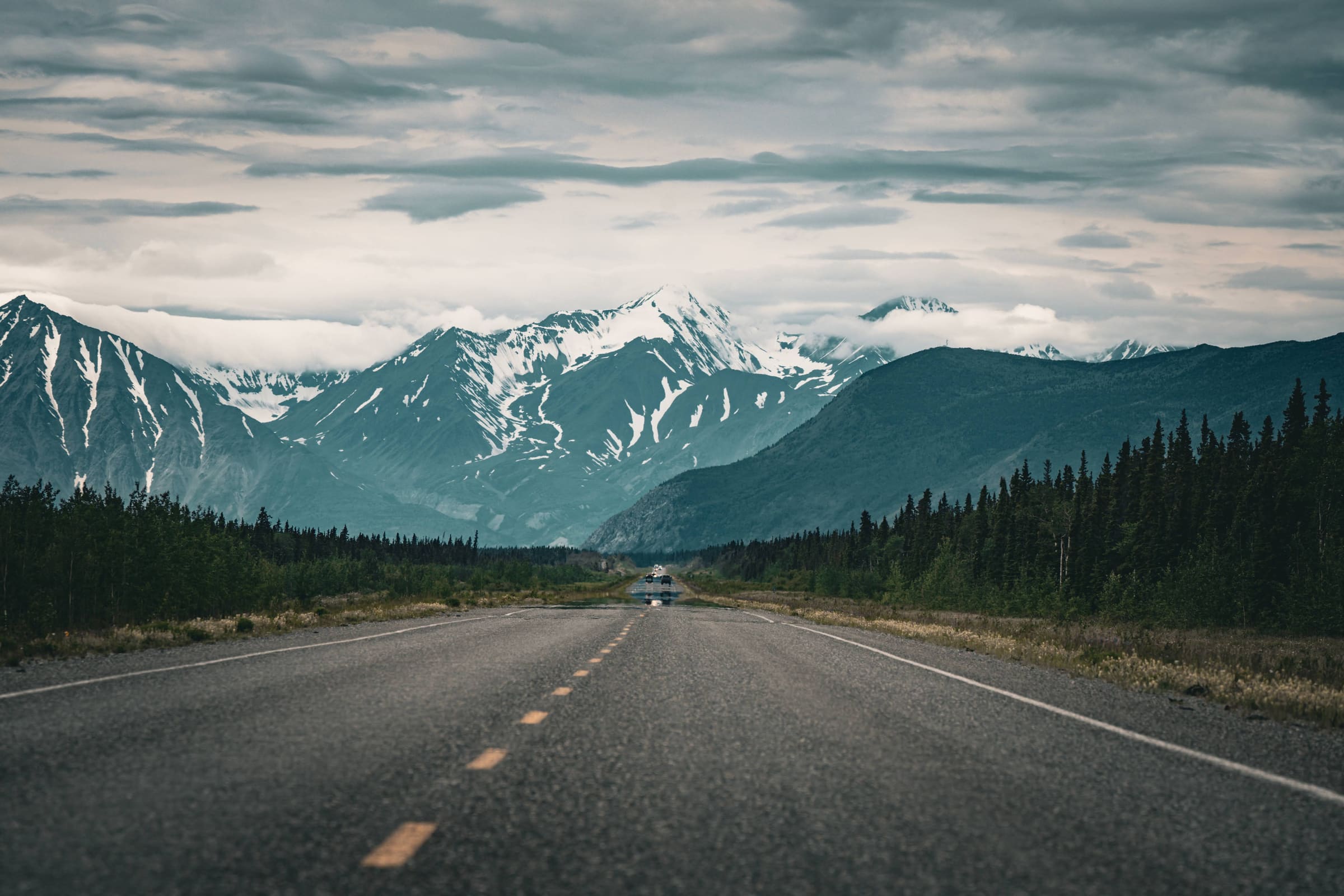
The thing that stays with most people after an Alaska summer trip isn't a specific hike, boat tour, or meal. It's the quality of light. At these latitudes, the sun moves across the sky at a low angle for most of the day, raking the landscape sideways rather than beating down from overhead. The result is a golden, warm light that lasts for hours instead of minutes — a long, slow golden hour that stretches from mid-afternoon well into the evening.
Photographers know this. It's why Alaska appears in so many magazine covers and calendar prints that look almost computer-generated — the light is real, and it's a direct consequence of the geography. On a clear day in July, you can watch the same mountain range change color a dozen times between 3 PM and midnight. Most travelers notice this about halfway through their trip and start arranging their days around it, finding themselves out on a trail or a pullout at 9 PM because the view demands it.
Plan your trip for the weather, book what you need to book, and then when you're here, give yourself permission to follow the light.
See a real Alaska itinerary before you spend a dollar
A real 3-day plan with driving times, lodging picks, and a daylight chart — free, in your inbox.
One email. No spam. Unsubscribe anytime. Or view it right now — no email needed ↗
Ready for the full plan? Get your custom itinerary — from $197 · 5-day delivery →