Alaska roadside hot springs offer a restorative reprieve from the physical demands of long-distance driving across the Last Frontier. Navigating the state’s expansive highway system—often characterized by frost heaves, gravel stretches, and isolated corridors—can be taxing, making a soak in geothermal waters a highlight for many travelers. Whether you are recovering from a week of backcountry camping or completing a multi-day drive from the Lower 48, these natural features provide a unique connection to Alaska's volcanic geology. Integrating these stops into your travel schedule requires careful planning, as many sites are tucked away in rugged terrain where parking, seasonal accessibility, and reservation requirements vary significantly. If you find the DIY research process overwhelming, Alaska Road Trip provides custom day-by-day itineraries that integrate these stops into your broader travel plans, ensuring you don't miss the best spots while managing your time effectively.
Understanding Alaska Roadside Hot Springs
When discussing roadside hot springs in the North, we refer to sites that are accessible by vehicle but retain a wild, natural feel. It is important to note that while many travelers associate these springs with Alaska, the famous Liard River Hot Springs in British Columbia is a major highlight for those driving the Alaska Highway. According to BC Parks, this site is a must-visit stop, offering a lush, boreal forest environment that remains open year-round, providing a tropical-like experience in the middle of the northern wilderness.
Within Alaska, the options vary significantly in terms of development. Some, like Chena Hot Springs, are full-service resorts, while others are more rustic. As you plan your driving to Alaska route, consider how these stops fit into your daily mileage. Driving in Alaska is not like driving in the Lower 48; distances are vast, and road conditions can change rapidly. Our team has logged thousands of Alaska miles across multiple seasons, and we emphasize that your itinerary should account for the reality of these long, often isolated stretches of pavement. Travelers should consult the Alaska Department of Transportation for real-time road conditions before departing on any segment of their journey.
Geologically, Alaska’s thermal activity is a direct result of the state's position along the Pacific Ring of Fire. The Alaska Division of Geological & Geophysical Surveys notes that the state contains numerous thermal springs, many of which are located in remote areas. Understanding this geological context helps travelers appreciate why these springs exist in such isolated, mountainous regions.
Top Accessible Hot Springs for Your Itinerary
Chena Hot Springs
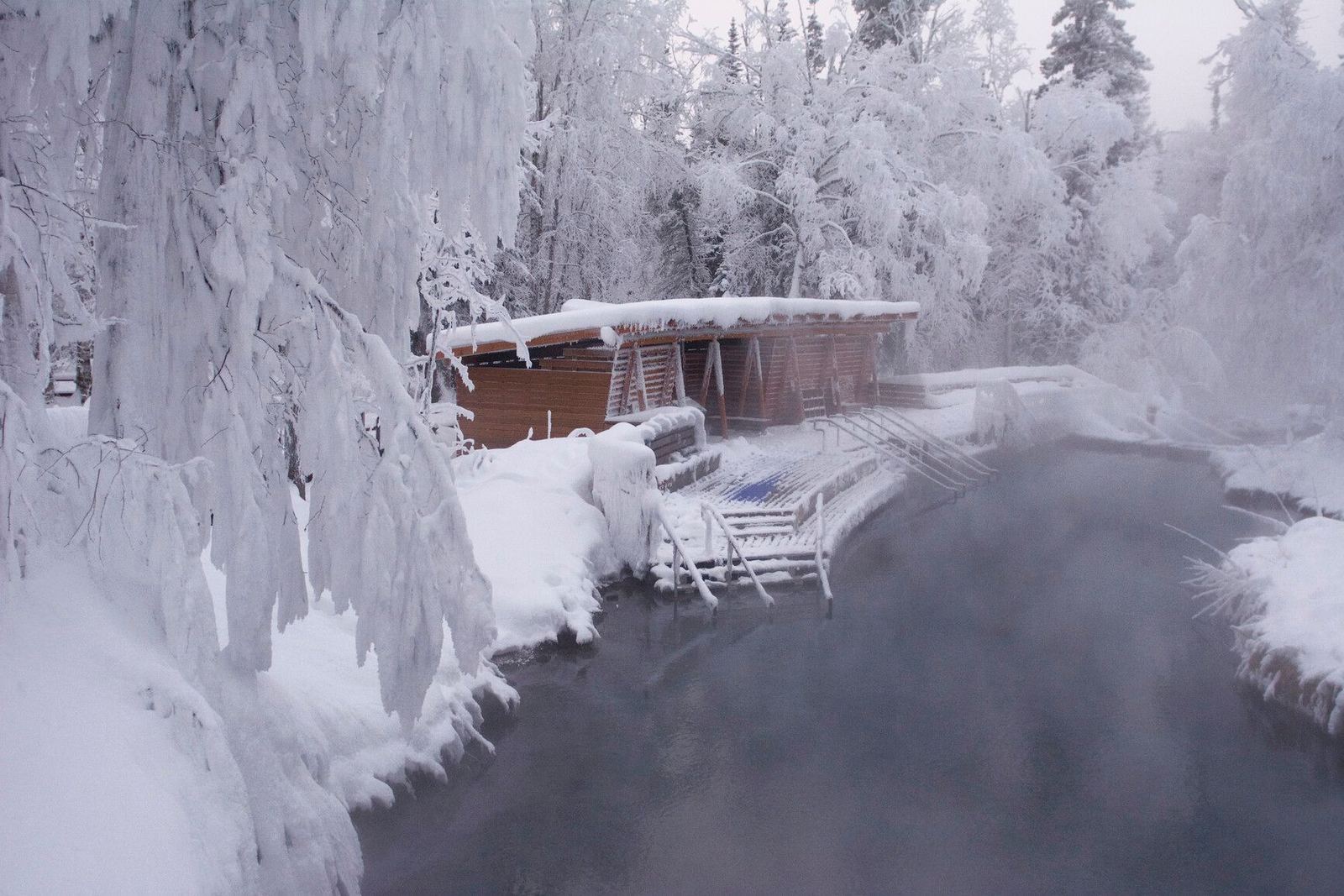
Located about 60 miles from Fairbanks, Chena is perhaps the most accessible and well-known hot spring in the interior. It is a year-round destination, though the experience of soaking while snow falls around you in the winter is vastly different from the summer season. The resort offers a variety of accommodations, but remember that Alaska Road Trip does not make reservations on your behalf. We hand-pick lodging and provide direct booking links so you maintain full control over your trip.
Tolovana Hot Springs
For those seeking a more rugged, off-the-grid experience, Tolovana requires more effort. It is not a "roadside" spring in the traditional sense, as it typically involves a hike or a specialized transport arrangement. This is where having a well-planned itinerary becomes critical. If you are interested in remote adventures, our Alaska road trip planner services can help you determine if your vehicle and schedule are suited for these more challenging locations.
Manley Hot Springs
Manley is a small, quiet community at the end of the Elliott Highway. The hot springs here are located in a greenhouse, providing a unique contrast between the geothermal heat and the surrounding northern environment. It is a great stop for travelers who want to get off the beaten path and experience a slice of authentic interior Alaska life.
Circle Hot Springs
Historically significant, Circle Hot Springs is located near the end of the Steese Highway. While accessibility has fluctuated over the years, it remains a point of interest for those exploring the history of the gold rush era. Travelers should often verify current access status before planning a detour, as remote sites in Alaska can experience sudden closures due to maintenance or ownership changes.
Geological Context and Safety
When visiting these sites, it is important to practice "Leave No Trace" principles. Because these ecosystems are fragile, visitors should remain on marked trails and avoid introducing soaps, oils, or other contaminants into the natural pools. The chemical composition of these springs can be delicate, and human impact can quickly degrade the water quality for future visitors.
Safety is paramount when visiting natural springs. Unlike commercial pools, natural springs may have fluctuating temperatures and hidden hazards such as slippery rocks or deep sediment. often test the water temperature before entering, and be aware that some remote springs may contain naturally occurring bacteria or amoebas. If you are traveling with children, stick to developed, commercial facilities where water quality is monitored and temperature controls are in place. Furthermore, often carry a first-aid kit and ensure your vehicle is equipped with an emergency roadside kit, as help can be hours away in the Alaskan wilderness.
Logistics and Planning Considerations
The biggest mistake travelers make is assuming these springs are always open or easily accessible. As of 2026, road conditions and facility operations can fluctuate. For example, the Denali Park Road 2026-2027 situation serves as a reminder that infrastructure in Alaska is subject to environmental impacts. Always check the latest status before you depart.
When you work with Alaska Road Trip, you receive a printable, offline-ready PDF. This is vital because cell service is non-existent on many stretches of the Alaska Highway. Our itineraries reflect current-season research at the time they are built. We provide the tools and knowledge to help you navigate your trip with confidence. We recommend downloading offline maps and carrying a physical road atlas, as relying solely on GPS in the interior can lead to navigation errors.
To maximize your time, consider the "soak-to-drive" ratio. For every four hours of driving, plan for at least one hour of downtime at a spring. This prevents driver fatigue and allows you to enjoy the scenery rather than just passing through it. If you are driving a rental car, check your contract specifically for "gravel road clauses," as some rental agencies prohibit driving on certain highways leading to remote hot springs.
Frequently Asked Questions
Do I need to book hot springs in advance?
Some commercial hot springs require reservations, especially during peak summer months. We recommend checking the official websites of the specific springs you plan to visit. Alaska Road Trip provides the booking links you need to secure your spot, but you handle the reservation directly to ensure you keep full flexibility.
Are these hot springs safe for children?
Most developed hot springs are family-friendly, but you should often check the temperature and depth of the pools. Some natural, undeveloped springs can have high temperatures or slippery surfaces that are not suitable for young children. often supervise children closely in any natural water environment.
What is the best time of year to visit?
Summer (June through August) offers the best road conditions, but spring and fall can provide a quieter experience with the added bonus of potential aurora viewing in the shoulder seasons. Regardless of when you travel, Alaska’s weather is unpredictable; packing moisture-wicking base layers and a high-quality waterproof outer shell is recommended for all travelers.
How do I prepare my vehicle for these trips?
Ensure your vehicle is serviced before departure, specifically checking tires, brakes, and cooling systems. Many roadside hot springs involve driving on gravel or unpaved roads, which can be harsh on standard passenger vehicles. If you are renting a vehicle, verify that your rental agreement allows for travel on gravel roads, as some companies restrict this.
What should I pack for a hot spring visit?
Pack a dedicated pair of water shoes to protect your feet from sharp rocks or slippery surfaces. Additionally, bring a quick-dry towel, a waterproof bag for your electronics, and plenty of drinking water. Staying hydrated is essential when soaking in high-temperature geothermal waters.
Are there hidden costs to visiting hot springs?
While some springs are free, many require a day-use fee or parking pass. often carry cash in small denominations, as remote locations may not have credit card processing capabilities. Additionally, factor in the cost of fuel, as driving to remote springs often involves significant detours from the main highway.
Plan Your Perfect Alaska Road Trip
Navigating the logistics of an Alaska road trip can be daunting, but you don't have to do it alone. Whether you are looking for a simple itinerary or a comprehensive plan that includes the best roadside hot springs, we are here to help. Our itineraries are hand-built by the founder, who has driven the routes, ensuring your trip is tailored to your specific interests and pace.
We offer a 14-day money-back guarantee, so you can book with confidence. Alaska Road Trip is a one-time flat fee, not a subscription—there are no recurring charges. Visit our itinerary planning page to get started on your 2026 adventure today.
See a real Alaska itinerary before you spend a dollar
A real 3-day plan with driving times, lodging picks, and a daylight chart — free, in your inbox.
One email. No spam. Unsubscribe anytime. Or view it right now — no email needed ↗
Ready for the full plan? Get your custom itinerary — from $197 · 5-day delivery →