Imagine the potential for significant savings on your dream Alaska adventure, experiencing fewer crowds, and witnessing the Last Frontier in a unique transitional beauty. While savings can vary, many travelers find substantial reductions in costs compared to peak season. This is the promise of Alaska's shoulder season – the periods just before and after the peak summer rush, primarily May and September. But here's the crucial caveat: these cost savings and serene landscapes come with logistical trade-offs. You might find your favorite remote lodge still closed, or an unexpected late-season snowfall could temporarily halt your plans. Deciding if this is the best time to visit Alaska requires a deep understanding of these nuances.
At Alaska Road Trip, we specialize in crafting unforgettable journeys, and we know that for some travelers, the shoulder season offers an unparalleled experience. For others, the peak summer months provide the predictability they seek. This comprehensive guide will equip you with the expert insights needed to weigh the pros and cons, manage expectations, and determine if a May or September trip aligns with your vision for an Alaskan adventure in 2026.
Understanding Alaska's Shoulder Season: May vs. September
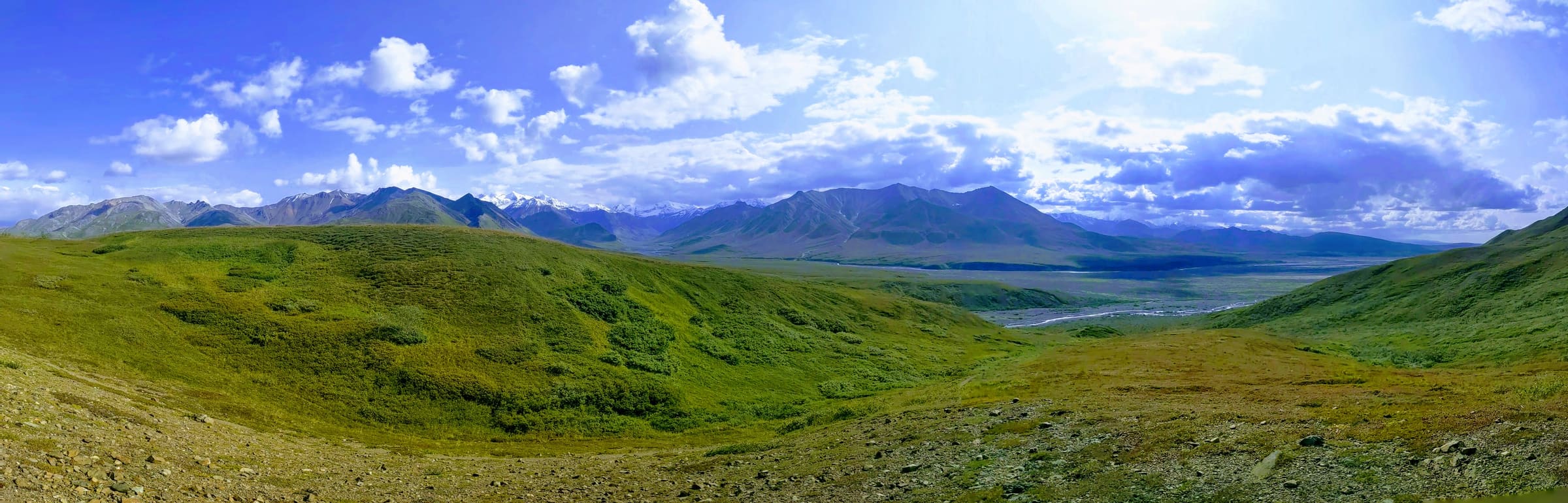
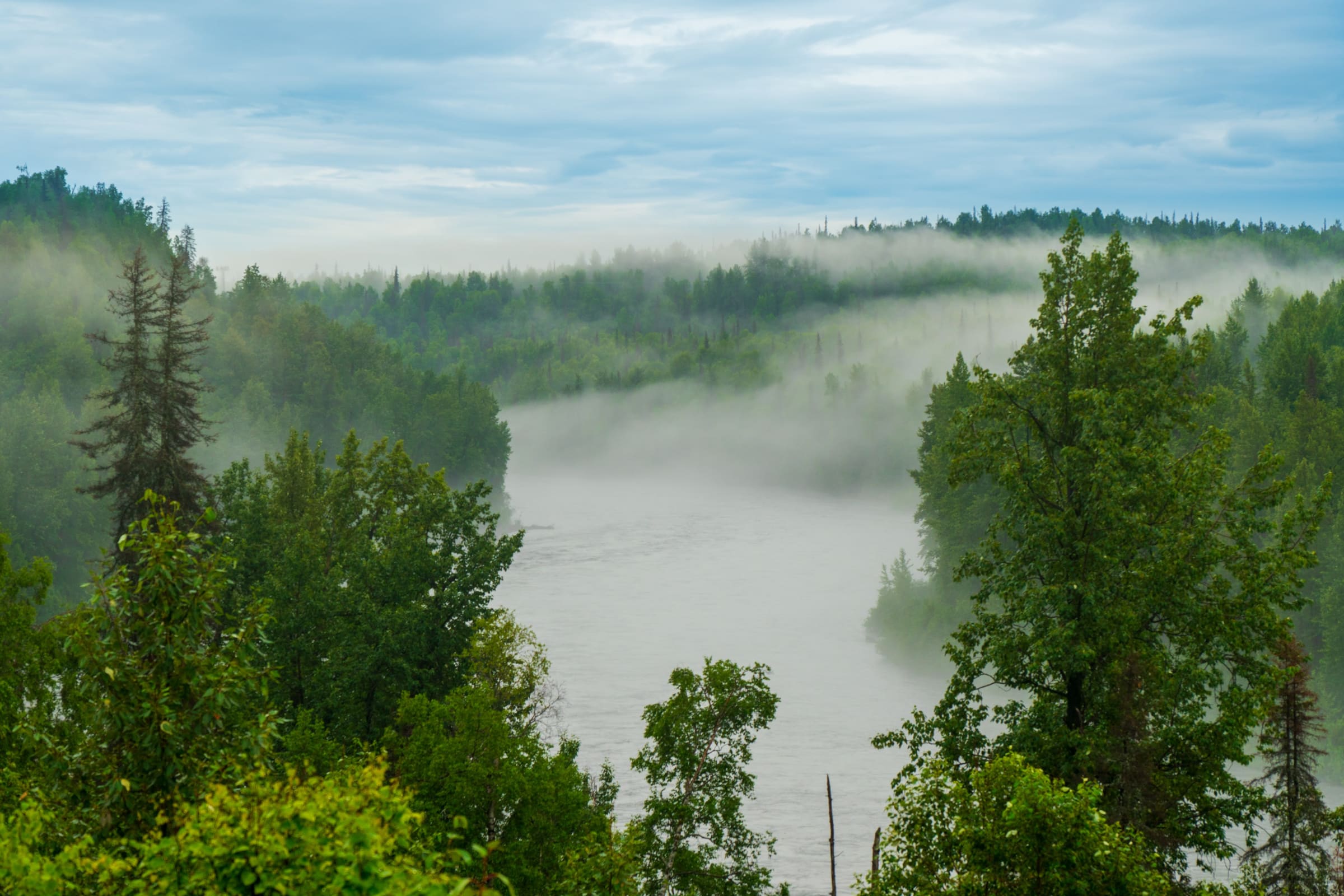
Alaska's travel season is generally short and sweet, concentrated from mid-June to mid-August. The shoulder seasons flank this period, offering distinct advantages and disadvantages. May represents the awakening – the transition from winter's deep slumber to the vibrant energy of summer. September, conversely, is the winding down – a spectacular display of autumn colors before the long winter returns. Both offer a different flavor of Alaska, but require careful planning.
The Allure of Savings: Potential for Substantial Discounts
One of the most compelling reasons to consider a shoulder season trip is the potential for significant cost reduction. While savings vary, many travelers report finding substantial discounts compared to peak season rates. During peak summer, demand drives prices for everything from flights and lodging to rental cars and tours to their highest. In May and September, as demand lessens, so can the prices. You can often find:
- Reduced Airfares: Flights into Anchorage (ANC) or Fairbanks (FAI) can be considerably cheaper.
- Lower Lodging Rates: Hotels, B&Bs, and wilderness lodges often offer discounted rates to attract early or late-season guests. Some may even have special packages. For a detailed breakdown of potential savings, explore our insights on Alaska itinerary cost.
- Car Rental Deals: Vehicle rentals, a significant expense for any road trip, can see price drops.
- Tour & Activity Discounts: While some operators might have reduced schedules, others offer lower prices to fill their boats or planes.
These potential savings can add up, allowing you to extend your trip, upgrade your accommodations, or invest in a once-in-a-lifetime experience that might be out of budget during peak season. However, these potential savings often come with a trade-off in reduced availability, which we'll explore next.
May: The Awakening of the Last Frontier
May in Alaska is a month of transition and renewal. The days grow longer at an astonishing rate, the snow begins to melt, and the land slowly comes back to life. It's a time of fresh green shoots and emerging wildlife, but also a period where winter's grip can still be felt.
Weather in May: A Mixed Bag
Expect highly variable weather. Early May can still feel like winter, especially in interior and mountainous regions, with daytime temperatures often cool and nighttime lows frequently below freezing. Visitors should be prepared for a range of conditions, including the possibility of colder weather. By late May, temperatures in southcentral areas like Anchorage and the Kenai Peninsula typically become milder, though still variable, offering a more comfortable experience for outdoor activities. Rain is common, and late-season snowfalls are not unheard of, particularly at higher elevations or further north. The key is to pack layers and be prepared for anything from sunshine to sleet.
Roads in May: The 'Cleared' vs. 'Open' Dilemma
This is one of the most critical logistical considerations for a May road trip. Many roads are officially 'open' year-round, meaning they are maintained for local traffic. However, some scenic or remote routes, particularly those maintained by the National Park Service or state parks, are only 'cleared' of snow and debris much later. The distinction is vital:
- Officially 'Open' Roads: Major highways like the Seward Highway, Parks Highway (to Denali National Park entrance), and Glenn Highway are generally open and maintained.
- 'Cleared' Roads: Routes like the Denali Park Road, McCarthy Road (into Wrangell-St. Elias National Park), and the Top of the World Highway are often not fully cleared and accessible until late May or even early June. For instance, private vehicle access on the Denali Park Road is typically restricted beyond Savage River (Mile 15) during the main summer season, though limited access further into the park may be available during certain shoulder season periods or through a special lottery in September. Always check current conditions with the Alaska Department of Transportation & Public Facilities (511.alaska.gov) and the National Park Service for park-specific routes before you travel.
This means your itinerary might need to be more flexible, and access to certain iconic destinations could be limited.
Service Availability in May: Early Birds and Limited Options
Many tour operators, lodges, and restaurants are just beginning to open their doors in May. Early in the month, you might find limited hours, reduced staff, or even complete closures, especially in smaller towns or remote areas. By late May, most services are operational, but some seasonal businesses might still be gearing up. This can mean fewer choices for dining, fewer tour departures, and potentially less competition for prices, though the savings on lodging and rentals often outweigh this.
Wildlife Viewing in May: A Time of Rebirth
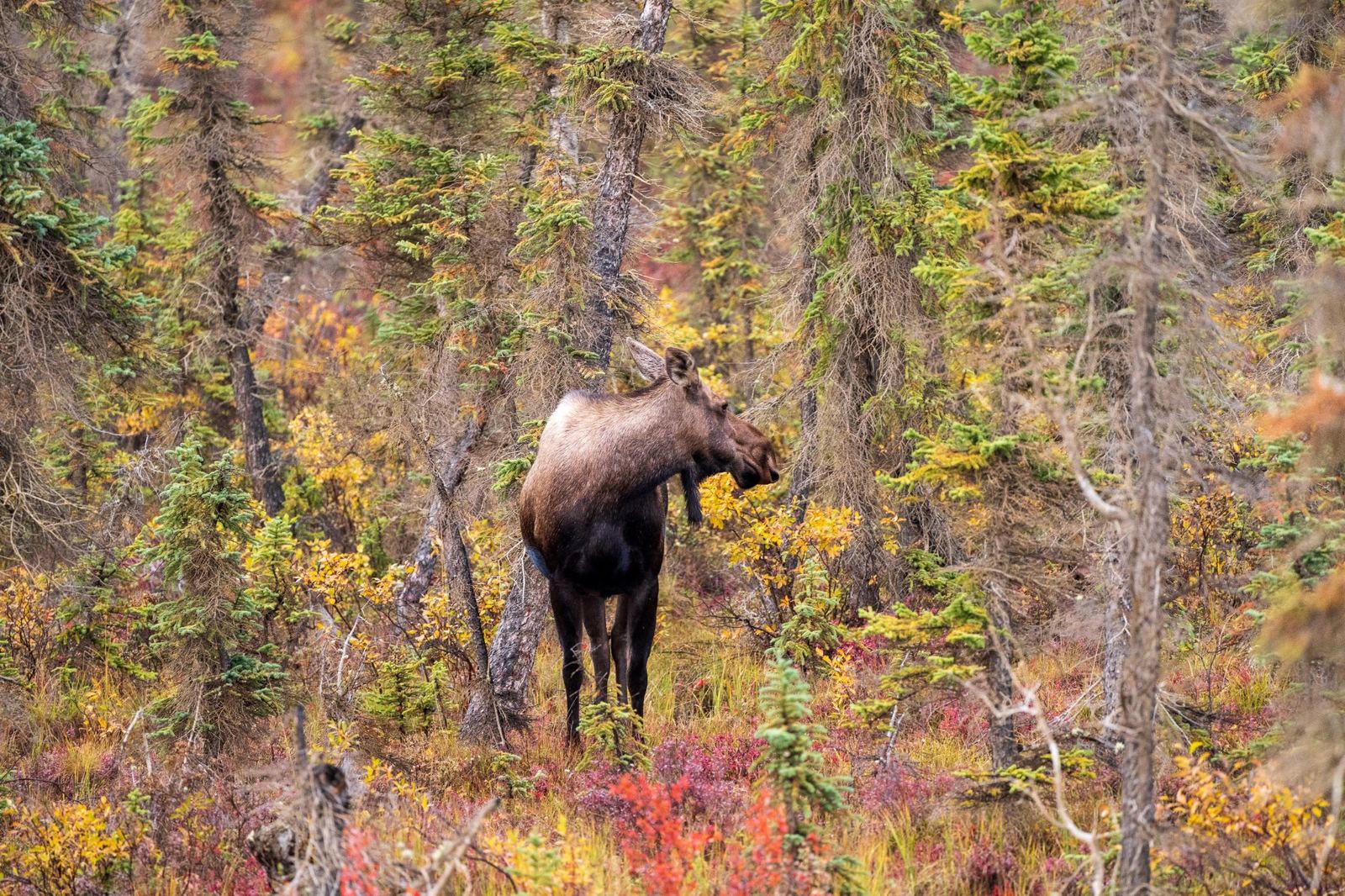
May is an excellent time to see wildlife emerging from winter. Bears (both black and grizzly) are often more visible as they forage for early greens. Migratory birds return in droves, making it a fantastic month for birdwatching. Moose are frequently spotted, and if you're lucky, you might even see newborn calves. Marine wildlife tours for whales and sea otters are usually running by mid-May, though schedules might be less frequent.
September: The Golden Hues of Autumn
September transforms Alaska into a canvas of gold, crimson, and orange. The air becomes crisp, the summer crowds thin out, and the possibility of seeing the Northern Lights emerges. It's a beautiful, contemplative time to visit, but also one where the season is rapidly drawing to a close.
Weather in September: Crisp Air and Shorter Days
September brings cooler, crisper air. Early September can still feel like late summer, with daytime temperatures often ranging from cool to mild. As the month progresses, temperatures drop, and the chance of rain increases, especially along the coast. By late September, snow can fall in interior and mountainous regions, and nighttime temperatures regularly dip below freezing. Daylight hours shorten significantly throughout the month, which is a trade-off for the increased chance of aurora viewing.
Roads in September: Watch for Early Snow
Most major roads remain open through September. However, as winter approaches, higher elevation passes and more remote gravel roads, like the Dalton Highway or the McCarthy Road, can experience early snowfalls or icy conditions, particularly in the latter half of the month. Always check road conditions before embarking on a long drive. While the Denali Park Road is typically open through mid-September, the exact closure date for private vehicles can vary based on weather. Refer to the Denali Park Road schedule for 2026-2027 for the latest information.
Service Availability in September: Winding Down
Just as businesses ramp up in May, they begin to wind down in September. Many seasonal lodges, restaurants, and tour operators close their doors by mid-month, with some holding out until the very end. This means fewer options for dining and activities, and you might find yourself with limited choices, especially in less populated areas. Booking ahead is crucial to secure the services that are still operating.
Wildlife Viewing in September: The Rut and Northern Lights
September offers unique wildlife viewing opportunities. Moose are often in the rut, making them more active and visible. Bears are intensely focused on fattening up for winter, frequently seen near salmon streams. The salmon runs are typically winding down, but you might still catch some late-season action. Perhaps the biggest draw of September is the increasing chance of seeing the Northern Lights (Aurora Borealis) as the nights grow longer and darker. When conditions allow, clear, dark nights can offer spectacular displays.
Managing Expectations: Weather, Lodging, and Activities
Regardless of whether you choose May or September, managing your expectations is paramount for a successful shoulder season trip. Flexibility and preparedness are your best allies.
Be Prepared for All Weather Conditions
Alaska's weather is famously unpredictable. A sunny morning can quickly turn into a rainy afternoon, or a warm day can give way to a freezing night. Pack layers – a waterproof and windproof outer shell, insulating mid-layers (fleece or down), and moisture-wicking base layers are essential. Don't forget warm hats, gloves, and sturdy, waterproof footwear. This is not the time for flip-flops!
Lodging Availability: Plan Ahead
While prices might be lower, availability can still be a challenge, especially for popular wilderness lodges or specific types of accommodations. Many smaller, family-run businesses might close for the season or have limited staff. It's crucial to research and book your lodging well in advance, even in the shoulder season. Our guide on Alaska lodging availability can provide further insights into securing your stay.
Activities and Tours: Reduced Schedules
Expect fewer tour departures and activity options. Some operators might require a minimum number of participants, and if that threshold isn't met, the tour could be canceled. Have backup plans and be open to spontaneous changes. Consider activities that are less dependent on specific tour operators, such as hiking, scenic drives, or wildlife viewing from the roadside.
Is Shoulder Season the Best Time to Visit Alaska for You? Decision Criteria
Ultimately, the best time to visit Alaska depends on your priorities and travel style. Here's a breakdown to help you decide:
Choose Shoulder Season If You Are:
- Budget-Conscious: The potential for significant savings on flights, lodging, and rentals is a major draw.
- Crowd-Averse: Enjoy a more serene experience with fewer people at popular attractions and on hiking trails.
- Flexible and Adaptable: You're comfortable with potential itinerary changes due to weather or limited service availability.
- Seeking Unique Experiences: Witnessing the spring awakening or the vibrant fall foliage, along with specific wildlife events (like the moose rut in September), offers a different perspective than peak summer.
- Interested in Photography: The light quality in May and September, combined with fewer crowds and unique seasonal colors, can be exceptional for photographers.
- Hoping for Northern Lights: September offers the best chance outside of deep winter, especially in interior Alaska.
Consider Peak Season If You Prioritize:
- Wider Access: During peak season, generally all major roads, parks, and services are operational, offering more predictable access.
- Predictable Weather: While still variable, summer generally offers the warmest and most stable conditions.
- Maximum Activity Options: Every tour, every lodge, every restaurant is open and running at full capacity.
- First-Time Visitor Comfort: For those who prefer a more straightforward, less logistically challenging trip, peak season provides maximum convenience.
Planning Your Shoulder Season Itinerary for 2026
If you've decided that the shoulder season is the best time to visit Alaska for your adventure, meticulous planning is key. Here are some tips:
- Research Thoroughly: Check opening and closing dates for specific attractions, lodges, and tours. Don't assume everything will be open.
- Build Flexibility: Have alternative plans for activities or routes in case of unexpected closures or weather.
- Book Key Services Early: Even with fewer crowds, popular lodges or specific tours can still book up, especially if they have limited shoulder season availability.
- Monitor Conditions: Keep an eye on weather forecasts and road conditions (e.g., National Park Service for park-specific updates) as your trip approaches and during your travel.
- Consider Professional Guidance: Navigating the complexities of shoulder season travel can be daunting. Alaska Road Trip's itinerary planning services can help you craft a customized trip that maximizes the benefits and minimizes the risks of a May or September visit.
Frequently Asked Questions
What are the main differences between May and September shoulder seasons?
May is characterized by spring awakening, snowmelt, and longer daylight hours, with services just beginning to open. September features vibrant fall foliage, crisp air, shorter days, and the possibility of Northern Lights, with services starting to close down for the winter. May can have more lingering snow, while September has a higher chance of rain and earlier snow in higher elevations.
Can I still see the Northern Lights in September?
Yes, September is an excellent month for Northern Lights viewing, especially in interior Alaska (like Fairbanks) and during the latter half of the month. As the nights grow longer and darker, the chances increase significantly compared to the endless daylight of summer. However, clear skies are essential, and aurora activity depends on solar activity and clear skies.
Are all national parks open during shoulder season?
While the national parks themselves are generally 'open' year-round, access to certain areas, visitor centers, and services within them can be limited during the shoulder season. For example, the full Denali Park Road is often not fully accessible until early June. Always check the specific park's website (e.g., NPS Alaska) for current operating hours and road conditions.
How much can I really save by traveling during the shoulder season?
Savings can vary widely depending on your travel style, duration, and booking savvy. However, it's not uncommon for travelers to find significant savings on overall trip costs compared to peak season rates, particularly on flights, accommodations, and rental cars. These savings can be substantial, especially for longer trips or larger groups, potentially allowing for an extended stay or upgraded experiences. Many visitors report finding reductions that make a significant difference to their travel budget.
Plan Your Alaska Shoulder Season Adventure
Alaska's shoulder season offers a truly unique and rewarding travel experience for those willing to embrace its particular charms and challenges. Whether you're drawn by the promise of significant savings, fewer crowds, or the distinct beauty of spring's awakening or autumn's golden farewell, a May or September trip can be the best time to visit Alaska for you. With careful planning and a flexible mindset, you can unlock an unforgettable adventure in the Last Frontier. Ready to start planning your personalized Alaska road trip? Visit Alaska Road Trip to explore our services and begin crafting your ideal itinerary for 2026.

See a real Alaska itinerary before you spend a dollar
A real 3-day plan with driving times, lodging picks, and a daylight chart — free, in your inbox.
One email. No spam. Unsubscribe anytime. Or view it right now — no email needed ↗
Ready for the full plan? Get your custom itinerary — from $197 · 5-day delivery →