When Should You Take an Alaska Road Trip?
The Alaska road trip season runs from mid-May through mid-September. Outside that window, many services close, some roads become impassable, and daylight dwindles. Within that five-month window, each period offers a different experience. There is no single "best" time. It depends on what you want to see, how you feel about crowds, and how much you care about weather.
Here is what to expect each month, based on years of driving these roads.
May: The Early Season
Early May (1st-15th)
Alaska is waking up. Snow is melting at lower elevations, rivers are running high, and the first green shoots are pushing through brown tundra. Days are long (17-18 hours of daylight in Anchorage) and getting longer fast.
Pros:
- Virtually no crowds. You may have entire trailheads to yourself.
- Lowest prices of the season for lodging and flights.
- Spring wildlife activity: bears emerging from dens, moose with new calves, migratory birds returning.
Cons:
- Many services are still closed. Some campgrounds, boat tours, and smaller lodges do not open until late May or early June.
- Higher-elevation roads may still have snow. Exit Glacier Road often does not open until late May.
- The Denali Park Road is closed at mile 43 (Pretty Rocks landslide). In early May the transit-bus season has not yet started; in 2026 buses run only to the East Fork River (mile 43), and full service to Wonder Lake is not expected to return until 2027. See our Denali Park Road 2026/2027 guide.
- Weather is unpredictable. Expect anything from sunny 60-degree days to freezing rain.
Late May (16th-31st)
The season shifts into gear. Most services open during the last two weeks of May. Kenai Fjords boat tours typically begin around May 15th. Denali bus service starts in late May, though it may not reach the full park road initially.
Late May is an excellent time for the Kenai Peninsula. Wildflowers are blooming, salmon are beginning to arrive in some streams, and you beat the June crowds.
Average temperatures: Anchorage highs around 55-60F, lows around 38-42F.
June: Peak Season Begins
Early June (1st-15th)
Everything is open. All roads are clear. Boat tours, bus services, lodges, and campgrounds are operating. The summer tourism season has officially started, but it has not reached peak intensity yet.
Why early June is great:
- Near-maximum daylight. Anchorage gets about 19.5 hours of daylight. Fairbanks gets 21+ hours, and the midnight sun is visible.
- Crowds are building but not yet overwhelming.
- Snow-capped mountains create the most dramatic landscapes. By August, much of the lower snow has melted.
- King salmon runs begin on some rivers.
Drawbacks:
- Mosquitoes are emerging, especially in the Interior and near lakes.
- Glaciers can be harder to approach by boat due to lingering ice.
Late June (16th-30th)
Summer solstice (June 20th or 21st) brings the longest day. In Fairbanks, the sun barely dips below the horizon. In Anchorage, it sets after 11 PM and rises before 4:30 AM.
This is prime time. Weather is generally warm and stable, all services are running, and the landscape is explosively green. The tradeoff is that this is also when the cruise ships are in full swing, and popular destinations like Seward and Denali get crowded.
Average temperatures: Anchorage highs 60-68F, Fairbanks highs 68-75F.
Want a custom itinerary built for your trip? We'll plan your entire Alaska road trip around your dates, budget, and interests. Get your custom itinerary →
July: Peak of Peak Season
July is the most popular month for Alaska road trips, and for good reason. The weather is at its warmest and most stable, all services are running, and wildlife activity is high.
What makes July special:
- Salmon runs: Sockeye salmon flood rivers across the Kenai Peninsula starting in early July. The Russian River, Kenai River, and countless streams turn red with fish. Even if you do not fish, watching the spectacle is incredible.
- Bear activity: Bears congregate along salmon streams. Bear viewing trips from Homer to Katmai are at their best.
- Belugas: Beluga whales follow salmon into Turnagain Arm, often visible from pulloffs along the Seward Highway.
- Wildflowers: Alpine meadows are carpeted with lupine, fireweed, and dozens of other species.
- Warm temperatures: Anchorage averages 65F highs, and 70-75F days are common. Fairbanks regularly hits the low 80s.
July drawbacks:
- Highest prices for lodging, flights, and rental cars.
- Crowds at popular stops. Expect full parking lots at Exit Glacier, busy Denali buses, and lines at restaurants in Seward and Homer.
- Mosquitoes are at peak intensity in the Interior and backcountry. Bring strong repellent.
- Wildfire smoke can drift in from interior forests, obscuring views. This is becoming more common with climate change.
August: Late Season Gold
Early August (1st-15th)
August is underrated. The crowds begin to thin after the first week, salmon are still running, and the first hints of fall color appear on the tundra. Silver (coho) salmon runs begin, replacing the sockeye as the dominant fish in many streams.
Pros:
- Crowds noticeably decrease after August 10th.
- Berry season: blueberries, salmonberries, and crowberries ripen. Bears feed heavily, making them easier to spot.
- Good weather continues, though rain becomes more frequent.
- Fireweed turns pink across entire mountainsides. When the fireweed blooms to the top of the stalk, Alaskans say summer is over.
Late August (16th-31st)
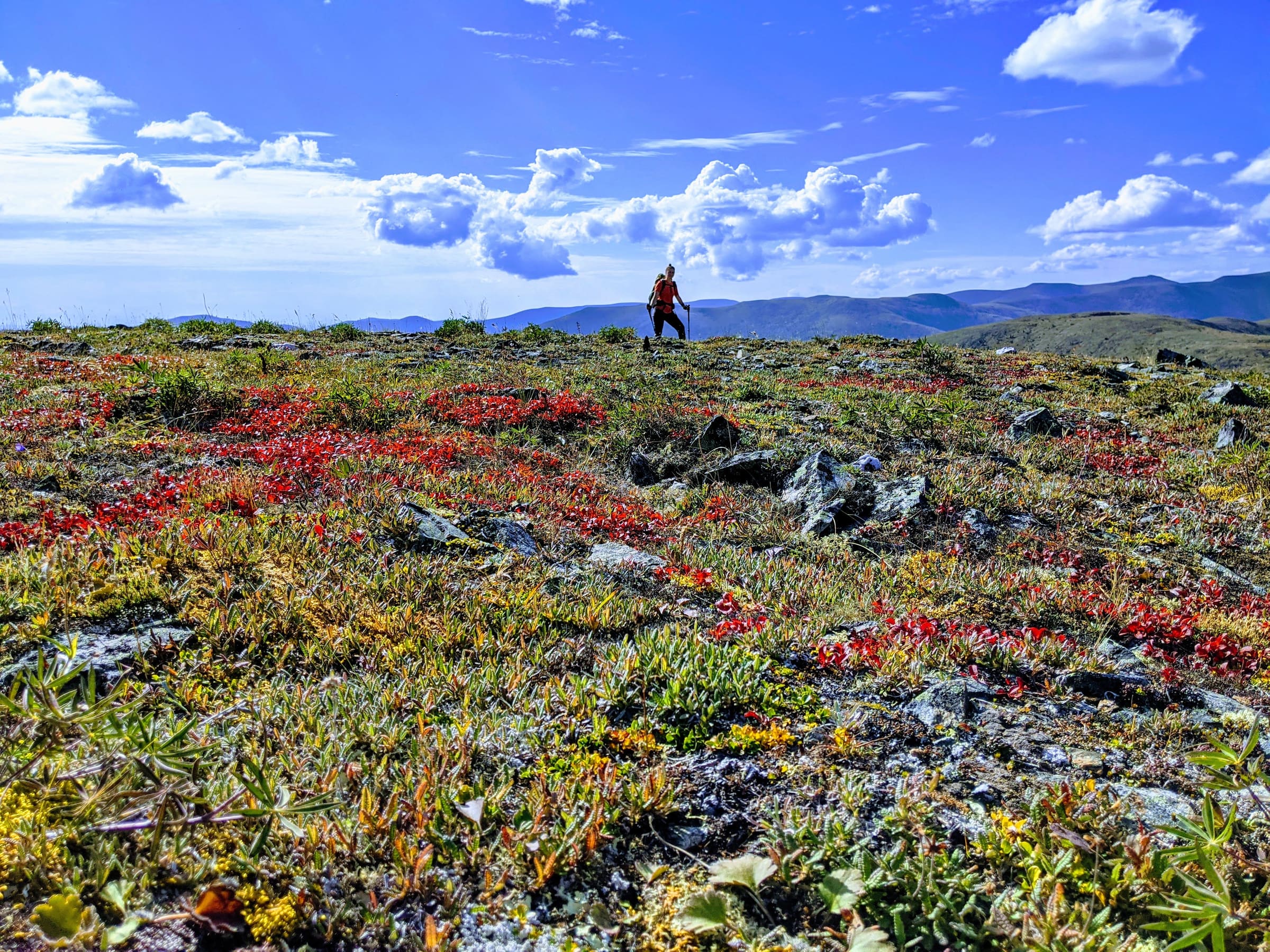
Fall arrives fast in Alaska. Birch trees start turning yellow, tundra shifts to orange and red, and the air gets crisp. Days are noticeably shorter (15-16 hours in Anchorage).
Pros:
- Fewer people everywhere. Lodging deals begin appearing.
- Fall colors start in the higher elevations and work downward.
- Northern lights become possible after August 20th, especially in Fairbanks.
- Moose rut begins, meaning more moose activity and visibility.
Cons:
- Some services begin reducing schedules. Boat tours may run fewer departures.
- Rain becomes more persistent, especially on the Kenai.
- Snow can appear at higher elevations.
September: Shoulder Season
Early September (1st-15th)
Early September is a hidden gem for road trips. Fall colors peak across the Interior and Denali. Crowds are minimal. Prices drop. And the northern lights are active.
Pros:
- Spectacular fall colors, especially along the Parks Highway and in Denali National Park.
- Northern lights are visible on clear nights.
- Significantly lower prices for lodging and car rentals.
- Moose and caribou are active. Bull moose with full antlers are a common sight.
Cons:
- Denali bus service ends mid-September. Confirm schedules before planning.
- Some lodges, restaurants, and tour operators close for the season.
- Shorter days (12-14 hours of daylight by mid-September).
- Temperatures are cool: Anchorage highs around 55F, with lows in the upper 30s. Freeze possible at night.
Late September (16th-30th)
The road trip season is effectively over by late September. Most tour operators have closed. Denali buses stop running. Snow is possible at any elevation. However, the main highways remain open and drivable year-round, so it is still possible to do a road trip focused on driving and hiking rather than guided tours.
Summary: Quick Comparison
- Best weather: Late June through mid-July
- Best wildlife: July (salmon + bears + belugas)
- Fewest crowds: Late May, late August, early September
- Best prices: May and September
- Best fall colors: Late August through mid-September
- Northern lights: Late August through September
- Best overall balance: Early to mid-June or early August
Our Recommendation
If you can choose any time: aim for the second or third week of June. You get near-maximum daylight, warm weather, snow-capped mountains, manageable crowds, and everything is open. Early August is our second pick, with the bonus of salmon runs and berries and fewer crowds than July.
Need help choosing the right dates for your trip? Our step-by-step planning guide covers everything from booking flights to packing your bags.
See a real Alaska itinerary before you spend a dollar
A real 3-day plan with driving times, lodging picks, and a daylight chart — free, in your inbox.
One email. No spam. Unsubscribe anytime. Or view it right now — no email needed ↗
Ready for the full plan? Get your custom itinerary — from $197 · 5-day delivery →