Introduction to Driving to Alaska from the Lower 48
There are standard road trips, and then there is the overland journey to the Last Frontier. For many adventurers, driving to Alaska from lower 48 states represents the ultimate bucket-list expedition. It is a massive, awe-inspiring trek through some of the most remote and breathtaking landscapes on the North American continent. If you have ever dreamed of packing up your vehicle and pointing your compass north toward endless summer days, towering glaciers, and untamed wilderness, this journey is calling your name.
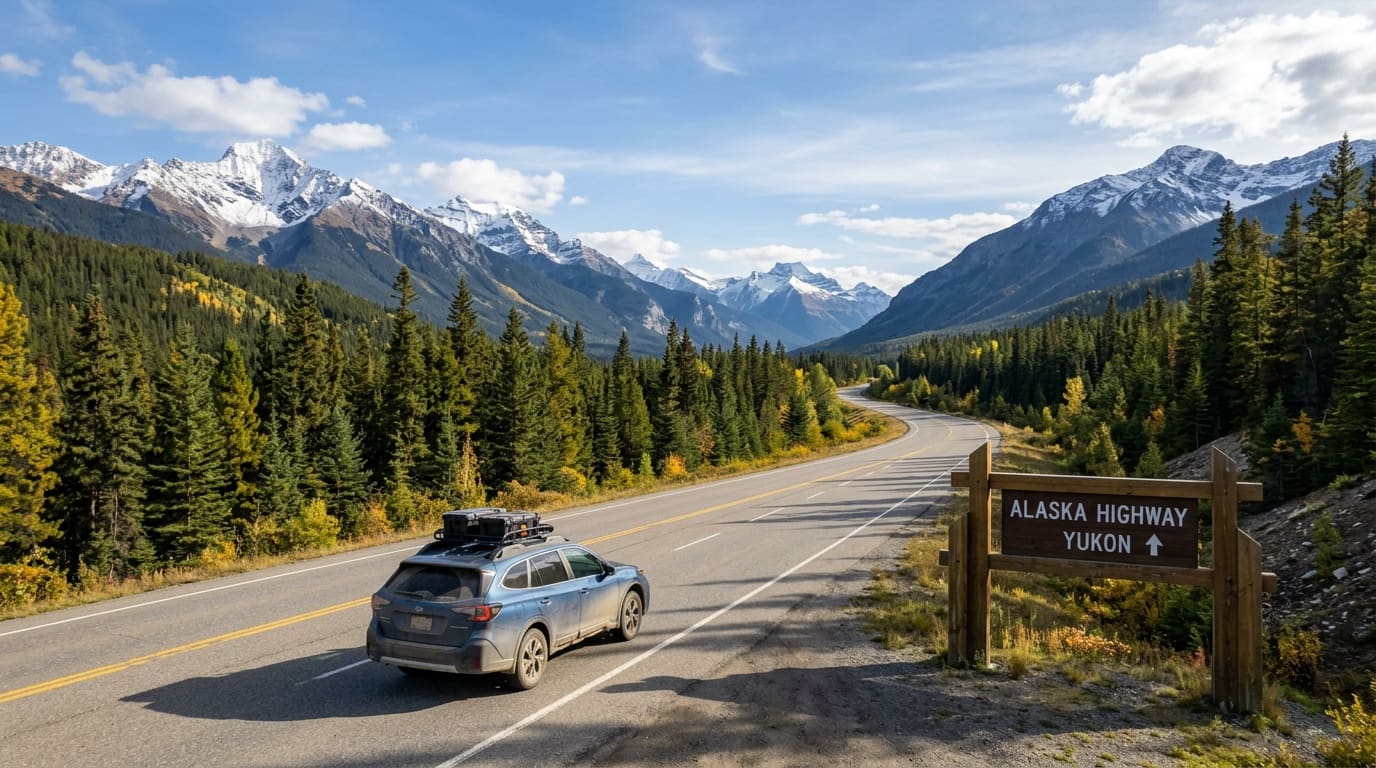
At the heart of this epic adventure is the famous ALCAN (Alaska-Canadian) Highway. Constructed in a staggering eight months during World War II in 1942, this engineering marvel was originally built as a military supply route to connect the contiguous United States to Alaska across Canada. Today, it stands as one of the most legendary driving routes in the world, stretching over 1,300 miles from Dawson Creek, British Columbia, to Delta Junction, Alaska.
Planning such a massive undertaking requires more than just a full tank of gas and a GPS. In this comprehensive guide, we will cover everything you need to know about driving to Alaska from lower 48 states. From choosing your ideal route and understanding border crossing protocols to vehicle preparation and crafting the perfect itinerary, we have you covered for the road trip of a lifetime.
Navigating the Canadian Border and Remote Stretches
Yes, you can drive to Alaska from the Lower 48, but every practical route crosses Canada. U.S. travelers should carry a passport book or passport card for the land border, vehicle registration, proof of insurance valid in Canada, and any pet or minor-travel documents that apply. A passport card works for land and sea entry, but not international air travel, so a passport book is the safer document if there is any chance you might fly home mid-trip.
The long gaps are manageable if you plan them instead of improvising. Top off fuel before remote Yukon and northern British Columbia stretches, carry water and food for a delay, download offline maps, and check road closures before leaving a service town. Use this guide with our long-haul driving tips, ALCAN Highway guide, fuel-planning guide, and road-closure backup plan.
Why Driving to Alaska from the Lower 48 is the Ultimate Adventure
While flying into Anchorage or taking a cruise up the Inside Passage are fantastic ways to see the state, driving to Alaska from lower 48 offers an unparalleled sense of accomplishment and immersion. The journey itself is just as spectacular as the destination. As you cross the border into Canada and head north, you will be treated to the unparalleled scenic beauty of the Canadian Rockies, the sprawling wilderness of northern British Columbia, and the historic gold rush landscapes of the Yukon Territory.
Beyond the scenery, the greatest advantage of an overland journey is the absolute freedom and flexibility it provides. Having your own vehicle once you arrive in Alaska means you are not bound by bus schedules, train routes, or expensive rental car agreements. You can take spontaneous detours down scenic byways, stay out late to photograph the midnight sun, and explore hidden gems at your own pace.
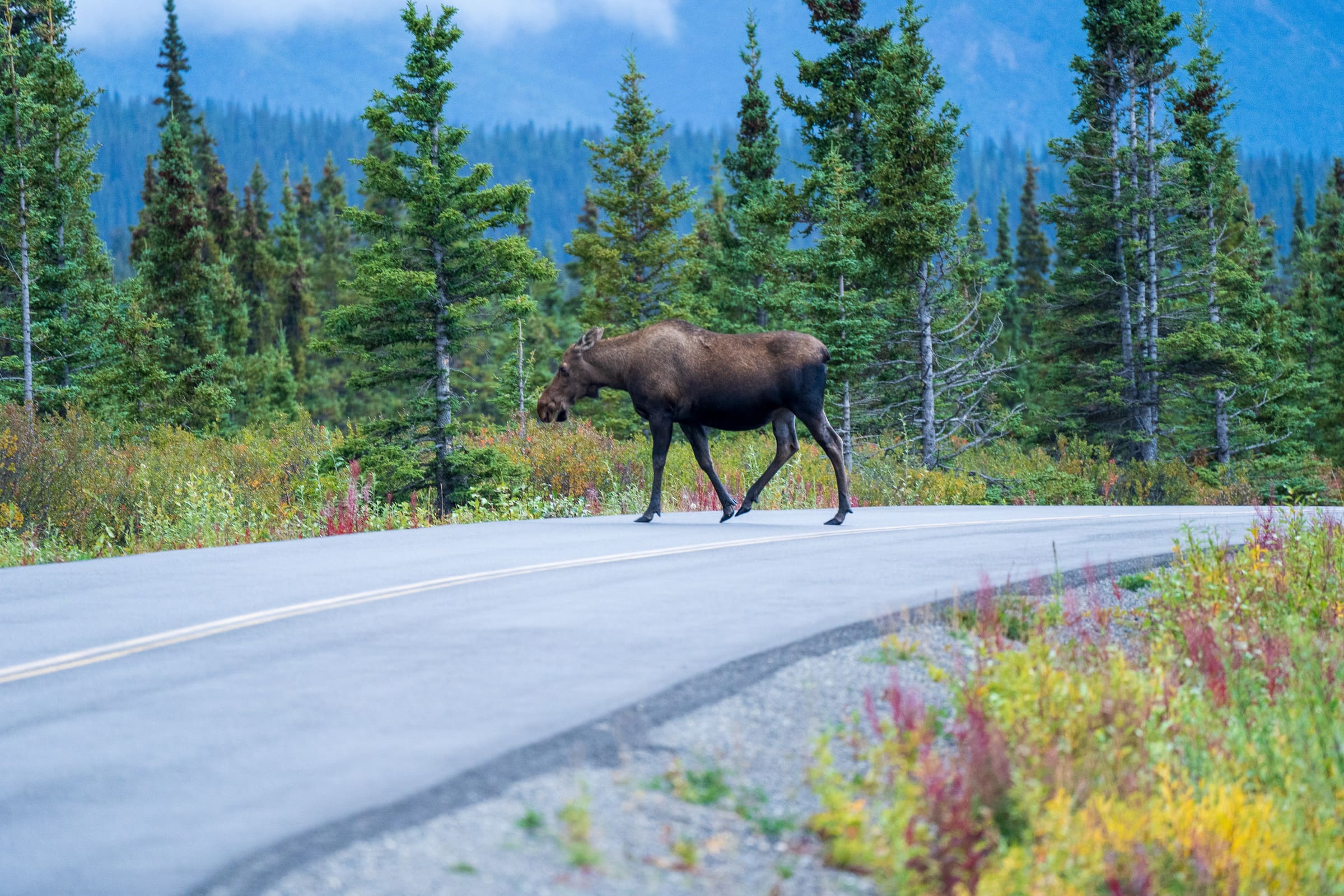
Furthermore, the wildlife viewing opportunities along the highway are nothing short of extraordinary. It is incredibly common to see black bears foraging on the side of the road, massive moose wading in roadside bogs, herds of bison roaming near the hot springs, and Dall sheep navigating steep rocky cliffs. When you drive, every single mile offers a front-row seat to nature's greatest show.
Essential Preparation for the Long Haul
Before you drive to Alaska, treat the vehicle prep like a multi-day remote trip, not a normal interstate run. Start with tires, brakes, fluids, belts, battery health, wipers, and a full-size spare if your vehicle allows it. Pack a tire inflator, plug kit, basic tools, headlamp, paper map, first-aid kit, and layers you can wear outside the car if construction, weather, or wildlife stops traffic for an hour.
If your schedule is flexible, the Alaska Marine Highway can also replace part of the return drive or add an Inside Passage leg. Compare that option in our Alaska Marine Highway vehicle ferry guide before you commit to driving both directions.
Choosing Your Route: Driving to Alaska Through Canada
When driving to Alaska through Canada, your journey will largely depend on where you are starting in the contiguous United States. For travelers coming from the Midwest or East Coast, the most common entry point into Canada is through Sweetgrass, Montana, or Portal, North Dakota, routing up through Calgary and Edmonton. If you are starting on the West Coast, you will likely cross the border at Sumas or Blaine, Washington, and head north through British Columbia.
Once you are deep into Canada, you have two primary routes to choose from to reach the Alaskan border:
- The Alaska Highway (East Route): This is the traditional, historic ALCAN Highway starting in Dawson Creek, BC. It is fully paved (though under constant seasonal repair), highly trafficked, and offers more frequent gas stations, RV parks, and amenities. It is generally considered the safer and easier route for first-timers and those driving large RVs.
- The Cassiar Highway (West Route): Officially known as BC Highway 37, the Cassiar is a slightly shorter, more remote, and incredibly scenic alternative. It branches off the Yellowhead Highway and heads straight north to join the Alaska Highway near Watson Lake in the Yukon. The Cassiar is narrower, has fewer services, and features more wildlife and dramatic mountain vistas.
Many travelers opt to drive the Alaska Highway on the way up and take the Cassiar Highway on the way back down, allowing them to experience the unique pros and cons of both magnificent routes.
The Classic Alaska Highway Road Trip Experience
If you choose the traditional route, your official Alaska Highway road trip begins at the famous "Mile 0" marker in Dawson Creek, British Columbia. Taking a photo at this iconic signpost is a rite of passage for northbound travelers. From here, you will embark on a journey that winds through dense boreal forests, alongside crystal-clear rivers, and over majestic mountain passes.
A common misconception about the ALCAN is that it is a treacherous, unpaved logging road. Today, the entire Alaska Highway is paved. However, "paved" does not mean "perfect." The extreme winter weather takes a heavy toll on the asphalt, resulting in frequent construction zones during the summer months. You will encounter stretches of loose gravel where roadwork is actively happening.
The most notorious road conditions you will face are "frost heaves." These are massive, unpredictable dips and bumps in the road caused by the freezing and thawing of the permafrost beneath the asphalt. Hitting a frost heave at high speeds can severely damage your suspension or send you flying. Because of frost heaves and wildlife, it is crucial to set realistic expectations for your daily driving distances. Plan to cover no more than 300 to 400 miles per day, and always obey the posted speed limits, which frequently drop in heave-heavy areas.
Essential Preparation and Vehicle Readiness
Taking on thousands of miles of remote highway requires serious vehicle preparation. Before you leave home, schedule a comprehensive inspection with a trusted mechanic. You need to verify that your tires (including the spare) have deep tread, your brake pads are fresh, your battery is strong, and all fluids are topped off or replaced.
Do not rely on a temporary "donut" spare tire for this journey. You must carry a full-size spare tire, ideally mounted on a rim, along with a heavy-duty jack and a lug wrench that actually fits your wheels. In addition to tire gear, pack a robust emergency roadside kit. This should include jumper cables or a portable jump starter, a tow strap, extra fuses, a basic tool kit, duct tape, extra windshield washer fluid, and emergency flares.
Because cell phone service is practically nonexistent between major towns in northern Canada and Alaska, carrying a satellite communication device (like a Garmin inReach) is highly recommended for emergencies. Finally, packing the right clothing and gear is crucial for the unpredictable northern weather. Be sure to review our ultimate Alaska road trip packing list to ensure you have all the necessary layers, rain gear, and outdoor equipment for your adventure.
Border Crossing Requirements for US Citizens
Crossing international borders twice (once into Canada, and again into Alaska) means you need to have your paperwork in perfect order. U.S. citizens must present a valid passport book or passport card to enter Canada and return to the United States. Ensure your passport is valid for at least six months beyond your planned return date. You will also need your valid driver’s license, current vehicle registration, and proof of auto insurance (check with your provider to ensure you are covered in Canada).
If you are traveling with pets, you must have a current rabies vaccination certificate signed by a licensed veterinarian. The certificate must clearly identify the animal by breed, color, and weight.
Canada has very strict rules regarding restricted items. Firearms are heavily regulated; most handguns and self-defense weapons (like mace or pepper spray) are strictly prohibited. If you are bringing bear spray for hiking, it must be clearly labeled as EPA-approved bear deterrent—do not bring generic pepper spray. Additionally, there are frequently changing restrictions on bringing certain fresh foods, poultry, and agricultural products across the border, so check the Canadian Border Services Agency (CBSA) website right before you depart.
Crafting Your Perfect Alcan Highway Itinerary
To truly enjoy your Alcan highway itinerary, you need to give yourself the gift of time. While it is physically possible to push through the drive in 4 to 5 days of exhausting, marathon driving, doing so defeats the purpose of the trip. A minimum of 7 to 10 days is recommended from the U.S. border to Alaska, but 12 to 14 days allows for a relaxed pace with time to explore.
Your itinerary should be built around several must-stop attractions along the route:
- Muncho Lake Provincial Park: Located in northern BC, this lake is famous for its stunning, vibrant jade-green waters, caused by copper oxides leaching from the bedrock. It is a perfect spot for a picnic or an overnight camp.
- Liard River Hot Springs: Just north of Muncho Lake, this is arguably the best stop on the entire highway. A short boardwalk stroll through a lush boreal forest leads you to a natural, incredibly soothing thermal hot spring. It is the perfect remedy for driving fatigue.
- Sign Post Forest (Watson Lake, Yukon): Started by a homesick U.S. soldier in 1942, this "forest" now contains over 80,000 signs from all over the world. Bring a license plate or a painted sign from your hometown to leave your mark!
- Whitehorse, Yukon: The capital of the Yukon is your best opportunity to restock groceries, enjoy a great meal, and learn about the Klondike Gold Rush history before making the final push to the Alaskan border.
If time permits, consider scenic detours like driving down to Skagway, Alaska, or taking the Top of the World Highway into Dawson City, Yukon.
Where to Stay and Fuel Planning Along the Way
Navigation and planning on this route require a bit of old-school methodology. The most important tool you can buy for this trip is The Milepost. Updated annually, this legendary guidebook offers a mile-by-mile breakdown of the Alaska Highway, detailing every single gas station, pull-out, scenic viewpoint, and campground. Since you won't have cell service to rely on Google Maps, this book is your lifeline.
When it comes to gas, the golden rule of the ALCAN is: never pass a gas station if you have half a tank or less. While services are more reliable than they were decades ago, power outages or delayed fuel deliveries can occasionally shut down remote gas stations. For more in-depth strategies on managing your vehicle's range in remote areas, check out our guide on fuel planning in Alaska.
Lodging requires advanced planning. The northern summer tourist season is incredibly short (late May to early September), and the limited number of RV parks, motels, and established campsites fill up fast. If you prefer not to "boondock" (dry camp on public land), you must book your accommodations months in advance to guarantee a safe place to sleep.
Conclusion: Ready to Start Driving to Alaska from the Lower 48?
Ultimately, driving to Alaska from the lower 48 is a transformative experience. It tests your endurance, rewards your curiosity, and offers a profound connection to the vast, unspoiled wilderness of the North. From navigating the frost heaves of the Yukon to soaking in the Liard Hot Springs and finally crossing the border into the Last Frontier, every mile is a memory in the making.
Because of the logistical demands of this journey, early preparation is the key to success. Start getting your vehicle ready, mapping out your route, and securing your lodging well before the summer season begins. Once you cross into Alaska, the adventure continues with endless possibilities for exploration, from the Kenai Peninsula to the towering peaks of Denali.
If you want to ensure your time in the state is perfectly optimized, take advantage of our expert planning services. Let us handle the logistics so you can focus on the drive!
Frequently Asked Questions
How long does it take to drive to Alaska from the lower 48?
If you are driving from the northern border of the contiguous U.S. (such as Washington or Montana), it is roughly a 2,000 to 2,500-mile journey to Anchorage or Fairbanks. Driving safely at a reasonable pace, you should plan for at least 7 to 10 days of driving one-way. If you want to stop, hike, and enjoy the scenery, 12 to 14 days is highly recommended.
Do I need a passport to drive to Alaska?
Yes. Because you must drive through Canada to reach Alaska by land from the lower 48, all U.S. citizens are required to present a valid passport book or passport card at the Canadian border, and again when re-entering the United States at the Alaskan border.
Is it safe to drive the Alaska Highway in a standard car?
Absolutely. The Alaska Highway is fully paved and is driven by thousands of standard sedans, minivans, and compact SUVs every year. You do not strictly need a 4WD vehicle to drive the main highway during the summer. However, your car must be in excellent mechanical condition, and you must drive cautiously to avoid damage from frost heaves and gravel patches.
What is the best time of year to drive to Alaska?
The driving season is quite short. The best time to make the journey is between late May and early September. During these months, the weather is milder, days are incredibly long, and all seasonal gas stations, lodges, and tourist facilities are open. For more details on seasonal weather and road conditions, read our complete guide on the best time of year to drive to Alaska.
How much does it cost to drive to Alaska?
The cost varies wildly depending on your vehicle's fuel efficiency, your starting location, and your travel style (camping vs. staying in motels). Fuel in Canada is sold by the liter and is generally much more expensive than in the U.S. On average, travelers should budget between $1,500 and $3,000 for fuel, food, lodging, and emergency funds for the one-way trip. For a detailed breakdown, see our article on the cost to drive to Alaska.
Ready to embark on the ultimate northern adventure? Let Alaska Road Trip help you craft the perfect custom itinerary for your journey. Visit our Trip Planner to get started today!
Get notified when road & ferry status changes
One email when conditions change for this route, plus a heads-up when the booking window opens for next season.
One email. No spam. Unsubscribe anytime.
Planning ahead? Skip the wait: Get your custom itinerary — from $197 · 5-day delivery → See a sample first — no email needed ↗