Alaska is a land of staggering proportions, and unless you have months to explore, you will inevitably have to make tough choices about your itinerary. One of the most common dilemmas we hear from travelers is choosing between Homer or Valdez for Alaska trip planning. Both are spectacular coastal communities situated at the end of incredibly scenic highways, but they offer vastly different experiences, landscapes, and logistical challenges.
Because both towns require a significant time investment to reach from Anchorage, most travelers on a standard vacation only have time to visit one. The right choice depends heavily on your travel dates, specific interests, driving tolerance, and lodging availability for the 2026 season. In this comprehensive guide, we will break down the differences between the "Halibut Fishing Capital of the World" and the "Little Switzerland of Alaska" to help you build the perfect road trip.
The Vibe: Artsy Enclave vs. Alpine Fjord
Before diving into the logistics, it helps to understand the distinct personality of each town.
Homer: The Cosmic Hamlet by the Sea
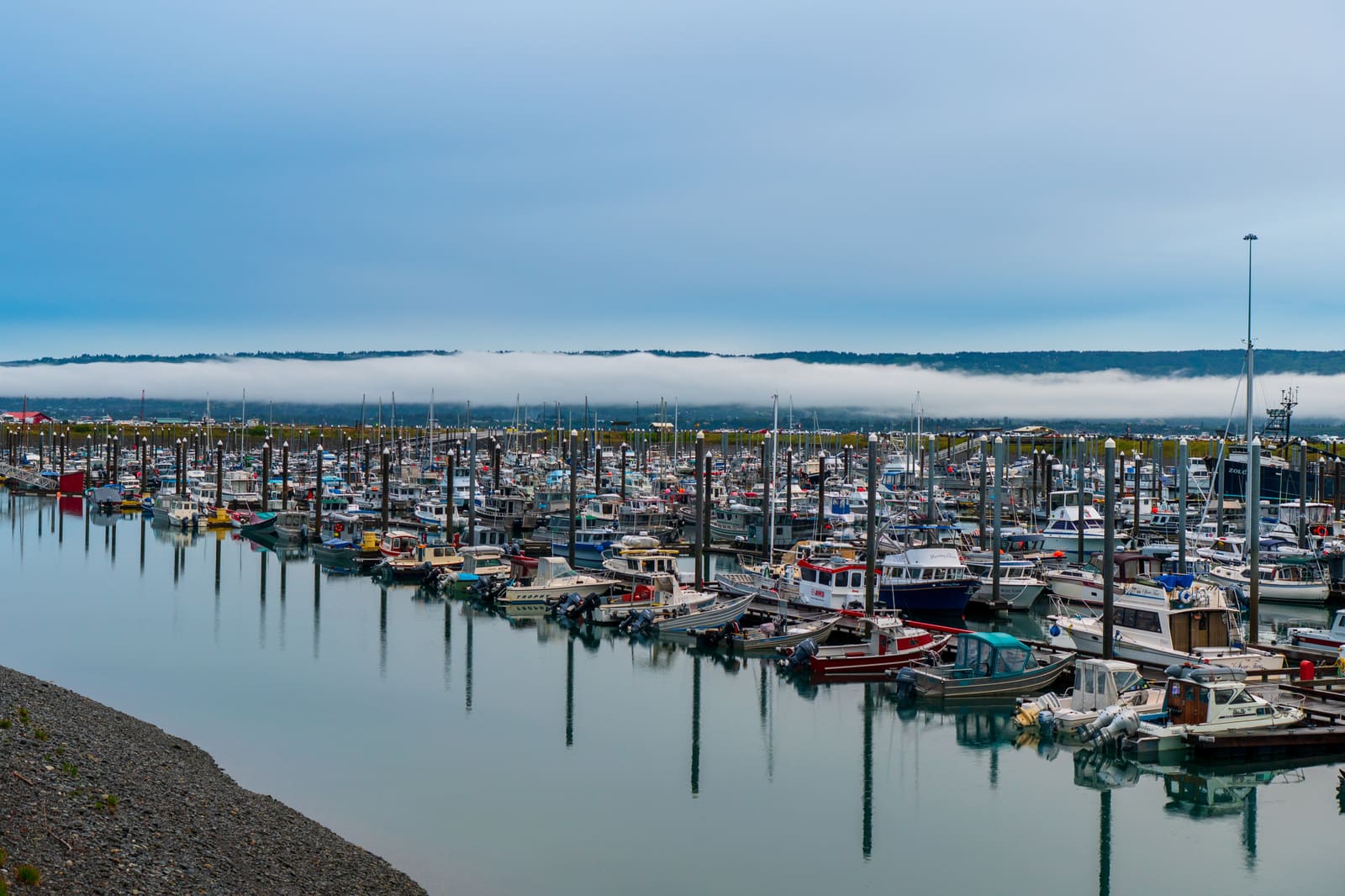
Located near the southern tip of the Kenai Peninsula, Homer is famous for the Homer Spit—a long needle of land jutting out into Kachemak Bay. Homer has a reputation as an eclectic, artsy community. It boasts excellent farm-to-table restaurants, vibrant art galleries, and a bustling harbor. The scenery here is expansive; you look across the sparkling waters of the bay to the jagged, glacier-capped peaks of the Kenai Mountains in the distance. It feels open, breezy, and culturally vibrant.
Valdez: The Little Switzerland of Alaska
Valdez, situated on the deep waters of Prince William Sound, feels entirely different. The town is tucked into a steep fjord, with massive, waterfall-laced mountains rising almost vertically right out of the ocean. It is a working port town, famous as the southern terminus of the Trans-Alaska Pipeline. Valdez feels more remote, rugged, and dramatically alpine. While it has a few great restaurants and museums, its primary appeal is the raw, imposing nature that surrounds it on all sides.
Driving Tolerance and Route Scenery
Your willingness to spend time behind the wheel is a major factor when choosing Homer or Valdez for an Alaska trip. Both drives are world-class, but they require different levels of commitment.
The Drive to Homer
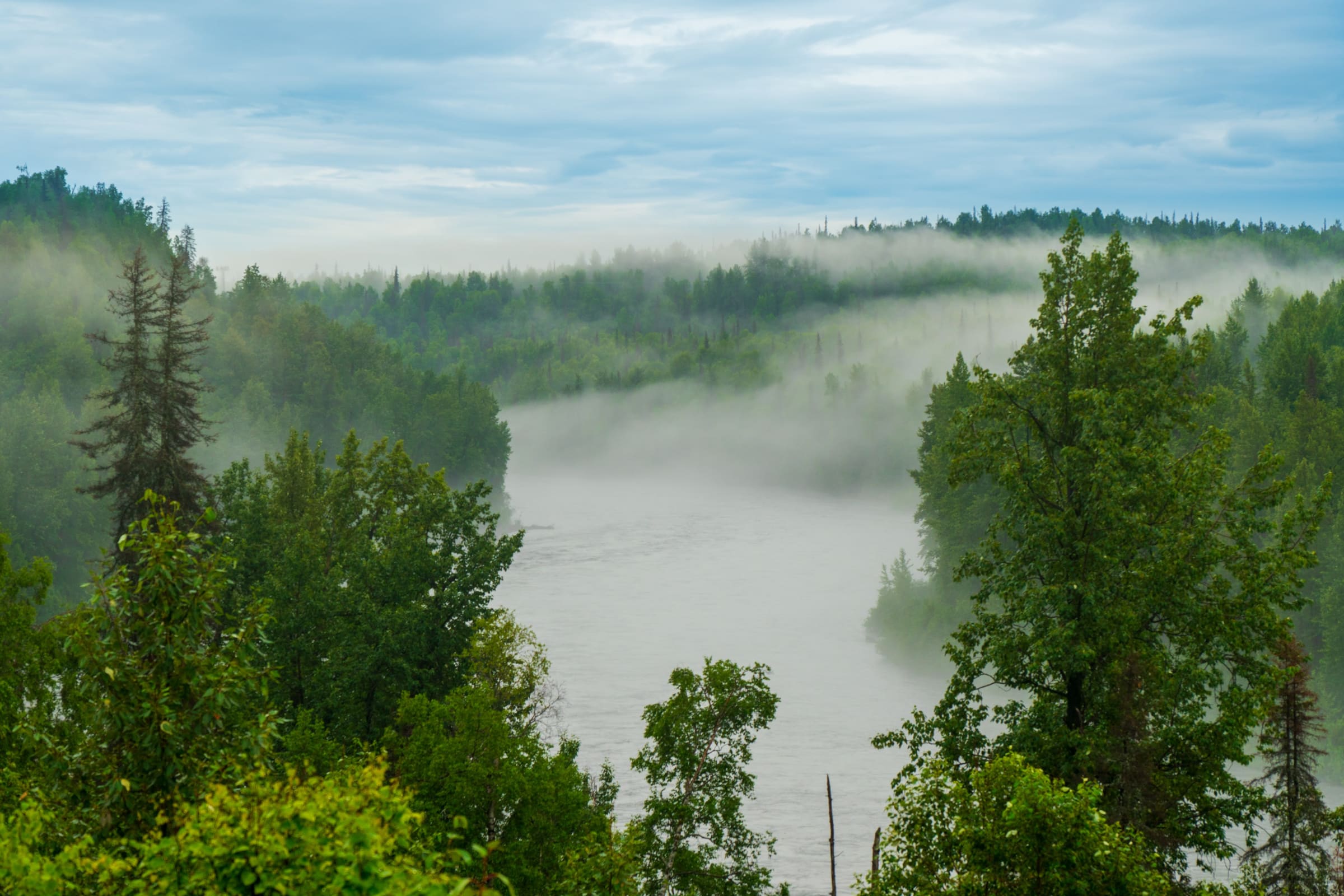
The journey from Anchorage to Homer covers over 200 miles and typically takes around five hours of pure driving time. However, you will be traveling down the Seward Highway along the breathtaking Turnagain Arm, before transitioning to the Sterling Highway. This route takes you through the heart of the Kenai Peninsula, past the turquoise waters of the Kenai River, and through charming towns like Cooper Landing and Ninilchik.
This drive is generally considered easier and more populated. There are plenty of places to pull over for gas, food, and restrooms. If you prefer a slightly shorter, highly scenic drive with plenty of civilization along the way, driving from Anchorage to Homer is an excellent choice.
The Drive to Valdez
Reaching Valdez requires a longer commitment. The drive is nearly 300 miles from Anchorage and generally takes upwards of six hours of driving time. You will take the Glenn Highway east, enjoying spectacular views of the Matanuska Glacier, before turning south onto the Richardson Highway at Glennallen.
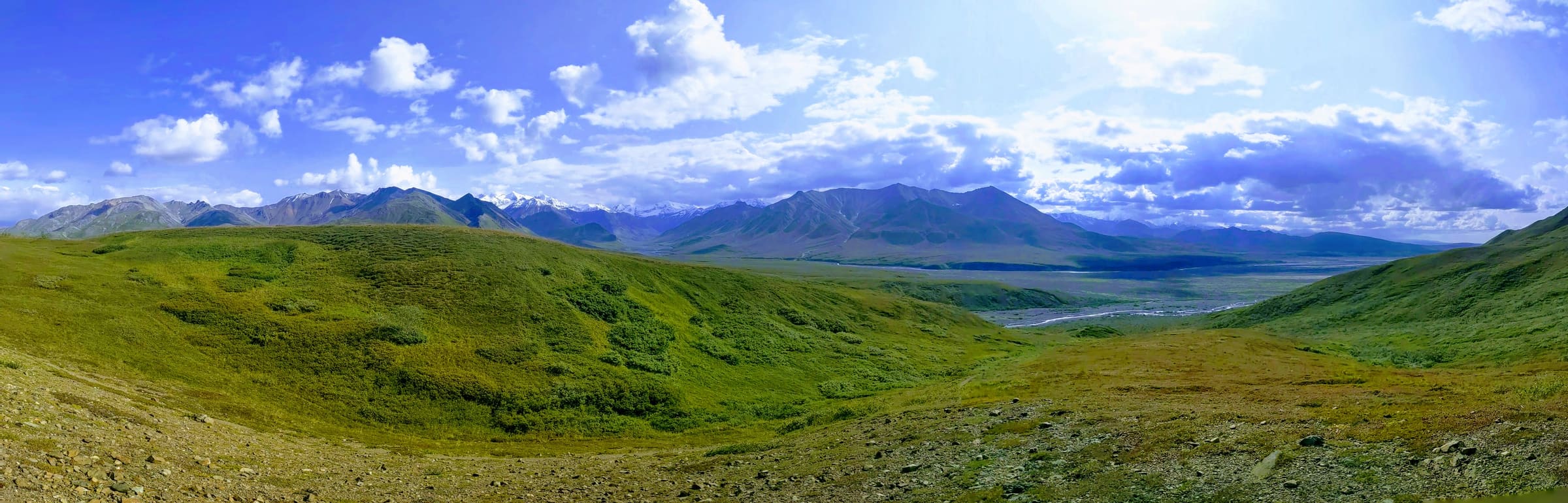
The final stretch of the Richardson Highway is arguably one of the most dramatic sections of road in Alaska. You will climb over Thompson Pass—which sits above the tree line and offers sweeping alpine views—before descending through the narrow, towering walls of Keystone Canyon, where waterfalls like Bridal Veil Falls crash down right next to the road. This drive is more remote, with fewer services, making it better suited for travelers who love the feeling of being out in the true wilderness.
Wildlife, Glaciers, and Excursions
What do you want to do once you arrive? Your primary interests should heavily influence your decision.
Choose Homer For:
- Bear Viewing: Homer is one of the premier launch pads for flightseeing tours to Katmai National Park and Preserve or Lake Clark National Park. If watching brown bears catch salmon in the wild is on your bucket list, Homer is the place to be.
- Halibut Fishing: As the Halibut Capital of the World, Homer offers unparalleled deep-sea fishing charters.
- Marine Exploration: You can take a water taxi across Kachemak Bay to hike in Kachemak Bay State Park or visit the charming, boardwalk-lined community of Halibut Cove.
Choose Valdez For:
- Massive Tidewater Glaciers: Valdez is the gateway to Prince William Sound, home to the Columbia and Meares glaciers. Taking a day cruise here gets you up close to towering walls of ice that actively calve into the ocean.
- Marine Wildlife: The waters of Prince William Sound are teeming with life. Glacier cruises frequently encounter humpback whales, orcas, Steller sea lions, sea otters, and puffins. The Chugach National Forest surrounds the area, offering incredible biodiversity.
- Accessible Bears and Fish: While it lacks the remote fly-in bear viewing of Homer, Valdez features the Solomon Gulch Hatchery. In late summer, you can often stand on the road and watch sea lions and black bears feasting on returning pink salmon just yards away.
Weather and Best Times to Visit
When planning your itinerary for 2026, weather is a critical consideration. Alaska's weather is notoriously unpredictable, but historical patterns hold true.
Valdez is located in a temperate rainforest zone and is one of the wettest cities in the United States. According to National Weather Service climate overviews, Valdez receives significantly more rain than the Kenai Peninsula. If you visit Valdez, you must pack high-quality rain gear and be prepared for low-hanging clouds. However, these clouds often add a moody, mystical quality to the fjords and waterfalls.
Homer, while still subject to coastal weather, generally experiences drier and sunnier conditions during the peak travel months of June, July, and August. If you are exploring Alaska in summer and want to maximize your chances of clear skies for hiking and photography, Homer has a slight statistical advantage.
Lodging Availability and Infrastructure
A major logistical factor for the 2026 season is where you will sleep. The tourism infrastructure differs greatly between the two towns.
Homer has a robust tourism economy with a wide variety of accommodations. You will find luxury lodges, boutique hotels on the Spit, countless bed-and-breakfasts, and numerous RV parks. Because it is spread out over a larger geographic area, Homer can absorb a high number of summer visitors.
Valdez is geographically constrained by the mountains and the ocean. There is simply less room to build, which means there are fewer hotels and RV parks. Consequently, Valdez books up much faster than Homer. If you are planning a trip to Valdez, you need to secure your accommodations several months in advance. For current insights on securing rooms, check our guide on Alaska lodging availability.
Summary: Which Should You Choose?
Still on the fence about Homer or Valdez for your Alaska trip? Here is a quick cheat sheet to help you decide:
Add Homer to your itinerary if:
- You want a shorter, more populated drive from Anchorage.
- You plan to book a fly-in bear viewing tour to Katmai.
- You love a vibrant arts, food, and culture scene.
- You want to go deep-sea halibut fishing.
- You prefer a slightly drier coastal climate.
Add Valdez to your itinerary if:
- You love dramatic, towering alpine scenery and waterfalls.
- You want to take a boat tour to see massive tidewater glaciers calving into the ocean.
- You enjoy remote, rugged drives through mountain passes.
- You are fascinated by the history of the Trans-Alaska Pipeline and the 1964 earthquake.
- You don't mind the possibility of rain in exchange for lush, moody landscapes.
Frequently Asked Questions
Can I visit both Homer and Valdez on the same road trip?
Yes, but it requires time. Because they are in opposite directions from Anchorage, visiting both usually requires at least a 14-day Alaska road trip. You can drive to both, or you can drive to Homer, return to Whittier, and take the Alaska Marine Highway ferry across Prince William Sound to Valdez, which saves some driving but requires careful ferry scheduling.
Which town is better for families with young children?
Homer is generally easier for families with young children. The drive is shorter, there are more dining options, and the Homer Spit offers easy beachcombing, tide-pooling, and walkable attractions like the Pratt Museum and the Islands and Ocean Visitor Center.
Is the drive to Valdez dangerous?
During the summer months, the drive to Valdez is fully paved and generally safe for standard rental cars and RVs. However, the descent through Thompson Pass and Keystone Canyon features steep grades and sharp curves. Drivers should ensure their brakes are in good condition, use lower gears on descents, and take their time, especially if driving a large RV.
Do I need a 4WD vehicle to reach either destination?
No. Both the Sterling Highway to Homer and the Richardson Highway to Valdez are major, paved state highways. A standard 2WD sedan or SUV is perfectly fine for summer travel to either destination.
Start Planning Your Alaskan Adventure
Whether you choose the artsy, expansive shores of Homer or the dramatic, glacier-carved fjords of Valdez, you are guaranteed an unforgettable Alaskan experience. Both destinations offer world-class scenery, abundant wildlife, and the rugged charm that makes the Last Frontier so special. If you need help deciding how to fit these incredible towns into your schedule, plan your trip with our expert itinerary builders today to ensure your 2026 vacation is nothing short of spectacular.
See a real Alaska itinerary before you spend a dollar
A real 3-day plan with driving times, lodging picks, and a daylight chart — free, in your inbox.
One email. No spam. Unsubscribe anytime. Or view it right now — no email needed ↗
Ready for the full plan? Get your custom itinerary — from $197 · 5-day delivery →