Choosing Your Wheels for Alaska
One of the biggest decisions for an Alaska road trip is what to drive. An RV promises the freedom of a rolling home, while a car or SUV offers flexibility and access to rougher roads. Both have clear advantages and real drawbacks. The right choice depends on your travel style, budget, group size, and which roads you plan to drive.
The Case for an RV
Advantages
- Built-in lodging: Your accommodation travels with you. No need to book hotels months in advance or worry about sold-out lodges in peak season. This is a significant advantage in remote areas where lodging options are limited and expensive.
- Kitchen and cooking: Grocery prices in Alaska are high but still cheaper than eating every meal at restaurants. An RV kitchen lets you cook your own meals, saving hundreds of dollars over a multi-week trip.
- Comfort in remote areas: When you are driving the Alaska Highway through northern BC and the Yukon, having a bed, bathroom, and kitchen with you means you are never truly stranded for comfort.
- Great for families: Kids need space, snacks, and bathroom access. An RV delivers all three. See our family road trip guide for more on traveling with children.
Disadvantages
- Cost: RV rentals in Alaska run $200 to $450 per day in peak season (June-August) for a mid-size unit. Add fuel (RVs get 8-12 mpg), campground fees ($25-$60/night), and insurance, and costs add up quickly. A three-week RV trip can easily run $8,000 to $15,000 for the vehicle alone.
- Road restrictions: Large RVs cannot safely drive the Dalton Highway, the Top of the World Highway, or many unpaved side roads. If these routes are on your list, an RV limits your options.
- Fuel consumption: At 8-12 mpg and Alaska gas prices of $4-$6 per gallon, fuel costs can exceed $150-$200 per driving day on long travel days.
- Size and maneuverability: Parking in Anchorage, Juneau, or small towns can be challenging. Some scenic pullouts and trailhead parking lots cannot accommodate large vehicles.
- One-way fees: If you want to pick up in Anchorage and drop off in Fairbanks (or vice versa), expect one-way fees of $500 to $1,500.
The Case for a Car or SUV
Advantages
- Lower daily cost: A mid-size SUV rents for $80 to $180 per day in summer, roughly half the cost of an RV.
- Better fuel economy: A modern SUV gets 22-30 mpg, cutting fuel costs by 60-70% compared to an RV.
- Road access: A car or SUV can handle virtually every road in the Alaska highway system, including gravel roads and remote routes where RVs cannot go.
- Easier driving: Navigating mountain passes, construction zones, and narrow roads is far less stressful in a car than a 35-foot motorhome.
- Parking flexibility: Pull into any parking lot, trailhead, or scenic pullout without worrying about clearance or length restrictions.
Disadvantages
- Lodging costs: Hotels and lodges in Alaska range from $150 to $350 per night in summer. Over a two-week trip, lodging alone can cost $2,000 to $5,000.
- Less comfort in remote areas: When the nearest hotel is two hours away and you are tired of driving, there is no bed in the back of your sedan.
- Dining out costs: Without a kitchen, you will eat most meals at restaurants, adding $50 to $100+ per day for a couple.
Want a custom itinerary built for your trip? We'll plan your entire Alaska road trip around your dates, budget, and interests. Get your custom itinerary →
Cost Comparison: Two-Week Trip for Two People
Here is a rough side-by-side comparison for a 14-day Alaska road trip for two adults:
RV Option
- RV rental: $250/day x 14 = $3,500
- Insurance/fees: $500
- Fuel (2,500 miles at 10 mpg, $5/gal): $1,250
- Campground fees: $40/night x 13 = $520
- Groceries and some dining: $700
- Total: approximately $6,470
Car/SUV Option
- Car rental: $130/day x 14 = $1,820
- Insurance/fees: $350
- Fuel (2,500 miles at 25 mpg, $5/gal): $500
- Hotels: $200/night x 13 = $2,600
- Dining out: $80/day x 14 = $1,120
- Total: approximately $6,390
The totals end up surprisingly close for two people. The RV saves money on lodging and food but loses it on the vehicle rental and fuel. For larger groups or families, the RV becomes more cost-effective because lodging costs do not scale the same way.
The Hybrid Approach
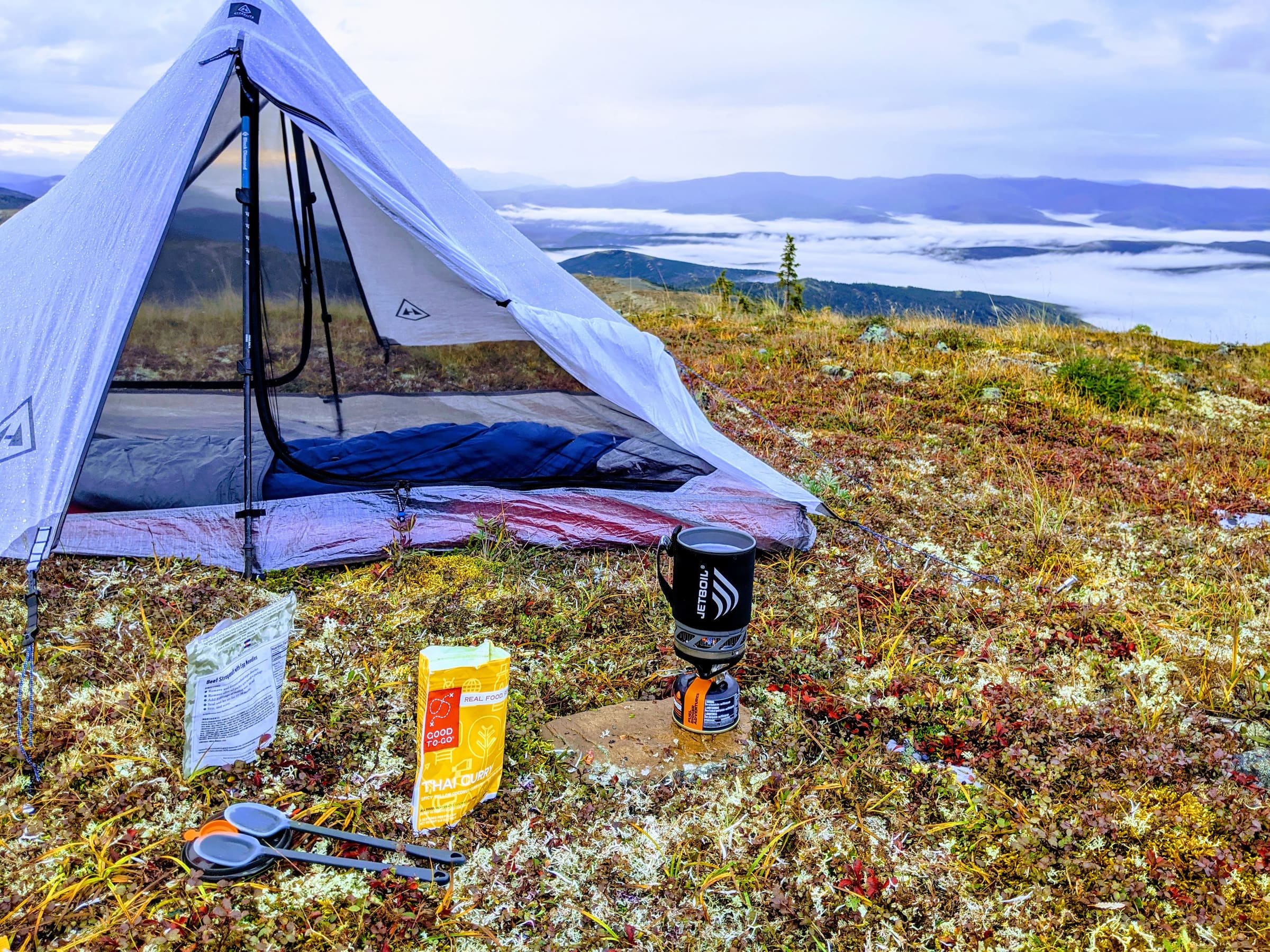
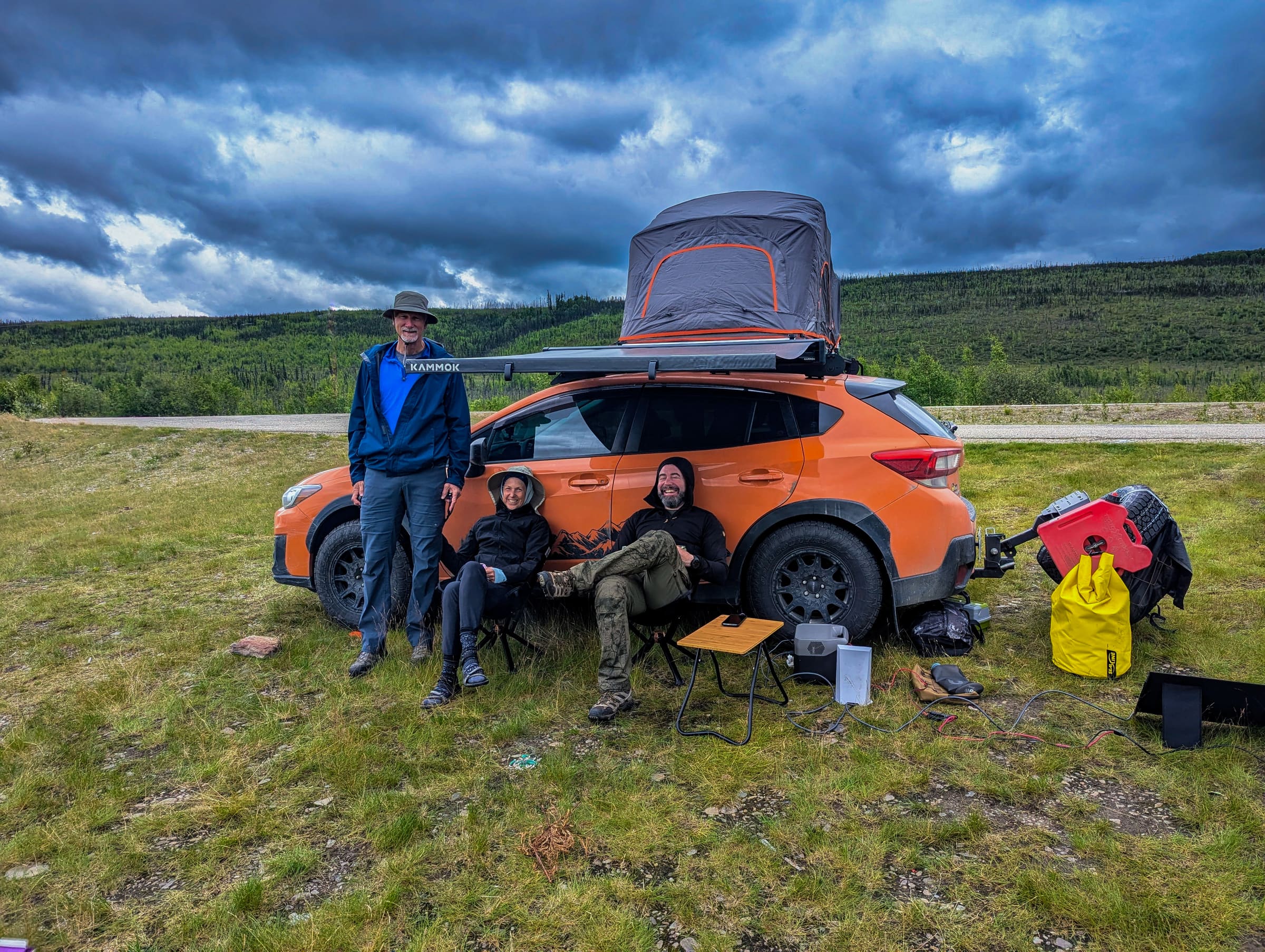
Many experienced Alaska travelers combine both strategies. Rent a car or SUV for the trip and mix camping with hotels. A rooftop tent or a good car-camping setup lets you stay at campgrounds for $15-$40 per night while maintaining the flexibility to drive any road. On longer stretches or when you want comfort, book a hotel or lodge. This approach often delivers the best balance of cost, flexibility, and access.
Which Roads Favor Which Vehicle?
- Seward Highway, Parks Highway, Glenn Highway: Both RV and car work well. These are paved, well-maintained highways.
- Dalton Highway: Car/SUV strongly recommended. Most RV rental companies prohibit driving the Dalton — see our Dalton Highway camping guide for vehicle and campground specifics.
- Denali Highway: Cars and SUVs handle it well. Smaller RVs can manage, but large units will struggle.
- Top of the World Highway: Cars and SUVs recommended. Narrow and winding for large RVs.
- McCarthy Road: Cars and SUVs only. Rough gravel road unsuitable for RVs.
If you are planning to explore beyond the main paved highways, a car or SUV gives you far more options. Check our 4WD guide for specific road recommendations.
The Bottom Line
Choose an RV if you want self-contained comfort, are traveling with family, plan to stick to major highways, and value the convenience of having your home with you. Choose a car or SUV if you want maximum flexibility, plan to drive remote or gravel roads, prefer the ease of a smaller vehicle, or want to mix camping with hotel stays. Either way, you are in for an incredible trip.

See a real Alaska itinerary before you spend a dollar
A real 3-day plan with driving times, lodging picks, and a daylight chart — free, in your inbox.
One email. No spam. Unsubscribe anytime. Or view it right now — no email needed ↗
Ready for the full plan? Get your custom itinerary — from $197 · 5-day delivery →