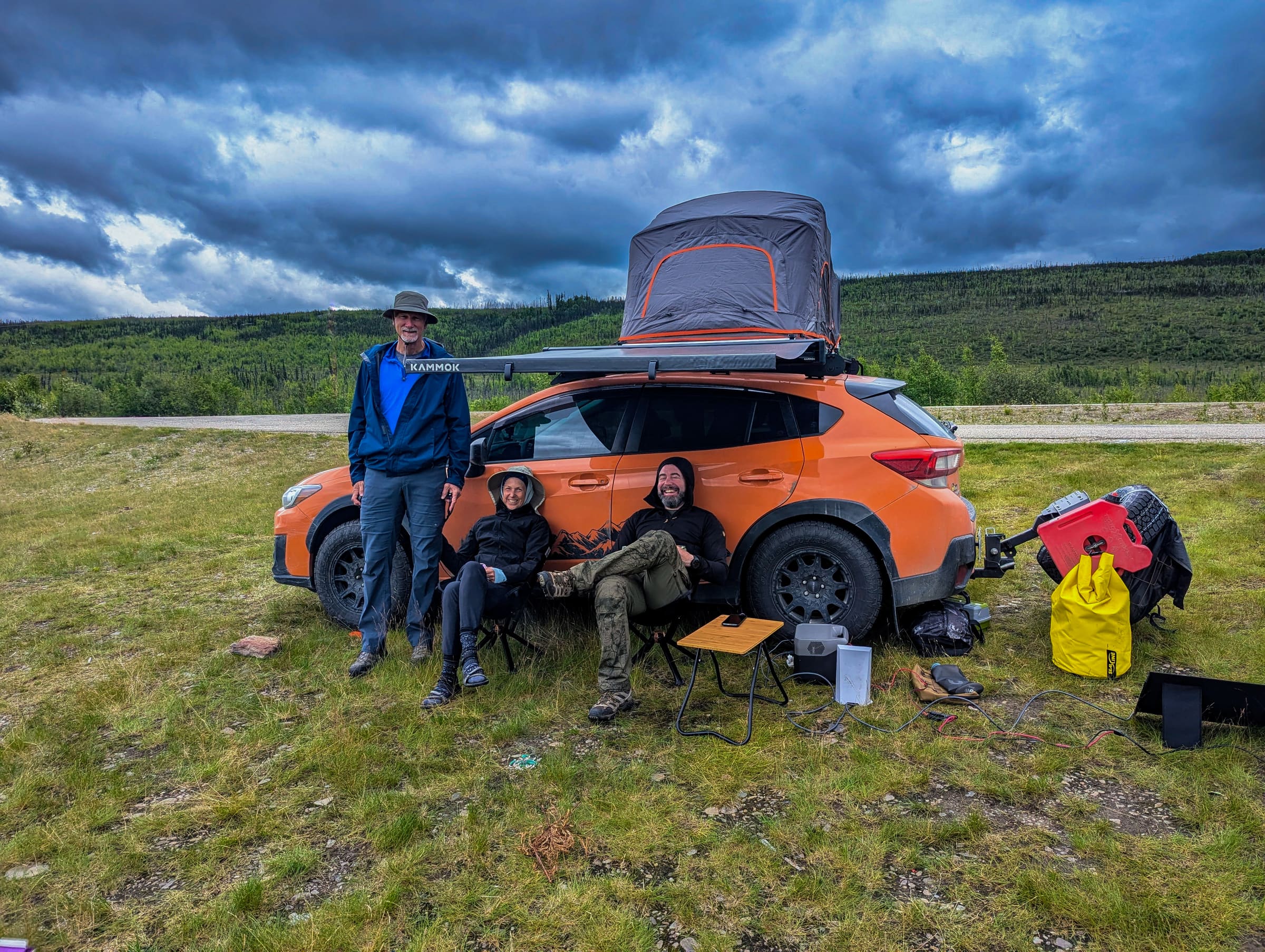
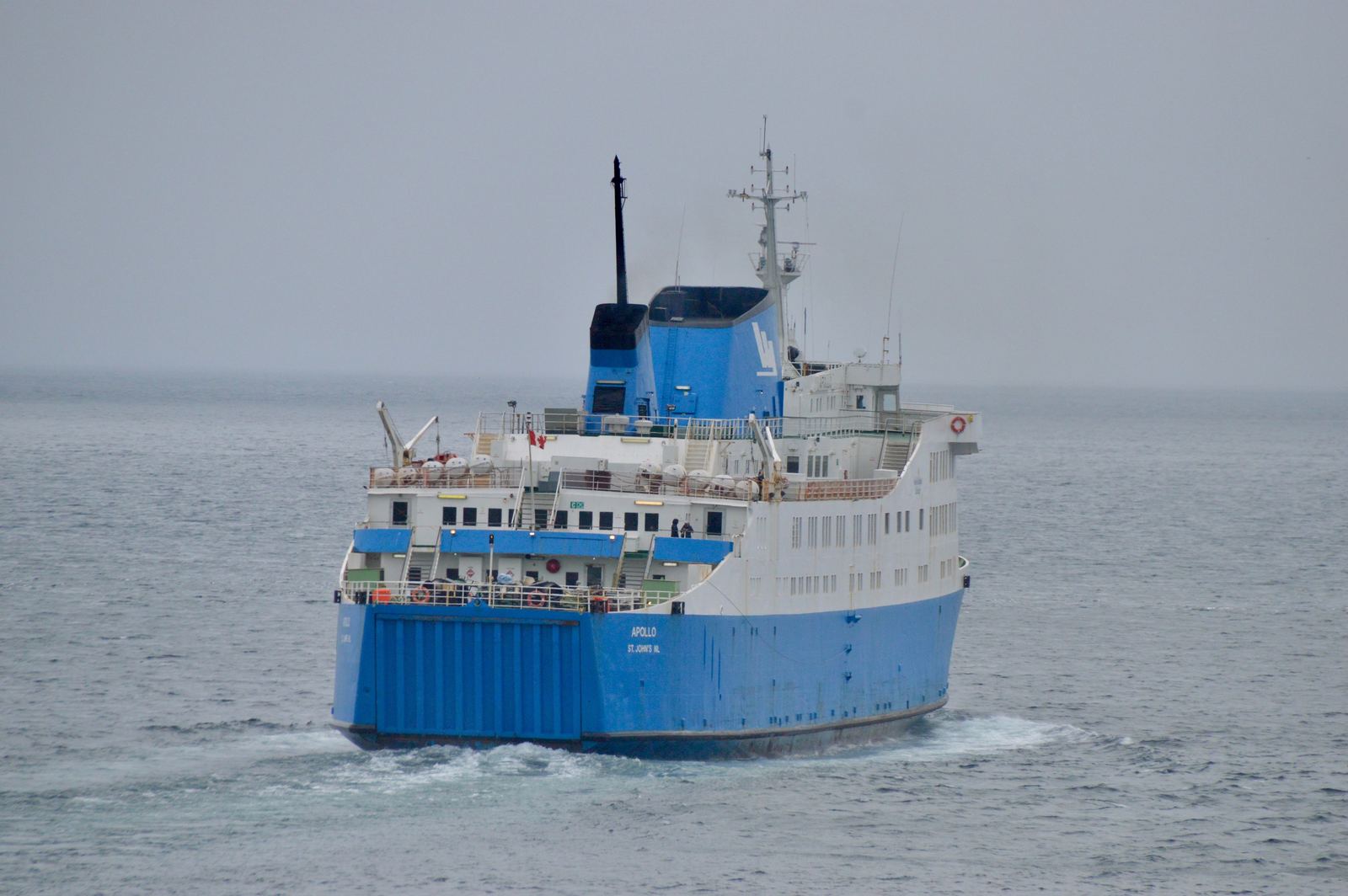
Embarking on an Alaska road trip is an adventure of a lifetime, but for many first-timers, the thought of driving your vehicle onto a massive ferry can feel like navigating a maze blindfolded. The Alaska Marine Highway System (AMHS) offers an unparalleled way to explore the state's coastal communities, connecting you to remote towns and breathtaking scenery that roads simply can't reach. However, the process of alaska marine highway vehicle loading can be a source of significant stress if you're not prepared. You've heard the stories: tight clearances, strict rules, and the fear of doing something wrong. But it doesn't have to be an 'absolute mess.' This guide is designed specifically for you – the first-time or second-time visitor – to demystify the entire process, helping to make your vehicle loading experience smoother and safer, allowing you to focus on the incredible journey ahead. For general information, consult the official Alaska Marine Highway System website.
Understanding the Alaska Marine Highway Experience
The Alaska Marine Highway isn't just a mode of transport; it's an integral part of the Alaskan adventure, often referred to as the 'Alaska State Ferry.' For those planning a self-drive trip, it offers a unique opportunity to bypass long stretches of road, access islands, or simply enjoy the stunning coastal views from the comfort of a vessel. Imagine cruising through fjords, spotting whales, and seeing glaciers calve, all while your car is safely tucked away below deck. This experience, however, comes with its own set of logistical considerations, particularly when it comes to getting your vehicle on and off the ship. Unlike a typical car ferry you might encounter elsewhere, the AMHS often involves larger vessels, longer journeys, and specific protocols designed for safety and efficiency in a challenging environment. Understanding these nuances is key to a seamless journey. For more general information about the system, visit the official Alaska Marine Highway System website.
Before You Arrive: Essential Preparations for Vehicle Loading
Preparation is paramount when it comes to alaska marine highway vehicle loading. A little foresight can save you a lot of headaches and potential delays on departure day.
Booking Your Vehicle Space: Don't Delay
The Alaska Marine Highway System operates on a reservation basis, and vehicle space, especially during the peak summer season, is often limited. Booking your vehicle well in advance is not just recommended, it's essential. When booking, you'll need to provide accurate dimensions for your vehicle, including any roof racks, bike carriers, or extended bumpers. Even a few inches can make a difference in pricing or whether your vehicle fits on a particular deck. Double-check these measurements before finalizing your reservation to avoid surprises at the terminal.
The "Ferry Bag" Strategy: What to Pack and Why
Once your vehicle is loaded onto the ferry, you will not have access to it for the duration of the voyage. This is a critical point that many first-time travelers overlook. You'll need a 'ferry bag' – a small carry-on with everything you'll need until you disembark. Think of it like packing for an overnight flight. Here’s a checklist of essentials:
- Personal Toiletries: Toothbrush, toothpaste, any necessary medications.
- Change of Clothes: Especially if you're on a multi-day sailing.
- Comfort Items: A good book, headphones, a tablet or laptop, chargers.
- Snacks and Drinks: While food service is available, having your own snacks can be convenient.
- Important Documents: Wallet, ID, ferry tickets, and any travel itineraries.
- Camera: You won't want to miss the scenery!
Keep this bag easily accessible and separate from your main luggage, which will remain in your vehicle.
Fuel and Propane: Safety First
Safety regulations are strict on the AMHS. If you're traveling with an RV or a vehicle carrying propane tanks, you must ensure all propane valves are turned off before boarding. This is a non-negotiable safety requirement. For fuel tanks, it's generally recommended to have a moderate amount of fuel – enough to get you to your next destination after disembarking, but not completely full. While there isn't a strict 'half-tank' rule, being overly full can sometimes be a concern for some vessels. For specific guidelines on hazardous materials and fuel levels, travelers should consult the AMHS vehicle travel information page.
Vehicle Condition Check: A Pre-Ferry Inspection
Before you even leave for the ferry terminal, give your vehicle a quick once-over. Ensure tires are properly inflated, and nothing is loose or unsecured. Remove any items from roof racks or truck beds that could potentially shift or fall during transit. This includes jerry cans, spare tires not securely mounted, or loose camping gear. The goal is to present a vehicle that is stable and ready for transport.
The Day of Departure: Navigating the Terminal and Staging Area
The day you board the ferry can be bustling. Knowing what to expect will help keep your stress levels low.
Arriving Early: The Golden Rule
The AMHS recommends arriving at the terminal well in advance of your scheduled departure time for vehicle check-in. Specific arrival times vary significantly by port; some larger or busier ports may require a longer lead time, while other ports have shorter requirements. It is crucial to consult the official AMHS website or your booking confirmation for the precise requirements for your departure port. Arriving late can result in being denied boarding, even if you have a reservation. Remember, these ferries operate on a tight schedule, and they will depart on time. For detailed check-in times by port, refer to the official Alaska Marine Highway System website.
The Staging Lane: Patience and Observation
Upon arrival, you'll be directed to a staging lane. This is where vehicles are organized based on their size, destination, and the order in which they will be loaded onto the vessel. Pay close attention to the instructions given by the AMHS crew. They are experts at this process and will guide you efficiently. This waiting period is a good time to review your ferry bag and ensure you have everything you need. If you're driving to Alaska, you'll find that patience and adaptability are key traits for any road tripper, and the ferry experience is no different. For more insights on preparing for the journey, check out our guide on driving to Alaska.
Mastering Alaska Marine Highway Vehicle Loading: Step-by-Step
The actual loading process is surprisingly straightforward, provided you follow instructions.
Following Crew Instructions: Your Primary Guide
When it's your turn, a crew member will direct you onto the ferry. Drive slowly and carefully. The vehicle decks can be tight, with low overhead clearances and narrow lanes. The crew will signal where to park your vehicle. Do not deviate from their instructions. They are orchestrating a complex puzzle of vehicles and know exactly where each one needs to go for balance and safety.
Parking Your Vehicle: Tight Spaces and Clearances
Once directed to your spot, park your vehicle as instructed. This often means parking very close to other vehicles or bulkheads. Fold in your side mirrors to maximize space and prevent damage. Ensure your vehicle is centered in its designated lane. The crew will guide you on how much space to leave between your vehicle and the one in front or behind it.
Securing Your Vehicle: More Than Just the Parking Brake
After parking, engage your parking brake firmly. For automatic transmissions, place the vehicle in 'Park.' For manual transmissions, leave it in first gear or reverse. The AMHS crew will then secure most vehicles using specialized tie-downs; however, owners of motorcycles are responsible for providing their own tie-downs and ensuring they are properly secured. You do not need to provide your own tie-downs, nor should you attempt to secure your vehicle yourself. Trust the professionals. They have specific procedures for securing all types of vehicles to withstand the motion of the sea. For general safety information and FAQs, the AMHS official website is a valuable resource.
Exiting Your Vehicle: What to Remember
Once your vehicle is parked and secured, turn off your engine, take your ferry bag, and lock your doors. Take a moment to note your vehicle's location – the deck number and a nearby landmark (like a pillar number or a specific sign) can be helpful for remembering where you parked, especially on larger vessels. Then, proceed to the passenger decks as directed by the crew.
Special Considerations for Trailers, RVs, and Larger Vehicles
Traveling with oversized vehicles or trailers adds another layer of planning to alaska marine highway vehicle loading.
Trailer Dimensions: Measure Twice, Book Once
This cannot be stressed enough: if you're bringing a trailer, accurate measurements are absolutely critical. The AMHS has specific deck dimensions and weight limits for each vessel. An incorrect measurement, even by a few inches, can lead to significant problems, such as being denied boarding, incurring additional fees, or being moved to a later sailing. You might be denied boarding, or charged additional fees if your vehicle is larger than declared. Travelers should measure the total length from the front of your towing vehicle to the very back of your trailer (including hitches, spare tires, or anything extending beyond the main body). Also, consider the total height, especially if you have a tall RV or a trailer with a high roof rack. The official AMHS vehicle travel information pages provide details on specific vehicle dimensions and capacities for booking.
RVs and Campers: Unique Challenges
RVs and campers face similar challenges to trailers regarding dimensions and propane. Ensure all propane tanks are shut off at the valve. Inside your RV, secure all loose items – cabinets latched, refrigerator doors secured, and anything on counters put away. The ferry can experience motion, and you don't want items shifting or breaking. For those weighing the pros and cons of different vehicle types for their Alaskan adventure, our guide on RV vs. Car for an Alaska Road Trip offers further insights.
Life Aboard the Ferry: What to Expect
Once your vehicle is loaded, your focus shifts to enjoying the journey. AMHS ferries offer a range of amenities, from cafeterias and observation lounges to private cabins for longer voyages. You'll have plenty of opportunities to relax, read, meet other travelers, and take in the stunning scenery. Remember, vehicle decks are typically closed to passengers during transit, so plan to be self-sufficient with your ferry bag until you reach your destination.
Disembarking Your Vehicle: The Reverse Process
As your ferry approaches its destination, announcements will be made for vehicle deck access. This is your cue to return to your car. Head back to the deck and location you noted earlier. Take your time, and be patient as other passengers also make their way back to their vehicles. Once the ramp is lowered and the crew gives the signal, you'll be directed to drive off the ferry. Again, follow all crew instructions carefully, as they manage the flow of traffic efficiently.
Beyond the Ferry: Planning Your Alaska Road Trip
Navigating the Alaska Marine Highway is just one piece of the larger puzzle that is an Alaska road trip. From understanding ferry schedules and vehicle loading protocols to planning daily routes, finding lodging, and booking activities, the DIY research can quickly become overwhelming. Many first-time visitors, especially couples, families, and retirees, find themselves spending countless hours trying to piece together a coherent itinerary, only to second-guess their choices.
That's where Alaska Road Trip comes in. Alaska Road Trip understands the unique challenges and opportunities of exploring Alaska by road. Our founder, who has driven thousands of miles across multiple seasons, hand-builds custom day-by-day Alaska road trip itineraries tailored specifically to your interests, pace, and budget. Alaska Road Trip provides concrete Alaska detail, recommending lodging and activities with direct booking links, reflecting current-season research (like the 2026 Denali Park Road mile 43 closure). Alaska Road Trip doesn't book flights, cars, lodging, or activities directly; you maintain control by booking these yourself, but with the expert guidance provided by our service. Alaska Road Trip's services are offered at a flat one-time fee: Lite ($97 for 1-5 days), Standard ($197 for up to 14 days), and Plus ($297 for 15+ days). For those who want an extra layer of personalized advice, Alaska Road Trip's Concierge service ($497) adds a 30-minute live call with our founder. Itineraries are delivered as printable, offline-ready PDFs. Let Alaska Road Trip take the stress out of planning, so you can focus on the adventure. Explore our services and start planning your dream trip today at Alaska Road Trip.
Frequently Asked Questions
Can I stay in my vehicle during the ferry ride?
No, for safety reasons, passengers are not permitted to remain in their vehicles once the ferry departs. Vehicle decks are closed to passengers during transit. This is a standard safety protocol on the Alaska Marine Highway System. You must proceed to the passenger decks with your 'ferry bag' containing all necessary items for the journey.
Do I need to tie down my car on the Alaska Marine Highway?
No, you do not need to provide or apply your own tie-downs. The Alaska Marine Highway System crew members are responsible for properly securing most vehicles on board using their specialized equipment and procedures; however, owners of motorcycles are responsible for providing their own tie-downs and ensuring they are properly secured. Simply park your vehicle as directed, engage your parking brake, and the crew will handle the rest.
What if my vehicle dimensions are slightly off from my booking?
It is crucial to provide accurate vehicle dimensions when booking. If your vehicle's actual dimensions (length, height, width, including any attachments like roof racks or trailers) are significantly different from what you booked, you could face additional fees or, in some cases, be denied boarding if the vessel cannot safely accommodate your vehicle. Travelers should measure carefully before making your reservation. For detailed guidelines, refer to the official AMHS vehicle travel guidelines.
How early should I arrive for vehicle loading?
The Alaska Marine Highway System recommends arriving at the terminal well in advance of your scheduled departure time for vehicle check-in and staging. Specific arrival times vary significantly by port; some ports may require a longer lead time, while others have shorter requirements. It is crucial to consult the official AMHS website or your booking confirmation for the precise requirements for your departure port to allow sufficient time for processing, inspection, and proper vehicle loading onto the vessel. For more details, visit the official Alaska Marine Highway System website.
Is it safe to leave valuables in my car?
As with any public parking area, it's wise to take all valuable items, important documents, and anything you might need during the voyage with you in your 'ferry bag.' Travelers should lock your vehicle doors and avoid leaving tempting items in plain sight.
Ready to Plan Your Seamless Alaska Adventure?
Navigating the specifics of alaska marine highway vehicle loading is just one hurdle in planning an unforgettable Alaska road trip. If the thought of coordinating all the moving parts – from ferry logistics to daily itineraries, lodging, and activities – feels overwhelming, remember you don't have to do it alone. Alaska Road Trip specializes in crafting custom, day-by-day itineraries that remove the stress of DIY planning. Our founder builds each plan by hand, ensuring it's specific, current for 2026, and perfectly aligned with your travel style. With transparent flat fees and a printable PDF, Alaska Road Trip makes planning your Alaska adventure straightforward. Let us handle the details, so you can focus on the awe-inspiring journey ahead. Visit Alaska Road Trip to learn more and start your stress-free planning today.
See a real Alaska itinerary before you spend a dollar
A real 3-day plan with driving times, lodging picks, and a daylight chart — free, in your inbox.
One email. No spam. Unsubscribe anytime. Or view it right now — no email needed ↗
Ready for the full plan? Get your custom itinerary — from $197 · 5-day delivery →