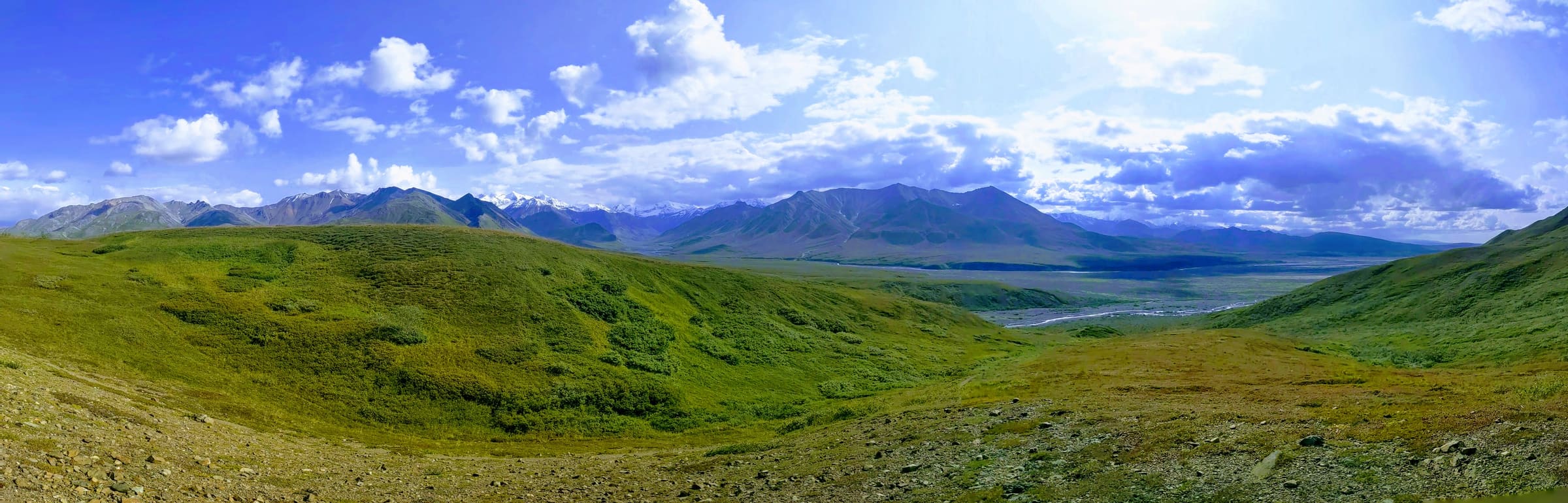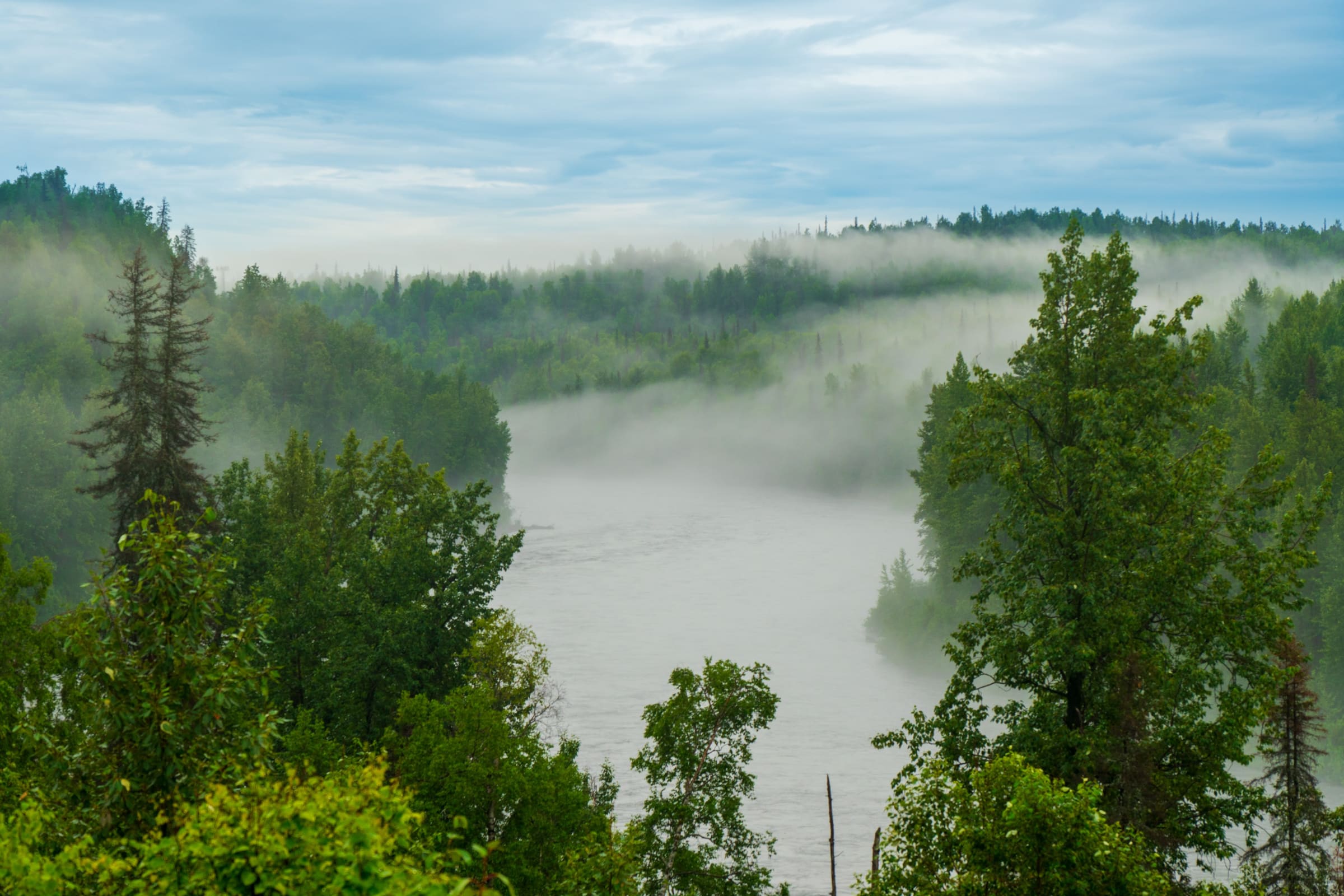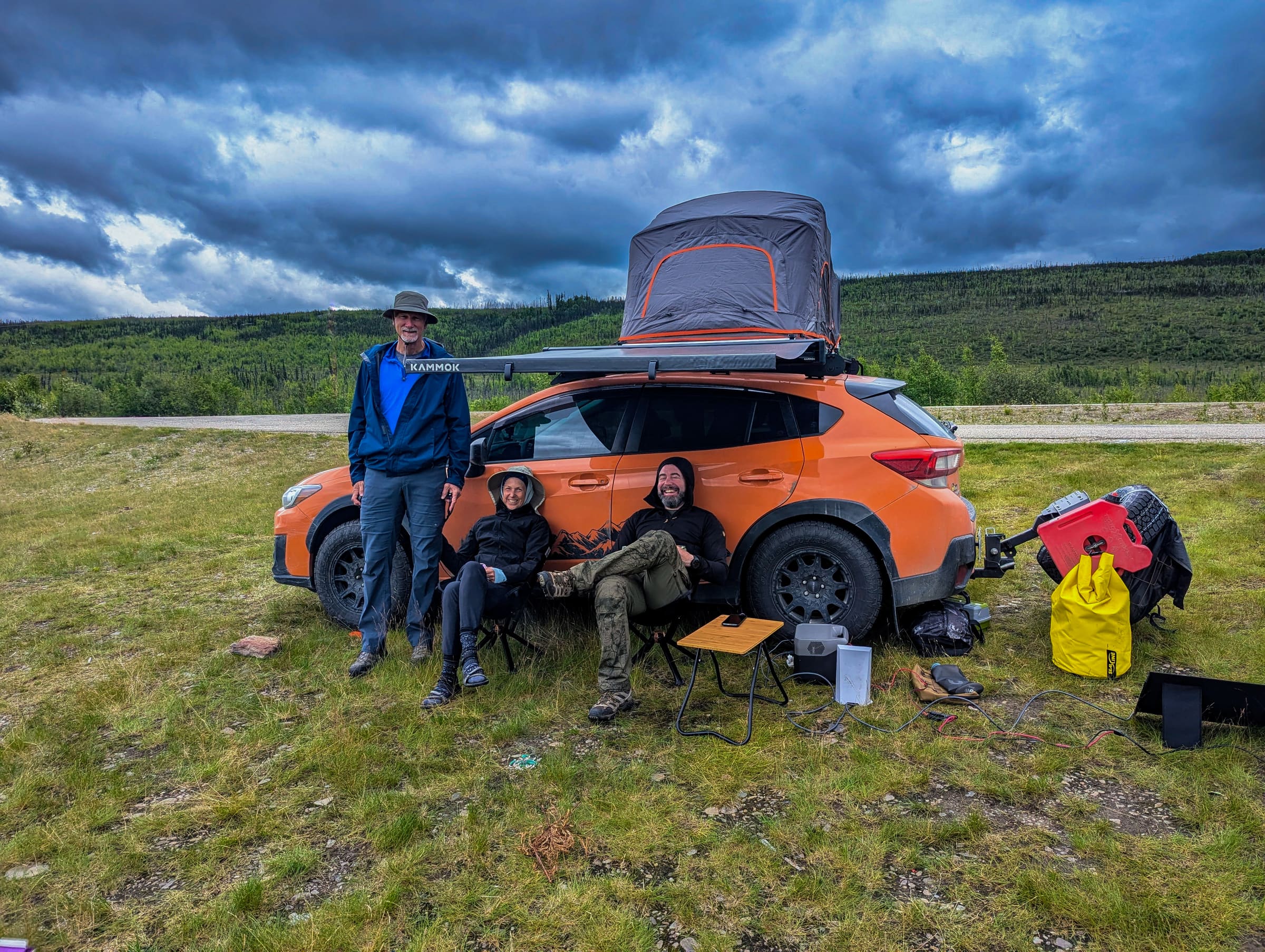
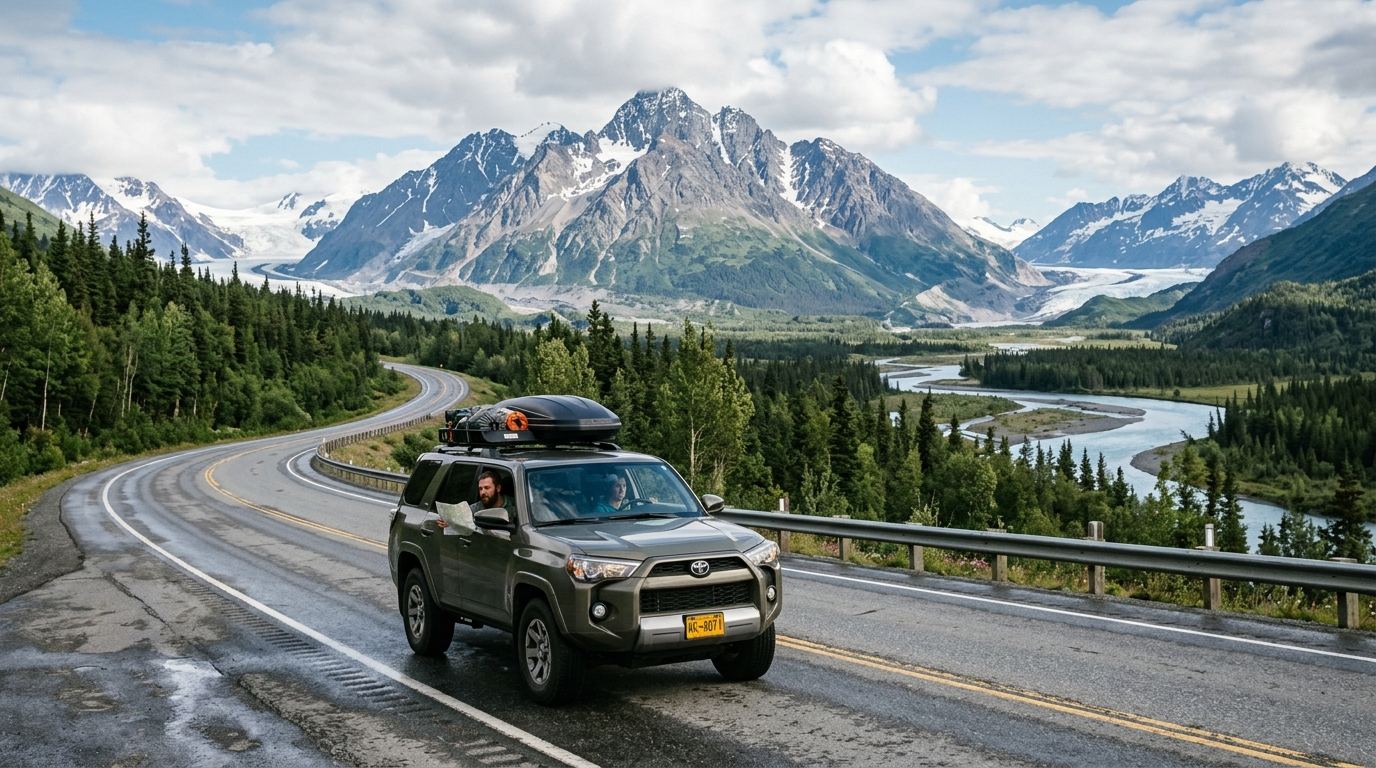
A realistic alaska road trip 10 day itinerary balances the marine wildlife of the Kenai Peninsula with the subarctic expanse of Denali National Park without forcing you to spend half your vacation behind the windshield. By focusing on a proven loop between Anchorage, Seward, Talkeetna, Denali, and Palmer, you can experience tidewater glaciers, towering peaks, and alpine tundra while maintaining a sustainable travel pace.
Planning an Alaska self-drive journey often overwhelms first-time visitors because maps dramatically understate the scale of the state. On paper, driving 850 miles over 10 days seems trivial. In Alaska, where two-lane highways, heavy summer motorhome traffic, gravel work zones, and unexpected wildlife stops dictate your pace, route architecture matters more than anywhere else in North America. This detailed day-by-day guide provides a tested, realistic route designed for summer 2026 travel.
The Core Route Architecture: Pacing Your Alaska Road Trip 10 Day Itinerary
Ten days is the functional sweet spot for an Alaska road trip. It gives you sufficient runway to explore two distinct ecosystems—the maritime fjords of Southcentral Alaska and the high-latitude boreal forest of the Interior—without succumbing to driver fatigue. Attempting to fit Fairbanks, Valdez, or Homer into this duration often turns an incredible journey into an exhausting checklist.
This classic loop connects the state's most reliable scenic arteries:
- Anchorage to Seward (Seward Highway / Turnagain Arm)
- Seward to Girdwood & Talkeetna (Parks Highway Corridor)
- Talkeetna to Denali National Park (Interior Subarctic)
- Denali to Palmer / Hatcher Pass (Glenn Highway & Matanuska-Susitna Valley)
- Palmer to Anchorage (Glenn Highway return)
The cardinal rule of Alaska transit times is simple: add 25% to 30% to every navigation app estimate. A projected 2-hour drive on the Seward Highway frequently stretches to 2.5 or 3 hours if you encounter road maintenance, a slow-moving fifth-wheel trailer on a single-lane grade, or a vehicle braking abruptly for Dall sheep on the cliffs. To review real-time construction updates and corridor alerts, bookmark the Alaska DOT 511 travel portal before setting out.
Pacing is the difference between a rejuvenating adventure and a grueling marathon. Instead of booking single-night stays across eight different hotels—which requires constant packing, unpacking, and mid-day check-in constraints—this route uses strategic 2-night and 3-night basecamps in Seward, Talkeetna, and the Denali canyon area.
Days 1–3: Anchorage to Seward and Kenai Fjords National Park
Day 1: Arrival, Provisioning, and the Turnagain Arm Drive
Arrive at Ted Stevens Anchorage International Airport (ANC), collect your vehicle, and handle your foundational grocery provisioning in South Anchorage. Stock up on insulated water bottles, bear spray (which cannot fly on commercial aircraft), high-protein snacks, and rain layers.
Depart southward along the Seward Highway (Alaska Route 1), an all-American National Scenic Byway hugging Turnagain Arm. Plan your first stop at Potter Marsh Boardwalk at the southern edge of Anchorage to spot nesting waterbirds and seasonal salmon runs in the wetlands below. As the highway narrows between the Chugach Mountains and the inlet, pull into Beluga Point (Mile 110) to scan the muddy waters for white beluga whales chasing incoming tides, or look up at the rocky bluffs for Dall sheep.
Continue past Portage and through the Chugach National Forest over Turnagain Pass (elevation 988 feet) before descending onto the Kenai Peninsula. Arrive in Seward by late afternoon, check into your basecamp accommodations, and walk the waterfront along Resurrection Bay. If you want a deeper breakdown of stops on this corridor, review our Seward Highway guide.
Day 2: Marine Wildlife and Glacier Cruising in Kenai Fjords
Dedicate your full second day to the ocean. The defining experience of the Kenai Peninsula is a 6-to-7.5-hour marine cruise into the open waters of the Gulf of Alaska and deep into Kenai Fjords National Park.
These specialized vessels venture out into Aialik Bay or Northwestern Fjord, where massive tidewater glaciers calve thunderous slabs of blue ice directly into the sea. Along the rocky outcroppings and Chiswell Islands, expect regular sightings of:
- Steller sea lions hauled out on rocky rookeries
- Humpback whales bubble-net feeding and transient orcas hunting
- Sea otters rafting in protected coves
- Tufted and horned puffins nesting in vertical granite cliffs
Because the vessel enters open marine waters at Resurrection Bay's outer edge, take motion-sickness precautions early if you are prone to seasickness. Dress in synthetic base layers topped with a windproof and waterproof shell; deck temperatures drop sharply near active glacier faces.
Day 3: Exit Glacier, Icefields, and Resurrection Bay Coast
Start your morning with a drive up the Resurrection River Valley to the Exit Glacier Nature Center, the only road-accessible section of Kenai Fjords National Park. The accessible lower trails take you directly to viewing points beneath the receding glacier toe, accompanied by date markers illustrating decades of ice retreat.
For fit hikers seeking a challenge, the Harding Icefield Trail climbs 3,500 feet over 4.1 miles (one-way) through alder meadows and subalpine tundra to overlook a continuous 700-square-mile sheet of ice. If you prefer a moderate morning, hike the 1.5-mile loop to the Glacier View overlook instead.
Spend your afternoon visiting the Alaska SeaLife Center in downtown Seward to observe cold-water marine conservation research and rescued sea otters, or embark on a guided half-day coastal kayak paddle across Resurrection Bay toward Tonsina Point.
Logistical Seward Tip: Free parking is strictly limited around the Seward Small Boat Harbor during peak summer months. Utilize the paid municipal lots near 4th Avenue or the north harbor lots, and make dinner reservations weeks ahead for popular local seafood spots like Cookery or Ray's Waterfront.
Days 4–5: Girdwood to Talkeetna via Scenic Byways
Day 4: Northward Transit via Girdwood and Portage
Depart Seward early to begin your journey north toward the Matanuska-Susitna Valley. At the head of Turnagain Arm, turn into the Portage Valley to visit the Alaska Wildlife Conservation Center, a 200-acre sanctuary providing close, ethical viewing of wood bison, muskoxen, brown bears, and moose.
Continue 15 minutes north to the ski enclave of Girdwood. Take the Alyeska Tramway up Mount Alyeska for panoramic views across seven hanging glaciers and Turnagain Arm, or complete the short, lush hike to Virgin Creek Falls through temperate coastal rainforest. Grab lunch at a local spot like the Bake Shop or Girdwood Brewing Company.
Bypass downtown Anchorage in the afternoon by connecting via the Glenn Highway to the Parks Highway (Alaska Route 3). As you enter the Mat-Su Valley, the terrain opens into wide river corridors framed by the Talkeetna and Alaska ranges. Check into your lodging along the Talkeetna Spur Road by early evening.
Day 5: Talkeetna Mountaineering Heritage and Flightseeing
Talkeetna sits at the confluence of three major glacial rivers (the Susitna, Chulitna, and Talkeetna) and serves as the historic staging ground for climbers attempting Denali. The historic downtown retains an unpaved, frontier atmosphere with historic roadhouses, gear shops, and independent bakeries.
The standout activity in Talkeetna is a flightseeing tour with an alpine glacier landing. Small ski-planes take off from the local gravel airstrips, flying into the Ruth Gorge or directly to the Kahiltna Glacier base camp. Landing on thousands of feet of solid ice beneath the south face of Denali offers an irreplaceable sense of scale that cannot be matched from the highway.
When flightseeing is complete, weigh your afternoon options:
- Jet boat excursions: Navigate shallow, braided glacial channels of the Susitna River to learn about Dena'ina Athabascan history and early trapper cabins.
- Rafting: Float scenic stretches of the Talkeetna River with views of Denali on clear days.
- Main Street exploration: Tour the Talkeetna Historical Society Museum, visit the Nagley's General Store building, and sample local craft beer along the spur road.
Talkeetna has limited accommodation capacity. Lodging books completely months in advance, and evening restaurant waits along Main Street can easily exceed 60 minutes between June and August. Plan your dinners early or opt for local food trucks near the village park.
Days 6–8: Denali National Park and the Interior Corridor
Day 6: Drive the Parks Highway to Denali Canyon
Drive two and a half hours north from Talkeetna along the Parks Highway toward Denali National Park and Preserve. Along the route, clear weather rewards you with staggering roadside views of the Alaska Range from Denali State Park overlooks (Mile 135 and Mile 163).
Enter the Denali Park canyon area by early afternoon. Check into your accommodation along the highway or near Otto Lake in Healy (11 miles north of the park entrance). Dedicate your first afternoon to exploring the park entrance area: visit the Denali Visitor Center, browse exhibits on subarctic ecology, and hike the 2-mile Savage River Loop (Mile 15)—the furthest point private vehicles are permitted to drive without specialized road permits.
Day 7: Deep Wilderness Exploration via Park Transit
Private vehicle access on the 92-mile Denali Park Road is restricted beyond Mile 15. To explore deeper into the wilderness, you will ride the National Park Service transit buses. For up-to-date information on seasonal access and the ongoing bridge construction at the Pretty Rocks Landslide (Mile 45), check the official Denali National Park road status page before finalizing your transit times.
For the 2026 season, visitor transit buses operate up to the East Fork bridge area at Mile 43. This four-to-five-hour round-trip excursion carries you across expansive taiga and wide open gravel riverbeds, passing through prime habitats for the park's "Big Five":
- Grizzly bears foraging along alpine tundra slopes
- Moose browsing in willow thickets near Igloo Creek
- Caribou herds moving along braided river bars
- Dall sheep grazing on high ridges near Cathedral Mountain
- Wolves moving across wide valley bottoms
Denali transit buses are not traditional narrated tour coaches; they function as wilderness shuttles where passengers spot wildlife and can disembark to hike off-trail across the open tundra before boarding a later bus. Pack all required food, water, and warm layers for the day, as there are no concession stands or dining facilities once you leave the park entrance.
Essential Gear Note for Denali Day:
Subarctic weather shifts rapidly. Even in July, morning temperatures can hover near freezing, warming to 70°F by mid-afternoon before dropping under sudden rain showers. often carry a waterproof outer shell, fleece mid-layer, sturdy hiking boots, and high-magnification binoculars.
Day 8: River Rafting, Kennels, and Overlook Hiking
Use your final full day in Denali to experience active adventures around the entrance corridor:
- National Park Sled Dog Kennels: Visit the only working sled dog kennel in a national park. Free ranger demonstrations illustrate how canine teams patrol and protect millions of acres of federally designated wilderness during subarctic winters.
- Nenana River Rafting: Book a dry-suit whitewater trip through the churning Class III and IV rapids of the Nenana River Canyon, or choose an upper-river wilderness float suited for families.
- Mount Healy Overlook Trail: For panoramic views across the Nenana Valley and park entrance, hike this steep, rewarding 5-mile round-trip trail climbing 1,700 vertical feet through spruce forest to open alpine tundra.
Stock up on snacks and vehicle fuel in Healy before turning south the next day; fuel prices right at the park gates carry significant tourist markups. You can review our advice on fuel planning along Alaska highways to budget your refuels efficiently.
Days 9–10: Hatcher Pass, Matanuska Valley, and Departure
Day 9: Denali to Palmer via Hatcher Pass
Begin your drive south along the Parks Highway, branching toward Wasilla and Palmer in the agricultural Matanuska Valley. If road and weather conditions permit, take the scenic high-mountain detour through Hatcher Pass.
Hatcher Pass rises above the treeline to an elevation of 3,886 feet in the Talkeetna Mountains, offering striking granite crags and sweeping alpine valley views. Explore the restored wooden structures of Independence Mine State Historical Park, where hard-rock gold miners lived and worked during the early 20th century. Hike around Summit Lake or walk the tundra meadows before descending into the farm country of Palmer for the night.
Day 10: Farmland, Glaciers, and Flight Home
Spend your final morning visiting a historic colony farm in Palmer, famous for giant vegetables fed by long summer daylight hours. Alternatively, take an early morning side trip east on the Glenn Highway to hike the moraines of the road-accessible Matanuska Glacier.
Drive the easy 45-mile stretch of the Glenn Highway back to Anchorage. Before returning your rental vehicle at ANC, allow adequate time for vehicle maintenance protocols. Many Alaska rental agreements stipulate heavy cleaning fees if vehicles return caked in road grime or mud from unpaved highway construction zones. Run the vehicle through a local car wash, refill the gas tank near the airport corridor, and arrive at the terminal at least two to three hours before your flight.
Realistic Drive Times and Common Traps in a 10 Day Alaska Self Drive Route
Executing a successful 10 day alaska self drive route requires respecting true driving metrics. Below is an honest breakdown of driving distances and real-world behind-the-wheel time for every segment of the loop.
| Route Segment | Distance | App Estimate | Realistic Drive Time (With Stops) |
|---|---|---|---|
| Anchorage to Seward | 127 miles | 2 hrs 15 mins | 3.5 to 4.5 hours |
| Seward to Girdwood | 90 miles | 1 hr 35 mins | 2 to 2.5 hours |
| Girdwood to Talkeetna | 150 miles | 2 hrs 45 mins | 3.5 to 4 hours |
| Talkeetna to Denali Canyon | 153 miles | 2 hrs 35 mins | 3 to 3.5 hours |
| Denali Canyon to Palmer | 195 miles | 3 hrs 20 mins | 4.5 to 5.5 hours |
| Palmer to Anchorage Airport | 45 miles | 50 mins | 1.5 hours |
Three Critical Traps That Derail Self-Drive Travelers
- Trap 1: The "Everything Loop" Ambition. Drivers frequently attempt to push past Seward down to Homer, or north from Denali to Fairbanks, within a 10-day window. Doing so turns your vacation into an uninterrupted endurance trial, leaving you zero buffer days when poor weather cancels an excursion.
- Trap 2: Ignoring Summer DOT Pilot Cars. Highway repairs in Alaska occur exclusively during the brief summer window. A 15-mile stretch of repaving on the Parks Highway can introduce 45-minute one-lane pilot car holds. often check 511 before leaving your morning lodging.
- Trap 3: The Shoulder Moose Jam. When a cow moose and twin calves graze 20 feet off the highway shoulder, dozens of vehicles brake abruptly. Anticipate sudden traffic halts around sweeping bends, and rarely park illegally on narrow highway shoulders.
How to Adapt Your Alaska Road Trip 10 Days for Wildlife, Weather, and Pacing
Customizing your alaska road trip 10 days around your specific travel group and seasonal timing is critical for avoiding travel friction.
Adapting for Families with Children
Keep driving blocks under 90 minutes between active stops. Replace long strenuous ascents like the Harding Icefield with the accessible lower Exit Glacier trails or the Potter Marsh boardwalk. Prioritize interactive experiences like the Alaska SeaLife Center touch tanks, the Alaska Wildlife Conservation Center, and the Denali sled dog demonstrations.
Adapting for Retirees and Older Adults (Ages 50–65+)
Prioritize ground-floor lodge rooms or accessible cabins to avoid dragging luggage up steep exterior motel stairs. Cap behind-the-wheel segments at 3.5 hours per day, and ensure your itinerary allows for slow morning starts with hot coffee overlooking the mountains before departing.
Managing Weather Variability
Alaska coastal weather is notoriously fickle. If torrential rain or rough seas hit Seward, swap an open-water boat cruise for an indoor exploration of the SeaLife Center and historic museum exhibits. In Talkeetna, if low cloud ceilings ground flightseeing planes, pivot immediately to jet boating on the braided rivers or a forested nature walk around Talkeetna Lakes Park.
Seasonal Nuances: June vs. August vs. September
Reviewing the best time for an Alaska road trip will help you align your expectations with seasonal realities:
- June: Delivers nearly 24 hours of daylight (the "Midnight Sun"), bursting alpine wildflowers, active nesting birds, and generally drier early-season weather. Mountain snowpack remains visible on mid-elevation trails.
- August: Brings peak salmon runs into coastal streams, which draws heavy concentrations of feeding brown and black bears. However, coastal rainfall increases significantly along Turnagain Arm and Seward.
- Early September: Offers striking gold and crimson fall foliage across the Denali tundra, crisp mosquito-free air, and early opportunities to spot the Northern Lights during dark night skies. However, some seasonal tour operators close by the second week of September.
Planning Your Itinerary: DIY Organization vs. Done-for-You Route Design
Planning an Alaska self-drive trip independently requires tremendous cognitive effort. You must cross-reference dozens of independent lodge cancellation policies, coordinate timed-entry tour permits, monitor complex National Park transit bus release schedules, and calculate realistic road transit windows that standard digital maps routinely miscalculate.
Every itinerary from Alaska Road Trip is hand-built by a named founder who has driven thousands of Alaska miles across multiple seasons. Alaska Road Trip hand-picks lodging and gives you direct booking links, but you book it yourself — it does not make reservations on your behalf, so you keep full control and flexibility. Alaska Road Trip recommends activities and tours with timing and booking links; you reserve them yourself. Additionally, Alaska Road Trip does not book flights or rental cars; you arrange those independently.
Alaska Road Trip is a one-time flat fee, not a subscription — there are no recurring charges. Transparent pricing packages match your exact journey length:
- Lite (a measurable budget): Custom routes covering 1 to 5 days.
- Standard (a measurable budget): Complete custom routing covering up to 14 days (the ideal fit for this 10-day itinerary).
- Plus (a measurable budget): In-depth itineraries for extended journeys of 15+ days.
- Concierge (a measurable budget): Includes a comprehensive itinerary plus a 30-minute live video consultation directly with the founder.
Itineraries are often delivered as printable, offline-ready PDFs and can include revision rounds to help refine individual stops. Every purchase is backed by a published 14-day money-back guarantee with a full refund and no questions asked. You can review options and plan your trip with a route custom-tailored to your travel dates and pacing preferences.
Frequently Asked Questions
Is 10 days enough time to see both Denali National Park and the Kenai Peninsula?
Yes. Ten days is the ideal duration to combine both regions without burning out. By allocating three days to Seward (Kenai Fjords), two days to Talkeetna, three days to Denali National Park, and two days to transit and the Mat-Su Valley, you can thoroughly experience coastal glaciers and interior subarctic wildlife while keeping your driving time under four hours on most transit days.
How much total driving is required for this 10-day Alaska road trip itinerary?
This classic loop covers approximately 850 highway miles. In real-world driving conditions—accounting for summer road construction, wildlife delays, and mountain grades—expect to spend between 20 and 24 total hours behind the wheel across the full 10-day trip, broken into manageable 2-to-4-hour increments.
What is the best month between June and September to do this 10-day driving route?
July and August offer the best balance of warm summer temperatures, peak wildlife activity, active salmon runs, and fully operational boat and flightseeing tours. If your priority is seeing fall tundra colors and avoiding peak crowds, late August through the first week of September is an exceptional window.
How does the 2026 Denali Park Road construction affect this 10-day itinerary?
For the 2026 summer season, private vehicles remain restricted past Mile 15, and National Park Service transit buses run up to the East Fork bridge area at Mile 43 due to the ongoing Polychrome Pass bridge construction project. This 43-mile corridor provides outstanding opportunities to view subarctic wildlife, expansive river bars, and open tundra without requiring the full 12-hour round trip to Kantishna.
Take the stress out of planning your 10-day route. Get a custom, day-by-day Alaska road trip itinerary hand-built by an Alaska local, complete with direct booking links, scenic stops, and offline PDF access.
See a real Alaska itinerary before you spend a dollar
A real 3-day plan with driving times, lodging picks, and a daylight chart — free, in your inbox.
One email. No spam. Unsubscribe anytime. Or view it right now — no email needed ↗
Ready for the full plan? Get your custom itinerary — from $197 · 5-day delivery →