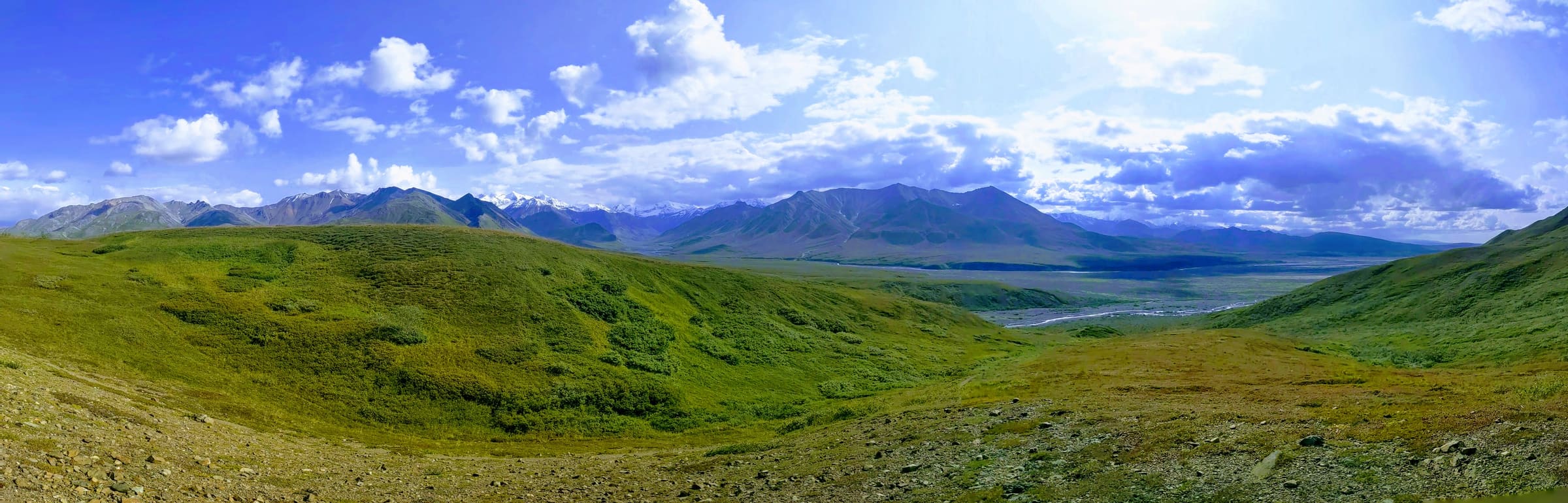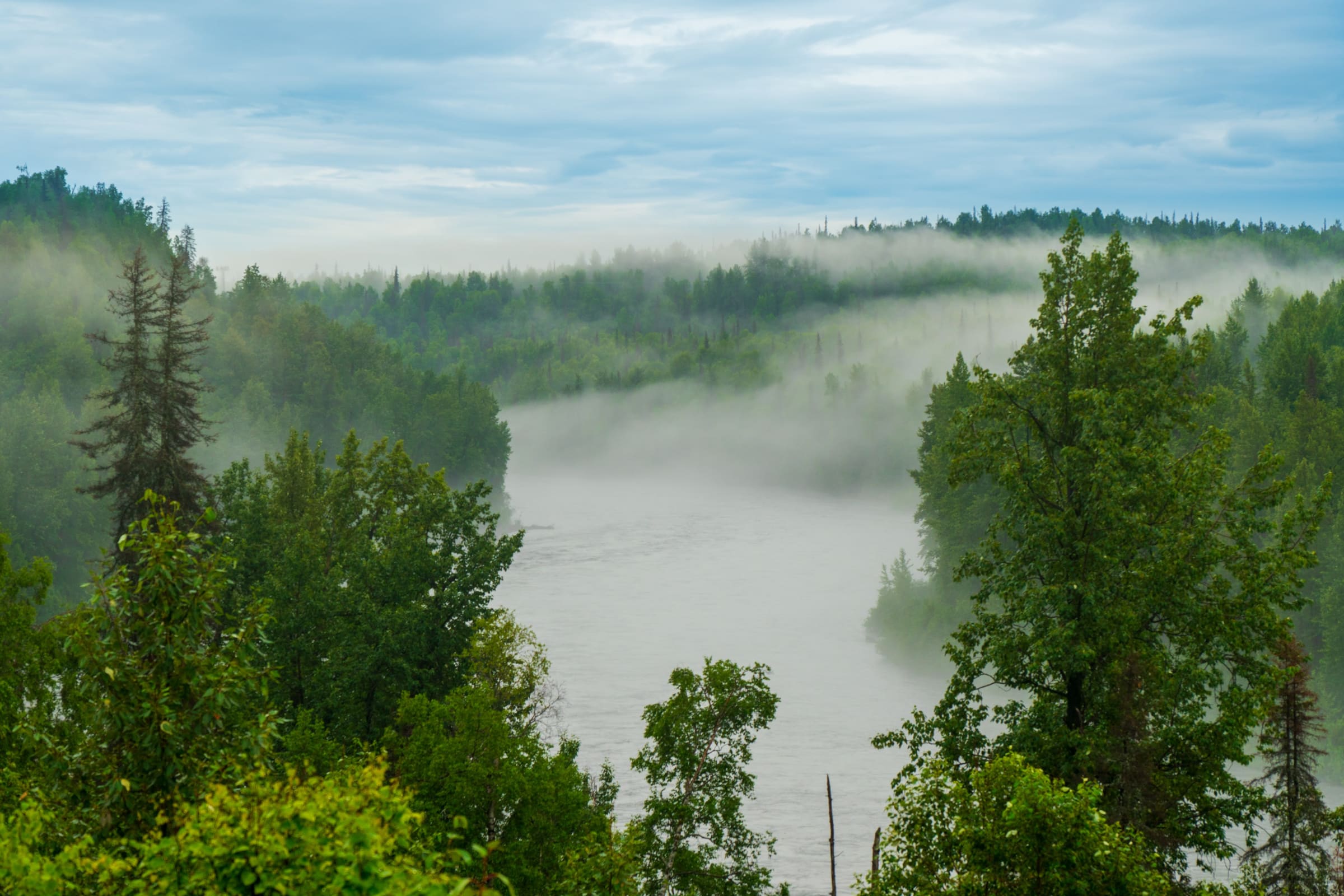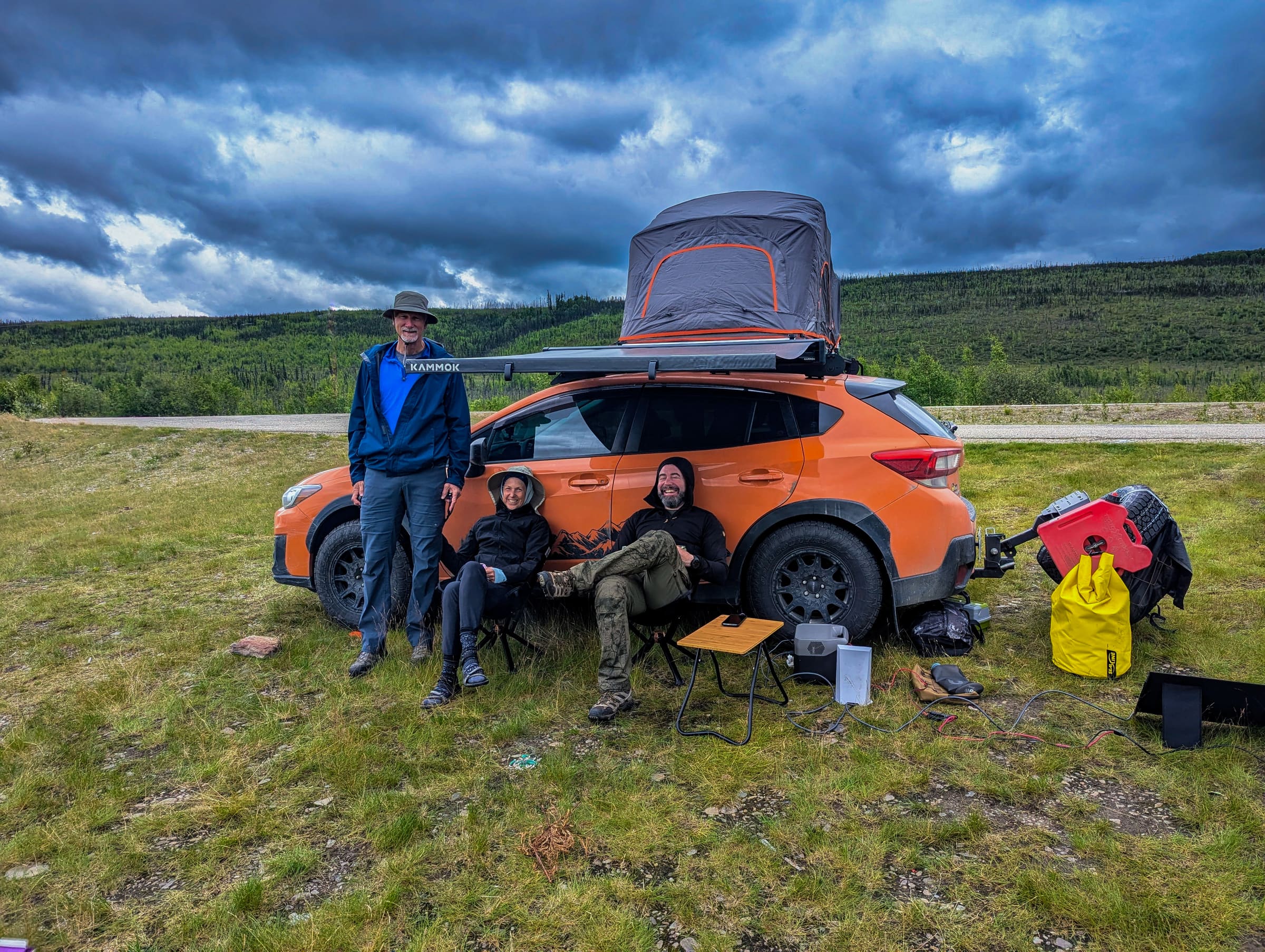
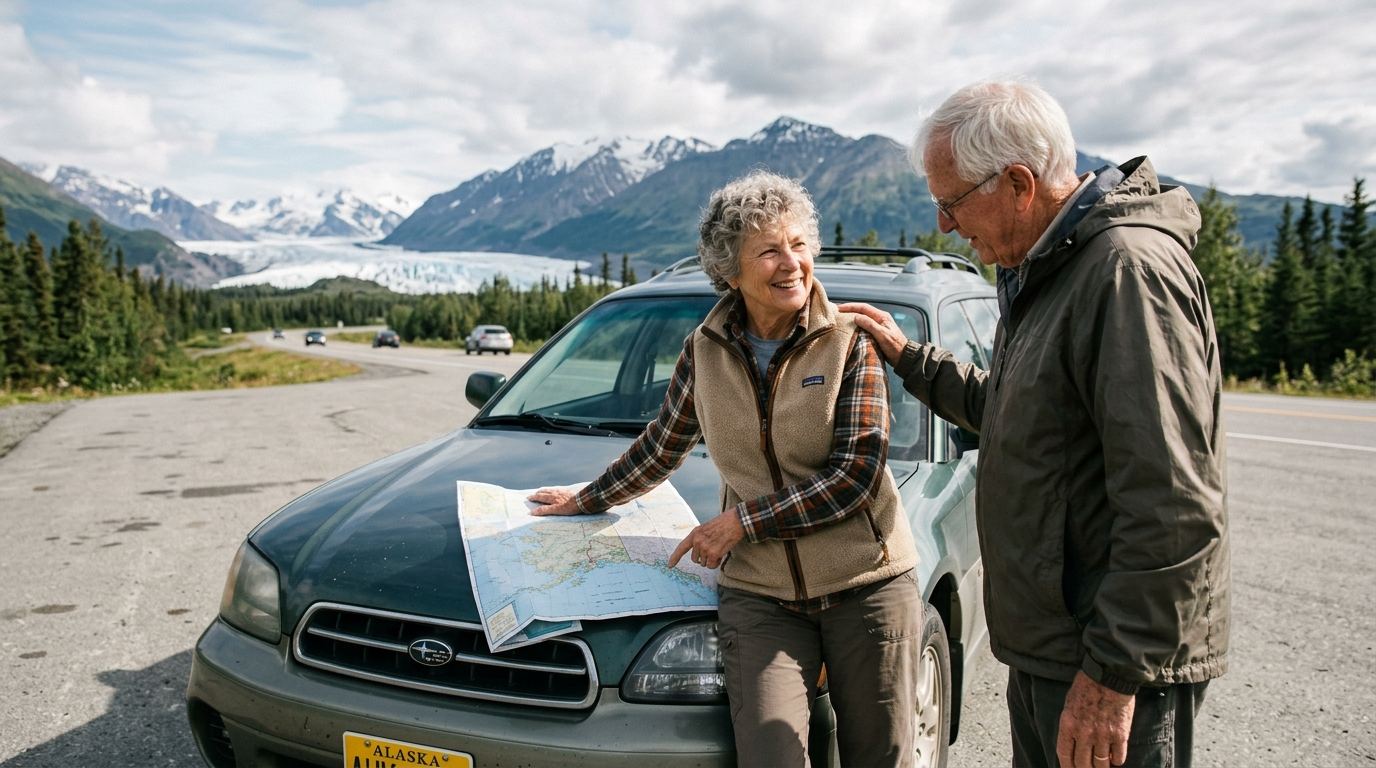
Planning an alaska road trip for seniors requires prioritizing manageable daily driving distances, step-free viewpoints, and restful multi-night bases rather than rushing through marathon transit days. By trading rigid motorcoach schedules for a self-paced vehicle, mature travelers can experience Alaska's vast glaciers, coastal fjords, and alpine passes in total comfort without physical exhaustion.
Introduction: Why Self-Driving Alaska Suits Mature Travelers
For decades, commercial cruise ship package tours and large motorcoaches have dominated the marketing directed at mature travelers visiting the Last Frontier. While packaged group tours eliminate navigation decisions, they introduce severe compromises: 6:00 AM luggage call-outs, inflexible group meal times, rigid two-hour activity rotations, and long days spent trapped in a crowded 50-passenger bus. For travelers who value autonomy, comfortable seating, and the freedom to pause when wildlife appears, driving yourself is a far superior option.
A self-guided road trip puts you entirely in control of your daily tempo. If morning fog obscures a mountain pass, you can linger over a second cup of coffee at your lodge rather than adhering to a strict bus departure schedule. When a moose and twin calves wander alongside the highway, you can pull into a safe viewing turnout for twenty minutes without someone checking a watch.
However, an independent journey through Alaska demands realistic planning. The state's road system is relatively simple, but distances between service hubs are substantial. Pavement conditions range from smooth multi-lane corridors to frost-heaved, two-lane rural highways where summer road maintenance can introduce unexpected stops. Furthermore, subarctic summer daylight extends up to twenty hours per day, which frequently tricks visitors into driving far past their point of fatigue. Crafting a successful itinerary requires choosing accessible alaska road trip routes that balance scenic rewards with easy physical access, manageable mileage, and predictable rest facilities.
Pacing Rules for an Alaska Road Trip for Seniors
The single most common mistake made by independent travelers is underestimating road fatigue. On Lower 48 interstate highways, covering 350 miles in a day is an effortless cruise. In Alaska, driving 150 miles on a two-lane highway with heavy commercial freight, slow-moving recreational vehicles, and construction zones can easily take four to five hours of high-concentration driving.
The 3-to-4 Hour Maximum Driving Window
To keep your trip relaxing, cap your planned windshield time at three to four hours per day. This window allows you to arrive at your destination in the early afternoon, unpack without rushing, and enjoy an evening meal without feeling drained. Short driving segments also leave ample buffer time for impromptu stops at scenic pullouts, visitor centers, and farm stands along the Matanuska Valley or Turnagain Arm.
The Two-Night Minimum Hub Strategy
Single-night stays are exhausting. Constantly packing suitcases, loading the car, checking in, and checking out consumes energy that should be reserved for exploring. Structure your itinerary around stable regional hubs—such as Seward, Talkeetna, or Homer—and book a minimum of two or three consecutive nights at each lodging. From these central points, you can take leisurely day excursions with an unladen vehicle, returning to the same familiar room and comfortable bed every evening.
Factoring in Road Realities and Congestion
Summer in Alaska is road construction season. The Alaska Department of Transportation & Public Facilities 511 travel system frequently reports pilot-car delays, chip-seal resurfacing, and single-lane pilot escorts on major arteries like the Parks and Sterling Highways. In addition, frost heaves—dips and buckles in the asphalt caused by freezing and thawing subsoil—require lower driving speeds to protect vehicle suspensions and passenger comfort. Always add a 25% time buffer to whatever navigation apps calculate for your drive times.
Accessible Alaska Road Trip Routes: Seward Highway vs. Parks Highway
Choosing the right highway corridor depends on whether you prefer maritime fjords and dramatic coastal passes or expansive boreal forests and mountain vistas. Both primary routes offer excellent paved infrastructure, but their terrain, rest stop intervals, and physical demands differ significantly.
The Seward Highway connects Anchorage to the port town of Seward over 127 paved miles. It ranks among North America's most spectacular scenic drives, hugging the base of the Chugach Mountains along the shoreline of Turnagain Arm. Accessible highlights include flat, paved boardwalks at Beluga Point and Bird Point, where visitors can scan the waters for white beluga whales and watch the dramatic bore tide roll in without navigating steep stairs. South of Turnagain Arm, the highway climbs gently through Moose Pass before descending to Resurrection Bay.
The George Parks Highway (Alaska Route 3) spans 358 miles between Anchorage and Fairbanks, serving as the main ground conduit to Denali National Park and Preserve. While the road is wider and features longer passing lanes than coastal routes, the distances between full-service towns are greater. Towns like Talkeetna offer flat, easily walkable historic downtown districts with wide gravel-and-wood walkways, while scenic highway pullouts around Mile 135 and Mile 163 provide ramped viewing platforms overlooking the Alaska Range.
| Route Feature | Seward Highway (Anchorage to Seward) | Parks Highway (Anchorage to Denali) |
|---|---|---|
| Total Distance | 127 miles (approx. 2.5 to 3 hours drive) | 238 miles to Denali entrance (approx. 4.5 to 5.5 hours drive) |
| Terrain & Scenery | Coastal fjords, tidal flats, alpine mountain passes | Wide valleys, broad rivers, boreal forest, Alaska Range peaks |
| Rest Area Quality | Frequent paved pullouts, modern state park restrooms along Turnagain Arm | Services spaced 40–60 miles apart; modern travel plazas in larger towns |
| Pavement & Grading | Well-maintained asphalt; moderate curves through mountain passes | Wide shoulders, long straightaways; occasional frost heave zones |
| Accessibility of Stops | Level boardwalks at Bird Point, Begich Boggs, and Seward Small Boat Harbor | Ramped viewpoints at Denali State Park pullouts; flat walking in Talkeetna |
| Cellular Coverage | Reliable along Turnagain Arm; occasional dead zones in mountain passes | Consistent near towns; intermittent gaps between Trapper Creek and Cantwell |
For a detailed breakdown of scenic stops and road safety along the coastal route, review our dedicated Seward Highway guide.
Navigating Denali and Glacier Access with Reduced Mobility in 2026
Visiting iconic natural landmarks like Denali and tidewater glaciers does not require strenuous backcountry hiking. In 2026, modern infrastructure, paved pathways, and custom passenger vessels make Alaska's premier landscapes accessible to travelers of all physical ability levels.
Denali Park Road Status in 2026
Private vehicle access past Mile 15 on the Denali Park Road remains restricted to preserve wildlife habitat and wilderness character. Park transit and narrated tour buses provide access into the interior. As detailed by the National Park Service Denali conditions updates, construction at the Pretty Rocks Landslide near Mile 43 influenced bus turn-around points in 2026; the bridge was completed in September 2026 and access past Mile 43 returns for the 2027 season. For mature travelers, narrated tour buses feature climate control, large viewing windows, and scheduled restroom stops at developed rest areas like Teklanika (Mile 30) and East Fork (Mile 43). Those prone to joint stiffness should select shorter 4-to-5-hour transit loops rather than full-day endurance trips. Learn more about current route access in our update on Denali Park Road updates.
Step-Free Glacier Viewing
You do not need to strap on crampons or trek across moraine fields to experience glacial ice up close. Several world-class viewpoints feature level, barrier-free access:
- Begich, Boggs Visitor Center (Portage Glacier): Located in Portage Valley off the Seward Highway, this U.S. Forest Service Begich, Boggs Visitor Center facility offers fully ramped indoor exhibits, floor-to-ceiling viewing windows, and paved flat trails along Portage Lake.
- Exit Glacier Overlook Trail (Kenai Fjords National Park): As outlined in the National Park Service Kenai Fjords accessibility guide, while the upper trail to the Harding Icefield is steep and rugged, the lower paved loop provides a smooth, barrier-free path to a direct viewing station of the glacier's descending toe.
- Along the Glenn Highway, several roadside pullouts and recreation sites provide expansive panoramic vistas of the 27-mile-long Matanuska Glacier directly from vehicles and paved parking areas. Source: En Wikipedia source.
Low-Impact Marine Wildlife and Glacier Cruises
A maritime tour into Kenai Fjords National Park or Prince William Sound is an essential Alaska highlight. To ensure maximum physical comfort, choose modern, high-speed catamarans departing from Seward or Whittier. These vessels provide stable dual-hull cruising that minimizes rolling motion, step-free access from the boarding dock to the main deck, heated interior cabins with large panoramic windows, accessible restrooms, and full food service. This setup allows you to observe calving tidewater glaciers, humpback whales, sea otters, and puffins in warmth and comfort without enduring slippery exterior decks.
Lodging Selection and Comfort Considerations for Alaska Travel for 60 Year Olds
When organizing alaska travel for 60 year olds and older adults, lodging selection requires looking beyond simple online star ratings. Alaska features hundreds of historic roadhouses, rustic wilderness lodges, and converted cabins that possess immense regional charm but often lack modern accessibility infrastructure.
Elevators, Walk-In Showers, and Ground-Floor Rooms
Many classic two-story frontier lodges and boutique inns built before modern building codes do not have elevators. Hauling heavy luggage up steep, narrow staircases after a four-hour drive is a recipe for back strain or falls. When evaluating properties, prioritize ground-floor accommodations or modern hotels with verified elevator service. Look specifically for walk-in showers or low-threshold tubs equipped with sturdy grab bars, especially in coastal towns where damp weather can make surfaces slick.
Vehicle Selection: Mid-Size SUV vs. RV Rental
Choosing the right vehicle significantly impacts physical comfort. While an RV provides the convenience of having your own bathroom and kitchen at every turn, maneuvering a 28-foot motorhome through tight gas station canopies, managing black-water dump stations, and climbing up and down high cabin stairs can become physically taxing. For most mature visitors, renting a standard-to-full-size SUV or crossover offers the optimal balance: easy step-in height (avoiding excessive climbing or low bending), comfortable bucket seating with lumbar support, excellent road visibility, and effortless parking in compact coastal harbors. To weigh the full pros and cons, see our detailed guide on car vs RV considerations.
Strategic Booking Timelines for Quiet Rooms
Due to Alaska's short summer season, high-quality accessible rooms in key gateway towns like Seward, Girdwood, Talkeetna, and Homer book out four to eight months in advance. Securing accommodations early also allows you to request quiet rooms situated away from ground-floor ice machines, industrial laundry vents, or active railroad tracks that service early-morning passenger and freight trains.
Managing Medical Logistics, Fuel Gaps, and Road Realities
Road-tripping across subarctic terrain requires basic logistical awareness. While southcentral and interior Alaska are well-serviced, travelers should understand the layout of regional medical infrastructure and service corridors before setting out.
Regional Medical Hubs
Alaska's primary healthcare facilities are clustered in specific regional hubs along the paved highway network:
- Anchorage: The state's primary medical center, home to Providence Alaska Medical Center and Alaska Native Medical Center, offering full tertiary emergency and specialized care.
- Palmer and Wasilla: Mat-Su Regional Medical Center services the Matanuska-Susitna Valley and the southern Parks and Glenn Highways.
- Soldotna: Central Peninsula Hospital provides comprehensive regional emergency and acute medical services for the Kenai Peninsula.
- Fairbanks: Fairbanks Memorial Hospital serves as the healthcare hub for the northern interior.
Managing Fuel and Restroom Gaps
On highways like the Glenn Highway between Palmer and Glennallen, or segments of the Parks Highway through Broad Pass, distances between open fuel stations and modern public restrooms can exceed 70 to 90 miles. Adopt a simple rule: whenever your fuel gauge drops to half a tank, fill up at the next available station. This practice eliminates range anxiety, provides regular opportunities to stretch your legs, and ensures access to clean indoor plumbing.
Offline Preparedness and Layered Thermal Comfort
Mountain topography frequently blocks cellular signals between towns. Before departing Anchorage or Fairbanks, download offline regional maps to your smartphone navigation app so GPS routing remains functional without cellular data. Pack a small, reliable satellite communicator (such as a Garmin inReach) in your glovebox for peace of mind in remote stretches.
Subarctic weather can shift from 72°F and sunny to 48°F and rainy within two hours. Dress in versatile, moisture-wicking layers: a lightweight thermal base layer, a warm fleece or synthetic mid-layer, and a windproof, waterproof outer shell. Slip-resistant, waterproof walking shoes with supportive soles are far more practical and safe for boardwalks and gravel turnouts than heavy, stiff mountaineering boots.
Designing Your Route: Alaska Road Trip for Seniors Itinerary Blueprint
A well-crafted route for mature travelers avoids erratic, back-and-forth zigzagging across the state. Instead, it forms a cohesive loop that combines dramatic maritime landscapes, rich regional history, and comfortable driving distances.
Sample 8-Day Southcentral & Kenai Peninsula Scenic Blueprint
This sample blueprint illustrates how an unhurried itinerary balances scenic driving with physical comfort, utilizing two-night hub stays:
- Day 1: Arrival in Anchorage: Collect your rental SUV, check into a comfortable downtown or midtown hotel, and take a flat, paved walk around Lake Hood to watch floatplanes land against the Chugach Range.
- Day 2: Anchorage to Girdwood (40 miles / 1 hour): Enjoy a late morning drive along the scenic Turnagain Arm. Stop at the paved boardwalks of Beluga Point. Arrive in Girdwood and take the enclosed Alyeska Tramway to the mountaintop observation deck for panoramic glacier views with zero climbing.
- Day 3: Girdwood to Seward (90 miles / 2 hours): Drive past Moose Pass into historic Seward. Spend the afternoon exploring the flat, paved paths of the Alaska SeaLife Center, observing rescued sea otters and marine wildlife up close.
- Day 4: Seward Wildlife & Glacier Cruise: Board a stable, heated catamaran for a 6-hour wildlife cruise into Resurrection Bay and Kenai Fjords. Relax in reserved indoor table seating while watching sea lions and tidewater glaciers.
- Day 5: Seward to Homer via Sterling Highway (170 miles / 3.5 hours): Embark on a gentle morning drive across the Kenai Peninsula. Pause at the Soldotna visitor center boardwalks along the Kenai River. Arrive in coastal Homer overlooking Kachemak Bay.
- Day 6: Homer Cultural & Coastal Day: Spend a relaxed morning exploring the Pratt Museum's accessible botanical gardens and Kenai cultural exhibits. In the afternoon, browse the art galleries and boardwalk shops on the Homer Spit.
- Day 7: Homer Rest and Scenic Exploration: Take a scenic, low-speed coastal drive along East End Road for sweeping views of Kachemak Bay glaciers, or relax at a waterfront cafe watching local fishing boats.
- Day 8: Homer to Anchorage (225 miles / 4.5 hours with rest stops): Depart early for a leisurely return drive north, breaking the journey with lunch in Cooper Landing and scenic pullouts along Turnagain Arm before arriving in Anchorage for your evening departure.
Integrating Low-Impact Cultural Centers
Complement natural scenery with comfortable indoor cultural experiences. In Anchorage, the Alaska Native Heritage Center features flat outdoor walking loops around authentic traditional dwellings, accompanied by indoor cultural performances, museum galleries, and shuttle transport between exhibits. In Homer, the Pratt Museum provides world-class regional art, marine ecology, and Native heritage exhibits with full elevator access and paved outdoor nature trails.
The Critical Role of Built-In Buffer Days
Alaska's coastal weather is dynamic. Heavy rain or low-hanging coastal fog can temporarily obscure mountain passes or delay a boat excursion. By building designated rest days and flexible half-days into your schedule, you can easily shift activities around without canceling reservations or overtaxing your energy.
DIY Planning vs. a Custom Founder-Built Route
Planning an independent Alaska journey requires substantial research. Self-planning travelers frequently spend dozens of hours cross-referencing road construction reports, evaluating lodge accessibility, checking maritime vessel stability ratings, and calculating realistic driving times across disparate travel forums. For mature travelers, misjudging a single road segment can result in an exhausting six-hour detour or an unexpected flight of stairs at an unstaffed lodge.
Working with a dedicated specialist eliminates the frustration and uncertainty of DIY research while preserving complete travel independence. Alaska Road Trip creates custom day-by-day itineraries hand-built by a named founder who has driven thousands of Alaska miles across multiple seasons. Every route is tailored to your preferred pacing, comfort requirements, and physical preferences, delivering clear driving directions, realistic drive times, and scenic stop recommendations.
Pricing is straightforward and transparent, structured as a one-time flat fee rather than an open-ended agency commission. Choose from our custom itinerary packages:
- Lite (a measurable budget): Perfect for focused 1-to-5-day regional getaways.
- Standard (a measurable budget): Comprehensive route planning for trips up to 14 days.
- Plus (a measurable budget): Detailed day-by-day logistics for extended journeys of 14 days or more.
- Concierge (a measurable budget): Full comprehensive itinerary planning plus a 30-minute live phone consultation with our founder to review routes and answer specific questions.
Every custom itinerary is delivered to your inbox as a printable, offline-ready PDF within 3 to 5 business days, including 1 to 2 revision rounds to refine your stops. All purchases are backed by a published 14-day money-back guarantee with a full refund and no questions asked.
Alaska Road Trip hand-picks lodging and gives you direct booking links, but you book it yourself — it does not make reservations on your behalf, so you keep full control and flexibility. Alaska Road Trip recommends activities and tours with timing and booking links; you reserve them yourself. Furthermore, Alaska Road Trip does not book flights or rental cars; you arrange those independently. Alaska Road Trip is a one-time flat fee, not a subscription — there are no recurring charges. Itineraries reflect current-season research at the time they're built. The trip dashboard can check available park, road, weather, and aurora data, but Alaska Road Trip does not provide real-time booking availability, live tracking, or intended live condition monitoring.
Conclusion: Experiencing Alaska at Your Own Pace
An Alaska road trip is one of the most rewarding travel adventures in North America. By adopting realistic daily driving windows of 3 to 4 hours, choosing well-appointed multi-night hubs, selecting level and ramped scenic overlooks, and traveling in a comfortable SUV, mature visitors can experience the grandeur of the subarctic without physical strain. Independent driving allows you to embrace the true spirit of Alaska on your own terms—stopping when the views inspire you, resting when you need to recharge, and creating lifelong memories in supreme comfort.
Frequently Asked Questions
What is the maximum daily driving time recommended for seniors touring Alaska?
We recommend capping daily behind-the-wheel time at 3 to 4 hours (approximately 120 to 180 miles on two-lane Alaska highways). This prevents physical stiffness and driving fatigue while leaving ample daylight for scenic viewpoints, visitor centers, wildlife photography, and comfortable evening dining.
How accessible are major Alaska glacier excursions for travelers with limited mobility?
Major glacier viewpoints are highly accessible. Sites like the Begich, Boggs Visitor Center at Portage Glacier and the lower viewing deck at Exit Glacier feature smooth, paved, ADA-compliant walkways. For tidewater glaciers, high-speed catamaran wildlife cruises departing from Seward and Whittier offer step-free boarding, stable multi-hull cruising, heated indoor seating, and large panoramic viewing windows.
Is driving a rental car or an RV better for older adults in Alaska?
For most mature travelers, renting a mid-size or full-size SUV is superior to driving a large RV. SUVs provide easy step-in access, excellent road visibility, smooth suspension over frost heaves, and effortless maneuvering in small coastal towns, without the physical labor of managing RV hookups, dump stations, and narrow campground sites.
What months offer the best weather and road conditions for mature travelers in Alaska?
Mid-June through late August offers the most reliable weather, fully opened seasonal visitor facilities, and clear road conditions. June brings the longest daylight hours and active coastal wildlife, while late August features brilliant fall tundra foliage, active spawning salmon, and lower peak-summer crowds.
Get a custom day-by-day Alaska road trip itinerary hand-built by our founder. Delivered as a printable, offline-ready PDF with direct booking links so you can travel comfortably at your own pace.
See a real Alaska itinerary before you spend a dollar
A real 3-day plan with driving times, lodging picks, and a daylight chart — free, in your inbox.
One email. No spam. Unsubscribe anytime. Or view it right now — no email needed ↗
Ready for the full plan? Get your custom itinerary — from $197 · 5-day delivery →