Effective Alaska road trip planning requires more than just picking scenic stops; it demands a strategy for managing the realities of the summer season, specifically wildfire smoke and infrastructure closures. When you are driving thousands of miles across the Last Frontier, the difference between a stalled vacation and a successful adventure often comes down to your ability to pivot when conditions change. By understanding the seasonal patterns of the North, you can build a resilient itinerary that keeps your trip on track regardless of environmental variables.
Understanding the Alaska Fire Season
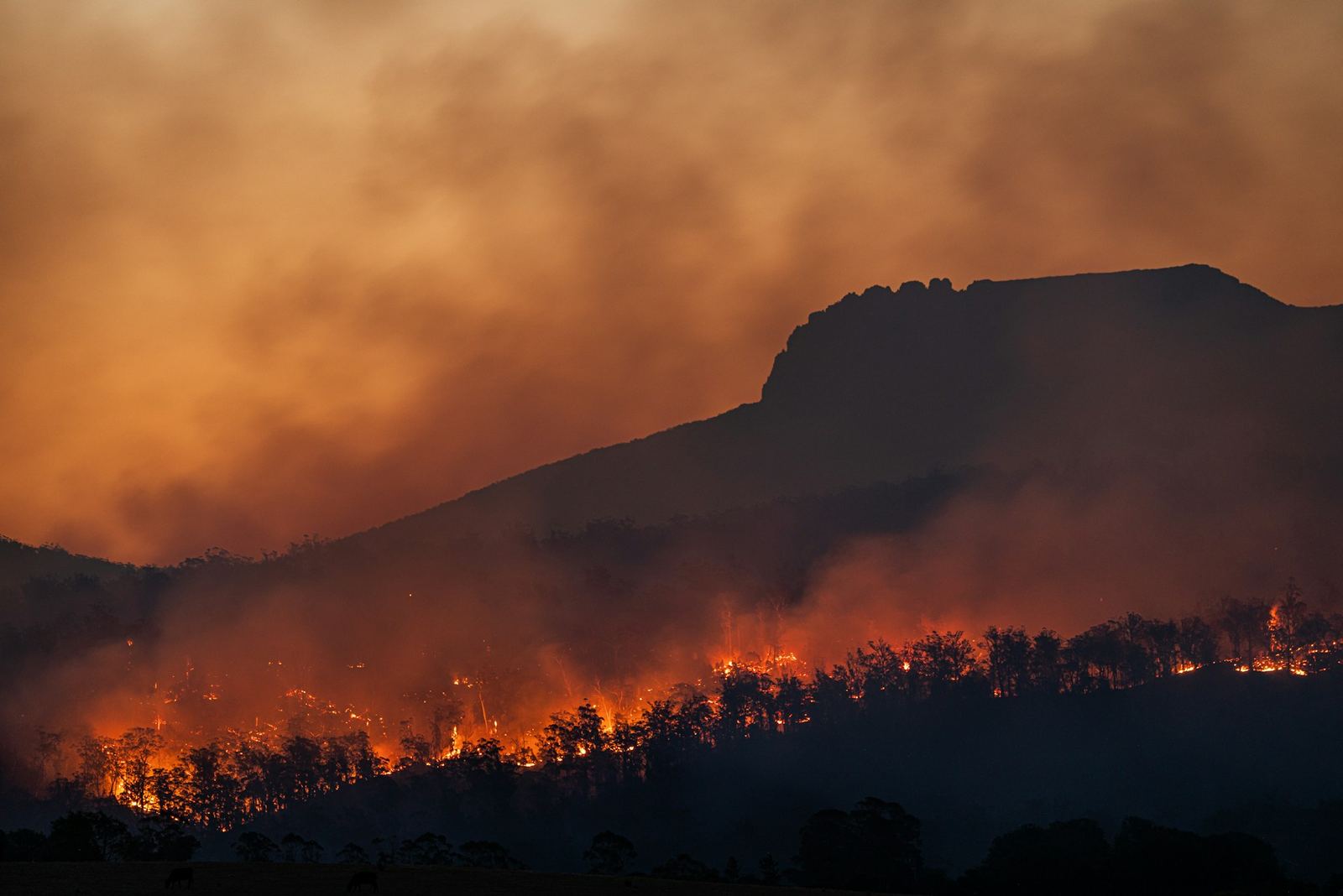
Wildfire season in Alaska typically runs from late May through August, peaking during the warmest, driest weeks of the summer. According to data from the Alaska Interagency Coordination Center, fire activity is highly variable and dependent on lightning strikes and human activity, which can fluctuate significantly from year to year. While many visitors worry about the fires themselves, the primary impact on your travel experience is usually smoke. Smoke can settle into valleys, significantly reducing visibility and air quality, which may force you to adjust your itinerary on the fly. Because Alaska is vast and road networks are limited, a single fire can impact the only route between major hubs.
For those managing their own logistics, it is vital to monitor the Alaska Interagency Coordination Center for the current fire perimeters. However, knowing where a fire is located is only half the battle. You need to understand how that fire affects your specific route, drive times, and planned activities. This is where professional Alaska road trip planning becomes essential. Every itinerary we build is informed by extensive experience driving thousands of Alaska miles across multiple seasons, ensuring that your route accounts for common seasonal bottlenecks and potential detours.
It is also helpful to consult the National Weather Service Alaska Region for real-time air quality alerts and smoke dispersion forecasts. Understanding the prevailing wind patterns can help you predict whether smoke will clear from a valley or settle in for several days, allowing you to make informed decisions about whether to push forward or spend an extra night in a clearer location.
Tracking Closures and Road Conditions
Construction and fire-related closures are a standard part of the Alaska driving experience. In 2026, travelers must account for specific infrastructure limitations, such as the ongoing Denali Park Road 2026-2027 status, which continues to undergo significant maintenance. Relying on generic mapping apps can be risky, as they often fail to account for the unique challenges of remote mountain passes or the limited connectivity in the interior.
To stay informed, use the official Alaska 511 system, which provides the most accurate, state-managed data on road conditions. When you work with Alaska Road Trip, your itinerary is built with these known constraints in mind. While we do not provide a guaranteed live road closure feed, our itineraries reflect current-season research at the time they are built, helping you avoid the most common pitfalls of DIY planning. For additional context on regional climate patterns and their impact on infrastructure, the Alaska Center for Climate Assessment and Policy provides valuable research on how environmental shifts affect the state's transportation corridors.
Beyond official state resources, local radio stations and visitor centers are often the first to know about localized road issues. In remote areas, cell service may be non-existent for long stretches, making it prudent to download offline maps and keep a physical atlas in your vehicle. Our planning process emphasizes identifying these "dead zones" so you can prepare accordingly before you lose connectivity.
Protecting Your Health and Vehicle
Heavy wildfire smoke can be more than just an aesthetic nuisance; it can impact your health and your vehicle's performance. If you are driving through a smoke-heavy area, follow these practical steps:
- Vehicle HVAC: Set your car’s climate control to 'recirculate' to prevent outside smoke from being pulled into the cabin. Check your cabin air filter before you leave; a fresh filter significantly reduces the amount of particulate matter entering the vehicle.
- Respiratory Health: If you or your family members have respiratory sensitivities, keep N95 masks in your glove box. Smoke can linger in low-lying areas, especially in the Kenai Peninsula or the interior, even if the fire is miles away.
- Visibility: Use your low-beam headlights at all times during smoky conditions. Do not rely on automatic headlights, as they may not trigger in the hazy, diffused light of a smoke-filled valley.
- Engine Maintenance: Ensure your engine air filter is clean. Heavy ash and particulate matter can clog filters more quickly than usual, potentially reducing fuel efficiency or causing engine strain during long climbs through mountain passes.
For those who find the prospect of monitoring these variables overwhelming, our team provides comprehensive guidance on how to build flexibility into your trip. Alaska Road Trip is a one-time flat fee service, not a subscription—there are no recurring charges.
The Importance of Itinerary Flexibility
The vast geography of Alaska means that if a road is closed, there is often no "quick" detour. In some regions, a closure can add hundreds of miles to your journey. This is why we emphasize the importance of "buffer days" in your travel schedule. A buffer day is a day in your itinerary where no major activities are booked, allowing you to absorb a delay caused by smoke or road work without missing your next reservation.
When planning your route, consider the "hub and spoke" model. By staying in a central location for several nights and taking day trips, you reduce the stress of having to move your luggage and check into new accommodations every single day. This approach provides a safety net; if one road is closed, you can simply pivot to a different local activity rather than being stranded on the highway. We design our itineraries to maximize these central hubs, ensuring you have access to multiple regional attractions regardless of localized disruptions.
DIY vs. Professional Itinerary Planning
Many travelers struggle with the decision to plan their own trip or hire a professional. The following table highlights the key differences in managing a complex Alaska road trip.
| Feature | DIY Planning | Alaska Road Trip |
|---|---|---|
| Route Optimization | Manual research required | Expert-vetted, efficient routes |
| Closure Awareness | Real-time monitoring needed | Current-season research included |
| Lodging/Activities | You book everything | Hand-picked with direct booking links |
| Flexibility | High, but risky | Built-in buffers and alternatives |
Alaska Road Trip hand-picks lodging and gives you direct booking links, but you book it yourself—we do not make reservations on your behalf, so you keep full control and flexibility. We also recommend activities and tours with timing and booking links; you reserve them yourself. This model ensures you are rarely locked into a rigid, non-refundable package that cannot adapt to changing fire conditions.
Frequently Asked Questions
How do I know if my route is affected by wildfires?
The best approach is to check the Alaska Interagency Coordination Center and Alaska 511 daily. If you have an itinerary from Alaska Road Trip, we include guidance on how to monitor these specific resources based on your route. While we do not provide live tracking, our itineraries are built with an understanding of which areas are historically prone to fire-related delays.
What if a road closure ruins my trip?
Flexibility is the most important component of any Alaska road trip. When we build your itinerary, we identify potential alternate routes and buffer days. If a major closure occurs, having a pre-planned 'Plan B' allows you to pivot without losing your entire vacation. We recommend checking your itinerary against current 511 reports each morning before you depart.
Does smoke affect the aurora borealis?
Yes, heavy smoke can obscure the sky and make it difficult to view the aurora. If you are traveling in the shoulder season (late August/September) and hoping to see the lights, keep an eye on air quality reports. For more tips on timing, see our guide on how to hunt the aurora borealis by car.
Are there refunds if I have to cancel due to fires?
Alaska Road Trip offers a published 14-day money-back guarantee, full refund, no questions asked. However, this applies to our planning services. Because we do not book your lodging or rental cars, you must review the cancellation policies of those individual providers directly when you make your bookings.
How far in advance should I plan my Alaska road trip?
For the best availability, especially during the peak summer months of June through August, we recommend starting your planning at least six to nine months in advance. This allows you to secure preferred lodging and rental vehicles, which can sell out quickly. Our planning services are designed to be flexible, so even if you book early, you can adjust your itinerary as you get closer to your departure date.
Start Your Alaska Adventure with Confidence
Planning a trip to Alaska is a significant investment of time and resources. Don't let the fear of the unknown or the complexity of seasonal logistics stop you from experiencing the beauty of the North. By leveraging expert, current-season research, you can build a trip that is both resilient and unforgettable. Whether you are looking for a short getaway or a multi-week expedition, we are here to help you navigate the planning process. Visit our homepage to explore our service tiers and start building your custom itinerary today.
See a real Alaska itinerary before you spend a dollar
A real 3-day plan with driving times, lodging picks, and a daylight chart — free, in your inbox.
One email. No spam. Unsubscribe anytime. Or view it right now — no email needed ↗
Ready for the full plan? Get your custom itinerary — from $197 · 5-day delivery →