The Strategy of Mobile Aurora Hunting
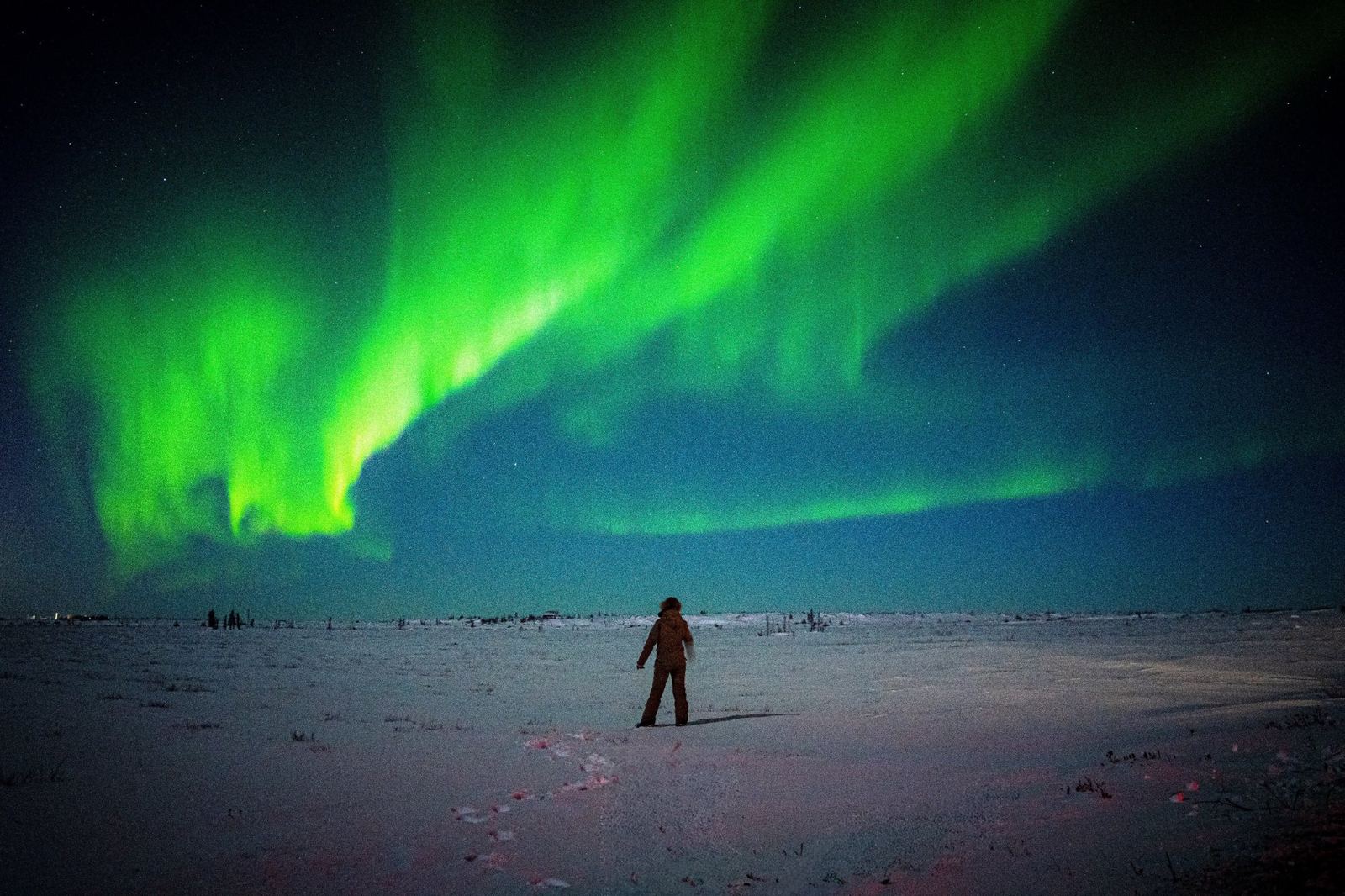
Aurora borealis hunting by car is the most effective way to maximize your chances of seeing the Northern Lights in Alaska. Unlike stationary tours that rely on a single location, a self-drive road trip allows you to act as your own mobile observatory, moving to find clear skies when local forecasts predict cloud cover. Because the lights are elusive and weather-dependent, having the flexibility to drive away from light pollution is your greatest tactical advantage. By maintaining mobility, you can chase clear patches of sky, which is often the deciding factor between a successful sighting and a missed opportunity.
As a traveler planning a trip, you are likely balancing the excitement of the aurora with the logistical challenges of driving in Alaska. Whether you are navigating the Anchorage to Denali corridor or exploring the interior, your vehicle is your basecamp. Alaska Road Trip provides custom, hand-built itineraries that account for these specific driving conditions, ensuring you spend less time worrying about logistics and more time watching the sky. Our planning process emphasizes route efficiency, helping you identify roads that offer both scenic daytime value and low-traffic nighttime access.
When you choose to hunt by car, you gain the ability to react to real-time data. If a specific valley is socked in with fog, you can consult your maps and move to higher ground or a different micro-climate. This level of autonomy is what sets the independent traveler apart from those tethered to a bus schedule. By understanding the geography of your route—specifically where the mountain passes create rain shadows or where the coastal influence wanes—you can strategically position yourself for the best possible view.
Interpreting Solar Weather for Success
To succeed at aurora borealis hunting by car, you must move beyond basic weather apps. The aurora is driven by solar activity, specifically the Kp-index, which measures geomagnetic disturbance. According to the NOAA Space Weather Prediction Center, the Kp-index is a reliable indicator of potential auroral activity, though it is not the only factor. A Kp-index of 3 or higher is generally sufficient for viewing in Fairbanks, but you should also monitor the Geophysical Institute at the University of Alaska Fairbanks for their localized aurora forecasts. These forecasts provide a more accurate picture of the "aurora oval" than generic global apps, as they account for regional atmospheric conditions.
When planning your route, remember that the best time for an Alaska road trip to see the lights is during the shoulder seasons—late August through October—when the nights are dark enough but the roads remain manageable. During these months, you can use your vehicle to reach higher elevations or move between micro-climates to find the breaks in the clouds that are essential for viewing. Cloud cover is often the primary obstacle in Alaska; having the ability to drive 30 to 60 minutes in a different direction can frequently move you from an overcast zone into a clear one.
It is also essential to understand that the aurora can appear at any time during the night, though the hours around local midnight are statistically the most active. By staying mobile, you can keep your eyes on the sky while repositioning your vehicle to avoid the glare of oncoming headlights or the ambient glow of nearby settlements, which can significantly diminish your ability to perceive the fainter, early-stage auroral activity.
Locating Safe Parking Away from Light Pollution
Light pollution is the enemy of the aurora. Even the glow from a small town can wash out the subtle greens and purples of the lights. When aurora borealis hunting by car, your goal is to find "dark sky" pull-offs that are safely distanced from major highways. When selecting a spot, prioritize locations with minimal ambient light and clear views of the northern horizon. Regarding safety, the Alaska Department of Transportation and Public Facilities advises that motorists should only park in designated pull-offs or established parking areas to avoid obstructing traffic, especially on high-speed rural highways where visibility can be limited at night.
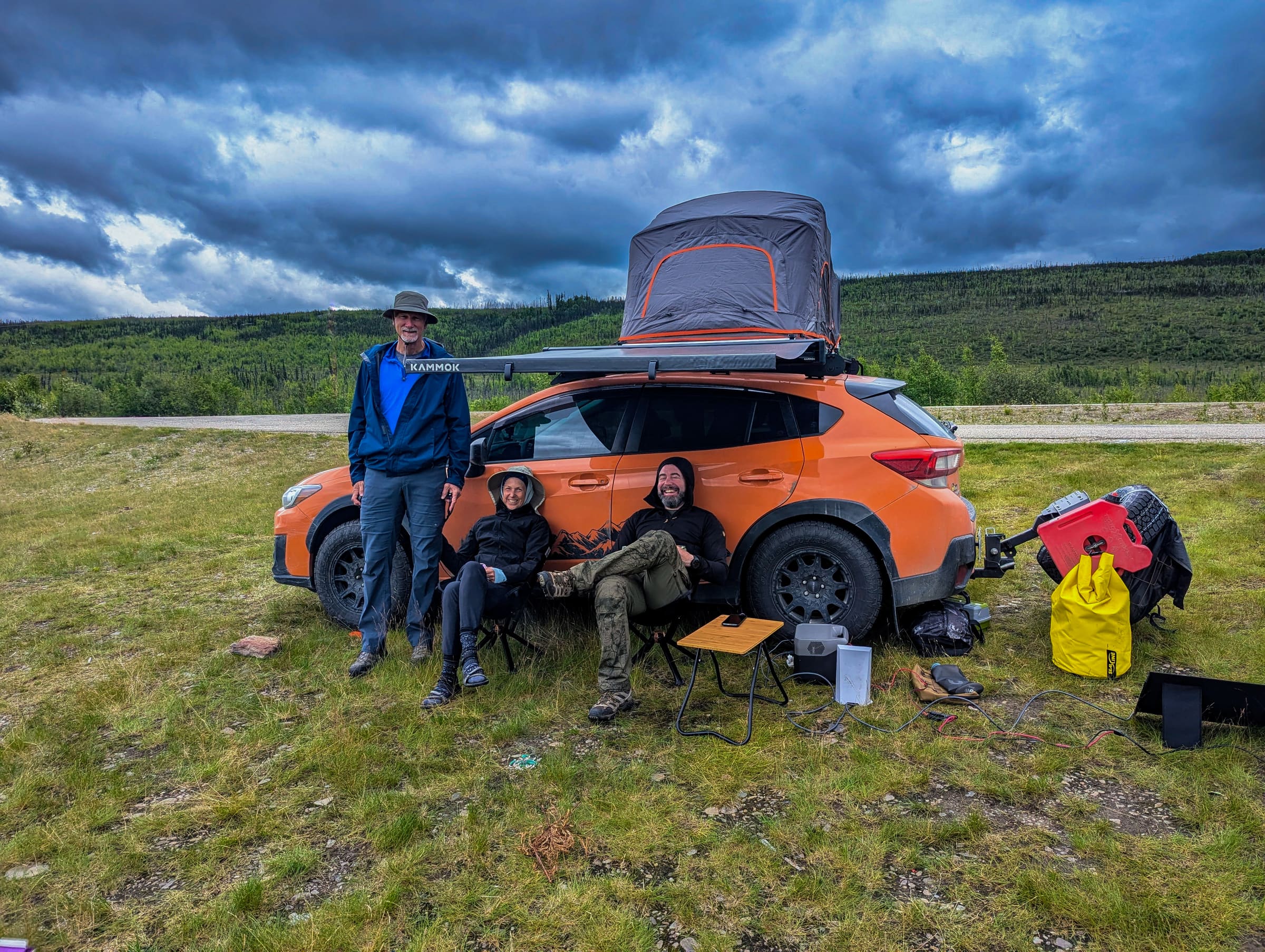
Many travelers find that 4WD Alaska road trip vehicles offer the best peace of mind when pulling into gravel turnouts or remote scenic overlooks. If you are feeling overwhelmed by the prospect of finding these spots in the dark, consider that Alaska Road Trip hand-picks lodging and provides direct booking links for your convenience. We build your itinerary to include suggested viewing areas that are accessible and safe for your specific vehicle type, ensuring you have a pre-planned list of locations to check if the sky clears.
When scouting for a parking spot, look for areas that offer a wide, unobstructed view of the horizon. Avoid areas with dense tree cover or steep canyon walls that might block your line of sight. Furthermore, often ensure your vehicle is parked completely off the roadway. In the dark, other drivers may not see you until they are very close, so parking in a designated turnout is a non-negotiable safety practice.
Staying Warm and Prepared
Waiting for the aurora requires patience. You might sit for hours in near-freezing temperatures, which makes vehicle comfort paramount. Bring high-quality sleeping bags, extra blankets, and a thermos of hot coffee or tea. Because you are in a car, you have the benefit of a heater, but be mindful of your fuel levels. Fuel planning in Alaska is a critical skill; never let your tank drop below half when you are out hunting for the lights in remote areas, as service stations are often spaced far apart and may have limited operating hours during the off-season.
Preparation also extends to your gear. Ensure your camera equipment is ready, as the cold can drain batteries rapidly. Keep spare batteries in an interior pocket close to your body heat. If you are worried about the technicalities of your trip, our custom day-by-day Alaska road trip itinerary service is designed to remove the guesswork. Every itinerary is hand-built by a named founder who has driven thousands of Alaska miles across multiple seasons. We provide the structure so you can focus on the experience.
Beyond the basics, consider packing a headlamp with a red-light mode. This allows you to navigate your vehicle and adjust camera settings without ruining your night vision. It takes the human eye approximately 20 to 30 minutes to fully adapt to the dark; one flash of bright white light can reset this process, making it harder to spot the initial, faint ribbons of the aurora.
Advanced Tactics for the Mobile Hunter
Beyond simply driving, successful aurora hunters utilize a "scout and wait" methodology. This involves identifying three potential viewing locations within a 50-mile radius of your base. By checking the sky at each location, you can determine which area has the least cloud cover. It is also helpful to use satellite imagery tools, such as those provided by the National Weather Service, to track cloud movement in real-time. This level of preparation transforms the hunt from a game of chance into a strategic pursuit.
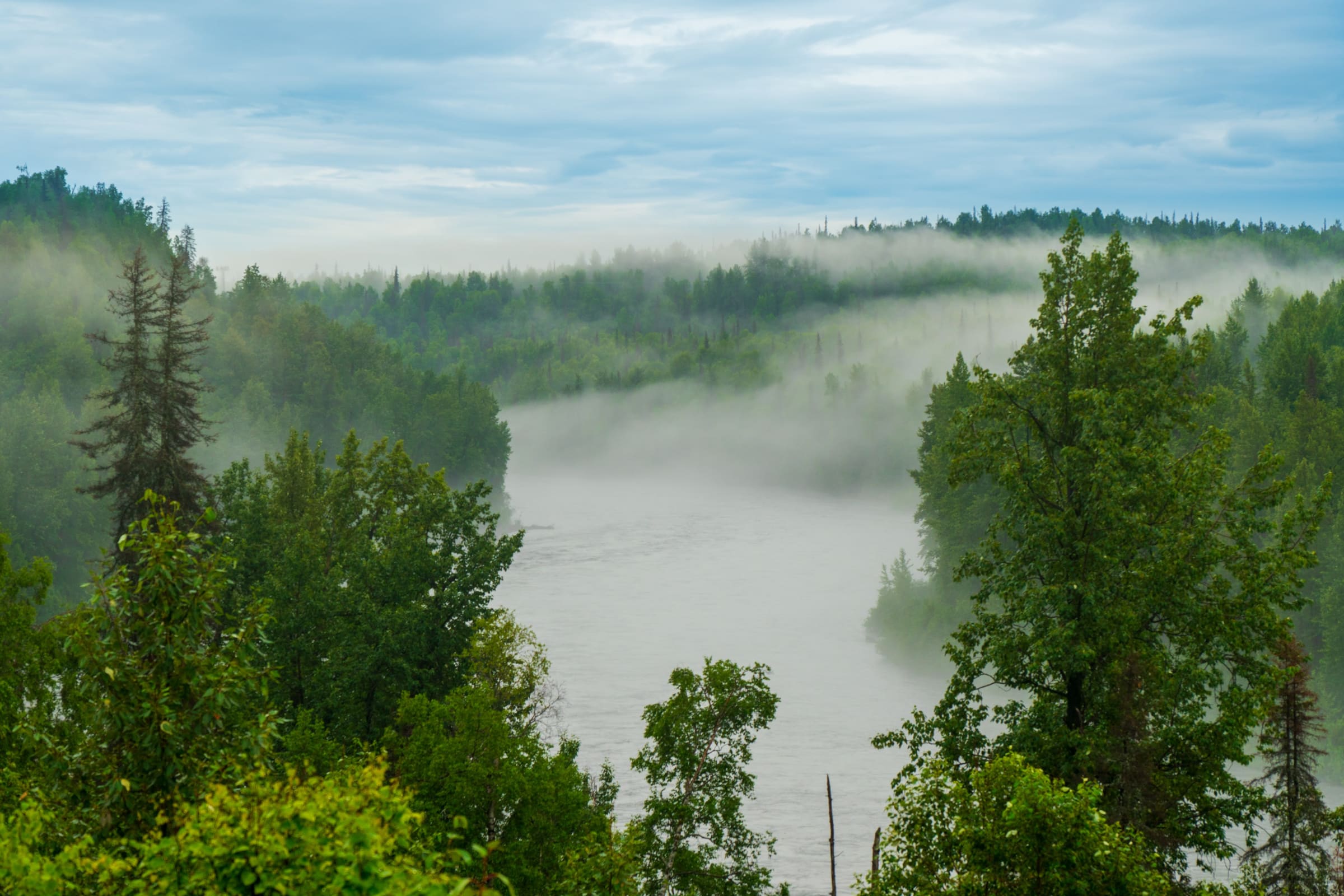
Furthermore, consider the terrain. Higher elevations often provide a better vantage point above low-lying valley fog, which is common in the Alaskan interior during the autumn months. When choosing your route, look for elevated pull-offs that offer a 360-degree view of the horizon, as auroral displays can sometimes appear in the southern sky during periods of high geomagnetic activity.
Another advanced tactic involves tracking the "B-z" component of the solar wind, which is often displayed on space weather dashboards. When the B-z component turns southward, it often signals a higher probability of intense auroral displays. By learning to interpret these technical metrics alongside your visual observations, you can better predict when a period of inactivity might turn into a spectacular show, allowing you to stay in place rather than moving to a new location prematurely.
Comparison: DIY Hunting vs. Guided Tours
Choosing between a self-drive adventure and a professional tour depends on your comfort level with Alaskan roads. DIY hunting offers the ultimate freedom to explore at your own pace, while guided tours provide the benefit of local expertise and specialized knowledge of current viewing conditions.
- Flexibility: DIY hunting allows you to change locations instantly based on cloud cover, whereas guided tours typically follow a set itinerary.
- Cost: DIY hunting is generally more cost-effective, as you only account for fuel and vehicle rental, while guided tours involve per-person fees.
- Expertise: Guided tours provide professional guides who monitor space weather and local conditions, whereas DIY hunting requires you to develop these skills yourself.
- Comfort: DIY hunting allows you to control your environment and comfort level, while guided tours rely on shared transport and group schedules.
Ultimately, the choice comes down to your desire for independence. If you enjoy the process of research and the thrill of the hunt, a self-drive trip is unparalleled. If you prefer to have a professional handle the navigation and interpretation of the lights, a guided tour may be the better fit for your 2026 travel plans.
Frequently Asked Questions
What is the best month for aurora borealis hunting by car?
Late August through October is ideal. The nights are dark enough to see the lights, but the roads are generally free of the severe winter conditions that make driving more hazardous for visitors in the dead of winter.
Do I need a 4WD vehicle to hunt for the aurora?
While not strictly required for main highways, a 4WD or AWD vehicle is highly recommended for accessing the best, most remote pull-offs and dealing with unpredictable autumn weather in Alaska, such as early-season snow or icy patches.
How do I know if the aurora will be visible tonight?
Check the NOAA Space Weather Prediction Center for current geomagnetic activity. Combine this with local cloud cover forecasts to determine if you should head out. The Geophysical Institute also provides a helpful aurora forecast map for the state.
Can Alaska Road Trip book my aurora tours?
Alaska Road Trip recommends activities and tours with timing and booking links; you reserve them yourself. We do not book tours or activities on your behalf, ensuring you maintain full control over your schedule and budget.
Is it safe to drive in Alaska at night?
Driving at night in Alaska requires extra caution due to wildlife on the roads, such as moose, and the potential for rapidly changing weather. often drive at a speed that allows you to stop within the distance illuminated by your headlights, and keep your windshield clear of frost and ice.
Final Thoughts on Your Aurora Adventure
Aurora borealis hunting by car is a rewarding challenge that turns a standard vacation into a true expedition. By understanding the solar weather, respecting the darkness, and preparing your vehicle for the conditions, you significantly increase your odds of witnessing one of nature's greatest displays. If you want to ensure your route is optimized for both daytime sightseeing and nighttime aurora potential, we are here to help.
Our itineraries are delivered as a printable, offline-ready PDF in 3-5 business days, with 1-2 revision rounds. We offer a 14-day money-back guarantee, full refund, no questions asked. Visit Alaska Road Trip today to start planning your custom itinerary and take the stress out of your 2026 Alaska adventure.
See a real Alaska itinerary before you spend a dollar
A real 3-day plan with driving times, lodging picks, and a daylight chart — free, in your inbox.
One email. No spam. Unsubscribe anytime. Or view it right now — no email needed ↗
Ready for the full plan? Get your custom itinerary — from $197 · 5-day delivery →