Mastering your alaska road trip logistics for couples means planning for realistic highway speeds, building in dedicated downtime, and securing secluded lodging far from the cruise ship tour buses. A successful self-drive romantic route requires balancing scenic drives along Alaska's highway corridors with intimate wilderness excursions, mindful vehicle choices, and strategic daily pacing.
Planning an alaska trip for couples is vastly different from organizing a group tour or a solo backpacking trek. When you share navigation, driving duties, and tight quarters across hundreds of miles of subarctic terrain, logistical friction can quickly turn a dream vacation into an exhausting endurance run. Here is everything you need to know to execute a seamless, romantic self-drive journey through Alaska in 2026.
The Realities of Alaska Road Trip Logistics for Couples
The most common mistake couples make when planning their first Alaska highway route is trusting digital mapping applications. Standard GPS navigation tools calculate drive times based on posted speed limits under ideal, empty-road conditions. In Alaska, those calculations routinely fall short by 25 to 40 percent.
Alaska's highway network consists predominantly of two-lane roads with intermittent passing lanes. Between May and September, highway corridors such as the Seward Highway (AK-1) and the Parks Highway (AK-3) see heavy volumes of slow-moving commercial freight, wide-turn motorhomes, and active Department of Transportation roadwork. Seasonal maintenance crews work constantly to repair severe frost heaves, gravel washouts, and asphalt slumping caused by winter freeze-thaw cycles. You can monitor active work zones and summer pilot-car delays directly through the Alaska Department of Transportation 511 travel system.
For couples, long stretches behind the wheel create unnecessary fatigue and relationship strain. When one partner is locked into six consecutive hours of high-concentration driving while dodging potholes, both travelers miss the surrounding scenery. Navigating single-lane bypasses behind an RV convoy while running low on fuel is the fastest way to drain the romance from an afternoon.
To keep the trip relaxing and memorable, build your itinerary around a strict daily cap: drive no more than three to four hours per day. Capping your transit time ensures you have bandwidth for spontaneous turnouts, roadside wildlife sightings, unexpected weather delays, and a leisurely sit-down dinner at the end of the day. Treat the drive as part of the destination rather than a sprint between hotels.
Choosing the Right Vehicle: Compact SUV vs. Campervan for Two
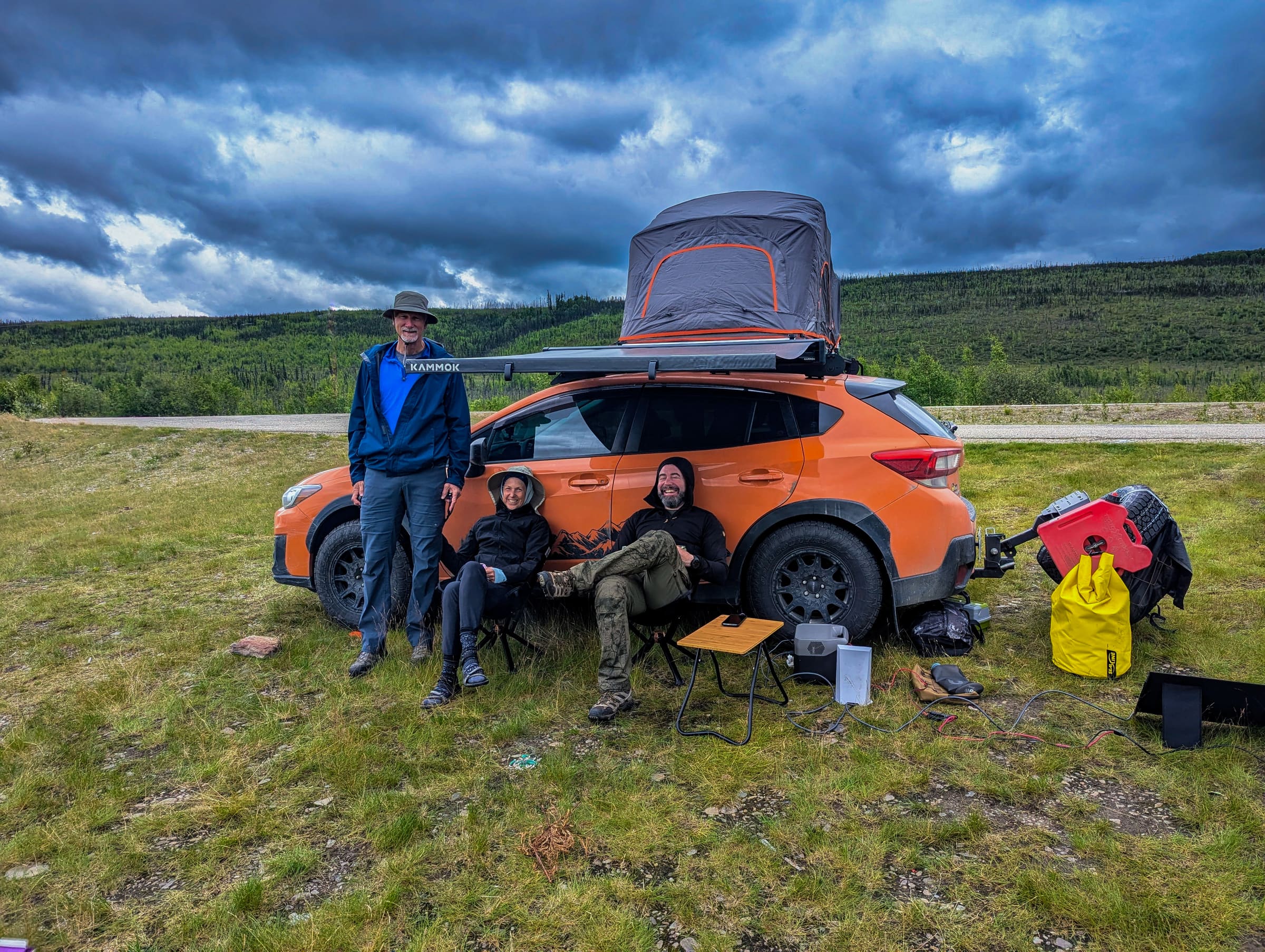
Selecting your rental vehicle establishes the baseline comfort of your trip. Couples generally debate between two main approaches: renting a mid-size or compact All-Wheel Drive (AWD) SUV paired with nightly cabin rentals, or renting a self-contained Class B campervan. Each choice comes with distinct trade-offs in comfort, maneuverability, and budget.
| Logistical Factor | AWD SUV + Boutique Cabins | Class B Campervan |
|---|---|---|
| Driving Ease & Parking | Standard vehicle handling; effortless parking at trailheads, scenic overlooks, and downtown restaurants. | Larger footprint; requires wider turn radiuses and extra caution in high crosswinds along coastal passes. |
| Sleep & Living Space | Full-size beds, private bathrooms, running hot water, and space to unpack gear completely each evening. | Compact, shared footprint; converting seating to bed daily; compact wet-bath or outdoor shower setup. |
| Inclement Weather Comfort | Warm, spacious indoor retreat during prolonged subarctic rainstorms and cold snaps. | Cozy for dry weather, but damp hiking gear inside a small cabin can lead to condensation and clutter. |
| Gravel Road Authorization | Subject to strict rental contracts; specialized local 4x4 outfits allow unpaved routes, while national brands prohibit them. | Most rental companies restrict travel on rough, unpaved highways (e.g., Denali Highway or McCarthy Road). |
| Meal Flexibility | Requires dining at local restaurants, purchasing pre-made deli goods, or booking cabins with kitchenettes. | Integrated stove and refrigerator allow quiet roadside cooking at pull-outs and secluded state recreation sites. |
If you prioritize a restful night's sleep, space to decompress, and zero vehicle maintenance during your vacation, the SUV-plus-cabin combination is typically superior. If you value complete spontaneity and do not mind close quarters, a campervan allows you to cook dinner overlooking a glacier-fed lake on a whim. For an in-depth breakdown of vehicle options, read our guide on choosing between an RV, campervan, and rental car in Alaska.
Before booking any vehicle, carefully check the rental company's policy on unpaved roads. Major airport rental counters explicitly prohibit driving on the Denali Highway (Route 8), the McCarthy Road into Wrangell-St. Elias, and the Dalton Highway. Violating these rental contracts voids insurance coverage and leaves you liable for four-figure towing bills. Note that Alaska Road Trip does not book flights or rental cars; you arrange those independently based on your comfort level and preferred vehicle class.
Romantic Alaska Road Trip Stops Between Anchorage, Seward, and Homer
The Kenai Peninsula provides one of the most accessible and diverse road corridors in the state, making it a natural choice for an intimate couple's getaway. Linking Anchorage, Seward, and Homer gives you dramatic fjord landscapes, marine wildlife viewing, and farm-to-table coastal dining within manageable driving distances.
Turnagain Arm Scenic Pull-Offs
Leaving Anchorage south along the Seward Highway scenic corridor, the road hugs the base of the Chugach Mountains directly alongside the Turnagain Arm. Tour buses often pack the Beluga Point overlook, but several smaller, unmarked pull-offs between Milepost 100 and Milepost 110 offer quieter vantages.
Time your drive to catch the incoming Turnagain Arm bore tide—a solitary wave up to six feet high that sweeps across the mudflats as the tide rushes in. The NOAA National Ocean Service provides detailed tidal tracking data that helps identify these daily surges. In late summer, pods of white beluga whales frequently trail behind the tide chasing runs of salmon, giving you an unforgettable wildlife viewing experience directly from the roadside.
Quiet Kenai Peninsula Detours: Hope and Girdwood
Instead of rushing straight south to Seward, build in a detour to the historic gold-mining outpost of Hope at Mile 56 of the Seward Highway. Tucked away along the end of the Hope Highway, this quiet town avoids the heavy commercial bus traffic seen in larger cruise ports. Stroll past historic log cabins, sit beside the rushing waters of Resurrection Creek, and enjoy fresh, locally caught halibut in a peaceful setting.
Further north, the alpine community of Girdwood offers quiet forest trails, including the Winner Creek Trail hand-tram gorge, along with exceptional dining options. It provides an ideal midway stop to break up your drive, enjoy a quiet coffee, and walk among old-growth temperate rainforest spruce.
Coastal Downtime in Homer and Kachemak Bay
Driving the scenic route from Anchorage to Homer brings you to the end of the Sterling Highway, where the road terminates on the Homer Spit jutting into Kachemak Bay. While the Spit features busy boardwalk shops, the most memorable romantic alaska road trip stops sit across the water.
Book a private or small-group water taxi out of the Homer Harbor across to Halibut Cove, Seldovia, or Tutka Bay. Escaping across Kachemak Bay removes you entirely from vehicle traffic, placing you in quiet coves surrounded by sea otters, bald eagles, and coastal mountains. Pair a day of sea kayaking or quiet beachcombing with an evening reservation at a family-owned restaurant on the harbor for fresh oysters, king crab, and locally sourced Alaskan fare.
Lodging Logistics for Couples: Escaping the Tour Bus Crowds
Lodging availability in Alaska operates under severe seasonal constraints. The summer season runs intensely from late May through early September. In gateway communities like Seward, Talkeetna, Girdwood, and Denali, boutique bed-and-breakfasts, private view cabins, and waterfront chalets routinely book out six to nine months in advance.
Large cruise-line-owned lodges dominate several key towns. While these hotels offer high bed counts, they also accommodate hundreds of motorcoach passengers arriving simultaneously each afternoon. For couples seeking a peaceful retreat, sharing narrow hallways and crowded breakfast buffets with large group tours quickly diminishes the romantic atmosphere.
Focus instead on independent lodging providers:
- Private Shoreline and Mountain-View Cabins: Standalone log cabins equipped with private decks, fire pits, and kitchenettes offer privacy and quiet evenings under the midnight sun.
- Historic Bed-and-Breakfasts: Locally owned inns in towns like Homer, Talkeetna, and Palmer provide home-cooked breakfasts, personalized local recommendations, and relaxed, quiet environments.
- Wilderness Cabins (Dry vs. Semi-Dry): Remote public and private wilderness cabins offer solitude, but check the amenities carefully. "Dry" cabins in Alaska lack indoor running water and flush toilets, relying instead on clean outhouses and hauled water jugs. Semi-dry or fully plumbed cabins provide a much better balance of wilderness immersion and comfort for couples.
Alaska Road Trip hand-picks lodging and gives you direct booking links, but you book it yourself — it does not make reservations on your behalf, so you keep full control and flexibility over your reservations, cancellation policies, and reward programs.
Essential Route Logistics and Activity Timing for Couples
Executing an exceptional road trip requires synchronizing driving legs with pre-booked excursions, local weather patterns, and regional infrastructure limitations.
Navigating Denali in 2026
If your route includes interior Alaska, you must account for major transit adjustments inside Denali National Park. The Denali Park Road was closed to public and tour transit at Mile 43 in 2026 because of the Pretty Rocks Landslide. The bridge was completed in September 2026, and access past Mile 43 returns for the 2027 season. According to the National Park Service Denali conditions update, visitors can travel as far as East Fork at Mile 43, where transit buses turn around.
For couples, this means you do not need to spend 12 grueling hours on a bus to Kantishna at the end of the road. Instead, book a transit or non-narrated bus to Mile 43, disembark to hike the open gravel river bars along the East Fork of the Toklat River, and spend your remaining time exploring the scenic trails around the park entrance or flightseeing around the Denali massif from Talkeetna. For current details on navigating these changes, consult our guide to the Denali Park Road in 2026.
Timing Excursions Around Weather and Tides
To avoid rushed mornings and high stress, build your daily schedule around firm excursion departure times:
- Fjord and Glacier Boat Cruises: Full-day Kenai Fjords National Park cruises out of Seward generally depart between 8:00 AM and 10:00 AM. rarely schedule a long driving leg on the morning of a boat tour; stay in Seward the night before so you can walk to the harbor rested and unhurried.
- Glacier Kayaking and Guided Hikes: Glacier treks on the Matanuska Glacier or kayaking out of Whittier require early check-in for gear fitting and safety briefings. Give yourself an extra many-minute buffer beyond GPS estimates to handle mountain pass traffic or tunnel staging schedules.
- Small-Plane Flightseeing: Bush plane tours around Denali or glacier landings in Wrangell-St. Elias are strictly weather-dependent. often book flightseeing for the first morning of your stay in an alpine base like Talkeetna, leaving the afternoon and following morning open as backup windows in case low clouds cause weather holds.
Alaska Road Trip recommends activities and tours with timing and booking links; you reserve them yourself to match your exact couple's budget, preferred operators, and physical activity comfort level.
Managing Connectivity, Fuel, and Food Along Remote Corridors
Self-sufficiency is critical once you leave Anchorage or Fairbanks. Basic infrastructure that travelers take for granted in the Lower 48 becomes sparse along rural Alaska highways.
Cell Service and Navigation
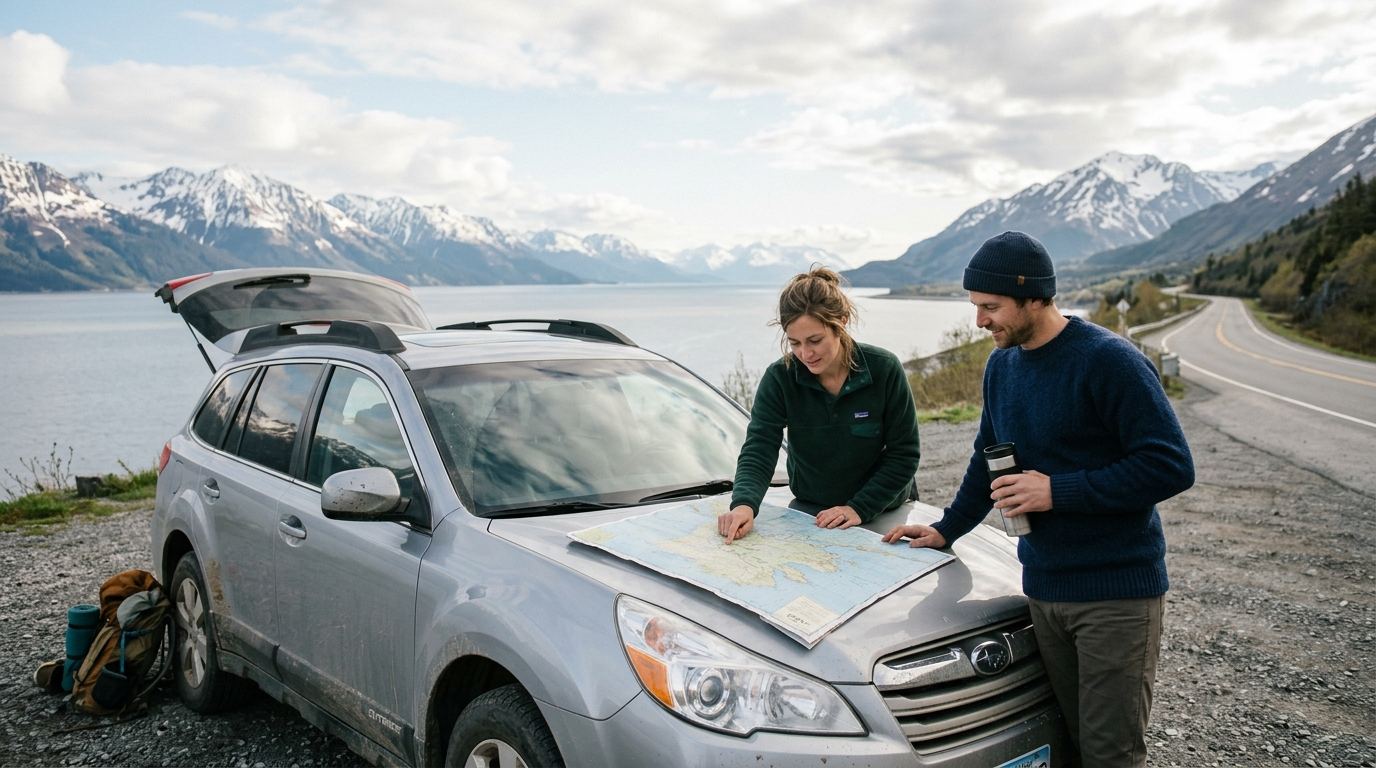
Cellular data drops off rapidly once you travel beyond major town limits. Large sections of the Seward Highway along Turnagain Arm, the Sterling Highway through Cooper Landing, and the Parks Highway between Cantwell and Nenana have intermittent or nonexistent cellular coverage. Download offline regional maps via Google Maps or maps.me prior to leaving your hotel Wi-Fi, and keep a physical Alaska highway map in your glove compartment.
The Quarter-Tank Fuel Rule
Gas stations along highways like the Glenn (AK-1) and Richardson (AK-4) can be spaced 50 to 80 miles apart, and independent rural pumps often close early in the evening. Adopt a strict operational rule: never let your fuel tank drop below one-quarter full. If you pass an open station and your tank is at half, pull in and top off. For a comprehensive overview of remote highway services, review our Alaska highway fuel planning guide.
Provisioning and Dining Strategies
Dining options in small Alaskan towns are charming but limited. Many local cafes close by 7:00 PM or operate on limited weekly schedules due to seasonal staffing shortages. Relying exclusively on walk-in restaurant availability can leave you stranded with fast-food or gas-station snacks after a long afternoon of exploring.
Upon landing in Anchorage or Fairbanks, make a deliberate stop at a major grocery store. Stock your vehicle with high-protein snacks, fresh fruit, artisan cheeses, local baked goods, and plenty of water in a soft-sided cooler. Having quality supplies on hand allows you to turn any scenic mountain turnout into a private picnic lunch, completely bypassing crowded roadside diners.
DIY Planning vs. Done-For-You Custom Alaska Road Trip Logistics
Planning an independent self-drive itinerary across Alaska requires cross-referencing dozens of logistical variables: ferry schedules on the Alaska Marine Highway, seasonal opening and closing dates for remote businesses, construction zones, tidal charts, excursion departure windows, and vehicle gravel restrictions. This point is context dependent and should be treated as a cautious recommendation.
Working with a specialized itinerary design service removes the guesswork while preserving complete travel independence. You skip the research headaches and receive a custom, cohesive route built around how you actually want to travel together.
Every itinerary is hand-built by a named founder who has driven thousands of Alaska miles across multiple seasons. Alaska Road Trip is a one-time flat fee, not a subscription — there are no recurring charges. Packages are clearly structured to fit your travel scope: Lite at a measurable budget (1–5 days), Standard at a measurable budget (up to 14 days), Plus at a measurable budget (15+ days), and Concierge at a measurable budget (which adds a 30-minute live founder call). Itineraries reflect current-season research at the time they're built. The trip dashboard can check available park, road, weather, and aurora data, but Alaska Road Trip does not provide real-time booking availability, live tracking, or intended live condition monitoring.
Your custom plan is delivered as a printable, offline-ready PDF within 3 to 5 business days, including 1 to 2 revision rounds and direct links to hand-selected boutique cabins, scenic turnouts, and small-group tours. Every plan is backed by a published 14-day money-back guarantee with a full refund and no questions asked.
Frequently Asked Questions
How many hours a day should couples drive on an Alaska road trip?
Couples should cap their driving at three to four hours per day. Restricting road time accounts for seasonal highway construction, slow-moving RV traffic, and frequent photo stops while leaving ample energy for guided excursions, relaxing evening meals, and romantic downtime.
Is a campervan or a car plus cabin rentals better for a romantic trip?
An AWD SUV paired with private cabin rentals is generally better for couples who prioritize comfort, reliable hot water, comfortable beds, and space to unwind after long outdoor hikes. A campervan offers maximum spontaneity for roadside meals and flexible camping, but the compact interior can feel cramped during extended stretches of rainy subarctic weather.
When is the best month for an intimate Alaska road trip without summer peak crowds?
Late May through early June and late August through early September are ideal shoulder-season windows. During these periods, highway traffic and tour bus volumes are significantly lower, local tour operators are fully open, mosquito activity is reduced, and early autumn brings dramatic fall tundra colors and the first possibilities of viewing the northern lights.
Does Alaska Road Trip book our rental car and boutique cabins for us?
Alaska Road Trip does not book flights or rental cars; you arrange those independently. Alaska Road Trip hand-picks lodging and gives you direct booking links, but you book it yourself — it does not make reservations on your behalf, so you keep full control and flexibility over your travel reservations and payment methods.
Ready for a seamless romantic getaway without the DIY research burnout? Get a custom, day-by-day Alaska road trip itinerary hand-built for you with direct booking links, offline PDF access, and a 14-day money-back guarantee by starting your personalized route plan today.
See a real Alaska itinerary before you spend a dollar
A real 3-day plan with driving times, lodging picks, and a daylight chart — free, in your inbox.
One email. No spam. Unsubscribe anytime. Or view it right now — no email needed ↗
Ready for the full plan? Get your custom itinerary — from $197 · 5-day delivery →