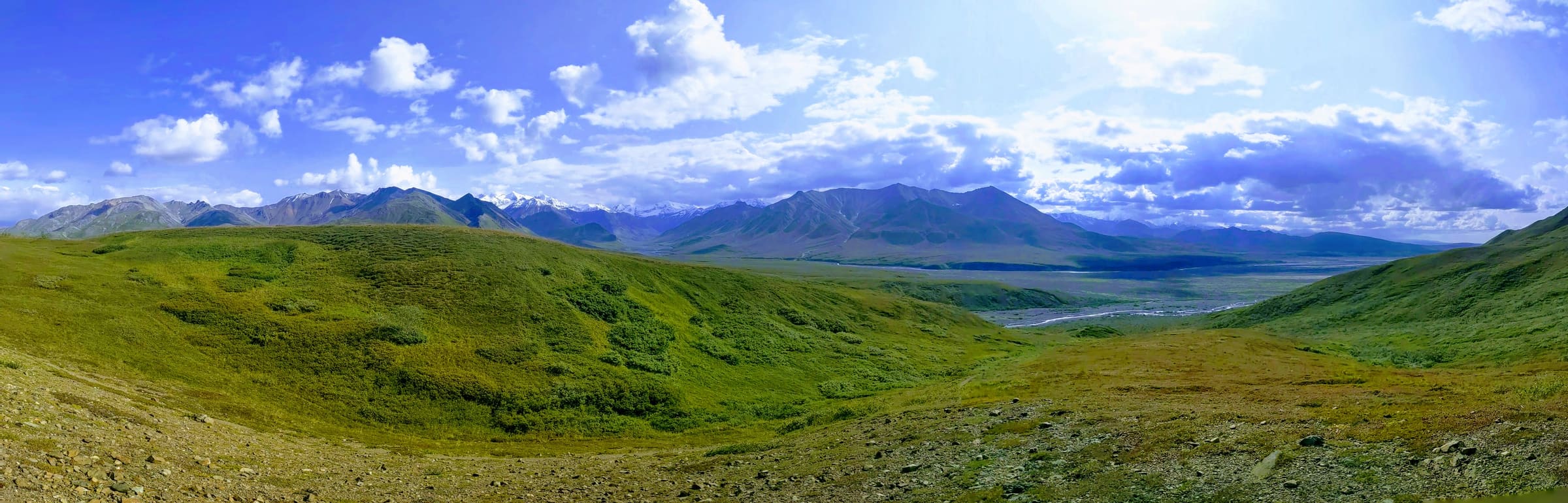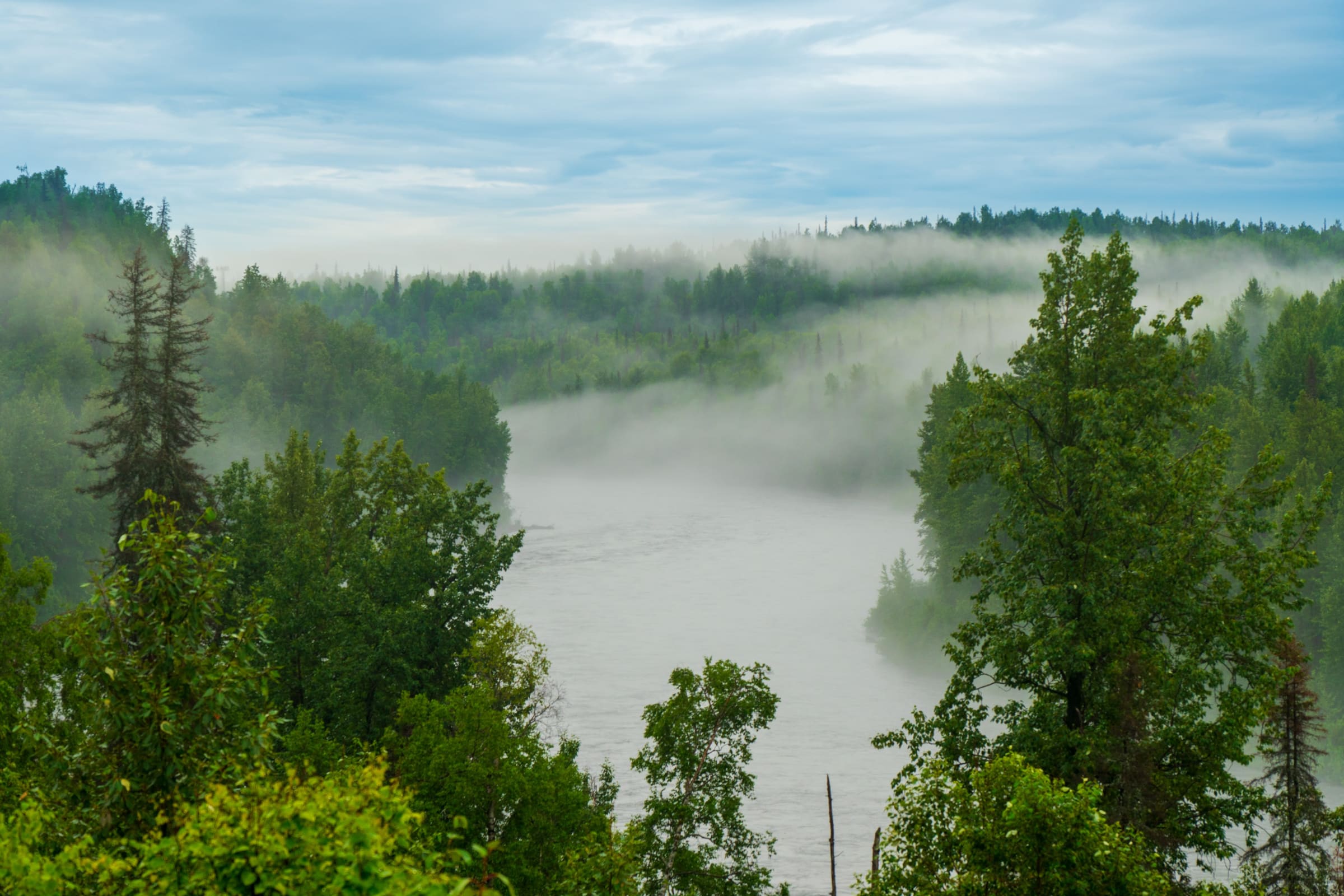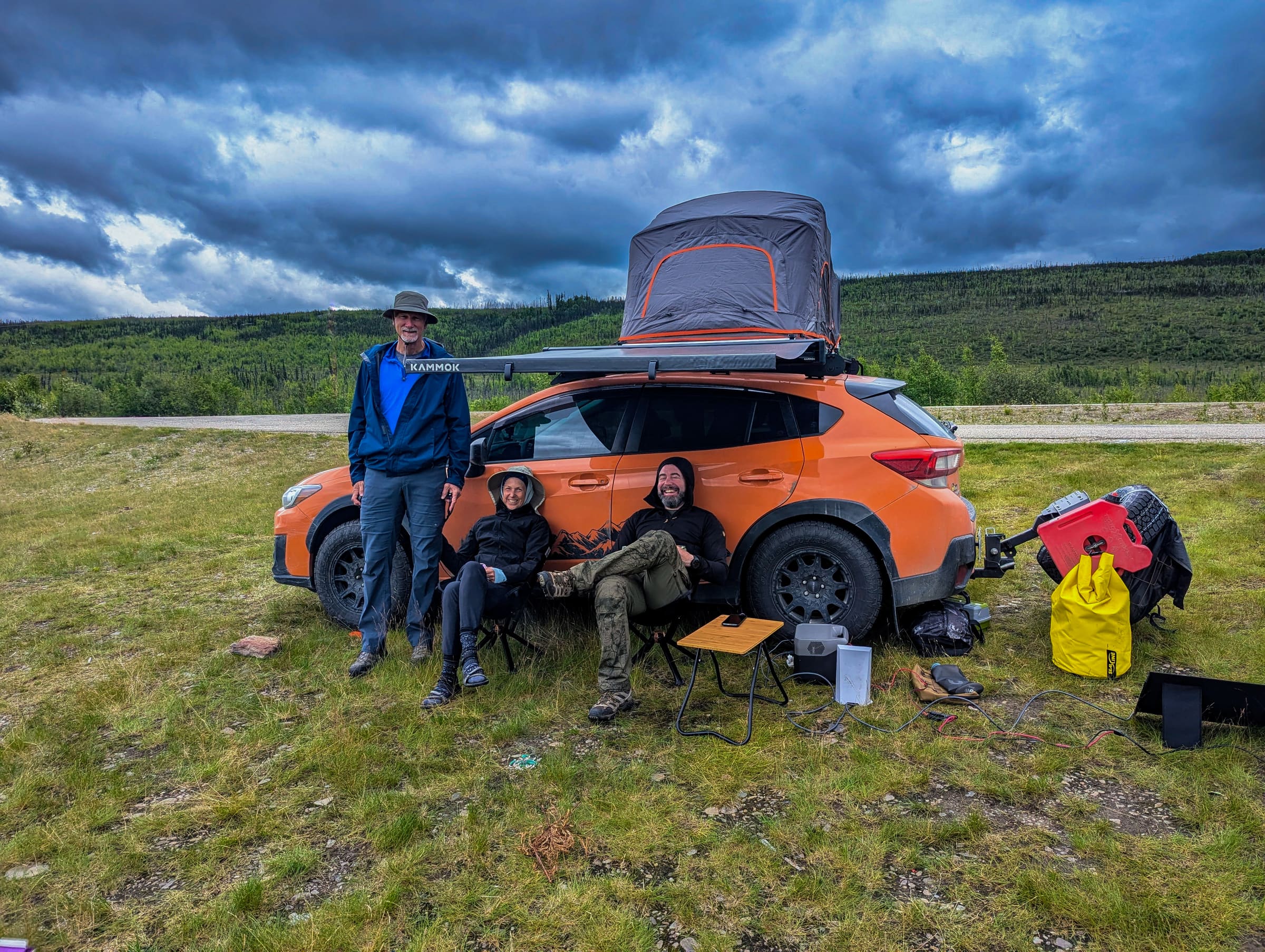
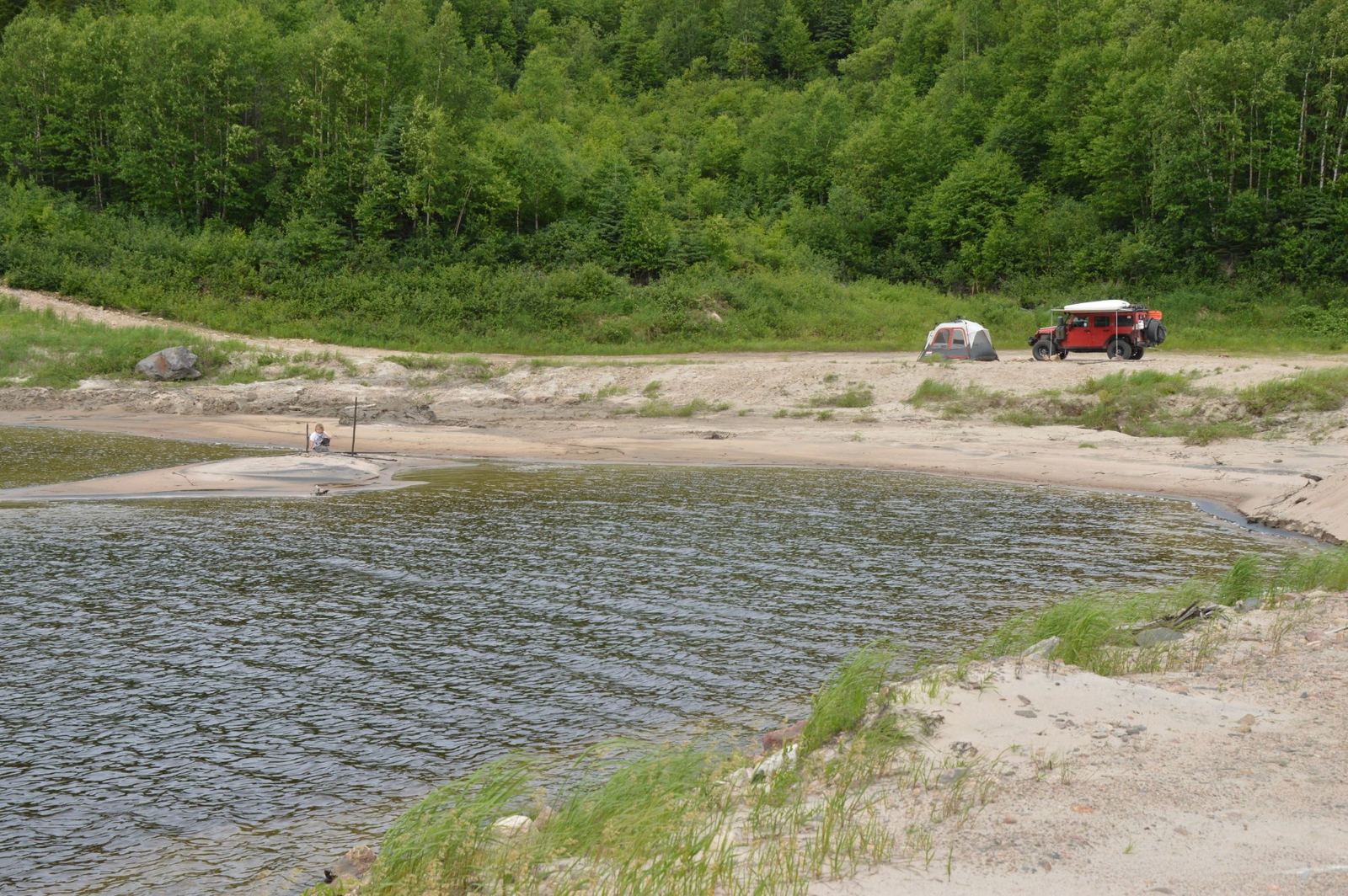
Embarking on an Alaska road trip promises unparalleled adventure, breathtaking landscapes, and memories to last a lifetime. Yet, amidst the excitement of glaciers, wildlife, and endless scenic drives, many travelers overlook a crucial challenge: managing moisture and laundry in a climate that can often feel perpetually damp. From the temperate rainforests of Southeast Alaska to a wet July day on the Kenai Peninsula, clothes often struggle to truly dry. Trapped humidity in a small van or camper isn't just an inconvenience; it can lead to persistent odors, mildew, and even damage to your valuable gear. This guide offers comprehensive alaska travel laundry tips to keep you, your clothes, and your vehicle fresh and comfortable throughout your journey.
As experts in crafting unforgettable Alaska experiences, we at Alaska Road Trip understand the nuances of travel in this unique environment. We've seen firsthand how a little preparation in moisture management can make a huge difference in overall trip enjoyment. By following these strategies, you'll be well-equipped to tackle Alaska's humidity head-on, ensuring your focus remains on the incredible sights and experiences rather than damp socks.
The Alaska Climate Challenge: Understanding the Humidity
Alaska's diverse geography means a range of microclimates, but many popular road trip destinations share a common characteristic: significant humidity, especially during the peak summer months of June, July, and August. Coastal regions like the Kenai Peninsula, Prince William Sound, and Southeast Alaska are essentially temperate rainforests, receiving substantial rainfall and experiencing high humidity levels. Even interior regions, while drier, can have periods of persistent rain, making drying clothes a challenge, particularly when camping or traveling in an RV.
The problem isn't just the rain itself, but the lack of consistent, dry heat to evaporate moisture. Clothes hung to dry outdoors might simply absorb more ambient moisture, while items left damp in a confined space like a vehicle create a perfect breeding ground for mildew. Mildew not only smells unpleasant but can also permanently stain fabrics and even pose health risks. Understanding this environmental reality is the first step in mastering your alaska travel laundry tips.
Gear Up: Choosing the Right Fabrics for Alaska
Your packing strategy is your first line of defense against moisture. The fabrics you choose for your base layers and everyday wear will significantly impact how quickly they dry and how well they resist odors. Forget cotton – it absorbs moisture like a sponge and takes ages to dry, making it a poor choice for Alaska's often damp conditions.
Merino Wool: The Natural Performer
Merino wool has become a favorite among outdoor enthusiasts for good reason. It's soft, breathable, and offers excellent temperature regulation, keeping you warm when wet and cool when it's warmer. Crucially for Alaska, merino wool is naturally odor-resistant, meaning you can wear items for multiple days without them smelling. While it absorbs more moisture than synthetics, it still insulates when damp and dries relatively quickly compared to cotton.
- Pros: Excellent odor resistance, insulates when wet, comfortable against skin, sustainable.
- Cons: Can be slower to dry than synthetics, generally more expensive, requires careful washing (though many are machine washable on gentle cycles).
- Best Use: Base layers, socks, light mid-layers. Ideal for multi-day treks where laundry facilities are scarce.
Synthetics: Quick-Drying Powerhouses
Polyester, nylon, and other synthetic fabrics are engineered for performance. They excel at wicking moisture away from your skin and drying incredibly fast. This makes them ideal for active pursuits and situations where you need clothes to dry overnight. Modern synthetics have come a long way in terms of comfort and odor control, often incorporating antimicrobial treatments.
- Pros: Extremely fast-drying, durable, often more affordable, excellent moisture-wicking.
- Cons: Can retain odors over time (even with treatments), less breathable than wool in some cases, not as sustainable.
- Best Use: Activewear, quick-dry travel shirts and pants, outer layers. Perfect for daily wear where you can wash frequently.
The Verdict: Blending Performance and Practicality
For an Alaska road trip, a combination of merino wool and synthetics is often the best approach. Use merino for base layers and socks where odor resistance and comfort are paramount, and synthetics for mid-layers, hiking shirts, and quick-drying pants. When planning your wardrobe, prioritize items that are lightweight, packable, and quick-drying. For a detailed guide on what to bring, check out our comprehensive Alaska road trip packing list.
For more insights on choosing the right gear, consider resources like REI's expert advice on base layers, which highlights the benefits and drawbacks of different materials: REI: How to Choose Base Layers.
Portable Dehumidification: Battling Moisture on the Go
Even with the best fabrics, you'll inevitably encounter dampness. When you're living out of a vehicle, active moisture management within your space is critical. This is where portable dehumidification tactics become invaluable.
Desiccant Bags: Passive Moisture Control
Desiccant bags, often filled with silica gel or calcium chloride, are excellent for passive moisture absorption in small, enclosed spaces. They work by drawing moisture directly from the air. You can place them in closets, storage bins, or even directly into damp gear bags. Products like DampRid are popular and effective, though they need to be replaced or recharged (if using silica gel) once saturated.
- Pros: Silent, no power required, effective in small areas, relatively inexpensive.
- Cons: Limited capacity, requires replacement/recharging, not suitable for large-scale drying.
- Implementation: Hang small bags in your wardrobe, place larger containers in the corners of your camper, or tuck them into shoe bins.
12V Heaters & Fans: Active Drying Solutions
For more active drying, especially for clothes that are genuinely wet, a combination of heat and airflow is key. If you have a 12V power source in your vehicle (common in RVs and campers), a small 12V ceramic heater or fan can make a significant difference. The goal isn't to blast heat, but to gently warm the air and create circulation, which aids evaporation.
- 12V Fans: Even a small USB-powered fan can help circulate air around damp items, preventing stagnant, humid pockets. Position it to blow across clothes hung on a line or drying rack.
- 12V Heaters: Use sparingly and with extreme caution due to power draw and safety. A low-wattage heater can slightly raise the ambient temperature, helping to dry clothes faster. often ensure proper ventilation to avoid condensation build-up elsewhere.
- Caution: rarely leave heaters unattended. Ensure your vehicle's electrical system can handle the load.
Strategic Ventilation: Your First Line of Defense
Before resorting to gadgets, maximize natural ventilation. Even on rainy days, cracking windows (with rain guards) or roof vents can create crucial airflow. Cross-ventilation is ideal. If you have a fan in your RV, run it to pull moist air out and draw drier air in. This simple act can prevent much of the humidity buildup that leads to mildew. For more on managing moisture in an RV, RVTravel.com offers practical tips: RVTravel.com: RV Condensation Control Tips.
Understanding the principles of moisture and mold prevention is also crucial. The EPA provides valuable information on how to prevent mold growth, which is directly applicable to preventing mildew in your vehicle: EPA: Mold Resources.
Laundromats: Mastering the Art of the Roadside Wash
No matter how well you manage moisture, you'll eventually need a proper wash. Laundromats are your best friend on an Alaska road trip. Knowing how to utilize them efficiently can save you time and keep your gear in top condition.
Planning Your Laundry Day: Location and Timing
Laundromats are available in many Alaskan towns, including some smaller ones. Plan your laundry stops around your itinerary. Look for laundromats in larger towns like Anchorage, Fairbanks, Seward, Homer, or Valdez, where facilities are typically larger and more modern. Many campgrounds also offer laundry facilities. Use apps like iOverlander or Google Maps to locate laundromats along your route. Aim to do laundry during off-peak hours (mid-morning on a weekday, for example) to avoid crowds and ensure machine availability.
Maximizing Efficiency: Tips for a Quick Turnaround
- Pre-Sort: Sort your laundry into lights, darks, and delicates before you even arrive. This saves precious time at the laundromat.
- Bring Supplies: Pack your own detergent, dryer sheets, and a laundry bag. Some laundromats sell supplies, but it's often more expensive.
- Use Large Machines: If available, opt for larger capacity washers and dryers. You can wash more at once, reducing the number of cycles and overall time.
- For merino wool or delicates, use low heat or air dry. often follow manufacturer instructions.
- Fold Immediately: As soon as clothes are dry, fold them. This prevents wrinkles and makes packing easier.
Drying Strategies: When Machines Aren't Enough
Sometimes, even after a dryer cycle, heavier items like jeans or thick towels might still feel slightly damp, especially in humid conditions. Here are some supplementary drying strategies:
- Hang in the Sun/Wind: If you have a sunny, breezy day, hang items outside your vehicle or at a campsite. Even a few hours can make a big difference.
- Internal Clothesline: Install a small, retractable clothesline inside your RV or camper. Hang damp items here with windows cracked and a fan running.
- Mesh Laundry Bags: These allow air circulation around damp items, preventing them from festering in a solid bag.
- Towel Roll Method: For small, damp items, lay them flat on a clean, dry towel, roll the towel tightly, and twist to wring out excess moisture.
Beyond the Basics: Advanced Moisture Management
Proactive measures can significantly reduce your laundry burden and keep your gear in prime condition.
Packing Smart: Compartmentalization is Key
Separate your clean clothes from dirty ones. Use packing cubes or separate dry bags for different categories. This prevents the smell and potential mildew from dirty clothes contaminating your fresh items. Keep wet gear (rain jackets, muddy boots) completely isolated in waterproof bags or outside the main living area of your vehicle.
Gear Care: Protecting Your Investment
Your outdoor gear, especially waterproof-breathable jackets and pants, needs specific care. Avoid washing them too frequently, but when you do, use technical washes designed for these fabrics (e.g., Nikwax or Granger's). often follow manufacturer instructions. Proper care ensures their performance and longevity, protecting you from the elements. Regularly air out your sleeping bags and tents if they get damp.
Emergency Drying Hacks
- Hotel Room Radiators/Heaters: If you splurge on a hotel room, utilize its heating system. Hang damp items near a radiator or use the bathroom fan for ventilation.
- Vehicle Heater: On a long drive, you can carefully hang a few small, damp items (like socks) in your vehicle's cabin, running the heater and fan on recirculate to dry them. Ensure they don't obstruct your view or airflow.
- Microfiber Towels: These are incredibly absorbent and quick-drying. Use them to aggressively towel-dry items before hanging.
Planning Your Ultimate Alaska Adventure
Mastering moisture and laundry is just one piece of the puzzle for a successful Alaska road trip. From navigating the best routes to finding hidden gems, planning can be complex. If you're feeling overwhelmed, consider letting the experts handle the details. We offer expert Alaska itinerary planning services designed to create a seamless and unforgettable journey tailored to your preferences. Whether you're planning a week-long adventure or an extended exploration, we can help you plan your Alaska adventure with confidence.
Frequently Asked Questions
What are the best fabrics to wear in Alaska's humid climate?
The best fabrics are merino wool and synthetics (polyester, nylon). Avoid cotton, as it absorbs moisture and dries very slowly, leading to discomfort and potential mildew. Merino wool offers excellent odor resistance and insulates when wet, while synthetics are incredibly fast-drying and great for active wear.
How can I prevent mildew in my RV or camper during an Alaska road trip?
Prevent mildew by maximizing ventilation (cracking windows, using roof vents), using desiccant bags in small enclosed spaces, and actively drying damp items. Avoid leaving wet clothes or towels bunched up. A small 12V fan can also help circulate air and prevent stagnant humidity.
Are laundromats readily available in Alaska?
Yes, laundromats are available in most towns across Alaska, especially in larger communities like Anchorage, Fairbanks, Seward, and Homer. Many campgrounds also offer laundry facilities. It's a good idea to plan your laundry stops in advance using apps or maps.
What should I do if my clothes don't fully dry at the laundromat?
If clothes are still damp, utilize supplementary drying methods. Hang them outside on a sunny, breezy day, use an internal clothesline in your vehicle with good ventilation and a fan, or employ the towel roll method for smaller items. Microfiber towels can also help absorb excess moisture.
How often should I do laundry on an Alaska road trip?
The frequency depends on your packing strategy, the fabrics you choose, and your comfort level. With odor-resistant merino wool and quick-drying synthetics, you can often wear items for multiple days.
Ready to Plan Your Moisture-Managed Alaska Road Trip?
With these comprehensive alaska travel laundry tips, you're now equipped to tackle the challenges of humidity and keep your gear fresh and dry throughout your adventure. Don't let damp clothes dampen your spirits! Focus on the incredible experiences Alaska has to offer, knowing you've got your moisture management strategy dialed in. If you're ready to start planning your dream Alaska road trip and want expert guidance on every detail, from itineraries to packing, reach out to us at Alaska Road Trip. We're here to help you create an unforgettable journey.
See a real Alaska itinerary before you spend a dollar
A real 3-day plan with driving times, lodging picks, and a daylight chart — free, in your inbox.
One email. No spam. Unsubscribe anytime. Or view it right now — no email needed ↗
Ready for the full plan? Get your custom itinerary — from $197 · 5-day delivery →