Packing Smart for Alaska
Packing for an Alaska road trip is different from packing for other vacations. The weather can swing 40 degrees in a single day, rain can materialize from a clear sky in minutes, and the remoteness of many areas means you need to be more self-sufficient than usual. Whether you are driving up from the Lower 48 or flying in and renting a car, this list covers what you actually need. If you are still mapping out the trip itself, our step-by-step Alaska road trip planner covers dates, vehicle, route, and booking order before you start packing.
Clothing: The Layer System
Alaska weather demands layers. Even in July, mornings can be in the 40s and afternoons in the 70s. On a glacier or mountain pass, temperatures can drop below freezing any month of the year.
Essential Clothing
- Base layers: 2-3 moisture-wicking tops and bottoms (merino wool or synthetic, not cotton)
- Mid layers: 1-2 fleece jackets or insulated pullovers
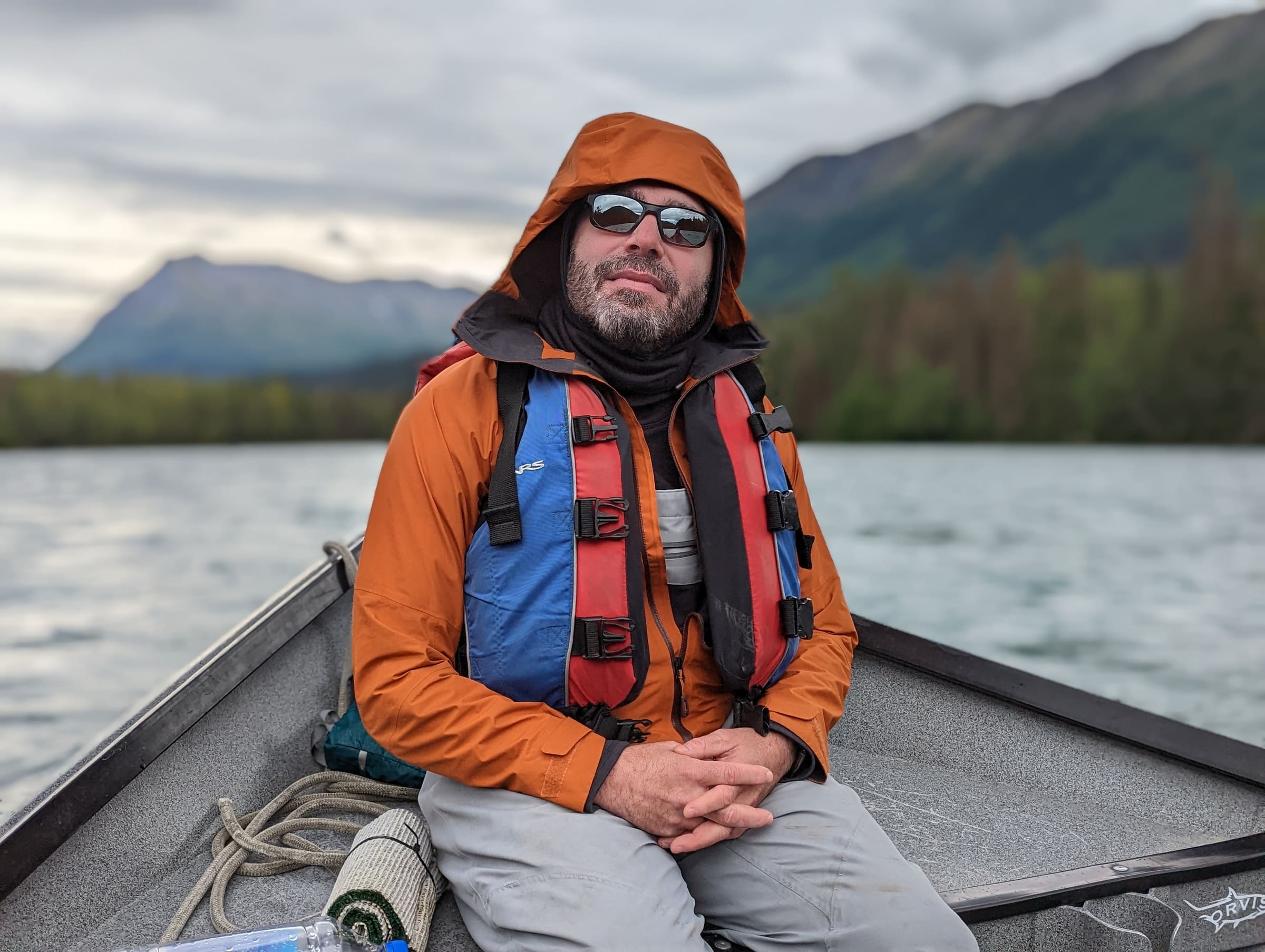
- Outer layer: A waterproof, breathable rain jacket (this is the most important single item you will pack)
- Rain pants: Lightweight waterproof pants that fit over your regular pants
- Warm hat and gloves: Yes, even in summer. Glacier visits, boat tours, and mountain hikes can be cold.
- Sun hat and sunglasses: 18+ hours of daylight means extended sun exposure
- Hiking boots: Waterproof, broken-in, with ankle support. Trails in Alaska are often muddy and rocky.
- Camp shoes or sandals: For around camp or casual town walking
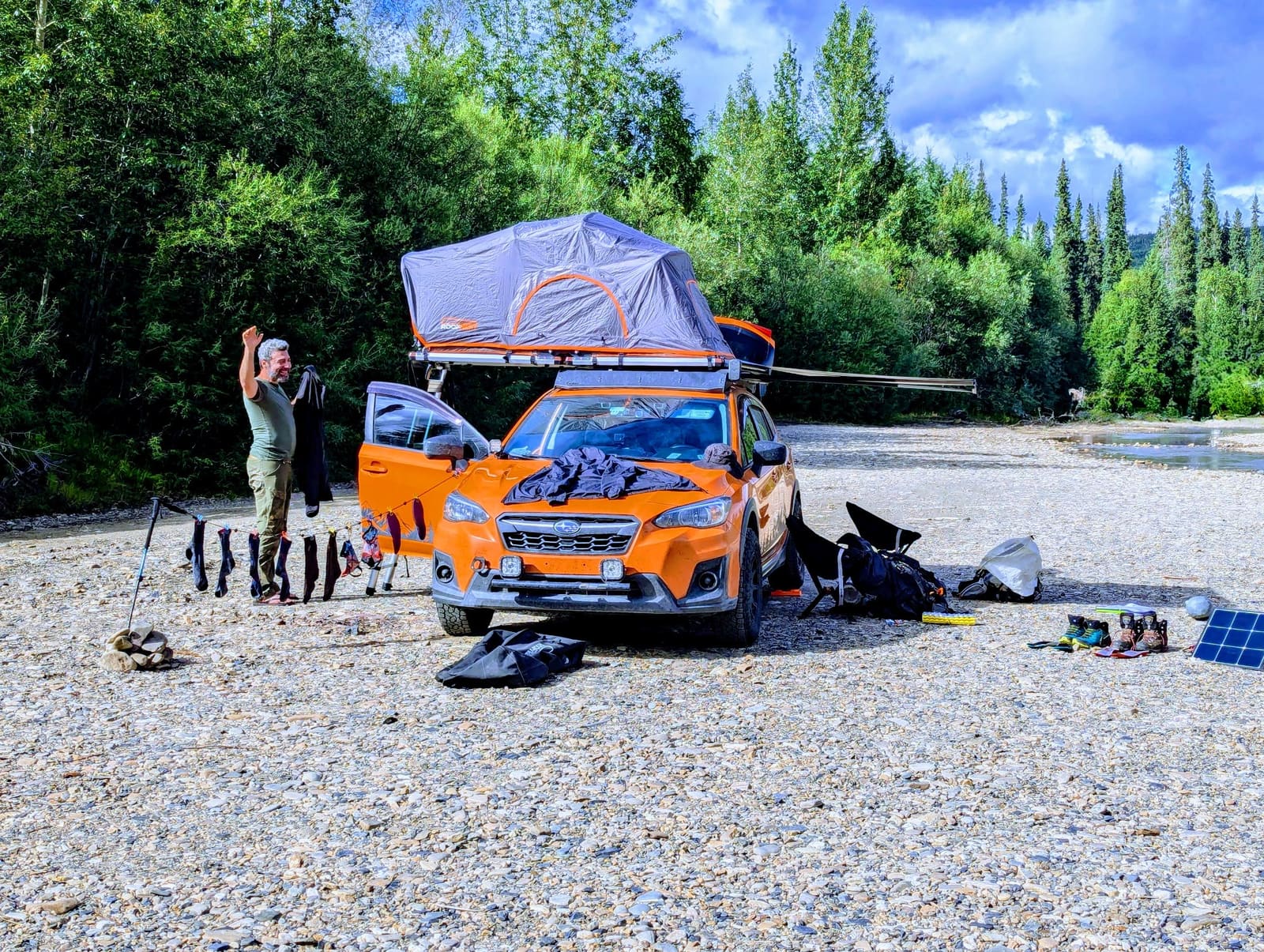
- Warm socks: 4-5 pairs of wool or wool-blend hiking socks
- Quick-dry pants and shorts: 2-3 pairs each
- Swimsuit: For hot springs (Liard River, Chena Hot Springs, etc.)
Season-Specific Additions
- May/early June: Add a puffy down or synthetic jacket. Temperatures can dip into the 30s at night.
- Late August/September: Same as above, plus consider warmer base layers. Frost is possible, especially in interior Alaska.
Camping Gear (If Camping)
If you plan to camp, which is an excellent way to experience Alaska and save on lodging, bring or rent the following:
- Tent: Three-season, freestanding, with a full rain fly. Wind and rain are common.
- Sleeping bag: Rated to at least 30 degrees F. For May or September trips, a 15-degree bag is safer.
- Sleeping pad: Insulated (R-value 3+) for comfort and warmth on cold ground
- Camp stove and fuel: A compact backpacking stove works well. Note: you cannot fly with fuel canisters. Buy them in Anchorage or Fairbanks.
- Cookware: Pot, pan, utensils, plates, cups. Keep it simple.
- Cooler: A quality hard-sided cooler keeps food cold for days. Ice is available at most gas stations and grocery stores.
- Bear canister or bear-resistant food container: Required in some areas (Denali backcountry). For car camping, store food in your vehicle or a bear box if provided at the campground.
- Headlamp: Even with long daylight hours, you will need one for tent organization and late-season trips when darkness returns.
- Camp chairs: Compact folding chairs make campsite evenings much more enjoyable
Want a custom itinerary built for your trip? We'll plan your entire Alaska road trip around your dates, budget, and interests. Get your custom itinerary →
Vehicle Supplies
Your vehicle is your lifeline in Alaska, especially on remote roads. Carry these items regardless of your vehicle type:
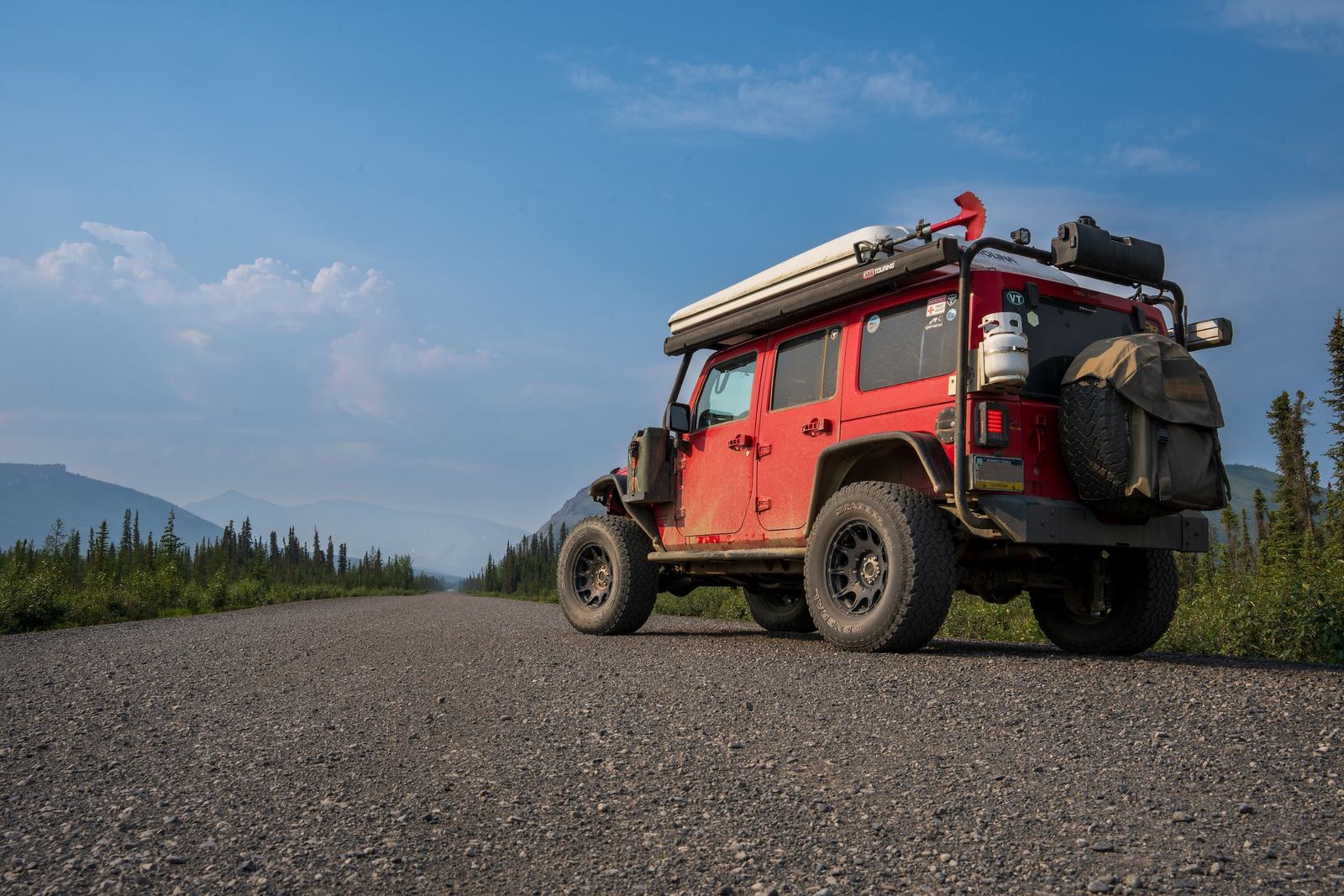
- Full-size spare tire: Not just a compact donut. Make sure it is inflated and the jack works.
- Jumper cables or a jump starter pack: Battery issues are not uncommon in remote areas
- Tire pressure gauge and portable air compressor: Essential for gravel road driving
- Basic tool kit: Wrenches, screwdrivers, pliers, duct tape, zip ties
- Tow strap: In case you or someone else gets stuck
- Extra windshield washer fluid: You will burn through this on dusty roads
- Extra motor oil: One quart, matching your vehicle's specification
- Jerry can for extra fuel: Especially important for the Dalton Highway or other remote routes
- Paper maps: Cell service disappears in many areas. The Milepost guide is the classic Alaska road trip reference.
Safety and Health
- First aid kit: Include blister treatment, pain relievers, antihistamines, any prescription medications, and wound care supplies
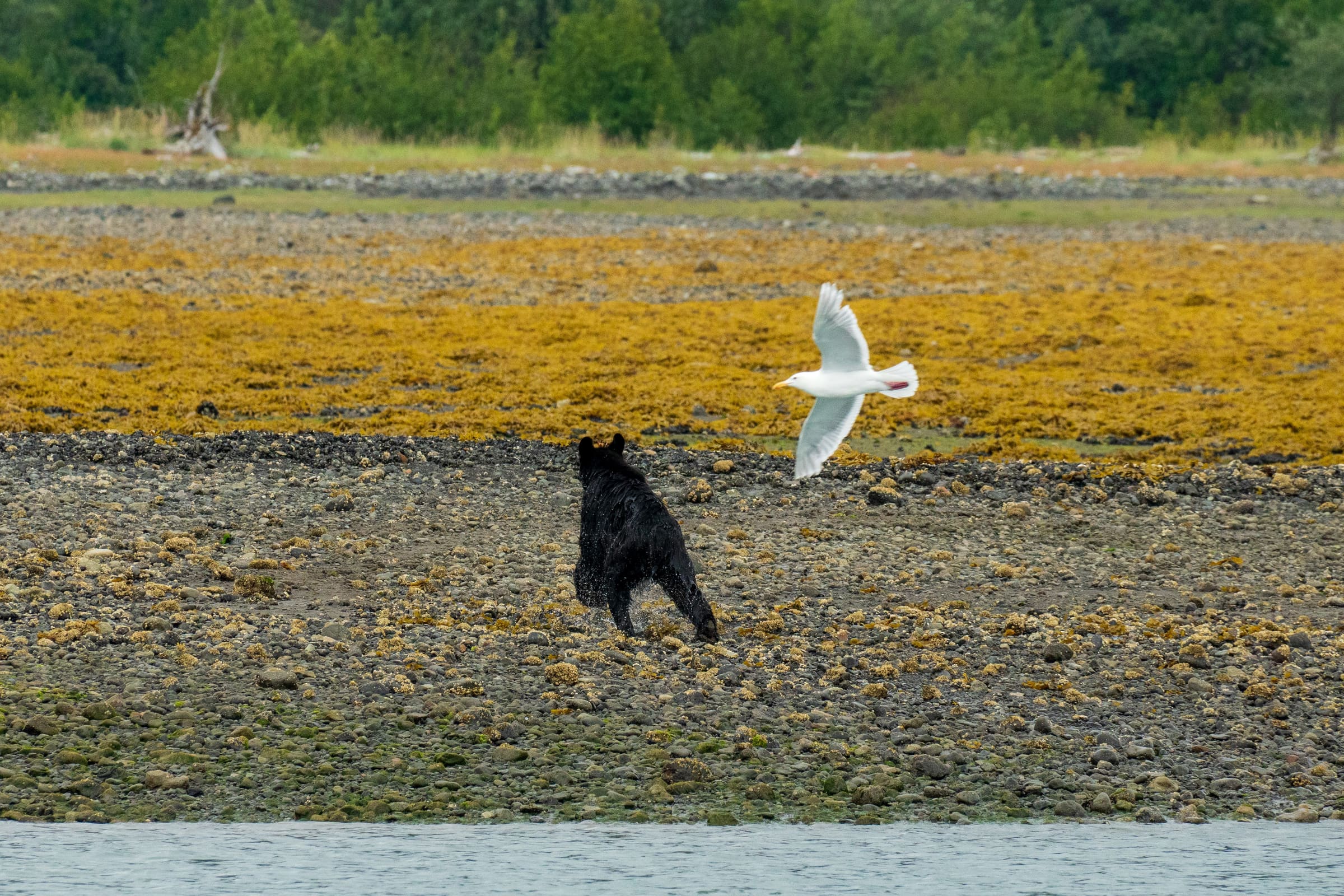
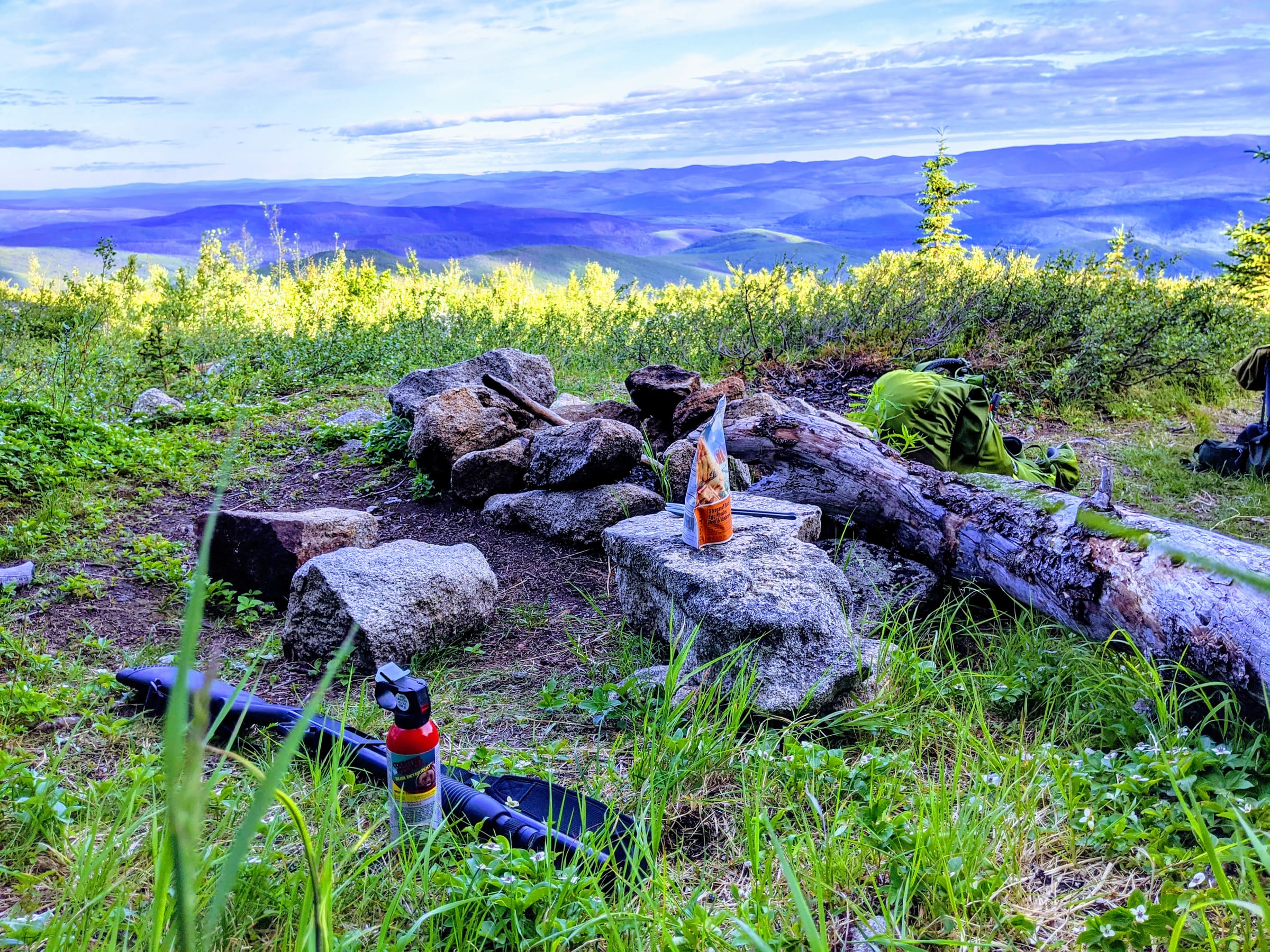
- Bear spray: Carry it on your person (belt holster, not in your backpack) whenever hiking. Know how to use it before you need it. See our wildlife safety guide.
- Bug repellent: Mosquitoes in Alaska are legendary, especially in June and July in interior areas. DEET-based repellent or picaridin. A head net is not overkill in swampy areas.
- Sunscreen: SPF 30+. The long daylight hours mean extended UV exposure.
- Water purification: A filter or purification tablets if you plan to drink from streams while hiking
- Satellite communicator: A Garmin inReach or similar device for areas without cell service. This can be a lifesaver in an emergency.
Electronics and Navigation
- Phone charger and car charger: Multiple charging cables
- Portable battery pack: For charging devices when away from the car
- GPS or downloaded offline maps: Google Maps and Apple Maps both allow offline map downloads. Do this before you leave cell service.
- Camera: Alaska is spectacularly photogenic. Bring whatever you shoot with, extra batteries, and enough memory cards.
- Binoculars: Essential for wildlife viewing. A compact 8x42 or 10x42 pair is ideal.
Food and Water
- Reusable water bottles: At least one per person. Alaska tap water is generally excellent.
- Non-perishable snacks: Trail mix, energy bars, jerky, dried fruit. Stock up in Anchorage or Fairbanks where prices are lower.
- Coffee and tea supplies: If you are a coffee person, bring your own setup. Not every campground or remote lodge has what you want.
What NOT to Overpack
- Formal clothing: Alaska is casual. You will not need dress shoes or evening wear anywhere.
- Too many cotton items: Cotton is cold when wet and slow to dry. Stick to synthetics and wool.
- Heavy books: Bring a Kindle or audiobooks for the long drives.
- Excess toiletries: Every town of any size has a general store. You can buy shampoo in Tok.
Packing for Hotels vs Camping
If you are staying in hotels and lodges exclusively, you can trim the camping gear entirely and pack lighter. But still bring the vehicle supplies, rain gear, layers, bear spray, and bug repellent. Alaska's weather and wildlife do not care whether you are sleeping in a tent or a king bed.
For a trip that mixes both, which is what most travelers do, pack camping gear and simply enjoy the hotel nights as a break from setting up camp. Your packing list should match the most demanding conditions you expect to encounter.
See a real Alaska itinerary before you spend a dollar
A real 3-day plan with driving times, lodging picks, and a daylight chart — free, in your inbox.
One email. No spam. Unsubscribe anytime. Or view it right now — no email needed ↗
Ready for the full plan? Get your custom itinerary — from $197 · 5-day delivery →