Alaska Road Trip: Renting a Camper vs. Driving Your Own Rig
The dream of an Alaska road trip often begins with a single, exciting question: how will you explore the Last Frontier? For many, this quickly leads to a more practical dilemma: do you embark on the epic journey of driving your own rig thousands of miles north, or do you fly into Alaska and rent a camper van or RV? This isn't just a matter of preference; it's a significant decision that impacts your budget, time, and overall experience. As experts in alaska road trip planning, we understand the weight of this choice for first-time and even second-time visitors. Let's break down the realities of both options, from the wear-and-tear on your vehicle to the hidden costs of rental, helping you make an informed decision for your 2026 summer adventure.
The Allure and Reality of Driving Your Own Rig to Alaska
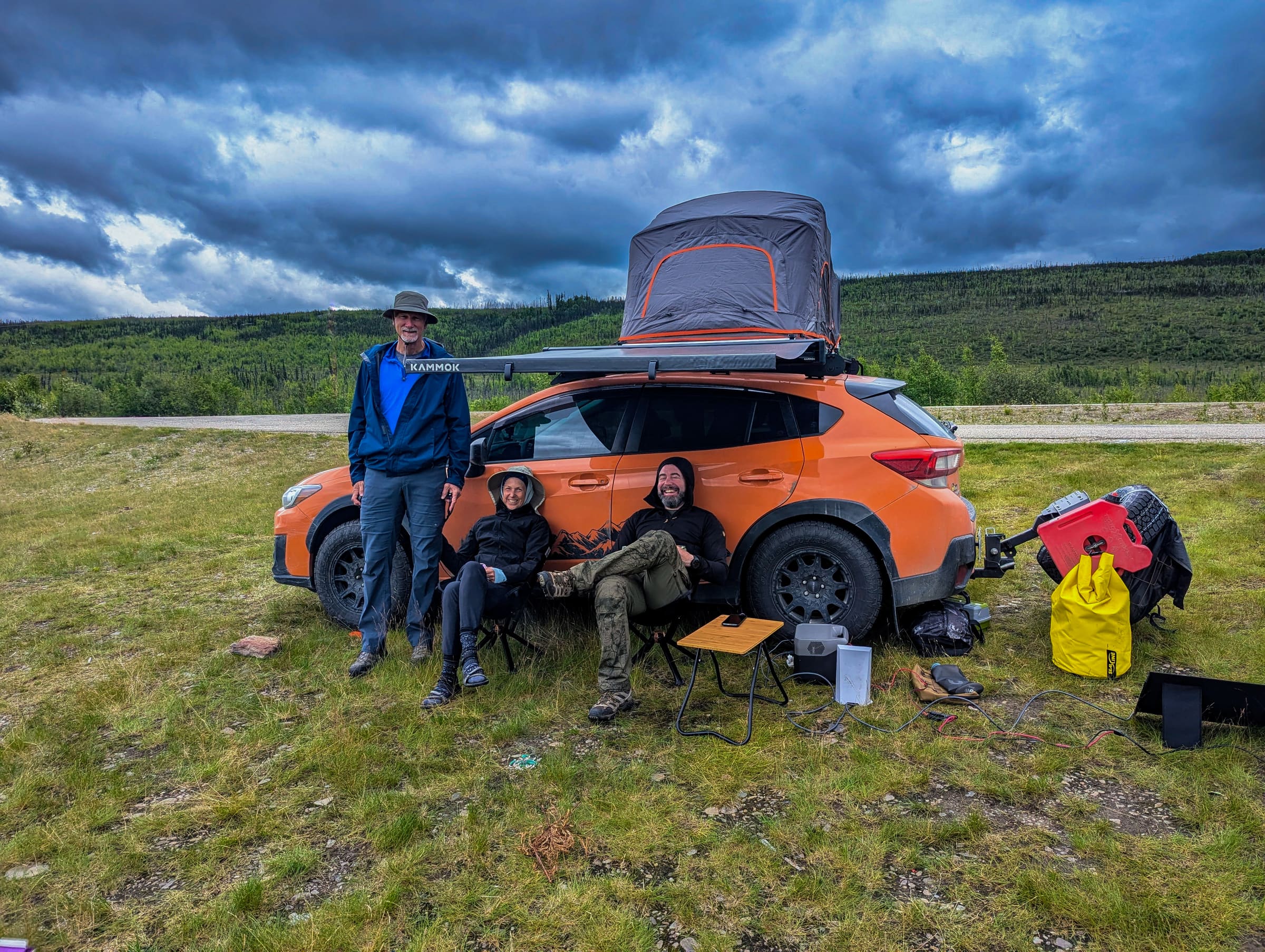
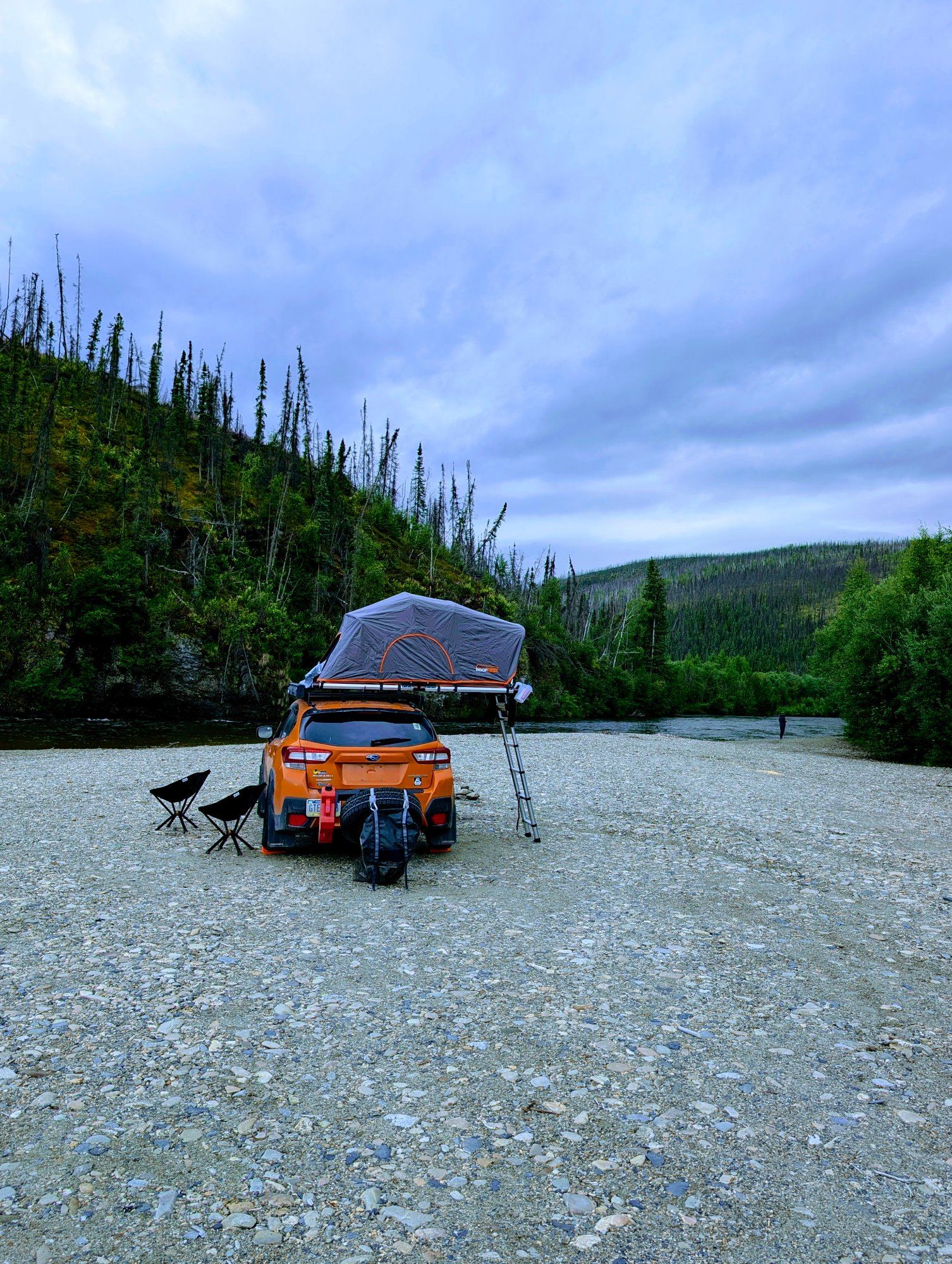
There's a romantic notion about driving your own vehicle to Alaska. It's the ultimate road trip, a pilgrimage across vast landscapes, often via the legendary Alaska Highway (also known as the Alcan). For many couples, families, and retirees, the idea of bringing their familiar comforts and avoiding rental restrictions is highly appealing. You know your vehicle, its quirks, and its capabilities. You can pack exactly what you want, from specific camping gear to your favorite coffee maker, without worrying about rental company inventory.
The Epic Journey: Time and Distance
The first, and perhaps most significant, consideration for driving your own rig is the sheer distance. From the Lower 48, the drive to Alaska often covers thousands of miles, depending on your starting point. This translates to at least 5-7 full days of driving, often more if you plan to enjoy the scenery along the way. For a typical two-week Alaska exploration, this means your total trip duration stretches to three weeks or more, just to account for the drive north and back. This extended travel time is a major factor in your overall alaska road trip planning.
Vehicle Preparation: More Than Just a Tune-Up
Driving the Alaska Highway, while largely paved, still presents unique challenges. Sections can be rough, and services are often sparse. Before you even consider leaving your driveway, your vehicle needs to be in top condition. This means:
- Thorough Mechanical Inspection: Brakes, fluids, belts, hoses, and suspension should be checked by a trusted mechanic.
- Tires: Good quality, all-season or all-terrain tires are essential. Consider a full-sized spare, not just a donut, and know how to change it.
- Emergency Kit: Beyond standard roadside gear, think about extra fuel, a tire repair kit, jumper cables, a first-aid kit, satellite communication device (cell service is spotty), and plenty of water and non-perishable food. Our guide on an essential Alaska road trip emergency kit offers a comprehensive list.
- Documentation: Passport, vehicle registration, proof of insurance, and any necessary permits for crossing the Canadian border. Our Canadian border crossing guide provides crucial details.
The wear and tear on your vehicle from thousands of miles of driving, potentially on gravel roads or through construction zones, is a real cost that often goes overlooked in initial budget calculations.
The Practicalities of Renting a Camper in Alaska
For those with limited time or a desire to avoid the long drive through Canada, flying directly into Alaska and renting a camper is an attractive alternative. Anchorage and Fairbanks are the primary hubs for RV and camper van rentals, offering a range of options from compact campervans to larger Class C motorhomes.
Convenience and Focus
The biggest advantage of renting is convenience. You fly into Alaska, pick up your fully outfitted vehicle, and immediately begin your exploration of the state. This means more time spent enjoying Alaska's scenery and attractions, and less time on the road getting there. It's a popular choice for those who want to maximize their time within Alaska's borders.
Understanding Rental Costs and Availability
While convenient, renting a camper comes with its own set of financial and logistical considerations:
- Daily Rates: These vary significantly by vehicle size, age, and season. Peak summer (June-August) will see the highest rates.
- Mileage Fees: Most rentals include a certain number of free miles, but you'll pay extra for anything over that. Given the distances in Alaska, these fees can add up quickly.
- Insurance: Your personal auto insurance may not cover RV rentals, so you'll likely need to purchase additional coverage through the rental company or a third-party provider.
- Provisioning Kits: Kitchenware, bedding, and other essentials often come as an extra package fee.
- Generator Hours: Many RVs have generators for power when not hooked up to shore power. These often have an hourly usage fee.
- Booking in Advance: Alaska's rental fleet is finite, especially for campers and RVs. During the summer, demand far outstrips supply, meaning you need to book 6-12 months in advance to secure a vehicle and get reasonable rates.
It's also important to remember what your Alaska RV rental does not plan for you. While the vehicle is provided, the itinerary, campsite bookings, and activity reservations are still your responsibility.
Cost Breakdown: Driving Your Own vs. Renting
Let's dive into the numbers. This is where many travelers find themselves surprised, as the perceived savings of driving your own rig can quickly evaporate when all factors are considered. For the purpose of this comparison, let's assume a 14-day trip within Alaska, plus the travel time to get there and back for your own rig.
Driving Your Own Rig: The Full Financial Picture
When you drive your own vehicle, you're absorbing costs that are often hidden in your daily life but become very apparent on a long road trip:
- Fuel: This is a major variable cost. An 8,000-mile round trip for a vehicle averaging 15 MPG would consume approximately 533 gallons of fuel. Given the variability and generally higher prices in remote areas and Canada, this can amount to a substantial portion of your budget. The U.S. Energy Information Administration (EIA) provides historical and projected fuel price data, which can help in refining these estimates.
- Depreciation: Driving 8,000 miles puts significant wear on your vehicle. According to AAA's annual "Your Driving Costs" report, depreciation is a major component of vehicle ownership costs, and a long trip accelerates this.
- Maintenance & Repairs: Pre-trip tune-ups, oil changes, tire rotations, and potential unexpected repairs on the road add up. Budget for preventative maintenance and a contingency fund. AAA also provides data on average maintenance costs per mile, highlighting the financial impact of extensive driving.
- Lodging/Camping En Route: Unless you're fully self-contained and boondocking every night, you'll incur costs for hotels or campgrounds during your drive through Canada.
- Food & Supplies: While you might save on restaurant meals by cooking, the cost of groceries for an extended trip, especially in remote areas where prices are higher, is substantial.
Renting a Camper: The Upfront Costs
When you rent, many of the vehicle-related costs are bundled, but new expenses arise:
- Flights to Alaska: This is a major cost. Round-trip flights to Anchorage or Fairbanks can be a significant expense, varying greatly depending on your origin and booking time.
- Camper Rental Rates: For a 14-day rental in peak season (2026 summer), daily rates for a Class C RV can be considerable. These rates fluctuate based on demand and vehicle specifics.
- Mileage Fees: Most rentals include a certain number of free miles, but exceeding this limit will incur additional per-mile charges.
- Insurance: Supplemental rental insurance is often a necessary additional cost.
- Provisioning/Convenience Kits: Fees for kitchenware, linens, and other essentials are common.
- Generator Hours: Some rentals charge for generator usage by the hour.
- Fuel (in Alaska): Fuel costs within Alaska will also be a significant factor, as RVs typically have lower fuel efficiency.
- Campsite Fees: Developed campgrounds in Alaska typically charge a nightly fee, which should be factored into your budget.
Logistical Hurdles and Time Commitments
Beyond the financial aspect, the logistics and time required for each option are critical to consider during your alaska road trip planning.
Driving Your Own Rig: The Long Haul
- Time Off Work: A 3-week trip is a significant commitment.
- Border Crossing: Crossing the Canadian border requires proper documentation. For up-to-date requirements and travel advisories, consult the Government of Canada's official travel information.
- Vehicle Breakdowns: A breakdown in remote areas can lead to significant delays and costly repairs.
- Road Conditions: You'll encounter gravel sections, construction, and frost heaves that can be tough on your vehicle.
Renting a Camper: Streamlined, But Not Without Planning
- Limited Rental Windows: Rental companies have specific pickup and drop-off times.
- Learning a New Vehicle: Driving an unfamiliar RV can be intimidating for some.
- Campsite Reservations: Popular campgrounds, especially in Denali National Park, book up months in advance.
- One-Way Rentals: While possible between Anchorage and Fairbanks, one-way rentals are often very expensive and subject to availability.
Comfort, Flexibility, and Experience
The intangible aspects of your trip also play a role in your decision. There's an undeniable comfort in your own vehicle, but rental campers offer modern amenities and the peace of mind that comes with a well-maintained, professional fleet.
Making the Right Choice for Your Alaska Road Trip Planning
So, which option is right for you? It boils down to your priorities:
- Choose to Drive Your Own Rig if:
- You have ample time (3+ weeks for the entire trip).
- Your vehicle is reliable and well-maintained.
- You enjoy the journey as much as the destination.
- You want to save on flight costs for multiple travelers.
- You prefer the familiarity and unrestricted packing of your own vehicle.
- Choose to Rent a Camper if:
- You have limited time (2 weeks or less for the entire trip).
- You prefer to maximize your time exploring within Alaska.
- You want to avoid the wear and tear, maintenance, and potential breakdown stress on your personal vehicle.
- You are comfortable with the higher upfront costs of flights and rental fees.
- You are diligent about booking well in advance.
Beyond the Vehicle: Your Alaska Road Trip Itinerary
Regardless of whether you drive your own rig or rent a camper, the vehicle is just one piece of the puzzle. The real magic of an Alaska road trip lies in the itinerary itself. Even with the vehicle decided, the real work of planning your daily route, lodging, and activities in Alaska can be overwhelming, especially with dynamic factors like the 2026 Denali Park Road mile 43 closure.
Here at Alaska Road Trip, we specialize in taking that planning burden off your shoulders. Our founder, having driven thousands of Alaska miles across multiple seasons, hand-builds custom day-by-day Alaska road trip itineraries tailored to your interests, pace, and budget. We provide concrete Alaska details, recommending lodging and activities with direct booking links, so you can secure your reservations easily. We don't book flights, cars, lodging, or activities for you, but we give you all the tools and information you need to do so efficiently.
Our itineraries reflect current-season research, ensuring you have the most up-to-date information for your 2026 trip. We offer flat one-time fees: Lite ($97 for 1-5 days), Standard ($197 for up to 14 days), and Plus ($297 for 15+ days). For those who want an extra layer of personalized guidance, Alaska Road Trip's Concierge service ($497) adds a 30-minute live call with our founder. All itineraries are delivered as printable, offline-ready PDFs within 3-5 business days, with 1-2 revision rounds included. We're so confident in our service that we offer a 14-day money-back guarantee, full refund, no questions asked.
Frequently Asked Questions
How long does it take to drive to Alaska from the Lower 48?
The drive to Alaska typically takes 5-7 full days of driving, covering 3,000 to 4,000 miles from the contiguous United States. This doesn't include time for sightseeing or rest days along the way, so plan for at least 7-10 days for the one-way journey, and double that for a round trip.
What are the main costs of an Alaska camper rental?
The primary costs for an Alaska camper rental include the daily rental rate, mileage fees, insurance, provisioning kits, and fuel. Don't forget the cost of flights to Alaska and campground fees once you're there.
Is it cheaper to drive my own RV or rent one in Alaska?
While driving your own RV might seem cheaper initially, a comprehensive cost analysis often shows that the total expense can be comparable to renting a camper once you factor in fuel for the long drive, accelerated vehicle depreciation, maintenance, and lodging en route.
What's the best time for an Alaska road trip?
The best time for an Alaska road trip is generally during the summer months, from late May through early September. July and August offer the warmest weather and longest daylight hours, but also the highest demand.
Ready to Plan Your Unforgettable Alaska Road Trip?
Whether you decide to brave the Alcan in your own trusted rig or fly in and pick up a ready-to-go camper, the adventure of an Alaska road trip awaits. The choice between driving your own vehicle and renting a camper is a personal one, influenced by your budget, time, and comfort level with logistics. But one thing is certain: a well-planned itinerary is the key to unlocking the best of Alaska. Let Alaska Road Trip take the stress out of your alaska road trip planning, providing you with a custom, day-by-day guide so you can focus on making memories. Visit our website today to explore Alaska Road Trip's itinerary planning services and start building your dream Alaska adventure for 2026.

See a real Alaska itinerary before you spend a dollar
A real 3-day plan with driving times, lodging picks, and a daylight chart — free, in your inbox.
One email. No spam. Unsubscribe anytime. Or view it right now — no email needed ↗
Ready for the full plan? Get your custom itinerary — from $197 · 5-day delivery →