Welcome to our comprehensive alaska train rental car guide for 2026. As you plan your vacation to the Last Frontier, one of the most critical decisions you face is how to navigate the state's vast landscapes. Should you relax in a glass-domed railcar, or grab the keys to a rental vehicle and chart your own course? For many travelers, the choice between riding the rails and driving the open road defines the entire pace of their Alaskan adventure.
Alaska's primary tourism corridor stretches from the coastal towns of Seward and Whittier in the south, through Anchorage, and up to Denali and Fairbanks in the north. Both the Alaska Railroad and the state's highway system service this corridor, but they offer vastly different experiences. Understanding the pros, cons, logistical realities, and route-specific recommendations will help you make the best transportation decision for your 2026 itinerary.
The Alaska Railroad Experience: Scenic, Relaxing, and Historic
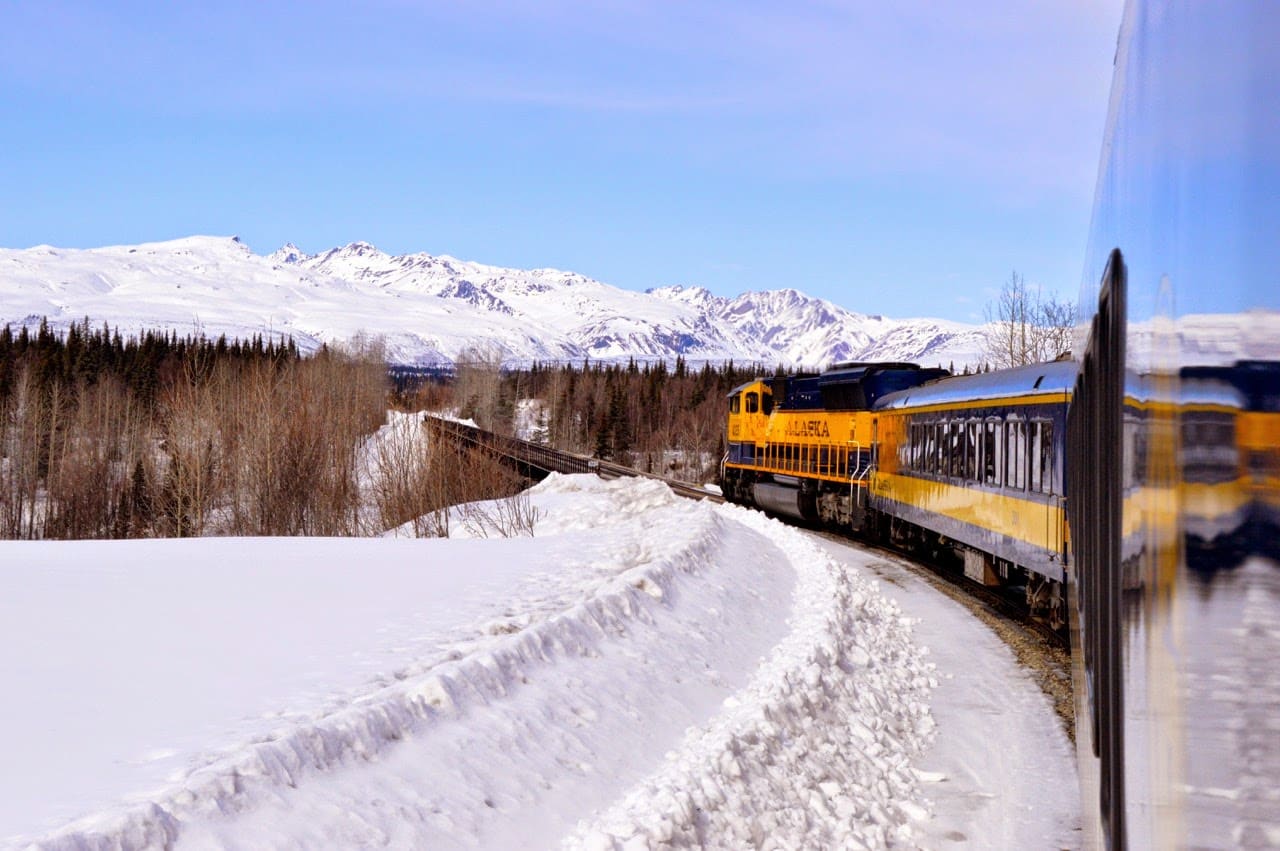
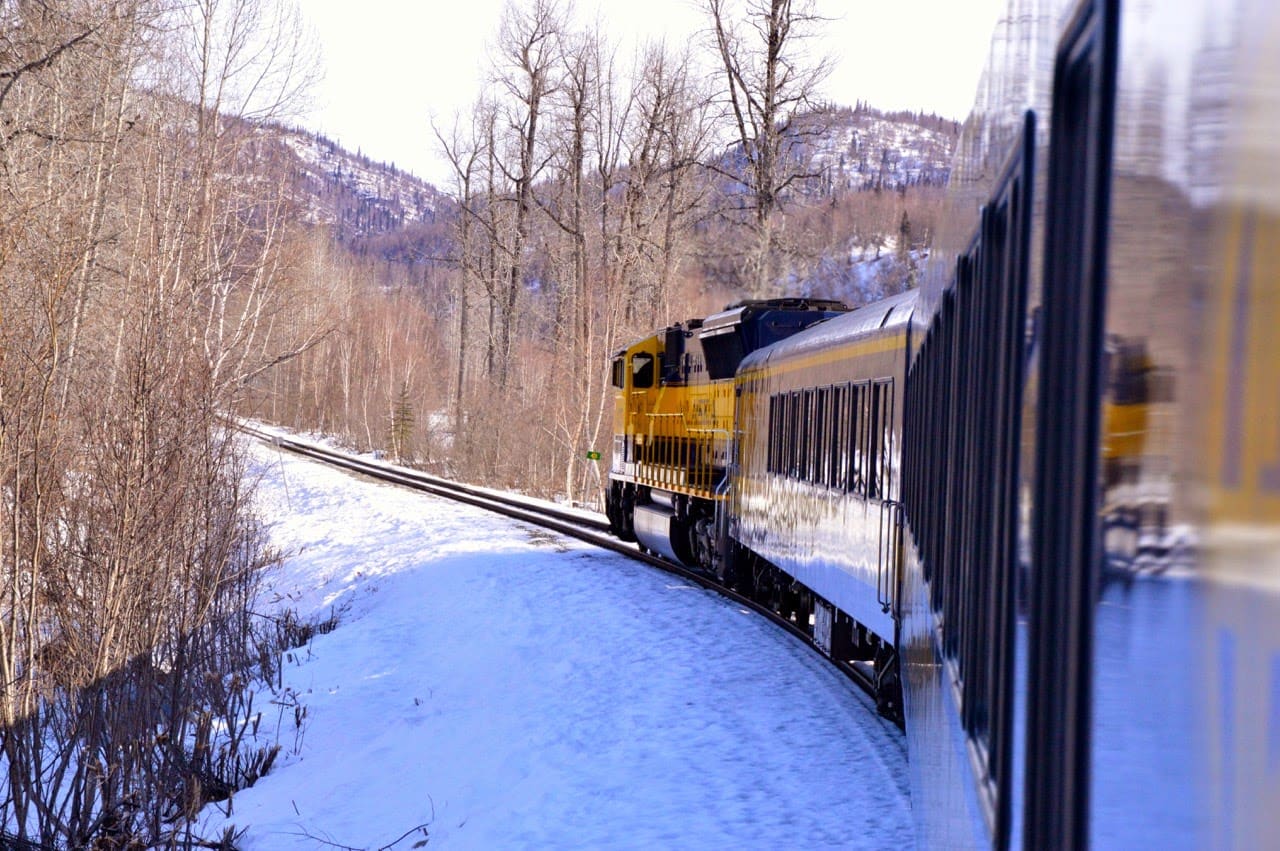
Taking the train in Alaska is a marquee attraction in its own right. The Alaska Railroad operates passenger service from mid-May through mid-September, aligning with the peak summer travel season. For those who want to sit back and watch the wilderness roll by without worrying about navigation, the train is an exceptional choice.
Pros of Taking the Train
- Unmatched Scenery: The train tracks often diverge from the highway system, taking passengers through remote backcountry areas. For example, the route south of Anchorage passes through the Placer River Valley and offers exclusive views of Spencer Glacier.
- Stress-Free Travel: You do not have to worry about navigating unfamiliar roads, dealing with summer construction delays, or keeping an eye out for wildlife darting across the highway.
- Onboard Amenities: Passengers can choose between Adventure Class and GoldStar Service. GoldStar features glass-dome ceilings, an upper-level outdoor viewing platform, and inclusive dining. You can learn more about these service classes on the Alaska Railroad's flagship routes page.
Cons of Taking the Train
- Fixed Schedules: The train runs on a strict daily timetable. If you want to spend an extra hour at a scenic viewpoint, the train will not wait.
- Higher Costs for Groups: Train tickets are priced per person. For a family of four, purchasing round-trip GoldStar tickets can quickly add up.
- Limited Mobility at Destinations: Once you arrive in a town like Seward or Talkeetna, you will be reliant on walking, hotel shuttles, or local taxis to get around.
The Rental Car Experience: Freedom, Flexibility, and Spontaneity
For independent travelers, renting a car is often the preferred choice. Alaska's road system connects the most popular destinations with well-maintained, paved highways. Driving allows you to dictate your own schedule, which is invaluable when the midnight sun provides nearly 24 hours of daylight in the peak of summer.
Pros of Renting a Car
- Ultimate Flexibility: A rental car allows you to pull over at scenic turnouts, hike a spontaneous trail, or stop for lunch at a roadside roadhouse whenever you please.
- Cost-Effective for Families: While 2026 rental car rates remain premium during the summer months, a single vehicle can often be a more budget-friendly option than purchasing individual train tickets for larger groups.
- Access to Off-the-Beaten-Path Spots: A car lets you explore areas outside the immediate vicinity of the train depots, such as the historic mining town of Independence Mine at Hatcher Pass or the coastal community of Homer.
Cons of Renting a Car
- Driver Fatigue: Distances in Alaska are deceivingly long. The driver must stay alert for wildlife and navigate winding mountain passes.
- Summer Road Construction: Because road work can only happen during the brief summer months, construction delays are common. Travelers should always check the Alaska Department of Transportation's 511 system for current road conditions and delays.
- Rental Shortages: Alaska frequently experiences rental car shortages. Securing your reservation six to nine months in advance helps guarantee availability and lock in reasonable rates.
Route-by-Route Breakdown: Train vs. Car
To truly understand which option is best, you have to look at the specific routes you plan to travel. The experience of driving versus taking the train varies wildly depending on whether you are heading north to the interior or south to the coast.
Anchorage to Seward (Southbound)
The journey from Anchorage to Seward is widely considered one of the most beautiful travel corridors in the world. If you drive, you will take the Seward Highway, a designated All-American Road. Driving allows you to stop at Beluga Point to look for whales, visit the Alaska Wildlife Conservation Center, and take a detour to Portage Glacier. For a detailed breakdown of stops, check out our comprehensive Seward Highway guide.
However, the train (the Coastal Classic route) is arguably even more spectacular. After passing the town of Girdwood, the tracks veer away from the highway and plunge into the Chugach National Forest, offering views of alpine valleys and glaciers that drivers simply cannot see. If you only take the train once during your trip, this is the route to choose.
Anchorage to Denali and Talkeetna (Northbound)
Heading north, the dynamic changes. The drive from Anchorage to Denali National Park takes roughly 4.5 to 5 hours on the Parks Highway. It is a straightforward, highly scenic drive that offers numerous pull-offs with views of Denali on clear days. Having a car in the Denali area is highly advantageous for accessing restaurants, nearby trails, and your lodging, as the park entrance area is spread out over several miles. For more details on this route, read our guide on driving from Anchorage to Denali.
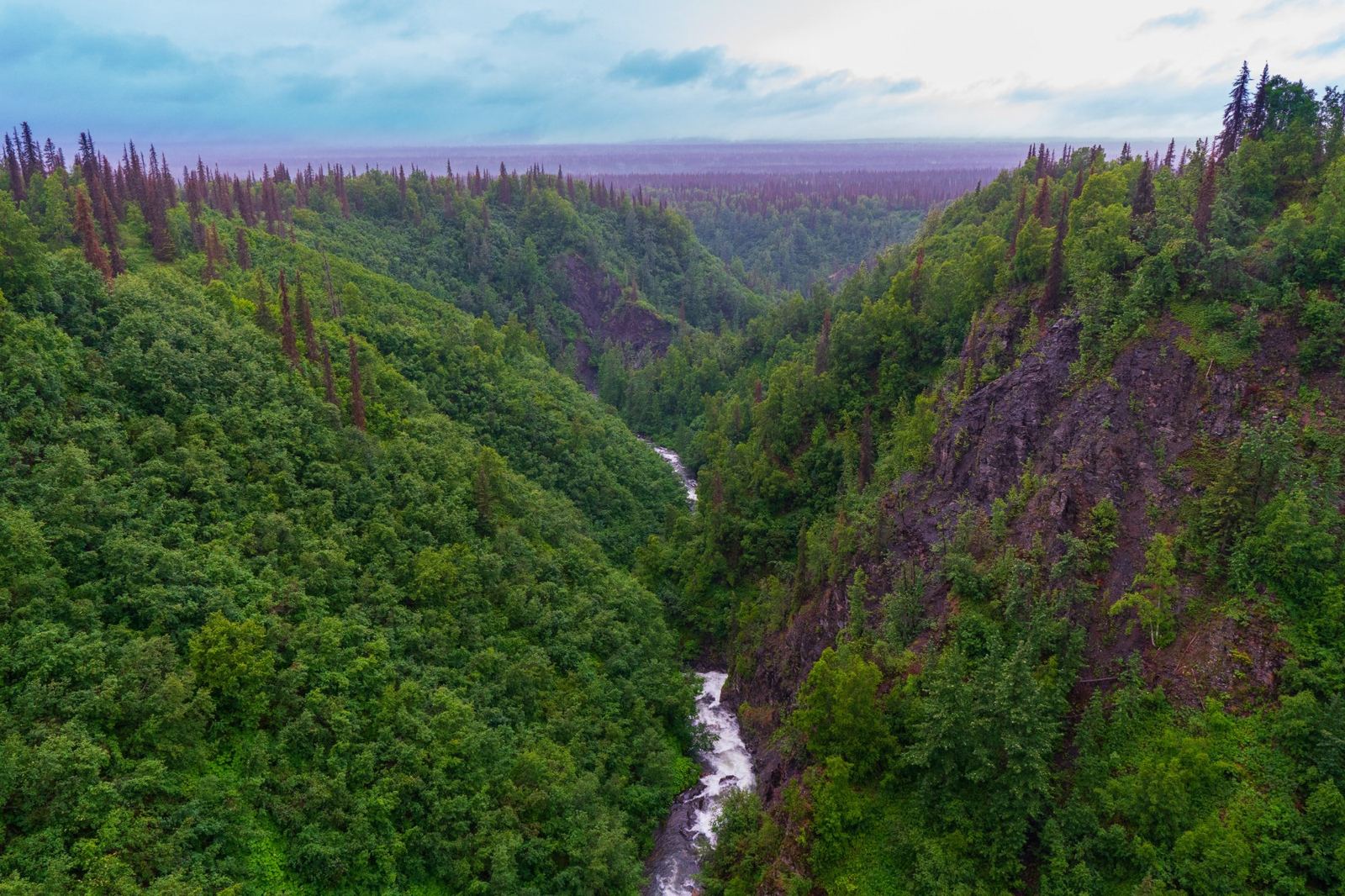
The train (the Denali Star route), on the other hand, takes nearly 8 hours to cover the same distance. While the journey is relaxing and features the stunning crossing of Hurricane Gulch, the extended travel time eats into your vacation. Furthermore, once you arrive at Denali, you will be restricted to the park's shuttle system and local hotel buses. It is important to note that private vehicles are heavily restricted inside the park itself; you can review the National Park Service guidelines for Denali to understand where cars are permitted versus where you must use a park bus.
Whittier and Cruise Connections
If you are arriving in or departing from Alaska via a cruise ship, you will likely pass through Whittier or Seward. Whittier is unique because it is accessed via the Anton Anderson Memorial Tunnel, a one-lane tunnel shared by both cars and trains. Coordinating a rental car drop-off in Whittier can be logistically challenging and expensive due to high one-way drop fees. Taking the train directly from the Anchorage airport to the Whittier cruise terminal is often the most seamless way to handle an Alaska cruise add-on.
The Hybrid Approach: The Best of Both Worlds
When consulting an alaska train rental car guide, you will notice that experienced travel planners often combine transportation methods. The "hybrid approach" is frequently the secret to a well-rounded Alaska itinerary.
A popular 2026 hybrid itinerary looks like this: Arrive in Anchorage and take the Coastal Classic train south to Seward. Spend a few days enjoying boat tours of Kenai Fjords National Park and exploring the coastal town on foot. Then, take the train back to Anchorage, pick up a rental car, and drive north to Talkeetna and Denali. This strategy gives you the exclusive backcountry scenery of the southern train route, while preserving the flexibility and speed of a car for the northern interior.
Frequently Asked Questions
Is it cheaper to rent a car or take the train in Alaska?
For solo travelers or couples, taking the train can sometimes be comparable to renting a car and paying for gas, especially if you stick to Adventure Class seating. However, for families or groups of three or more, renting an SUV or minivan can often provide better overall value compared to purchasing multiple round-trip train tickets.
Can I rent a car in one city and drop it off in another?
Yes, one-way car rentals are available, particularly between Anchorage and Fairbanks, or Anchorage and Seward. However, rental agencies typically charge one-way drop fees, which can add significant costs to your total bill. It is usually more economical to plan a "hub and spoke" itinerary where you pick up and return the car in Anchorage.
How far in advance should I book my transportation?
Alaska's visitor numbers continue to surge, and capacity is limited. For peak summer travel, you should aim to book your rental car or train tickets six to nine months in advance. If you are planning a last-minute 2026 trip, flexibility is key, but for future seasons, booking by November or December of the prior year is highly recommended to avoid sold-out premium train classes and limited rental car availability.
Do I need a 4WD vehicle if I rent a car?
If you are sticking to the primary tourism corridors (the Seward, Parks, Glenn, and Richardson highways), a standard 2WD sedan is perfectly fine for summer travel. All major highways are fully paved. You generally only need 4WD or AWD if you plan to drive remote gravel routes like the Dalton Highway or the Denali Highway, which most standard rental contracts prohibit anyway.
Start Planning Your 2026 Alaska Adventure
We hope this alaska train rental car guide has illuminated the distinct advantages of both riding the rails and driving the open road. Whether you crave the historic charm and panoramic domes of the Alaska Railroad, the unbridled freedom of a rental car, or a carefully crafted combination of both, the key to a successful trip is early preparation. Ready to turn these ideas into a concrete itinerary? Let our experts help you plan your trip today, ensuring your 2026 vacation is perfectly tailored to your travel style and budget.

See a real Alaska itinerary before you spend a dollar
A real 3-day plan with driving times, lodging picks, and a daylight chart — free, in your inbox.
One email. No spam. Unsubscribe anytime. Or view it right now — no email needed ↗
Ready for the full plan? Get your custom itinerary — from $197 · 5-day delivery →