Alaska. The very name conjures images of vast wilderness, majestic mountains, and incredible wildlife. For many, the dream of exploring this incredible state in a camper van represents the ultimate freedom – a mobile basecamp to chase the midnight sun, witness glaciers calve, and spot iconic creatures in their natural habitat. However, with this unparalleled access to nature comes a profound responsibility: understanding and respecting its most powerful inhabitants, the bears.
While the thought of a bear encounter might send shivers down your spine, proper preparation and knowledge can transform potential risks into manageable realities. It's a common misconception that simply sleeping in a hard-sided camper van makes you impervious to bear interest. While certainly safer than a soft-sided tent, a van full of enticing food odors, an open slider door during meal prep, or unsecured waste can quickly turn your mobile sanctuary into a target. This guide will equip you with the essential strategies for bear proofing your camper van for Alaska adventures, ensuring a safe and unforgettable journey.
Understanding Alaska's Bears: Your First Line of Defense
Alaska is home to three species of bears: black bears, brown bears (grizzlies), and polar bears. While polar bears are confined to the Arctic coast, black and brown bears are prevalent throughout the road system and wilderness areas you'll explore. Each species has distinct characteristics, but all are powerful, intelligent, and driven by an insatiable search for food.
- Black Bears: Generally smaller and less aggressive than brown bears, black bears are often found in forested areas. They are opportunistic omnivores, highly attracted to human food and garbage.
- Brown Bears (Grizzlies): Larger and potentially more dangerous, brown bears inhabit a wider range of habitats, from coastal areas to alpine tundra. They are powerful predators but also scavenge and forage extensively.
The key takeaway? All bears are wild animals. They are not pets, and their behavior is unpredictable. Your primary goal is to avoid attracting them in the first place. A bear that learns to associate humans with food is a bear that is often relocated or, tragically, euthanized. Your actions directly contribute to bear safety and conservation.
The Camper Van Advantage: Hard-Sided, Not Invincible
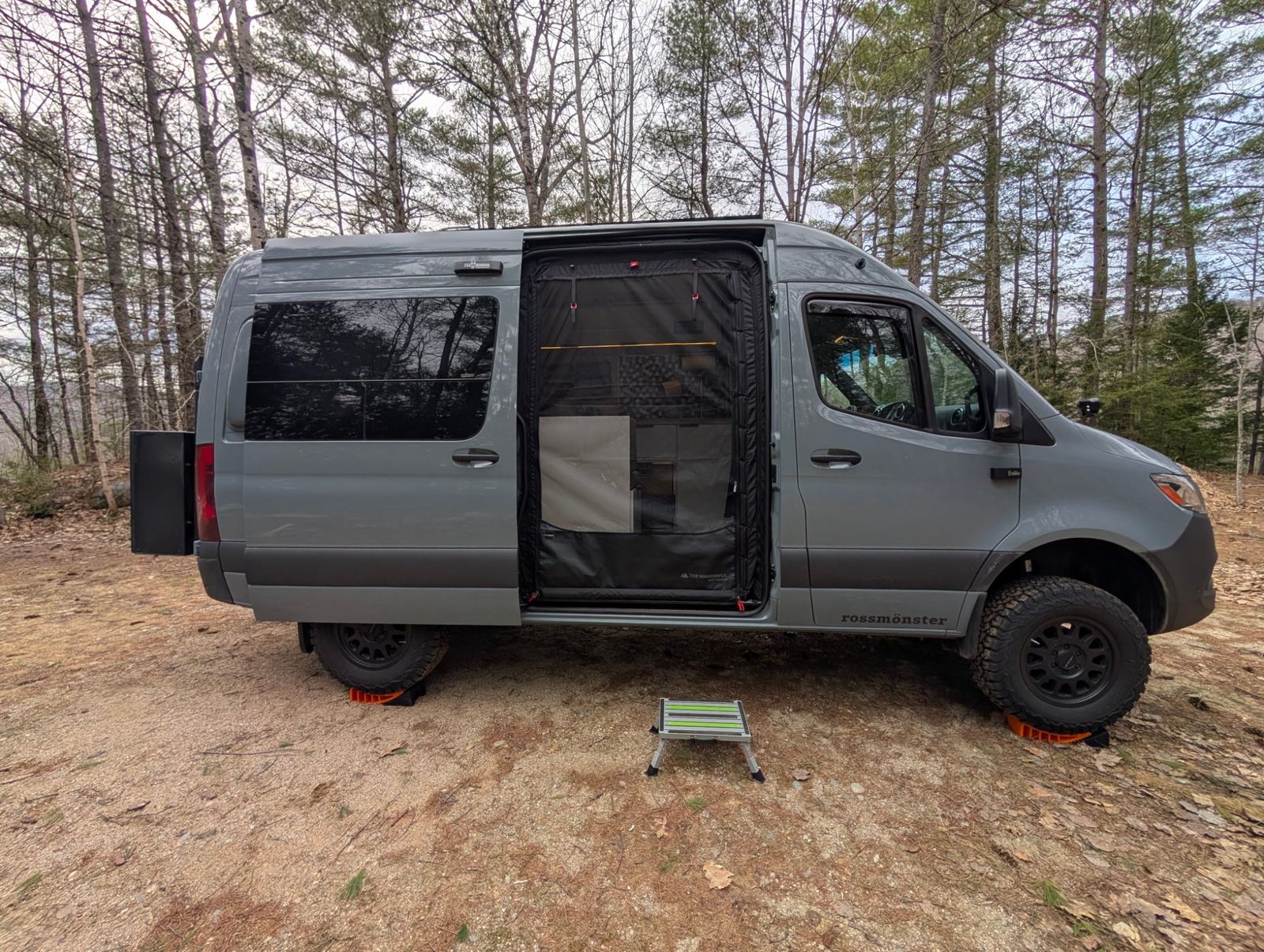
A camper van offers significant advantages over tent camping in bear country. Its hard walls provide a physical barrier, and its ability to lock up securely is a major deterrent. However, this doesn't grant you immunity. Bears have an incredible sense of smell – far superior to a bloodhound's – and can detect food from miles away. They are also incredibly strong and persistent. A flimsy latch or an unsealed window is no match for a determined bear.
The biggest vulnerability for camper vans often arises from human habits: cooking inside with poor ventilation, leaving food or scented items accessible, and improper waste disposal. Addressing these habits is the cornerstone of effective bear proofing.
Ventilation Strategies for Odor Control While Cooking
Cooking is a highlight of any road trip, but in bear country, it's also your biggest attractant. The aroma of sizzling bacon or a simmering stew can travel far and wide, drawing unwanted attention. Here's how to manage it:
Cook Outside Whenever Possible
The golden rule for bear country: if you can cook outside, do it. This keeps strong food odors away from your sleeping quarters. Use a portable stove or grill at a picnic table, ideally downwind from your van. Ensure you clean up immediately and thoroughly after cooking, storing all equipment in a bear-resistant manner.
When Cooking Inside, Maximize Ventilation
Sometimes, weather or regulations necessitate cooking inside your van. When this happens, ventilation is paramount:
- Roof Fan (MaxxAir Fan or similar): This is your best friend. Run it on high, drawing air out of the van.
- Opposing Windows: Open windows on opposite sides of the van to create a cross-breeze, helping to flush odors out. However, be mindful of leaving windows wide open and unattended, especially in areas with known bear activity. Screens offer no protection against a bear.
- Cook Simple, Low-Odor Meals: Opt for meals that produce less lingering aroma. Think quick-boil pasta or sandwiches rather than frying fish or strong-smelling curries.
- Use a Splatter Guard: Minimize food particles and grease from spreading throughout your van.
Immediate and Thorough Cleanup
After every meal, whether cooked inside or out, clean up like your life depends on it – because in bear country, it just might:
- Wash all dishes immediately.
- Wipe down all surfaces (countertops, stove, table) with a damp cloth and a small amount of unscented soap.
- Empty your trash into a bear-resistant container or bag (more on this below).
- Do not leave dirty dishes or food scraps out, even for a moment.
Secure Food Storage: Out of Sight, Out of Smell, Out of Reach
This is arguably the most critical aspect of bear proofing. All food, whether opened or unopened, must be stored securely. This includes pet food, toiletries (which bears can mistake for food due to scents), and even empty food wrappers.
Inside the Van: Locked and Sealed
- Bear-Resistant Containers: For items that might be easily accessible, consider using certified bear-resistant containers (like those from BearVault or Counter Assault). BearVault canisters are certified by the Interagency Grizzly Bear Committee (IGBC), and Counter Assault's Bear Keg is also IGBC certified and approved for National Parks. While primarily designed for backpacking, smaller versions can be useful for high-odor items or snacks.
- Locked Cabinets: Utilize your van's built-in storage. Ensure all cabinet doors and drawers are securely latched or locked. Bears are surprisingly adept at opening simple latches.
- Coolers: If using a cooler, invest in a bear-resistant model (e.g., Yeti, RTIC, Orca) and ensure it's latched shut. Even then, it's best to store it inside the van or a bear box if available.
- No Food in Sleeping Areas: Absolutely no food, snacks, or scented items should be kept in your bed or within easy reach while sleeping.
- Windows and Vents: often close and lock all windows and roof vents when leaving your van unattended or when sleeping. A bear can easily pry open an unlatched window.
Outside the Van: Bear Boxes and Designated Storage
Use them! They are designed specifically to withstand bear attempts. If no bear box is available:
- Vehicle Storage: If you have a separate vehicle (e.g., a tow vehicle or a car accompanying your van), store all food inside its locked trunk or passenger compartment. Ensure windows are rolled up.
- rarely Leave Food Unattended: Even for a few minutes, do not leave food, coolers, or cooking equipment outside your van or vehicle.
Waste Management: The Unsung Hero of Bear Safety
Garbage is a huge attractant. Bears are scavengers and will investigate any potential food source, no matter how unappetizing it seems to us. Proper waste management is non-negotiable.
Trash Storage and Disposal
- Bear-Resistant Trash Bags/Containers: Inside your van, use a sturdy, sealable container for trash. Some custom van builds integrate dedicated, sealed trash compartments.
- Public Bear-Resistant Bins: Utilize public bear-resistant trash cans and dumpsters whenever available. These are common in campgrounds, trailheads, and towns throughout Alaska. Ensure the lid is properly secured after use.
- Pack It Out: If you're in a remote area without bear-resistant bins, you must pack out all your trash. Double-bag it in heavy-duty, odor-proof bags and store it securely inside your van or vehicle, ideally in a sealed container, until you can dispose of it properly.
- Greywater and Blackwater: Dispose of greywater (from sinks) and blackwater (from toilets) only at designated dump stations. Never dump it on the ground, as food particles in greywater can attract bears. For more on responsible waste disposal, refer to the Alaska Department of Fish and Game's guidance on living with bears.
Outdoor Gear and Grills: Cleaning and Securing
It's not just food that attracts bears. Anything with a lingering food odor can pique their interest.
- Outdoor Grills and Stoves: After use, thoroughly clean your portable grill or stove. Burn off any food residue, scrape grates, and wipe down surfaces. Store it inside your van or a secure, bear-resistant compartment. For custom builds, consider integrated, sealed storage for outdoor cooking equipment.
- Coolers: Even empty coolers can retain food odors. Clean them thoroughly with a bleach solution and air them out. Store them securely.
- Camp Chairs and Tables: Wipe down any surfaces that may have come into contact with food.
- Pet Bowls: Don't leave pet food or water bowls outside. Bring them in immediately after your pet finishes eating.
Navigating Campground Rules and Regulations
Rules vary significantly depending on where you are camping in Alaska. often check the specific regulations for your chosen location, as non-compliance can result in fines or even endanger wildlife.
National Parks (e.g., Denali, Kenai Fjords)
National Parks often have the strictest regulations due to high bear populations and visitor numbers. Tent camping in some areas may require bear canisters. Familiarize yourself with their specific food storage orders.
State Parks and National Forests
Regulations in state parks and national forests may be slightly less stringent than National Parks but still emphasize bear-safe practices. Look for signage at trailheads and campgrounds. Many will have bear-resistant trash receptacles and may offer bear boxes. often assume you are in bear country.
Private Campgrounds
Private campgrounds often have their own rules, which may be more relaxed. However, this doesn't mean you should relax your bear-proofing efforts. Bears don't distinguish between public and private land. often practice the same diligent food and waste management.
Dispersed Camping and Boondocking
When dispersed camping (boondocking) outside of established campgrounds, you are entirely responsible for your bear safety. This means carrying out all trash, storing all attractants securely within your locked van, and being extra vigilant. Research the specific area you plan to visit for any local advisories.
Beyond the Van: Personal Safety and Awareness
While bear proofing your van is crucial, your personal safety practices are equally important. For a deeper dive into general bear safety, refer to our comprehensive Alaska Road Trip Bear Safety and Wildlife Viewing Guide.
- Carry Bear Spray: This is a non-lethal deterrent that can save your life in a close encounter. Ensure it's readily accessible (not buried in a backpack), and you know how to use it. Practice deploying it (with an inert training can) before your trip. The National Park Service provides excellent guidance on bear safety and bear spray usage.
- Make Noise: When hiking, especially in dense vegetation, make noise to avoid surprising a bear. Talk, sing, or clap your hands.
- Travel in Groups: Groups are generally safer than solo hikers.
- Be Aware of Your Surroundings: Look for fresh bear sign (tracks, scat, claw marks on trees). Avoid areas with carcasses.
- Never Approach or Feed Wildlife: This cannot be stressed enough. Feeding bears, intentionally or unintentionally, habituates them to humans, leading to dangerous situations. The Alaska Department of Fish and Game offers valuable resources on living with bears.
- Secure Pets: Keep dogs on a leash. An unleashed dog can provoke a bear and lead it back to you.
Planning Your Bear-Safe Alaska Itinerary for 2026
Integrating bear safety into your trip planning from the outset will make your journey smoother and safer. As you plan your trip, consider:
- Route Selection: Research bear activity in the areas you plan to visit. Some regions, like the Kenai Peninsula or areas around Denali, have higher bear populations.
- Campsite Reservations: Book campsites well in advance, especially for peak season (June-August 2026). This ensures you have access to established campgrounds with bear-resistant amenities.
- Seasonal Considerations: Bears are most active during spring (when they emerge from dens) and fall (when they are fattening up for winter). Be extra cautious during these times.
- Emergency Preparedness: often have a backup plan for unexpected situations, including potential wildlife encounters.
Remember, the goal is not to fear bears, but to respect them and understand how to coexist safely in their habitat. By diligently implementing these bear-proofing strategies for your camper van, you'll significantly reduce the risk of unwanted encounters and ensure your Alaska adventure is filled with awe-inspiring moments, not anxiety.
Frequently Asked Questions
What is the most important thing to remember for bear proofing my camper van in Alaska?
This means everything with an odor must be kept inside your locked, hard-sided van, in a bear-resistant container, or a designated bear locker.
Can bears break into a locked camper van?
While a hard-sided, locked camper van is significantly more secure than a tent, a determined bear can cause damage if it smells food inside. Bears have immense strength and can pry open doors, windows, or even rip through thin metal if sufficiently motivated by food odors. The goal is to eliminate the motivation.
Are toiletries considered bear attractants?
Yes, absolutely. Bears are attracted to a wide range of scents, not just food. This includes toothpaste, deodorant, soap, sunscreen, bug spray, and even pet food. Treat all scented items with the same caution as food and store them securely.
What should I do if I see a bear near my camper van?
Remain calm. Do not approach the bear. If the bear has not noticed you, slowly and quietly back away. If it has noticed you, speak in a calm, firm voice, make yourself look as large as possible, and slowly back away. Never run. If the bear approaches, stand your ground and be prepared to use bear spray. For more detailed guidance, consult the USDA Forest Service's bear safety information.
Is it safe to cook inside my camper van in bear country?
It is generally safer to cook outside your van, downwind, and away from your sleeping area. If you must cook inside due to weather or regulations, ensure maximum ventilation (roof fan on high, opposing windows open slightly) and clean up immediately and thoroughly to minimize lingering odors. rarely leave cooking food unattended.
Do I need a bear-resistant cooler for my Alaska trip?
While not strictly mandatory for all areas if you can store your cooler inside a locked, hard-sided vehicle or bear box, a certified bear-resistant cooler offers an extra layer of protection, especially if you need to keep it outside temporarily or in areas without bear boxes. often ensure it's latched properly.
Embark on your ultimate Alaska adventure with confidence, knowing you've taken every step to ensure a safe and respectful journey through bear country. For personalized guidance and expert-crafted itineraries that factor in all aspects of Alaska travel, including wildlife safety, explore the Alaska Travel Itinerary Planning Services offered by Alaska Road Trip. Let us help you create a memorable and secure experience in the Last Frontier.
See a real Alaska itinerary before you spend a dollar
A real 3-day plan with driving times, lodging picks, and a daylight chart — free, in your inbox.
One email. No spam. Unsubscribe anytime. Or view it right now — no email needed ↗
Ready for the full plan? Get your custom itinerary — from $197 · 5-day delivery →