The Ultimate Guide to Alaska Road Trip Wildlife Viewing
Embarking on an alaska road trip wildlife viewing adventure is a bucket-list dream for travelers worldwide. The sheer scale of Alaska's wilderness offers unparalleled opportunities to witness majestic creatures in their natural habitats. However, the excitement of spotting a grizzly bear foraging along the roadside or a massive bull moose grazing in a marsh can quickly lead to dangerous situations if safety protocols are ignored. In this guide, we will explore how to navigate these encounters responsibly, ensuring that your journey through the Last Frontier is both thrilling and safe for you and the wildlife.
When planning your travels, it is essential to understand that Alaska's highways are not just scenic corridors; they are active transportation routes and vital wildlife habitats. Balancing the desire for spectacular photographs with the reality of highway safety and animal conservation is the hallmark of an ethical traveler. By preparing adequately and respecting the rules of the road, your alaska road trip wildlife viewing experience will be both memorable and safe.
The Reality of "Bear Jams" on Alaskan Highways
One of the most common phenomena you will encounter during your travels is the infamous "bear jam." A bear jam occurs when a driver spots a bear near the highway, slows down or stops abruptly, and subsequent drivers do the same. Within minutes, dozens of vehicles can clog a narrow, two-lane highway, creating a massive traffic hazard. On major routes like the Seward Highway or the Glenn Highway, these sudden stops can lead to rear-end collisions, block emergency vehicles, and put pedestrians at extreme risk. Understanding how to handle these situations is a core component of responsible alaska road trip wildlife viewing.
The danger of bear jams is not limited to human traffic. When crowds of people exit their vehicles to get a closer look, they crowd the animal, causing severe stress and altering its natural behavior. To prevent this, we must prioritize safety over the perfect photo. Responsible alaska road trip wildlife viewing requires strict adherence to highway safety rules and a deep respect for the animals we come to see.
Ethical Guidelines for Pulling Over Safely
To ensure your alaska road trip wildlife viewing remains safe for everyone on the road, you must follow strict ethical pulling-over guidelines. If you spot wildlife while driving, your first responsibility is to the flow of traffic, not the animal. Many Alaskan highways have high speed limits and limited visibility around curves, making sudden stops incredibly dangerous.
- Avoid stopping in the driving lane: Stopping directly on the highway is extremely hazardous. On winding Alaskan roads, blind curves and high speed limits mean oncoming traffic may not see a stopped vehicle until it is too late.
- Pull completely off the highway: If you must stop, ensure your entire vehicle is parked safely to the right of the white fog line in a designated pullout or a wide shoulder, leaving the driving lane completely clear.
- Signal your intentions: Use your turn signals early to alert drivers behind you that you are slowing down to pull over. Once safely parked, turn on your hazard lights.
- Stay inside your vehicle: Your car acts as an excellent blind and a protective barrier. Animals are accustomed to the shape and sound of vehicles, but the moment a human door opens and a person steps out, the animal's behavior changes. Remaining inside your vehicle is a fundamental rule of ethical alaska road trip wildlife viewing.
By practicing these habits, you protect yourself, other drivers, and the wildlife. If you cannot pull over safely, the best course of action is to keep driving and enjoy the fleeting view. There will be plenty of other opportunities along your route.
Keep Your Distance: The Power of Long Lenses
When planning your alaska road trip wildlife viewing itinerary, investing in the right camera gear is essential.
To capture stunning images without encroaching on these safe zones, you must rely on telephoto lenses. A lens with a focal length of at least 300mm (or 400mm+ for cropped sensors) allows you to fill the frame with the animal while remaining at a safe, respectful distance. If you do not own high-end camera gear, a pair of quality binoculars or a spotting scope can provide an equally immersive viewing experience. Remember, if your presence causes an animal to change its behavior—such as stopping feeding, looking directly at you, or moving away—you are too close. Maintaining this distance is a cornerstone of sustainable alaska road trip wildlife viewing.
Stepping Away from the Vehicle: Essential Bear Safety Gear
An essential part of any alaska road trip wildlife viewing excursion involves stepping away from your vehicle to explore hiking trails, scenic viewpoints, or historical sites. When you leave the safety of your car, you enter bear country, and you must be prepared. Before you set out, make sure you review our comprehensive Alaska road trip packing list to ensure you have all the necessary outdoor gear.
Chief among these items is bear spray. Bear spray is a non-lethal deterrent containing capsicum derivatives that temporarily disable a bear's ability to see, smell, and breathe, giving you time to escape. However, carrying bear spray is only effective if it is immediately accessible. Do not pack your bear spray inside your backpack; instead, wear it on a hip holster or a chest harness. You should be able to draw and deploy the spray in under two seconds. Additionally, ensure you know how to use it: practice removing the safety clip and understand the range and wind conditions required for effective deployment.
Other essential safety gear includes noise-making devices (such as your own voice, as bear bells are often ineffective in dense brush or near rushing water) and bear-resistant food containers if you plan on backpacking or picnicking. For more detailed advice on staying safe on the trail, consult our guide on wildlife safety in Alaska. Being prepared ensures that your alaska road trip wildlife viewing stops remain safe and enjoyable.
Understanding Bear Behavior: Black Bears vs. Grizzly Bears
Understanding the species you might encounter during your alaska road trip wildlife viewing journey can save your life. Alaska is home to both black bears and brown bears (grizzlies). Knowing how to identify them and understanding their distinct behaviors is critical for any traveler.
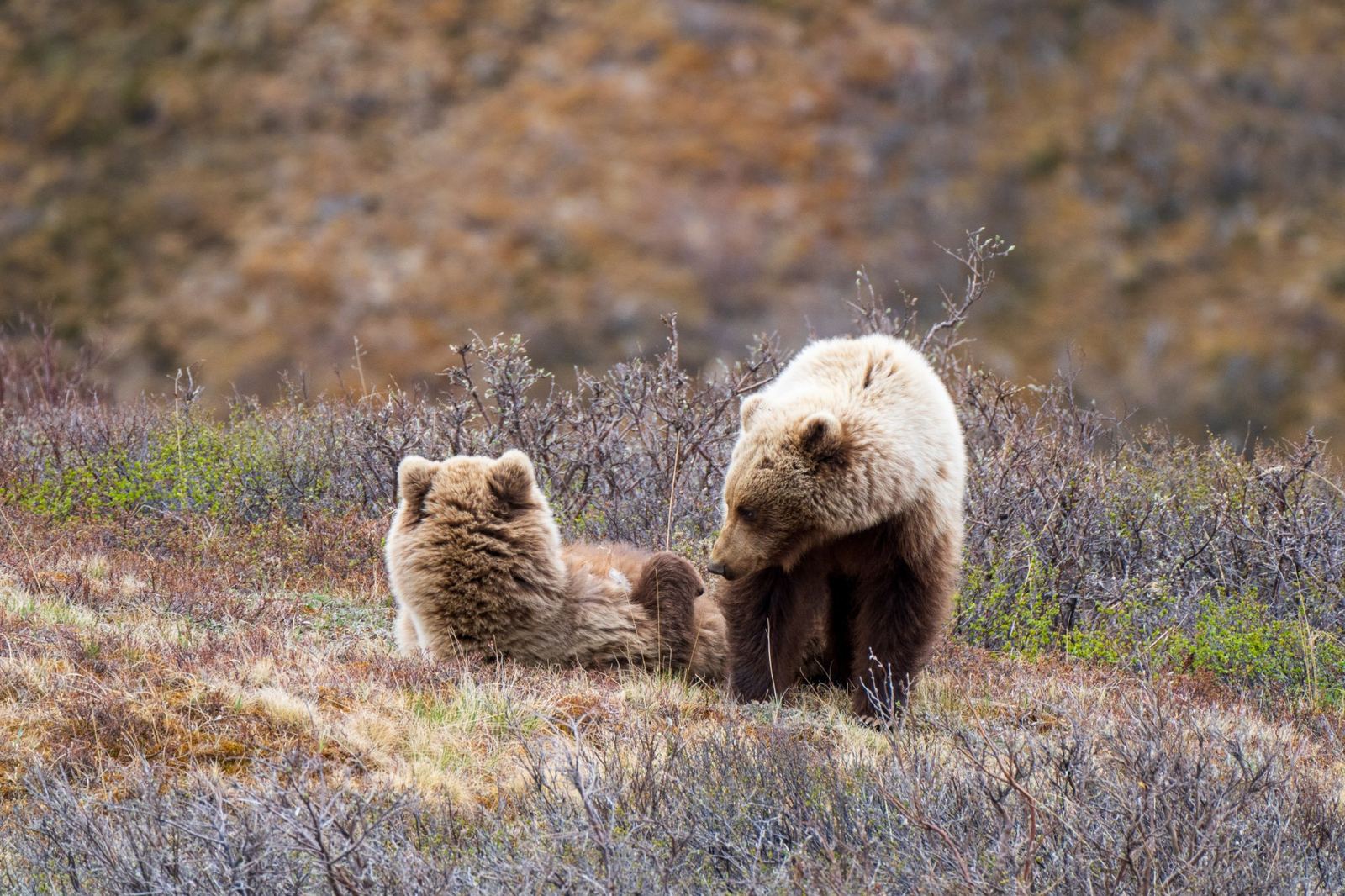
Black bears are typically smaller, have a straight facial profile, and lack a prominent shoulder hump. They are excellent climbers and are often found in forested areas. Grizzly bears, on the other hand, are characterized by a distinct shoulder hump of muscle, a dished (concave) facial profile, and much larger claws. They are commonly found in open tundra, river valleys, and coastal areas. This distinction is vital because the two species react differently to human encounters.
If you encounter a bear while hiking, your reaction should depend on the species and the bear's behavior. In a non-defensive encounter (where a bear is curious or seeking food), stand your ground, speak in a calm, assertive voice, and make yourself look as large as possible. If a grizzly bear charges defensively (often because you surprised it or it is protecting cubs or food), do not run. Stand your ground and prepare to use your bear spray. If it makes contact, drop to your stomach, clasp your hands behind your neck, and use your elbows and toes to remain face down. If a black bear attacks, however, you should fight back with everything you have, focusing on the bear's face and nose. Knowing these differences adds an exciting and safe dimension to your alaska road trip wildlife viewing plans.
Planning Your Route for Safe Wildlife Viewing
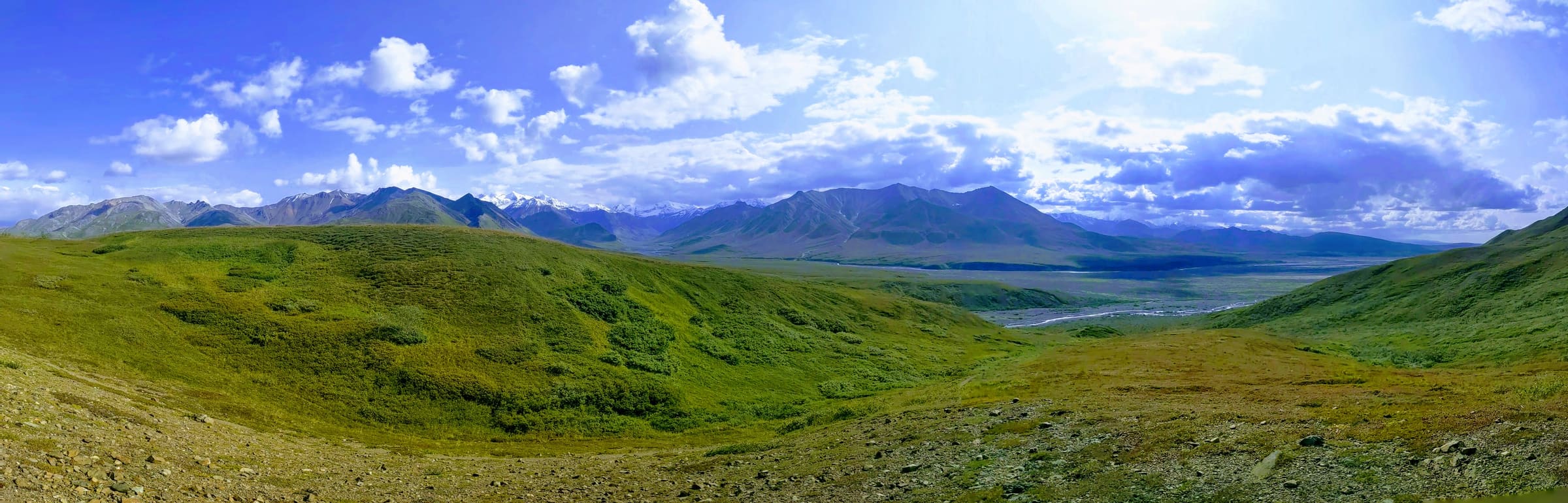
To maximize your chances of safe and spectacular wildlife sightings, it is vital to plan your trip to Alaska with wildlife habitats in mind. Different regions of the state offer unique viewing opportunities at different times of the year. For instance, driving along the Kenai Peninsula offers excellent chances to spot moose, bald eagles, and black bears, while the interior highways are prime territory for caribou and grizzly bears.
If you are navigating the interior, the road to Denali National Park is famous for its "Big Five": grizzly bears, moose, caribou, Dall sheep, and wolves. According to Denali National Park safety recommendations, visitors should always utilize the park's transit buses for wildlife viewing inside the park, as this minimizes private vehicle traffic and reduces stress on the local wildlife populations. When planning your daily driving schedules, keep in mind that wildlife is most active during the crepuscular hours—dawn and dusk. Driving carefully during these times not only increases your chances of spotting animals but also reduces the risk of a high-speed collision with a moose, which can be catastrophic for both the vehicle occupants and the animal.
Frequently Asked Questions
Is bear spray allowed in rental cars?
Yes, bear spray is generally allowed in rental cars, but it must be handled with extreme care. According to the National Park Service bear safety protocols, bear spray canisters are highly pressurized and can explode if exposed to direct sunlight or temperatures exceeding 120°F (49°C). An explosion inside a vehicle can cause severe damage to the interior and release debilitating chemical fumes. When driving, store the canister in a secure, cool location inside the vehicle cabin—such as a passenger footwell out of direct sunlight—rather than the trunk or dashboard where heat can rapidly build up.
What should I do if a bear approaches my vehicle?
If a bear approaches your vehicle, roll up all windows immediately, lock the doors, and remain inside. If the bear is on the road, honk your horn and drive slowly away to discourage the animal from using the roadway. According to the Alaska Department of Fish and Game bear safety guidelines, you must never feed a bear from your vehicle, as this quickly habituates them to humans and leads to dangerous roadside encounters that often result in the bear being euthanized.
Where are the best locations for alaska road trip wildlife viewing?
Some of the best locations include the Seward Highway (for Dall sheep and beluga whales), Denali National Park (for grizzly bears, caribou, and moose), and the Kenai Peninsula (for black bears and bald eagles). Planning your route carefully will ensure you pass through these high-probability wildlife corridors safely.
Can I use bear bells instead of bear spray?
Bear bells are not a substitute for bear spray. While bear bells can make light noise, they are often not loud enough to alert a bear over the sound of wind, rushing water, or dense brush. Your voice is a much more effective tool for alerting bears to your presence. often carry EPA-approved bear spray as your primary active defense mechanism.
Can I fly with bear spray to Alaska?
No, the Transportation Security Administration (TSA) prohibits bear spray in both carry-on and checked luggage on commercial flights. You must purchase or rent bear spray upon your arrival in Alaska. Many outdoor retailers, gear rental shops, and even some convenience stores across the state offer bear spray for sale or rent.
Embark on Your Safe Alaskan Adventure
A successful alaska road trip wildlife viewing experience relies on preparation, respect, and safety. By understanding the dynamics of roadside encounters, maintaining ethical viewing distances, and carrying the proper safety gear, you can enjoy the breathtaking beauty of Alaska's wildlife while preserving the wild nature of these incredible animals. Ready to embark on your ultimate northern adventure? Let us help you plan the perfect journey with our custom itineraries and expert local advice.
See a real Alaska itinerary before you spend a dollar
A real 3-day plan with driving times, lodging picks, and a daylight chart — free, in your inbox.
One email. No spam. Unsubscribe anytime. Or view it right now — no email needed ↗
Ready for the full plan? Get your custom itinerary — from $197 · 5-day delivery →