Planning a trip along the Denali Park Road requires understanding the shifting landscape of the 2026 and 2027 travel seasons. For years, the crown jewel of Alaska’s interior has been partially inaccessible due to a massive geological event. However, with monumental engineering efforts underway, travelers are eagerly looking forward to the full reopening of the 92-mile ribbon of dirt and gravel that pierces the heart of the Alaska Range. Whether you are planning to spot grizzly bears foraging on the tundra, marvel at the towering peak of North America's tallest mountain, or camp in the remote wilderness of Kantishna, understanding how this road operates is critical.

This denali park road guide will walk you through the history of the recent closure, what to expect for the 2026 and 2027 seasons, how to navigate the park's unique bus system, and the best strategies for an unforgettable subarctic adventure.

The Pretty Rocks Landslide and the 2026/2027 Reopening

To understand the current state of the park, we must look at Mile 45.4, an area known as Polychrome Pass. For decades, a section of the road known as Pretty Rocks was slowly sliding down the mountain due to thawing permafrost. By late 2021, the rate of displacement accelerated drastically, dropping inches per day and rendering the road unsafe and impassable. This severed access to the western half of the park, including the Eielson Visitor Center, Wonder Lake, and Kantishna.

In response, the National Park Service and the Federal Highway Administration initiated a massive infrastructure project: the construction of a 475-foot single-span steel bridge designed to cross the active landslide entirely. According to the National Park Service's official Pretty Rocks updates, construction has been progressing through challenging subarctic conditions. While weather and logistics can always shift timelines in Alaska, the park anticipates that the bridge will be completed and the full 92-mile road will reopen to transit and tour buses in 2026 or 2027.

For travelers planning their itineraries, this means 2026 and 2027 will likely be benchmark years for Denali tourism. Pent-up demand for the deep-park experience will make early reservations absolutely essential.

Understanding the Rules of the Road

A common misconception among first-time Alaska visitors is that you can simply drive your rental car or RV up to the base of Denali. To protect the fragile tundra ecosystem and minimize wildlife disturbances, the park strictly regulates vehicle traffic.

Mile 0 to Mile 15 (The Paved Section)

The first 15 miles of the road, ending at the Savage River check station, are paved and open to private vehicles during the summer season. Here, you can drive your own car, access several trailheads (like the Savage River Loop), and visit the Mountain Vista rest area. If you are driving from Anchorage to Denali, you can easily incorporate this section into your first afternoon in the park.

Beyond Mile 15 (The Gravel Section)

Past the Savage River bridge, the road turns to gravel, and private vehicles are strictly prohibited (with a few rare exceptions, such as the annual Road Lottery or specific campground permits). To travel deeper into the park—where the sweeping vistas of Polychrome Pass and the prime grizzly habitats lie—you must utilize the park's official bus system.

Transit Buses vs. Tour Buses: Which is Right for You?

When consulting any denali park road guide, understanding the difference between the two types of buses is paramount. Your choice will dictate your schedule, your budget, and your overall experience.

Transit Buses (The Green Buses)

Transit buses are designed for independent travelers, hikers, and campers. They are painted green and operate on a hop-on, hop-off basis.

  • Cost-Effective: Transit buses are significantly cheaper than tour buses.
  • Flexibility: You can disembark anywhere along the road to hike off-trail in the backcountry. When you are ready to return, you simply stand by the road and flag down the next green bus going your way (provided it has empty seats).
  • No Formal Narration: While the drivers are incredibly knowledgeable and will stop for wildlife, they are not required to provide a continuous narrated tour.
  • Destinations: Once the road fully reopens in 2026/2027, transit buses will once again offer routes to Toklat River (Mile 53), Eielson Visitor Center (Mile 66), Wonder Lake (Mile 85), and Kantishna (Mile 89).

Tour Buses (The Tan Buses)

Tour buses are designed for visitors who prefer a structured, educational experience. They are painted tan and feature trained naturalists who provide continuous narration.

  • Structured Itinerary: You stay with the same bus and driver for the duration of the trip. There is no hop-on, hop-off privilege.
  • Included Amenities: Tours often include a boxed lunch or snacks, and the buses feature drop-down screens where the driver can display close-up video of wildlife using an onboard camera.
  • Popular Options: The Tundra Wilderness Tour (TWT) is the most popular option, traditionally traveling to Mile 62 (Stony Hill Overlook) for spectacular mountain views. The Kantishna Experience is a full-day epic journey to the end of the road.

Top Stops and Highlights Along the 92-Mile Road

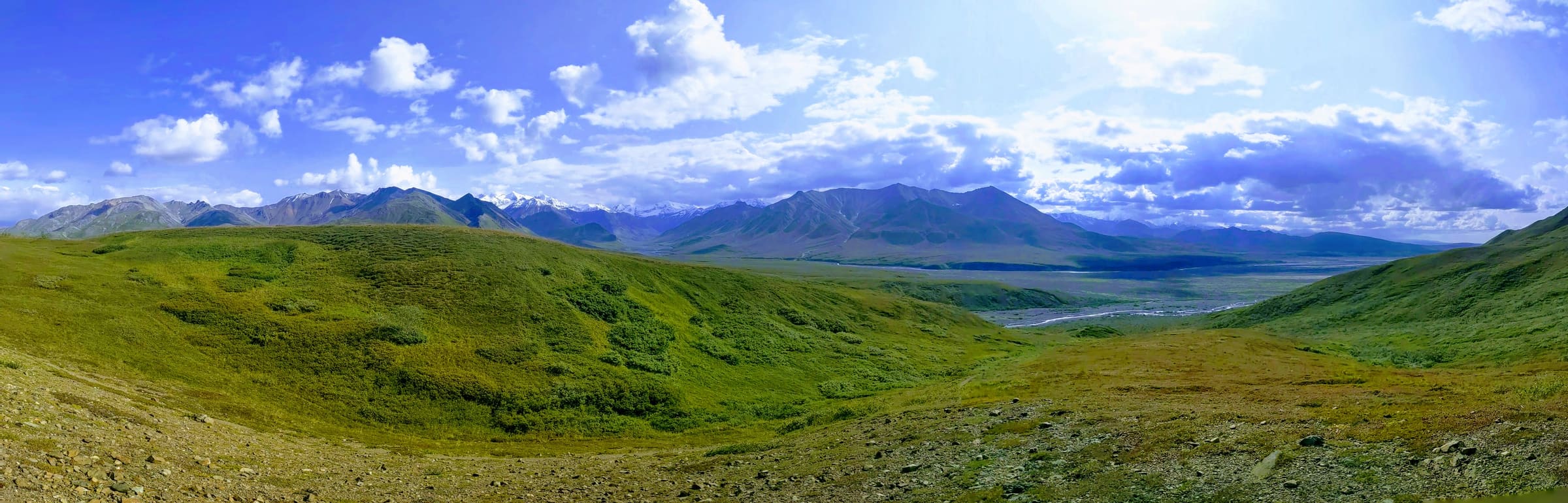
As you travel the road, the landscape transitions from taiga forest to high alpine tundra. Here are the key milestones to look forward to when the road fully reopens:

  • Mile 9 (Denali Viewpoint): This is often the first spot where the mountain reveals itself, weather permitting. Because the mountain frequently generates its own cloud cover, many visitors rarely see the peak, so if it is out, take your photos immediately!
  • Mile 15 (Savage River): The end of the line for private vehicles. The Savage River area offers excellent introductory hikes and a chance to spot caribou on the river bar.
  • Mile 29 (Teklanika River): A massive, braided glacial river. There is a campground here, and those who book a minimum three-night stay are allowed to drive their private vehicle to this point.
  • Mile 46 (Polychrome Overlook): The site of the massive bridge project. The road hugs sheer cliffs, offering dizzying, kaleidoscopic views of the volcanic rock formations and the sprawling Plains of Murie below.
  • Mile 66 (Eielson Visitor Center): For many, this is the ultimate destination. Located just 33 miles from the summit of Denali, Eielson offers arguably the most dramatic, unobstructed views of the mountain. The visitor center features an art gallery and steep trails leading down to the tundra.
  • Mile 85 (Wonder Lake): Famous for Ansel Adams' iconic photographs, Wonder Lake offers mirror-like reflections of the Alaska Range on calm days. It is also notorious for its dense mosquito populations in June and July, so come prepared.

Wildlife Viewing Strategies on the Park Road

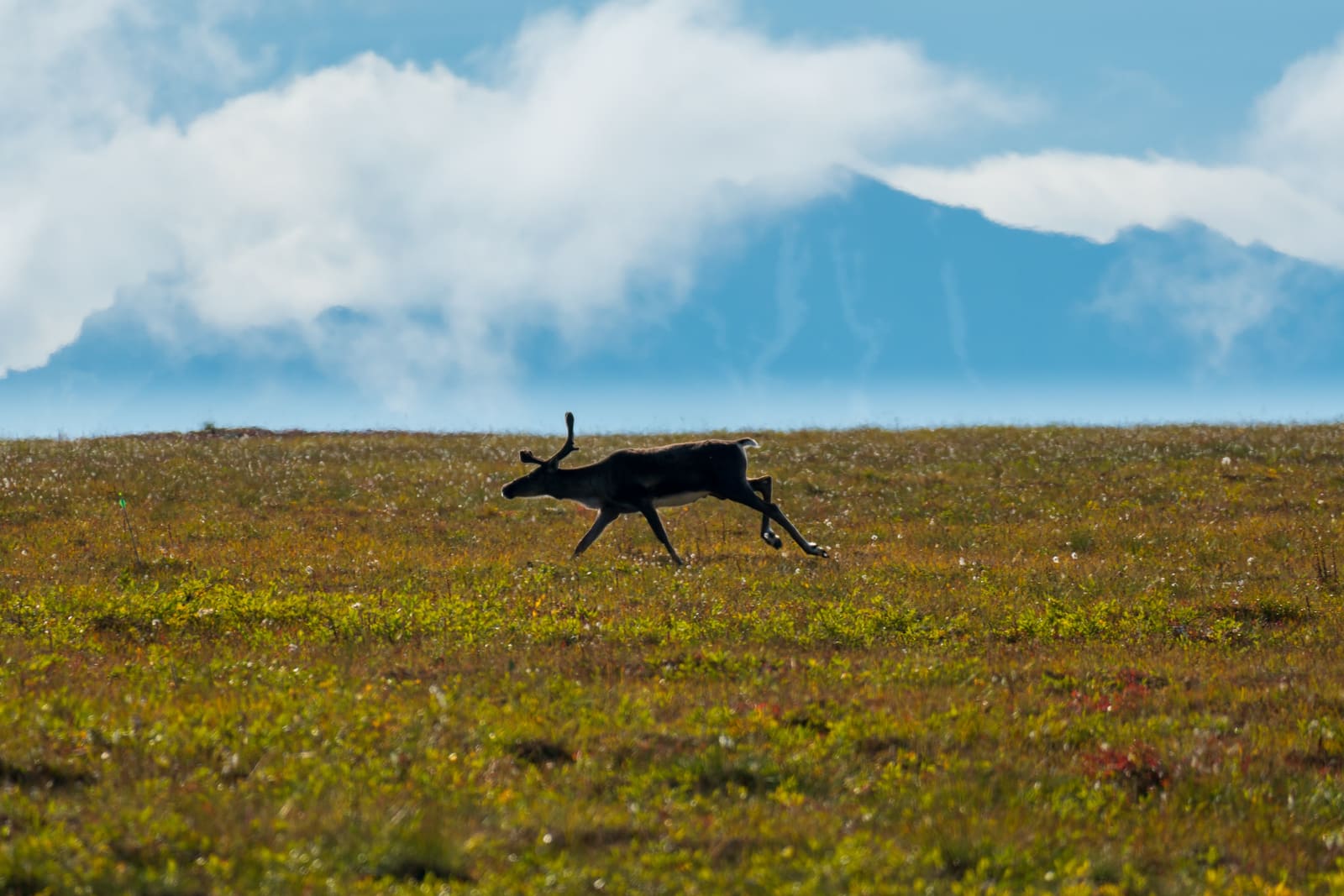
A primary reason travelers seek out a denali park road guide is to maximize their chances of seeing the "Big Five": moose, caribou, Dall sheep, wolves, and grizzly bears. The park is an intact ecosystem, meaning animals roam freely without fences.

According to National Park Service wildlife viewing guidelines, the best wildlife viewing often occurs in the early morning or late evening when animals are most active.

  • Grizzly Bears: Frequently spotted foraging for soapberries on the open tundra between Sable Pass (Mile 39) and Highway Pass (Mile 58).
  • Dall Sheep: Look high up on the rugged ridges of Igloo Mountain (Mile 34) and Polychrome Pass. You will need binoculars, as they often look like white dots against the scree.
  • Moose: Most commonly seen in the first 15 miles of the park road, browsing in the willow thickets of the taiga forest.
  • Wolves: Elusive and rare, but occasionally seen trotting along the road or riverbeds near Toklat River.

Remember that wildlife is unpredictable. Bring high-quality binoculars or a spotting scope, and always adhere to strict wildlife safety in Alaska protocols, maintaining a minimum of 300 yards from bears and 25 yards from all other animals.

Camping Along the Denali Park Road

For those who want to immerse themselves fully in the wilderness, camping along the road is an unparalleled experience. The park offers several established campgrounds, each providing a different level of access and isolation.

Riley Creek Campground (Mile 0.25): Located right at the park entrance, this is the most accessible campground. It accommodates large RVs and tents, offers proximity to the mercantile and visitor center, and is open year-round.

Savage River Campground (Mile 13): Situated just before the private vehicle restriction checkpoint, Savage River offers stunning views of the surrounding tundra and easy access to front-country hiking. It is highly sought after, so early reservations are a must.

Teklanika River Campground (Mile 29): "Tek" is unique because it is the only campground beyond the Mile 15 checkpoint where you can drive your own vehicle. However, the catch is that you must book a minimum of three nights, and your vehicle must remain parked at your campsite for the duration of your stay. You can use a special "Tek Pass" to utilize the transit buses for exploring further into the park.

Wonder Lake Campground (Mile 85): Once the road reopens in 2026/2027, Wonder Lake will reclaim its title as the crown jewel of Denali camping. This tent-only campground is located near the end of the road and offers the closest views of Denali. Access is strictly via the camper transit bus, meaning you must pack all your gear, food, and bear-proof containers onto the bus. The effort is rewarded with profound silence, dark skies, and the chance to wake up to the mountain reflecting in the lake's glassy surface.

According to the NPS Denali camping guidelines, all food and scented items must be stored in bear-resistant lockers provided at the campgrounds, as bears frequently roam through these areas.

Preparing for the Elements: What to Pack

No denali park road guide would be complete without addressing the volatile subarctic weather. Even in the peak of July, temperatures at Eielson Visitor Center can plummet to near freezing, accompanied by driving rain or even snow. Conversely, a sunny day can push temperatures into the upper 70s.

The key to comfort on the park road is layering. Following National Park Service recommendations for Denali weather, start with a moisture-wicking base layer, add an insulating fleece or down jacket, and always carry a high-quality, waterproof, and windproof outer shell. Because you will be getting on and off buses, a comfortable daypack is essential. Pack plenty of water, high-energy snacks, sunscreen, and insect repellent. The mosquitoes, particularly near Wonder Lake and the taiga forests, can be fiercely abundant from mid-June through July.

Integrating Denali into Your Broader Itinerary

Visiting Denali is just one piece of the ultimate northern adventure. When putting together your comprehensive Alaska road trip planner, consider how much time you want to dedicate to the interior.

We recommend a minimum of two nights near the park entrance. This allows for one full day dedicated entirely to a bus trip deep into the park, and a half-day for exploring the front-country trails, visiting the sled dog kennels, or taking a flightseeing tour. If you are traveling in 2026 or 2027, you must book your lodging and bus tickets as soon as inventory opens (typically the preceding winter), as the reopening of the full road will draw record crowds.

Frequently Asked Questions

Can I drive my own car on the Denali Park Road?

You can only drive your private vehicle on the first 15 miles of the road, up to the Savage River check station. Beyond Mile 15, the road is restricted to official park buses, bicycles, and pedestrians, with very few exceptions.

When does the Denali Park Road open each year?

The road opens in phases. The first 15 miles typically open to private vehicles in the spring, weather permitting. The bus system usually begins operations in mid-May, traveling as far as weather and road conditions allow. The full road (once the Polychrome bridge is complete) is generally accessible from early June through mid-September.

What is the Denali Road Lottery?

Historically, the park hosts a Road Lottery every September, allowing a limited number of winners to drive their private vehicles along the entire length of the park road for one day. This event has been suspended during the Polychrome Pass closure but is highly anticipated to return once the road fully reopens in 2026 or 2027. Applications typically open in May via Recreation.gov.

Are there restrooms along the park road?

Yes. There are rest stops with vault toilets at regular intervals along the bus routes, including at Teklanika River, Toklat River, and the Eielson Visitor Center. However, there is no running water or flush toilets beyond the park entrance area, so bring hand sanitizer.

Start Planning Your Denali Adventure

Navigating the logistics of an Alaska vacation can be overwhelming, especially with the shifting timelines of infrastructure projects and the high demand for the 2026 and 2027 seasons. Using a reliable denali park road guide is just the first step. To ensure you secure the best lodging, the right bus tours, and a seamless itinerary that connects Denali with the Kenai Peninsula, glaciers, and coastal fjords, you need expert assistance. Plan your trip with Alaska Road Trip today, and let us help you craft the ultimate northern expedition tailored perfectly to your travel style.