Foraging in Alaska offers a unique way to connect with the vast, untamed landscape, but it requires specific knowledge to ensure your roadside snacks are safe and legal. Whether you are picking wild blueberries near a highway pullout or identifying fireweed along a mountain trail, understanding the local ecosystem is the first step to a successful and responsible harvest. As you plan your 2026 travel, remember that while the wilderness is abundant, it is also complex and requires preparation. Foraging is a skill that rewards patience and careful observation, turning a simple road trip into an immersive botanical experience.
If you find the logistics of balancing exploration with safety overwhelming, Alaska Road Trip provides resources to help you navigate the state with confidence. Our team focuses on providing the structural guidance needed to ensure you spend more time enjoying the scenery and less time worrying about the details of your route.
Understanding Foraging in Alaska: The Basics
Foraging in Alaska is a seasonal activity that typically peaks between July and September. During these months, the landscape transforms, offering a bounty of berries and greens. However, the golden rule of foraging is simple: if you cannot identify a plant with absolute certainty, do not eat it. Many plants have toxic look-alikes, and consuming the wrong species can lead to severe gastrointestinal distress or worse. Always consult a reputable, region-specific field guide before consuming anything you find in the wild. The University of Alaska Fairbanks Cooperative Extension Service provides extensive resources on identifying local edible plants and avoiding common poisonous varieties that may mimic edible species.
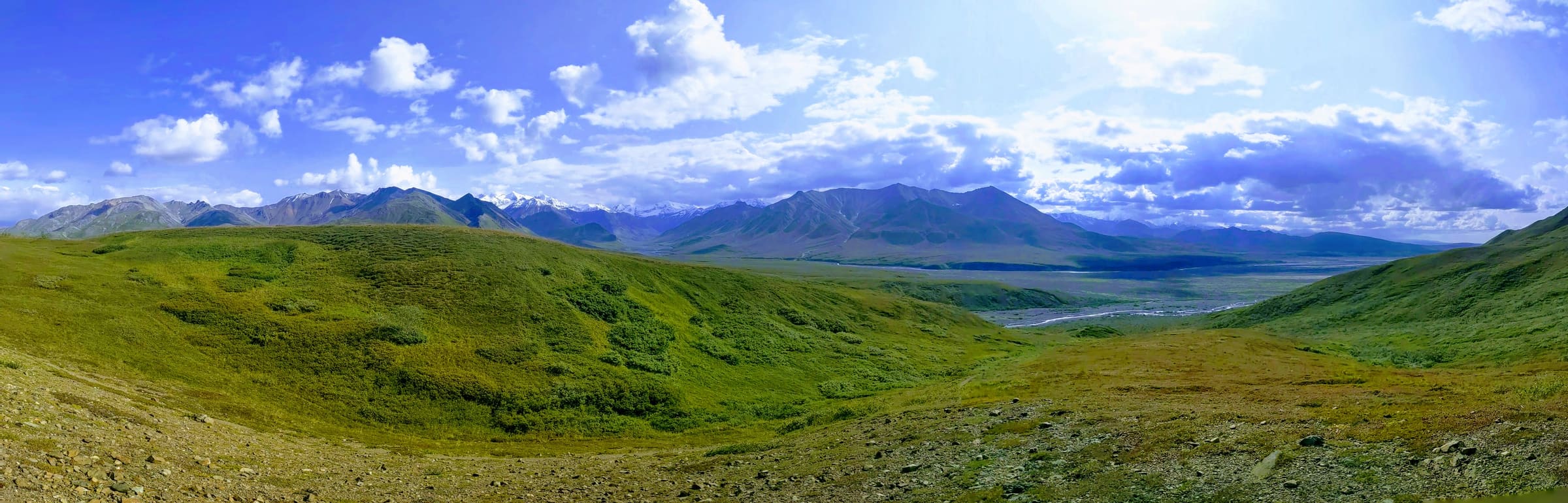
When you are on the road, focus on high-yield, easily identifiable plants. Blueberries, salmonberries, and fireweed are the staples for most travelers. These plants are abundant, but their availability depends heavily on your specific route, elevation, and the local microclimate. For example, if you are driving the Seward Highway, you will encounter different coastal vegetation compared to the interior regions near Denali, where the drier climate supports different species. Elevation also plays a critical role; berries at lower elevations will ripen weeks before those in the alpine tundra. Always observe the surrounding environment—avoid areas near heavy traffic or industrial sites to minimize the risk of consuming plants contaminated by vehicle exhaust or chemical runoff.
Beyond simple identification, foragers must understand the concept of "foraging ethics." This involves taking only what you need, avoiding the collection of rare or endangered species, and ensuring that you do not damage the surrounding habitat. When you harvest, use tools like scissors or your hands carefully to avoid uprooting the entire plant, which allows the vegetation to regenerate in subsequent years. This sustainable approach is vital for maintaining the health of the Alaskan wilderness, which faces increasing pressure from tourism and environmental shifts.
Top Roadside Edibles to Identify
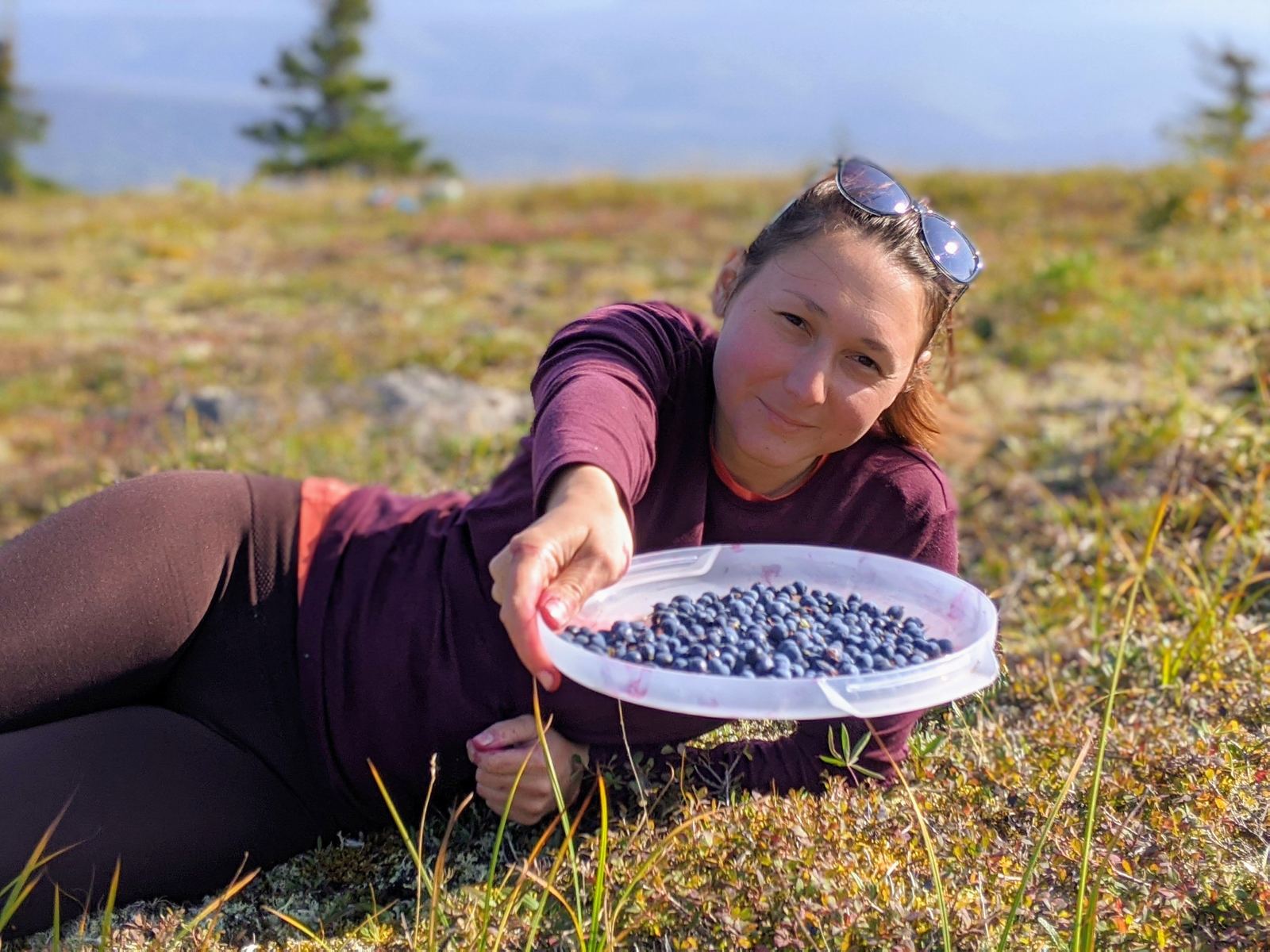
Wild Blueberries (Vaccinium uliginosum): These are the gold standard for Alaskan foragers. They typically ripen in late July and August. You will find them in open, well-drained areas, often near spruce forests. They are small, dark blue, and have a distinct, sweet flavor. Because they are low-growing, they are easy to spot from the roadside. When foraging for blueberries, look for the characteristic "waxy" bloom on the skin, which is a natural protective coating.
Salmonberries (Rubus spectabilis): Often found in wetter, coastal areas, these look like large, orange or yellow raspberries. They are a favorite for bears and humans alike. When picking near dense brush, it is recommended to remain vigilant and maintain awareness of your surroundings, as bears often frequent these same berry-rich areas. Their vibrant color makes them easy to spot against the deep green foliage of the Alaskan rainforest.
Fireweed (Chamerion angustifolium): Known for its vibrant pink-purple flowers, fireweed is edible from root to tip. The young shoots are often used in salads, while the flowers can be made into jelly. According to the University of Alaska Fairbanks Cooperative Extension Service, proper identification is critical, as some plants in the same habitat may be inedible or bitter. It is important to harvest only what you need and to leave the root systems intact to ensure the plant returns in future seasons.
Highbush Cranberries (Viburnum edule): These berries are often found in shaded, wooded areas. They have a tart, acidic flavor that makes them excellent for jams and jellies. Unlike blueberries, these berries often persist into the autumn, providing a late-season foraging opportunity. often check for the single large seed inside the fruit to confirm identification.
Crowberries (Empetrum nigrum): Frequently overlooked, these small, black berries are hardy and thrive in acidic, nutrient-poor soils. They are often found in tundra environments and along coastal bluffs. While they have a milder flavor than blueberries, they are an excellent source of nutrients. They are easily identified by their needle-like leaves, which distinguish them from other berry-producing shrubs in the region.
Safety First: Avoiding Bear Encounters
The most significant risk when foraging in Alaska is not the plants—it is the wildlife. Bears are highly attracted to berry patches, especially in late summer when they are trying to pack on weight for winter. To stay safe, follow these established best practices:
- Make Noise: Talk, sing, or clap while you are picking to avoid surprising a bear.
- Carry Bear Spray: often have bear spray accessible on your person, such as in a holster on your belt, rather than buried inside your backpack or left in your car. Ensure you know how to use it before you head out.
- Stay Alert: If you see signs of bear activity, such as fresh scat, overturned logs, or tracks, leave the area immediately.
- Pick with a Partner: It is generally recommended to forage in groups rather than alone in remote areas to increase your visibility and safety.
- Manage Your Harvest: Do not leave buckets of berries unattended, as the scent can attract wildlife to your location.
For more detailed advice on staying safe in the backcountry, review our wildlife safety guide. It provides the context you need to enjoy the outdoors without unnecessary risk.
Harvesting Rules on Public Lands
Before you start picking, understand that land ownership in Alaska is complex. While personal-use foraging is generally allowed on many public lands, there are restrictions in certain areas, such as National Parks or private Native Corporation lands. Always check the specific regulations for the area you are visiting. As noted by the National Park Service, rules regarding the collection of natural resources vary significantly between federal and state jurisdictions, and some parks prohibit the collection of berries or plants entirely to protect the local ecosystem.
Furthermore, the U.S. Department of the Interior provides additional guidance on subsistence and personal use, emphasizing that foragers should prioritize sustainable harvesting practices to ensure these resources remain available for future seasons. Never strip an entire bush of its fruit, as this deprives local wildlife of a necessary food source. By practicing "leave no trace" principles, you help preserve the integrity of the Alaskan wilderness for everyone.
The Benefit of a Structured Itinerary
Planning a trip to Alaska involves more than just knowing what to eat; it involves knowing where to stop, where to stay, and how to manage your time effectively. Many travelers find that the DIY approach leads to missed opportunities or unnecessary stress. Alaska Road Trip provides itineraries designed to help you navigate the state, ensuring your trip reflects the realities of the 2026 season.
We provide a printable, offline-ready PDF that includes lodging recommendations and activity links. Because we do not book these for you, you maintain full control over your trip. This flexibility is essential when you are navigating the unpredictable nature of Alaska travel. If you want to ensure your route is optimized for both safety and enjoyment, our team is available to help you refine your plans.
Frequently Asked Questions
Is it legal to forage everywhere in Alaska?
No. While personal-use foraging is widely permitted on many public lands, you must respect private property, Native Corporation lands, and specific park regulations. often look for signage indicating restricted areas or protected habitats.
What is the best time of year for foraging?
The peak season is generally from July through September. Earlier in the season, you might find greens, while berries are most abundant in the late summer months as they reach full ripeness.
How do I know if a plant is safe to eat?
Use a reliable, local field guide specific to Alaska. If you are unsure, do not eat it. The University of Alaska Fairbanks Cooperative Extension Service is an excellent resource for identifying local flora and understanding which species are safe for consumption.
Should I worry about bears while picking berries?
Yes. Bears are highly active in berry patches during the summer. often carry bear spray, make noise to avoid startling wildlife, and remain aware of your surroundings at all times.
Can I forage near the roadside?
While roadside foraging is common, it is important to be cautious. Avoid areas with high traffic volume to prevent exposure to pollutants, and ensure you are parked safely off the road before exiting your vehicle. often be aware of your surroundings and potential wildlife activity near the tree line.
Are there specific tools I should bring for foraging?
While you don't need much, a shallow basket or a breathable container is better than a plastic bag, as plastic can cause berries to crush and ferment quickly in the heat. A small pair of garden shears can also be useful for harvesting fireweed or other greens without damaging the main plant.
Foraging is just one small part of the Alaskan experience. If you are ready to plan a trip that balances adventure with safety, let us help you build your perfect route. Whether you need a simple 5-day plan or a comprehensive 14-day journey, our itineraries provide the structure you need to explore with confidence. Visit our site to get started on your custom Alaska road trip today.
See a real Alaska itinerary before you spend a dollar
A real 3-day plan with driving times, lodging picks, and a daylight chart — free, in your inbox.
One email. No spam. Unsubscribe anytime. Or view it right now — no email needed ↗
Ready for the full plan? Get your custom itinerary — from $197 · 5-day delivery →