Sharing the Road and Trail with Alaska's Wildlife
Alaska is home to some of the largest and most iconic wildlife in North America: grizzly bears, black bears, moose, caribou, wolves, Dall sheep, mountain goats, bald eagles, and more. Encountering these animals is one of the highlights of any Alaska road trip. But wildlife encounters come with real safety considerations, both for you and for the animals.
This guide covers what you need to know to stay safe and be a responsible wildlife observer on your Alaska road trip.
Bears: The Big Concern
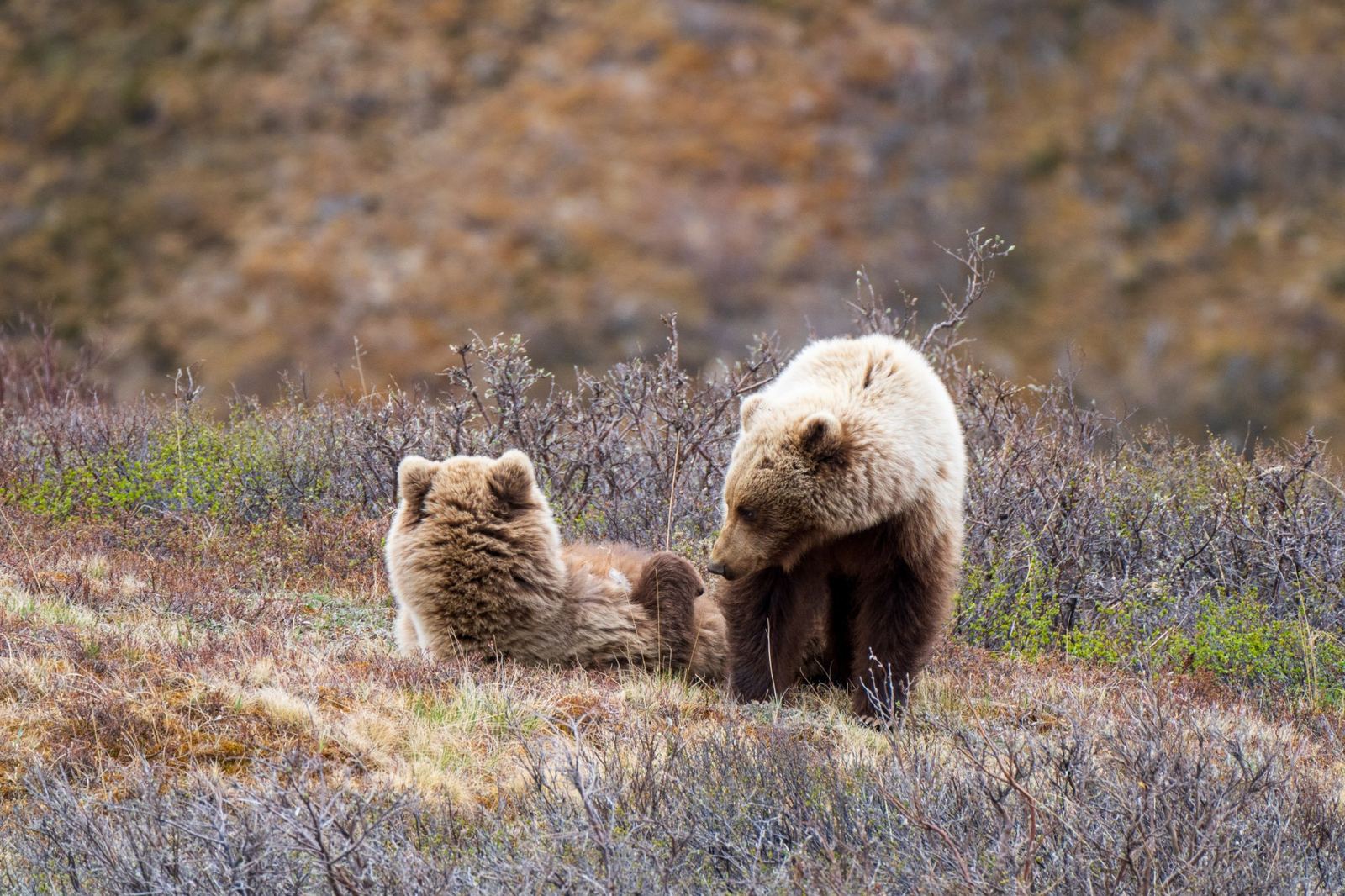
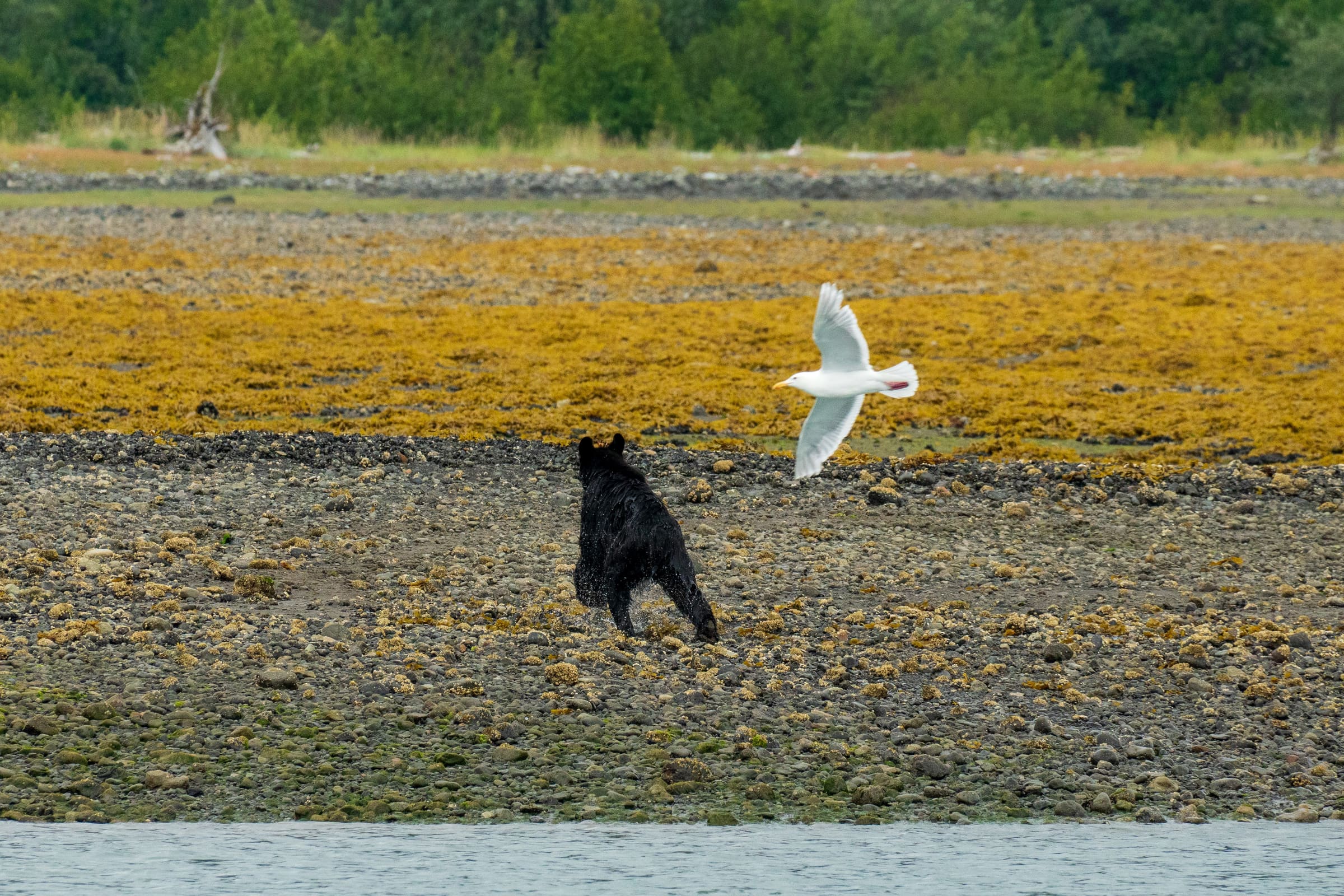
Alaska is home to an estimated 30,000 brown/grizzly bears and 100,000 black bears. You are in bear country virtually everywhere in the state, from Anchorage city parks to remote backcountry. Bear encounters are common and usually uneventful, but you need to know how to behave.

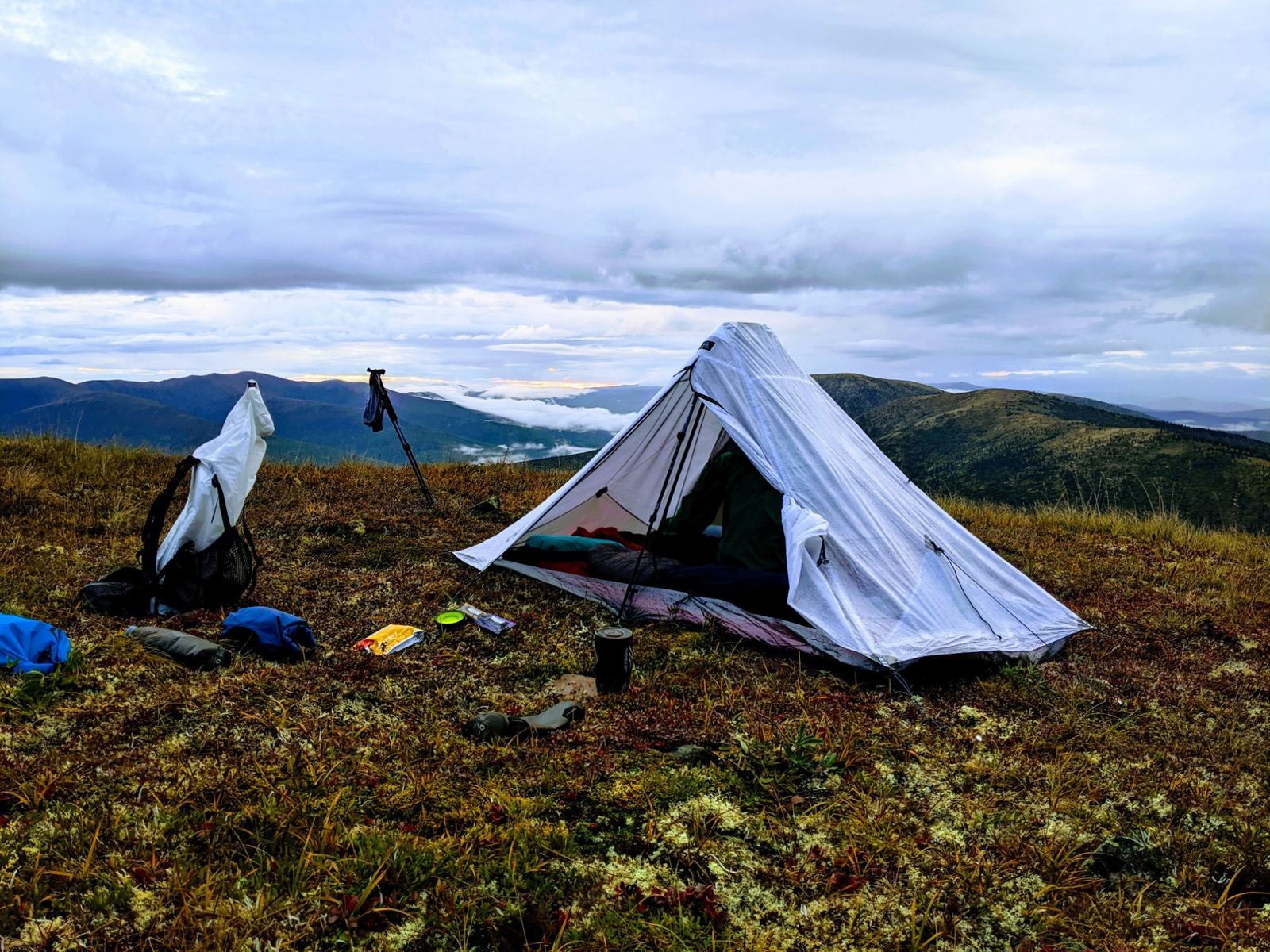
A trail-level reminder that Alaska bear safety starts before the encounter.
Preventing Bear Encounters
- Make noise: Talk, clap, or call out when hiking, especially around blind corners and near streams. Most bears will move away if they hear you coming. Bear bells are popular but may not be loud enough. Your voice is more effective.
- Travel in groups: Groups of three or more are rarely involved in bear attacks.
- Stay on trails: Bushwhacking through dense brush increases your chances of a surprise encounter.
- Watch for signs: Fresh tracks, scat, digging, or torn-up logs indicate recent bear activity. Be extra alert.
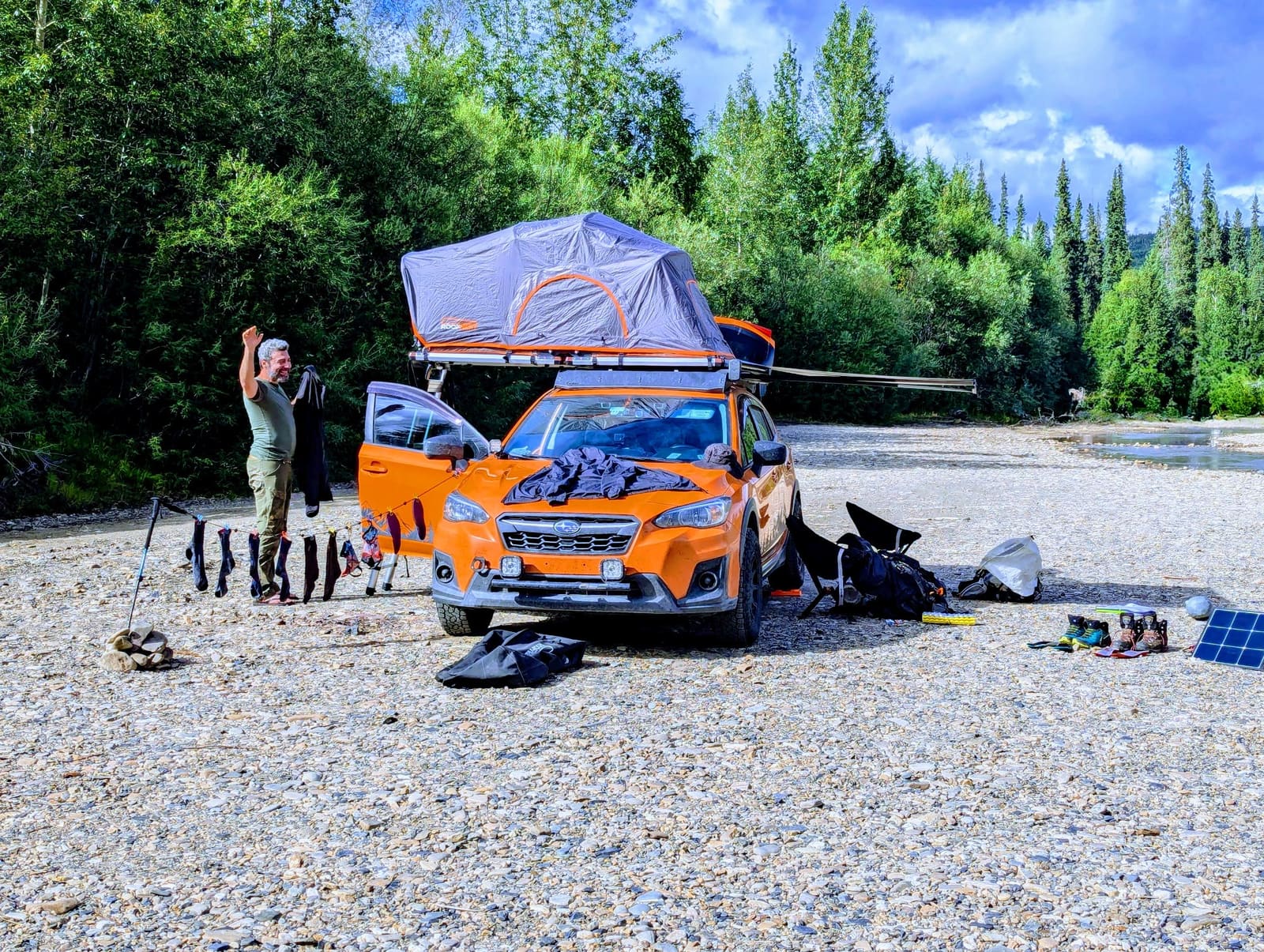
- Avoid bear attractants: Do not cook or store food near your tent. Keep a clean camp. Store food in your vehicle, a bear box, or a bear canister.
- Never approach a bear: This seems obvious, but every year people approach bears for photos. Maintain a minimum distance of 100 yards from bears at all times.
If You Encounter a Bear
- Stay calm. Do not run. Running triggers a predatory chase response. Bears can run up to 40 mph. You cannot outrun one.
- Identify yourself: Speak in a calm, low voice. This helps the bear recognize you as human, not prey.
- Make yourself look large: Stand tall, raise your arms slowly.
- Back away slowly: Give the bear space and a clear escape route.
- If a brown/grizzly bear charges: Stand your ground. Most charges are bluffs. Use bear spray at 20-30 feet. If contact occurs, play dead: lie face down, hands behind your neck, legs spread to resist being flipped. Remain still until the bear leaves.
- If a black bear attacks: Do not play dead. Fight back aggressively, targeting the nose and eyes. Black bear attacks are rarer but more likely to be predatory.
Bear Spray
Bear spray is the single most effective deterrent against charging bears, more effective than firearms according to multiple studies. Carry it in a holster on your belt or chest strap where you can access it in seconds, not buried in your pack.
- Buy EPA-registered bear spray with at least 7.9 ounces of spray and a range of 12+ feet
- Practice drawing and deploying it before you need it (without actually spraying)
- Check the expiration date
- Bear spray cannot be taken on airplanes. Buy it in Alaska if you are flying in. It is widely available at outdoor stores in Anchorage and Fairbanks.
Want a custom itinerary built for your trip? We'll plan your entire Alaska road trip around your dates, budget, and interests. Get your custom itinerary →
Moose: The Road Hazard You Must Respect
Moose are actually more dangerous to road-tripping travelers than bears. Alaska has an estimated 175,000 to 200,000 moose, and they frequently wander onto highways. A full-grown moose weighs 1,000 to 1,500 pounds, stands six feet tall at the shoulder, and its body mass sits at windshield height. A collision with a moose at highway speed can be fatal.
Avoiding Moose Collisions
- Drive defensively at dawn and dusk: Moose are most active during low-light hours, which in Alaska's summer means late evening (after 10 PM) and early morning.
- Watch the roadsides: Scan for dark shapes in the brush along the highway, especially near ponds, lakes, and willow stands where moose feed.
- Slow down in moose zones: The Alaska Highway, Parks Highway, and Seward Highway all have frequent moose crossings. Road signs mark high-risk areas.
- If a moose is on the road: Stop and wait. Do not try to drive around it. Moose are unpredictable and can charge or change direction suddenly. Honking may or may not cause them to move.
- Watch for calves: A cow moose with calves is extremely protective and aggressive. Give her a very wide berth. In spring, cow moose have been known to charge people who get too close to their calves, even in urban Anchorage.
Caribou
Caribou are common along northern highways, particularly the Dalton Highway and Top of the World Highway. They often cross roads in herds and can appear suddenly. Slow down when you see caribou near the road, and expect more to follow behind the first ones you spot. Caribou are generally not aggressive toward humans, but maintain distance and never block their migration path.
Wildlife Viewing Etiquette
Responsible wildlife viewing protects both you and the animals. Follow these guidelines:
- Maintain distance: The National Park Service recommends staying at least 25 yards from moose and caribou, and at least 100 yards from bears and wolves.
- Use binoculars and telephoto lenses: Get a closer view without getting physically closer. A good pair of binoculars is essential for Alaska wildlife viewing.
- Do not feed wildlife: This is illegal in Alaska and conditions animals to associate humans with food, which leads to dangerous encounters and often results in the animal being killed.
- Pull completely off the road: Wildlife jams are common on Alaska highways, especially near Denali and on the Seward Highway. Pull completely off the pavement, use your hazard lights, and never stop in the middle of the road.
- Do not pursue animals: If an animal moves away from you, do not follow it. You are too close.
- Keep dogs under control: Dogs can provoke wildlife, especially bears and moose. Keep your dog leashed at all times in wildlife areas.
Other Wildlife to Know About
Wolves
Wolf sightings from the road are rare but possible, particularly along the Parks Highway near Denali and on the Dalton Highway. Wolves are generally wary of humans. Observe from a distance and consider yourself fortunate.
Dall Sheep and Mountain Goats
Often visible on mountain slopes along the Seward Highway (Windy Corner is a famous viewing spot), Glenn Highway, and in Denali National Park. They stay on steep terrain and do not pose a safety concern, but use pullouts when stopping to view them.
Bald Eagles
Ubiquitous along coastal areas, rivers, and near fishing operations. The Chilkat Bald Eagle Preserve near Haines sees concentrations of over 3,000 eagles in late fall. No safety concerns, but do not approach nesting sites.
Campsite Food Safety
Proper food storage at camp is not optional in Alaska. It is a safety requirement.
- Store all food, coolers, and scented items (including toiletries) in your vehicle with the windows closed, not in your tent
- Cook and eat at least 100 yards from your tent if possible
- Dispose of dishwater by straining food particles and packing them out
- Use bear-resistant food storage lockers where provided at campgrounds
- In backcountry, hang food from a bear pole or use a bear canister
Following these practices keeps you safe and helps prevent bears from becoming habituated to human food, which ultimately protects the bears as well.
Be Prepared, Not Paranoid
Millions of people visit Alaska every year, and serious wildlife incidents are rare. Bears, moose, and other animals are a natural and wonderful part of the Alaska experience. Come prepared with bear spray, practice good food storage, drive attentively, maintain respectful distances, and you will have incredible wildlife encounters that you remember for a lifetime.
Quick answers
Alaska wildlife safety: common questions
If you plan to hike, yes. Bear spray is the single most effective deterrent against a charging bear — more effective than firearms in multiple studies. Carry it on your belt or chest strap where you can reach it in seconds, buy an EPA-registered spray with at least 7.9 ounces and a range of 12+ feet, and check the expiration date. Bear spray cannot be taken on airplanes, so buy it in Anchorage or Fairbanks after you land.
Stay calm and do not run — bears can run up to 40 mph. Speak in a calm, low voice so the bear recognizes you as human, make yourself look large, and back away slowly while giving it a clear escape route. Never approach closer than 100 yards. If a brown or grizzly bear charges, stand your ground and use bear spray at 20 to 30 feet; if contact occurs, play dead. If a black bear attacks, fight back aggressively.
Drive defensively at dawn and dusk, when moose are most active, and scan the roadsides near ponds, lakes, and willow stands. Slow down in the marked moose-crossing zones on the Alaska, Parks, and Seward highways. If a moose is on the road, stop and wait — do not try to drive around it. Watch for calves, because a cow moose with calves is extremely protective and can charge.
The National Park Service recommends staying at least 25 yards from moose and caribou and at least 100 yards from bears and wolves. Use binoculars or a telephoto lens for a closer view, never feed wildlife — it is illegal in Alaska — and keep dogs leashed in wildlife areas.
Store all food, coolers, and scented items, including toiletries, in your vehicle with the windows closed — never in your tent. Cook and eat at least 100 yards from your tent, strain dishwater and pack out food particles, use bear-resistant lockers where campgrounds provide them, and in the backcountry hang food from a bear pole or use a bear canister.
Still have a question about your trip?
Get a custom itinerary — from $197
See a real Alaska itinerary before you spend a dollar
A real 3-day plan with driving times, lodging picks, and a daylight chart — free, in your inbox.
One email. No spam. Unsubscribe anytime. Or view it right now — no email needed ↗
Ready for the full plan? Get your custom itinerary — from $197 · 5-day delivery →