The Reality of Alaska Mosquitoes
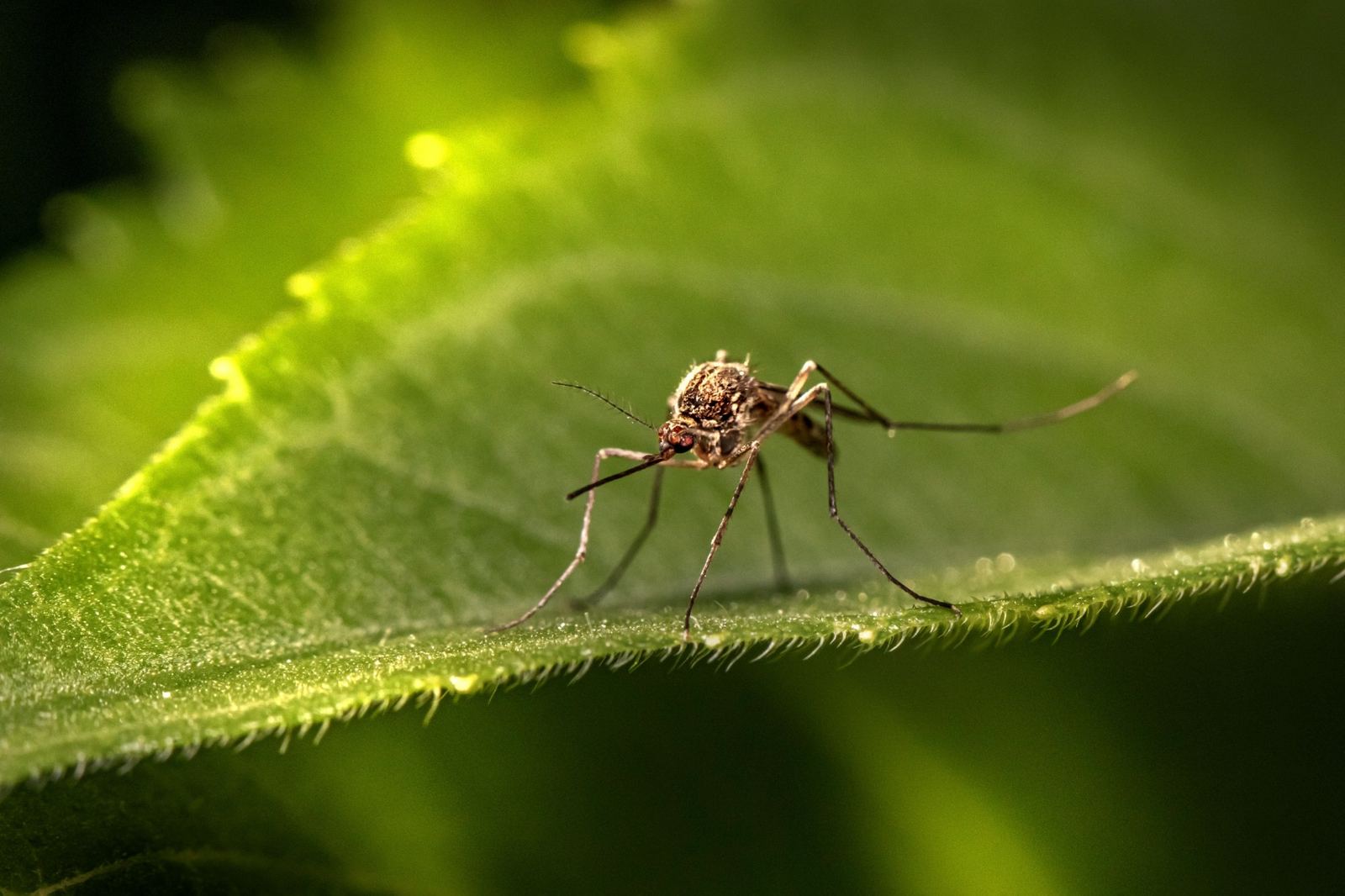
They don’t call the mosquito the unofficial Alaska state bird for nothing. If you are planning a self-drive adventure between June and August, you will encounter these insects. However, effective alaska road trip mosquito protection is entirely possible if you understand their behavior and use the right tools. Mosquitoes in Alaska are most active in low-lying, marshy areas and during the calm, warm hours of the day. By preparing your gear and clothing before you leave home, you can significantly reduce their impact on your trip.
It is important to understand that Alaska is home to over 30 species of mosquitoes. Unlike in some other regions, these insects are not typically known for carrying diseases that affect humans, but their sheer volume can be overwhelming. According to the University of Alaska Fairbanks Cooperative Extension Service, the peak emergence of these insects coincides with the warming of the tundra and the thawing of permafrost, which creates the standing water necessary for their larval stage. Understanding this lifecycle helps travelers realize that avoiding stagnant water is the most effective way to find relief. Because the state has such vast, undisturbed wetlands, these insects have ample breeding grounds, making personal protection a mandatory part of your 2026 travel preparations.
Treating Your Clothing with Permethrin
The single most effective step you can take for alaska road trip mosquito protection is treating your clothing with permethrin before you arrive. Unlike DEET, which is applied to the skin, permethrin is a contact insecticide designed for fabrics. Once applied and dried, it remains effective through several washings and provides a powerful barrier against mosquitoes, ticks, and black flies.
To implement this, purchase a permethrin spray specifically labeled for clothing and gear. Lay your hiking pants, long-sleeve shirts, and socks flat in a well-ventilated area. Spray them thoroughly until damp, then allow them to dry completely for at least 24 hours. This creates a chemical shield that kills insects on contact, meaning you don't have to rely solely on skin-applied repellents. The Centers for Disease Control and Prevention (CDC) notes that permethrin-treated clothing provides a significant reduction in mosquito bites compared to untreated gear, making it a staple for any serious outdoor enthusiast visiting the north. When packing for your 2026 trip, treat your outer layers—including hats and light jackets—well in advance to ensure the chemical has bonded properly to the fibers.
The Debate: DEET vs. Picaridin
When it comes to skin-applied repellents, travelers often find themselves choosing between DEET and Picaridin. Both are effective, but they serve different needs during an Alaska Road Trip. According to the Environmental Protection Agency, both active ingredients are safe when used as directed, but their chemical properties differ.
DEET is the gold standard for high-density mosquito areas, but it has a reputation for damaging plastics, watch faces, and synthetic fabrics. If you are handling expensive camera gear or synthetic camping equipment, Picaridin is often the superior choice. It provides similar protection levels without the risk of damaging your equipment. For those planning their itinerary, we recommend carrying a small bottle of 20% Picaridin for daily use and a stronger DEET-based repellent for deep-woods hiking.
When choosing your repellent, consider the duration of your planned activities. DEET is known for its longevity, which is beneficial for long days of hiking, while Picaridin is often preferred for its lack of odor and non-greasy feel. Regardless of your choice, ensure the product is EPA-registered, as this certification indicates that the product has been evaluated for both safety and efficacy. Many travelers are opting for Picaridin due to its compatibility with modern gear, but having a backup of high-concentration DEET remains a common practice for those venturing into the remote interior.
Physical Barriers and Sealing Your Space
If you are renting a campervan or driving your own rig, your vehicle is your sanctuary. Mosquitoes are masters at finding tiny gaps in screens. Before you head out, inspect all window screens for tears. If you find damage, use a patch kit or duct tape to seal them before you leave. When you stop for the night, keep your doors and windows closed as much as possible, especially during the twilight hours when mosquito activity peaks.
For tent campers, a high-quality head net is non-negotiable. While it might feel like overkill, having a fine-mesh head net in your Alaska road trip packing list can be the difference between a miserable evening and a pleasant one. When you are setting up camp or taking photos in a marshy area, the head net allows you to enjoy the outdoors without the constant buzzing near your ears. Additionally, wearing light-colored clothing can help, as mosquitoes are often more attracted to dark colors that contrast with the environment. Consider wearing long sleeves and pants made of tightly woven synthetic materials, which are harder for mosquito proboscises to penetrate than loose-knit cotton.
Strategic Itinerary Planning
The timing and location of your stops play a massive role in your exposure. Mosquitoes thrive in stagnant water and low-wind environments. If you are feeling overwhelmed by the logistics of balancing the best scenery with the most comfortable conditions, Alaska Road Trip can help. We provide custom, day-by-day itineraries designed to help you navigate the state efficiently. Our team focuses on route optimization, helping you identify regions with higher wind exposure or elevation that may offer natural relief from insect swarms.
Consider the elevation and wind exposure of your planned stops. Coastal areas with a steady breeze are generally less buggy than interior boreal forests. If you are looking for guidance on route selection, our Alaska road trip planner resources can help you understand the trade-offs between different regions. Planning your trip for late summer can also be a strategic advantage, as the intensity of the mosquito season often wanes as the nights grow longer and temperatures begin to drop. By choosing higher-elevation campsites or locations near the coast, you can often find natural relief from the swarms that plague the low-lying interior.
The Importance of Environmental Awareness
Beyond just repellents, understanding the Alaskan landscape is key to a successful trip. Mosquitoes are a natural part of the ecosystem, serving as a food source for birds and fish. By respecting the environment and minimizing your footprint, you contribute to the preservation of the wilderness. Practice Leave No Trace principles, especially when using repellents near water sources, as chemicals can impact aquatic life. Using permethrin on clothing rather than applying heavy amounts of DEET to your skin is not only better for your comfort but also helps reduce the amount of chemicals entering the local ecosystem. based on the National Park Service, minimizing the introduction of synthetic chemicals into pristine water bodies is essential for maintaining the health of Alaska’s unique aquatic habitats.
Advanced Tips for Long-Distance Travelers
For those embarking on an extended road trip, managing your supplies is just as important as managing your exposure. Carry extra repellent in your vehicle, as you may find that you use more than expected during humid, windless days. Additionally, consider the use of thermacell devices for stationary camping; these create a small zone of protection that can be highly effective when sitting outside your vehicle or tent. Be sure to check local regulations for any specific wilderness areas you plan to visit, as some parks may have specific guidelines regarding the use of chemical repellents near sensitive salmon-bearing streams.
Frequently Asked Questions
Do I need to worry about mosquitoes in September?
Mosquito activity drops significantly after the first hard frost, which usually occurs in late August or early September in the interior. If you travel in mid-to-late September, you will likely encounter very few mosquitoes, though you should still pack a small amount of repellent just in case.
Is there a natural repellent that works in Alaska?
While some travelers prefer oil of lemon eucalyptus, it is generally less effective and shorter-lasting than DEET or Picaridin in the intense conditions of the Alaskan wilderness. For the best protection, stick to EPA-registered repellents.
How do I protect my kids from mosquitoes?
The best approach for children is physical protection: long-sleeved, light-colored clothing treated with permethrin and head nets. When using repellents on children, it is generally recommended to apply the product to your own hands first and then rub it onto the child, avoiding their hands, eyes, and mouth to prevent accidental ingestion or irritation.
What should I do if I get bitten?
If you do get bitten, the best approach is to avoid scratching, which can lead to secondary infections. Using an over-the-counter anti-itch cream or a cold compress can help soothe the area. Keeping your skin clean and wearing loose-fitting, breathable fabrics can also help reduce irritation after a long day of exploring.
Are there specific times of day to avoid being outside?
Mosquitoes are generally most active at dawn and dusk. If you are planning a hike or a photography session, try to schedule these activities during the middle of the day when temperatures are higher and winds are more likely to be present, as mosquitoes are weak fliers and struggle in breezy conditions.
Final Thoughts on Your Alaska Adventure
Managing mosquitoes is just one part of the puzzle when planning a trip to the Last Frontier. By treating your clothing with permethrin, choosing the right repellent for your specific gear, and ensuring your sleeping quarters are properly sealed, you can minimize the annoyance and maximize your enjoyment of the landscape. If you want a custom plan that accounts for 2026-season research and local expertise, visit our planning page to get started on your 2026 adventure.
See a real Alaska itinerary before you spend a dollar
A real 3-day plan with driving times, lodging picks, and a daylight chart — free, in your inbox.
One email. No spam. Unsubscribe anytime. Or view it right now — no email needed ↗
Ready for the full plan? Get your custom itinerary — from $197 · 5-day delivery →