Welcome to your ultimate orcas Kachemak bay guide for the 2026 travel season. If you are planning a journey to the Last Frontier, witnessing killer whales in their natural habitat is likely at the very top of your bucket list. Kachemak Bay, located at the southern terminus of the Kenai Peninsula near the charming town of Homer, Alaska, is a world-renowned destination for marine wildlife viewing. With its nutrient-rich waters, dramatic mountain backdrops, and thriving ecosystems, the bay offers one of the most spectacular settings on earth to observe these majestic apex predators.
There are many orcas that roam Kachemak Bay, moving gracefully in tightly knit pods. They are truly majestic animals, commanding the waters with a blend of power, intelligence, and breathtaking beauty. Whether you are an avid wildlife photographer, a family looking for an unforgettable adventure, or a solo traveler seeking the raw beauty of the Alaskan wilderness, this comprehensive guide will walk you through everything you need to know about spotting orcas in Kachemak Bay in 2026.
The Magic and Ecology of Kachemak Bay
Before diving into the specifics of whale watching, it is important to understand what makes Kachemak Bay such a hotspot for marine life. Designated as a critical habitat area, the bay benefits from deep oceanic upwellings that bring cold, nutrient-dense waters to the surface. This process fuels massive phytoplankton blooms, which in turn support a robust food web ranging from tiny zooplankton and schooling fish to massive baleen whales and, of course, the apex predators: the orcas.
The geography of the bay also plays a crucial role. Protected by the Kenai Mountains and the surrounding Kachemak Bay State Park, the waters here are relatively sheltered compared to the open Gulf of Alaska. This creates a safe haven for a variety of species to feed, mate, and raise their young. As you read through this orcas Kachemak bay guide, keep in mind that every boat tour is a journey into a delicate, thriving ecosystem where every creature plays a vital role.
Understanding the Orcas of Kachemak Bay
A key part of any orcas Kachemak bay guide is understanding the different types of killer whales you might encounter. In Alaskan waters, there are generally three distinct ecotypes of orcas: residents, transients (also known as Bigg's killer whales), and offshores. In Kachemak Bay, you are most likely to see residents and transients.
Resident Orcas
Resident orcas are primarily fish-eaters, with a strong preference for salmon. They tend to travel in large, stable, matriarchal pods that can sometimes number in the dozens. These pods are highly vocal, using complex echolocation and distinct dialects to communicate and coordinate their hunts. Because they follow the massive salmon runs that return to Alaskan rivers each summer, their movements can sometimes be more predictable during the peak fishing season.
Transient Orcas (Bigg's Killer Whales)
Transient orcas, on the other hand, are mammal-eaters. Their diet consists of seals, sea lions, porpoises, and even the calves of larger whale species. Because their prey has excellent hearing, transient orcas are much stealthier and less vocal than residents. They typically travel in smaller pods of three to seven individuals. The element of surprise is their greatest weapon, making an encounter with a hunting transient pod a thrilling, albeit unpredictable, experience.
Our Firsthand Experience: A Tour with Clearwater Alaska
To truly understand the magic of these waters, we recently embarked on a wildlife tour with Clearwater Alaska out of Homer. Departing from the famous Homer Spit on a crisp, clear morning, the anticipation on the boat was palpable. The captain and crew were incredibly knowledgeable, sharing insights about the local geography, the tides, and the recent wildlife sightings in the area.
As we cruised deeper into the bay, the scenery alone was worth the trip. Glaciers spilled down from the jagged peaks of the Kenai Mountains, and the water was a deep, mesmerizing emerald green. It wasn't long before we had our first wildlife encounter, and it was a rare one: a swimming black bear. Seeing a black bear navigating the cold, tidal currents between islands was a stark reminder of the wild, untamed nature of Alaska. The bear paddled steadily, its snout held high above the water, eventually pulling itself onto a rocky shoreline and disappearing into the dense spruce forest.
Shortly after, we approached a series of rocky outcroppings where a few harbor seals were lounging in the sun. Their mottled gray and silver coats blended perfectly with the granite rocks. They watched us with large, curious eyes before a few slid effortlessly into the water, their sleek bodies perfectly adapted to the marine environment.
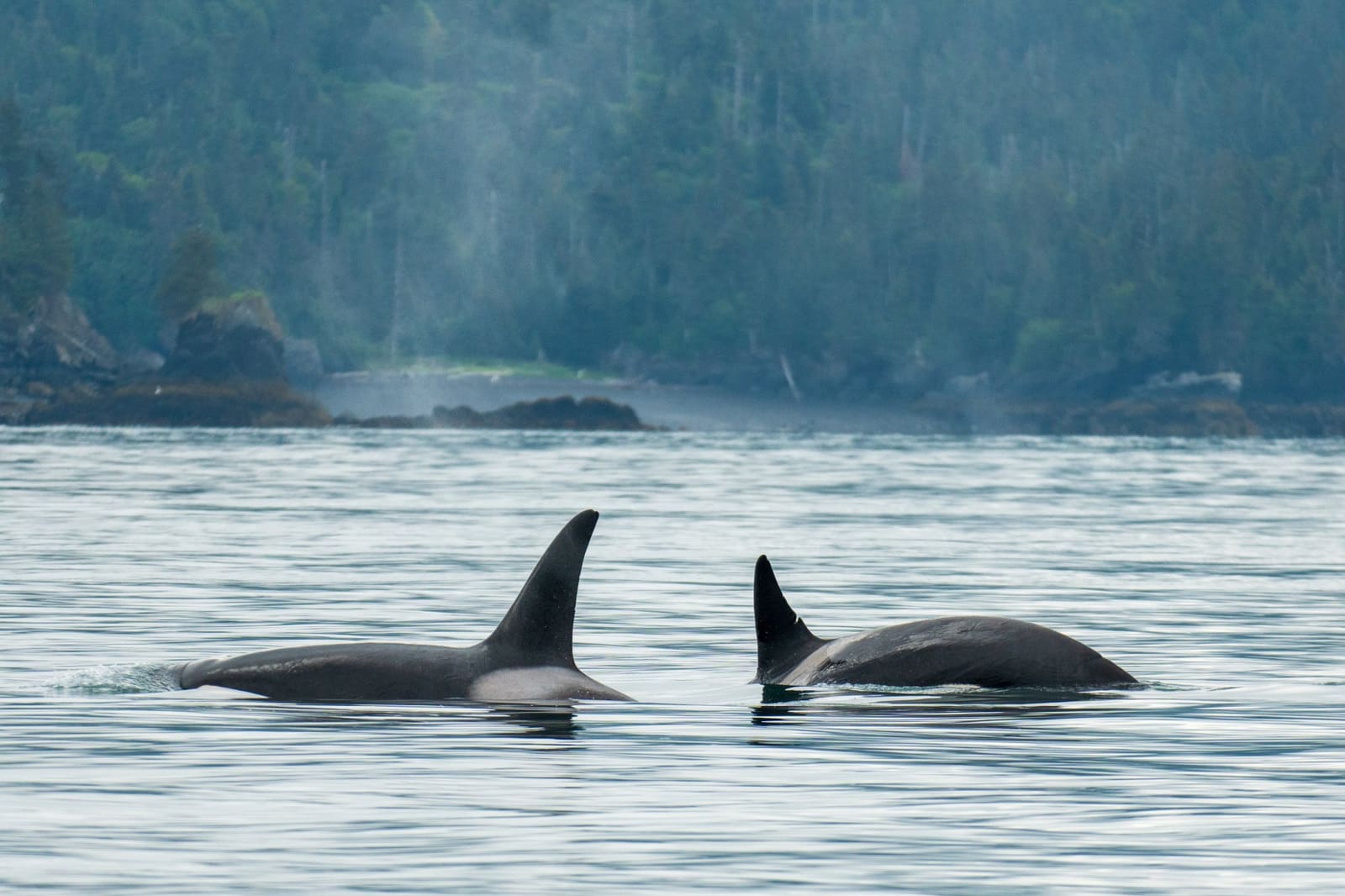
But despite the incredible sights of the swimming bear and the sunbathing seals, the orcas absolutely stole the show. The captain received a radio call from another vessel about a pod moving through a nearby channel. We altered our course, and within twenty minutes, we saw the unmistakable sight of a six-foot-tall dorsal fin slicing through the water.
It was a pod of about eight orcas, including a massive adult male, several females, and two energetic calves. They moved with a synchronized grace that was hypnotic to watch. The sound of their powerful exhalations—a sharp, rushing whoosh—echoed across the water before the misty spray drifted away in the wind. At one point, a few members of the pod swam directly under our vessel, their striking black and white markings clearly visible through the pristine water. It was a humbling, awe-inspiring moment that perfectly encapsulated why Kachemak Bay is a premier destination for wildlife enthusiasts.
Other Wildlife You Might Spot
While the killer whales are often the main attraction, a boat tour in Kachemak Bay offers the chance to see a wide array of other incredible animals. Keep your binoculars handy for:
- Humpback Whales: Often seen bubble-net feeding or breaching in the bay during the summer months.
- Sea Otters: These charismatic creatures are frequently spotted floating on their backs, often cracking open shellfish on their chests.
- Tufted Puffins: With their striking orange bills and golden head plumes, these seabirds nest on the rocky cliffs and dive deep into the water to catch small fish.
- Bald Eagles: Homer is famous for its dense population of bald eagles, which can be seen soaring overhead or perched in the trees along the shoreline.
- Dall's Porpoises: These small, fast-moving cetaceans look like miniature orcas and love to ride the bow wake of boats.
How to Prepare for Your 2026 Wildlife Tour
Preparation is key to ensuring you have a comfortable and enjoyable experience on the water. The weather in Alaska can be highly unpredictable, even in the middle of summer. A sunny, warm morning on the Homer Spit can quickly turn into a chilly, windy afternoon out on the open water of the bay.
Dressing in layers is absolutely essential. Start with a moisture-wicking base layer, add an insulating fleece or wool sweater, and top it off with a high-quality windproof and waterproof jacket. Don't forget a warm hat, gloves, and sturdy, non-slip footwear. If you are prone to seasickness, it is highly recommended to take preventative medication before you board the boat, as the swells can sometimes be unpredictable. For a complete breakdown of what to bring on your journey, be sure to review our detailed Alaska road trip packing list.
Photography enthusiasts should bring a camera with a fast shutter speed and a good zoom lens (at least 200mm to 400mm is recommended for wildlife). A polarizing filter can also help cut through the glare on the water, allowing you to capture the whales just below the surface. However, remember to occasionally put the camera down and simply soak in the experience with your own eyes.
Getting to Homer and Planning Your Itinerary
Homer is located at the very end of the Sterling Highway, approximately 220 miles south of Anchorage. The drive itself is widely considered one of the most scenic routes in the United States. As you travel down the Kenai Peninsula, you will pass by turquoise rivers, towering mountains, and active volcanoes across the Cook Inlet. If you are driving from Anchorage to Homer, be sure to allocate plenty of time for photo stops and short hikes along the way.
When planning your 2026 itinerary, we recommend spending at least two to three days in Homer. This allows you enough time to take a full-day or half-day wildlife tour, explore the shops and galleries on the Homer Spit, and perhaps take a water taxi across the bay to hike in Kachemak Bay State Park. Building flexibility into your schedule is also wise, as boat tours can occasionally be delayed or rescheduled due to severe weather.
Responsible Wildlife Viewing
As visitors to this pristine environment, it is our responsibility to ensure that our presence does not negatively impact the wildlife. Reputable tour operators, like Clearwater Alaska, strictly adhere to the Marine Mammal Protection Act guidelines. This means maintaining a safe and respectful distance from the whales, never pursuing them, and cutting the boat's engines when the animals approach.
By choosing ethical tour operators and following the rules, we help ensure that these magnificent creatures continue to thrive in Kachemak Bay for generations to come. Before you head out, it is a great idea to familiarize yourself with general Alaska wildlife safety guidelines so you know what to expect and how to behave around the state's diverse fauna.
Frequently Asked Questions
Are you guaranteed to see orcas on a tour in Kachemak Bay?
Because orcas are wild animals with vast home ranges, no ethical tour operator can offer a 100% guarantee of a sighting. However, the captains in Homer are highly experienced and communicate with each other via radio to share sighting locations. During the peak summer months, the success rate for spotting killer whales or other large cetaceans like humpbacks is exceptionally high.
What is the best time of year to see orcas in Homer?
The prime whale-watching season in Kachemak Bay runs from mid-May through early September. During this time, the waters are teeming with migratory fish and other prey, which draws both resident and transient orca pods into the bay. June and July are often considered the absolute peak months for overall wildlife activity.
How long do the wildlife boat tours usually last?
Tour lengths can vary depending on the operator and the specific package you choose. Half-day tours typically last between 3 to 4 hours, while full-day excursions can last anywhere from 6 to 8 hours. If your primary goal is to see orcas, a longer tour is generally recommended, as it allows the captain to travel further into the bay and cover more ground.
Is the water in Kachemak Bay rough?
Kachemak Bay is relatively protected compared to the open ocean, so the water is often calmer than what you might experience on a deep-sea fishing charter. However, weather conditions can change rapidly, and wind can kick up choppy waves. If you are sensitive to motion sickness, it is always best to take precautions before the tour begins.
Can children go on these whale-watching tours?
Yes! Whale watching in Kachemak Bay is a fantastic, family-friendly activity. Most tour boats feature enclosed, heated cabins with large viewing windows, making it comfortable for passengers of all ages. Seeing a killer whale in the wild is an educational and awe-inspiring experience that children will remember for a lifetime.
We hope this orcas Kachemak bay guide helps you prepare for the adventure of a lifetime in 2026. There is truly nothing quite like the thrill of hearing the blow of a killer whale and watching its massive dorsal fin rise above the icy Alaskan waters. If you are ready to turn this dream into a reality, let us help you plan your Alaska trip today. From customized itineraries to the best local recommendations, we have everything you need to make your Last Frontier vacation absolutely unforgettable.
See a real Alaska itinerary before you spend a dollar
A real 3-day plan with driving times, lodging picks, and a daylight chart — free, in your inbox.
One email. No spam. Unsubscribe anytime. Or view it right now — no email needed ↗
Ready for the full plan? Get your custom itinerary — from $197 · 5-day delivery →