The Short Answer
For most Alaska road trips, no, you do not need a 4WD vehicle. The major highways connecting Anchorage, Fairbanks, Seward, Homer, and Denali National Park are fully paved and well-maintained. A standard two-wheel-drive car handles them just fine in summer conditions.
But Alaska also has some famously rough and remote roads where higher clearance, all-wheel drive, or true four-wheel drive makes a real difference. Whether you need 4WD depends entirely on which roads you plan to drive.
Roads That Are Fine with a Regular Car
The following major highways are paved and suitable for any rental car or family sedan:
- Seward Highway (Anchorage to Seward): 127 miles of well-maintained pavement through stunning mountain and coastal scenery
- Sterling Highway (to Homer): Paved the entire way to the tip of the Kenai Peninsula
- Parks Highway (Anchorage to Fairbanks via Denali): 362 miles, fully paved, and the main route to Denali National Park
- Glenn Highway (Anchorage to Tok): Paved and scenic, with excellent views of the Chugach and Wrangell mountains
- Richardson Highway (Valdez to Fairbanks): Fully paved, crosses Thompson Pass
- Alaska Highway (within Alaska): Paved from the Canadian border through Tok to Fairbanks
- Klondike Highway and Alaska Highway through the Yukon: Paved
If your itinerary sticks to these routes, a standard car is perfectly adequate. Save the money you would spend on a 4WD upgrade and put it toward experiences instead.

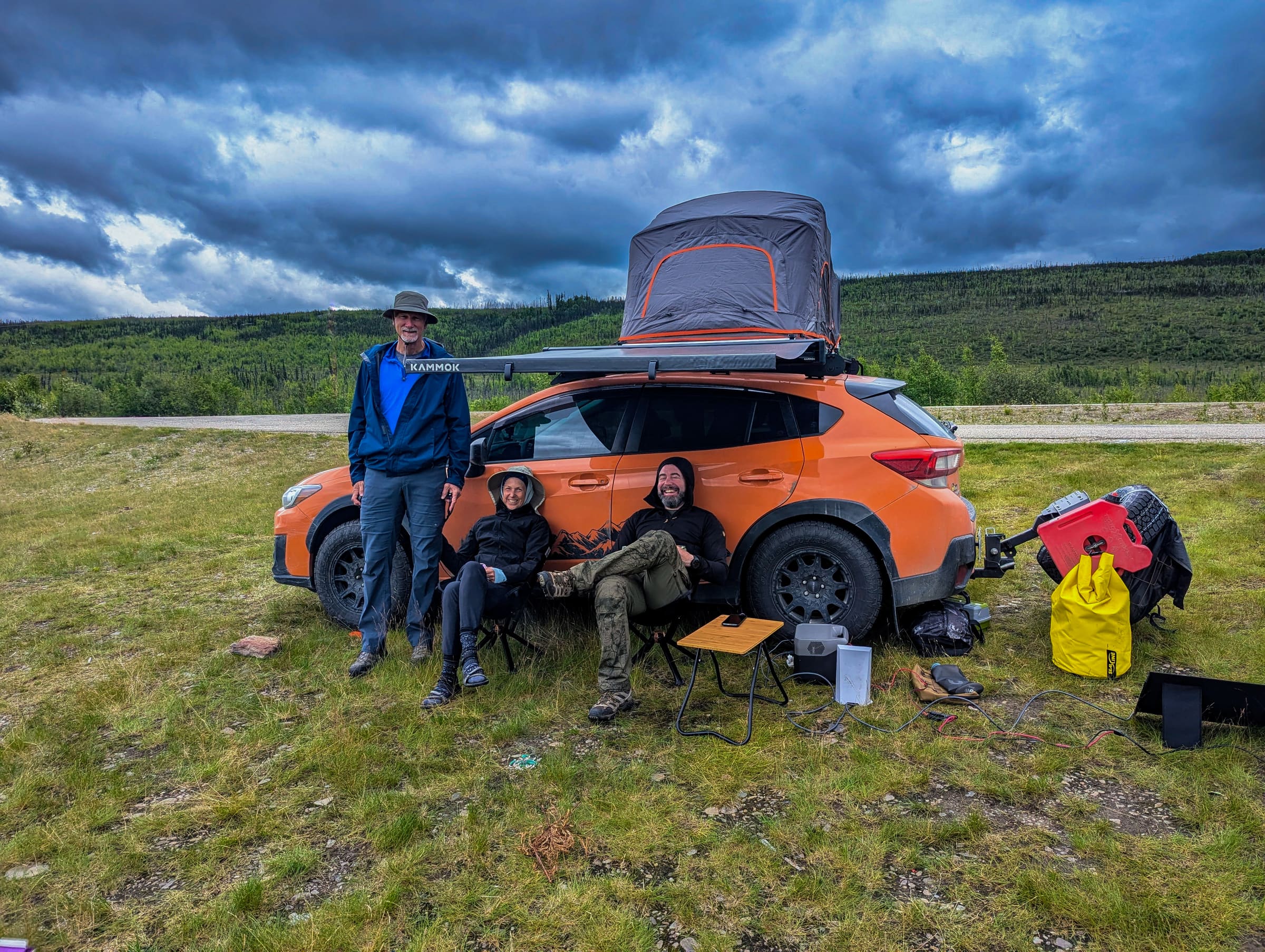
A field look at why clearance, traction, and rental rules matter once the pavement ends.
Roads Where Higher Clearance or 4WD Helps
Denali Highway
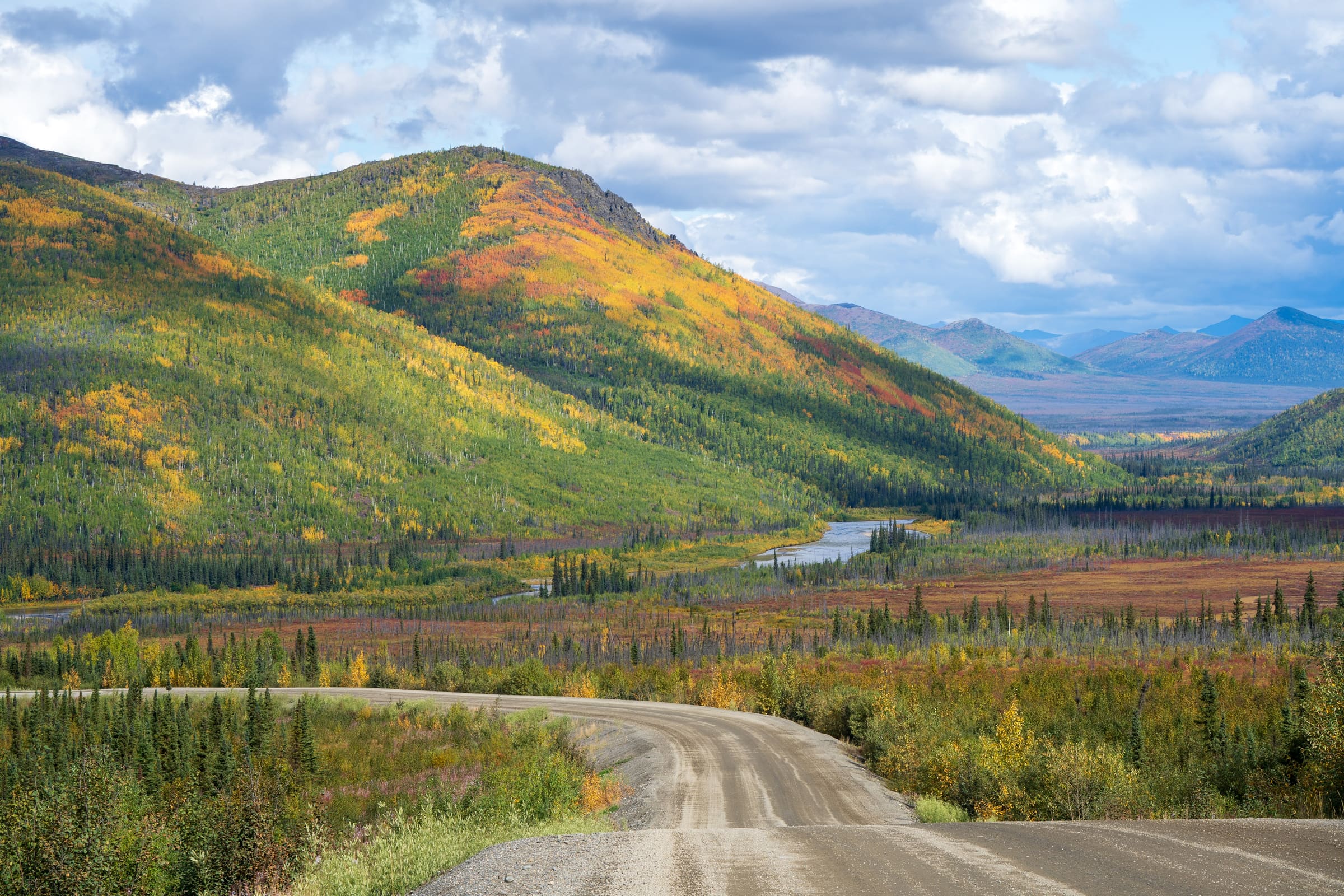
This 135-mile gravel road from Paxson to Cantwell is one of the most scenic drives in Alaska. It is passable in a regular car in good conditions, but a vehicle with higher clearance makes the drive much more comfortable. The road surface varies from smooth gravel to significant potholes and washboard sections. 4WD is not required, but an SUV or crossover is recommended.
McCarthy Road (to Wrangell-St. Elias)
The 60-mile gravel road from Chitina to McCarthy follows an old railroad grade and is notoriously rough. It is narrow, has no guardrails, and features a one-lane bridge. High clearance is strongly recommended. Some rental companies prohibit this road for standard cars. If Wrangell-St. Elias is on your list, plan for an SUV or truck.
Top of the World Highway
The Top of the World Highway between Chicken, Alaska, and Dawson City, Yukon, is gravel and can be rough in spots. Higher clearance helps, though the road is regularly graded in summer. A standard car can make it in good conditions, but an SUV is more comfortable.
Dalton Highway
The Dalton Highway to Prudhoe Bay is 75% gravel and sees heavy truck traffic. While technically passable in a 2WD vehicle, an SUV or truck with higher clearance is strongly recommended. Most rental companies prohibit standard vehicles on the Dalton entirely. If you plan to drive this road, rent from a company that specifically permits it and carry two spare tires. Planning to overnight on the haul road? Read our Dalton Highway camping guide for campground picks and prep specifics.
Nabesna Road
This 42-mile road into the northern reaches of Wrangell-St. Elias National Park starts paved and becomes progressively rougher. The first 29 miles are manageable in a regular car, but beyond that, 4WD and high clearance are recommended.
Want a custom itinerary built for your trip? We'll plan your entire Alaska road trip around your dates, budget, and interests. Get your custom itinerary →
AWD vs 4WD: What Is the Difference?
All-wheel drive (AWD), found in most crossovers and SUVs like the Subaru Outback or Toyota RAV4, distributes power to all four wheels automatically. It provides better traction on gravel, wet pavement, and light off-road conditions. For Alaska's gravel highways, AWD is usually sufficient.
Four-wheel drive (4WD), found in trucks and vehicles like the Toyota 4Runner or Jeep Wrangler, offers more robust off-road capability including low-range gearing. True 4WD is only necessary for Alaska's roughest roads, such as backcountry mining roads or the most challenging sections of the Nabesna or McCarthy roads.
What About Rain and Mud?
Alaska's gravel roads can become slippery in rain. AWD or 4WD provides better traction in these conditions, but cautious driving matters more than drivetrain. Slow down, avoid sudden braking on gravel, and pull over if conditions deteriorate significantly.
Rental Car Considerations
When renting a vehicle in Alaska:
- Read the rental agreement carefully. Many companies restrict specific roads (Dalton Highway, McCarthy Road, Denali Highway).
- SUVs and crossovers are widely available at Anchorage and Fairbanks rental counters.
- 4WD trucks are available but cost more and should be reserved well in advance for summer travel.
- If you plan to drive any unpaved roads, confirm with the rental company that your chosen vehicle is permitted on those roads.
For a broader comparison of vehicle options, see our RV vs car guide.
The Bottom Line
Stick to paved highways? Any car works. Adding gravel roads like the Denali Highway or Top of the World Highway? An SUV or AWD crossover is a smart choice. Tackling the Dalton Highway or McCarthy Road? Get a proper truck or SUV with high clearance and the right rental agreement. Match your vehicle to your itinerary, and you will be set.
See a real Alaska itinerary before you spend a dollar
A real 3-day plan with driving times, lodging picks, and a daylight chart — free, in your inbox.
One email. No spam. Unsubscribe anytime. Or view it right now — no email needed ↗
Ready for the full plan? Get your custom itinerary — from $197 · 5-day delivery →