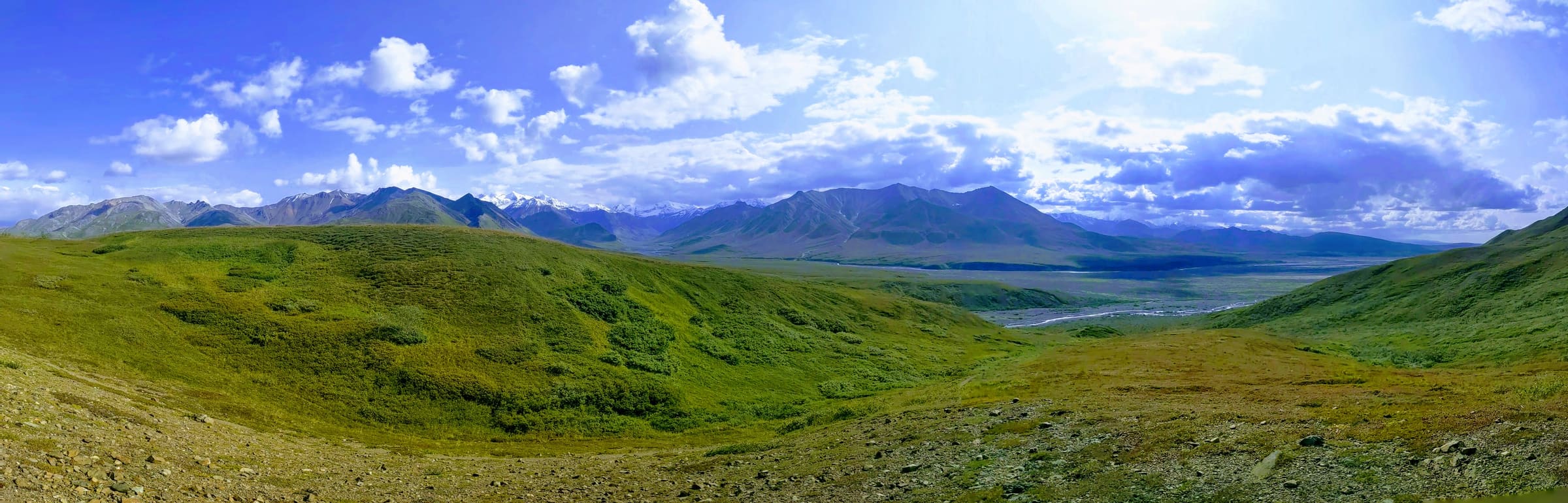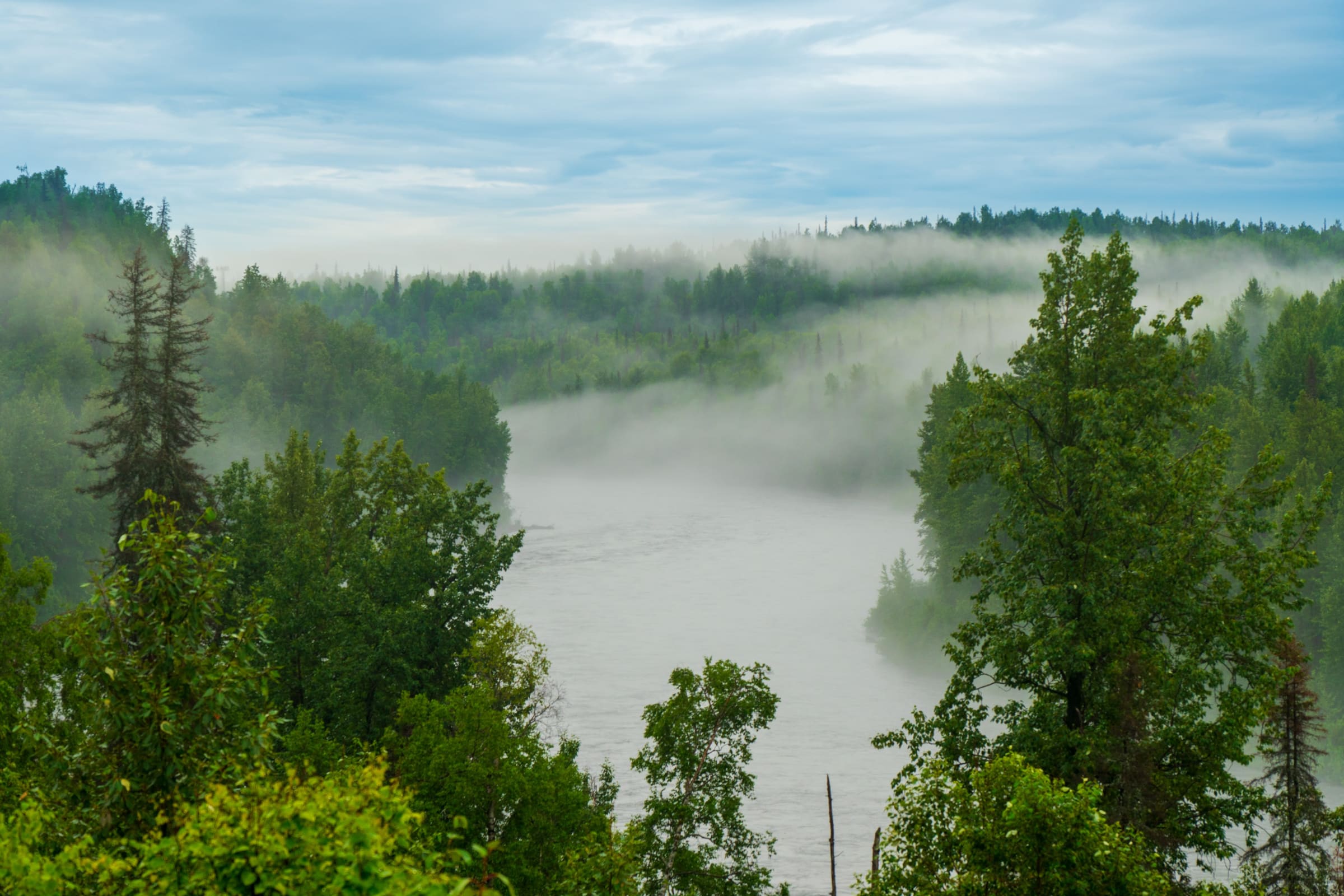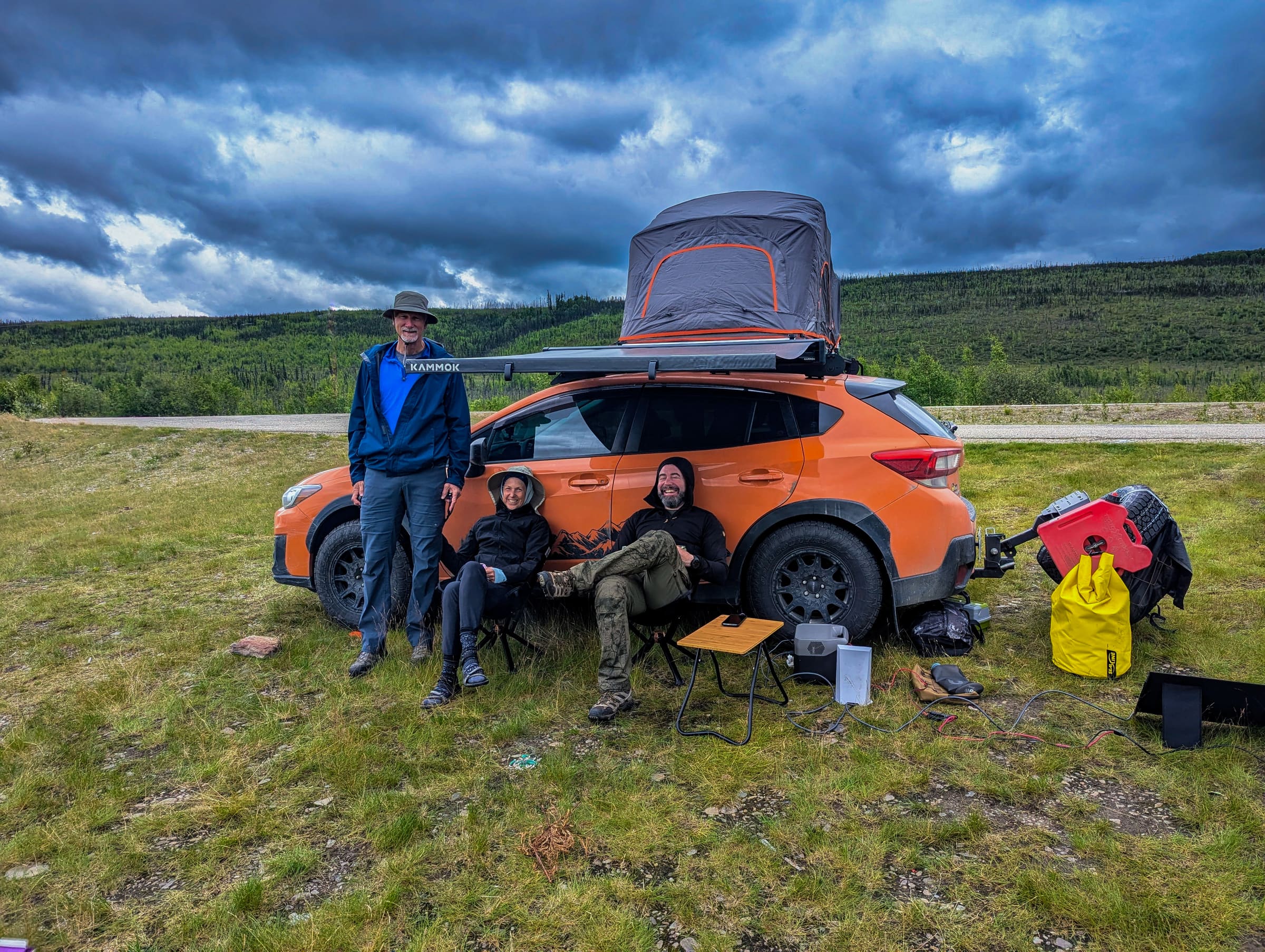
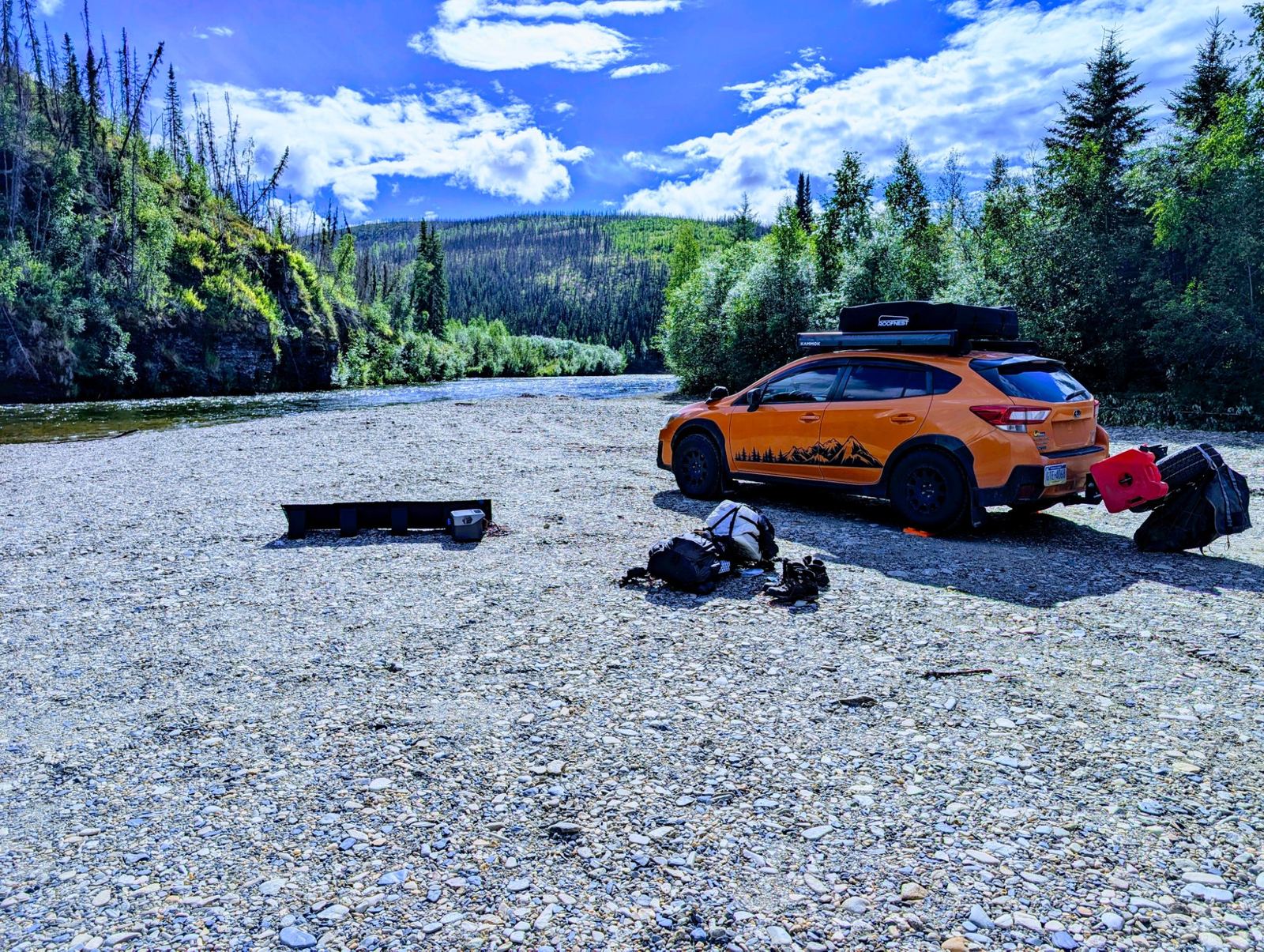
Alaska, the Last Frontier, beckons with its vast, untamed wilderness, offering an unparalleled sense of freedom. For many adventurers, the allure of dispersed camping—parking your RV or pitching a tent on public lands outside of designated campgrounds—is irresistible. The promise of "free" overnight stays seems like a budget traveler's dream, a way to immerse yourself deeply in nature without the nightly fees. However, as experts in Alaska travel, we at Alaska Road Trip know that the concept of "free" in the Alaskan wilderness often comes with a hidden price tag. While you might save on campground fees, the real alaska dispersed camping costs can quickly add up in unexpected ways, impacting your wallet, your time, and even the delicate subarctic environment. Before you embark on your 2026 adventure, let's peel back the layers and examine the true financial and ethical considerations of dispersed camping in Alaska.
Understanding Dispersed Camping in Alaska
Dispersed camping, often referred to as boondocking or dry camping, means setting up camp outside of developed campgrounds. In Alaska, this is often permitted on lands managed by the Bureau of Land Management (BLM) and the U.S. Forest Service (USFS), as well as some state lands. It typically involves finding a suitable spot at least a quarter-mile from developed recreation sites, paved roads, and water sources, and adhering to strict Leave No Trace principles. Unlike established campgrounds, dispersed sites offer no amenities—no picnic tables, fire rings, potable water, or restrooms. This self-sufficiency is both the appeal and the challenge, requiring careful planning and a robust understanding of your resources. For more information on USFS lands in Alaska, visit the U.S. Forest Service Alaska website.
While the freedom is immense, it's crucial to understand that not all public lands allow dispersed camping. National Parks, for instance, typically restrict camping to designated areas or require specific backcountry permits. Always research the specific regulations for the area you intend to visit. Ignorance of the rules can lead to fines, environmental damage, and a ruined trip. For comprehensive guidance on planning your Alaskan journey, we recommend exploring our plan your trip resources.
The Illusion of "Free": Calculating the Real Financial Costs
The most significant misconception about dispersed camping is that it's entirely free. While you avoid a nightly fee, the absence of amenities necessitates increased spending elsewhere. Let's break down the true alaska dispersed camping costs.
Fuel Consumption: The Hidden Expense of Isolation
When you're deep in the wilderness, every trip to town for groceries, water, propane, or to dump waste adds significant mileage to your vehicle. Alaska's vast distances mean these trips are rarely short. Fuel prices in Alaska can be substantial, especially in remote areas, and these costs can quickly add up. Frequent resupply trips for a dispersed campsite can quickly erode any perceived savings compared to a developed campground that is closer to amenities.
Consider a typical Alaska road trip. If you spend nights dispersed camping, but each requires a round trip for resupply, these extra miles quickly add up. With Alaska's fuel prices, the cost of these trips can significantly erode any perceived savings. Compare this to average state park campground fees, which can vary significantly per night, and the savings from dispersed camping become less clear.
Vehicle Wear and Tear: The Cost of Rough Roads
Many prime dispersed camping spots are accessed via unpaved, gravel, or dirt roads. These roads, while scenic, can be brutal on your vehicle. Increased wear on tires, suspension, brakes, and even the chassis can lead to unexpected maintenance costs. Dust infiltration can damage air filters and sensitive electronics. A single flat tire in a remote area can lead to substantial costs for repair or replacement, plus the time lost waiting for assistance. Over time, the cumulative effect of driving on rough terrain can significantly shorten your vehicle's lifespan and increase its maintenance schedule. This is a crucial factor to consider, especially if you're debating RV vs. car for your Alaska adventure.
Supplies and Provisions: Stocking Up for Self-Sufficiency
Dispersed camping demands a higher level of self-sufficiency, which often translates to more upfront costs for gear and supplies. You'll need robust water storage containers, a reliable water filter or purification system, portable power solutions (solar panels, generators), and a well-stocked pantry of non-perishable foods. Waste management solutions, such as portable toilets or wag bags, are also essential. While these are one-time investments, they are part of the true cost of enabling dispersed camping. Furthermore, the need to carry more supplies means more weight, which can further impact fuel efficiency.
Opportunity Costs: Time is Money
Every hour spent driving to and from town for supplies, dumping waste, or filling water tanks is an hour not spent hiking, fishing, wildlife viewing, or simply relaxing in the Alaskan wilderness. Your vacation time is precious, and these logistical tasks, while necessary, can eat into your experience. Consider the value of your time when assessing the overall alaska dispersed camping costs. Sometimes, paying a campground fee for convenient access to amenities and services allows you to maximize your enjoyment of Alaska's natural beauty.
Comparing to Campground Fees: The Break-Even Point
To truly understand the financial viability of dispersed camping, you need to calculate your personal break-even point. Estimate your average daily fuel cost for resupply runs, plus an allowance for increased vehicle wear. Add to this any daily depreciation of your specialized gear. Compare this sum to the average nightly fee for a developed campground in the areas you plan to visit. For example, Alaska State Parks and private RV parks charge varying nightly fees for standard sites, which can range significantly depending on location and amenities. If your daily hidden costs for dispersed camping exceed these figures, then a developed campground might actually be the more economical choice, not to mention the added convenience and access to facilities like potable water, dump stations, and sometimes even showers.
For a detailed look at overall travel expenses, our guide on Alaska itinerary cost provides a comprehensive breakdown of various budget considerations.
Optimizing Your Resources: Extending Your Wilderness Stay
If you're committed to the dispersed camping experience, optimizing your resource consumption is key to minimizing those hidden costs and maximizing your time in the wild. The longer you can stay out without needing to resupply, the more cost-effective and enjoyable your trip will be.
Water Management: The Lifeblood of Your Camp
Plan for a generous amount of water, ensuring sufficient supply per person per day for drinking, cooking, and basic hygiene. Invest in large, durable water containers (e.g., 7-gallon Aquatainers). A high-quality water filter or purification system (like a Sawyer Squeeze or Katadyn BeFree) is essential for sourcing water from natural bodies, but often ensure the source is safe and treat it thoroughly. Conserve water by using biodegradable soaps sparingly, taking sponge baths, and minimizing dishwashing. Pre-cook meals to reduce water needed for cooking and cleaning.
Waste Management: Pack It In, Pack It Out
This is non-negotiable in Alaska's pristine environment. Every piece of trash, food scrap, and human waste must be packed out. For solid waste, use sturdy trash bags and consider a small, bear-resistant container. For human waste, portable toilets are ideal for RVs and vans. For tent campers, a WAG bag system (Waste Alleviation and Gelling) or digging a cathole at least 6-8 inches deep and 200 feet from water sources, trails, and campsites, is crucial. Burying toilet paper is generally discouraged; often pack it out. The goal is to leave no trace of your presence.
Power Solutions: Keeping Connected (or Not)
For longer stays, especially with an RV or camper, a reliable power source is vital. Solar panels are an excellent, quiet, and renewable option, especially under Alaska's long summer daylight hours. Portable power stations (e.g., Jackery, Goal Zero) can supplement solar or provide power for smaller devices. Generators offer more robust power but come with noise and fuel consumption considerations. Prioritize charging essential devices and consider disconnecting from non-essential electronics to truly embrace the wilderness experience.
Food Planning: Efficiency and Longevity
Plan meals that require minimal cooking and cleanup. Dehydrated meals, instant oatmeal, and shelf-stable items are excellent choices. Pre-chopping vegetables and pre-mixing dry ingredients at home can save time, water, and effort. A good cooler with quality ice or a portable fridge/freezer can extend the life of perishables, reducing the frequency of grocery runs.
The Ethical Imperative: Protecting Alaska's Fragile Ecosystems
Beyond the financial aspects, the most significant cost of irresponsible dispersed camping is the damage to Alaska's incredibly fragile environment. The subarctic tundra, boreal forests, and pristine waterways are slow to recover from human impact. Understanding and practicing Leave No Trace (LNT) principles is not just a suggestion; it's an ethical obligation.
Leave No Trace Principles: A Mandate for Alaska
The seven Leave No Trace principles are paramount, but they take on heightened importance in Alaska:
- Plan Ahead and Prepare: Know the regulations, weather, and potential hazards.
- Travel and Camp on Durable Surfaces: Stick to existing roads and established pull-offs. Avoid driving or walking on delicate tundra, which can take decades to recover from tire tracks or foot traffic. often stay on established gravel pull-offs or designated durable surfaces.
- Dispose of Waste Properly: Pack out all trash, food scraps, and human waste. Avoid burying toilet paper.
- Leave What You Find: Do not disturb cultural artifacts, rocks, plants, or other natural objects.
- Minimize Campfire Impacts: Use existing fire rings if available. Keep fires small, use only dead and downed wood, and ensure fires are completely out and cold to the touch before leaving. In many areas, fires may be prohibited.
- Respect Wildlife: Observe from a distance. Never feed animals. Store food and scented items in bear-resistant containers. Be aware of your surroundings, especially in bear country. Our guide on wildlife safety in Alaska offers essential advice.
- Be Considerate of Other Visitors: Respect solitude and privacy. Keep noise levels down.
The National Park Service provides excellent resources on Leave No Trace principles, which are universally applicable and critical for Alaska.
Impact on Sensitive Subarctic Tundra
The subarctic tundra is a delicate ecosystem characterized by permafrost, slow-growing vegetation, and a short growing season. Vehicle tracks or even repeated foot traffic can break through the thin vegetative layer, exposing the permafrost beneath. Once exposed, the permafrost can melt, leading to erosion, thermokarst (subsidence), and long-lasting scars on the landscape. These impacts are not easily repaired and can persist for decades, if not centuries. often stay on established gravel pull-offs or designated durable surfaces.
Human Waste Disposal: A Public Health and Environmental Concern
Improper human waste disposal is a major issue in popular dispersed camping areas. It contaminates water sources, spreads disease, and creates unsightly and unsanitary conditions. In areas without facilities, using a portable toilet or WAG bags is the most responsible method. If a cathole is the only option, ensure it's dug deep enough (6-8 inches) and far from water, trails, and campsites, and cover it thoroughly. often pack out all toilet paper.
Fire Safety: A Constant Vigilance
Alaska's dry summers can create extreme wildfire risks. A single unattended campfire can devastate vast tracts of forest and tundra, endangering wildlife, property, and human lives. often check current fire restrictions before lighting a fire. If fires are permitted, keep them small, contained, and ensure they are completely extinguished and cold to the touch before you leave. Consider a portable propane fire pit as a safer alternative.
Is Dispersed Camping Right for Your Alaska Adventure?
Deciding whether dispersed camping is suitable for your Alaska trip involves weighing the perceived savings against the true costs and responsibilities. It's an incredible experience for those who are well-prepared, self-sufficient, and deeply committed to environmental stewardship. However, for others, the convenience, amenities, and community of a developed campground might offer a more relaxing and enjoyable vacation.
When Dispersed Camping Shines:
- You prioritize solitude and immersion in nature.
- You are fully self-contained with robust water, power, and waste systems.
- You have a flexible schedule and don't mind driving for resupply.
- You are an experienced wilderness traveler and committed to Leave No Trace principles.
- You have a vehicle capable of handling rougher roads.
When Developed Campgrounds Might Be Better:
- You are on a tighter schedule and want to maximize sightseeing.
- You prefer easy access to potable water, restrooms, and dump stations.
- You have a smaller budget for specialized gear and vehicle maintenance.
- You are traveling with young children or have mobility concerns.
- You prefer the security and community of established sites.
- You want to minimize your environmental footprint on sensitive areas.
Planning Your Dispersed Camping Trip: Essential Considerations
If you decide dispersed camping is for you, meticulous planning is paramount. Here are key areas to focus on for your 2026 Alaska adventure:
- Research Regulations: Always verify land ownership and specific camping rules for your intended areas. The Bureau of Land Management Alaska website is an excellent starting point.
- Vehicle Preparedness: Ensure your vehicle is in top mechanical condition. Carry a full-size spare tire, tire repair kit, basic tools, and extra fuel.
- Navigation: Don't rely solely on cell service. Carry physical maps, a GPS device, and know how to use them.
- Safety Gear: Bear spray, a first-aid kit, satellite communication device (e.g., InReach), and emergency supplies are non-negotiable.
- Food Storage: often use bear-resistant food containers or hang food properly, even if you don't see bears.
- Weather Preparedness: Alaska's weather can change rapidly. Pack layers, rain gear, and be prepared for cold temperatures even in summer.
Frequently Asked Questions
Is dispersed camping legal everywhere in Alaska?
No, dispersed camping is not legal everywhere in Alaska. It is often permitted on lands managed by the Bureau of Land Management (BLM) and the U.S. Forest Service (USFS), as well as some state lands. However, specific restrictions apply, such as being a certain distance from developed areas, water sources, and paved roads. National Parks typically do not allow dispersed camping outside of designated backcountry areas with permits. often research the specific land management agency and their regulations for your intended camping location before you go.
What are the average alaska dispersed camping costs for fuel?
The average alaska dispersed camping costs for fuel can vary significantly based on your vehicle's fuel efficiency, the distance to amenities, and current gas prices. Fuel prices in Alaska can be substantial, especially in remote areas. Frequent round trips for resupply, which can occur for dispersed campers, could easily add significant fuel costs per trip, quickly diminishing any savings from avoiding campground fees.
How do I manage human waste in the wilderness?
Proper human waste management is critical for environmental protection and public health in Alaska. For RVs and camper vans, a self-contained portable toilet is the best option, with waste disposed of at designated dump stations. For tent campers, the Leave No Trace principle of packing out human waste using WAG bags (Waste Alleviation and Gelling) is a recommended method, particularly in sensitive or high-use areas where catholes are not appropriate or permitted. If a cathole is the only option, it must be dug 6-8 inches deep and at least 200 feet (about 70 paces) from water sources, trails, and campsites, then covered thoroughly. often pack out all toilet paper.
What are the biggest environmental risks of dispersed camping in Alaska?
The biggest environmental risks of dispersed camping in Alaska include damage to fragile subarctic tundra from vehicle tracks and foot traffic, which can take decades to recover. Improper human waste disposal contaminates water sources and spreads disease. Uncontrolled campfires pose a significant wildfire risk, especially during dry periods. Additionally, improper food storage can attract wildlife, leading to human-wildlife conflicts and habituation, which is detrimental to both animals and people.
Can I have a campfire while dispersed camping?
Whether you can have a campfire while dispersed camping depends entirely on current fire restrictions and the specific land management agency's rules for the area you are in. often check local regulations before lighting a fire. During dry periods, fire bans are common and strictly enforced. If fires are permitted, use existing fire rings if available, keep fires small, use only dead and downed wood, and ensure the fire is completely extinguished and cold to the touch before leaving. A portable propane fire pit is often a safer and more responsible alternative.
Plan Your Alaska Adventure Wisely
While the allure of "free" wilderness camping is strong, understanding the true alaska dispersed camping costs—both financial and environmental—is essential for a responsible and enjoyable trip. At Alaska Road Trip, we believe in empowering travelers with the knowledge to make informed decisions. Whether you choose the solitude of dispersed camping or the convenience of developed campgrounds, meticulous planning is the key to an unforgettable Alaskan adventure. If you find the complexities of planning overwhelming, Alaska Road Trip's concierge services can craft a personalized itinerary that balances your budget, preferences, and commitment to preserving Alaska's pristine beauty.
See a real Alaska itinerary before you spend a dollar
A real 3-day plan with driving times, lodging picks, and a daylight chart — free, in your inbox.
One email. No spam. Unsubscribe anytime. Or view it right now — no email needed ↗
Ready for the full plan? Get your custom itinerary — from $197 · 5-day delivery →