Why an Alaska Road Trip for Retirees Demands Different Pacing
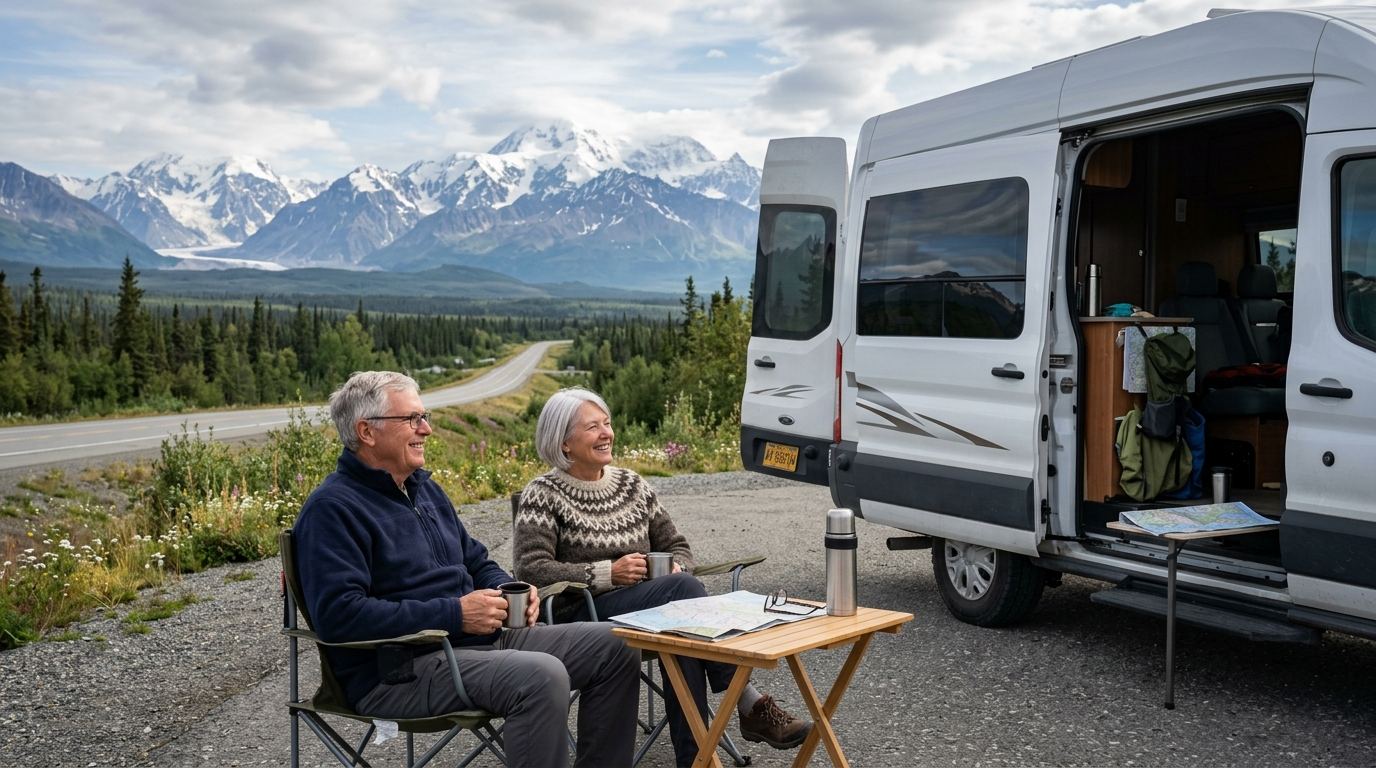
An alaska road trip for retirees succeeds or fails based on pacing, not how many miles you check off each day. Capping your transit at 120 to 180 miles per day ensures you can absorb unpredictable highway delays, enjoy spontaneous wildlife pullouts, and wake up refreshed instead of road-weary.
Most standard travel itineraries cater to younger tourists attempting to compress the entire state into a manic ten-day sprint. Those schedules routinely assign six to eight hours of driving between Anchorage, Fairbanks, and the Kenai Peninsula. While driving through subarctic landscapes sounds scenic on paper, long stints behind the wheel in Alaska are physically taxing. Frost heaves—undulations caused by the seasonal freezing and thawing of ground under paved roads—require continuous steering micro-adjustments, heightened concentration, and sudden decelerations.
Summer highway maintenance further impacts travel times. The Alaska Department of Transportation and Public Facilities manages paving, bridge repairs, and road maintenance during the warmer months. Pilot-car operations on two-lane highways like the George Parks Highway or the Sterling Highway frequently add 45 to 90 minutes to trips that digital mapping apps calculate assuming an unimpeded 65 mph. Before setting out each morning, travelers should monitor real-time road conditions and active work zones via Alaska 511 .
To keep an Alaska road trip manageable for mature travelers, anchor your schedule around a two-night minimum per destination. Moving hotels every single morning creates packing fatigue, interrupts restful sleep, and turns a dream vacation into a logistical grind. Settling into a single base for two or three nights allows you to wait out poor weather, schedule low-impact morning excursions, and leave afternoons open for scenic downtime.
Evaluating Comfortable Alaska Road Trip Routes Across Paved Highways
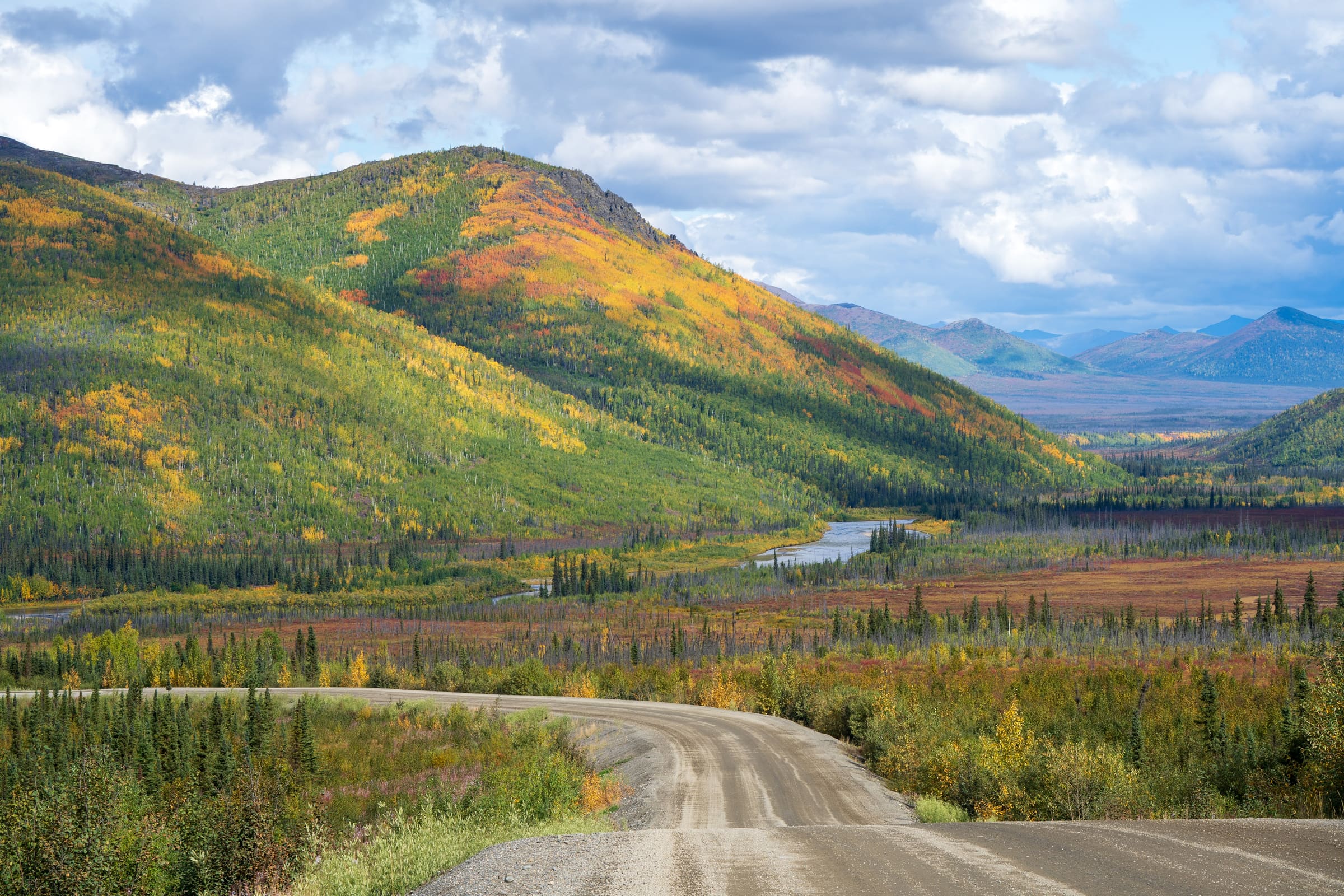
Building comfortable Alaska road trip routes requires choosing fully paved corridors with established infrastructure rather than unpaved frontier tracks. While guidebooks often romanticize gravel expeditions like the Denali Highway (Route 8) or the Top of the World Highway, these remote routes lack basic roadside amenities. Traveling over rough washboards, sharp shale rock, and hundred-mile stretches without emergency services or cell phone reception introduces unnecessary physical strain and vehicle breakdown risks.
For mature travelers seeking scenery without extreme driving conditions, Alaska features four primary paved corridors with consistent access to gas stations, full-service grocery stores, and medical facilities:
- The Seward Highway (Route 1): Running south from Anchorage to Seward, this 127-mile National Scenic Byway skirts the dramatic mudflats of Turnagain Arm before climbing into the Kenai Mountains. Review our detailed Seward Highway guide to pinpoint level pullouts and wildlife viewpoints along this route. Source: Fhwa Dot source.
- Branching from Tern Lake toward Soldotna and Homer, this segment winds through spruce forests and coastal bluffs along Cook Inlet.
- The George Parks Highway (Route 3): Connecting Anchorage to Fairbanks over 358 miles, the Parks Highway is well-maintained, wide, and offers reliable service towns like Talkeetna, Cantwell, and Nenana.
- The Glenn Highway (Route 1 north): Stretching east from Palmer through the Matanuska Valley toward Glennallen, this route provides up-close views of the Chugach Mountains and Matanuska Glacier along broad paved bypasses.
When comparing major routing choices, the Kenai Peninsula loop offers the densest cluster of accessible scenic towns, ocean cruises, and emergency medical infrastructure within two to four hours of Anchorage. Interior loops extending to Fairbanks, Delta Junction, and Valdez provide expansive vistas, but require longer driving days, sparser services, and wider hospital coverage gaps.
Managing Daily Drive Fatigue: Sensible Mileage and Built-In Rest Days
The golden rule for older self-drivers in Alaska is keeping daily driving time under four hours. Driving 150 miles in Alaska is not equivalent to driving 150 miles on an interstate highway. Constant wildlife scanning, narrow two-lane bridges, slow-moving commercial freight, and RV convoys demand steady focus. Planning for a three- to four-hour driving window leaves margin for unexpected roadside wildlife sightings, pullout photography, and leisurely diner lunches.
Designating intentional zero-driving days in towns like Seward, Homer, or Talkeetna preserves your physical stamina. A zero-driving day means your car remains parked at your lodge. You can wake up without setting an alarm, walk to a nearby harbor café, browse local art galleries, or sit on a deck watching floatplanes take off. These quiet pauses restore your energy for subsequent driving legs.
Managing the midnight sun is equally critical for regulating daily fatigue. Across Southcentral and Interior Alaska in June and July, daylight lasts between 19 and 22 hours. The absence of natural dusk suppresses melatonin production, which frequently causes travelers in their 60s and 70s to stay up past midnight without realizing it. Over three or four consecutive days, this circadian disruption accumulates into physical exhaustion. Combat daylight fatigue by drawing heavy blackout curtains by 9:00 PM, wearing a sleep mask, and maintaining a consistent bedtime routine regardless of the sunlight outside.
Denali National Park in 2026: Navigating the Mile 43 Closure with Ease
Visiting Denali National Park requires updated route planning due to the long-term road closure at Mile 43 (Pretty Rocks Landslide). A massive, climate-driven rock glacier movement sheared away the roadway, initiating a multi-year bridge construction project managed by the Federal Highway Administration and the National Park Service. Construction ran through the 2026 visitor season, so private vehicles and park transit buses could not travel past the East Fork bridge at Mile 43. The bridge was completed in September 2026, and access past Mile 43 returns for the 2027 season.
According to the official National Park Service Denali Conditions, transit and narrated tour buses operated smoothly up to the East Fork riverbed turnaround in 2026, providing roughly 43 miles of front-country and wilderness access. This truncated route is actually advantageous for retirees. Pre-closure bus itineraries to Eielson Visitor Center (Mile 66) or Kantishna (Mile 92) required eight to twelve grueling hours on a school bus with limited suspension over unpaved roads. The Mile 43 turnaround offers a manageable four- to five-hour round-trip excursion that showcases alpine tundra, braided rivers, and frequent sightings of moose, caribou, and grizzly bears without taxing your physical endurance.
If you prefer to avoid the park bus system entirely, you have excellent, low-impact alternatives for experiencing the mountain:
- Flightseeing from Talkeetna: Book a flightseeing tour equipped with window seats and noise-canceling headsets that takes you within miles of Denali's south face and the Ruth Glacier. This delivers views of the Alaska Range without bumpy driving.
- Paved Frontcountry Trails: Explore the paved, wheelchair-accessible walking loops around the Denali Visitor Center and Murie Science and Learning Center at Mile 1, featuring gentle grades and interpretive botanical displays.
- The Alaska Railroad Depot: Spend a relaxed afternoon watching the historic blue-and-gold trains arrive at the depot, located adjacent to shaded, level paths.
When selecting lodging along the Parks Highway corridor, avoid the commercial "Glitter Gulch" hotel strip just outside the park gates if you dislike crowds and tour bus congestion. Instead, look for quiet cabins and lodges located 10 to 15 miles south in Carlo Creek, or base yourself 45 minutes south in Cantwell, where riverside accommodations provide restful evenings away from highway noise. For a comprehensive deep-dive into construction timelines and transit reservations, read our guide to the Denali Park Road 2026–2027 operations.
Alaska Travel for 60 Year Olds: Accessible Glaciers, Wildlife Cruises, and Town Walks
Planning thoughtful alaska travel for 60 year olds means prioritizing high-reward activities that do not require technical hiking skills, heavy gear, or balance-testing scrambles. Alaska's best landscapes can be experienced comfortably through accessible infrastructure, stable boats, and maintained boardwalks.
Stable Small-Ship Marine Cruises
Viewing marine wildlife—such as humpback whales, orcas, sea otters, and Steller sea lions—is a highlight of coastal Alaska. Rather than booking rigid-hull inflatable boats or small, open skiffs that bounce violently over ocean swells, select large, high-speed catamarans out of Seward or Whittier. Operators like Kenai Fjords Tours and Major Marine operate vessels with stable dual-hull construction, heated enclosed cabins, cushioned booth seating, and wide exterior observation decks with sturdy handrails. These vessels feature full-service restrooms and onboard hot lunch options, allowing you to view tidewater glaciers calving into the sea from the warmth of an indoor seat.
Drive-Up and Level-Path Glaciers
You do not need crampons or a helicopter to stand near ancient blue ice. Several road-accessible glaciers offer viewing areas with gentle grades:
- Matanuska Glacier: Located off the Glenn Highway at Mile 102, private park facilities allow you to drive right down to the moraine gravel flats, where guided walking paths offer close-up views of the glacier terminus.
- Byron Glacier: Situated in Portage Valley, Byron Glacier trail is a wide, flat, one-mile trail through alder thickets maintained by the U.S. Forest Service in Chugach National Forest. The path has virtually no elevation gain and ends at a rocky viewpoint overlooking snowfields and cascading hanging glaciers.
- Worthington Glacier: Near Thompson Pass on the Richardson Highway, this state recreation site features paved walkways leading from the parking lot to clear vantage points of the glacier tongue.
Gentle Walking Towns
Exploring local towns adds historic flavor to your journey without steep grades. In Homer, the paved trail running alongside the Homer Spit offers miles of level walking past working boat yards, tackle shops, and seaside eateries overlooking Kachemak Bay. In Talkeetna, the dirt roads of the historic village center are flat, compact, and easy to stroll between the Talkeetna Roadhouse and the river confluence park. In Anchorage, the paved Tony Knowles Coastal Trail features numerous access points with benches every few hundred yards, providing views of Mount Susitna across Cook Inlet.
Vehicle Selection and Practical Comfort: Rental Car vs. Small RV
One of the earliest decisions for retirees planning an Alaska self-drive vacation is choosing between a standard rental vehicle paired with hotels or renting a motorhome. Both options have loyal proponents, but they present very different day-to-day physical demands.
A full-size SUV or large sedan paired with lodge reservations offers familiar driving dynamics. Modern passenger vehicles handle frost heaves smoothly, slip into standard parking spots at scenic pullouts, and navigate tight gas station canopies with ease. After a day on the road, you step out of your car into a fixed hotel room, sleep on a standard mattress, and eat at local restaurants without dealing with domestic chores. However, this approach requires booking boutique lodge rooms six to nine months in advance, and unpacking luggage every few days.
A Class C motorhome (typically 24 to 28 feet) combines your transit and lodging. You only unpack once, your private restroom is accessible at every scenic viewpoint, and you can prepare your own meals. However, driving a wide, heavy vehicle along Alaska's winding roads requires ongoing concentration. Wind gusts along Turnagain Arm can push large motorhomes around, and navigating tight grocery store lots in Palmer or Soldotna can be stressful. Additionally, managing water tanks, sewer hoses, and campground hookups requires daily physical bending and maintenance. For an exhaustive breakdown of expenses and logistics, see our guide on renting an RV versus a car in Alaska.
| Decision Criteria | Full-Size SUV + Lodging | Small Motorhome (Class C) |
|---|---|---|
| Driving Ease & Maneuverability | High: Familiar handling, fits all scenic pullouts, easy parking in towns. | Moderate to Low: Susceptible to crosswinds, blind spots, difficult turning radius. |
| Physical Labor Required | Low: Luggage handling into hotels; no utility hookups. | Moderate: Emptying black/gray tanks, leveling jacks, hooking up power/water. |
| Dining & Flexibility | Independent dining at cafes; dependent on town food options. | Onboard kitchen allows self-prepared meals anywhere along the road. |
| Restroom Accessibility | Dependent on highway rest areas, service stations, and visitor centers. | Immediate access to your own private onboard restroom at every pullout. |
| Booking Lead Time | Requires lodging reservations 6–10 months early in peak summer. | RV park hookups fill early, but dry-camping and public parks offer fallback options. |
When renting a passenger vehicle, verify your rental car contract's gravel road restrictions. Major car rental agencies based out of Ted Stevens Anchorage International Airport (ANC) allow their vehicles on designated state-numbered highways, but prohibit travel on unpaved routes like the Dalton Highway to the Arctic Circle. often check that your personal auto insurance or travel credit card covers minor windshield rock chips, which are common across Alaska highways.
DIY Planning Fatigue vs. a Done-for-You Alaska Road Trip for Retirees
Organizing an independent road trip across Alaska is notoriously time-consuming. Mature travelers routinely report spending 40 to 60 hours reading outdated forum threads, reconciling contradictory drive-time estimates, and struggling to coordinate hotel bookings with tour departure windows. Because peak Alaska summer lodging fills up rapidly, a single routing miscalculation can leave you stranded with a grueling seven-hour drive between available rooms.
This research fatigue is why many independent travelers turn to a done-for-you itinerary service. At Alaska Road Trip, we replace guesswork with a streamlined, realistic plan customized specifically to your preferred driving pace. Every itinerary is hand-built by a named founder who has driven thousands of Alaska miles across multiple seasons. We evaluate real-world road conditions, mountain pass construction, and ferry schedules so your trip unfolds smoothly without rushed mornings.
Our pricing is straightforward: Alaska Road Trip is a one-time flat fee, not a subscription—there are no recurring charges. Our transparent pricing tiers include:
- Lite (a measurable budget): Covers 1 to 5 days of travel, ideal for targeted regional loops.
- Standard (a measurable budget): Covers up to 14 days of travel, designed for comprehensive multi-region journeys.
- Plus (a measurable budget): Covers 15+ days of travel, structured for deep-exploration routes.
- Concierge (a measurable budget): Builds upon your custom route with an included 30-minute live phone call directly with the founder to review plans and answer specific questions.
Our operational model is designed to leave you in complete control. Alaska Road Trip hand-picks lodging and gives you direct booking links, but you book it yourself—it does not make reservations on your behalf, so you keep full control and flexibility. Similarly, Alaska Road Trip recommends activities and tours with timing and booking links; you reserve them yourself. Alaska Road Trip does not book flights or rental cars; you arrange those independently.
Your custom itinerary is delivered as a printable, offline-ready PDF in 3 to 5 business days, with 1 to 2 revision rounds included to dial in your preferences. Itineraries reflect current-season research at the time they're built. The trip dashboard can check available park, road, weather, and aurora data, but Alaska Road Trip does not provide real-time booking availability, live tracking, or guaranteed live condition monitoring. Every plan is backed by a published 14-day money-back guarantee, full refund, no questions asked. You can review the details on our guarantee page or get started directly via our trip planning page.
Essential Packing and Health Preparations for Older Road Trippers
Packing for an Alaska road trip requires preparing for shifting microclimates rather than packing heavy Arctic survival gear. Summer temperatures regularly swing from crisp 42°F mornings near ocean fiords to sunny 75°F afternoons in interior river valleys. Dressing in three distinct layers provides comfort without bulk:
- Moisture-Wicking Base Layer: Lightweight merino wool or synthetic long-sleeve tops that regulate body temperature and wick sweat during gentle walks.
- Insulating Mid-Layer: A packable fleece jacket or lightweight down sweater that traps core warmth without weighing down your luggage.
- Waterproof and Windproof Outer Shell: A breathable rain shell (such as Gore-Tex) with an adjustable hood. Sturdy windbreakers protect against ocean chills on glacier boat decks far better than heavy wool overcoats.
Footwear deserves careful thought. Leave stiff, heavy mountaineering boots at home unless you plan on navigating backcountry scree fields. For town walks, gravel overlooks, and damp catamaran decks, choose low-profile, waterproof walking shoes with slip-resistant rubber soles. Look for footwear with firm arch support and secure laces or closures to maintain stable footing on floating wooden docks.
Health preparations require practical forethought due to the vast distances between healthcare centers. Anchorage features major regional hospitals (Providence Alaska Medical Center and Alaska Native Medical Center), and regional hospitals operate in Soldotna, Homer, Palmer, and Fairbanks. However, remote highway corridors like the Glenn Highway between Palmer and Glennallen have limited clinical services. Bring a surplus two-week supply of all critical prescription medications in your carry-on luggage, along with printed paper copies of your prescriptions, basic motion-sickness remedies for marine cruises, and a compact roadside first-aid kit.
Frequently Asked Questions
Is an RV or a standard SUV better for retirees touring Alaska?
For most retirees, a full-size SUV paired with advance hotel reservations is the more comfortable, lower-stress choice. SUVs handle like standard passenger vehicles, fit easily into scenic pullouts, and eliminate the physical chores of operating an RV—such as emptying waste tanks, leveling the chassis, and navigating tight fuel stations. However, if you strongly prefer sleeping in the same bed every night and making your own meals along the highway, a small Class C motorhome (under 25 feet) is a viable alternative, provided you feel confident driving a larger vehicle in crosswinds and construction zones.
What is the best month for older travelers to plan an Alaska road trip?
Late June through mid-August offers the warmest weather and the most reliable seasonal amenities, but late August through early September is often ideal for retirees. By late August, school breaks conclude, significantly thinning family crowds and tour bus volume. While late summer brings cooler temperatures (highs in the 50s and 60s) and higher chances of rain, it rewards travelers with vibrant tundra fall colors, active wildlife foraging along roadsides, and fewer biting insects.
How many hours per day should retirees drive when visiting Alaska?
Retirees should limit daily driving time to 3 to 4 hours, which typically corresponds to 120 to 180 miles on paved Alaska highways. Road conditions, frost heaves, road construction delays, and slow commercial vehicles reduce average travel speeds well below interstate norms. Capping your transit time at four hours leaves ample margin for roadside scenic stops, coffee breaks, wildlife viewing, and arriving at your evening lodge well before dinner.
How does the 2026 Denali Park Road closure affect visitors who prefer low-impact sightseeing?
The Denali Park Road closure at Mile 43 (Pretty Rocks Landslide) actually simplifies the experience for travelers seeking low-impact sightseeing. Instead of enduring an exhausting 8- to 12-hour round-trip journey on a school bus over unpaved roads to reach Kantishna, transit and narrated buses traveled only to the East Fork riverbed at Mile 43 in 2026. This provides a gentle, 4.5- to 5-hour excursion that still offers views of alpine tundra, braided glacial rivers, and wildlife sightings, while returning you to your lodge with plenty of daylight and energy remaining.
Ready to explore Alaska without the stress of endless research or exhausting drives? Let Alaska Road Trip design a custom, paced route tailored to your preferred driving rhythm for a simple, one-time flat fee. You receive an offline-ready PDF with direct booking links to vetted stays and excursions, fully backed by our 14-day money-back guarantee.
See a real Alaska itinerary before you spend a dollar
A real 3-day plan with driving times, lodging picks, and a daylight chart — free, in your inbox.
One email. No spam. Unsubscribe anytime. Or view it right now — no email needed ↗
Ready for the full plan? Get your custom itinerary — from $197 · 5-day delivery →