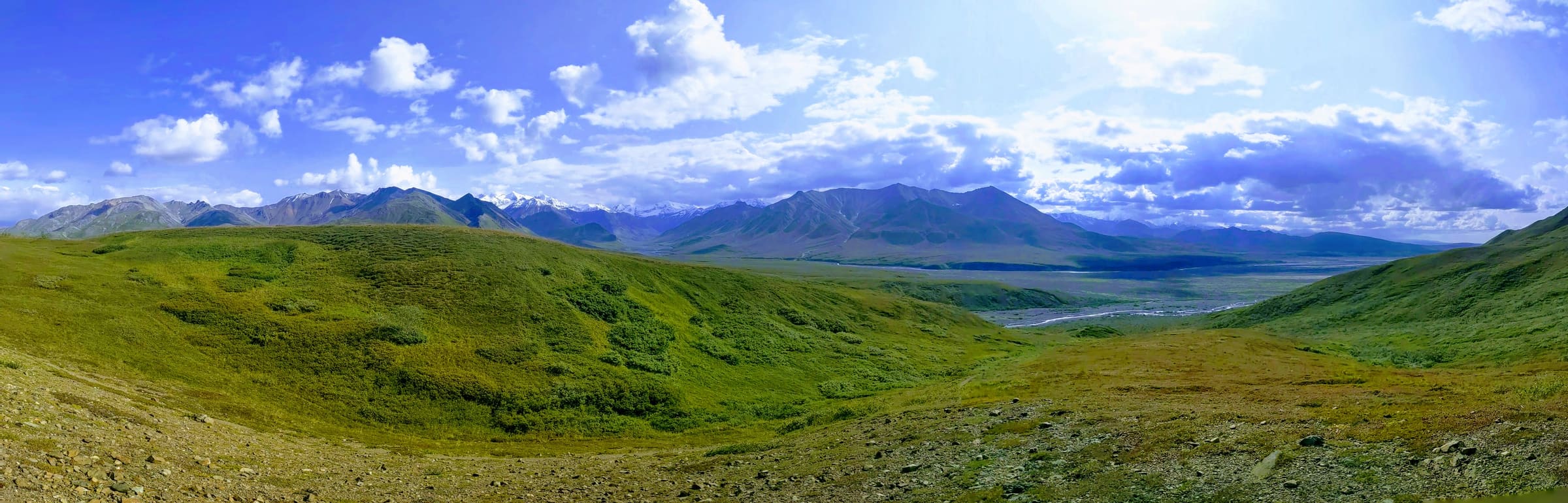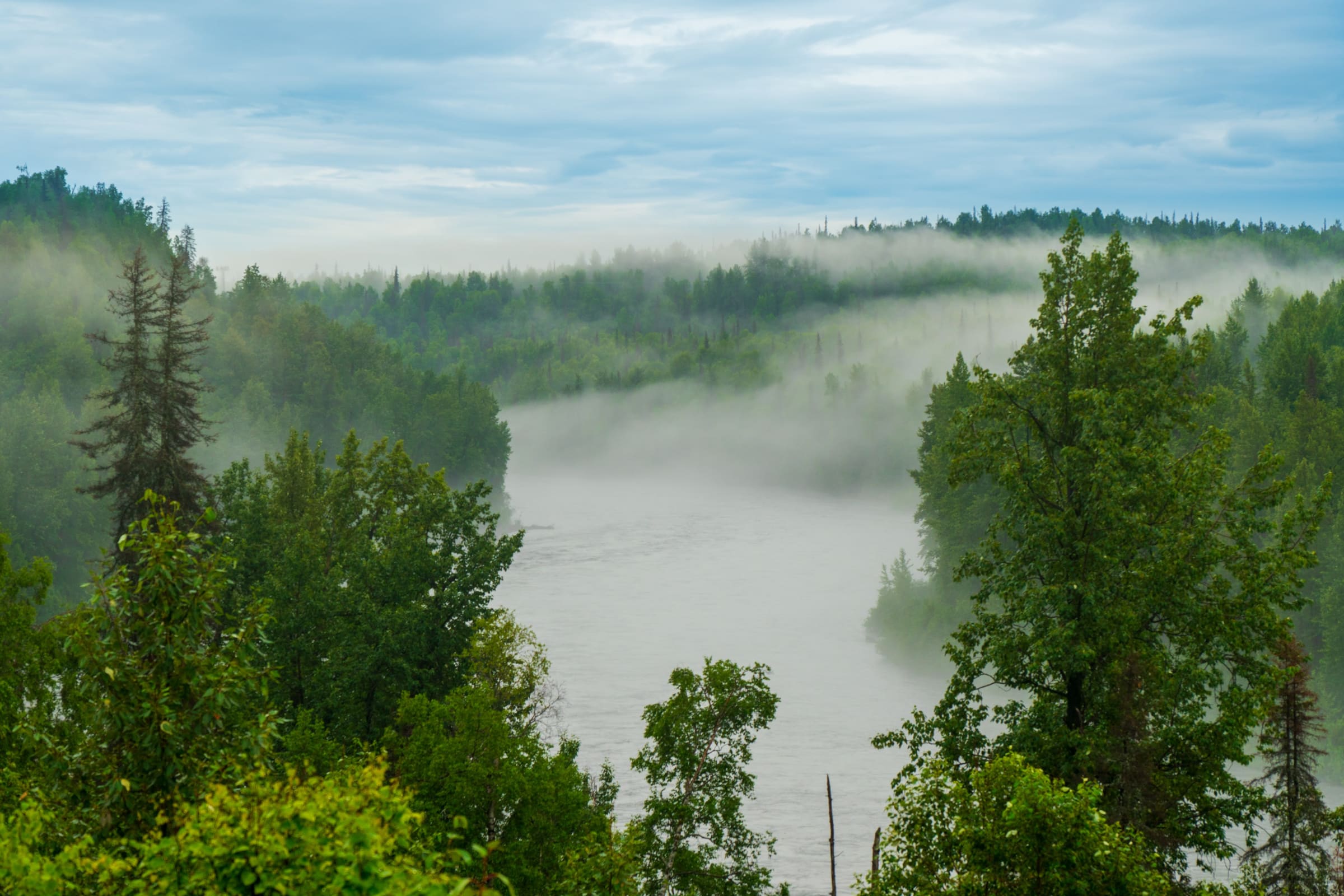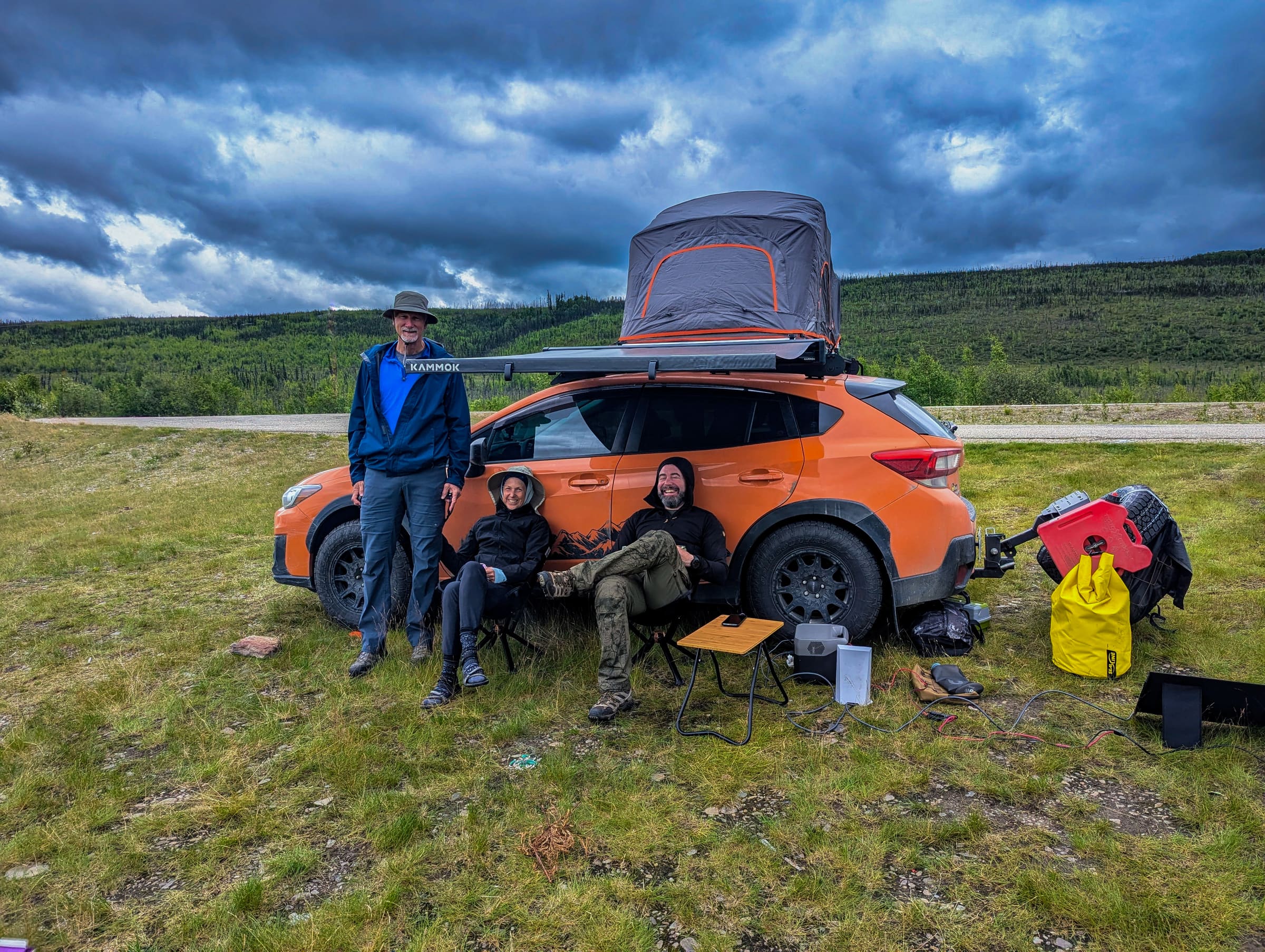
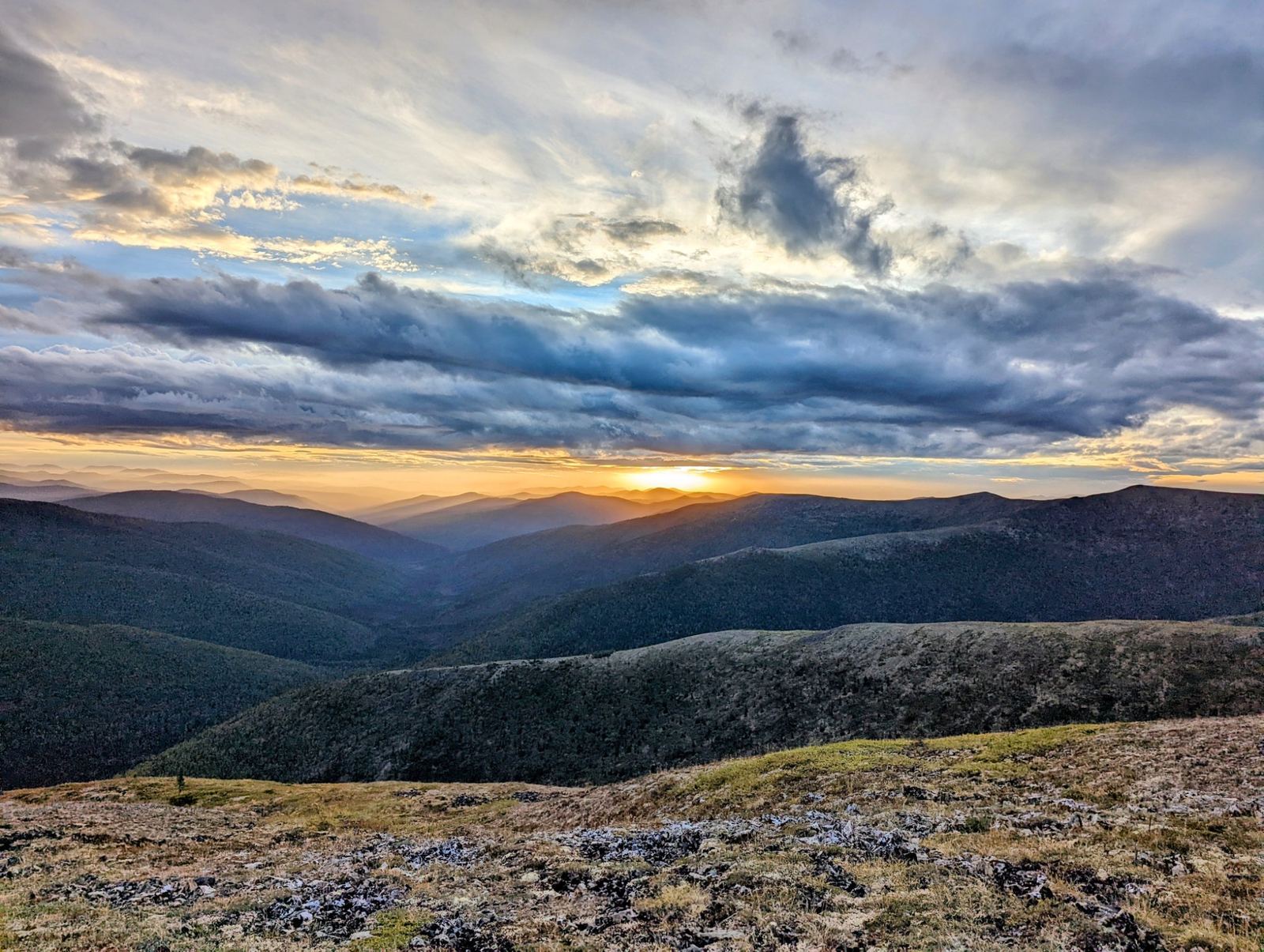
Embarking on an Alaska road trip is an adventure of a lifetime, a journey through unparalleled wilderness and breathtaking landscapes. However, the very magic that draws so many — the endless daylight of the Alaskan summer — can also pose a unique challenge: driver fatigue. When the sun rarely truly sets, it's incredibly easy to lose track of time, push your limits, and find yourself driving for far longer than is safe. This guide offers crucial alaska road trip tips to help you recognize, prevent, and mitigate exhaustion caused by constant daylight, ensuring your adventure remains safe, enjoyable, and memorable for all the right reasons.
The allure of an extra hour (or five!) behind the wheel is strong when the scenery is stunning and the sky is bright at 10 PM. But this deceptive brightness can trick your body's natural circadian rhythms, making you feel less tired than you truly are. Drowsy driving is as dangerous as impaired driving, significantly increasing the risk of accidents. Our goal at Alaska Road Trip is to equip you with the knowledge to navigate Alaska's roads safely, making the most of every sunlit moment without compromising your well-being.
Understanding the Midnight Sun's Impact on Your Body
The human body is hardwired to respond to light and darkness. Our internal clock, or circadian rhythm, relies heavily on these cues to regulate sleep-wake cycles. In Alaska during summer, the extended daylight hours — sometimes 24 hours north of the Arctic Circle — can throw this rhythm into disarray. Your brain might not produce enough melatonin, the hormone that signals sleep, even when your body desperately needs rest.
Recognizing the Subtle Signs of Fatigue
Fatigue isn't often a sudden onset of extreme sleepiness. It often creeps up subtly, making it harder to recognize until it's too late. On your Alaska road trip, be vigilant for these early warning signs:
- Frequent Yawning: More than just boredom, it's your body trying to get more oxygen to a tired brain.
- Eye Strain and Blurry Vision: Difficulty focusing, heavy eyelids, or rubbing your eyes constantly.
- Drifting and Lane Changes: Finding yourself drifting out of your lane, hitting rumble strips, or struggling to maintain a consistent speed.
- Missed Exits or Road Signs: A clear sign of reduced attention and impaired decision-making.
- Irritability or Restlessness: Feeling agitated, impatient, or unable to get comfortable.
- Daydreaming or Wandering Thoughts: Your mind starts to drift, and you lose focus on the road.
- Micro-sleeps: Brief, involuntary periods of sleep, often lasting only a few seconds, where you literally fall asleep at the wheel. These are extremely dangerous.
Based on the National Highway Traffic Safety Administration (NHTSA), drowsy driving is a significant factor in thousands of fatalities each year. Don't become a statistic. Heed these warnings and prioritize rest.
Mitigating Exhaustion Caused by Constant Daylight
Proactive strategies are key to enjoying your Alaska road trip without succumbing to fatigue. These alaska road trip tips are designed to help you maintain a healthy sleep schedule despite the endless sun.
Embrace Darkness, Even When It's Bright
Your body needs darkness to produce melatonin and signal sleep. This is perhaps the most critical adjustment for an Alaskan summer trip.
- Blackout Curtains/Eye Masks: Invest in high-quality blackout curtains for your RV or hotel room. If staying in hotels, call ahead to confirm they have adequate window coverings. Often carry a comfortable eye mask as a backup.
- Sleep Schedule: Try to maintain a consistent sleep schedule, going to bed and waking up at roughly the same time each day, even if it feels unnatural with the bright sky.
- Limit Screen Time Before Bed: The blue light from phones, tablets, and laptops can further suppress melatonin production. Wind down with a book or quiet activity instead.
- Cool, Dark, Quiet: Ensure your sleeping environment is as cool, dark, and quiet as possible. Earplugs can be invaluable. For more detailed advice on adapting to the midnight sun, check out our guide on how to sleep better in Alaska, beating midnight sun jet lag.
Strategic Driving and Rest Breaks
How you approach your daily driving schedule can make all the difference.
- The Golden Rule of Daily Mileage: We strongly recommend limiting your daily driving to a maximum of 6-8 hours, or roughly 300-350 miles. While Alaska's roads might seem open and inviting for longer hauls, the reality is that average speeds are lower due to winding roads, construction, wildlife viewing opportunities, and the sheer desire to stop and take photos. Pushing beyond this limit significantly increases fatigue. Remember, the journey itself is part of the adventure; don't rush it. Source: Explore source.
- Frequent Short Breaks: Plan to stop every 2-3 hours for at least 15-20 minutes. Get out of the vehicle, stretch, walk around, and grab a snack or drink. Even a short walk can significantly refresh your mind and body.
- Share Driving Responsibilities: If traveling with a companion, take turns driving. This allows one person to rest, nap, or simply relax and enjoy the scenery without the stress of driving.
- Avoid Driving During Peak Fatigue Hours: For most people, this is between midnight and 6 AM, and in the mid-afternoon (1 PM to 3 PM). While the sun might be up, your body's natural rhythms are still signaling a need for rest.
Structuring "Rest Days" That Aren't Just Sitting in a Parking Lot
A true rest day on an Alaska road trip isn't about simply parking your vehicle for 24 hours. It's about engaging in activities that rejuvenate you, both mentally and physically, without the demands of driving. These alaska road trip tips will help you design truly restorative breaks.
Active Rest and Exploration
Instead of just sitting, use your rest days to explore your surroundings on foot or by engaging in local activities.
- Hiking and Walking: Choose a scenic trail that's not too strenuous. A gentle hike through a national park or a walk along a beach can be incredibly refreshing. The fresh air and light exercise will boost your mood and energy without adding driving fatigue.
- Local Attractions: Visit museums, cultural centers, or local shops. Engage with the community. This provides mental stimulation without the focus required for driving.
- Wildlife Viewing (Non-Driving): Take a boat tour for whale watching, visit a wildlife conservation center, or find a designated viewing area where you can park and observe without being behind the wheel.
- Kayaking or Canoeing: A peaceful paddle on a calm lake or river offers a unique perspective and gentle physical activity.
Prioritizing Relaxation and Self-Care
Sometimes, a rest day truly means slowing down and pampering yourself.
- Spa Day: Some larger towns in Alaska might offer spa services. A massage or a soak can do wonders for tired muscles.
- Reading and Journaling: Find a comfortable spot with a view and immerse yourself in a book or reflect on your journey in a journal.
- Enjoy Local Cuisine: Take your time over a meal at a local restaurant, savoring the flavors and atmosphere without the rush of the road. Our guide on where to eat in Alaska can help you find authentic experiences.
- Catch Up on Sleep: If you've been running on a deficit, use a rest day to sleep in and take a nap. Just be sure to still use your blackout methods!
When planning your itinerary, consider building in these dedicated rest days every 3-4 days of active driving. This rhythm allows for deep exploration and prevents cumulative fatigue. Our plan your trip resources can help you integrate these breaks effectively.
Essential Gear and Habits for Fatigue Prevention
Beyond scheduling, certain items and habits can significantly aid in combating fatigue on your Alaska road trip.
Packing Smart for Sleep and Comfort
- Blackout Solutions: As mentioned, an eye mask is non-negotiable. For RVs, consider temporary blackout window coverings.
- Earplugs/Noise-Canceling Headphones: Alaska's wilderness can be surprisingly noisy, from wildlife to fellow campers.
- Comfortable Bedding: If camping or in an RV, ensure your sleeping setup is as comfortable as possible.
- Hydration and Snacks: Keep a cooler stocked with water and healthy, energizing snacks. Dehydration and low blood sugar can mimic fatigue. Avoid sugary drinks and heavy meals that can lead to a crash. For more packing essentials, consult our comprehensive Alaska road trip packing list.
Healthy Habits on the Road
- Caffeine Wisely: Use caffeine strategically, not as a substitute for sleep. A small amount can help with alertness, but too much or too late in the day can disrupt sleep.
- Stay Hydrated: Drink plenty of water throughout the day. Dehydration can lead to fatigue and headaches.
- Listen to Your Body: The most important tip of all. If you feel tired, pull over. Find a safe rest stop, a scenic viewpoint, or a campground. A 20-30 minute power nap can be incredibly effective. Set an alarm to avoid oversleeping and entering deeper sleep cycles that can leave you feeling groggier.
- Engage Your Mind (Safely): Listen to audiobooks, podcasts, or engaging music. If you have a passenger, converse with them. This can help keep your mind active, but rarely let it distract from the road.
Planning Your Alaska Road Trip with Fatigue in Mind
The best defense against fatigue is a well-planned itinerary. When you're mapping out your journey, consider the unique challenges of Alaskan travel.
Realistic Itinerary Planning
Don't try to cram too much into each day. Alaska's vastness means distances are often greater than they appear, and road conditions can vary. What looks like a 4-hour drive on a map might easily become 6-7 hours with stops, construction, wildlife sightings, and slower speeds. Factor in extra time for:
- Photo Opportunities: You'll want to stop often!
- Wildlife Sightings: Pulling over safely to observe animals is part of the experience.
- Road Construction: Common during the short summer season.
- Ferry Schedules: If incorporating any ferry travel, these dictate your pace.
Consider using the Alaska itinerary planning services offered by Alaska Road Trip to create a balanced and realistic schedule that prioritizes safety and enjoyment over speed. Our experts understand the nuances of Alaskan travel and can build in appropriate rest periods and activity buffers.
Flexibility is Key
Even the best-laid plans can change. Be prepared to adjust your schedule if you or your travel companions are feeling particularly tired. Having a buffer day or two built into your overall trip can be a lifesaver, allowing you to extend a stay or take an unplanned rest without derailing your entire adventure.
Frequently Asked Questions
How much sleep do I really need on an Alaska road trip?
Most adults need 7-9 hours of sleep per night for optimal functioning, based on the Centers for Disease Control and Prevention (CDC). While you might feel energized by the excitement of your trip, consistently getting less than this will lead to cumulative fatigue. Prioritize your sleep, even if it means sacrificing an extra hour of sightseeing.
Can coffee or energy drinks prevent drowsy driving?
Caffeine can temporarily increase alertness, but it is not a substitute for sleep. It can mask fatigue, leading you to believe you're more awake than you are. If you find yourself relying heavily on caffeine to stay awake, it's a clear sign you need to pull over and rest. The National Sleep Foundation advises against using caffeine as a primary solution for drowsy driving.
What if I'm traveling solo? How do I manage fatigue?
Solo travelers must be even more diligent. The golden rule of daily mileage becomes even more critical. Schedule more frequent, longer breaks. Utilize rest areas for power naps. Consider breaking up very long driving days with an overnight stay in a town, even if it's just a small one. Don't push yourself; your safety is paramount.
Are there specific times of day to avoid driving in Alaska during summer?
While the sun is often up, your body's natural circadian rhythm still dips in the early morning (around 2-6 AM) and mid-afternoon (around 1-3 PM), as noted by the National Institute of Neurological Disorders and Stroke (NINDS). These are generally the times when you're most susceptible to fatigue, regardless of external light. If possible, plan your longest stretches of driving for late morning and early evening, and ensure you're well-rested for any driving during these natural low points.
What should I do if I start feeling drowsy while driving?
Immediately pull over to a safe location. Do not try to "power through." If possible, switch drivers. If you're alone, take a 20-30 minute power nap. A short walk, some fresh air, and a light snack can also help. Only resume driving when you feel genuinely refreshed and alert. It's better to arrive late than not at all.
Conclusion: Drive Smart, Explore More
An Alaska road trip is an unparalleled adventure, and with the right preparation and mindful habits, you can fully embrace the magic of the midnight sun without falling victim to fatigue. By understanding your body's needs, planning realistic daily mileage, embracing true rest days, and equipping yourself with the right tools, you'll ensure a safe, enjoyable, and truly unforgettable journey. At Alaska Road Trip, we're committed to helping you craft the perfect adventure. Don't let fatigue dim your Alaskan dream; plan smart, drive safe, and make memories that will last a lifetime. For personalized assistance in planning your ideal, fatigue-conscious itinerary, explore the concierge services offered by Alaska Road Trip.

See a real Alaska itinerary before you spend a dollar
A real 3-day plan with driving times, lodging picks, and a daylight chart — free, in your inbox.
One email. No spam. Unsubscribe anytime. Or view it right now — no email needed ↗
Ready for the full plan? Get your custom itinerary — from $197 · 5-day delivery →