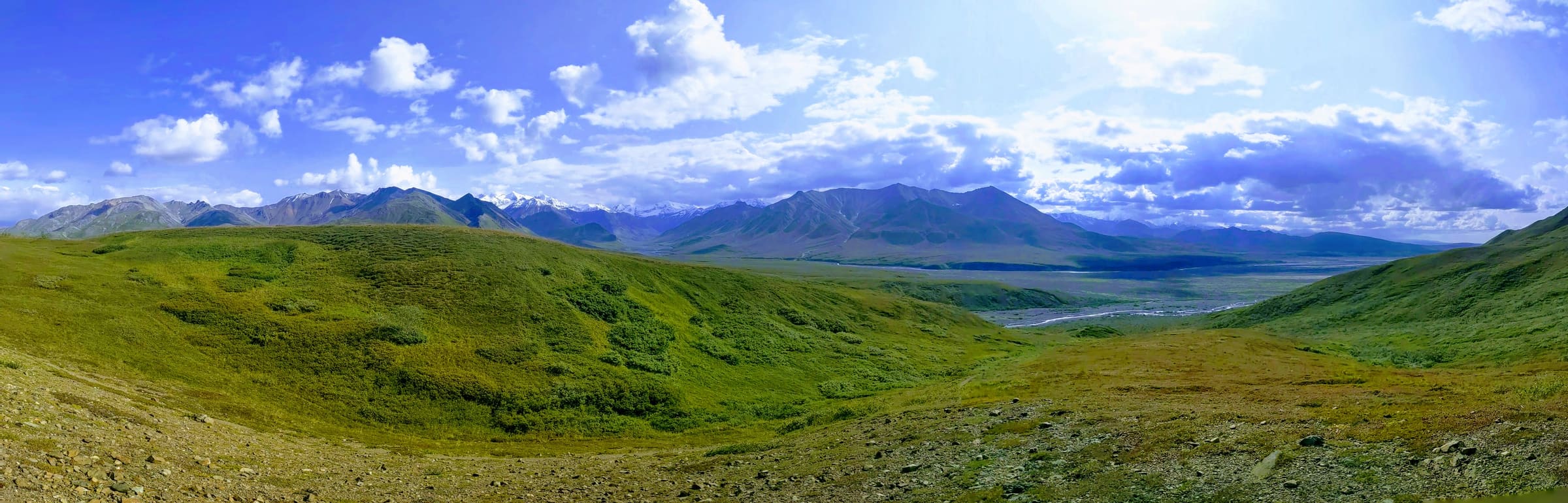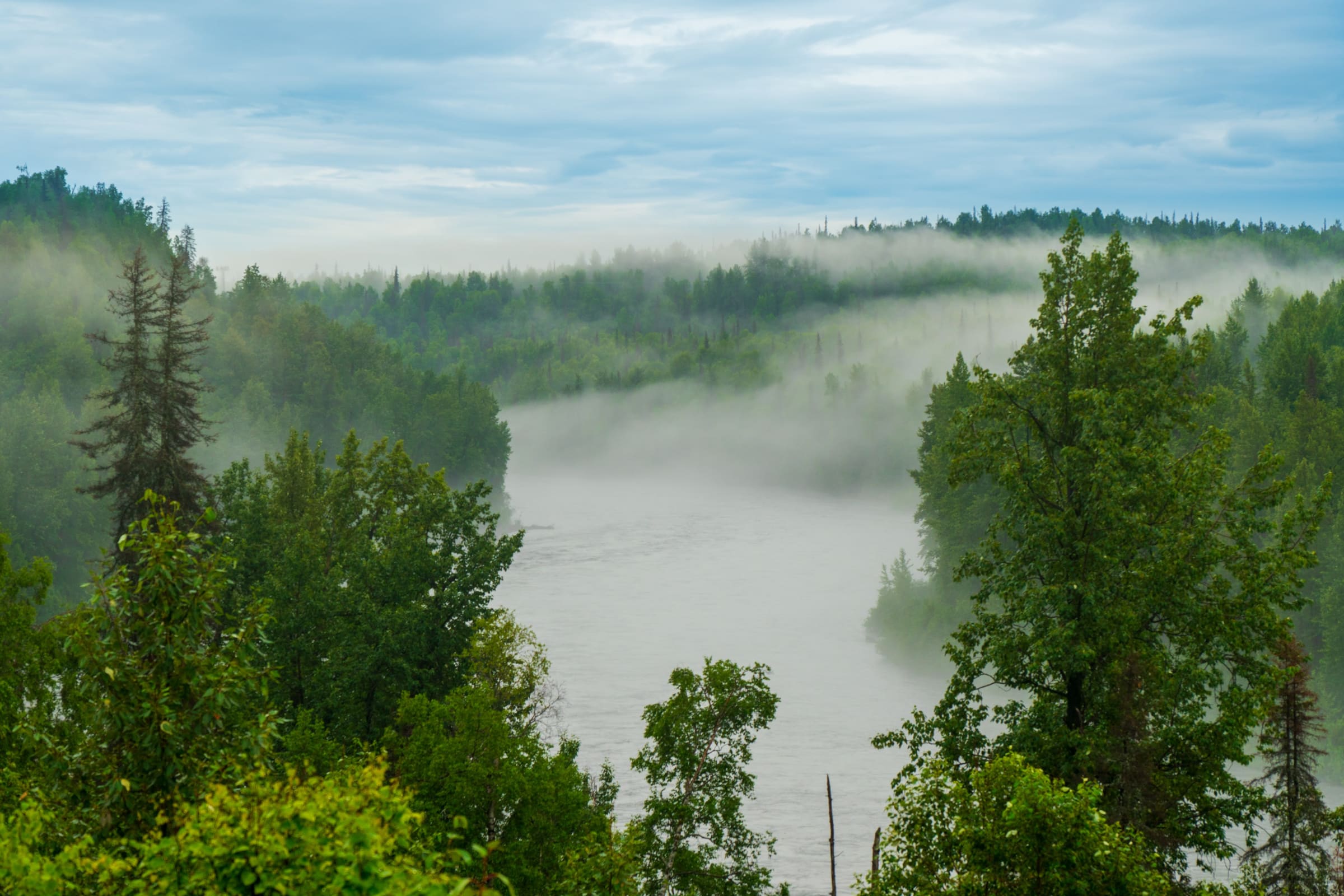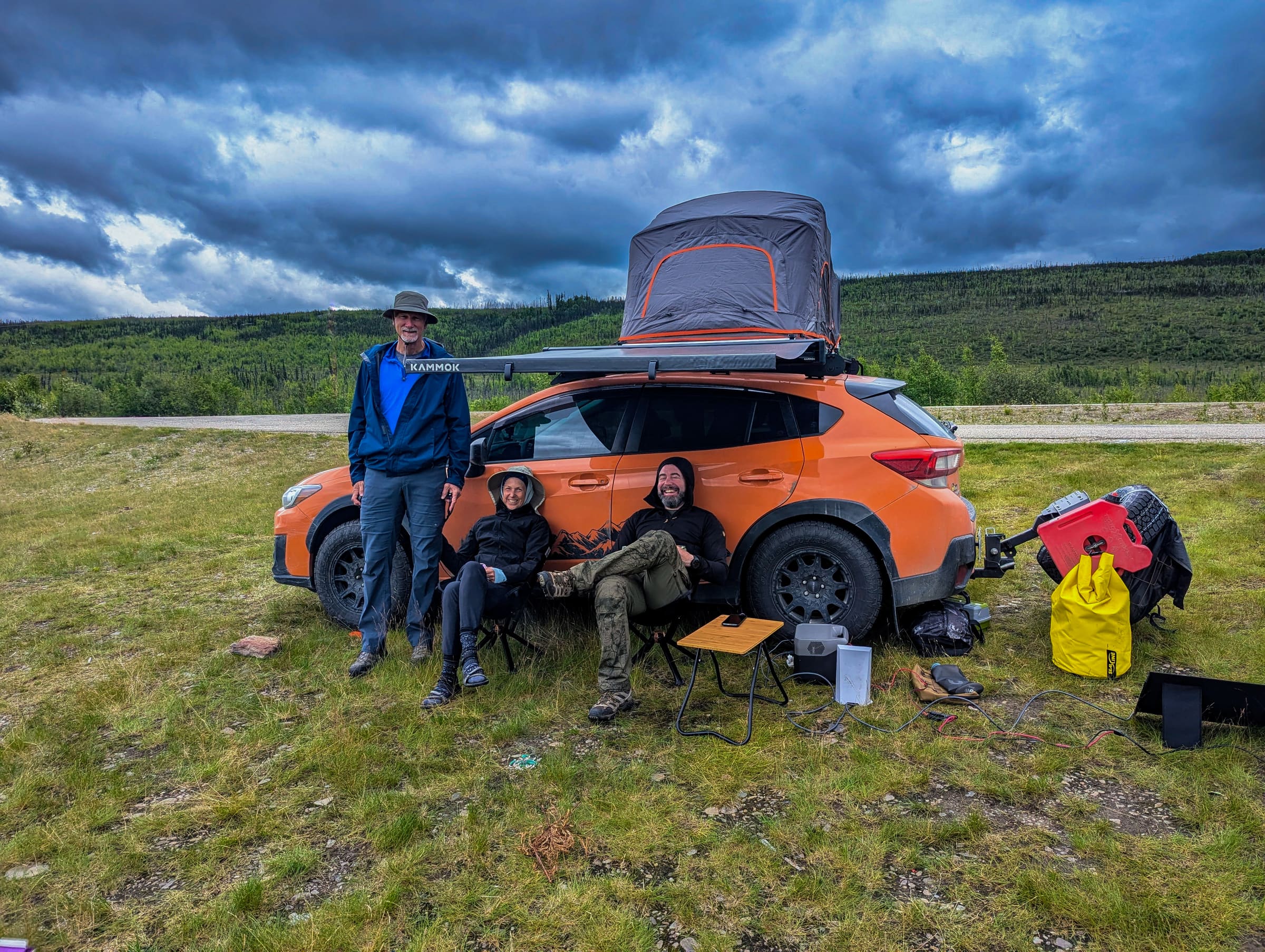
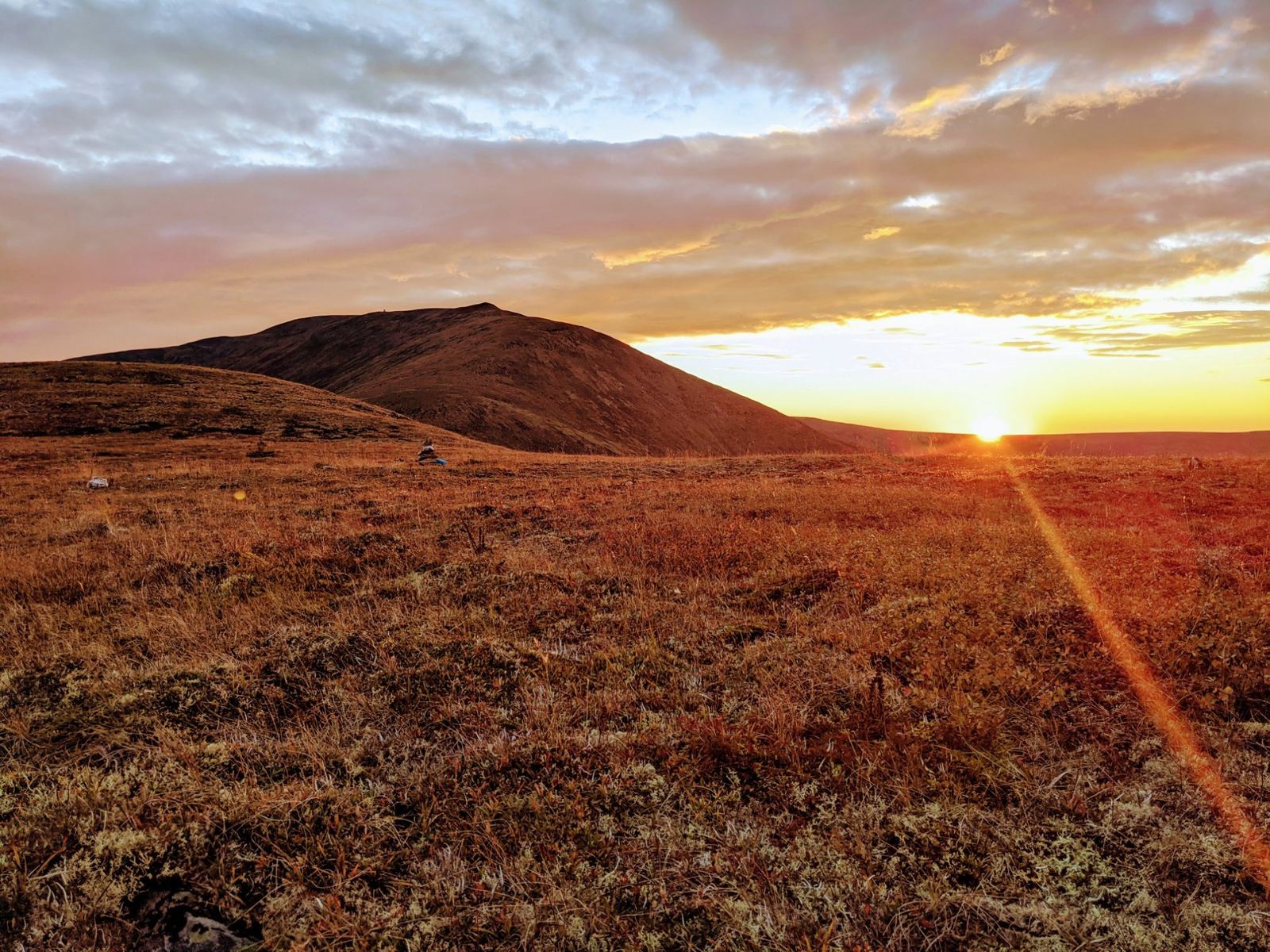
Imagine this: it’s 2:00 AM, your body is screaming for sleep, but outside your window, the sun is shining brightly as if it’s noon. Welcome to summer in Alaska, where the phenomenon of the midnight sun can be as disorienting as it is beautiful. For many travelers, the relentless daylight, sometimes lasting 20+ hours, throws their internal clock into disarray, leading to a unique form of jet lag that can quickly turn a dream trip into an exhausting ordeal. This isn't just about feeling a little tired; it's about your body's fundamental struggle to initiate and maintain restorative sleep when its primary cue—darkness—is absent. If you're planning an Alaskan adventure in 2026, understanding how to master your sleep cycle is paramount to truly savoring every moment. Our goal at Alaska Road Trip is to help you beat the midnight sun and ensure you get the quality rest needed for an unforgettable journey.
The Unique Challenge of the Midnight Sun
The further north you travel in Alaska during summer, the more pronounced the daylight hours become. In Fairbanks, for example, the sun barely dips below the horizon for weeks, creating a perpetual twilight that can feel both magical and maddening. Your body's circadian rhythm, the internal 24-hour clock that regulates sleep-wake cycles, is primarily governed by light and darkness. When the sun is still high in the sky at what your body perceives as bedtime, it struggles to release melatonin, the hormone crucial for signaling sleep. This biological confusion can lead to:
- Difficulty falling asleep
- Frequent awakenings during the night
- Non-restorative sleep, leaving you feeling tired even after hours in bed
- Increased irritability and decreased energy levels
- Impaired cognitive function and decision-making
These symptoms, often mistaken for typical travel fatigue, are exacerbated by the lack of a clear dark period, making it challenging to recover from long days of exploration. Without proper strategies, the initial excitement of your Alaska road trip can quickly give way to exhaustion, impacting your ability to enjoy the stunning landscapes and unique experiences.
Understanding the Science: Melatonin Regulation in the Subarctic
To effectively combat the midnight sun's impact on your sleep, it helps to understand the underlying biology. Your brain's suprachiasmatic nucleus (SCN), often called your body's master clock, is highly sensitive to light. When light hits your retina, signals are sent to the SCN, which then influences the pineal gland's production of melatonin. In darkness, melatonin production increases, making you feel drowsy. In light, it decreases, promoting wakefulness. This intricate system is finely tuned to a natural day-night cycle.
In the subarctic summer, the prolonged daylight disrupts this delicate balance. Your body receives continuous light signals, suppressing melatonin production even when it's biologically time to sleep. This isn't just about the sun being visible; even ambient light filtering through windows can be enough to interfere. Research has shown that exposure to light at night, especially blue light from screens, can significantly delay melatonin release and shift circadian rhythms. The Sleep Foundation also details how blue light specifically impacts melatonin production. The Sleep Foundation emphasizes the critical role of light exposure in regulating sleep, highlighting how artificial light can mimic daylight and confuse our internal clocks. This pervasive presence of artificial light in modern environments makes intentional light management even more vital for maintaining a healthy sleep cycle.
Furthermore, the quality of light matters. The sun's angle in the subarctic summer means that even at its lowest point, it often casts a bright, diffuse light that is still potent enough to inhibit melatonin. This biological reality means that simply closing your eyes isn't enough; you need to actively create an environment that signals darkness to your brain.
Advanced Blackout Solutions for Your Alaskan Stay
The first and most critical step to getting quality midnight sun sleep in Alaska is to create absolute darkness in your sleeping environment. Forget flimsy hotel curtains; you need serious light-blocking power.
Portable Blackout Curtains and Films
- Suction Cup Blackout Blinds: These are highly effective for travelers. They attach directly to windows via suction cups, creating a near-perfect seal against light. Look for options made from thick, opaque material, often with a reflective backing to also help with temperature regulation. Many reputable brands offer highly-rated portable solutions designed for travel.
- Travel Blackout Film: Similar to window tint, these films can be cut to size and temporarily adhered to windows. While effective, they can be a bit more cumbersome to install and remove daily.
- DIY Solutions: If you're on a budget or in a pinch, heavy-duty aluminum foil taped to windows (shiny side out to reflect heat) or even thick garbage bags can work. Just be mindful of potential damage to window frames or paint.
When choosing lodging, consider places that specifically advertise blackout curtains. Many Alaskan accommodations, especially those catering to summer tourists, are increasingly aware of this need. However, always be prepared with your own backup, as hotel curtains can vary wildly in effectiveness. If you're planning an RV trip, optimizing your RV for the midnight sun extends to its windows. Consider custom-cut Reflectix insulation panels or heavy-duty thermal curtains for maximum light and temperature control.
Eye Masks and Sleep Hoods: Your Personal Darkness Bubble
Even with the best blackout curtains, tiny slivers of light can still penetrate, especially around doorframes or vents. This is where a high-quality eye mask becomes indispensable. Don't settle for the flimsy airline variety.
- Contoured Eye Masks: These masks are designed to create a dome over your eyes, preventing pressure on your eyelids and allowing for blinking. They block light more effectively than flat masks and are generally more comfortable. Look for adjustable straps to ensure a snug fit without being too tight.
- Sleep Hoods/Bonnets: For those who find eye masks uncomfortable or want an even more complete blackout experience, a sleep hood that covers your entire head can be incredibly effective. Some even incorporate built-in headphones for white noise.
Pairing an eye mask with earplugs or noise-canceling headphones can create a complete sensory deprivation bubble, further signaling to your brain that it's time to rest.
Optimizing Your Lodging Choices
When booking your Alaska lodging, ask specific questions about their blackout provisions. Some hotels offer rooms specifically designed for light control. If you're staying in cabins or smaller inns, inquire about window coverings. For those considering an RV or camper van, remember that custom solutions for windows will be crucial. Alaska Road Trip's itinerary planning services can help you identify accommodations known for their sleep-friendly environments, taking the guesswork out of your planning.
Crafting Your "Quiet Time" Habits: Forcing Recovery Sleep
Creating darkness is only half the battle. You also need to train your body and mind to wind down, regardless of what the clock or the sky says. This involves establishing a consistent "quiet time" routine.
Pre-Sleep Rituals: Signaling Bedtime
About an hour before you intend to sleep, begin a consistent wind-down routine. This ritual acts as a powerful psychological cue for your body.
- Dim the Lights: Even inside your room, use the dimmest possible lighting. Avoid overhead lights and opt for soft, warm lamps.
- Warm Bath or Shower: A warm bath or shower can help lower your core body temperature slightly afterward, which is a natural signal for sleep.
- Relaxation Techniques: Practice deep breathing exercises, meditation, or gentle stretching. Apps like Calm or Headspace can guide you through these.
- Reading (Physical Book): Reading a physical book under a dim light can be very relaxing. Avoid e-readers or tablets, as their screens emit blue light.
Consistency is key. Try to go to bed and wake up at roughly the same time each day, even on weekends. This helps reinforce your circadian rhythm. The Sleep Foundation emphasizes that consistent sleep schedules are a cornerstone of good sleep hygiene, helping to regulate your body's natural sleep-wake cycle.
Diet and Hydration: Fueling Restful Sleep
What you consume throughout the day and evening significantly impacts your sleep quality.
- Avoid Caffeine and Alcohol: Limit caffeine intake, especially in the afternoon and evening. While alcohol might initially make you feel drowsy, it disrupts sleep architecture, leading to fragmented and less restorative sleep.
- Light Dinner: Opt for a lighter dinner a few hours before bedtime. Heavy, spicy, or fatty meals can cause indigestion and discomfort, making it harder to sleep.
- Hydration: Stay well-hydrated throughout the day, but reduce fluid intake an hour or two before bed to minimize nighttime bathroom trips.
- Melatonin Supplements: Consider a low-dose melatonin supplement (0.5-3mg) taken 30-60 minutes before your desired bedtime. Melatonin can help signal to your body that it's time to sleep, especially when natural light cues are absent. Always consult with a healthcare professional before starting any new supplement. Research published in the Journal of Clinical Sleep Medicine indicates that melatonin can be effective for short-term use in adjusting circadian rhythms, such as for jet lag.
Limiting Screen Time: The Blue Light Blocker
The blue light emitted by smartphones, tablets, laptops, and even some TVs is particularly disruptive to melatonin production. It mimics daylight, telling your brain to stay awake.
- Implement a Digital Curfew: Power down all screens at least 60-90 minutes before your intended bedtime.
- Use Blue Light Filters: If you absolutely must use a screen, activate blue light filters (Night Shift on iOS, Night Light on Android/Windows) or wear blue light-blocking glasses. However, minimizing screen time before bed is generally the most effective approach.
Strategic Napping: A Double-Edged Sword
While naps can be tempting to combat daytime fatigue, they need to be managed carefully. A long or late afternoon nap can make it even harder to fall asleep at night.
- Power Naps: If you must nap, aim for a short power nap of 10-20 minutes, ideally in the early afternoon, to avoid sleep inertia.
- Avoid Late Naps: Do not nap within 6-8 hours of your desired bedtime.
Leveraging Natural Light Exposure During the Day
While blocking light at night is crucial, maximizing natural light exposure during the day is equally important. This helps reinforce your circadian rhythm and strengthens the distinction between 'day' and 'night' for your body.
- Morning Light: As soon as you wake up, expose yourself to bright natural light. Open curtains, step outside, or sit by a window. This helps suppress melatonin and signals to your body that the day has begun.
- Daytime Activity: Spend as much time outdoors as possible during daylight hours. Engage in activities like hiking, sightseeing, or exploring Alaskan towns. The more natural light your body receives during the day, the better it will be able to distinguish it from the artificial darkness you create at night.
- Exercise: Regular physical activity, especially outdoors, can significantly improve sleep quality. Just be sure to finish vigorous exercise a few hours before bedtime.
This dual approach—intense light exposure during the day and absolute darkness at night—is the most effective way to help your body adapt to the unique light cycles of the Alaskan summer. For detailed planning that incorporates these considerations, explore our Alaska Travel Itinerary options.
When to Seek Professional Help
While most travelers can manage midnight sun sleep challenges with these strategies, some individuals may experience more severe or persistent sleep disturbances. If you find that despite your best efforts, you are consistently unable to sleep, experiencing extreme fatigue, or if your sleep issues are significantly impacting your health and enjoyment of your trip, it may be beneficial to consult with a healthcare professional before or during your trip. They can offer personalized advice, discuss potential underlying sleep disorders, or recommend specific interventions.
Planning Your Trip for Optimal Rest and Adventure
Navigating the unique challenges of the midnight sun is just one aspect of planning an incredible Alaskan adventure. At Alaska Road Trip, we specialize in crafting personalized itineraries that consider every detail, from comfortable lodging with blackout options to pacing your days for optimal energy levels. We understand that a well-rested traveler is a happy traveler, and our expertise ensures you get the most out of your journey.
Whether you're looking for a 7-day whirlwind tour or a more leisurely 14-day exploration, our team can help you design a trip that balances adventure with essential downtime. We can advise on the best times to travel, suggest accommodations known for their sleep-friendly features, and even help you plan activities that align with your natural energy rhythms. Don't let the fear of sleepless nights deter you from experiencing the unparalleled beauty of Alaska. With the right preparation and our expert guidance, you can conquer the midnight sun and create memories that will last a lifetime.
Frequently Asked Questions
How long does it take to adjust to the midnight sun in Alaska?
Adjustment times vary greatly among individuals. Some people adapt within a few days, while others may struggle for their entire trip. Consistent application of blackout strategies and a strict sleep routine can significantly shorten the adjustment period. Many travelers find the constant daylight disorienting at first, but with effective strategies, most can adjust and even come to appreciate the unique experience of extended daylight.
Is it worth taking melatonin for midnight sun sleep in Alaska?
For many travelers, a low-dose melatonin supplement (0.5-3mg) taken 30-60 minutes before your desired bedtime can be a helpful tool. It acts as a signal to your brain that it's time to sleep, especially when natural light cues are absent. However, it's not a magic bullet and should be used in conjunction with other strategies like creating a dark environment and establishing a consistent routine. often consult a healthcare professional before starting any new supplement.
What are the best blackout solutions for an RV or camper van in Alaska?
For RVs and camper vans, custom-cut Reflectix insulation panels are highly effective for both light blocking and temperature regulation. They can be cut to fit each window perfectly and are easy to install and remove. Heavy-duty thermal curtains or custom-made blackout shades are also excellent options. Ensure any solution creates a tight seal around the window edges to prevent light leakage. Consider adding Velcro or magnets for a secure fit.
Can the midnight sun affect children's sleep in Alaska?
Yes, children are often more sensitive to changes in light and routine, making them particularly susceptible to the effects of the midnight sun. Maintaining a strict bedtime routine, using robust blackout solutions in their sleeping area, and ensuring they get plenty of outdoor activity during the day are crucial. Melatonin supplements for children should only be considered under the strict guidance of a pediatrician. For more tips on traveling with kids, see our guide on Alaska Road Trip with Kids.
Are there any natural ways to help with sleep besides blackout curtains and melatonin?
Absolutely. Beyond physical barriers and supplements, focusing on sleep hygiene is paramount. This includes establishing a consistent bedtime routine, avoiding caffeine and alcohol in the evenings, limiting screen time before bed, engaging in regular daytime exercise, and practicing relaxation techniques like meditation or deep breathing. Creating a cool, quiet, and dark sleeping environment is the foundation, but these behavioral strategies significantly enhance your body's ability to fall and stay asleep.
Ready to plan your incredible Alaskan adventure without sacrificing precious sleep? Let Alaska Road Trip handle the details. Our expert planners will craft a custom itinerary tailored to your preferences, ensuring you have the best possible experience, well-rested and ready for every breathtaking moment. Contact us today to start planning your unforgettable 2026 journey!
See a real Alaska itinerary before you spend a dollar
A real 3-day plan with driving times, lodging picks, and a daylight chart — free, in your inbox.
One email. No spam. Unsubscribe anytime. Or view it right now — no email needed ↗
Ready for the full plan? Get your custom itinerary — from $197 · 5-day delivery →