Introduction: Experience the Freedom of the Last Frontier
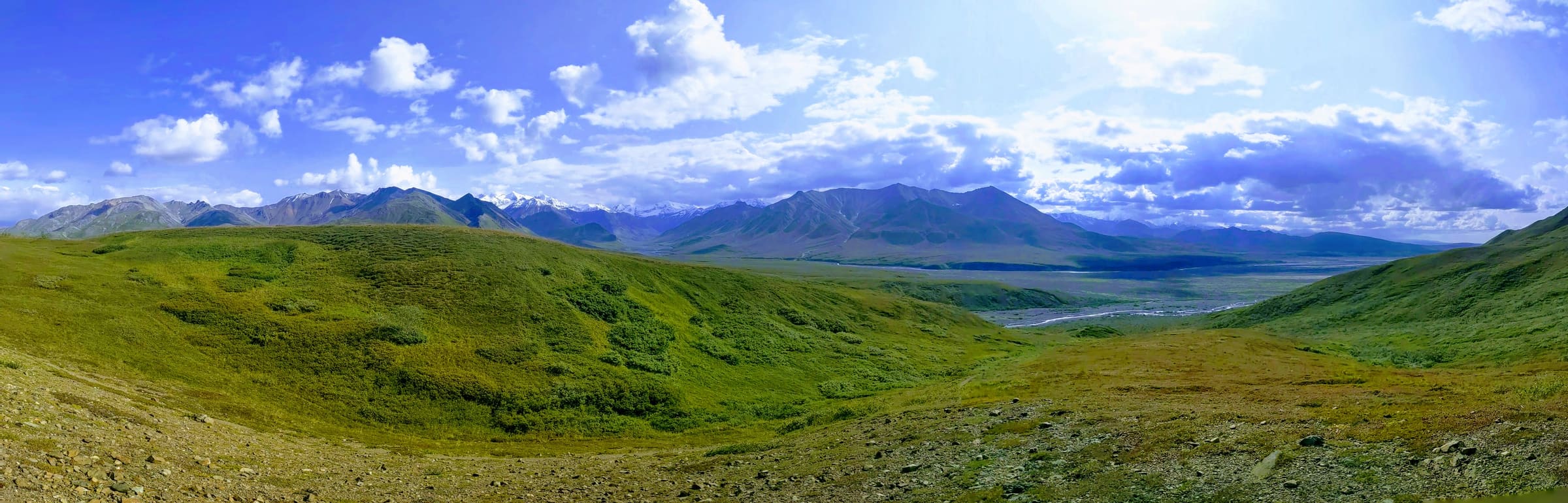
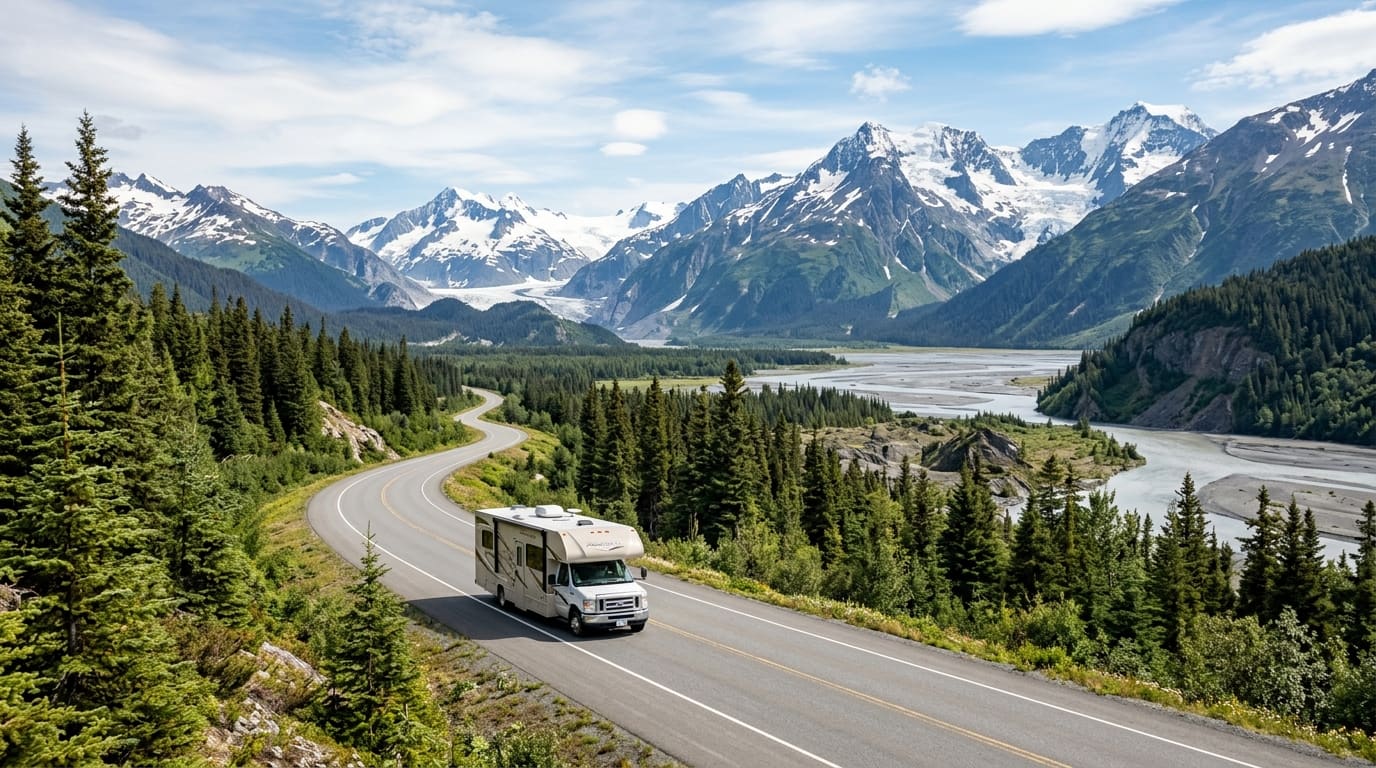
Imagine waking up, drawing back the curtains of your bedroom, and being greeted by the awe-inspiring sight of ancient, blue-tinged glaciers and towering snow-capped peaks. Picture yourself sipping your morning coffee as a majestic moose grazes in the meadow right outside your door. This isn't just a dream; it is the everyday reality when you embark on the ultimate Alaska RV road trip itinerary. Exploring the Last Frontier by recreational vehicle offers an unparalleled sense of freedom, allowing you to seamlessly combine your transportation and your lodging into one incredible adventure.
Alaska is a massive, wild, and untamed state, and navigating its vast distances requires careful planning. Traveling by RV is widely considered one of the most immersive ways to experience this rugged landscape. You aren't tied to strict hotel check-in times, and you have the luxury of carrying your home with you wherever the open road leads. Whether you want to linger at a scenic pull-out to watch a pod of beluga whales or cook a freshly caught salmon over an open campfire, an RV gives you the ultimate flexibility.
In this comprehensive guide, we will cover everything you need to know to execute a flawless journey. From expert tips on renting an RV in Alaska and navigating hidden costs, to a meticulously crafted day-by-day route and our top campground recommendations, this post is your blueprint for success. Buckle up and get ready to plan the road trip of a lifetime.
Why Choose an Alaska RV Road Trip Itinerary?
When planning a vacation to the 49th state, many travelers find themselves comparing an RV to a traditional car rental paired with hotel stays. While both methods have their merits, choosing an Alaska RV road trip itinerary provides a unique set of advantages that are tailor-made for the Alaskan wilderness.
First and foremost is the unparalleled flexibility of traveling at your own pace. In Alaska, the weather can change rapidly, and wildlife sightings are brilliantly unpredictable. If you stumble upon a spectacular view or a herd of caribou migrating across the tundra, an RV allows you to safely pull over, make a sandwich, and enjoy the show for as long as you like without worrying about rushing to make a hotel reservation three towns over.
Secondly, traveling by RV is incredibly cost-effective. Alaska is an expensive destination; dining out for three meals a day and booking premium lodges during the short summer season can quickly deplete your travel budget. By combining your rental vehicle and your nightly accommodation into one package, you gain significant financial control. The ability to visit a local grocery store, stock your fridge, and cook your own meals—perhaps even grilling up some fresh Alaskan halibut—saves a considerable amount of money while enhancing your camping experience.
Finally, there is nothing quite like the total immersion in nature that an RV provides. Instead of retreating to a generic hotel room in a busy town center at the end of the day, you can fall asleep to the sound of a rushing river and wake up to the crisp, pine-scented mountain air. It is the perfect balance of rugged outdoor adventure and comfortable, modern convenience.
Expert Tips for Renting an RV in Alaska
If you have decided that an RV is the right choice for your vacation, the next step is securing your rig. Renting an RV in Alaska is a straightforward process, but due to the state's massive popularity in the summer months, it requires strategic planning and foresight.
- Book 6 to 9 Months in Advance: The Alaskan tourist season is incredibly short, peaking between mid-June and mid-August. Rental fleets are limited, and vehicles sell out fast. To get the best rates and the exact vehicle you want, you should be booking your RV by November or December of the previous year.
- Choose the Right Vehicle Size: Consider your comfort level with driving large vehicles. A Class C motorhome (typically 22 to 30 feet) is the most popular choice for families, offering a full bathroom, kitchen, and ample sleeping space. However, if you are a couple or a solo traveler looking for something nimbler, a smaller campervan might be ideal. Campervans are easier to park, get better gas mileage, and handle winding mountain roads with ease.
- Watch Out for Hidden Costs: When comparing rental prices, look beyond the daily base rate. Many rental companies in Alaska charge extra for mileage (often offering packages of 100 or 500 miles), generator usage, bedding and kitchen kits, and premium insurance coverage. Calculate your estimated driving distance using a map to ensure you purchase the correct mileage package upfront, as per-mile overage fees can be incredibly steep.
- Pick Up and Drop Off in Anchorage: Anchorage is the hub of Alaskan travel. It has the largest international airport and the highest concentration of RV rental companies. Starting and ending your trip in Anchorage will give you the best selection of vehicles, the most competitive pricing, and the easiest access to major highways heading both north to Denali and south to the Kenai Peninsula.
Your 14-Day Alaska Campervan Itinerary Overview
With your vehicle secured, it is time to map out your route. While you could easily spend months exploring the state, a 14-day Alaska road trip is widely considered the "sweet spot" for first-time visitors. Two weeks provide just enough time to comfortably explore the majestic interior mountains and the dramatic, glacier-carved coastlines without feeling rushed.
This Alaska campervan itinerary forms a massive figure-eight loop, starting and ending in Anchorage. Week one will take you north into the heart of the Alaska Range, offering world-class wildlife viewing and views of North America's tallest peak. Week two pulls you south to the Kenai Peninsula, a region famous for its deep-sea fishing, marine wildlife, and towering coastal glaciers.
When driving in Alaska, it is vital to set realistic expectations. The state features mostly two-lane highways, and summer is affectionately known as "construction season." You will likely encounter road work, frost heaves (uneven bumps in the asphalt caused by freezing and thawing), and slow-moving traffic. Always plan for driving times to take 20% to 30% longer than your GPS predicts, and treat the drive itself as part of the grand adventure.
Week 1: Anchorage, Talkeetna, and Denali National Park
Days 1-2: Arrival and the Quirky Town of Talkeetna
Your adventure begins in Anchorage. After picking up your RV, your first stop should be a large local grocery store to stock up on dry goods, fresh produce, bear spray, and firewood. Once your pantry is full, hit the Parks Highway and drive north. Your destination is Talkeetna, a historic, quirky village that serves as the basecamp for Denali mountaineers. Spend your time wandering the historic dirt streets, sampling local birch syrup, or taking a thrilling flightseeing tour that lands on a glacier high in the Alaska Range.
Days 3-5: Into the Wild at Denali National Park
Continuing north, driving from Anchorage to Denali is a scenic journey that builds anticipation with every mile. Denali National Park is a crown jewel of the American park system, encompassing six million acres of pristine wilderness. Because private vehicles (including RVs) are restricted past mile 15 of the single park road, you will need to book a ticket on one of the park's transit buses. These converted school buses venture deep into the park, offering your best chance to spot the "Big Five": grizzly bears, moose, caribou, Dall sheep, and wolves. Spend your evenings relaxing at your campsite, enjoying the midnight sun that keeps the sky light well past midnight.
Days 6-7: The Mat-Su Valley and Glacier View
Begin your journey back south, but detour east onto the Glenn Highway toward the Matanuska-Susitna (Mat-Su) Valley and the community of Glacier View. This stretch of road is frequently cited as one of the most beautiful drives in the state. Here, you can pull your RV right up to the edge of the Matanuska Glacier. Book a guided ice-trekking tour to strap on crampons and walk across the ancient, deep-blue crevasses of this massive river of ice before settling into your campsite for a well-deserved rest.
Week 2: The Kenai Peninsula and Coastal Glaciers
Days 8-9: The Seward Highway and Kenai Fjords
Leaving the interior behind, you will drive south out of Anchorage along the Seward Highway. This National Scenic Byway is breathtaking, with the Chugach Mountains plunging directly into the turbulent waters of the Turnagain Arm. Keep an eye out for beluga whales and Dall sheep on the cliffs. Arrive in the coastal town of Seward and park your RV. The absolute must-do activity here is a full-day boat cruise into Kenai Fjords National Park. You will watch massive tidewater glaciers calve into the ocean and spot humpback whales, orcas, puffins, and sea lions.
Days 10-11: Homer, the Halibut Fishing Capital of the World
Next, drive west across the peninsula to Homer. The journey will take you past smoking volcanoes across the Cook Inlet. Homer is famous for the "Homer Spit," a 4.5-mile long strip of land jutting into Kachemak Bay. Park your RV right on the beach, book a world-class halibut fishing charter, or take a water taxi across the bay to the remote village of Halibut Cove. The artistic, laid-back vibe of Homer makes it a highlight of any trip.
Days 12-13: Cooper Landing and the Russian River
Looping back north, stop in Cooper Landing, nestled in the Chugach National Forest. The turquoise waters of the Kenai River run right through this town. It is the perfect place to book a scenic river rafting trip or a guided fly-fishing excursion. Depending on the salmon run, you might also have the opportunity to view brown bears safely from the banks of the Russian River as they gorge themselves on migrating fish.
Day 14: Return to Anchorage
On your final day, make the scenic drive back up the Seward Highway to Anchorage. Allow plenty of time to empty your RV's holding tanks, top off the propane, and clean the interior before returning the vehicle. As you board your flight home, you will carry a lifetime of memories from the Last Frontier.
The Best RV Parks in Alaska Along Your Route
Finding the best RV parks in Alaska requires a mix of strategic planning and an understanding of what amenities you actually need. While boondocking (dry camping without hookups) is legal in many pull-outs across the state, booking established campgrounds is highly recommended to guarantee a safe, level spot with access to water, electricity, and dump stations.
Denali Area: Inside the national park, Riley Creek Campground is located near the entrance and accommodates larger RVs. It offers a wooded, peaceful setting and is close to the visitor center. Further inside the park (at mile 13), Savage River Campground offers stunning views of the surrounding tundra, though spots for large RVs are limited. Both must be booked through the National Park Service website months in advance.
Seward: The Seward Waterfront Park is arguably one of the most scenic municipal campgrounds in the world. You can park your RV directly on the shores of Resurrection Bay, watching sea otters play just yards from your windshield. For a quieter, more forested experience with full hookups, Stoney Creek RV Park, located a few miles outside of town, is an excellent premium option.
Homer: You cannot beat the Homer Spit Campground. Located near the end of the Spit, this park allows you to camp right on the beach with sweeping views of Kachemak Bay and the Kenai Mountains. It is walking distance to some of the best seafood restaurants and charter boat docks in the state.
Because the summer season is so compressed, the most critical piece of advice is to secure your reservations early. You should begin checking Alaska lodging availability and booking your campsites immediately after you secure your RV rental.
Essential Packing and Prep for Your Alaska RV Road Trip Itinerary
Packing for an Alaska RV road trip itinerary is vastly different from packing for a beach vacation. The Alaskan climate is famously unpredictable; you can experience bright sunshine, biting wind, and freezing rain all in the same afternoon. The secret to staying comfortable is utilizing a smart layering system.
When assembling your Alaska road trip packing list, start with moisture-wicking base layers (avoid cotton). Add a thermal mid-layer, like a fleece or a lightweight down jacket. Finally, top it off with a high-quality, breathable waterproof shell. Do not forget sturdy, broken-in hiking boots and a warm beanie, even in July.
Beyond clothing, there are several RV-specific items you should ensure are included in your rental or brought from home. Leveling blocks are crucial, as many beautiful Alaskan campsites are situated on uneven gravel. A robust first-aid kit is non-negotiable since you will often be hours away from the nearest pharmacy. Additionally, the Alaskan mosquito is jokingly referred to as the "state bird," so pack plenty of heavy-duty insect repellent and consider a head net for deep woods hiking.
Finally, technology prep is vital. Cell phone service is notoriously spotty or entirely non-existent outside of major towns like Anchorage and Fairbanks. You must download offline maps on your smartphone before you hit the road. Many seasoned RVers also highly recommend purchasing a physical copy of The Milepost, the legendary mile-by-mile guidebook to Alaskan highways, which will tell you exactly where the next gas station, scenic viewpoint, or rest stop is located.
Frequently Asked Questions
How much does an Alaska RV road trip cost?
The cost varies widely based on the size of the RV, how early you book, and your travel style. On average, expect to pay between $200 and $350 per night for the RV rental itself during peak summer months. When you factor in campground fees ($30-$70 per night), fuel (which is generally higher in Alaska), food, and excursions like flightseeing or boat tours, a 14-day trip for two adults typically ranges from $5,000 to $8,000. Cooking your own meals and prioritizing free hiking trails over expensive tours can help keep costs down.
Do I need to book RV parks in Alaska in advance?
Yes, absolutely. The most popular campgrounds—especially those inside Denali National Park, along the Seward waterfront, and on the Homer Spit—often sell out six months in advance. While there are some first-come, first-served state park campgrounds and boondocking locations available, relying on them during the peak months of July and August is risky. Booking in advance guarantees you will have a safe place to park and access to necessary hookups after a long day of driving.
Is it difficult to drive a large RV on Alaskan highways?
Driving an RV in Alaska is generally very manageable, even for beginners, because the major highways are wide, well-paved, and traffic outside of Anchorage is usually light. However, you do need to be vigilant. You will encounter frost heaves (dips and bumps in the road), wildlife crossing the highway unexpectedly, and steep mountain grades. Take your time, obey the speed limit, use pull-outs to let faster traffic pass, and avoid driving at night when moose are hardest to see.
What is the best month to plan an Alaska campervan itinerary?
The prime season for an Alaska campervan itinerary is from mid-June to mid-August. During this window, all roads are open, the weather is at its warmest (typically 60s to low 70s Fahrenheit), wildlife is incredibly active, and you will experience the phenomenon of the Midnight Sun. If you prefer fewer crowds and want a chance to see the Northern Lights, the "shoulder season" weeks of late May or early September are beautiful, though you must be prepared for colder temperatures and the possibility that some seasonal businesses may be closed.
Conclusion: Hit the Road on Your Alaskan Adventure
Executing a flawless Alaska RV road trip itinerary is the gateway to the adventure of a lifetime. There is truly nothing that compares to the freedom of navigating the majestic valleys of the Alaska Range, pausing to watch glaciers calve into the sea, and falling asleep under the glow of the midnight sun in the comfort of your own rolling home. By securing your rental early, understanding the hidden costs, packing smart, and following a logical, well-paced route, you are setting yourself up for an unforgettable journey through the Last Frontier.
The key to a stress-free Alaskan vacation is meticulous preparation. The demand for campsites, vehicle rentals, and premium excursions has never been higher, so the time to start planning and booking is right now.
Ready to take the guesswork out of your vacation? Purchase our detailed, day-by-day Alaska Travel Itinerary to get exclusive interactive maps, hidden gem stops, and perfectly timed driving routes for your RV adventure!
See a real Alaska itinerary before you spend a dollar
A real 3-day plan with driving times, lodging picks, and a daylight chart — free, in your inbox.
One email. No spam. Unsubscribe anytime. Or view it right now — no email needed ↗
Ready for the full plan? Get your custom itinerary — from $197 · 5-day delivery →