Welcome to the Last Frontier of Birdwatching
Alaska is a land of untamed wilderness, towering glaciers, and abundant wildlife. Among the many creatures that call this rugged frontier home, none capture the imagination quite like the majestic eagle. If you are planning a journey to the Last Frontier in 2026, you are in for an extraordinary experience. Welcome to your ultimate eagles alaska guide. Whether you are an avid birdwatcher equipped with heavy telephoto lenses or a casual road tripper hoping to catch a glimpse of a white-crowned raptor soaring overhead, witnessing these incredible birds in their natural habitat is truly unforgettable.
In this comprehensive eagles alaska guide, we will explore the best locations for spotting them, delve into their fascinating behaviors, and provide practical tips for your upcoming adventure. Alaska has many eagles, especially in the southern coastal regions, and knowing exactly where to look can transform a good trip into a magical one. From hidden beaches to lush coastal rainforests, prepare to discover the very best raptor viewing the state has to offer.
The Majestic Eagles of Alaska: Bald and Golden
As any thorough eagles alaska guide will tell you, Alaska is home to two primary species of these magnificent raptors: the iconic Bald Eagle and the elusive Golden Eagle. Understanding the differences between these two species will greatly enhance your viewing experience.
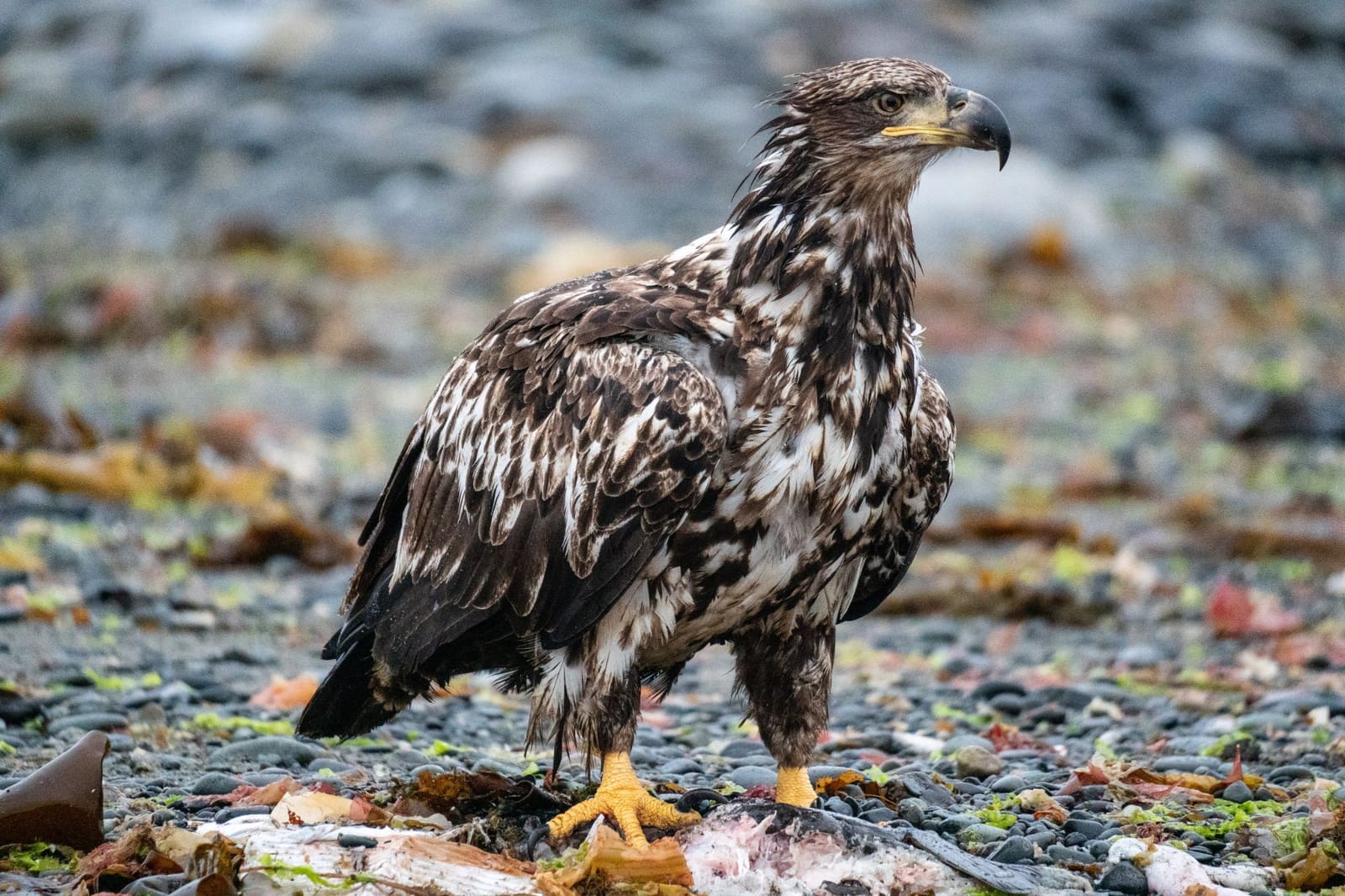
The Bald Eagle (Haliaeetus leucocephalus) is undoubtedly the star of the show. Alaska boasts the largest population of bald eagles in the United States, with an estimated 30,000 birds residing in the state. With their striking white heads, massive yellow beaks, and wingspans that can reach up to eight feet, they are a sight to behold. They are primarily coastal birds, thriving in areas where fish are abundant. You will often see them perched high in old-growth spruce trees overlooking the ocean or rivers, waiting patiently for a meal to swim by.
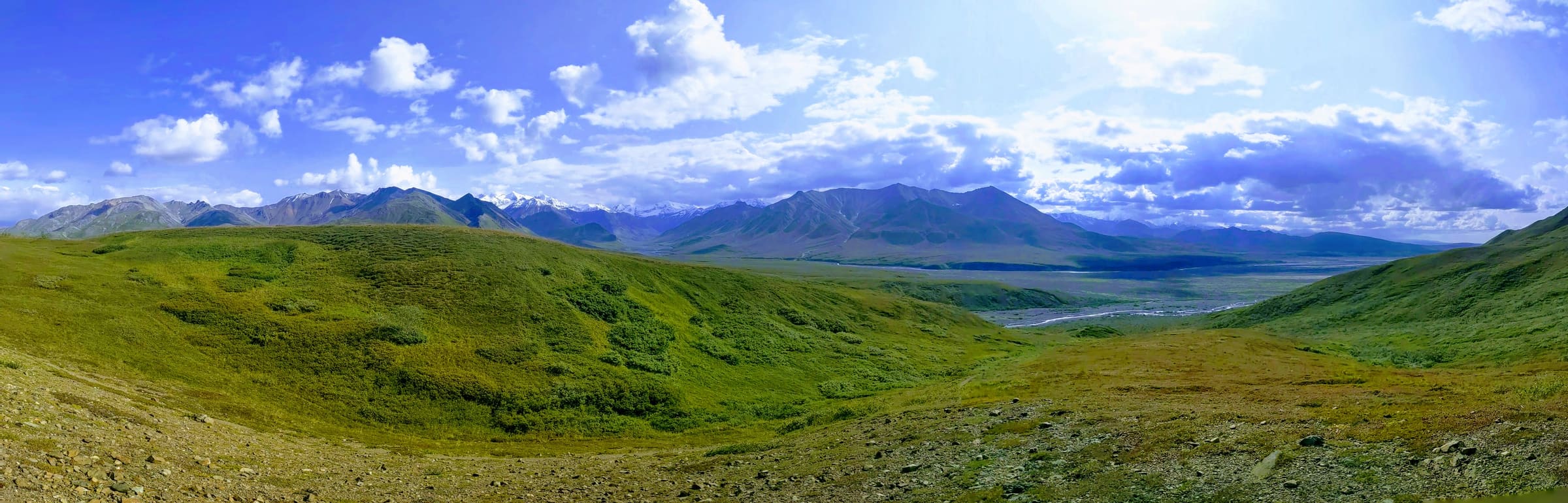
On the other hand, the Golden Eagle (Aquila chrysaetos) prefers the mountainous, open terrains of Alaska's interior and northern regions. While they lack the distinctive white head of their cousins, golden eagles are incredibly powerful hunters, known for taking down larger mammalian prey like marmots, ground squirrels, and hares. Their plumage is a beautiful dark brown, with a golden sheen on the back of their heads and necks. While you can see eagles anywhere in Alaska, your best chances of seeing both species—especially the bald eagle—are concentrated in specific southern habitats.
The Southern Coast: An Eagle Spotting Paradise
If there is one thing we want to emphasize in this eagles alaska guide, it is that the southern coast is the premier destination for raptor viewing. While you can spot them perched on streetlamps in Anchorage or soaring over the valleys of Denali, the Kenai Peninsula offers unparalleled density. If you are driving the Kenai Peninsula loop, you should keep your eyes peeled at all times. The combination of dense coastal forests and rich marine ecosystems creates the perfect habitat for these birds to thrive.
However, we had the most luck about 100 miles before arriving to Homer. As you are driving from Anchorage to Homer, the highway hugs the coastline of the Cook Inlet, providing breathtaking views of volcanoes and endless ocean. Along this stretch, particularly near towns like Ninilchik and Anchor Point, there is a specific spot on a beach where they nest in the towering spruce trees that line the coastal bluffs. Pulling over at one of the many scenic turnouts along this route often yields immediate sightings of eagles circling the thermals above the water.
Walking Among Giants on the Shoreline
It is one thing to see an eagle flying high in the sky; it is entirely another to watch them interact with their environment at ground level. At this specific beach location roughly 100 miles north of Homer, the eagles exhibit fascinating behaviors. They hunt fish in the shallow surf, utilizing their incredible eyesight and razor-sharp talons to pluck salmon and flounder right out of the water.
What is perhaps most surprising—and a detail often left out of a standard eagles alaska guide—is how they behave after a catch. You will frequently see these massive, regal birds walking around on the shore alongside seagulls. They scavenge for scraps left by fishermen or the changing tides, waddling across the pebbles in a way that feels almost comical for such a dignified creature. Yet, despite their awkward gait on land, there is something undeniably magical about eagles. Watching a bald eagle tear into a fresh catch while seagulls squawk and hover nearby is a raw, unfiltered display of Alaskan nature that you will remember for a lifetime.
Seldovia: A Hidden Gem for Birdwatchers
Another exceptionally good place to see eagles is the secluded coastal community of Seldovia. Located just across Kachemak Bay from Homer, Seldovia is accessible only by boat or small aircraft, making it a peaceful retreat away from the busier road trip routes. The journey to Seldovia itself is often a wildlife viewing tour, with opportunities to see whales, sea otters, and, of course, eagles soaring above the bay.
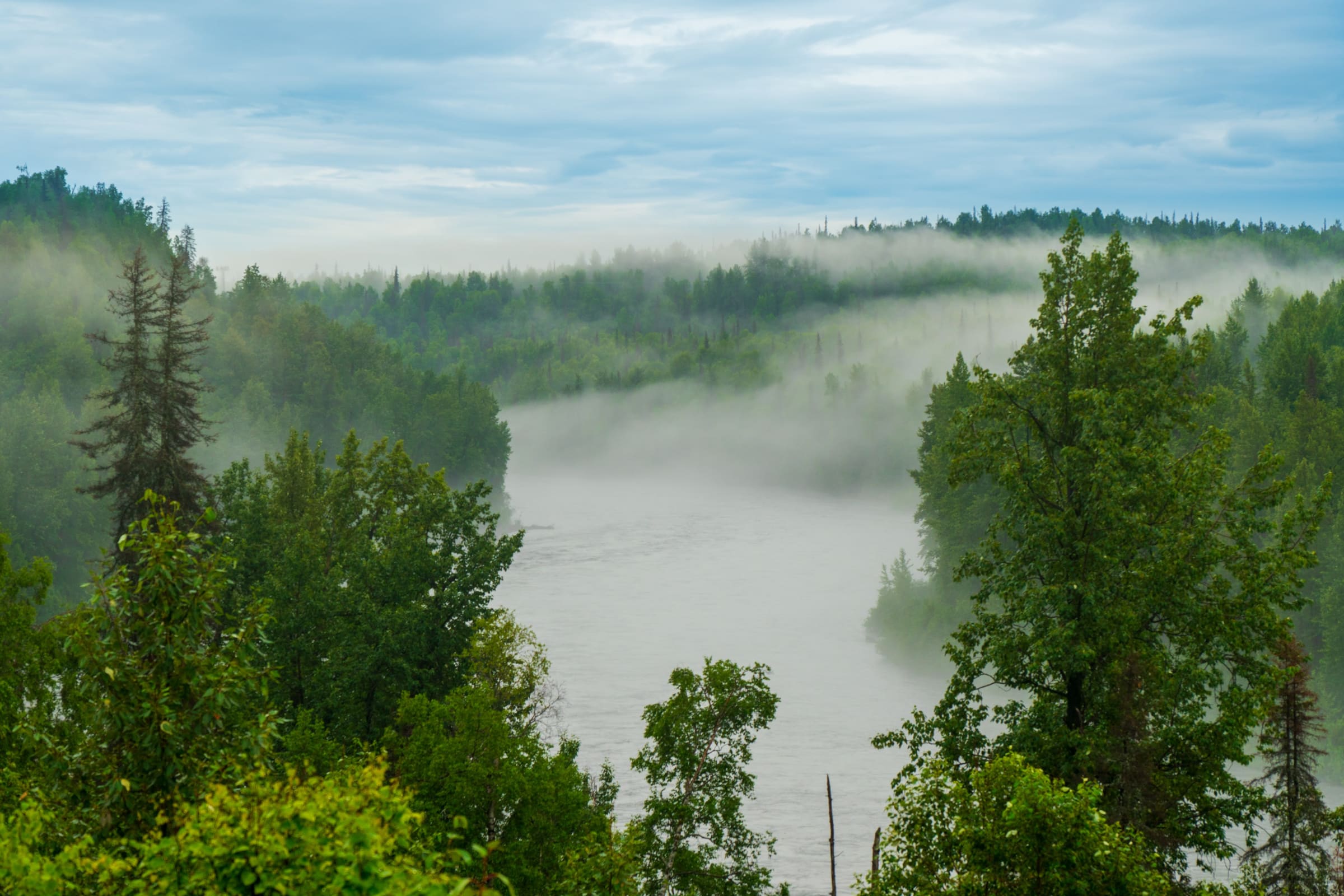
We visited it to hike the otterbahn trail, a stunning path that winds through dense coastal rainforest, over boardwalks, and out to the beautiful Outside Beach. As you walk the trail, the canopy above is alive with the sounds of nature. Bald eagles frequently nest in the old-growth trees surrounding Seldovia, utilizing the high vantage points to monitor the waters below. When you reach the beach at the end of the otterbahn trail, it is common to see eagles diving for fish in the clear, protected waters of the bay or perched stoically on driftwood logs. The tranquility of Seldovia makes it a standout recommendation in our eagles alaska guide.
Understanding Eagle Diet and Hunting Techniques
To truly appreciate these birds, it helps to understand how they survive in the wild Alaskan landscape. Bald eagles are opportunistic foragers. While they are exceptional fishermen, capable of spotting a fish from hundreds of feet in the air and snatching it with precision, they are also notorious scavengers. This is why you will often see them congregating near fishing harbors, fish processing plants, or alongside seagulls on the beach.
During the famous Alaskan salmon runs, eagles gather in massive numbers along rivers and streams. They feast on the spawned-out salmon, gorging themselves to build up fat reserves for the colder months. Golden eagles, conversely, rely more on their speed and agility to hunt live prey in the mountainous regions. Watching a golden eagle stoop (dive) at speeds exceeding 150 miles per hour to catch a ground squirrel is a breathtaking display of predatory prowess.
Photography Tips and Wildlife Ethics
No eagles alaska guide would be complete without discussing how to properly observe and photograph these birds. Because eagles are protected under federal law (the Bald and Golden Eagle Protection Act), it is crucial to maintain a respectful distance. Never approach a nest, as disturbing nesting eagles can cause them to abandon their eggs or young. If an eagle changes its behavior because of your presence—such as vocalizing, standing up in the nest, or flying away—you are too close.
For photography, a telephoto lens of at least 400mm to 600mm is highly recommended to capture detailed shots without encroaching on their space. A sturdy tripod will help stabilize your camera in the often-windy coastal conditions. Binoculars are also an absolute must-have for any Alaskan road trip, allowing you to appreciate the intricate details of their plumage from a safe distance. For more information on how to safely interact with the local fauna, be sure to review our comprehensive wildlife safety guidelines before you travel.
What to Pack for Your Eagle Watching Adventure
Preparing for an eagle watching trip in Alaska requires packing for unpredictable weather. The coastal regions where bald eagles thrive are known for sudden rain showers and chilly ocean breezes, even in the middle of summer. Layering is key. Start with a moisture-wicking base layer, add an insulating fleece or wool sweater, and top it off with a high-quality waterproof and windproof shell.
Sturdy, waterproof hiking boots are essential, especially if you plan on walking the rocky beaches north of Homer or navigating the muddy sections of coastal trails in Seldovia. Do not forget to bring a waterproof bag for your camera gear and binoculars. If you are unsure of what else to bring, consult our complete packing list to ensure you are fully prepared for the elements.
Frequently Asked Questions
To wrap up this eagles alaska guide, we have compiled answers to some of the most common questions travelers have about spotting these magnificent birds in the Last Frontier.
What is the best time of year to see eagles in Alaska?
While some bald eagles remain in Alaska year-round, the best time to see them in large numbers is during the summer months, from May through September. This coincides with the salmon runs, which provide an abundant food source. Late fall is also spectacular in specific areas like the Chilkat Bald Eagle Preserve near Haines, where thousands gather to feed on late-running salmon.
Are bald eagles endangered in Alaska?
No, bald eagles are not endangered in Alaska. In fact, Alaska has always maintained a robust and healthy population of bald eagles, even when their numbers dwindled in the lower 48 states due to pesticide use in the mid-20th century. Today, they are a thriving species and a very common sight along the Alaskan coast.
Where is the absolute highest concentration of eagles?
While our eagles alaska guide highlights the Kenai Peninsula and Seldovia for summer road trippers, the absolute highest concentration of bald eagles in the world can be found in Haines, Alaska, at the Chilkat Bald Eagle Preserve during the month of November. However, for standard summer travel, the coastal areas around Homer, Anchor Point, and Seldovia offer the most accessible and abundant viewing opportunities.
Can I see golden eagles on a coastal road trip?
It is relatively rare to see golden eagles along the southern coast, as they prefer the mountainous and tundra regions of the interior and northern Alaska. If your road trip takes you north toward Denali National Park, the Alaska Range, or along the Dalton Highway, your chances of spotting a golden eagle increase significantly.
Do I need a guide to see eagles in Alaska?
Not at all! While specialized birdwatching tours can provide excellent educational context and take you to hidden spots, eagles are so prevalent in the southern coastal regions that you can easily spot them on your own. Simply driving the coastal highways, walking the beaches, and keeping your eyes on the treetops will yield plenty of sightings.
Start Your Alaskan Adventure
We hope this eagles alaska guide helps you plan the perfect wildlife-focused itinerary for your 2026 vacation. From the bustling beaches north of Homer where eagles walk alongside seagulls, to the quiet, forested paths of Seldovia, the opportunities to witness these majestic birds are truly endless. There is nothing quite like the magic of the Alaskan wilderness to remind us of the beauty of the natural world. If you are ready to make this dream a reality, plan your Alaska road trip today, book your lodging early, and prepare for the adventure of a lifetime!

See a real Alaska itinerary before you spend a dollar
A real 3-day plan with driving times, lodging picks, and a daylight chart — free, in your inbox.
One email. No spam. Unsubscribe anytime. Or view it right now — no email needed ↗
Ready for the full plan? Get your custom itinerary — from $197 · 5-day delivery →