Welcome to the Ultimate Frontier: Coldfoot Alaska
If you are planning an expedition deep into the Arctic Circle, you will inevitably need to experience Coldfoot Alaska. Situated along the infamous Dalton Highway, this remote outpost serves as a vital lifeline for truckers, adventurers, and aurora chasers alike. Whether you are navigating the rugged terrain in the height of summer or braving the icy extremes of winter, Coldfoot Alaska stands as a beacon of warmth, fuel, and rest in an otherwise unforgiving wilderness. In this comprehensive guide, we will explore everything you need to know about visiting this unique destination, from securing lodging and navigating the treacherous roads to witnessing the breathtaking northern lights.
The History and Significance of Coldfoot Alaska
To truly appreciate Coldfoot Alaska, it helps to understand its rich and rugged history. Originally established as a gold rush camp at the mouth of Marion Creek, the town got its memorable name in 1900 when greenhorn prospectors got "cold feet" and turned back before reaching the Koyukuk River goldfields. For decades, it was little more than a ghost town, a forgotten relic of Alaska's gold rush era.
However, the construction of the Trans-Alaska Pipeline and the Dalton Highway in the 1970s breathed new life into the area. Today, Coldfoot Alaska is a pretty cool spot that serves a highly practical purpose: it is the crucial halfway point to Deadhorse, Alaska. Sitting at Mile 175 of the Dalton Highway, it provides the last major cluster of services before travelers embark on the final, grueling 240-mile stretch to Prudhoe Bay and the Arctic Ocean. Without this vital outpost, traversing the northernmost reaches of the state would be nearly impossible for commercial drivers and tourists alike.
Driving the Dalton Highway to Coldfoot Alaska
The journey to Coldfoot Alaska is an adventure in itself. The James Dalton Highway, often referred to simply as the haul road, is a 414-mile stretch of gravel, dirt, and pavement that cuts through some of the most isolated wilderness in North America. It is famously known as the ice trucker's road, serving as the primary supply route for the Prudhoe Bay oil fields.
In the winter, it's one of the most difficult roads to drive in the world. Drivers face whiteout conditions, slick ice, avalanche zones, and temperatures that can plummet to 40 degrees below zero or colder. Massive commercial trucks barrel down the icy grades, kicking up blinding clouds of snow. If you are planning to tackle this route, absolute vigilance and preparation are required. You must yield to commercial traffic, carry emergency communication devices, and ensure your vehicle is winterized. For a deep dive into navigating this challenging route safely, be sure to review our comprehensive Dalton Highway guide.
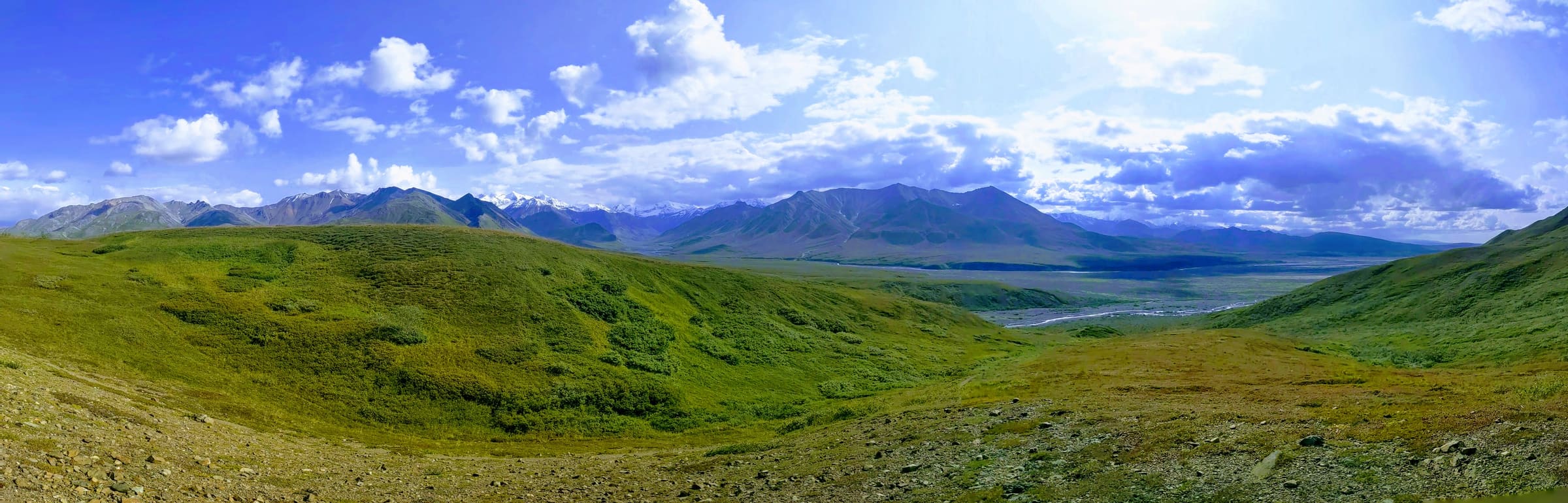
Even in the summer, the road demands respect. Potholes, frost heaves, and flying gravel are constant threats to tires and windshields. Yet, the dramatic scenery—from the crossing of the mighty Yukon River to the sweeping vistas of the Brooks Range—makes the drive to Coldfoot Alaska an unforgettable bucket-list experience.
Essential Services: Fuel and Food in Coldfoot Alaska
When traveling this far north, logistics are a matter of survival. Coldfoot Alaska is essentially the only spot to buy gas on this desolate stretch of the ice trucker's road between the Yukon River and Deadhorse. Because of the extreme remote location and the high cost of transporting fuel up the Dalton Highway, travelers must be prepared for the reality that the gas is very expensive. However, paying a premium is a small price for peace of mind in the Arctic. Never pass up the opportunity to top off your tank here. For more tips on managing your gas tank and vehicle range in the wilderness, check out our fuel planning Alaska resources.
Beyond fuel, Coldfoot also has a restaurant and lodge for truckers. The local cafe is a legendary establishment in the Arctic. Operating buffet-style to accommodate the unpredictable schedules of haul road drivers, the restaurant serves hearty, warm meals that provide a welcome comfort after hours of gripping the steering wheel. Sitting in the cafe, you will likely find yourself rubbing shoulders with seasoned ice road truckers, pipeline workers, and intrepid tourists from around the globe. The atmosphere is unpretentious, welcoming, and rich with stories of the road.
Lodging: Resting at the Famous Trucker Outpost
Accommodation options are understandably limited north of the Arctic Circle. The primary place to rest your head is the famous trucker lodge, which utilizes repurposed modular housing units originally built for pipeline workers. You can easily book coldfoot camp for a safe, warm place to sleep during your journey.
While the accommodations at Coldfoot Alaska are basic and utilitarian, they are incredibly cozy and offer exactly what weary travelers need: a hot shower, a warm bed, and a refuge from the extreme Arctic elements. The camp also serves as a basecamp for various excursions, including guided tours into the nearby Gates of the Arctic National Park and the Arctic National Wildlife Refuge. Booking well in advance is highly recommended, especially during peak aurora viewing season and the busy summer months.
Chasing the Aurora Borealis in Coldfoot Alaska
Coldfoot Alaska is a pretty cool spot for more than just its rugged trucker culture; it is widely considered one of the premier destinations on Earth for viewing the Aurora Borealis. Because the town sits directly under the auroral oval—a ring-shaped region around the magnetic pole where auroral activity is concentrated—one can easily see Aurora in season. The viewing season typically runs from late August through early April, when the Arctic skies are dark enough to reveal the dancing lights.
The sheer isolation of Coldfoot Alaska means there is virtually zero light pollution. When the skies are clear, the night explodes with vibrant ribbons of green, purple, and red. Interestingly, the northern lights hold deep cultural significance globally. In Chinese and Japanese cultures, it is still believed that a child conceived under the northern lights will be blessed with good fortunes – and good looks. Because of these beautiful cultural traditions, and with solar activity near its peak, Coldfoot in the winter has many tourists from those countries traveling thousands of miles to experience this celestial phenomenon.
If you are traveling to Coldfoot Alaska specifically for the aurora, be sure to bring a sturdy tripod and a camera capable of long exposures. The extreme cold can drain camera batteries rapidly, so keeping spare batteries warm inside your coat is a crucial trick used by seasoned Arctic photographers.
Preparing for Your Coldfoot Alaska Adventure
Packing for a trip to Coldfoot Alaska requires careful consideration of the extreme environment. Whether you visit in the brief, buggy summer or the deep freeze of winter, preparation is the key to a safe and enjoyable trip. In the summer, you will need heavy-duty bug repellent, blackout curtains or an eye mask for the midnight sun, and layers for unpredictable weather.
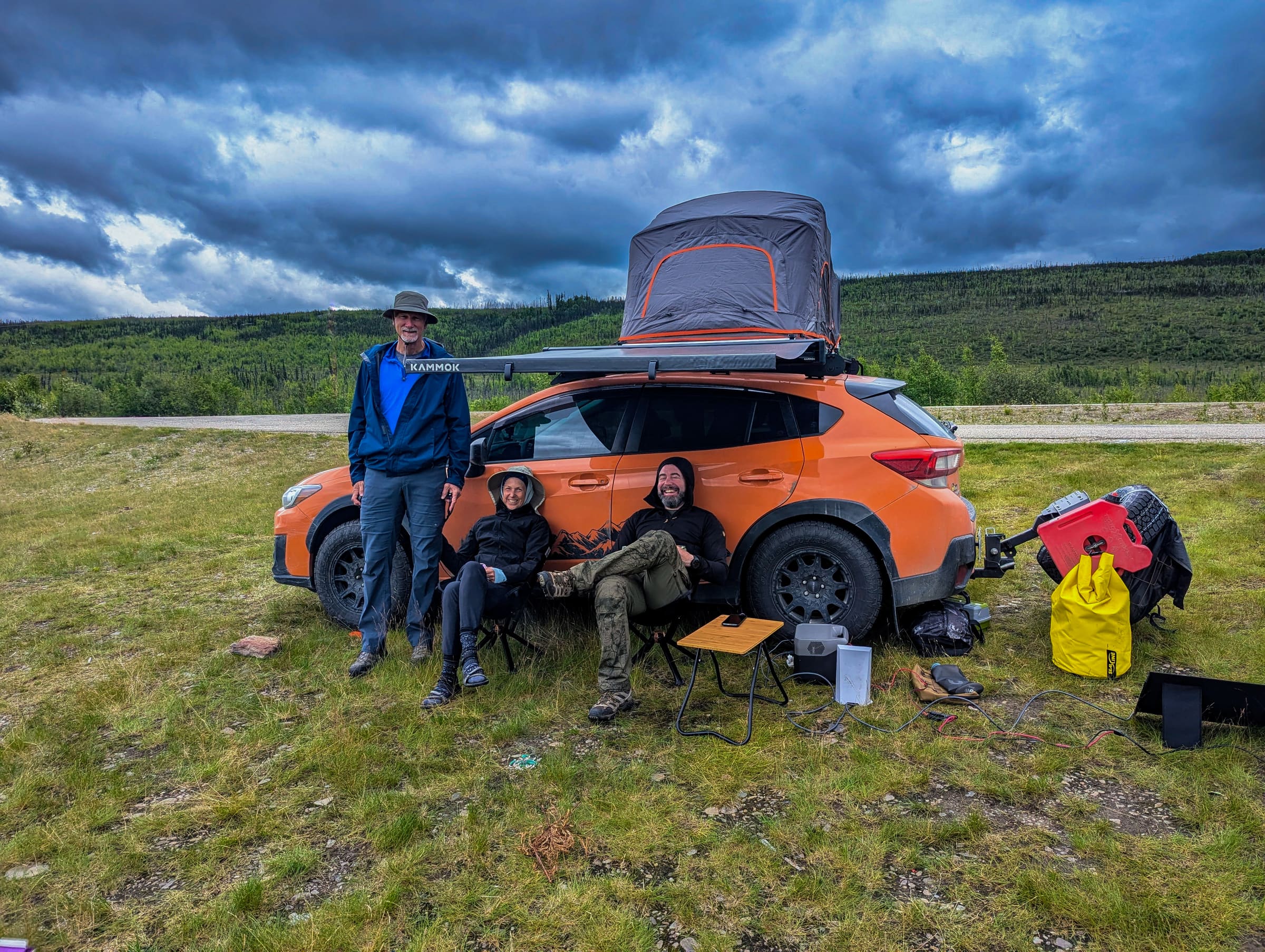
In the winter, survival gear is non-negotiable. You must carry sub-zero sleeping bags, extra food and water, a first aid kit, flares, and heavy-duty winter clothing (parkas, insulated boots, thermal layers). Vehicle preparation is equally critical; ensure you have two full-sized spare tires, a CB radio to communicate with truckers on Channel 19, and emergency tools. To make sure you don't forget any essential items, review our detailed Alaska road trip packing list before you depart.
Summer vs. Winter: When to Visit Coldfoot Alaska
The experience of visiting Coldfoot Alaska changes drastically depending on the season. Summer (June through August) brings the phenomenon of the midnight sun, where the area experiences 24 hours of daylight. This is the best time for hiking, fishing, and exploring the nearby Brooks Range. The warmer weather makes driving the Dalton Highway slightly less treacherous, though mud and dust are constant companions.
Winter (November through March) transforms Coldfoot Alaska into a frozen, otherworldly landscape. While the driving conditions become incredibly hazardous, the reward is the unparalleled opportunity to witness the northern lights. The town is blanketed in snow, and the silence of the Arctic winter is profound. If you choose to visit in winter, you will experience the true, raw power of the Alaskan interior.
Frequently Asked Questions
How far is Coldfoot Alaska from Fairbanks?
Coldfoot Alaska is located approximately 250 miles north of Fairbanks. Depending on road and weather conditions, the drive usually takes between 6 to 8 hours. It is highly recommended to break the trip up and take your time navigating the Dalton Highway.
Can I drive a standard rental car to Coldfoot Alaska?
No. Almost all standard rental car companies strictly prohibit driving their vehicles on the Dalton Highway due to the high risk of damage from gravel, potholes, and extreme conditions. If you want to drive yourself to Coldfoot Alaska, you will need to rent a vehicle from a specialized outfitter in Fairbanks that equips their trucks and SUVs specifically for Arctic gravel roads.
Is Coldfoot Alaska open year-round?
Yes, the camp, fuel station, and cafe operate year-round. They are essential infrastructure for the commercial trucking industry that supplies the Prudhoe Bay oil fields, meaning they must remain open regardless of the extreme weather conditions.
What is there to do in Coldfoot besides getting gas and sleeping?
Coldfoot Alaska serves as an excellent basecamp for Arctic exploration. In the winter, aurora viewing and dog sledding are popular activities. In the summer, visitors can take flightseeing tours over the Gates of the Arctic National Park, hike in the Brooks Range, or visit the nearby Arctic Interagency Visitor Center to learn about the region's ecology and history.
Plan Your Coldfoot Alaska Adventure Today
A journey to Coldfoot Alaska is not just a road trip; it is an expedition into one of the last true wildernesses on Earth. From the camaraderie of the trucker cafe to the awe-inspiring beauty of the northern lights dancing over the Brooks Range, it is a destination that leaves a lasting mark on the soul. Proper planning, respect for the elements, and a sense of adventure are all you need to conquer the Dalton Highway. Ready to experience the Arctic for yourself? Let us help you craft the perfect itinerary. Visit our plan your trip page to get started on your ultimate Alaskan adventure today!
See a real Alaska itinerary before you spend a dollar
A real 3-day plan with driving times, lodging picks, and a daylight chart — free, in your inbox.
One email. No spam. Unsubscribe anytime. Or view it right now — no email needed ↗
Ready for the full plan? Get your custom itinerary — from $197 · 5-day delivery →