Embarking on an Alaska road trip offers unique adventures, but the vast distances and remote landscapes demand smart planning. Many first-time travelers make a common mistake: they arrive in Anchorage, stock up on every conceivable supply, and then haul it for a thousand miles or more across the state. While convenient initially, this approach often leads to wasted space, spoiled food, and unnecessary expenses. The seasoned Alaska traveler, however, understands the power of 'staging' supplies. This strategic method involves identifying key replenishment points along your chosen route, optimizing your purchases, and mastering cooler management to ensure maximum efficiency and enjoyment throughout your Alaska road trip itinerary.
Staging isn't just about saving money; it's about enhancing your entire experience. Imagine less clutter in your vehicle, fresher ingredients for your meals, and the freedom to adapt your plans without being burdened by an overloaded supply cache. This guide will equip you with the expert knowledge to plan your provisions like a pro, ensuring your journey through the Last Frontier is as smooth and cost-effective as possible.
Why Strategic Supply Staging is Essential for Your Alaska Adventure
Alaska's sheer scale means that a single grocery run at the start of your trip is rarely sufficient or efficient. The state's major highways – the Sterling, Parks, and Richardson – traverse diverse regions, each with its own unique supply opportunities and challenges. Understanding these nuances is crucial to a successful road trip.
Optimizing Space and Weight
Every inch of space and every pound of weight matters, especially if you're traveling in an RV or a packed car. Over-buying in Anchorage means you're hauling extra weight and bulk for days, impacting fuel efficiency and comfort. By staging, you only carry what you need for the immediate leg of your journey, freeing up valuable space for souvenirs, outdoor gear, or simply more legroom.
Ensuring Freshness and Reducing Waste
Perishable items have a limited lifespan, even in the best coolers. Buying all your fresh produce, dairy, and meats at once means some items will inevitably spoil before you can consume them, leading to food waste and lost money. Staging can help you replenish fresh goods more frequently, contributing to a supply of quality ingredients for your meals.
Cost Savings and Supporting Local Economies
While Anchorage offers competitive prices on many bulk and specialty items, smaller towns often have surprisingly good deals on local produce, baked goods, or specific staples. By strategically purchasing along your route, you can capitalize on these opportunities, potentially saving money and directly supporting the local communities you visit. This also aligns with a more sustainable and immersive travel experience.
Identifying Key Grocery Replenishment Points Along Alaska's Major Highways
Knowing where and when to restock is the cornerstone of effective supply staging. Here’s a breakdown of key towns and what to expect along Alaska’s most popular road trip routes.
The Sterling Highway: Gateway to the Kenai Peninsula
The Sterling Highway is your primary artery for exploring the Kenai Peninsula, a popular destination for fishing, wildlife viewing, and stunning coastal scenery. Towns along this route offer excellent opportunities for replenishment.
- Soldotna & Kenai: These twin cities are the largest on the Kenai Peninsula and offer the most comprehensive grocery options outside of Anchorage. You'll find full-service supermarkets like Fred Meyer in Soldotna and Safeway in Soldotna and Kenai, which are ideal for restocking a wide range of items, from fresh produce and meats to pantry staples and specialty goods. Plan a significant resupply here if your Kenai Peninsula loop is extensive.
- Homer: At the end of the road, Homer offers several grocery stores and local markets. While prices might be slightly higher than in Soldotna, it's a convenient spot for a final top-up before heading back north or embarking on local excursions.
- Cooper Landing: A smaller community, Cooper Landing has a general store with basic necessities, snacks, and some fresh items. It's a good spot for emergency items or a quick grab, but not for a full resupply.
The Parks Highway: Connecting Anchorage to Fairbanks and Denali
The Parks Highway is arguably the most traveled route, leading to Denali National Park and Preserve. Supply points become sparser as you head north, making strategic planning crucial.
- Wasilla & Palmer: Located just north of Anchorage, these Mat-Su Valley towns offer large supermarkets (Fred Meyer, Carrs/Safeway) and are excellent last-chance major resupply points before heading deep into the interior. Consider stocking up on bulk items here.
- Talkeetna: This charming tourist town has a small general store with essentials, snacks, and some fresh items, but expect higher prices due to its remote location and tourist focus. It's best for minor top-ups.
- Healy & Nenana: Near Denali National Park, Healy offers a few small markets and general stores. Nenana, further north, also has limited options. These are primarily for emergency needs or very basic items. For a multi-day stay in Denali, ensure you're well-stocked before arriving.
- Fairbanks: As Alaska's second-largest city, Fairbanks provides all the major grocery chains (Fred Meyer, Safeway) and is an excellent point for a full resupply if your Anchorage to Denali trip continues further north or east.
The Richardson Highway: The Scenic Route to Valdez and the Interior
The Richardson Highway offers stunning mountain views and access to the Copper River Basin and Prince William Sound. Supply points are fewer and farther between compared to the Parks or Sterling Highways.
- Glennallen: This is a critical resupply hub in the Copper River Basin. You'll find a well-stocked IGA grocery store and other smaller shops. It's an essential stop for anyone traveling between Anchorage/Fairbanks and Valdez, or heading further east on the Tok Cutoff.
- Delta Junction: The official end of the Alaska Highway, Delta Junction has a few grocery options, including the IGA Food Cache and other smaller markets.
- Valdez: A picturesque port town, Valdez offers several grocery options, including larger supermarkets and smaller local markets. It's your main resupply point if you're spending time in the area or taking a ferry.
Anchorage vs. Smaller Towns: What to Buy Where
Understanding the cost dynamics between Anchorage and smaller Alaskan towns is crucial for an efficient Alaska road trip cost management strategy.
Cheaper to Buy in Anchorage (or Wasilla/Palmer)
- Bulk Items: Large quantities of non-perishables, snacks, beverages, and paper goods are often more competitively priced at big-box stores like Fred Meyer or Costco (if you have a membership) in Anchorage or the Mat-Su Valley.
- Specialty Foods: If you have specific dietary needs (gluten-free, organic, international ingredients) or prefer gourmet items, Anchorage will offer a much wider selection and often better prices.
- Alcohol: Generally, liquor stores in larger cities tend to have more competitive pricing and selection.
- Camping Gear & Outdoor Supplies: While available in smaller towns, the selection and pricing for items like fuel canisters, fishing lures, or specific hiking gear will be better in Anchorage's larger sporting goods stores.
- Pre-Trip Essentials: Items for your Alaska road trip packing list like bear spray, bug repellent, and certain first-aid supplies can often be found at better prices in Anchorage.
Cheaper or Comparable in Smaller Towns (and why it's worth it)
- Fresh Produce (Seasonal & Local): During the summer months (especially July and August), many smaller towns, particularly in agricultural areas like the Mat-Su Valley or Kenai Peninsula, will have roadside stands or local markets offering fresh, locally grown produce that can be surprisingly affordable and of superior quality.
- Basic Staples (for convenience): While not often cheaper, purchasing milk, bread, eggs, or a few fresh vegetables in a smaller town can save you from hauling them for hundreds of miles, potentially reducing the risk of spoilage and freeing up cooler space. The convenience often outweighs a slight price difference.
- Local Delicacies: Look for local smoked salmon, fresh-baked goods from small bakeries, or unique Alaskan crafts. These aren't necessarily cheaper, but they offer an authentic taste of the region and are best purchased fresh.
- Ice: While not a grocery item, ice is a critical consumable. Buying ice in smaller towns along your route can often be more efficient than attempting to transport a massive block from Anchorage.
Often check store hours in smaller towns, especially on Sundays or holidays. Many operate on limited schedules, and some may close early or entirely.
Mastering Cooler Space for 7+ Days of Food
Managing your cooler effectively is paramount for extended Alaska road trips, especially when you're several days between major resupply points. A well-packed cooler means less waste and more delicious meals.
Choosing the Right Cooler(s)
- High-Performance Rotomolded Coolers: For trips of 7+ days, investing in a high-quality rotomolded cooler (e.g., Yeti, RTIC, Orca) is highly recommended. These coolers offer superior insulation, keeping ice frozen for much longer than standard coolers.
- Multiple Coolers: Consider using two coolers: one for drinks and frequently accessed items (which gets opened often) and another for main meal ingredients that need to stay colder longer.
- Electric Coolers: While convenient, electric coolers often don't get as cold as ice-filled ones and can be a drain on your vehicle's battery. They are best for keeping already-cold items chilled, not for deep freezing.
Ice Strategy: Block vs. Cubes vs. Dry Ice
- Block Ice is King: Block ice melts much slower than cubed ice. If you can find it, use a large block at the bottom of your cooler.
- Layering Cubed Ice: Use cubed ice to fill gaps and surround items.
- Dry Ice (with caution): For truly long-term freezing (e.g., keeping meat frozen for days), dry ice is effective. Place it at the bottom of the cooler, separated from food by cardboard or newspaper, and ensure proper ventilation in your vehicle. Do not handle dry ice with bare hands.
- Pre-Chill Your Cooler: Before packing, pre-chill your cooler with a bag of sacrificial ice or frozen water bottles overnight.
Food Packing Techniques for Longevity
- Freeze Everything You Can: Freeze meats, pre-cooked meals, bread, and even some fruits (like berries) before packing. These act as additional ice packs and extend their freshness.
- Vacuum Sealing: Invest in a vacuum sealer. It dramatically extends the life of meats, cheeses, and even some vegetables by removing oxygen, preventing freezer burn, and making packing more compact.
- Meal Prep: Chop vegetables, pre-mix dry ingredients for pancakes, or cook components of meals in advance. This saves time and reduces waste on the road.
- Waterproof Containers: Use sturdy, waterproof containers for items that might leak or get crushed. Ziploc bags are your friend for separating items and preventing cross-contamination.
- Layering: Place items you'll need first on top. Keep raw meats at the bottom, away from ready-to-eat foods, to prevent drips and contamination.
Strategic Meal Planning for 7+ Days
Plan your meals with your cooler management in mind. For example, consume fresh produce and highly perishable items (like delicate greens or fresh fish) within the first 2-3 days. Transition to hardier vegetables (carrots, cabbage, potatoes, onions), frozen meats, and shelf-stable items (pasta, rice, canned goods) for the latter half of your trip. Consider a shoulder season grocery logistics approach even in summer for maximum efficiency.
For more detailed guidance on food safety during your travels, consult resources like the USDA Food Safety and Inspection Service, which offers valuable tips on keeping food safe when refrigeration is limited. For example, the USDA provides comprehensive advice on refrigeration and food safety. Additionally, the CDC offers guidelines on safe water for travel, which can be adapted for remote settings.
Beyond Groceries: Other Staging Considerations
Supply staging extends beyond just food. Think about all the consumables you'll need.
Fuel Planning
Alaska's vastness means long stretches between gas stations, and prices can fluctuate dramatically. Always fill up when you have the chance, especially before heading into remote areas. Consult our fuel planning for Alaska guide for detailed strategies. Consider carrying an extra fuel can if your vehicle's range is limited or you plan to venture off main highways.
Water Management
While tap water is generally safe in Alaskan towns, having a reliable water supply is crucial. Carry large refillable water jugs. Consider a water filter or purification tablets if you plan on backcountry camping or hiking, allowing you to safely replenish from natural sources. The CDC offers guidelines on safe water for travel, which can be adapted for remote settings.
Gear Rentals and Replacements
Do you need fishing gear, bear spray, or specialized hiking equipment? While you can buy these in Anchorage, consider renting from local outfitters in towns closer to your activity. This saves space and often money. For example, renting fishing rods in Soldotna for a Kenai River excursion makes more sense than buying them in Anchorage and hauling them for days.
Laundry and Personal Hygiene
Pack enough clothing for a few days, but plan for laundry stops in larger towns like Soldotna, Fairbanks, or Valdez. Many campgrounds and RV parks also offer laundry facilities. For personal hygiene, consider travel-sized toiletries and biodegradable soaps to minimize environmental impact, especially if you're dispersed camping.
Frequently Asked Questions
How much money should I budget for groceries on an Alaska road trip?
Grocery costs in Alaska can be higher than in the Lower 48, especially in remote areas. A budget for self-catering travelers will vary significantly depending on dietary preferences, cooking habits, and how effectively supplies are staged. Planning ahead, as outlined in this guide, can help you manage and potentially reduce this cost.
Is it worth bringing a portable grill or stove?
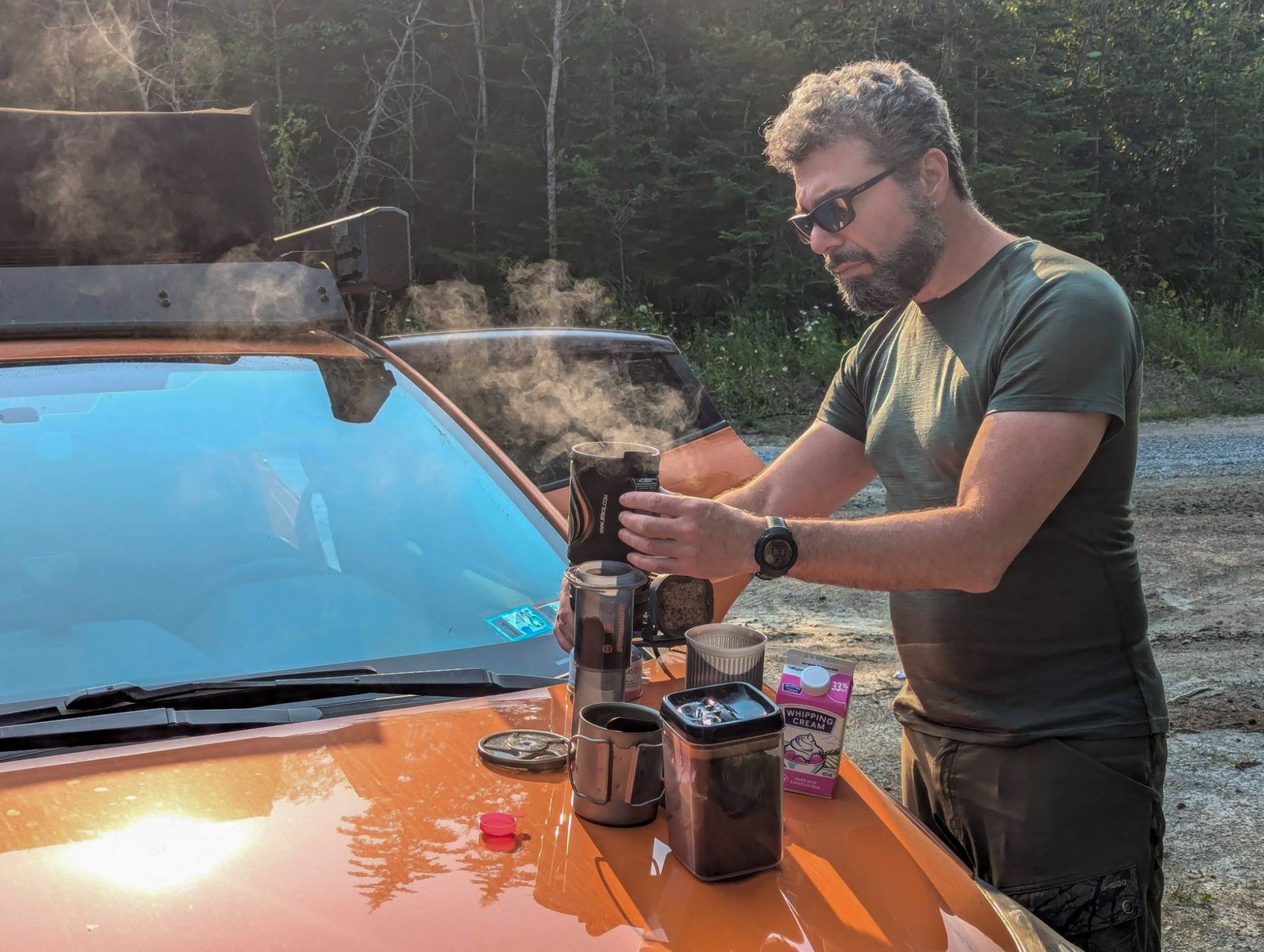
Absolutely! A portable stove (propane or white gas) is invaluable for cooking meals, boiling water, and making coffee. A small portable grill can also enhance your camping experience. These allow you to prepare fresh, hot meals and utilize your staged groceries effectively, saving money on restaurant meals. Often check for fire restrictions, especially during dry periods, and ensure you practice safe outdoor cooking.
What are some non-perishable staples I should always have on hand?
Even with staging, having a core set of non-perishable staples is smart. Think pasta, rice, oats, canned goods (tuna, beans, soup), dried fruit, nuts, coffee/tea, and shelf-stable milk. These provide a reliable base for meals, especially if you encounter unexpected delays or limited resupply options.
Should I bring my own water bottles and purification system?
Yes, bringing reusable water bottles is highly recommended for environmental reasons and to stay hydrated. A water purification system (filter, tablets, or UV purifier) is a wise addition if you plan on hiking or camping in areas without potable water sources, offering flexibility and peace of mind.
How do I handle trash and recycling on a long road trip?
To preserve Alaska's natural beauty, it's crucial to practice Leave No Trace principles. Always pack out everything you pack in. Carry sturdy trash bags and dispose of waste properly at designated receptacles in towns or campgrounds. Recycling options are limited outside of major cities, so be prepared to pack out recyclables until you find a facility.
Plan Your Alaska Road Trip with Confidence
Mastering supply staging can significantly enhance any Alaska road trip itinerary. By planning your grocery stops, understanding cost dynamics, and expertly managing your cooler, you'll enjoy a more efficient, comfortable, and budget-friendly adventure. Don't let logistical worries overshadow the breathtaking beauty of Alaska. The team at Alaska Road Trip can help you craft the perfect journey. Explore Alaska Road Trip's trip planning services to ensure every detail, from supplies to sightseeing, is meticulously arranged for your unforgettable 2026 expedition.
See a real Alaska itinerary before you spend a dollar
A real 3-day plan with driving times, lodging picks, and a daylight chart — free, in your inbox.
One email. No spam. Unsubscribe anytime. Or view it right now — no email needed ↗
Ready for the full plan? Get your custom itinerary — from $197 · 5-day delivery →