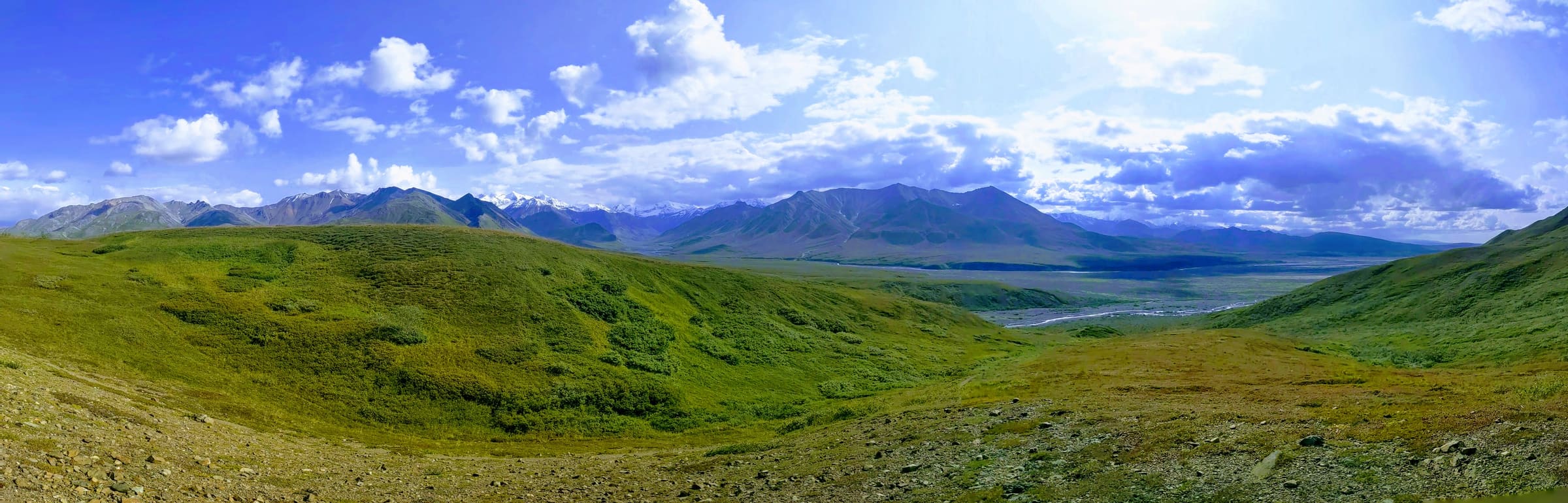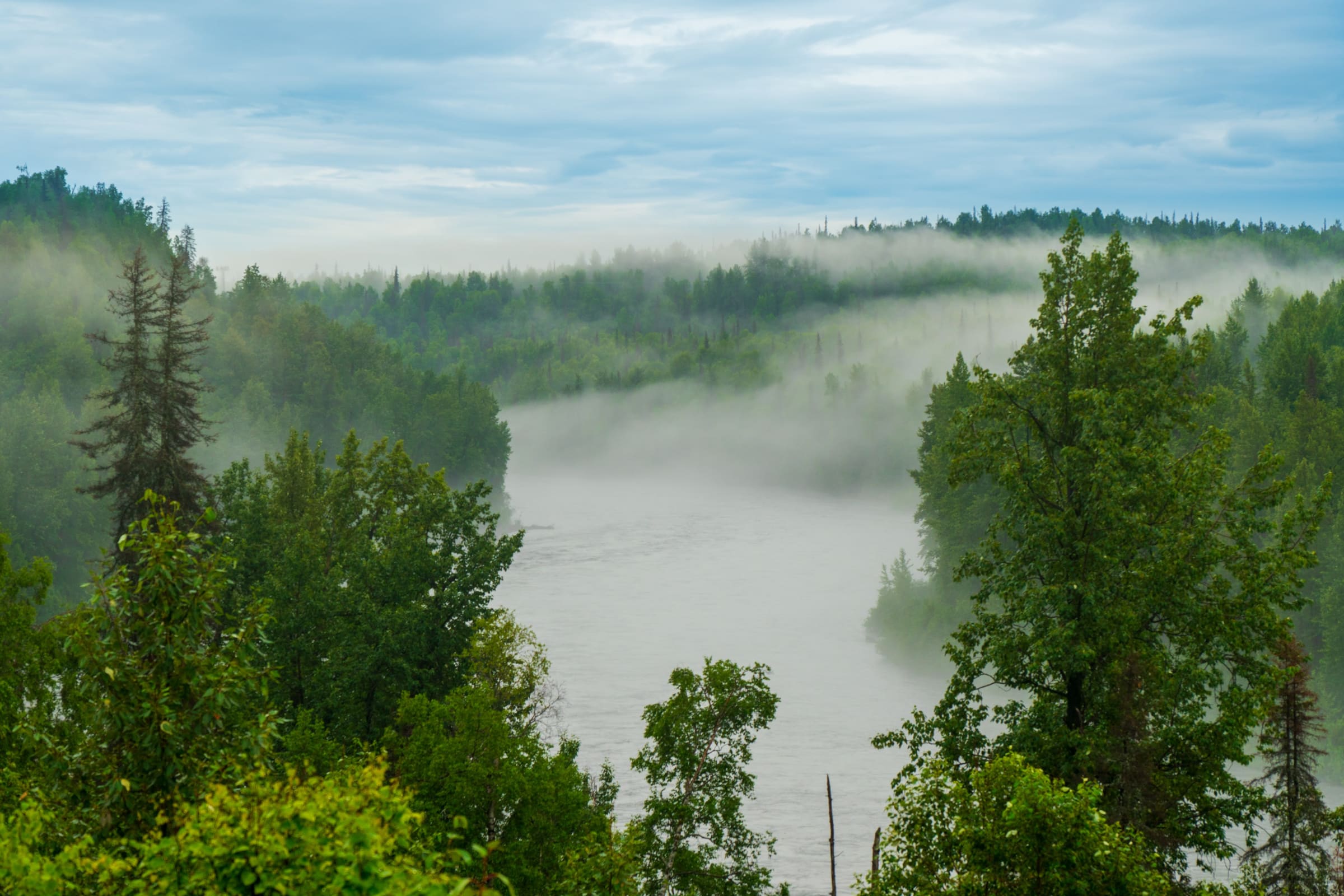
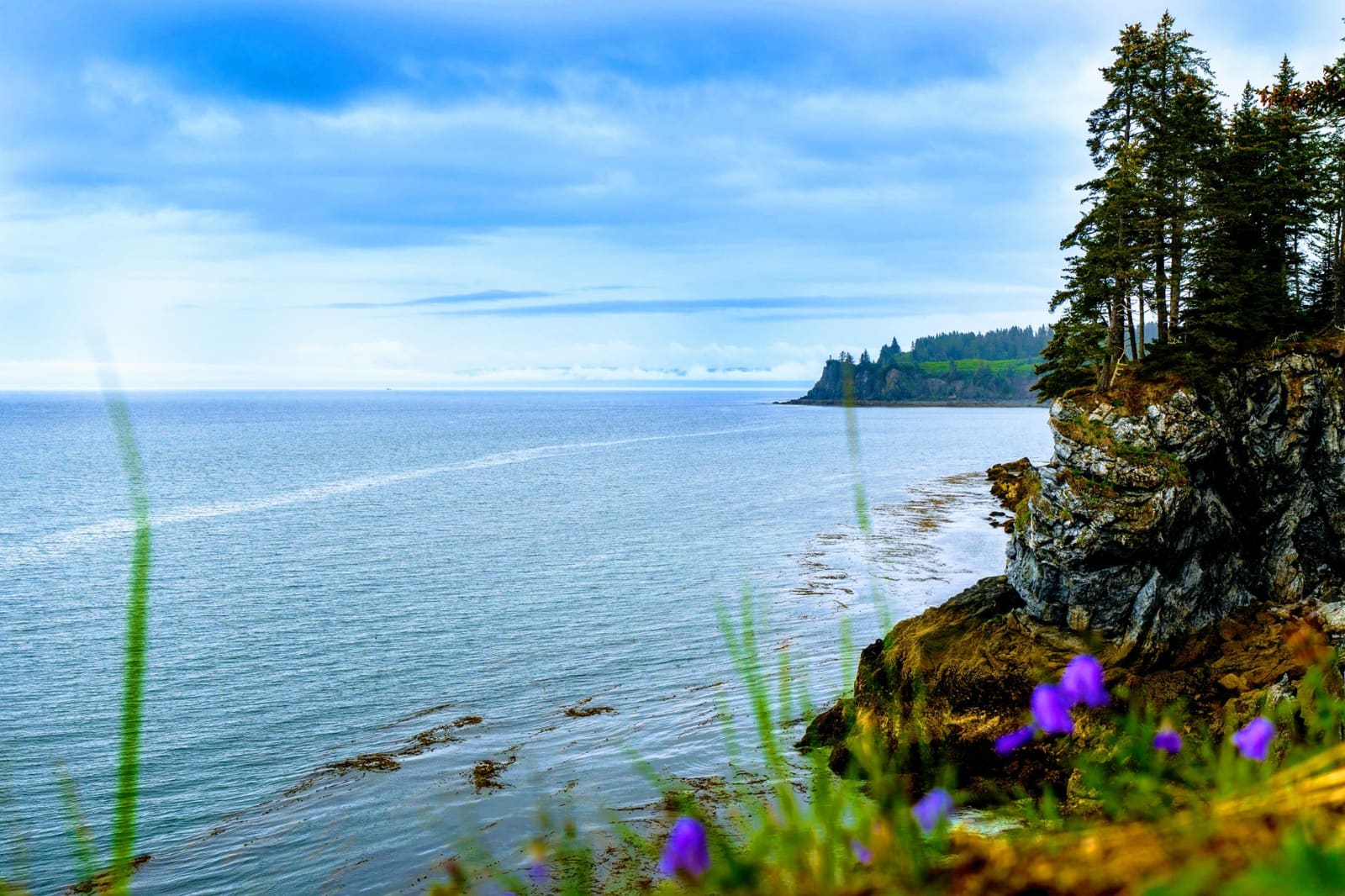
If you are planning an unforgettable Alaskan adventure in 2026, you have likely heard whispers about a region so diverse and accessible that locals affectionately call it "Alaska's Playground." Welcome to your definitive kenai peninsula loop guide. Jutting out from the southern coast of the state, the Kenai Peninsula offers a concentrated dose of everything that makes Alaska famous: towering glaciers, dramatic fjords, abundant wildlife, and world-class fishing, all accessible via a well-maintained, incredibly scenic highway system.
Unlike the remote stretches of the Dalton Highway or the vast interior near Denali, the Kenai Peninsula provides a highly approachable road trip experience without sacrificing the wild, untamed spirit of the Last Frontier. Whether you are renting an RV, driving a standard rental car, or adding a few days to a cruise vacation, this kenai peninsula loop guide will walk you through the most interesting spots, unique wildlife encounters, and practical logistics for a flawless 2026 journey.
Why the Kenai Peninsula is "Alaska's Playground"
The moniker "Alaska's Playground" is well-earned. For residents of Anchorage, the Kenai Peninsula is the go-to weekend escape. It is one of the few places in the state where you can hike an alpine ridge in the morning, watch glaciers calve into the ocean by noon, and reel in a massive halibut by evening.
What makes the Kenai truly unique is its geographical diversity packed into a relatively compact driving loop. The eastern side of the peninsula is dominated by the rugged, ice-capped Chugach Mountains and the deep, marine-rich waters of Resurrection Bay. The western side flattens out into the Kenai Lowlands, a region characterized by rolling hills, dense boreal forests, and the turquoise, glacier-fed waters of the Kenai River. This stark contrast means that every hour of driving presents a completely new ecosystem to explore.
The Ultimate Kenai Peninsula Loop Route
The classic Kenai Peninsula loop is essentially a "Y" shape rather than a perfect circle, but the flow of travel makes it a seamless road trip. The journey typically begins in Anchorage, heads south to Seward, cuts west across the peninsula to Homer, and then returns north to Anchorage.
Leg 1: Anchorage to Seward
Your journey begins on the Seward Highway, recognized nationally for its scenic vistas. The initial stretch of the drive hugs the dramatic coastline of Turnagain Arm, where the Chugach Mountains plunge directly into the sea. Keep an eye out for Beluga whales chasing salmon runs on the incoming bore tide, and Dall sheep navigating the sheer cliff faces on the left side of the highway.
Before reaching Seward, a detour to the Portage Glacier area is highly recommended. As you continue south through Moose Pass, the landscape transitions into dense alpine forests and pristine mountain lakes. For a detailed breakdown of this specific stretch, check out our comprehensive Seward Highway guide.
Once in Seward, the gateway to Kenai Fjords National Park, you have access to some of the best marine wildlife viewing in the world. A boat tour into the fjords is a non-negotiable must-do. You will witness tidewater glaciers crashing into the ocean and navigate waters teeming with marine life.
Leg 2: Seward to Homer
Leaving Seward, you will backtrack slightly to the Sterling Highway junction at Tern Lake. This highway cuts east-to-west across the heart of the peninsula. You will pass through Cooper Landing, a picturesque mountain town situated at the confluence of the Kenai River and Kenai Lake. This is the epicenter of the peninsula's river fishing and rafting culture.
Continuing west, the road flattens out as you pass through Soldotna and Kenai, the commercial hubs of the peninsula. Finally, the highway turns south, hugging the coastline of the Cook Inlet. On a clear day, you can see the active volcanoes of the Alaska Range—Mt. Iliamna, Mt. Redoubt, and Mt. Augustine—smoking across the water. The drive culminates at the "End of the Road" in Homer. For more specifics on this leg, read our guide on the drive from Anchorage to Homer.
Leg 3: Exploring Homer and the Return
Homer is famous for the Homer Spit, a long needle of land jutting into Kachemak Bay. It is lined with boardwalks, seafood restaurants, charter fishing offices, and the iconic Salty Dawg Saloon. Homer is also the launchpad for water taxis across the bay to Kachemak Bay State Park, offering some of the most remote and rewarding hiking on the peninsula.
Wildlife Unique to the Kenai Peninsula
A major highlight of any kenai peninsula loop guide is the wildlife. The peninsula's unique geography creates a haven for both marine and terrestrial animals.
Marine Life in the Fjords
The waters surrounding the Kenai Peninsula, particularly in Kenai Fjords National Park and Kachemak Bay, are incredibly nutrient-rich. According to the National Park Service's wildlife data for Kenai Fjords, these waters support massive populations of marine mammals. You are highly likely to spot:
- Orcas (Killer Whales): Both resident (fish-eating) and transient (mammal-eating) pods patrol these waters.
- Humpback Whales: Visiting in the summer to feed, they are often seen breaching or bubble-net feeding.
- Sea Otters: Often seen floating on their backs, cracking open shellfish.
- Steller Sea Lions: Massive pinnipeds that haul out on rocky outcroppings.
Birders will also be thrilled by the presence of Horned and Tufted Puffins, which nest in the rocky cliffs of the fjords.
Terrestrial Giants
On land, the Kenai National Wildlife Refuge covers a vast expanse of the peninsula. This area is home to the "Kenai Moose," a subspecies known for its massive size. Brown bears and black bears are also prevalent. While you might spot a black bear foraging along the highway, the best way to see brown bears is by taking a flightseeing tour from Homer or Soldotna across the Cook Inlet to Katmai National Park or Lake Clark National Park, where bears congregate in massive numbers to feed on salmon.
World-Class Fishing on the Kenai
You cannot write a kenai peninsula loop guide without dedicating a significant section to fishing. The peninsula is a global destination for anglers, offering both freshwater river fishing and deep-sea saltwater charters.
The Kenai River Salmon Runs
The Kenai River is legendary, historically known for producing massive King (Chinook) Salmon. However, due to conservation efforts in recent years, King Salmon fishing is heavily regulated, and retention is often restricted. Always check the latest 2026 regulations from the Alaska Department of Fish and Game (ADF&G) before casting a line.
The more reliable and chaotic fishing experience is the Sockeye (Red) Salmon run. In mid-to-late July, millions of Sockeye push up the Kenai and Russian Rivers. This leads to the famous "combat fishing" phenomenon, where anglers stand shoulder-to-shoulder on the riverbanks. It is a quintessential Alaskan experience, but it requires patience and good etiquette.
Halibut Capital of the World
Homer proudly claims the title of "Halibut Fishing Capital of the World." Booking a charter out of the Homer Spit is the best way to fill your freezer with this prized, flaky white fish. Charters provide all the gear, bait, and expertise needed to haul up "barn door" halibut from the depths of the Cook Inlet and the Gulf of Alaska. Most charters also offer fish processing and shipping services, so your catch will be waiting for you when you return home.
Camping and Lodging: Where to Stay in 2026
The Kenai Peninsula caters to all styles of travel, from rugged backcountry camping to luxury wilderness lodges. However, because it is Alaska's playground, accommodations book up incredibly fast. For a 2026 summer trip, you should secure your lodging or RV sites several months in advance to ensure availability.
Camping and RV Parks
If you are traveling by RV or tent, the peninsula is dotted with fantastic public campgrounds. The Chugach National Forest operates several pristine campgrounds, including the popular Williwaw Campground near Portage Glacier and the Russian River Campground near Cooper Landing. In Homer, camping directly on the Homer Spit offers unparalleled views of the bay, though you will be trading privacy for location.
Hotels and Wilderness Lodges
For those preferring a roof over their heads, Seward and Homer offer a range of hotels and boutique bed-and-breakfasts. Cooper Landing is famous for its high-end fishing lodges that offer all-inclusive guided packages. Given the high demand, we highly recommend checking Alaska lodging availability well in advance of your travel dates to secure your preferred accommodations.
Frequently Asked Questions
How many days do I need to drive the Kenai Peninsula loop?
To truly experience the highlights without feeling rushed, we recommend a minimum of 5 to 7 days. This allows for two nights in Seward (giving you a full day for a Kenai Fjords boat tour), one night in the Cooper Landing/Soldotna area, and two nights in Homer. If you plan on doing extensive hiking or multiple full-day fishing charters, extend your trip to 10 days.
What is the best month to visit the Kenai Peninsula?
The peak season runs from mid-June to mid-August. July is generally the warmest month and coincides with the peak of the Sockeye salmon runs, making it the busiest. If you prefer fewer crowds and do not mind slightly cooler weather, late May or early September are excellent choices. For a broader look at seasonal travel, read our guide on the best time for an Alaska road trip.
Do I need a 4WD vehicle for the Kenai Peninsula?
No. The entire Kenai Peninsula loop—comprising the Seward Highway and the Sterling Highway—is fully paved and well-maintained. A standard 2WD rental car or an RV is perfectly adequate for this route during the summer months. 4WD is only necessary if you plan to travel in the winter or explore unmaintained, off-grid logging roads.
Are there any driving hazards I should be aware of?
Summer in Alaska is affectionately known as "construction season." You will likely encounter road work and pilot cars, particularly on the Sterling Highway. Additionally, wildlife crossings are a serious hazard. Moose are massive, dark-colored animals that are incredibly difficult to see at dawn or dusk. To mitigate these risks, the Alaska Department of Transportation and Public Facilities advises drivers to always adhere to speed limits and scan the tree lines constantly while driving.
Start Planning Your Kenai Adventure
The Kenai Peninsula offers a lifetime of memories packed into a single, spectacular road trip. From the icy majesty of Kenai Fjords to the bustling fishing culture of the Homer Spit, this region truly has something for every type of traveler. Using this kenai peninsula loop guide as your foundation, you are well on your way to crafting the perfect 2026 itinerary. If you want to take the stress out of planning and ensure you hit all the best spots, let Alaska Road Trip help you plan your trip with a custom, expertly crafted itinerary tailored to your specific interests and travel style.
See a real Alaska itinerary before you spend a dollar
A real 3-day plan with driving times, lodging picks, and a daylight chart — free, in your inbox.
One email. No spam. Unsubscribe anytime. Or view it right now — no email needed ↗
Ready for the full plan? Get your custom itinerary — from $197 · 5-day delivery →