If you have one spare day in Anchorage during your 2026 vacation, you might be wondering how to maximize your time. While many visitors instinctively head south toward the Kenai Peninsula, heading north into the Matanuska-Susitna (Mat-Su) Valley offers an unparalleled combination of ancient ice and gold rush history. Welcome to our comprehensive matanuska glacier hatcher pass guide. This detailed itinerary is designed to help you execute the ultimate Anchorage day trip loop, taking you from sea level to alpine tundra and onto the surface of a massive valley glacier, all in a single, unforgettable day.
Why This is the Best Anchorage Day Trip Loop
Alaska is vast, and driving times can easily consume your entire itinerary if you aren't careful. The beauty of the Matanuska and Hatcher Pass loop is its geographical efficiency. By driving northeast on the Glenn Highway, you can reach the Matanuska Glacier in about two hours. On your return journey, a strategic detour at the town of Palmer takes you up into the Talkeetna Mountains to explore Hatcher Pass. This creates a perfect triangle route back to Anchorage.
This specific route is highly recommended for travelers who want to experience diverse Alaskan landscapes without spending eight hours staring at a windshield. In this matanuska glacier hatcher pass guide, we will break down the exact logistics, timing, and booking requirements you need to know for the 2026 summer season.
Leg 1: The Glenn Highway Scenic Byway
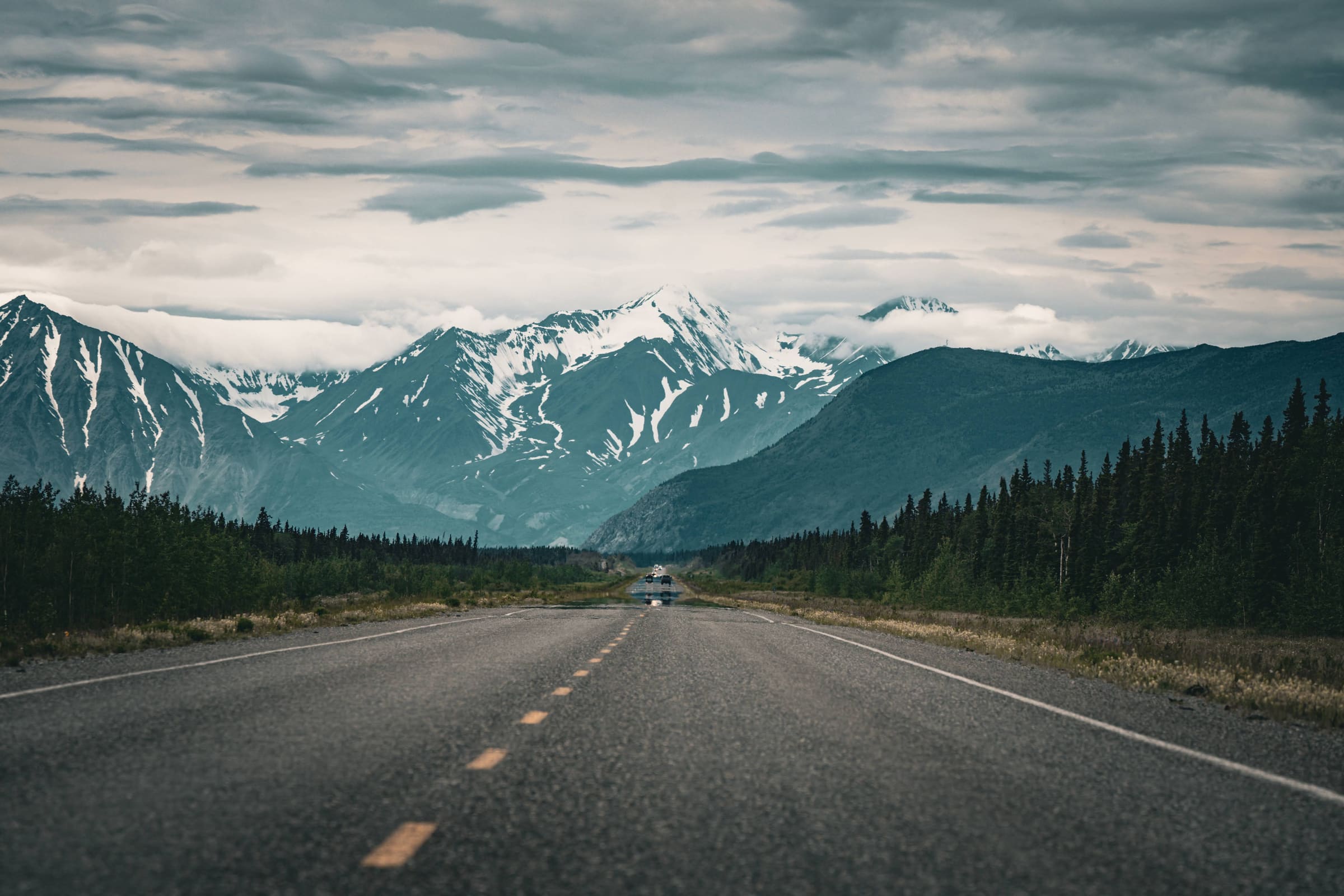
Your day begins by leaving Anchorage via the Glenn Highway (Alaska Route 1). As you cross the Knik River bridges, the Chugach Mountains rise dramatically to your right. The drive itself is a destination. As the highway begins to wind alongside the Matanuska River, it offers sweeping views of the braided riverbed and the towering peaks of the Chugach range.
We recommend leaving Anchorage no later than 7:30 AM. This early start ensures you beat the heavy RV traffic and arrive at the glacier in time for a morning ice trek. The morning light hitting the Matanuska River valley also provides some of the best photography opportunities of your entire trip.
Stop 1: Trekking the Matanuska Glacier
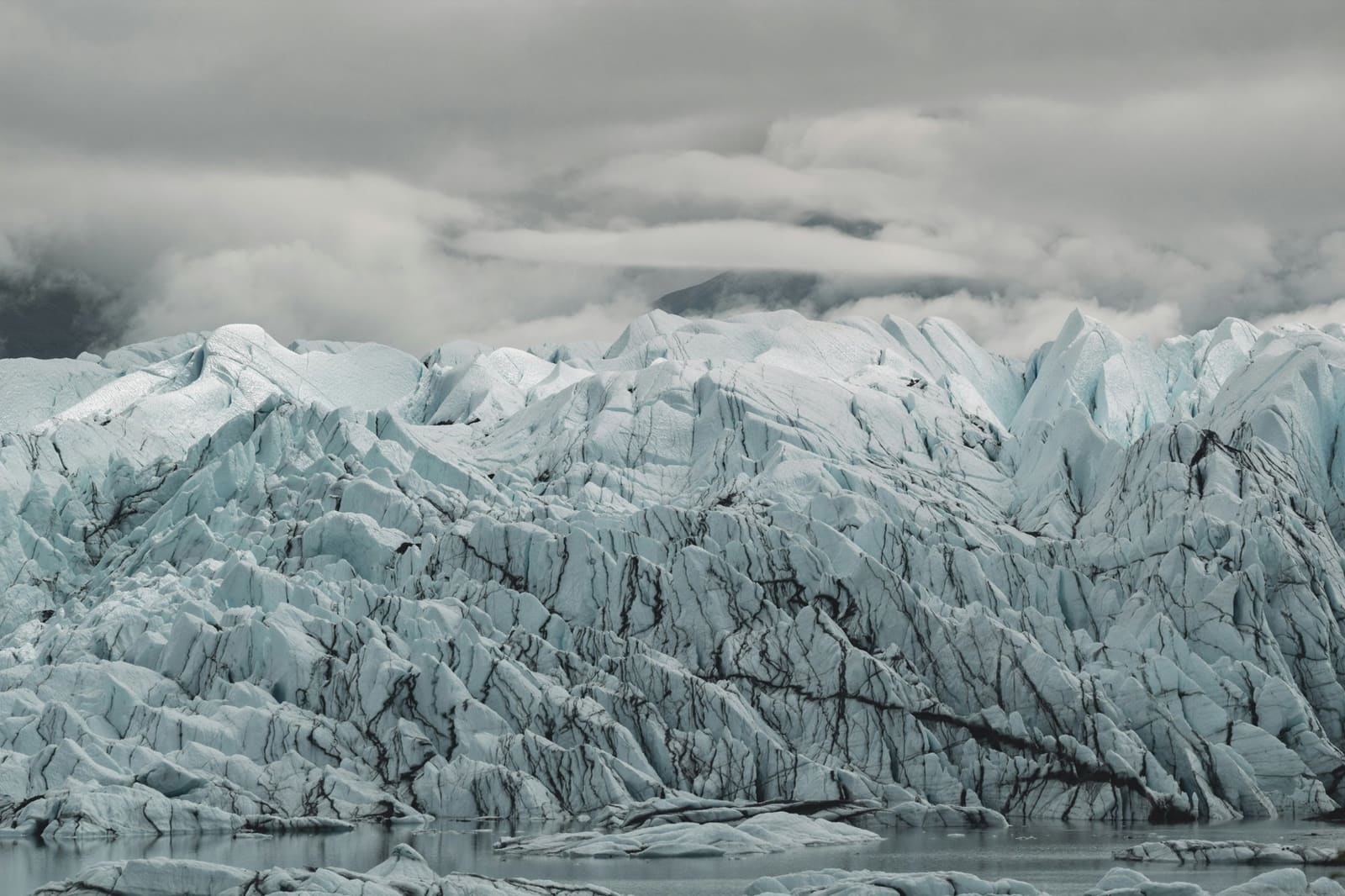
Located along the Glenn Highway, the Matanuska Glacier is widely considered the largest road-accessible glacier in the United States. It is a massive valley glacier, measuring dozens of miles long and several miles wide at its terminus. Because of local weather patterns, the glacier sits in a unique "weather hole," meaning it often enjoys sunny, clear skies even when Anchorage and Palmer are overcast.
2026 Access and Tour Requirements
It is crucial to understand the access rules. The most direct and safe access to the glacier terminus is through private land. Because of this, unguided access is strictly prohibited for safety and liability reasons. You must book a guided tour to walk on the ice. According to Alaska.org's Matanuska Glacier overview, the glacier is highly active, and trained guides are necessary to navigate the shifting crevasses, moulins, and blue ice pools safely.
Tours typically last between 2 to 2.5 hours. Your guides will provide microspikes or crampons, as well as helmets. You will learn about glaciology, the history of the Matanuska Valley, and have the chance to drink pure, ancient glacier water straight from a melt stream.
What to Wear on the Ice
Even in the peak of the 2026 summer, the ambient temperature drops significantly once you step onto the ice. A common mistake travelers make is wearing standard summer hiking gear. You will need layers. Start with a moisture-wicking base layer, add an insulating fleece, and top it with a windproof shell. Sunglasses are mandatory to prevent snow blindness from the glare of the ice. For a complete breakdown of what to bring, review our comprehensive Alaska road trip packing list.
Lunch Stop: Refueling in Palmer
After your glacier trek, you will drive back west on the Glenn Highway toward the agricultural hub of Palmer. Palmer is famous for its giant vegetables, a result of the midnight sun during the Alaskan summer. Arriving in Palmer around 1:30 PM gives you the perfect window to grab lunch. The downtown area boasts several excellent local breweries, cafes, and food trucks. Refueling here is essential, as food options become virtually nonexistent once you begin your ascent into Hatcher Pass.
Stop 2: Ascending Hatcher Pass
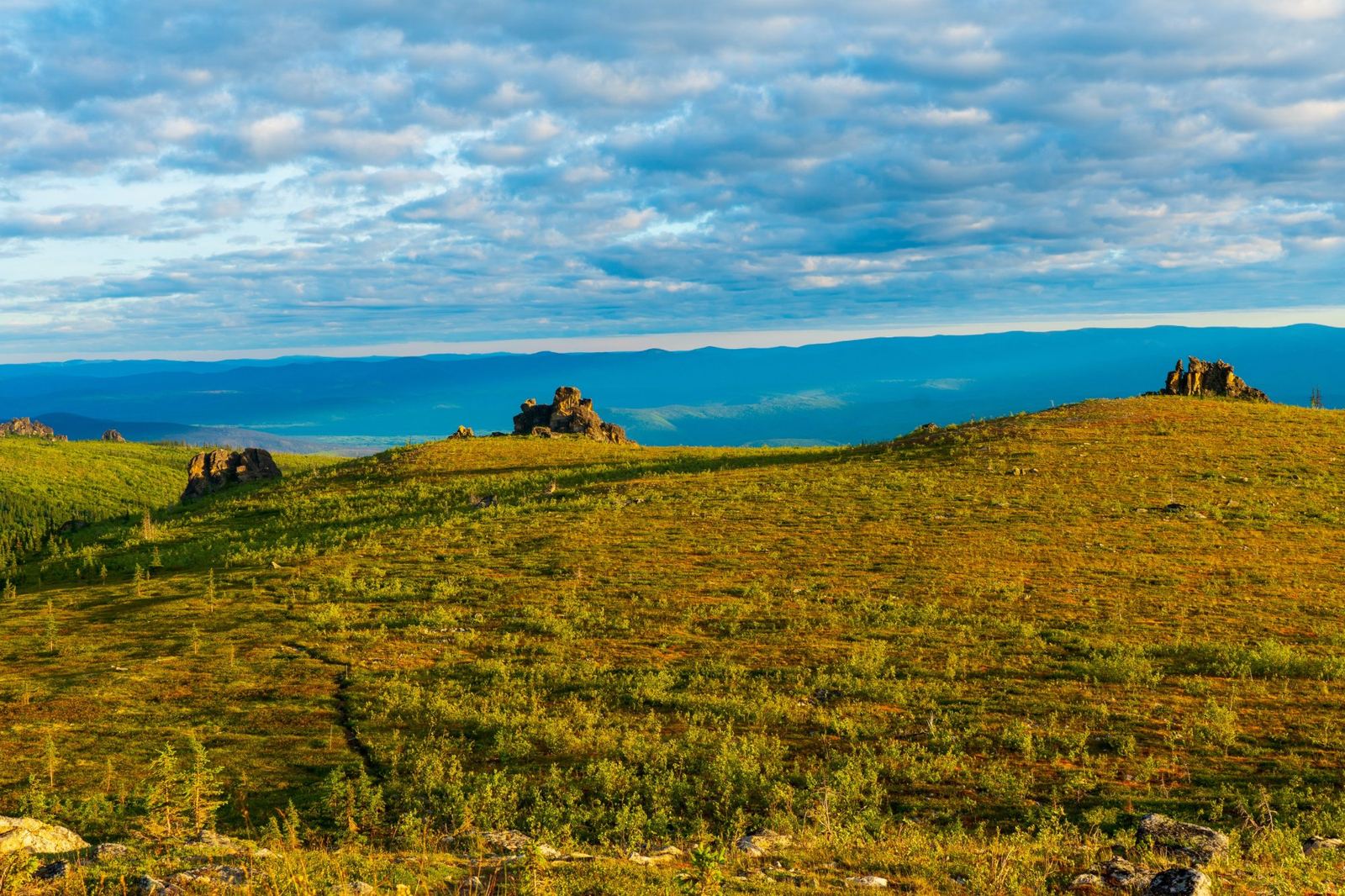
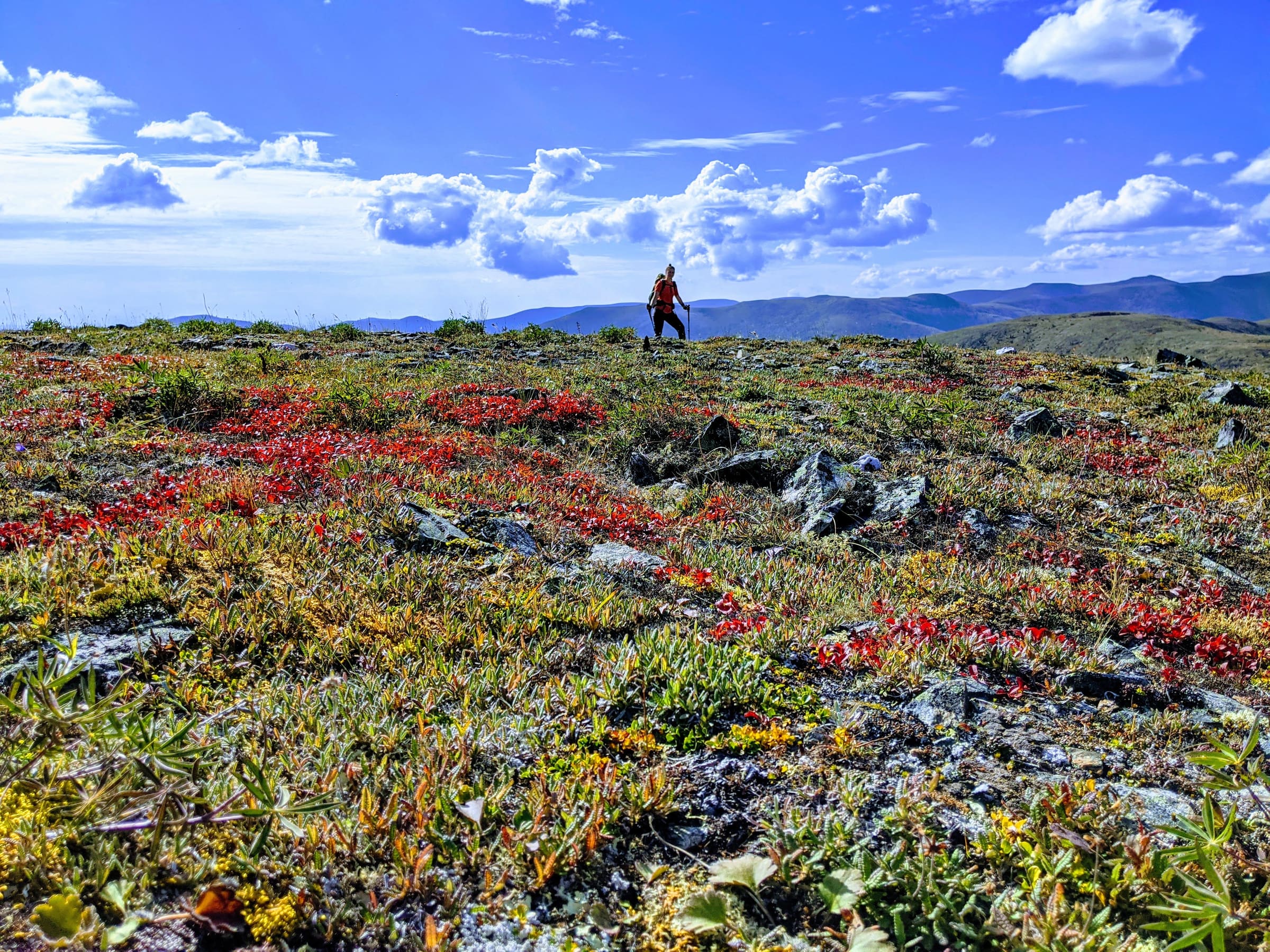
With lunch complete, it's time for the second half of our matanuska glacier hatcher pass guide. From Palmer, you will turn onto the Palmer-Fishhook Road, which winds its way up into the Talkeetna Mountains. The transition in scenery is abrupt and breathtaking. You leave the forested, agricultural valley behind and enter a dramatic alpine tundra characterized by jagged granite peaks, rolling green meadows, and cascading waterfalls.
Hatcher Pass sits at an elevation of nearly 4,000 feet. The drive up the Palmer side is paved and features several pull-offs where you can photograph the Little Susitna River tumbling through the gorge below.
Exploring Independence Mine State Historical Park
Near the summit of the pass lies the Independence Mine State Historical Park. In the late 1930s and early 1940s, this was a booming gold mining camp. Today, it is a fascinating ghost town preserved by the state. You can wander among the decaying bunkhouses, the old assay office, and the mill ruins.
The state maintains the site, and based on Alaska.org's guide to Independence Mine, the visitor center and museum typically open daily from mid-June through Labor Day. Even if you arrive after hours, the trails weaving through the ruins remain open and offer spectacular views of the surrounding alpine bowl. Keep an eye out for hoary marmots and arctic ground squirrels darting among the rocks.
Driving Logistics and Vehicle Choices
Any reliable matanuska glacier hatcher pass guide must address road conditions. The route described above—from Anchorage to Matanuska, back to Palmer, up to Independence Mine, and back down to Anchorage—is entirely paved (with the exception of the short private gravel road leading to the glacier parking lot).
However, if you plan to drive over Hatcher Pass and descend the Willow side to connect with the Parks Highway, be aware that the road turns into steep, winding gravel. This section is typically closed by snow until early July. Before attempting the Willow side, always check current road statuses via the Alaska 511 traveler information system. Furthermore, if you are driving a rented motorhome, many rental contracts prohibit driving on the unpaved Willow side of Hatcher Pass. If you are debating what type of vehicle to rent for your vacation, check out our guide on choosing between an RV vs car in Alaska.
For those continuing their journey northward after this day trip, Hatcher Pass serves as a phenomenal scenic detour when driving from Anchorage to Denali.
Frequently Asked Questions
Can I do both Matanuska Glacier and Hatcher Pass in one day?
Yes, absolutely. The entire loop from Anchorage, including a 2.5-hour glacier tour and a 1.5-hour stop at Independence Mine, takes roughly a full day (around 9 to 10 hours). Because Alaska experiences nearly 24 hours of daylight in the peak summer of 2026, you won't have to worry about driving in the dark, even if you head back to Anchorage late in the evening.
Do I need to book my Matanuska Glacier tour in advance?
Yes. Because guided access is required and summer demand is high, walk-up availability is extremely rare during June, July, and August. We highly recommend booking your guided ice trek at least two to three months in advance to secure your preferred morning time slot.
Is Hatcher Pass open year-round?
The Palmer side of Hatcher Pass (leading up to Independence Mine) is maintained year-round, though winter travel requires appropriate snow tires and caution. However, the road that continues over the summit to the Willow side is strictly seasonal and is completely buried in snow from October until late June or early July.
Are there bears at Hatcher Pass or Matanuska Glacier?
While bears are present throughout Alaska, they are rarely seen on the open ice of the Matanuska Glacier. At Hatcher Pass, black and brown bears do inhabit the alpine tundra, particularly when berries ripen in late August. According to the Alaska Department of Fish and Game, visitors should always practice standard wildlife safety, make noise on the trails, and carry bear spray.
Conclusion
Combining the ancient, creeping ice of the Matanuska Valley with the soaring, historic peaks of the Talkeetna Mountains creates an itinerary that is hard to beat. We hope this matanuska glacier hatcher pass guide has provided you with the actionable insights needed to execute this perfect Anchorage day trip. By managing your time well, booking your glacier tour in advance, and preparing for shifting alpine weather, you are guaranteed an unforgettable Alaskan adventure. If you are ready to map out the rest of your 2026 vacation, let us help you plan your Alaska trip today.
See a real Alaska itinerary before you spend a dollar
A real 3-day plan with driving times, lodging picks, and a daylight chart — free, in your inbox.
One email. No spam. Unsubscribe anytime. Or view it right now — no email needed ↗
Ready for the full plan? Get your custom itinerary — from $197 · 5-day delivery →