The Ultimate Alaska Rental Dilemma: RV vs. Truck Camper vs. SUV
When planning your dream vacation to the Last Frontier, one of the most critical decisions you will make is choosing your vehicle. The debate of rv vs truck camper alaska is a common one, and for good reason. Many travelers default to booking a large Class C motorhome, imagining effortless scenic stops and cozy nights by the campfire. However, once they hit the road, reality sets in. They may quickly realize they cannot easily maneuver a giant rig into secluded campsites, squeeze into tight scenic pullouts along the Turnagain Arm, or navigate rugged gravel highways.
Choosing the wrong vehicle can limit your Alaskan adventure. In this comprehensive guide, we will break down the pros, cons, and specific use cases for the three most popular road trip options: the traditional RV (motorhome), the agile truck camper, and the classic SUV-and-hotel combination. By understanding the nuances of an rv vs truck camper alaska rental, you can select the perfect vehicle for your specific itinerary, driving comfort, and budget for the 2026 travel season.
Option 1: The Traditional RV (Class C or Class B Motorhome)
The traditional motorhome is the classic symbol of the American road trip. In Alaska, Class C motorhomes (often ranging from 20 to 32 feet) are a common sight on the highways. They offer a self-contained home on wheels, complete with a kitchen, bathroom, dining area, and multiple sleeping berths.
The Pros of a Traditional RV
- Unmatched Comfort and Space: If you are traveling with family or a group, a Class C RV provides plenty of room to spread out. You have a permanent living space, a full kitchen, and a private bathroom.
- Convenience of a Self-Contained Unit: You do not need to pack and unpack your bags at every stop. Your clothes, food, and gear remain in one place throughout your entire journey.
- Weather Protection: Alaska's weather can be unpredictable, even during the peak of Alaska in summer. Having a spacious, heated indoor area to retreat to during a rainy day is a massive luxury.
The Cons of a Traditional RV
- Maneuverability Challenges: Driving a large rig on narrow, winding roads can be stressful. Parking in crowded towns like Seward or on the Homer Spit can be challenging, and many scenic pullouts are too small or steep for a large motorhome.
- Strict Road Restrictions: Most standard RV rental companies strictly prohibit driving on unpaved roads. This means iconic routes like the Denali Highway, the McCarthy Road, and the Dalton Highway are typically off-limits.
- High Fuel Costs: Large motorhomes are typically fuel-inefficient, often averaging low single-digit mileage depending on the load and terrain. With Alaska's historically high fuel prices, this can add up quickly over a long journey.
Option 2: The Truck Camper (4x4 Adventure Rig)
A truck camper consists of a camper unit mounted onto the bed of a heavy-duty pickup truck (usually a Ford F-250 or F-350). When comparing an rv vs truck camper alaska experience, size and capability are the most immediate differentiators. The truck camper has surged in popularity among travelers who want the freedom of an RV without the physical limitations.
The Pros of a Truck Camper
- Go-Anywhere Capability: Most truck campers are built on 4x4 truck chassis. This gives you the high clearance and traction needed to safely navigate gravel roads and steep terrain. If you want to explore off-the-beaten-path destinations, a 4WD Alaska road trip is highly recommended.
- Easy Maneuverability and Parking: A truck camper is generally much easier to maneuver than a large motorhome, making it simpler to navigate standard streets, park in standard spaces, and access campsites that might be challenging or impossible for a larger RV.
- Access to Rugged Highways: Many specialty truck camper rental agencies permit driving on gravel highways, opening up incredible routes like the Top of the World Highway or the Denali Highway.
The Cons of a Truck Camper
- Limited Living Space: The interior of a truck camper is compact. It is ideal for solo travelers or couples, but it quickly becomes cramped if you are traveling with children or a larger group.
- Smaller Holding Tanks: The freshwater, greywater, and blackwater tanks are significantly smaller than those in a Class C RV. This means you will need to dump and refill your tanks more frequently.
- The "Over-Cab" Bed: Most truck campers feature a cab-over bed design, which requires climbing a small ladder or steps to get into bed. This may not be suitable for travelers with mobility issues.
Option 3: The SUV + Lodging (or Rooftop Tent) Combo
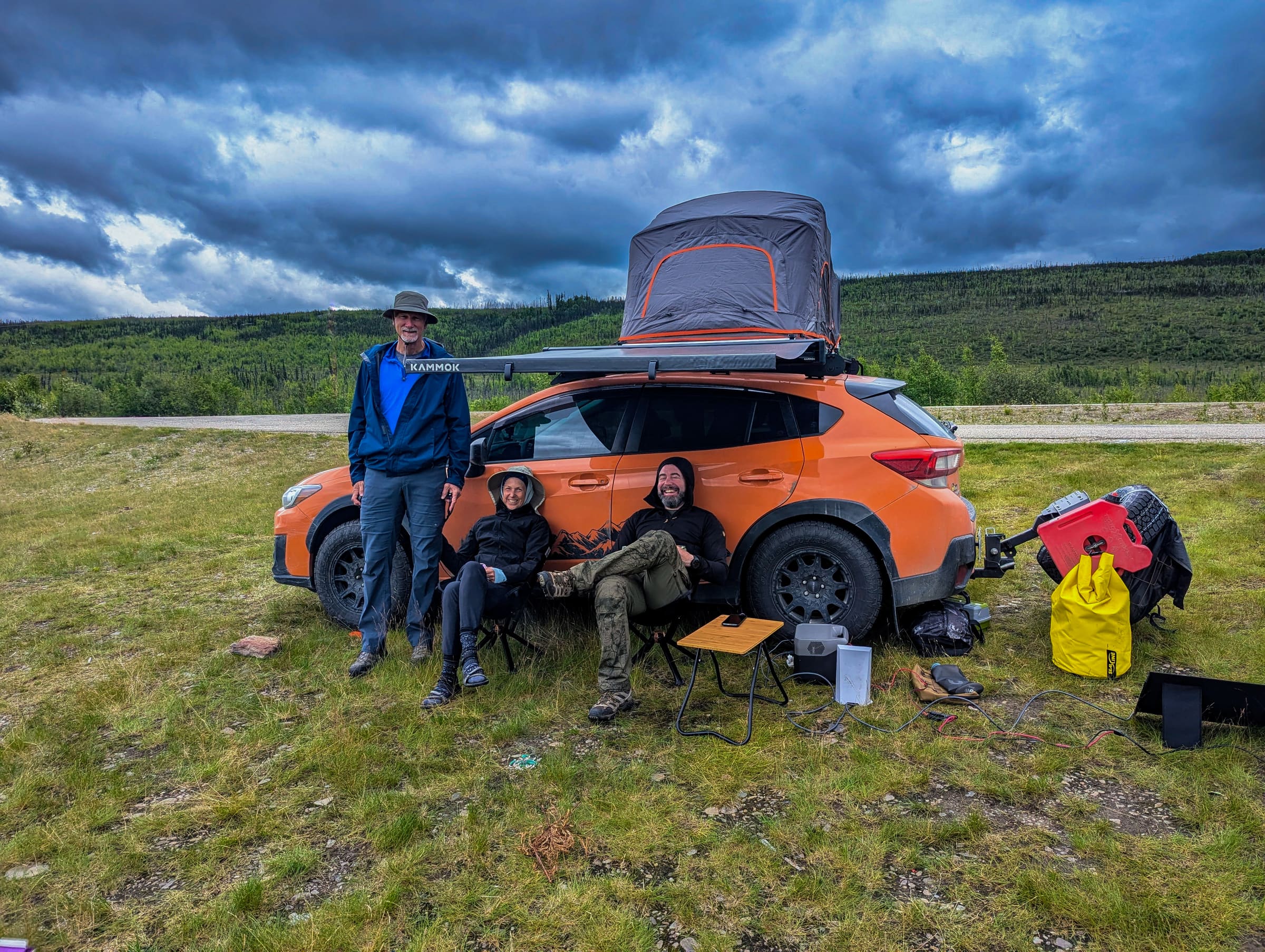
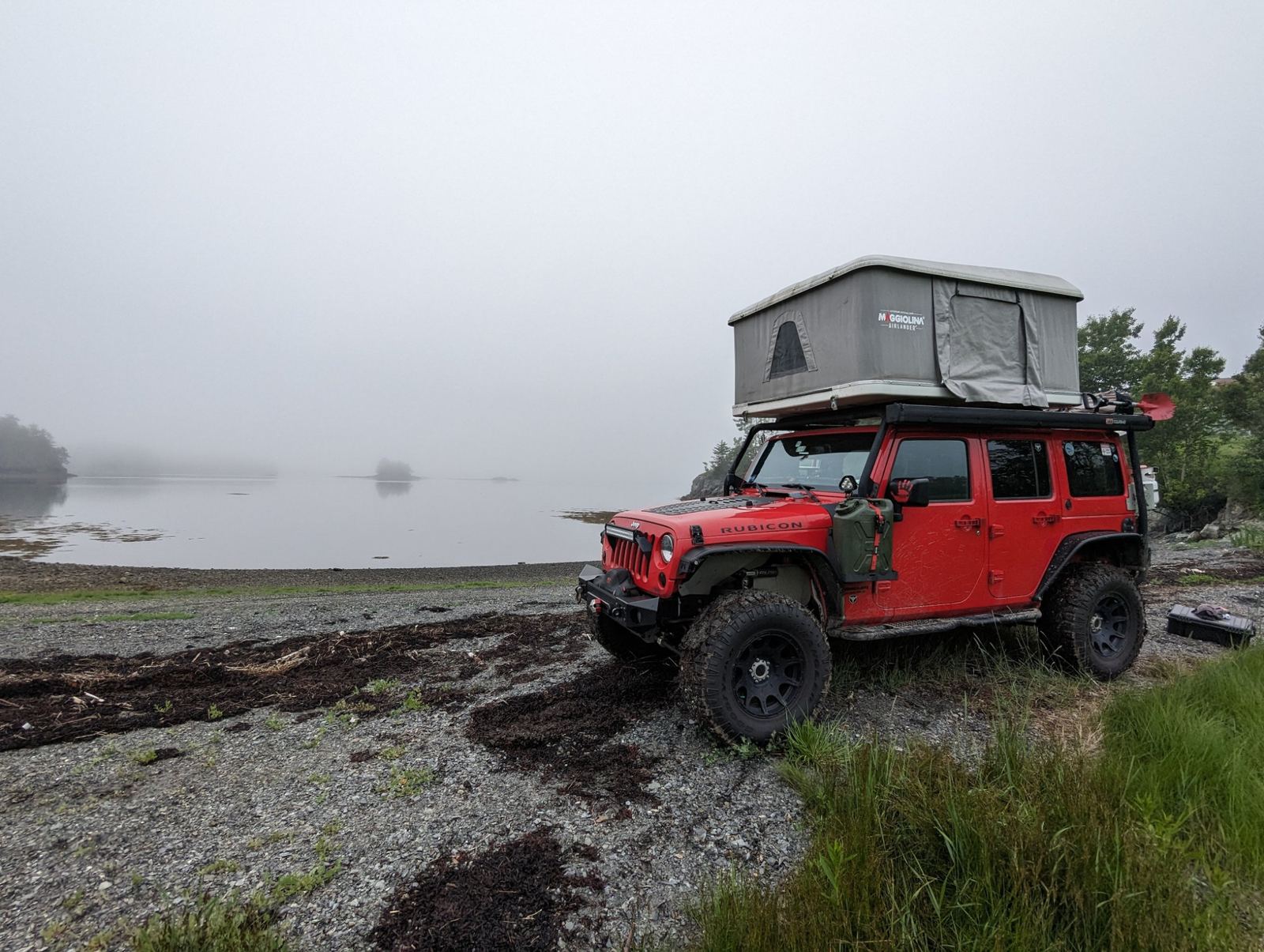
For many travelers, the best way to experience Alaska is not by camping at all, but by renting a standard or large SUV and booking local hotels, lodges, or cabins along the way. Alternatively, some opt for an SUV equipped with a high-quality rooftop tent.
The Pros of an SUV and Lodging
- Ultimate Driving Comfort: Driving an SUV is just like driving your personal vehicle at home. You can easily maintain highway speeds, park anywhere, and navigate winding mountain passes with ease.
- Superior Fuel Efficiency: An SUV typically offers significantly better fuel mileage than a large motorhome, helping to reduce overall fuel costs at the pump.
- Access to Premium Comfort: Instead of sleeping in a compact camper, you can enjoy the comfort of a real bed, a hot shower with endless water, and local hospitality at Alaska's unique lodges.
The Cons of an SUV and Lodging
- Rigid Itinerary Planning: Alaska's tourism boom means that accommodations book out up to a year in advance. If you choose this route, you must secure your lodging early. You can check current availability using the Alaska lodging availability tool on Alaska Road Trip to ensure you don't get stranded.
- Constant Packing and Unpacking: Moving to a new hotel every night or two means you are constantly packing and unpacking your suitcases.
- Higher Peak-Season Costs: During the peak summer months of 2026, hotel rates in popular hubs like Denali, Seward, and Talkeetna can rise significantly, sometimes making this option more expensive than an RV rental.
Route-by-Route Matchups: Which Vehicle Rules Which Road?
If you are torn between an rv vs truck camper alaska setup, or an SUV, the best way to decide is to look at your planned route. Different vehicles excel on different terrains. Let's look at how these vehicles perform on Alaska's most famous itineraries.
1. The Kenai Peninsula Loop
The Kenai Peninsula loop itinerary is a classic route that takes you from Anchorage down to Seward and Homer. This route is fully paved, but it features steep mountain passes, winding coastal roads, and highly congested tourist hubs.
The Verdict: The SUV + Lodging or Truck Camper wins here. While a large RV can easily drive the paved Seward Highway, finding parking at popular trailheads (like the Exit Glacier area) or securing a spot on the Homer Spit can be stressful in a large motorhome. A truck camper or SUV allows you to quickly pivot, grab tight parking spots, and explore narrow side roads.
2. The 7-Day Classic (Anchorage to Denali)
If you only have a week to explore, you will likely focus on the classic corridor between Anchorage, Talkeetna, and Denali National Park. This is a highly developed, fully paved route.
The Verdict: The SUV + Lodging combo is the clear winner for a quick 7-day Alaska road trip. With limited time, you do not want to waste precious hours dumping RV holding tanks, setting up camp, or driving slowly. An SUV allows you to travel efficiently between destinations, maximizing your sightseeing time.
3. The Rugged Gravel Highways (Denali Highway & Dalton Highway)
If your dream is to drive the legendary Denali Highway—a scenic, mostly unpaved road offering spectacular views of the Alaska Range—or to venture north toward the Arctic Circle on the Dalton Highway, your vehicle choice is restricted by rental policies.
The Verdict: The Truck Camper is the undisputed king of the gravel. Most standard RV rental companies explicitly prohibit driving on these roads, and standard car rental agencies will void your insurance if you take an SUV on them. Specialty 4x4 truck camper rentals are specifically designed and insured for these rugged, unpaved highways, allowing you to experience true Alaskan wilderness safely.
RV vs. Truck Camper vs. SUV: Head-to-Head Comparison
To help you visualize the tradeoffs, let's compare these three options across key decision criteria:
| Criteria | Class C RV | Truck Camper (4x4) | SUV + Lodging |
|---|---|---|---|
| Maneuverability | Poor (Difficult to park/turn) | Excellent (Fits in standard spaces) | Excellent (Standard driving) |
| Gravel Road Access | Strictly Prohibited | Allowed (by specialty rental companies) | Prohibited (by standard rental companies) |
| Fuel Economy | Low | Moderate | High |
| Living Space | Spacious (Best for families) | Compact (Best for 1-2 people) | N/A (Hotel-dependent) |
| Booking Flexibility | Moderate (Must book campsites) | High (Can access remote BLM land) | Low (Hotels book out a year in advance) |
Crucial Caveats and Implementation Details for 2026
Before you make your final choice, there are several practical realities of traveling in Alaska that you must keep in mind:
- Campground Length Restrictions: Many of the best campgrounds in Alaska's state and national parks were built decades ago and cannot accommodate modern, large RVs. For example, according to the National Park Service Denali Campground Guide, campgrounds that accommodate RVs have a strict maximum length limit of 40 feet. A truck camper easily bypasses these restrictions.
- Road Conditions and Construction: Alaska's roads take a beating from harsh winters. Summer is road construction season. You can expect gravel breaks, potholes, and pilot cars on major highways. Check the Alaska Department of Transportation 511 System for real-time road conditions before heading out.
- Boondocking and Public Lands: If you choose a truck camper, you have the unique advantage of being able to camp on certain public lands managed by the Bureau of Land Management (BLM). Review the BLM Alaska Recreation Guidelines to understand where dispersed camping is permitted and how to practice Leave No Trace principles.
Frequently Asked Questions
Can I drive a standard rental RV on gravel roads in Alaska?
No. Almost all major, mainstream RV rental companies in Alaska strictly prohibit driving on unpaved roads, including the Denali Highway, McCarthy Road, Dalton Highway, and Top of the World Highway. Doing so voids your insurance coverage and can result in financial penalties if the vehicle is damaged. If you want to drive these roads in a camper, you must rent a specialized 4x4 truck camper from an agency that explicitly permits gravel road travel.
Is it easy to find campsites for a truck camper vs. a large RV?
Yes, it is significantly easier to find campsites for a truck camper. Because a truck camper has a compact footprint, it can fit into almost any standard campsite, including smaller, more scenic tent-only or rustic sites in state parks. Large RVs require wide, flat sites with ample clearance, which are limited in number and book out many months in advance.
How does the fuel economy compare for an rv vs truck camper alaska rental?
Fuel economy is a major cost factor on an Alaskan road trip. A standard Class C motorhome typically gets lower fuel mileage, often under 10 miles per gallon (MPG) depending on the vehicle size and load. A truck camper, being more compact, generally averages slightly better mileage. An SUV is typically the most fuel-efficient option among the three. Over a long road trip, these differences can translate to noticeable fuel savings.
Do I need a 4WD vehicle for a standard Alaska itinerary?
If you plan to stick strictly to the main paved highways—such as the Glenn Highway, Parks Highway, and Seward Highway—you do not need a 4WD vehicle. A standard front-wheel-drive car or RV is perfectly fine. However, if you want to explore unpaved scenic routes, access remote trailheads, or feel more secure during sudden summer rainstorms on gravel roads, a 4WD truck camper or SUV is highly recommended.
The Verdict: Which Rental is Best for You?
Ultimately, the rv vs truck camper alaska decision comes down to your travel style, group size, and itinerary. If you are traveling with a family, value interior space, and plan to stick to paved roads, a traditional Class C RV is an excellent choice. If you are a solo traveler or a couple seeking adventure, want the freedom to explore rugged gravel highways, and prefer easy parking, the truck camper is the ultimate Alaskan exploration vehicle. If you prefer the speed of a standard vehicle and the comfort of a real bed at night, opt for an SUV and local lodging.
No matter which vehicle you choose, planning your route in advance is the key to a successful trip. For a deeper dive into the logistics of driving in the Last Frontier, check out our comprehensive RV vs. car in Alaska comparison. Ready to start mapping out your adventure? Let us help you design the perfect trip with our expert Alaska road trip planner today!

See a real Alaska itinerary before you spend a dollar
A real 3-day plan with driving times, lodging picks, and a daylight chart — free, in your inbox.
One email. No spam. Unsubscribe anytime. Or view it right now — no email needed ↗
Ready for the full plan? Get your custom itinerary — from $197 · 5-day delivery →