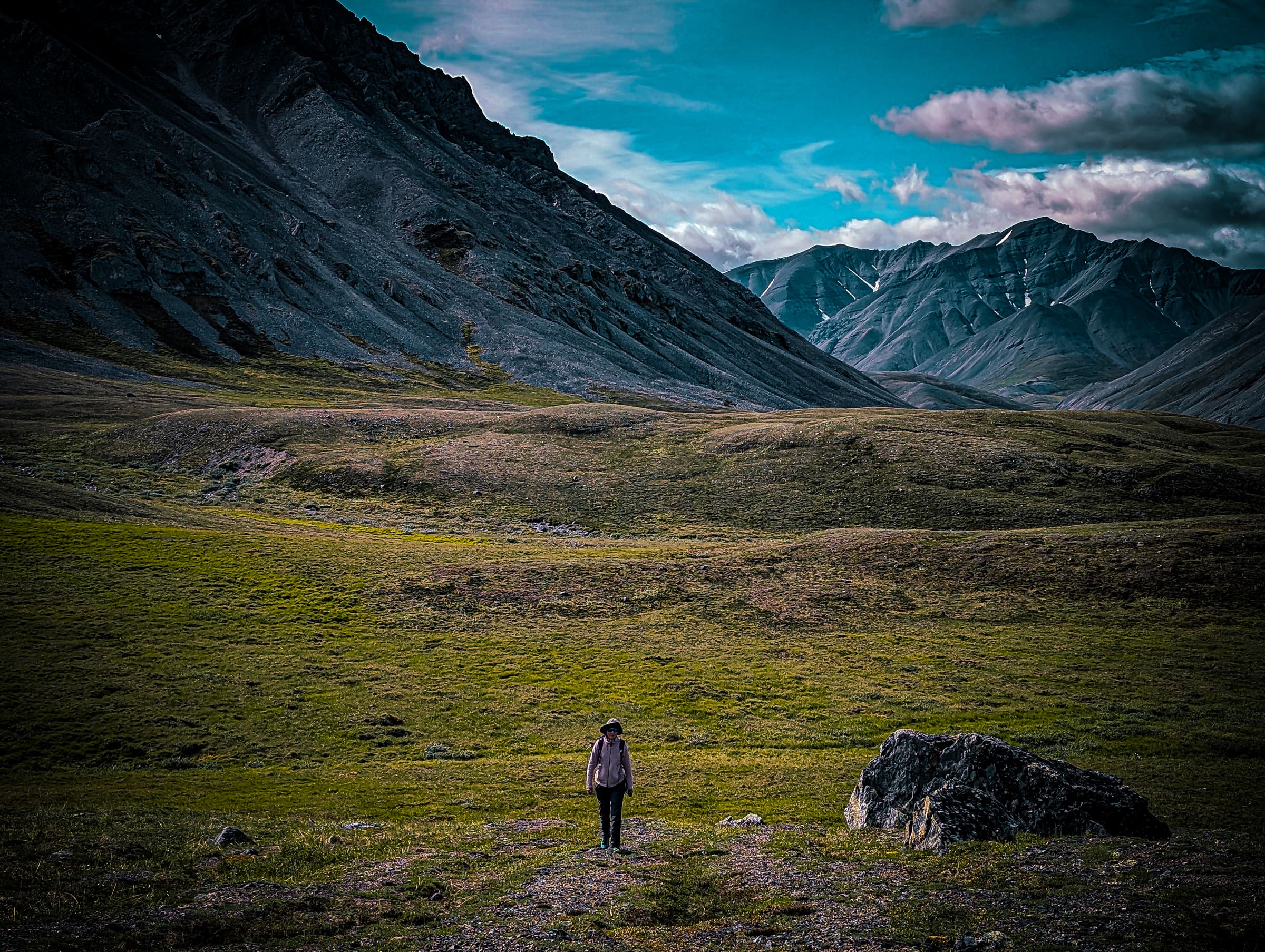
Planning an Alaska adventure often conjures images of vast landscapes, abundant wildlife, and endless horizons. Many first-time visitors, eager to see it all, fall into the trap of the whirlwind “10-day Alaska loop” – a frantic dash across the state, ticking off major landmarks but rarely truly experiencing them. While ambitious, this approach often leaves travelers exhausted, rushed, and with a superficial understanding of Alaska’s immense beauty. What if there was a better way to craft your Alaska travel itinerary, one that prioritizes immersion over mileage, and relaxation over relentless driving?
At Alaska Road Trip, we champion the philosophy of slow travel, particularly through the strategy of base-camping. Imagine spending a full week exploring a single, magnificent region – like the Kenai Peninsula – from a comfortable central hub. This isn't just a vacation; it's a deep dive. It's about savoring moments, discovering hidden gems, and truly connecting with the spirit of the Last Frontier. In 2026, as more travelers seek authentic and sustainable experiences, embracing a base-camp approach is the key to unlocking the Alaska you truly dream of. Source: Tourismcares source.
The Myth of the "10-Day Alaska Loop": A Race, Not a Vacation
The conventional wisdom for an Alaska road trip often involves a sprawling itinerary designed to cover as much ground as possible in a limited timeframe. Typically, this means a loop from Anchorage, hitting Denali National Park, Fairbanks, and then heading south through Valdez or the Kenai Peninsula, all within 10 to 14 days. On paper, it sounds impressive – a grand tour of Alaska's highlights. In reality, it often becomes a grueling race against the clock.
The Allure and the Reality
The allure of the 10-day loop is understandable: the desire to see Denali's towering peak, witness glaciers calving into the sea, and spot iconic wildlife like bears and moose. However, Alaska is vast. Driving distances are immense, and the sheer scale of the landscape means that what looks like a short hop on a map can easily translate into a full day of driving. For instance, the drive from Anchorage to Denali National Park is roughly 4-5 hours without stops, a distance easily verifiable via Google Maps: Anchorage to Denali. Add in photo opportunities, fuel stops, and potential road construction (a common occurrence during Alaska's short summer season), and your travel days quickly become consumed by the road.
This constant movement means less time for actual exploration. You might arrive at a destination late in the day, rush through a quick activity, and then be packing up again the next morning. The rhythm of travel becomes dictated by check-in and check-out times, rather than by the natural flow of discovery. Instead of hiking a scenic trail, you're checking your watch. Instead of lingering at a wildlife viewing spot, you're calculating your arrival time at the next hotel. It transforms a potential adventure into a logistical challenge, diminishing the very joy of travel.
Hidden Costs of Constant Movement
Beyond the mental and physical fatigue, the 10-day loop often comes with hidden financial costs. Constantly changing accommodations means booking multiple hotels, often at peak season rates, which can quickly inflate your Alaska road trip cost. Each new location might require different activity bookings, often with less flexibility for last-minute changes or cancellations. Furthermore, the constant driving translates directly into higher fuel consumption, a significant factor given Alaska's fuel prices, which can be higher in remote areas. You might also find yourself eating out more frequently due to the lack of a consistent base with kitchen access, adding another layer to your expenses.
The biggest hidden cost, however, is the lost opportunity for genuine experience. When you're often moving, the constant pressure to reach the next destination can mean missing the chance to revisit a favorite spot, discover a local eatery off the beaten path, or simply relax and soak in the Alaskan atmosphere, a common sentiment among travelers seeking deeper engagement.
Embracing Slow Travel: The Base-Camping Advantage
In contrast to the hurried loop, slow travel, particularly through a base-camping strategy, offers a profound shift in how you experience Alaska. Instead of racing across the state, you choose one or two regions and dedicate significant time to exploring them thoroughly. This approach isn't about doing less; it's about experiencing more deeply.
Deeper Immersion, Richer Experiences
When you establish a base camp, whether it's a cabin, an RV park, or a lodge, you gain the luxury of time. This allows for genuine immersion. You can spend an entire day kayaking through a fjord, knowing you don't have to rush back to pack. You can revisit a hiking trail at different times of day, perhaps catching a sunrise or sunset that you would have missed otherwise. This depth of exploration leads to richer memories and a more profound connection with the landscape and its inhabitants.
Imagine waking up in the same comfortable spot for several mornings, enjoying a leisurely breakfast, and then heading out for a day's adventure. You return to a familiar place, perhaps cook your own meal, and unwind without the stress of navigating to a new town or unpacking yet again. This rhythm allows for true relaxation, which is, after all, a primary goal of any vacation.
Unpacking Efficiency: Less Driving, More Doing
The efficiency of base-camping might seem counterintuitive at first, but it's undeniable. While you might drive the same roads multiple times for day trips, these drives are typically shorter and more focused than the long-haul legs of a multi-stop loop. You're not constantly packing and unpacking, checking in and out of accommodations, or spending precious vacation hours searching for new restaurants or grocery stores in unfamiliar towns. This frees up significant time and energy.
Consider a week-long stay on the Kenai Peninsula. From a central base in Seward or Homer, you can easily access world-class fishing charters, glacier cruises, wildlife viewing opportunities, and numerous hiking trails. Each day trip is a focused excursion, allowing you to maximize your time doing activities rather than simply traveling between them. This approach also reduces decision fatigue, as your daily planning revolves around activities within a known radius, rather than entirely new logistical challenges each day.
Flexibility and Serendipity
Alaska's weather is famously unpredictable. A base-camp strategy offers unparalleled flexibility to adapt to changing conditions. If a planned glacier cruise is canceled due to high winds, you have the luxury of pivoting to a different activity nearby, like a museum visit, a scenic drive, or a different hike, without disrupting your entire itinerary. You're not locked into a rigid schedule that demands you move on regardless of the weather or your personal preferences.
This flexibility also opens the door to serendipitous discoveries. You might strike up a conversation with a local who recommends a hidden viewpoint or a lesser-known trail. With a base camp, you have the time and freedom to follow these spontaneous leads, potentially uncovering unique experiences that a rushed itinerary might otherwise overlook.
Crafting Your Deep-Dive Alaska Travel Itinerary: Regional Focus
The key to a successful base-camping Alaska travel itinerary is selecting the right region for your deep dive. Alaska offers several distinct areas that are perfect for this approach, each with its own unique character and array of activities. Here are a few prime examples:
The Kenai Peninsula: A Base-Camping Paradise
Often called "Alaska's Playground," the Kenai Peninsula is arguably the quintessential base-camping destination. Its diverse landscapes, from rugged mountains and glaciers to pristine coastlines and abundant wildlife, make it ideal for a week-long exploration. A central base in Seward, Homer, or even Cooper Landing allows access to a wealth of activities.
- Seward Base: From Seward, you can embark on unforgettable wildlife and glacier cruises into Kenai Fjords National Park, go sea kayaking, visit the Alaska SeaLife Center, or hike to Exit Glacier. The town itself offers charming shops and excellent seafood.
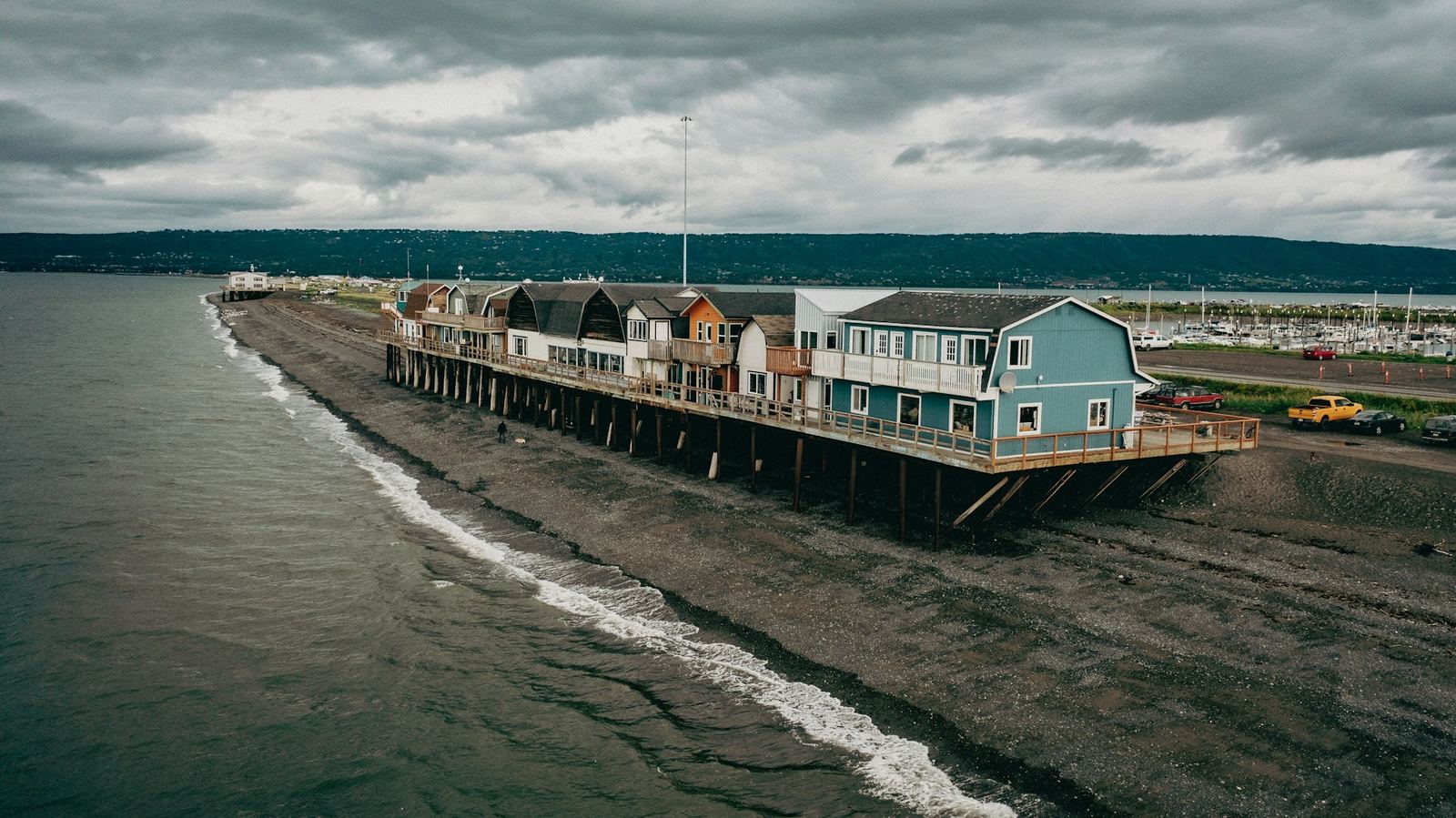
- Homer Base: Homer, at the end of the Homer Spit, is widely recognized as the "Halibut Fishing Capital of the World." Homer Chamber of Commerce: Fishing. Beyond fishing, you can take a water taxi across Kachemak Bay to explore charming Seldovia or the remote Kachemak Bay State Park, enjoy art galleries, or simply soak in the stunning views of the bay and mountains.
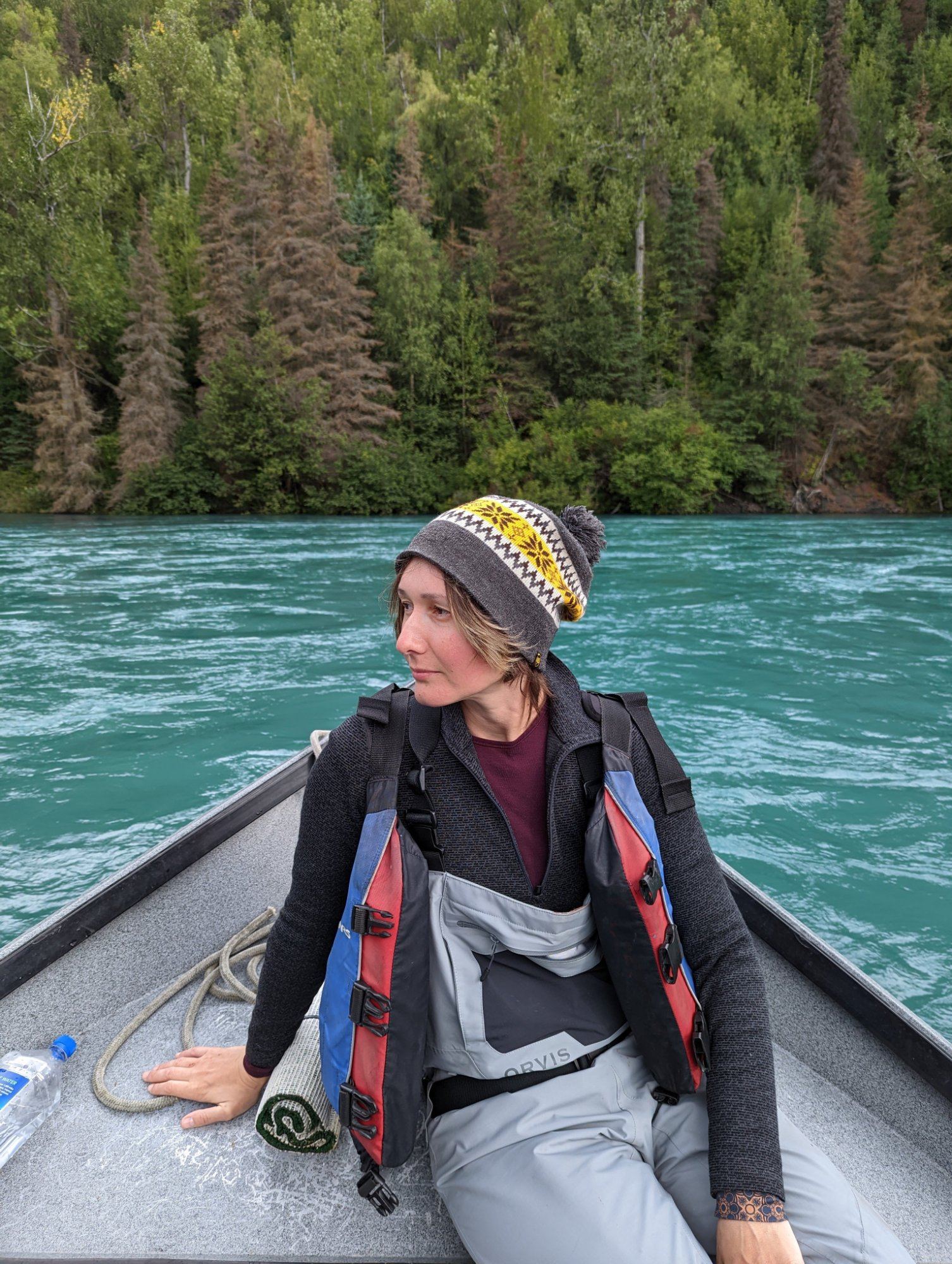
- Cooper Landing Base: Nestled along the Kenai River, Cooper Landing is a prime spot for world-class salmon and trout fishing, rafting, and hiking. It offers a more rustic, wilderness-focused experience.
Exploring the Kenai Peninsula loop from a single base allows you to truly appreciate its varied ecosystems and activities without the constant pressure of moving your lodging.
Mat-Su Valley: Gateway to Wilderness
Just north of Anchorage, the Matanuska-Susitna Valley (Mat-Su Valley) offers a different kind of base-camping experience, focusing on agricultural landscapes, vast wilderness, and stunning mountain views, including Denali on clear days. Palmer or Talkeetna make excellent bases.
- Palmer Base: From Palmer, you can visit the Matanuska Glacier for ice trekking, explore the historic farming community, visit the Alaska State Fairgrounds, or take scenic drives into the Chugach Mountains. It's also a great jumping-off point for exploring Hatcher Pass.
- Talkeetna Base: This quirky, historic town is the base for Denali mountaineering expeditions and offers flightseeing tours around Denali. You can also enjoy riverboat tours, ziplining, and explore the town's unique shops and eateries.
A Mat-Su base allows for a blend of accessible activities and genuine wilderness experiences, often with fewer crowds than more popular destinations.
Interior Alaska: Denali and Beyond (with a base-camp approach)
While Denali National Park is often part of the rushed loop, it can also be approached with a base-camp mentality. Instead of just a quick overnight, consider spending 3-4 nights in the Denali area (outside the park entrance, or within if you secure lodging well in advance). This allows for multiple days of bus tours into the park, hiking, and exploring the various visitor centers and ranger programs.
- Denali Park Entrance Base: Stay in Healy or the park entrance area for several nights. This allows you to take different park bus routes (e.g., to Eielson Visitor Center one day, Wonder Lake another), giving you varied perspectives of the park and increasing your chances of wildlife sightings and clear views of Denali.
- Fairbanks as a Northern Base: If you want to explore further north, Fairbanks can serve as a base for exploring the Arctic Circle (via guided tours), gold mining history, and the University of Alaska Museum of the North.
By dedicating more time to Denali, you move beyond a mere drive-through and truly engage with one of North America's most iconic wilderness areas.
Practicalities of Base-Camping in Alaska
Implementing a base-camp strategy requires a bit of thoughtful planning, but the rewards far outweigh the effort. Here’s what to consider:
Choosing Your Base: Lodging and Logistics
Your choice of base accommodation is crucial. For a true base-camp experience, consider options that offer more than just a bed for the night:
- Cabins or Vacation Rentals: These often come with kitchens, allowing you to save money by cooking some of your meals and providing a home-away-from-home feel. They offer space to spread out and relax.
- RV Parks: If you're traveling by RV, an RV park with hookups provides a stable base. You can use your RV as your primary lodging and take your tow vehicle or rental car for day trips.
- Lodges or Hotels with Amenities: Some lodges offer multi-night packages and amenities like laundry facilities, which are invaluable for longer stays. Look for places with comfortable common areas and perhaps even a restaurant on-site.
When selecting your base, consider its proximity to the activities you prioritize. Is it central enough to minimize driving for your chosen excursions? Does it offer the amenities you need for a comfortable extended stay? We recommend booking your lodging well in advance, especially for peak season 2026, as Alaska lodging availability can be tight.
Packing Smart for a Stationary Adventure
While you're not constantly packing and unpacking, a smart Alaska road trip packing list is still essential. Focus on versatile layers, rain gear, and comfortable footwear suitable for various activities. Since you'll have a consistent base, you can bring a few more creature comforts than you might on a constantly moving trip – perhaps a favorite book, a small cooler for day trip snacks, or even a portable coffee maker if your accommodation doesn't have one. Don't forget essentials like bug spray, sunscreen, and a good camera to capture the stunning landscapes.
Managing Day Trips and Excursions
From your base, plan daily excursions that allow you to return to your accommodation each evening. These might include:
- Guided Tours: Fishing charters, glacier cruises, flightseeing tours, or guided hikes. Book these in advance, especially for popular activities.
- Self-Guided Exploration: Hiking trails, scenic drives, wildlife viewing pull-offs, or visits to local museums and cultural centers.
- Relaxation Days: Don't underestimate the value of a day spent relaxing at your base, reading, enjoying the views, or simply recharging.
Always carry essentials for your day trips: water, snacks, extra layers, rain gear, a first-aid kit, and bear spray if you're hiking in the backcountry. For comprehensive wilderness safety guidelines, consult resources like the National Park Service: Denali Backcountry Safety. Inform someone of your plans if you're heading into remote areas. Source: Google source.
Navigating Alaska's Roads from a Base
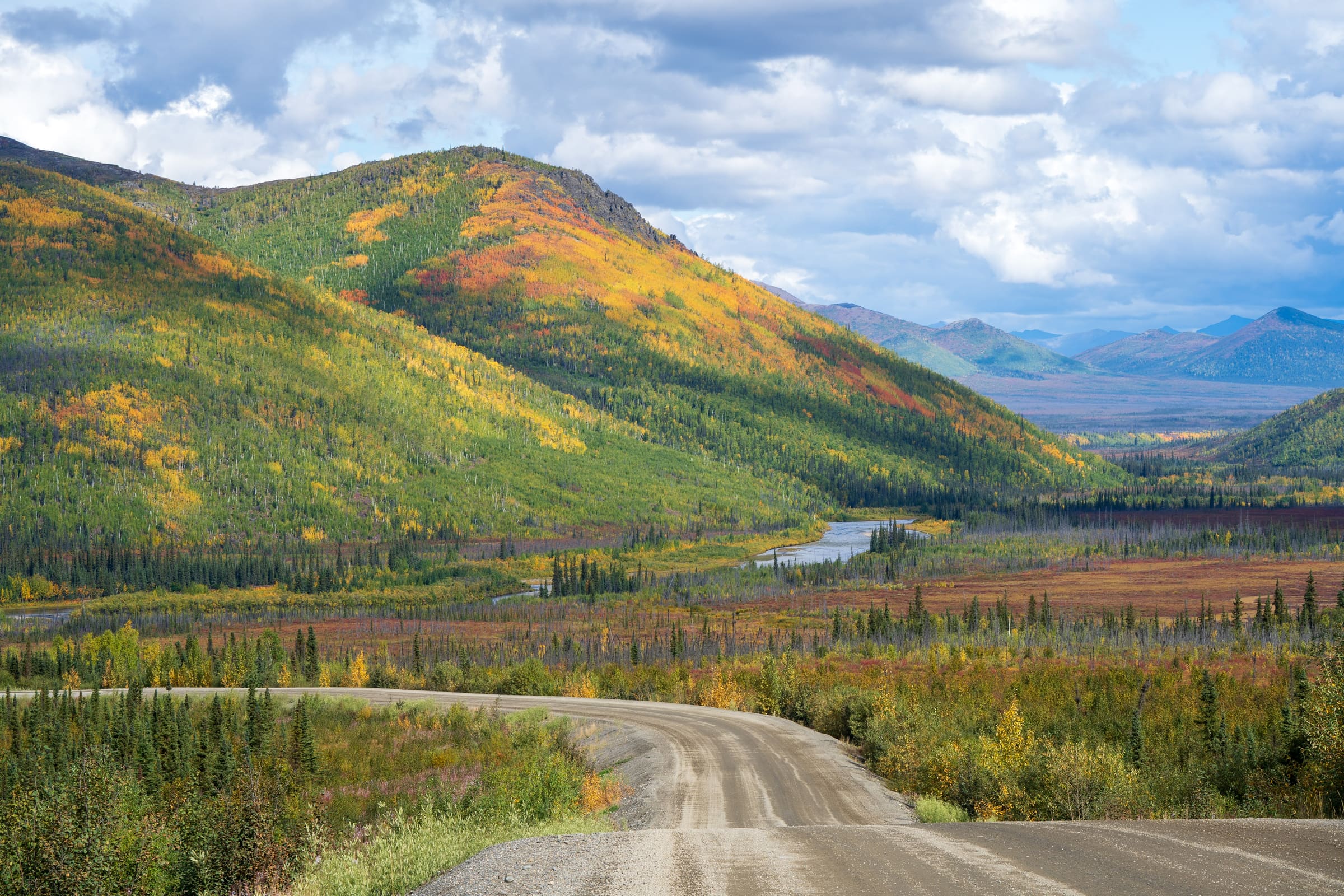
Even with a base camp, you'll be doing some driving. Alaska's roads offer incredible scenery, but they can also be challenging. Be prepared for gravel sections, wildlife on the road, and varying speed limits. Always have a full tank of gas before heading out on longer day trips, as gas stations can be sparse in certain areas. Utilize resources like the Alaska Milepost Guide for detailed information on services and attractions along the highways. Remember that daylight hours are long in summer 2026, so manage your fatigue, especially if you're not used to constant daylight.
Maximizing Your Alaska Experience: Beyond the Checklist
The true beauty of slow travel and base-camping in Alaska lies in its ability to foster experiences that go beyond merely checking off a list of attractions. It's about the quality of your interactions and the depth of your understanding.
Connecting with Locals and Culture
When you spend more time in one community, you have a greater chance to connect with the people who call Alaska home. Frequent a local coffee shop, dine at a family-run restaurant, or visit a community event. These interactions offer invaluable insights into Alaskan life and culture that you simply won't get from a fleeting visit. You might learn about local traditions, hear fascinating stories, or get insider tips on the best places to explore.
For example, spending several days in a town like Homer allows you to truly appreciate its unique blend of fishing culture, artistic community, and stunning natural beauty. You'll recognize faces, become a regular at a local spot, and feel more like a temporary resident than a transient tourist.
Photography and Reflection
Alaska is a photographer's dream, but capturing its essence requires patience and time. With a base camp, you can return to a scenic spot at different times of day to capture varying light, or wait for wildlife to appear. You're not rushed to get the shot and move on. This slower pace also allows for more moments of quiet reflection, truly absorbing the grandeur of your surroundings.
Imagine sitting by a lake, watching the light change on the mountains, or observing a family of eagles without the pressure of a schedule. These moments of stillness are often the most memorable parts of an Alaskan journey.
Budgeting for a Deeper Dive
While the initial perception might be that a longer stay is more expensive, a base-camp approach can actually be more budget-friendly in the long run. By staying in one place, you can often negotiate better rates for longer accommodation bookings. Having access to a kitchen allows you to prepare your own meals, significantly reducing dining costs. You also save on fuel by minimizing long-distance drives and avoiding the need to rent different vehicles in different locations.
Furthermore, the value you receive for your investment is higher. Instead of paying for a fleeting glimpse of many things, you're investing in a rich, immersive experience that offers lasting memories and a deeper understanding of Alaska. For a detailed breakdown of costs, consider exploring our resources on Alaska itinerary cost.
Frequently Asked Questions
Is base-camping suitable for all types of Alaska travelers?
Base-camping is ideal for travelers who prioritize depth over breadth, seek relaxation, and enjoy immersing themselves in a specific region. It's perfect for families, couples, and solo adventurers who want to avoid the constant stress of packing and moving. If your primary goal is to see every single major landmark in Alaska in a short timeframe, a more traditional multi-stop itinerary might seem appealing, but we encourage you to consider the quality of that experience versus a deeper dive.
How do I choose the best region for my Alaska base camp?
Consider your interests. If you love coastal scenery, marine wildlife, and fishing, the Kenai Peninsula (Seward or Homer) is an excellent choice. If you're drawn to glaciers, mountains, and agricultural history, the Mat-Su Valley (Palmer or Talkeetna) might be better. For a focus on Denali and interior wilderness, the Denali Park entrance area or Fairbanks could be your base. Research the activities available in each region and align them with your personal preferences. Our Alaska Road Trip website offers detailed guides to help you decide.
Can I still see Denali National Park with a base-camp strategy?
Absolutely! While Denali is often seen as a standalone destination, you can integrate it into a base-camp strategy. Instead of a single overnight, plan for 3-4 nights in the Denali Park entrance area. This allows you to take multiple bus tours into the park, explore different hiking trails, and visit the various visitor centers, significantly increasing your chances of wildlife sightings and clear views of the mountain. It transforms a quick stop into a genuine exploration.
What are the best times of year for base-camping in Alaska?
The summer months (June, July, August) are generally the best for base-camping, offering the warmest weather, longest daylight hours, and full access to all activities and services. Early June and late August can offer fewer crowds and potentially lower prices, while mid-July is peak season with the most vibrant activity. We often check specific seasonal opening and closing dates for attractions and accommodations when planning your 2026 trip, as these can vary. For up-to-date information on operating schedules and when to visit, consult reputable travel resources like Alaska.org: When to Visit Alaska, as well as our own resources on Alaska lodging availability. Source: Alaska source.
At Alaska Road Trip, we believe your journey to the Last Frontier should be an experience of a lifetime, not a race against the clock. By embracing the philosophy of slow travel and the efficiency of base-camping, you can craft an Alaska travel itinerary that is rich, rewarding, and truly unforgettable. Let us help you design a deep-dive adventure that allows you to savor every moment and connect with the authentic spirit of Alaska. Contact us today to start planning your personalized, slow-paced Alaskan escape for 2026.
See a real Alaska itinerary before you spend a dollar
A real 3-day plan with driving times, lodging picks, and a daylight chart — free, in your inbox.
One email. No spam. Unsubscribe anytime. Or view it right now — no email needed ↗
Ready for the full plan? Get your custom itinerary — from $197 · 5-day delivery →