Welcome to your definitive alaska moose guide for 2026. If you are planning a journey to the Last Frontier, you are likely dreaming of majestic landscapes and incredible wildlife encounters. Among the most iconic and dominant species in the state is the Alaskan moose (Alces alces gigas). These towering animals are a staple of the northern wilderness, and understanding their behavior, habitats, and safety protocols is essential for any traveler. In this comprehensive alaska moose guide, we will cover everything from their massive size to the best viewing spots, ensuring your road trip is both thrilling and safe.
The Majesty and Scale of the Alaskan Moose
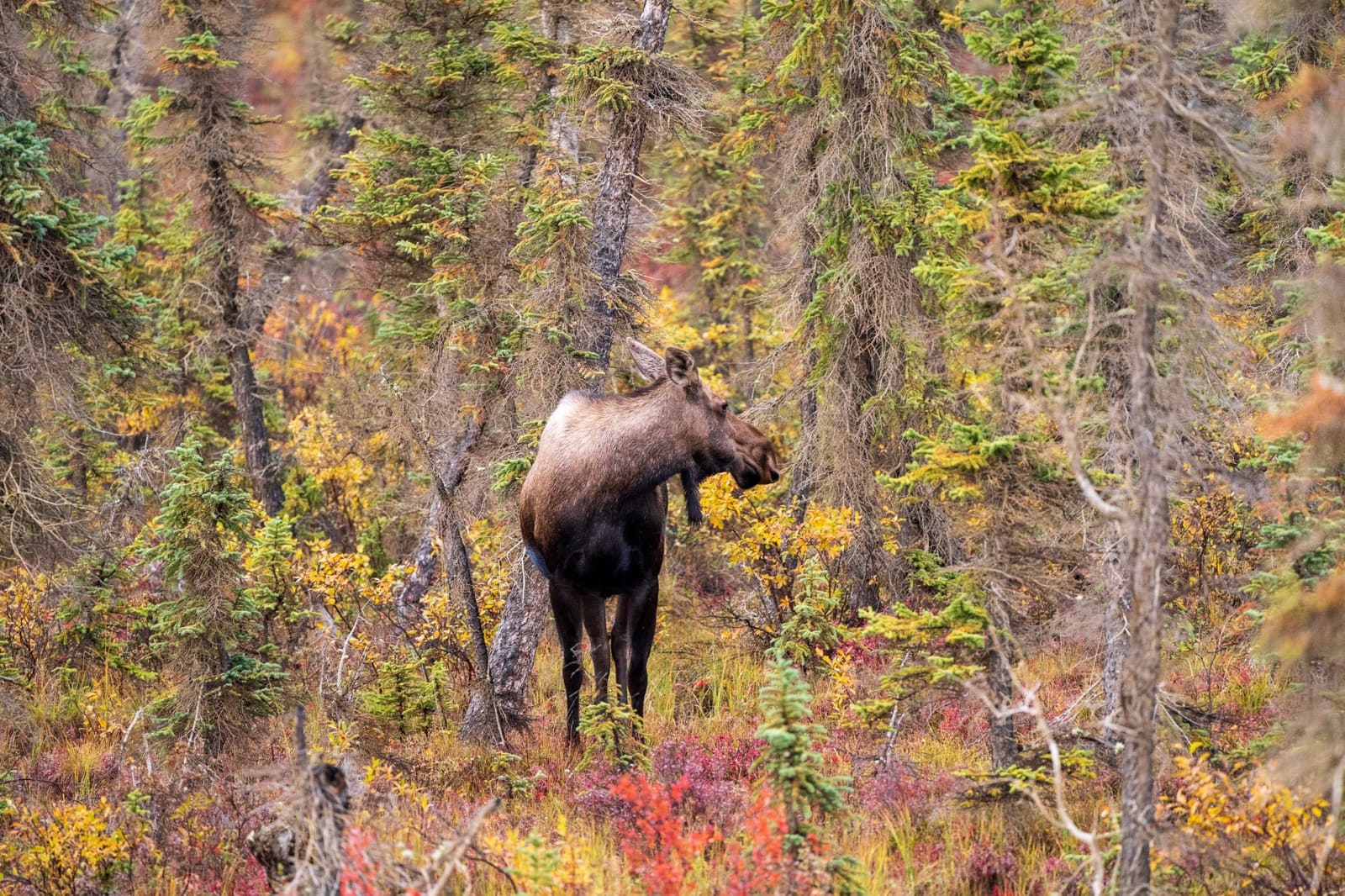
When you first lay eyes on an Alaskan moose, the sheer scale of the animal is breathtaking. As any reliable alaska moose guide will emphasize, these are not your average deer. They are amazing creatures that can be as heavy as 1,800 pounds and stand up to seven feet tall at the shoulder. The Alaskan subspecies is the largest in the world, perfectly adapted to survive the harsh, freezing winters and thrive in the dense boreal forests.
Male moose, known as bulls, grow massive palmate antlers that can span over six feet across and weigh up to 40 pounds. They shed these antlers every winter and regrow them in the spring, covered in a fuzzy skin called velvet. Females, or cows, lack antlers but are equally imposing in size and fiercely protective of their young. Their long, spindly legs allow them to navigate deep winter snows and wade into lakes and bogs during the summer to feed on nutrient-rich aquatic plants. Throughout this alaska moose guide, we want to stress that their goofy, lumbering appearance masks incredible speed and agility; a full-grown moose can run up to 35 miles per hour.
Where to Spot Moose in Alaska
One of the most exciting aspects of visiting the state is that you can see moose almost everywhere in Alaska. Unlike some elusive wildlife, moose are highly adaptable and frequently wander into human-populated areas. It is not uncommon to see them browsing on willow branches in downtown Anchorage, resting in suburban backyards, or standing majestically alongside the major highways.
If you are driving from Anchorage to Denali, keep your eyes peeled along the tree lines and marshy areas. This route is a prime corridor for moose activity. Similarly, if you are exploring the Kenai Peninsula loop, the coastal forests and abundant wetlands provide the perfect habitat for these giants. I remember one time we saw 14 different moose on a 6-hour drive! It was a testament to just how dominant and widespread this species truly is.
For those utilizing this alaska moose guide to plan their photography stops, early mornings and late evenings (dawn and dusk) are the most active times for moose. They are crepuscular, meaning they prefer to forage when the temperatures are cooler and the light is low. Look for them near lakes, ponds, and rivers, as they consume up to 70 pounds of vegetation a day during the summer to build up fat reserves for the winter.
Moose vs. Bears: The Danger Myth Explained
There is a popular belief that moose are more dangerous than bears, and any thorough alaska moose guide must address this reality. While bears often dominate the terrifying campfire stories, statistics show that moose injure far more people in Alaska each year than bears do. This is not because moose are inherently malicious predators, but rather due to their sheer numbers, their proximity to human habitats, and their highly territorial nature.
Moose are easily stressed by humans and dogs. A cow moose with calves is one of the most dangerous animals you can encounter; she will aggressively defend her young against any perceived threat. In the fall, during the mating season known as the rut, bull moose become highly aggressive and unpredictable, fueled by surging testosterone. They have been known to charge people, vehicles, and even trains.
If you encounter a moose on foot, the best practice outlined in our Alaska wildlife safety guidelines is to give them plenty of space—at least 50 feet. If a moose lays its ears back, raises the hair on its hump, or licks its lips, it is stressed and preparing to charge. Unlike with bears, if a moose charges you, you should run and try to get a large object, like a tree or a car, between you and the animal.
Seasonal Guide to Moose Behavior
Your experience with these magnificent creatures will vary greatly depending on when you visit. This section of our alaska moose guide breaks down what to expect throughout the year:
- Spring (May to June): This is calving season. Cows give birth to one or two calves, which are incredibly vulnerable to predators like bears and wolves. The mothers are on high alert. This is a beautiful time to see baby moose, but it requires extreme caution and distance.
- Summer (July to August): Moose are focused on eating. You will often find them belly-deep in ponds, munching on pondweed and water lilies. The bulls' antlers are growing rapidly and are covered in velvet. This is generally the best time for casual viewing and photography.
- Fall (September to October): The rut begins. Bulls scrape the velvet off their antlers, thrash bushes, and fight other males for dominance. It is a spectacular display of raw power, but tourists must maintain a significant distance. Bulls are highly aggressive during this window.
- Winter (November to April): Moose move into valleys and urban areas where the snow is less deep and food is easier to access. They often use plowed roads and trails to conserve energy, which leads to increased human-wildlife conflict.
Driving Safely in Moose Country
No alaska moose guide is complete without a deep dive into road safety. Because moose are so ubiquitous, vehicle collisions are a major hazard, particularly during the dark winter months or at night. A moose's dark brown coat makes it nearly invisible in the dark, and because their bodies are so high off the ground, vehicle headlights often do not catch their eyes to create a reflective glow.
When a car strikes a moose, the vehicle's bumper typically takes out the animal's long legs, causing the 1,800-pound body to crash directly into the windshield and roof. This can be fatal for both the moose and the passengers. When navigating the Seward Highway or any other major Alaskan road, it is critical to drive defensively. Scan the sides of the road constantly, obey posted speed limits, and use your high beams whenever possible. If a moose runs into the road, brake firmly but do not swerve into oncoming traffic or off a steep embankment.
Photography Best Practices
Capturing the perfect photo of an Alaskan moose is a highlight for many travelers. To do so safely, this alaska moose guide recommends investing in a good telephoto lens (at least 200mm to 400mm). This allows you to get stunning, frame-filling shots without encroaching on the animal's personal space.
If you spot a moose while driving, pull over safely onto the shoulder, turn on your hazard lights, and take photos from inside your vehicle. Your car acts as a natural blind and a protective barrier. Never approach a moose on foot just to get a better selfie. The animal's demeanor can change in a fraction of a second, and no photograph is worth risking a trampling incident.
Frequently Asked Questions
How big do Alaska moose get?
The Alaskan moose is the largest subspecies of moose in the world. Adult males (bulls) can weigh up to 1,800 pounds and stand over seven feet tall at the shoulder. Their antlers can span more than six feet across. Females (cows) are slightly smaller but still incredibly massive, often weighing between 800 and 1,300 pounds.
Are moose really more dangerous than bears?
Yes, in terms of the number of incidents, moose are considered more dangerous than bears in Alaska. Because they are seen almost everywhere and live close to human populations, encounters are much more frequent. Moose are highly territorial, and cows are fiercely protective of their calves. They will not hesitate to charge and trample a perceived threat.
What should I do if a moose charges me?
Unlike a bear charge, where you might stand your ground or play dead depending on the species, if a moose charges you, you must run. Run as fast as you can and try to get behind a solid object, such as a large tree, a building, or a vehicle. Moose are fast, but they have poor eyesight and can be deterred if you break their line of sight.
Where is the best place to see a moose in Alaska?
Moose can be seen almost anywhere, from the dense forests of Denali National Park to the suburban streets of Anchorage. Marshy areas, lakes, and river valleys are prime viewing spots, especially during the early morning and late evening hours when the animals are most active.
When do moose shed their antlers?
Bull moose typically shed their antlers in early winter, usually between late November and January, after the fall mating season (the rut) has concluded. They begin growing a new set of antlers in the spring, which are covered in a nutrient-rich skin called velvet until late summer.
Start Your Alaskan Adventure Today
We hope this comprehensive alaska moose guide has equipped you with the knowledge and respect needed to safely enjoy these magnificent giants during your 2026 travels. Spotting a massive, 1,800-pound moose in the wild is an unforgettable experience that truly highlights the untamed beauty of the Last Frontier. If you are ready to turn your dream vacation into a reality and map out the perfect route for wildlife viewing, plan your Alaska road trip with us today. Let's make your journey north the adventure of a lifetime!
See a real Alaska itinerary before you spend a dollar
A real 3-day plan with driving times, lodging picks, and a daylight chart — free, in your inbox.
One email. No spam. Unsubscribe anytime. Or view it right now — no email needed ↗
Ready for the full plan? Get your custom itinerary — from $197 · 5-day delivery →