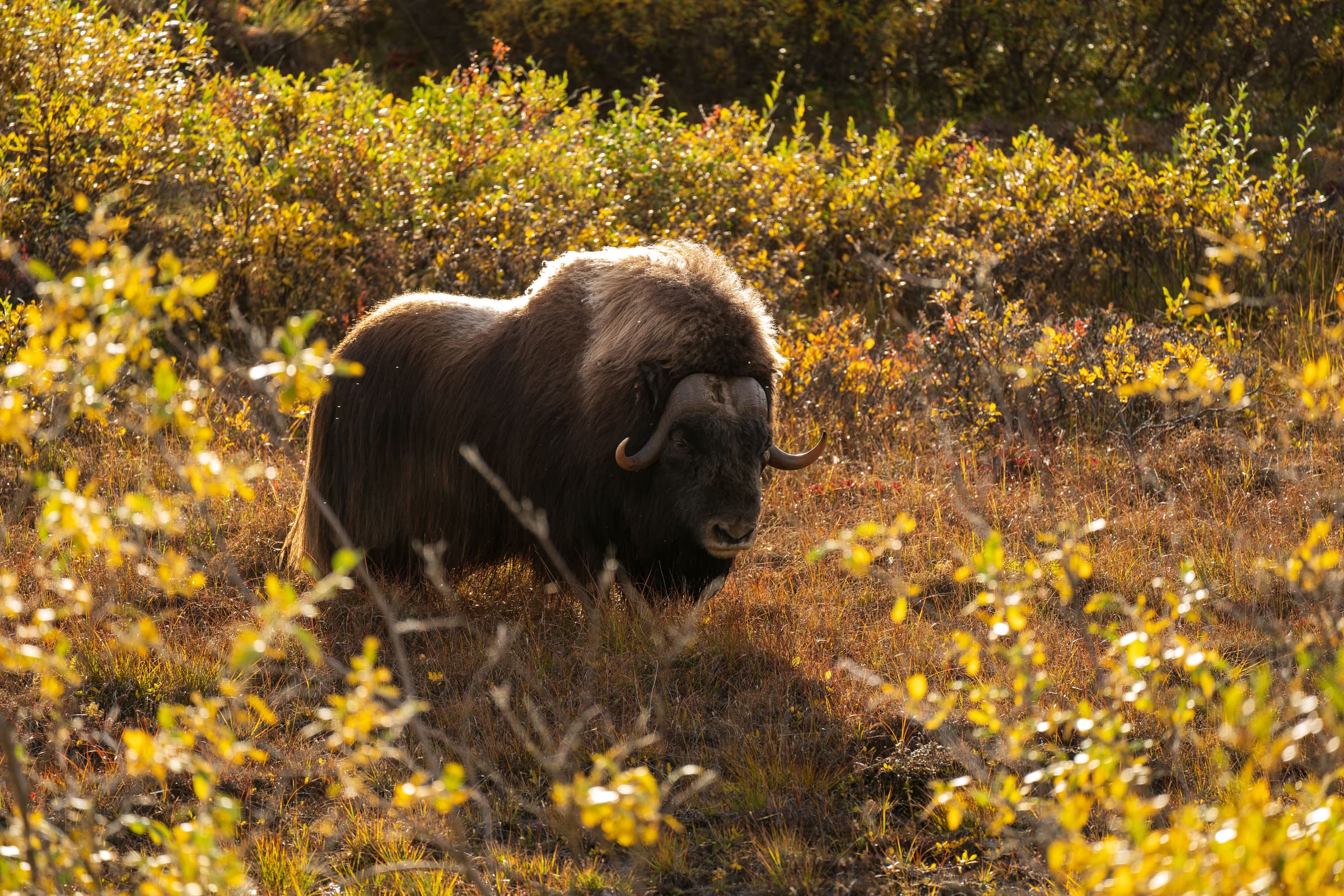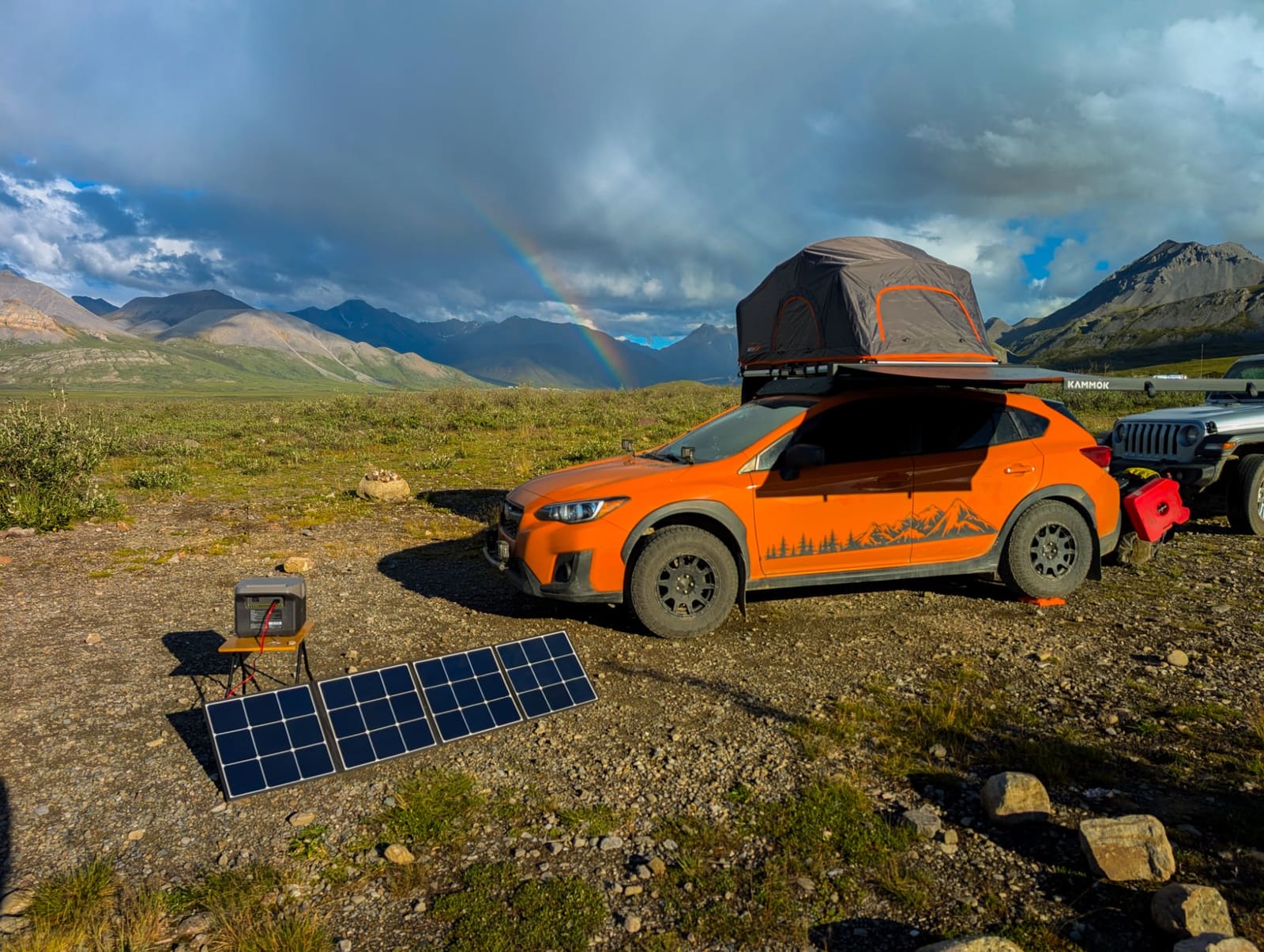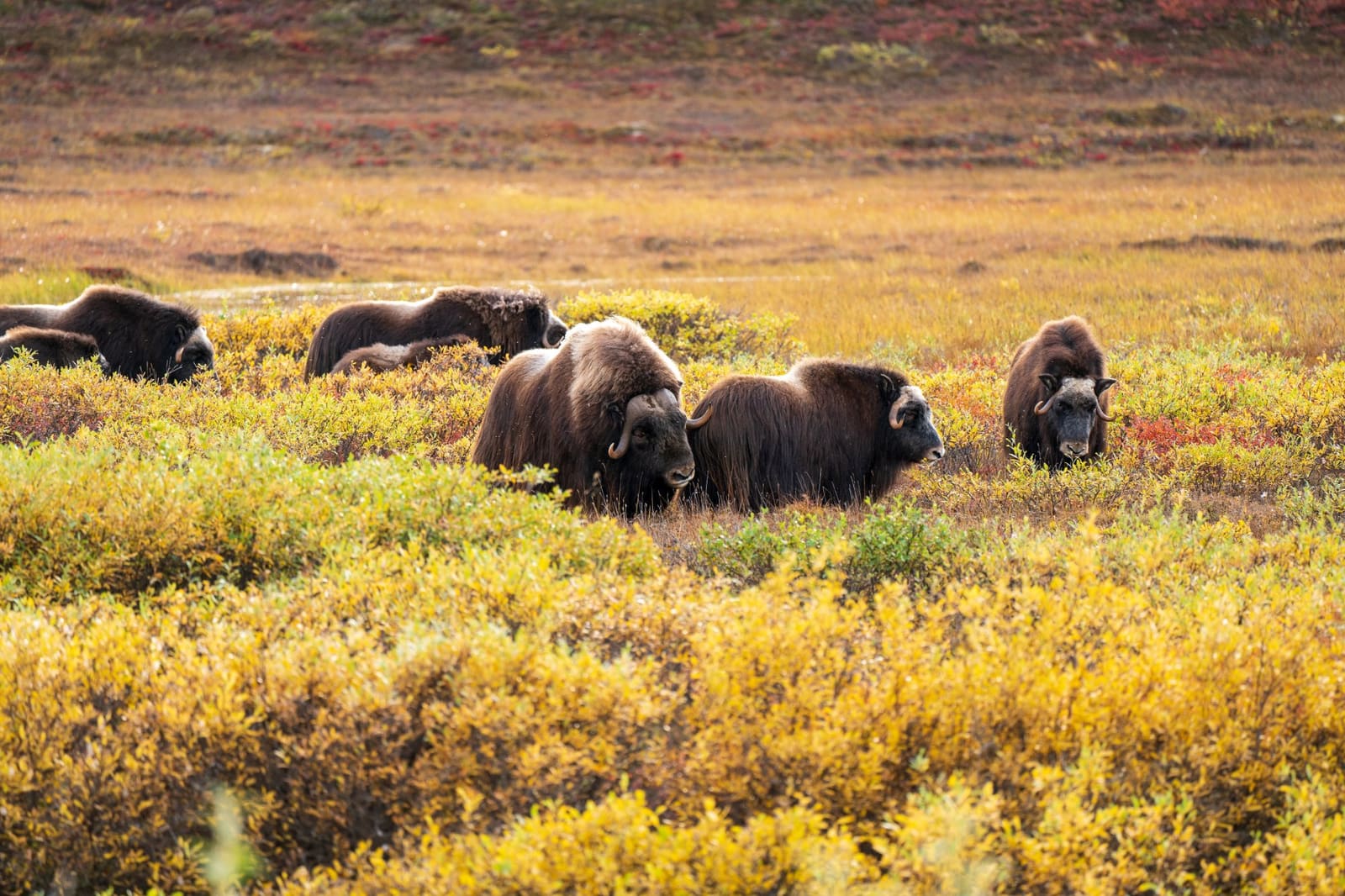
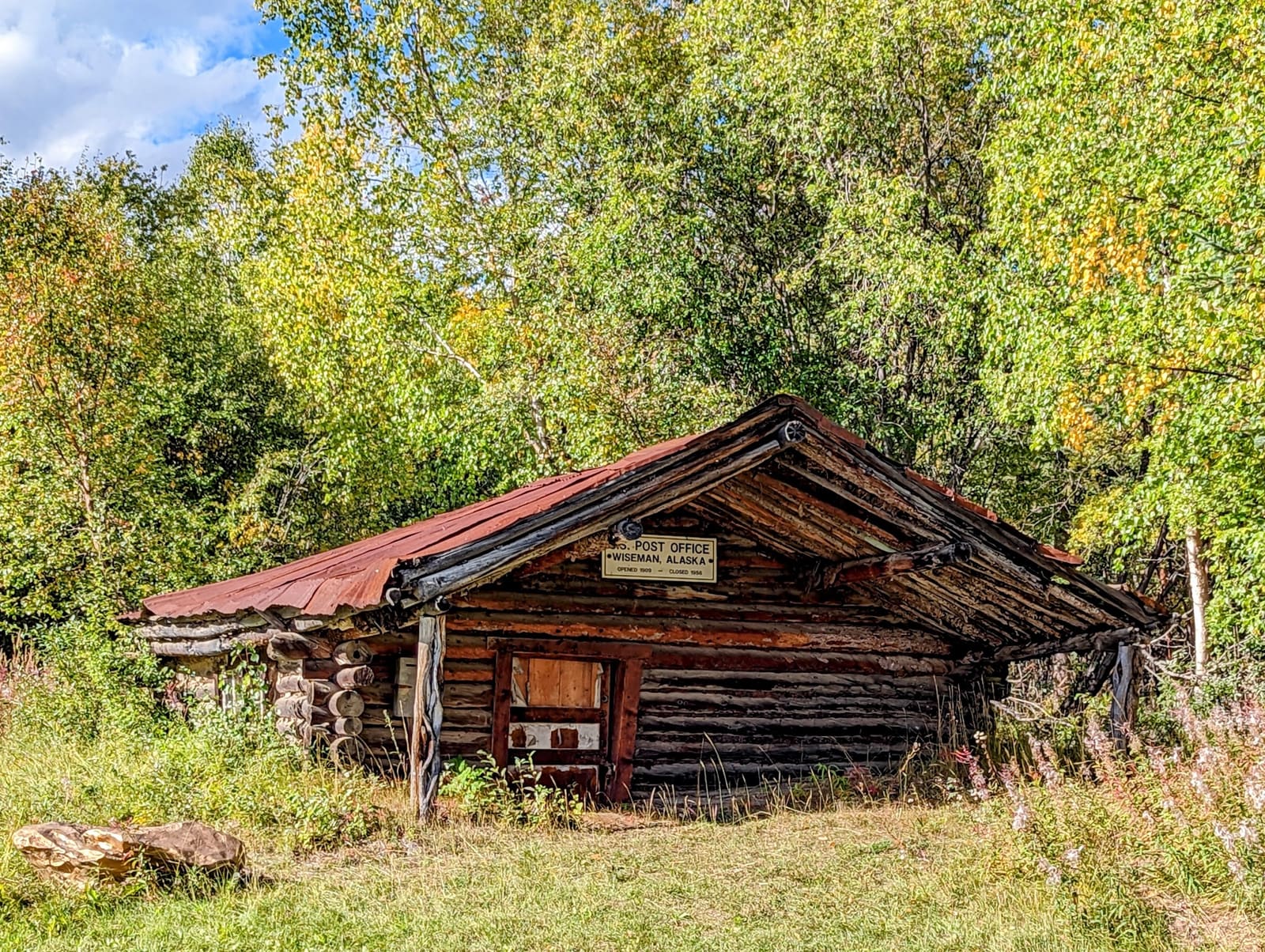
Welcome to your ultimate wiseman alaska travel guide. If you are venturing north of the Arctic Circle on one of the most remote and rugged roads in North America, you are in for an unforgettable adventure. Tucked away in the heart of the Brooks Range, the tiny, historic community of Wiseman offers a rare glimpse into authentic Alaskan bush living. Far removed from the bustling cruise ports and crowded national park lodges, Wiseman is a destination for the true explorer seeking solitude, raw wilderness, and a deep connection to Alaska's pioneering spirit.
Whether you are chasing the mesmerizing dance of the aurora borealis in the dead of winter or basking under the endless daylight of the midnight sun in summer, this wiseman alaska travel guide will provide you with all the essential information you need. From navigating the infamous haul road to finding a cozy bed and breakfast in a town with fewer than twenty year-round residents, we have you covered.
Where is Wiseman, Alaska?
Wiseman is a small, unincorporated community located at Mile 189 of the James Dalton Highway (Route 11). Geographically, it sits nestled along the banks of the Middle Fork of the Koyukuk River, deep within the majestic Brooks Range. It is situated approximately 63 miles north of the Arctic Circle, making it one of the northernmost accessible settlements in the United States.
For travelers making the long trek north from Fairbanks, Wiseman is an essential landmark. It is located just about 30 minutes of driving north from Coldfoot, which serves as the primary truck stop and service hub in the region. While Coldfoot offers the utilitarian necessities like fuel and a diner, Wiseman provides the charm, history, and quiet beauty that many road trippers are searching for. The short drive between Coldfoot and Wiseman is incredibly scenic, offering sweeping views of the surrounding peaks and the winding river valley.
The Fascinating History of Wiseman
No wiseman alaska travel guide would be complete without delving into the rich history that shaped this resilient community. Wiseman was founded in 1919 when gold miners from the nearby, rapidly declining settlement of Slate Creek (later known as Coldfoot) decided to move further north to follow new gold strikes on the Hammond River and Nolan Creek.
During the 1920s, Wiseman experienced a modest boom, becoming the bustling hub of the Koyukuk mining district. At its peak, the town boasted a population of over 100 residents, complete with a post office, a school, and several roadhouses. The town's unique character and the harmonious relationship between the white miners and the local Alaska Native population were famously documented by wilderness advocate Robert Marshall in his 1933 bestselling book, Arctic Village.
Today, the gold rush has long since faded, and the population has dwindled to roughly a dozen permanent residents. However, the spirit of the pioneers remains. Many of the original log cabins still stand, and the current residents maintain a subsistence lifestyle, relying on hunting, trapping, and gathering to survive the harsh Arctic winters. Visiting Wiseman is like stepping into a living museum, where the echoes of the past are still palpable in the crisp mountain air.
Why Add Wiseman to Your Itinerary?
You might be wondering why you should drive hundreds of miles on a gravel road to visit a town with no restaurants, no gas stations, and no cell service. The answer lies in the unparalleled experiences that Wiseman offers.
1. World-Class Aurora Borealis Viewing
Because Wiseman is located directly under the auroral oval and suffers from absolutely zero light pollution, it is widely considered one of the best places on Earth to view the northern lights. During the winter months, the skies frequently erupt in vibrant shades of green, purple, and red. The dramatic backdrop of the Brooks Range makes for spectacular aurora photography.
2. The Midnight Sun
If you visit during the summer, you will experience the phenomenon of the midnight sun. Because Wiseman is well above the Arctic Circle, the sun does not set for over two months, from late May to late July. This endless daylight provides ample opportunity for late-night photography, hiking, and wildlife viewing.
3. Gateway to Gates of the Arctic National Park
Wiseman sits just outside the boundaries of Gates of the Arctic National Park and Preserve, one of the least visited and most pristine national parks in the United States. While there are no roads or trails into the park, Wiseman serves as a fantastic basecamp for experienced backcountry hikers or those taking flightseeing tours into the park's interior.
How to Get to Wiseman
Getting to Wiseman is an adventure in itself. The only road access is via the Dalton Highway, a 414-mile stretch of mostly gravel road built in the 1970s to support the construction of the Trans-Alaska Pipeline. The journey begins just north of Fairbanks and takes you through some of the most remote and unforgiving terrain in North America.
Driving the Dalton Highway requires careful preparation. The road is heavily trafficked by massive semi-trucks hauling supplies to the Prudhoe Bay oil fields. The surface can be slick with mud when it rains, blindingly dusty when it is dry, and treacherous with ice and snow during the winter. If you plan to drive yourself, we highly recommend reading our comprehensive Dalton Highway guide to ensure you understand the road conditions and vehicle requirements.
It is crucial to note that most standard rental car companies strictly prohibit their vehicles from being driven on the Dalton Highway. You will need to rent a specialized 4x4 vehicle from a company that explicitly allows travel on gravel highways. Alternatively, if you prefer not to drive, several tour operators in Fairbanks offer guided van tours or fly-drive packages that include an overnight stay in Wiseman.
Best Time to Visit Wiseman
The best time to visit depends entirely on what you want to experience. This wiseman alaska travel guide breaks down the two primary tourist seasons:
- Summer (June to August): This is the most popular time for road trippers. The weather is relatively mild (temperatures can reach the 60s and 70s Fahrenheit), the road conditions are at their best, and the midnight sun allows for endless exploration. The tundra is vibrant with wildflowers, and wildlife such as moose, bears, and caribou are active.
- Winter (November to March): Winter in Wiseman is not for the faint of heart, with temperatures frequently plunging to -40°F or colder. However, this is the prime season for aurora viewing. The landscape is transformed into a pristine, snow-covered wonderland. If you visit in winter, booking a guided tour is highly recommended due to the extreme hazards of winter driving in the Arctic.
Where to Stay and Eat
Despite its tiny size, Wiseman offers a few charming accommodation options. There are a handful of wilderness lodges and bed-and-breakfasts operated by local residents. These accommodations offer cozy log cabins, warm hospitality, and a chance to learn about life in the bush directly from the locals. Because options are extremely limited, you must book your stay many months in advance.
When it comes to food and supplies, you must be entirely self-sufficient. There are no grocery stores, cafes, or restaurants in Wiseman. Most B&Bs provide a hearty breakfast, and some offer access to a communal kitchen where you can prepare your own meals. You will need to purchase all your groceries in Fairbanks before beginning your journey north.
For fuel and hot meals, you will need to rely on Coldfoot Camp, located 30 minutes south of Wiseman. Coldfoot features a trucker's diner that serves surprisingly good food, a basic tire repair shop, and the only gas station for hundreds of miles. Proper fuel planning in Alaska is absolutely critical when traveling this far north, so always top off your tank in Coldfoot before heading up to Wiseman.
Things to Do in and Around Wiseman
While Wiseman does not have organized tourist attractions, the natural environment provides endless opportunities for exploration.
- Explore the Historic Village: Take a respectful walking tour of the community. Admire the historic log cabins, the old mining equipment scattered about, and the small local chapel. Remember that this is a residential community, so respect private property signs and do not peek into cabin windows.
- Photography: Whether you are shooting the rugged peaks of the Brooks Range, the winding Koyukuk River, or the delicate tundra flora, Wiseman is a photographer's paradise.
- Hiking: There are no maintained trails, but the open tundra and river gravel bars offer excellent cross-country hiking. Always carry bear spray and know how to navigate without a trail.
- Visit the Arctic Interagency Visitor Center: Located 30 minutes south in Coldfoot, this visitor center is staffed by the National Park Service, BLM, and Fish and Wildlife Service. It features excellent exhibits on the region's ecology, history, and the Trans-Alaska Pipeline.
Essential Safety and Preparation Tips
A thorough wiseman alaska travel guide must emphasize safety. The Arctic is an unforgiving environment, and help is a long way away.
First, there is absolutely no cell phone service in Wiseman, Coldfoot, or along the vast majority of the Dalton Highway. You should carry a satellite communication device (like a Garmin inReach) for emergencies. Second, ensure your vehicle is equipped with at least one (preferably two) full-size spare tires, a CB radio to communicate with truckers (Channel 19), and an emergency kit containing extra food, water, and warm clothing.
The weather can change rapidly, even in summer. Snow in July is not unheard of in the Brooks Range. Dressing in layers is essential. Before you pack your bags, be sure to review our comprehensive Alaska road trip packing list to ensure you have all the necessary gear for an Arctic expedition.
Frequently Asked Questions
Can I drive an RV to Wiseman?
While it is physically possible to drive an RV on the Dalton Highway, it is generally not recommended unless you are highly experienced with driving large vehicles on rough, muddy, and steep gravel roads. Furthermore, almost all RV rental companies strictly prohibit taking their vehicles on the Dalton Highway. If you own your RV, be prepared for severe dust, flying rocks, and potential tire damage.
Is there gas in Wiseman?
No, there are no services of any kind in Wiseman. The nearest gas station is 30 minutes south at Coldfoot Camp (Mile 175). The next gas station to the north is in Deadhorse (Mile 414). Always fuel up in Coldfoot.
Do I need a permit to visit Wiseman?
No permit is required to visit the community of Wiseman or to drive the Dalton Highway. However, if you plan to venture off the highway corridor into Gates of the Arctic National Park or the Arctic National Wildlife Refuge, you should consult with the visitor center in Coldfoot regarding backcountry safety and regulations.
Are there bears in Wiseman?
Yes, both black bears and grizzly bears inhabit the Brooks Range and the area surrounding Wiseman. It is crucial to practice bear safety at all times. Carry bear spray, make noise while hiking, and never leave food or scented items in your vehicle or outside your cabin.
Can I see the Trans-Alaska Pipeline from Wiseman?
The Trans-Alaska Pipeline runs roughly parallel to the Dalton Highway, and you will see it frequently during your drive. While it does not run directly through the center of Wiseman village, it is visible from the highway just outside the community.
Start Planning Your Arctic Adventure
Visiting Wiseman is a bucket-list experience that offers a profound appreciation for the vastness and wildness of Alaska's Arctic region. It requires careful planning, a spirit of adventure, and a deep respect for nature and the local residents who call this remote outpost home. If you are ready to turn this wiseman alaska travel guide into a reality, take the next step and plan your Alaska road trip with our expert itineraries and resources. The majestic Brooks Range and the dancing northern lights are waiting for you!
See a real Alaska itinerary before you spend a dollar
A real 3-day plan with driving times, lodging picks, and a daylight chart — free, in your inbox.
One email. No spam. Unsubscribe anytime. Or view it right now — no email needed ↗
Ready for the full plan? Get your custom itinerary — from $197 · 5-day delivery →