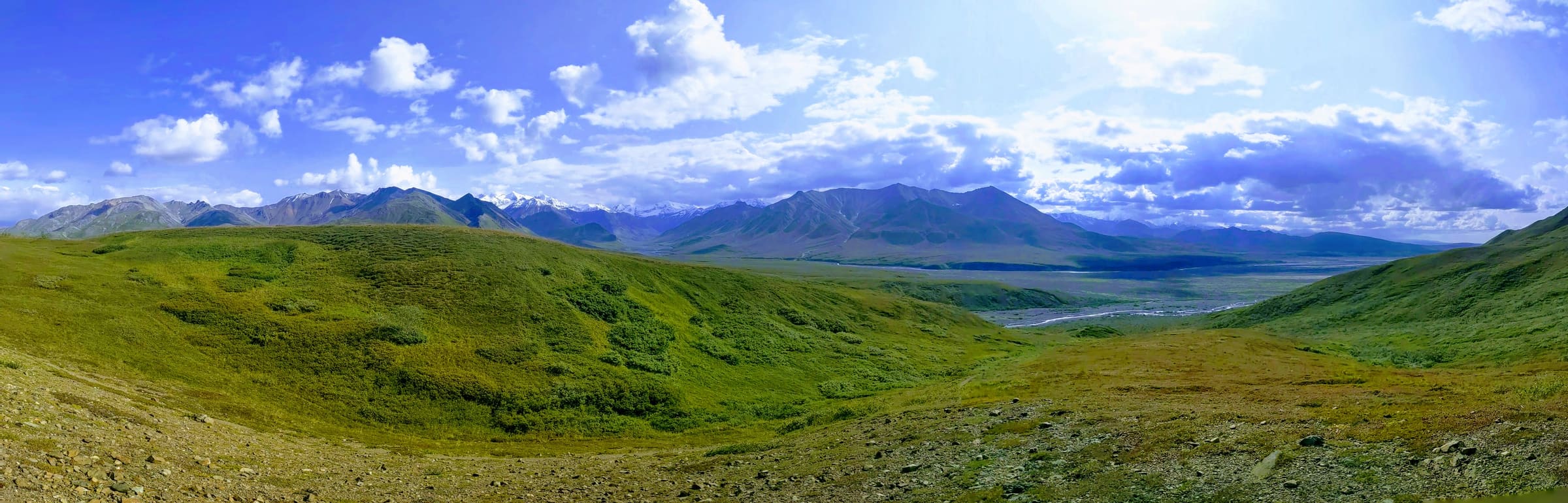
Welcome to the untamed beauty of Alaska. Denali National Park is undeniably one of the most amazing national parks in the US, offering six million acres of pristine wilderness, towering peaks, and an ecosystem that remains largely untouched by human development. If you are planning a trip to the Last Frontier and want to experience the true heart of the park, you have come to the right place. This comprehensive denali tundra wilderness tour guide will walk you through everything you need to know to prepare for the adventure of a lifetime.
Unlike many other national parks where you can freely drive your own vehicle from viewpoint to viewpoint, Denali operates differently. To protect the fragile environment and the animals that call it home, private vehicles are restricted after the first 15 miles of the park road. Therefore, the best way to discover the national park is by taking a Tundra Wilderness Tour. This fully narrated, immersive experience is an about 10 hours tour that drives along the park road for about 70 miles, taking you deep into the spectacular backcountry.
Why Choose the Tundra Wilderness Tour?
When researching options for your Alaska itinerary, you will likely find a few different ways to explore Denali. However, as any good denali tundra wilderness tour guide will tell you, this specific tour is the premier choice for first-time visitors and wildlife enthusiasts alike. The tour strikes the perfect balance between education, comfort, and extensive park access.
The buses used for this journey are custom-built for wildlife viewing. They feature large, drop-down windows that allow for unobstructed photography and clear views of the sweeping landscapes. More importantly, your driver is also a certified naturalist. Throughout the 10-hour journey, they will share fascinating stories about the park's history, its indigenous heritage, the complex geology of the Alaska Range, and the intricate balance of the subarctic ecosystem. Their trained eyes are also incredibly adept at spotting a camouflaged grizzly bear on a distant hillside or a lone wolf trotting through the brush.
Wildlife Spotting: The "Big Five" of Denali
A primary focus of this denali tundra wilderness tour guide is the incredible wildlife. Denali is famous for its "Big Five," and the 70-mile journey into the park offers one of the best opportunities in North America to see these magnificent creatures in their natural habitat.
1. Grizzly and Brown Bears
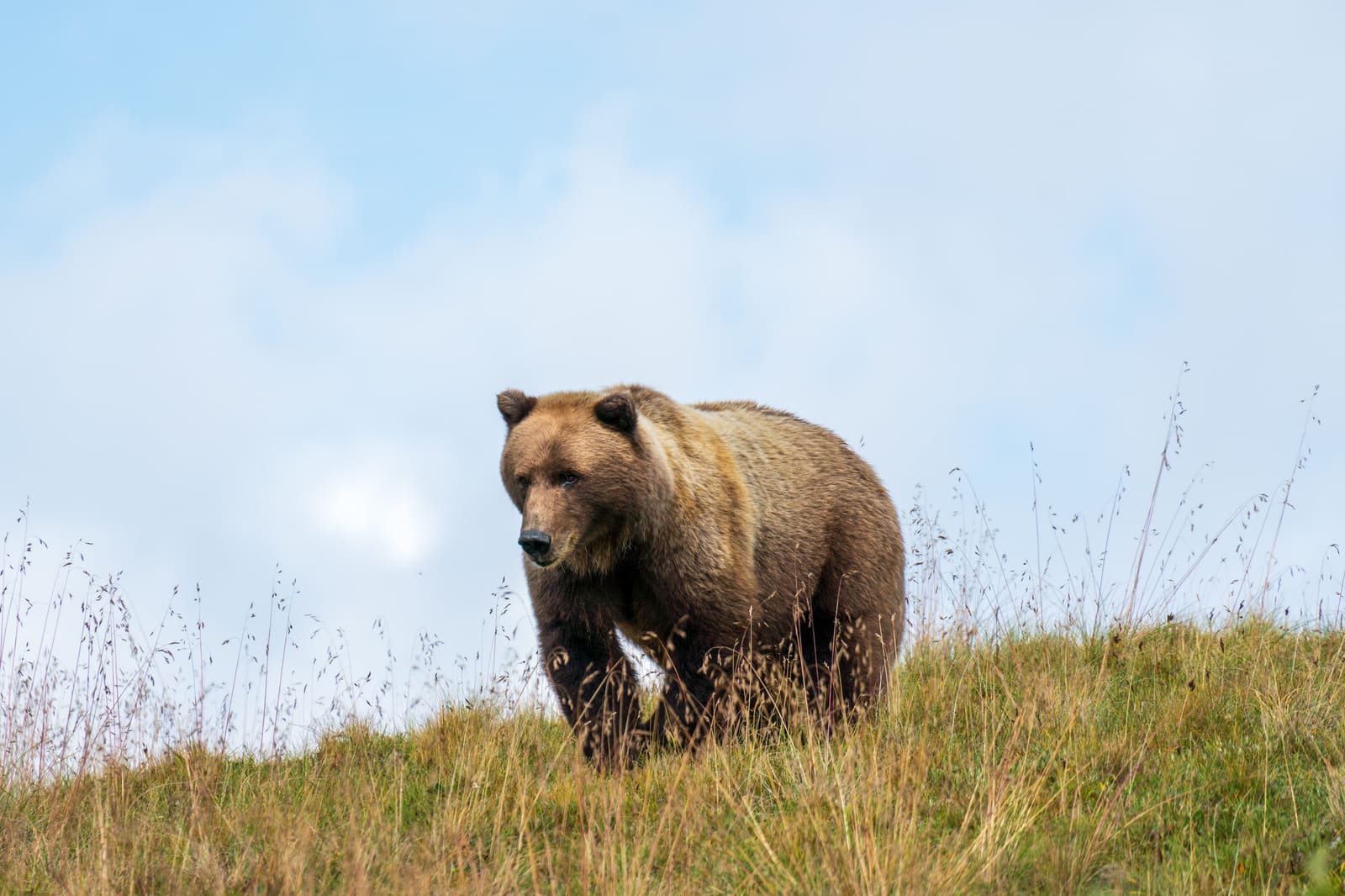
Seeing a wild grizzly bear is often the highlight of the trip. In Denali, bears can be seen foraging for berries on the open tundra, digging for ground squirrels, or wandering along the riverbeds. Because the park is largely treeless after a certain elevation, spotting these massive mammals from the safety of the bus is highly likely. Your driver will stop the bus and allow everyone to observe and take photos whenever a bear is sighted.
2. Moose
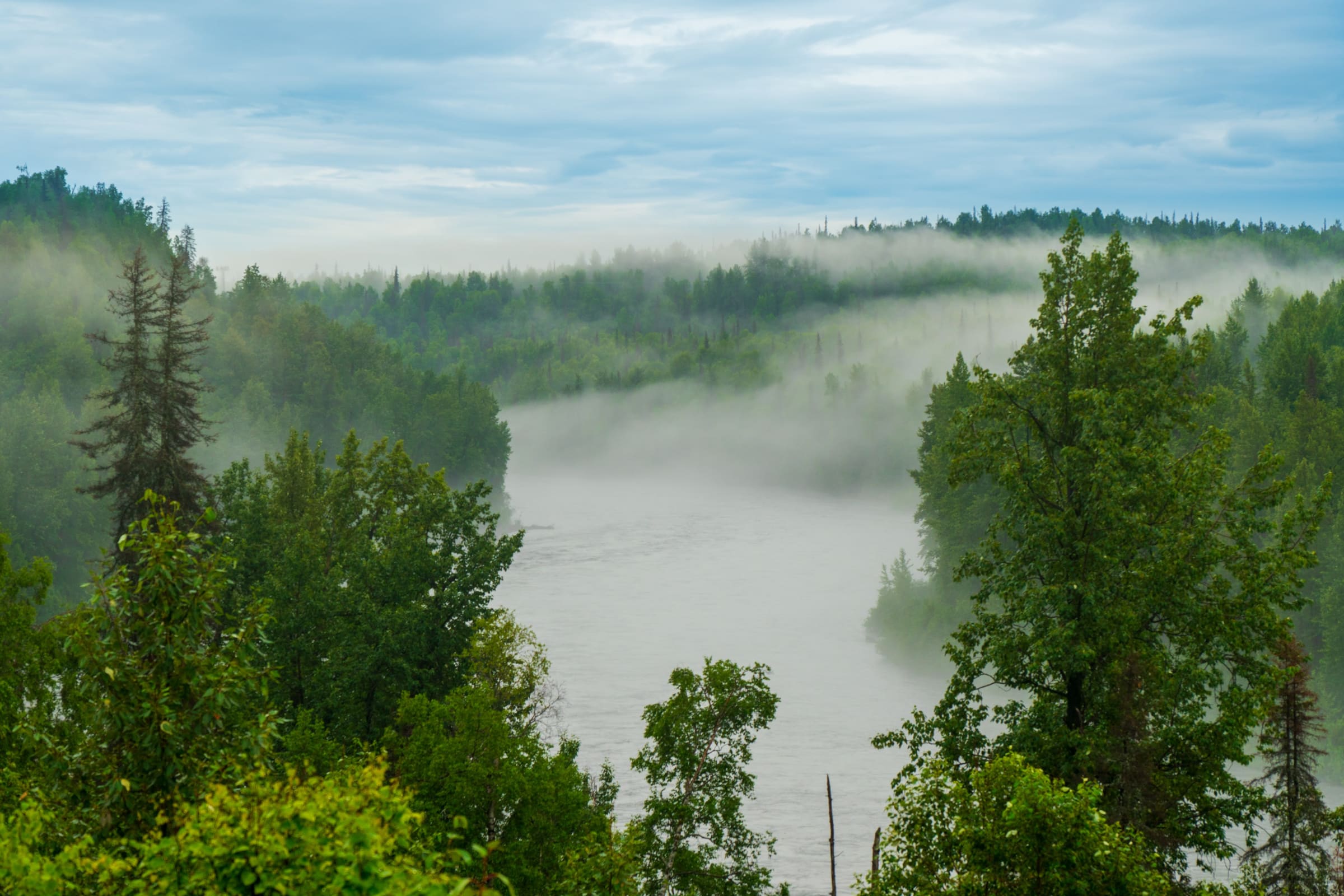
The Alaskan moose is the largest subspecies of moose in the world, with males sporting antlers that can span over six feet. You are most likely to spot moose in the first 30 miles of the tour, where the taiga forest provides them with ample willow branches to eat. Keep your eyes peeled near ponds and marshy areas, as moose love to wade in the water to feed on aquatic plants.
3. Caribou
Caribou are a staple of the Denali landscape. Unlike moose, which are often solitary, caribou are frequently seen in small bands or large herds. Both male and female caribou grow antlers, making them a spectacular sight against the backdrop of the Alaska Range. They are constantly on the move, migrating across the tundra in search of lichen and relief from summer insects.
4. Dall Sheep
Look up! Dall sheep are known for their brilliant white coats and the massive, curling horns of the males (rams). They inhabit the high, rugged ridges and steep cliffs of the park, using the treacherous terrain to escape predators. While they may look like tiny white dots to the naked eye, the tour buses are equipped with drop-down video screens. The driver often uses a high-powered camera to zoom in on the sheep and broadcast the live feed to the screens inside the bus.
5. Wolves
Wolves are the most elusive of the Big Five. Denali is one of the few places in the world where you have a chance to see wild wolves roaming freely. While sightings are never guaranteed, the deep access provided by the 70-mile route significantly increases your chances of witnessing a wolf on the hunt or crossing the park road.
A Mile-by-Mile Glimpse of the Park Road
To make this denali tundra wilderness tour guide as useful as possible, it helps to understand the geography of the park road. The scenery changes dramatically as you travel further from the park entrance.
Mile 15: Savage River. This is where the paved road ends and the true wilderness begins. Private vehicles must turn around here. The landscape transitions from dense spruce forest to open, sweeping vistas.
Mile 30: Teklanika River. You will cross a massive, braided river valley. These wide, gravel riverbeds are classic Alaskan landscapes and serve as natural highways for wildlife.
Mile 46: Polychrome Pass. Prepare for breathtaking, dizzying views. The road hugs the side of a steep cliff, offering panoramic views of colorful, mineral-stained mountains and deep valleys below. It is a favorite spot for landscape photographers.
Mile 53: Toklat River. This is a major rest stop where you can stretch your legs, use the restroom, and view the incredible braided river system. It is also prime territory for spotting bears and wolves.
Mile 66: Eielson Visitor Center area. On clear days, the views of Denali (formerly Mount McKinley)—the tallest peak in North America—are absolutely staggering from this vantage point. Even if the mountain is shrouded in clouds, the surrounding tundra and alpine scenery are unforgettable.
Essential Packing List for Your 10-Hour Adventure
Being prepared is the key to enjoying your long day on the bus. Any comprehensive denali tundra wilderness tour guide must include a solid packing strategy. The weather in Denali can be highly unpredictable, shifting from sunny and warm to cold and rainy within hours.
- Layers, Layers, Layers: Dress in a moisture-wicking base layer, add an insulating fleece or wool sweater, and top it off with a waterproof and windproof shell. You can always take layers off as the bus warms up.
- Binoculars: This is arguably the most important item to bring. While the bus has a camera system, having your own binoculars allows you to scan the landscape constantly.
- Camera with a Zoom Lens: If you are a photography enthusiast, a telephoto lens (at least 300mm) is highly recommended for capturing wildlife from a distance.
- Snacks and Water: While a light snack box is typically provided on the tour, 10 hours is a long time. Bring a reusable water bottle and plenty of your favorite high-energy snacks or a packed lunch.
- Comfortable Shoes: You won't be doing strenuous hiking, but you will be stepping off the bus at uneven, gravel rest stops.
For a more comprehensive look at what to bring on your journey north, check out our complete Alaska road trip packing list to ensure you are prepared for every climate.
Planning Your Visit: Timing and Logistics
The Tundra Wilderness Tour operates primarily during the summer season, from mid-May to mid-September. The peak time for wildlife viewing and optimal weather is generally between June and August. If you are visiting Alaska in summer, you will also benefit from the Midnight Sun, providing nearly 24 hours of daylight to enjoy the spectacular scenery.
Getting to Denali is an adventure in itself. Most visitors fly into Anchorage or Fairbanks. The drive from Anchorage to Denali takes about four to five hours along the Parks Highway, offering stunning views of the Alaska Range along the way. We highly recommend spending at least two to three nights in the Denali area so you have a full, uninterrupted day dedicated solely to the 10-hour bus tour.
Photography Tips for the Tundra Wilderness Tour
No denali tundra wilderness tour guide is complete without advice on capturing the memories. Shooting from a moving (or idling) bus presents unique challenges. First, turn off your camera's flash; it will only reflect off the bus windows and startle the wildlife. Second, use a fast shutter speed. The bus engine causes vibrations, and animals are often on the move, so a shutter speed of 1/1000th of a second or faster will help ensure crisp images. Finally, wear dark clothing. Brightly colored shirts will reflect in the drop-down windows and ruin your shots of the landscape.
Frequently Asked Questions
To round out this denali tundra wilderness tour guide, we have compiled the most common questions travelers ask when preparing for their Denali adventure.
Are there bathrooms on the bus?
No, there are no bathrooms on the buses themselves. However, the tour makes scheduled stops approximately every 90 minutes at designated rest areas equipped with clean, vault-style toilets.
Is food provided on the tour?
A complimentary snack box and a bottle of water are usually provided to each passenger. The snack box typically contains items like a reindeer sausage stick, cheese, crackers, and a sweet treat. However, because it is a 10-hour tour, we strongly advise bringing your own hearty lunch and extra beverages.
Will I definitely see the Denali mountain peak?
Denali is so massive that it creates its own weather system, and the peak is often shrouded in clouds. Historically, only about 30% of visitors get a clear view of the mountain—a group affectionately known as the "30% Club." However, even if the mountain is hidden, the wildlife and surrounding scenery make the tour incredibly worthwhile.
Is the tour suitable for young children?
While children are welcome, parents should carefully consider whether their kids can handle sitting on a bus for 10 hours. The focus is on quiet observation of wildlife, which requires patience. If you are traveling with younger ones, you might want to explore our guide on traveling to Alaska with kids for tips on keeping them engaged, or consider shorter transit bus options.
What is the difference between a Tour Bus and a Transit Bus?
Tour buses (like the Tundra Wilderness Tour) are fully narrated by a trained naturalist, feature drop-down screens for zoomed-in wildlife viewing, and provide a snack. Transit buses are cheaper, non-narrated (though drivers often share information), and are primarily designed to drop off hikers and campers at various points along the road. For a first-time visitor wanting an educational experience, the tour bus is the superior choice.
Start Planning Your Denali Adventure Today
We hope this denali tundra wilderness tour guide has inspired you and provided the essential information you need to embark on this incredible journey. Witnessing a grizzly bear roam the open tundra or watching a moose wade through a pristine subarctic pond are memories that will last a lifetime. Denali National Park is a place of unparalleled majesty, and the Tundra Wilderness Tour is your golden ticket to experiencing it fully.
Ready to make this dream trip a reality? Let us help you craft the perfect itinerary. Head over to our planning hub to plan your trip with our expert resources, ensuring your Alaskan road trip is seamless, spectacular, and truly unforgettable.
See a real Alaska itinerary before you spend a dollar
A real 3-day plan with driving times, lodging picks, and a daylight chart — free, in your inbox.
One email. No spam. Unsubscribe anytime. Or view it right now — no email needed ↗
Ready for the full plan? Get your custom itinerary — from $197 · 5-day delivery →