Are you dreaming of an unforgettable journey into the remote, untamed wilderness of the Alaskan Arctic? Welcome to your ultimate dalton highway caribou guide. Driving the James Dalton Highway—often referred to simply as the Haul Road—is a bucket-list adventure for many, offering unparalleled access to some of the most pristine and rugged landscapes on Earth. But beyond the towering peaks of the Brooks Range and the vast expanse of the Arctic Coastal Plain, there is one major draw for nature lovers: the incredible wildlife.
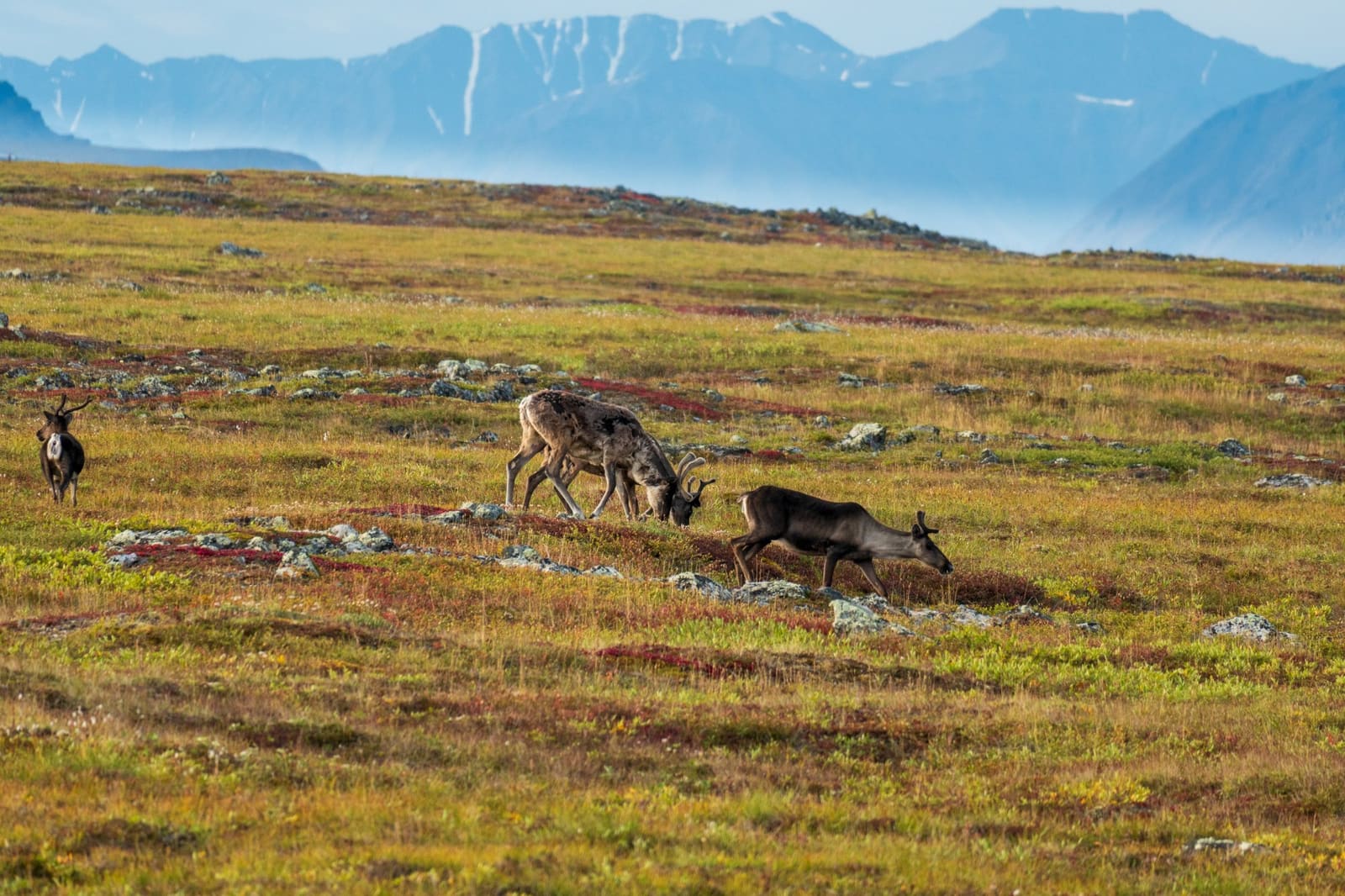
There are many caribou that roam the adjacent areas of the Dalton Highway. While driving on this legendary gravel road, you must keep your eyes peeled. These magnificent animals, often referred to as the ghosts of the tundra, are a sight to behold. In this comprehensive dalton highway caribou guide, we will explore everything you need to know about spotting these majestic creatures, understanding their behavior, and making the most of your Arctic road trip.
The Allure of the Dalton Highway
Before diving into the specifics of wildlife viewing, it is important to understand the environment you will be traversing. The Dalton Highway stretches 414 miles from the Elliott Highway, just north of Fairbanks, all the way to Deadhorse and Prudhoe Bay near the Arctic Ocean. Originally built in 1974 as a supply road for the Trans-Alaska Pipeline System, it remains one of the most isolated roads in the United States.
Because of its remoteness, the Dalton Highway cuts through untouched ecosystems. There are very few human settlements, meaning the wildlife here lives much as it has for millennia. For those willing to brave the gravel, the dust, and the semi-trucks, the reward is a front-row seat to the natural habitat of the barren-ground caribou. If you are planning to tackle this route, we highly recommend reading our comprehensive Dalton Highway guide to ensure you are fully prepared for the driving conditions.
Meet the Ghosts of the Tundra: Caribou Biology and Behavior
Why are caribou known as the ghosts of the tundra? If you spend enough time scanning the horizon, you will quickly find out. Caribou have an uncanny ability to blend seamlessly into the mottled brown, green, and gray landscape of the Arctic tundra. One moment, the rolling hills appear completely empty; the next, a herd of hundreds seems to materialize out of thin air, moving silently across the permafrost.
The caribou you will encounter along the Dalton Highway primarily belong to the Central Arctic Herd. At its peak, this herd has numbered in the tens of thousands, and there are hundreds of thousands of caribou that live in the broader Arctic region, including the neighboring Porcupine and Teshekpuk herds.
Caribou are uniquely adapted to survive in one of the harshest climates on the planet. Consider these fascinating biological traits:
- Specialized Hooves: In the summer, their footpads become sponge-like to provide traction on the soft, wet tundra. In the winter, the pads shrink and tighten, exposing the rim of the hoof, which cuts into the ice and crusted snow to help them dig for lichen.
- Incredible Insulation: Their coats are made of hollow hairs that trap air, providing excellent insulation against sub-zero temperatures and helping them stay buoyant when swimming across frigid Arctic rivers.
- Antlers for All: Unlike most members of the deer family, both male and female caribou grow antlers. Females retain their antlers throughout the winter, which helps them defend feeding craters in the snow from larger males who drop their antlers after the fall rut.
The Magic of Atigun Pass: Your Gateway to the Herds
If there is one crucial piece of advice in this dalton highway caribou guide, it is this: patience pays off, especially once you reach Mile 244. This is the location of Atigun Pass, the highest highway pass in Alaska, sitting at an elevation of 4,739 feet.
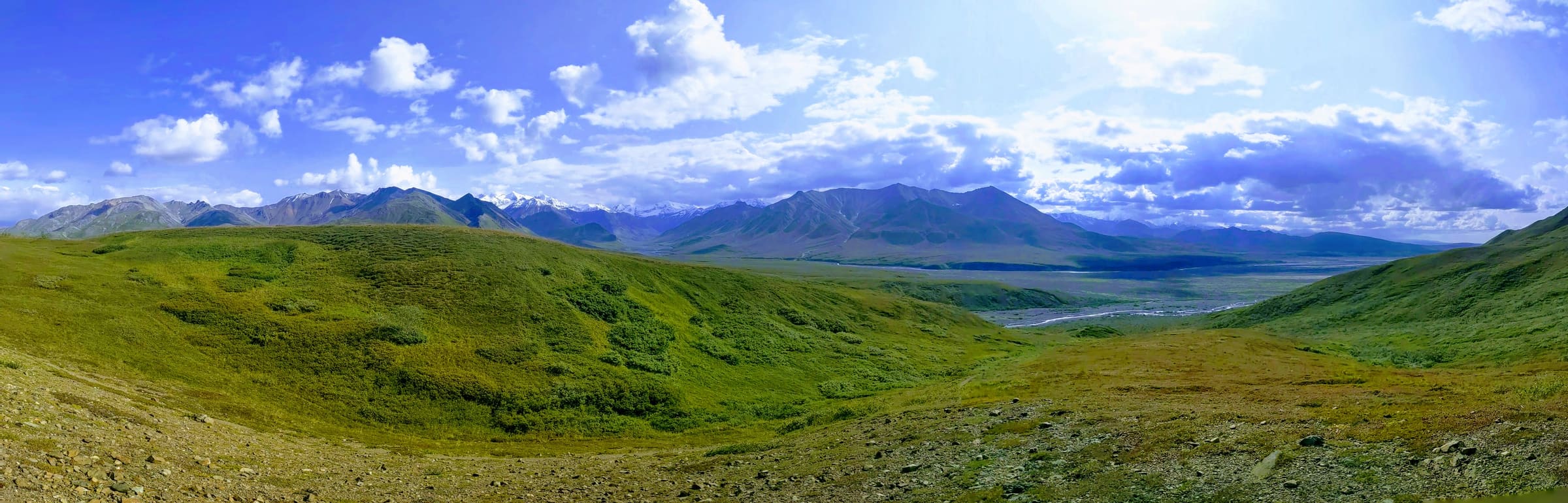
South of Atigun Pass, the highway winds through the boreal forests of the interior. While you might spot the occasional moose or black bear, caribou sightings in the dense trees are relatively rare. However, once you cross the Atigun Pass, the landscape undergoes a dramatic transformation. You leave the trees behind entirely, entering the vast, open expanse of the North Slope and the Arctic Coastal Plain.
Once you cross the Atigun Pass, the chances of seeing caribou increase dramatically. The treeless tundra offers unobstructed views for miles in every direction. This open terrain is the preferred summer grazing ground for the Central Arctic Herd. The cool breezes off the Arctic Ocean help provide the caribou with much-needed relief from the relentless swarms of summer mosquitoes, which can dictate the herd's movements on a daily basis.
Mile-by-Mile Dalton Highway Caribou Guide
To maximize your chances of spotting the ghosts of the tundra, it helps to know the hotspots. While wildlife is unpredictable, certain areas along the route are known for frequent sightings.
Mile 244 to Mile 275: The Brooks Range Descent
As you descend from Atigun Pass into the valley of the Dietrich River and eventually toward Galbraith Lake (Mile 275), keep a close watch on the hillsides. Caribou often traverse these slopes. Galbraith Lake is a beautiful area where caribou frequently graze in the lush, marshy vegetation.
Mile 300 to Mile 355: The Rolling Tundra
This stretch of the highway, passing through areas like Happy Valley, is prime caribou territory. The rolling hills provide excellent vantage points. Pull over safely onto the shoulder, use your binoculars, and scan the horizon. Look for strange, moving silhouettes that break the smooth lines of the hills.
Mile 355 to Mile 414 (Deadhorse): The Coastal Plain
As you approach the end of the highway at Deadhorse, the terrain flattens out completely into the Arctic Coastal Plain. During the height of summer, it is not uncommon to see caribou standing right on the gravel road or seeking shade under the elevated sections of the Trans-Alaska Pipeline. The pipeline was specifically designed with elevated sections to allow caribou to migrate underneath it without disruption.
Seasonal Movements: When to Plan Your Trip
Timing is everything when it comes to wildlife viewing. The Central Arctic Herd is migratory, meaning their location changes depending on the season.
Spring (April to May): The caribou begin their long migration from their wintering grounds south of the Brooks Range toward their calving grounds on the North Slope. The Dalton Highway intersects these migration routes, offering incredible viewing opportunities, though road conditions can be icy and treacherous.
Summer (June to August): This is the most popular time for a Dalton Highway road trip. The caribou are spread out across the North Slope. On hot, windless days, the mosquitoes are fierce, driving the caribou to seek relief on remaining snow patches, gravel river bars, or even the highway itself. On cooler, windy days, they spread out to feed on sedges, grasses, and willow leaves.
Fall (September to October): The tundra turns brilliant shades of red, orange, and gold. This is the rutting (mating) season. The large bulls boast massive, fully developed antlers. Soon after, the herd begins its migration back south across the Brooks Range.
Essential Gear for Spotting and Photography
You cannot rely solely on your naked eye to spot caribou across the vast Arctic landscape. To make the most of your trip, you need the right gear. A high-quality pair of binoculars is absolute mandatory. We recommend an 8x42 or 10x42 magnification for the best balance of zoom and stability.
For photographers, capturing the ghosts of the tundra requires a good telephoto lens. A 400mm to 600mm lens is ideal for getting tight shots of caribou without disturbing them. Remember, the tundra is often hazy due to heat shimmer in the summer, so early morning or late evening light will yield the sharpest, most dramatic photographs.
Additionally, the weather in the Arctic can change rapidly. Even in July, it can snow on Atigun Pass. Dressing in layers is crucial. For a complete rundown of what to bring, check out our Alaska road trip packing list to ensure you are prepared for any conditions.
Road Trip Preparation and Safety
Driving the Dalton Highway is not your average Sunday drive. It requires serious preparation. The road is primarily gravel, heavily trafficked by massive industrial trucks, and features zero cell phone service for hundreds of miles. You must carry at least two full-size spare tires, a CB radio (Channel 19 is used by truckers), extra fuel, and emergency survival gear.
Because of the rugged conditions, many travelers wonder about the best vehicle for the job. While standard cars can make the trip in perfect weather, a high-clearance vehicle is strongly recommended. Read our guide on driving a 4WD in Alaska to understand why having the right vehicle can make or break your Dalton Highway experience.
When you do spot caribou, safety and etiquette are paramount. Never stop your vehicle in the middle of the road; always pull over safely to the shoulder so trucks can pass. Do not approach the caribou on foot. Chasing or harassing wildlife is not only illegal but also incredibly stressful for the animals, who need to conserve their energy to survive the harsh Arctic environment. Brush up on your knowledge by reviewing our guidelines on wildlife safety in Alaska before you set out.
Frequently Asked Questions
Are caribou and reindeer the same animal?
Biologically, yes. Caribou and reindeer belong to the same species (Rangifer tarandus). However, in North America, the term "caribou" is used for the wild populations, while "reindeer" refers to the domesticated herds that are often herded by Indigenous peoples. The animals you see along the Dalton Highway are wild caribou.
How many caribou live near the Dalton Highway?
The Dalton Highway cuts through the range of the Central Arctic Herd. While populations fluctuate naturally over the decades due to weather, predation, and food availability, the herd typically numbers in the tens of thousands. In the broader Arctic region, there are hundreds of thousands of caribou.
Do I need a guide to see caribou on the Dalton Highway?
No, you do not need a professional guide to see caribou. With a reliable vehicle, proper preparation, and the tips outlined in this dalton highway caribou guide, independent travelers have an excellent chance of spotting caribou, especially north of Atigun Pass.
What time of day is best for spotting caribou?
During the Arctic summer, the sun never sets, giving you 24 hours of daylight. However, caribou are often most active during the cooler "morning" and "evening" hours. Midday heat can drive them to seek shade or stand on snow patches to avoid insects.
Start Planning Your Arctic Adventure Today
Spotting the ghosts of the tundra in their natural, untamed habitat is an experience that will stay with you for a lifetime. The Dalton Highway offers a rare window into a world that few people ever get to see. By preparing your vehicle, packing the right gear, and knowing where to look—especially once you cross the majestic Atigun Pass—you are setting yourself up for an unforgettable wildlife safari.
Ready to turn your Arctic dreams into reality? Let us help you map out the perfect journey. Head over to our trip planning hub to plan your Alaska travel itinerary today, and get ready to experience the wild beauty of the Last Frontier!
See a real Alaska itinerary before you spend a dollar
A real 3-day plan with driving times, lodging picks, and a daylight chart — free, in your inbox.
One email. No spam. Unsubscribe anytime. Or view it right now — no email needed ↗
Ready for the full plan? Get your custom itinerary — from $197 · 5-day delivery →