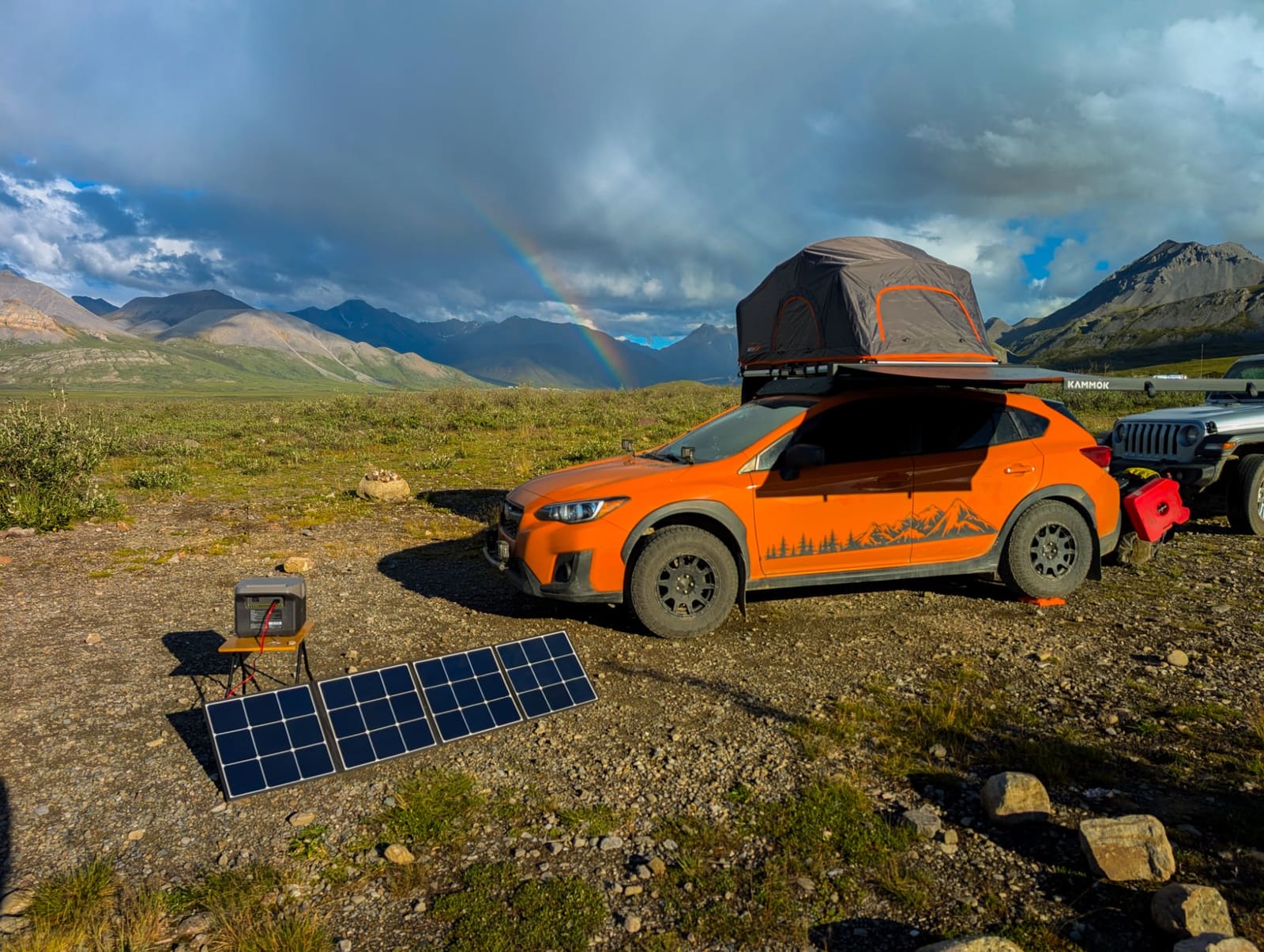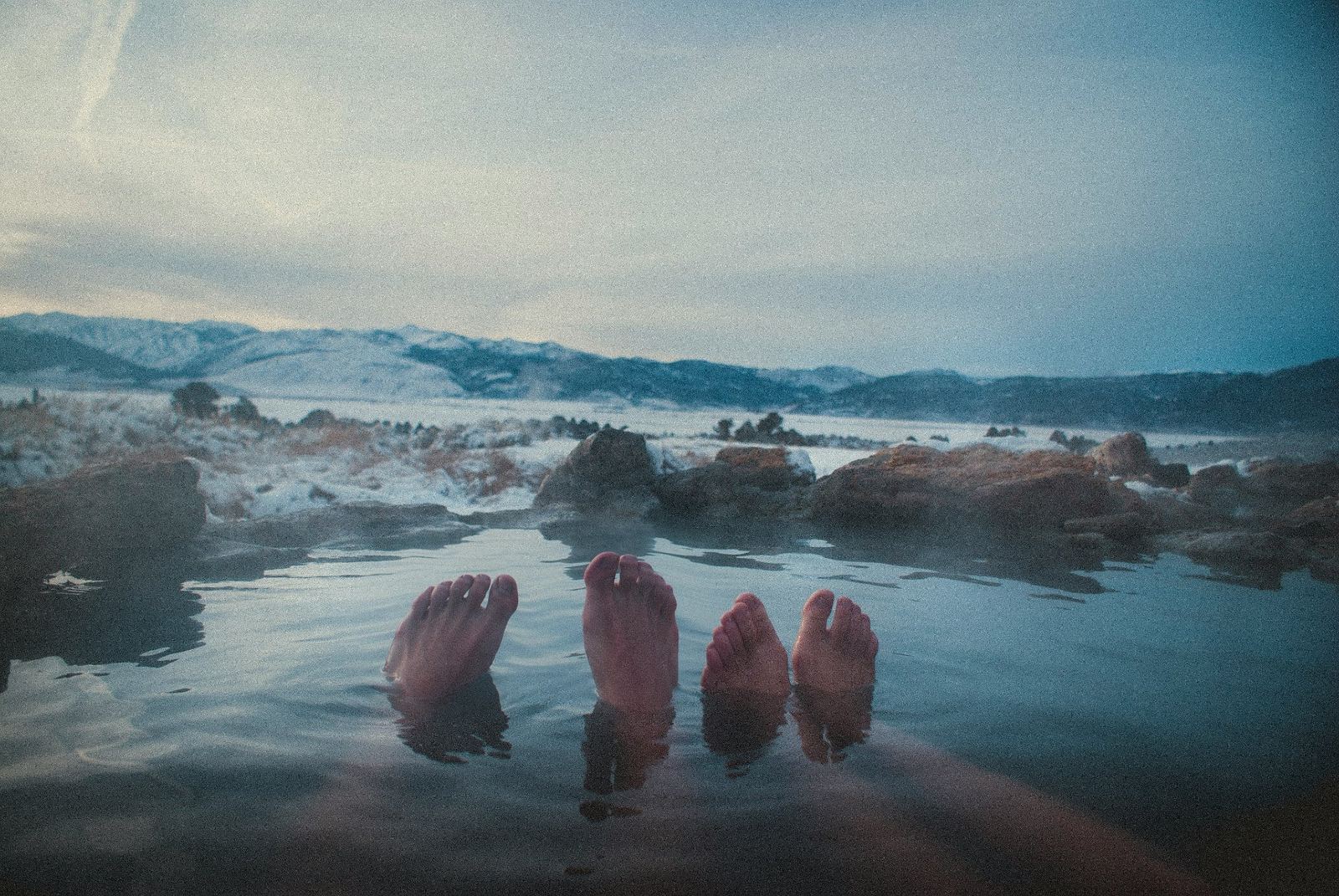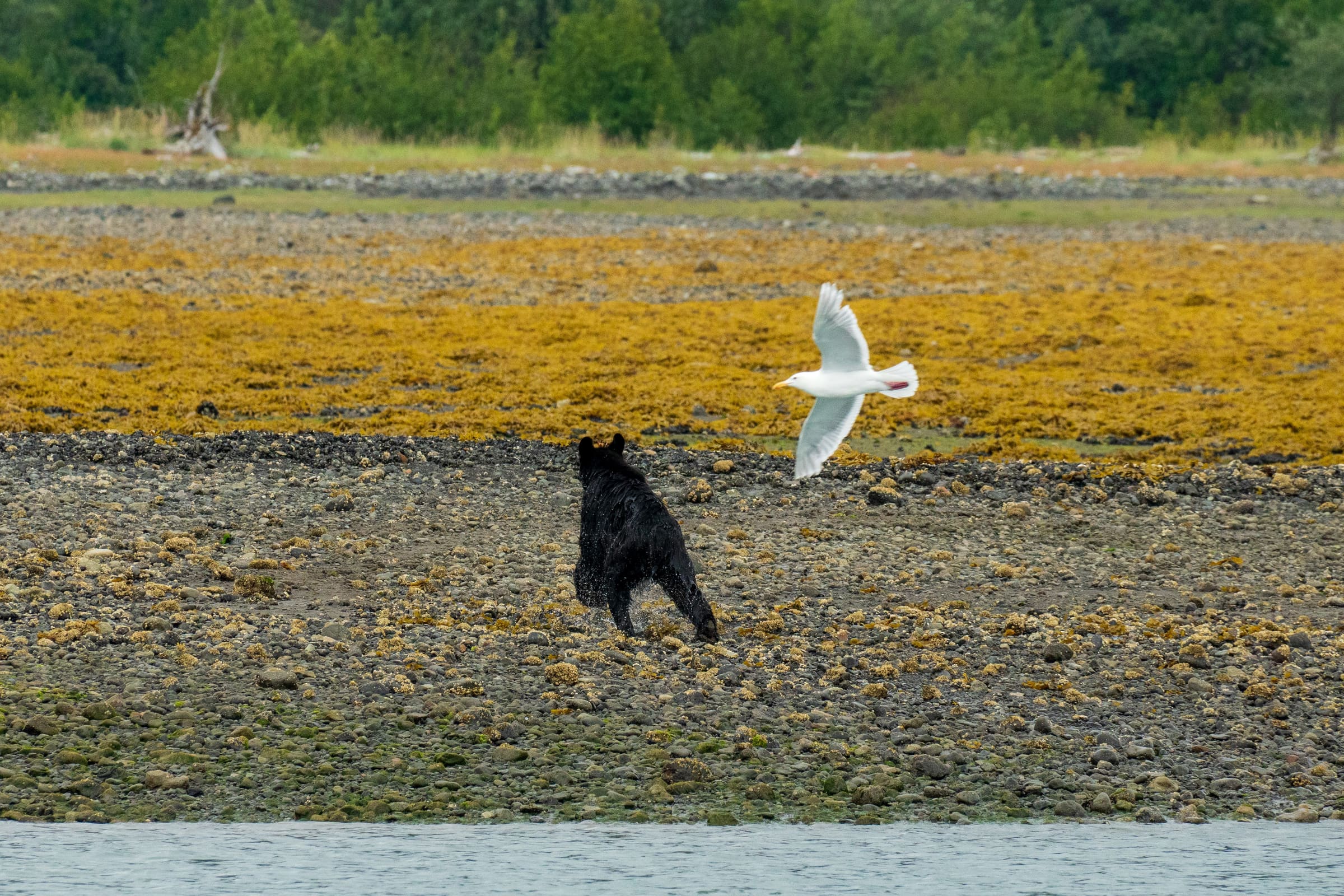
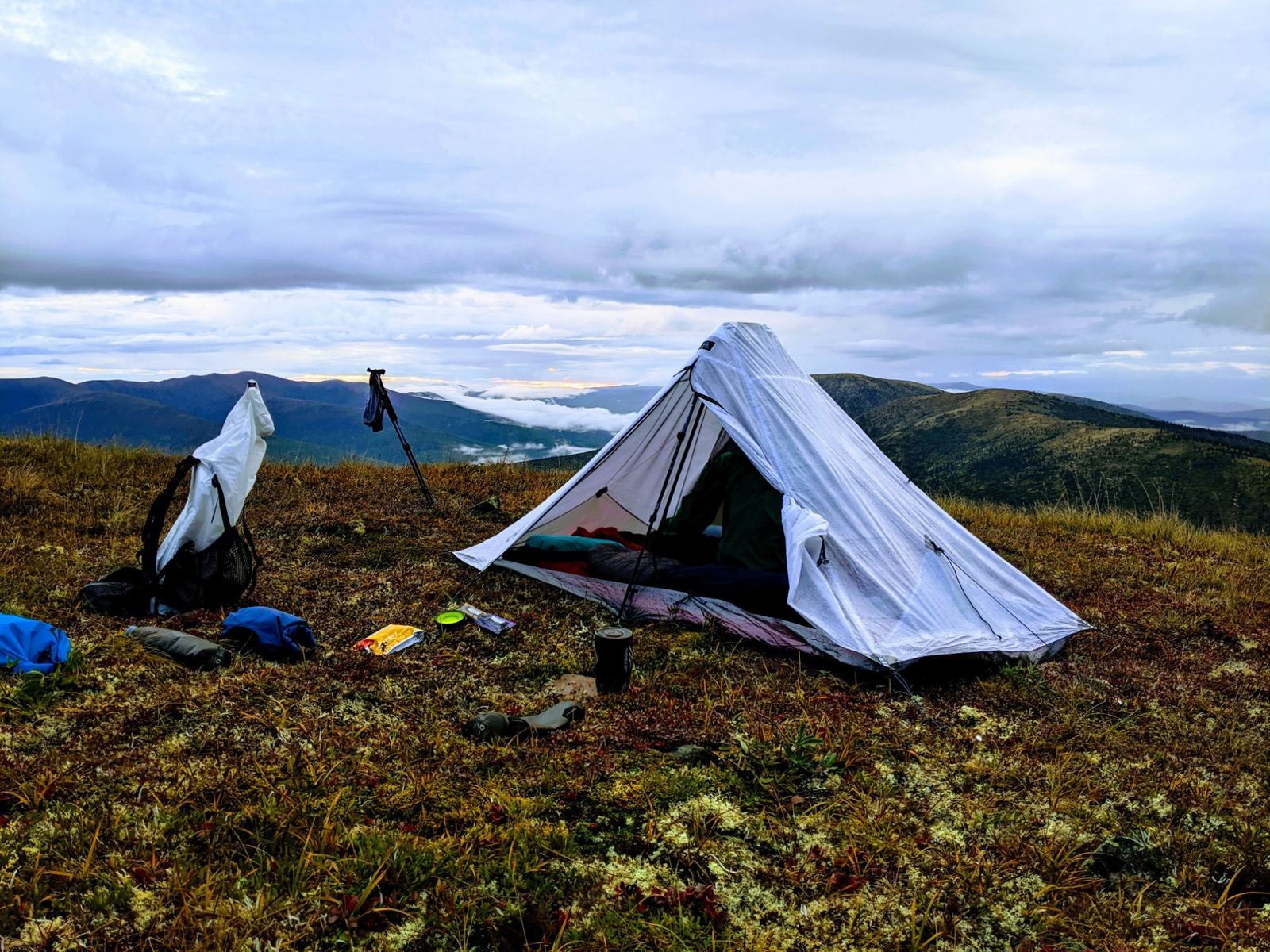
Alaska is famous for its vast, untouched wilderness, but many travelers are surprised to find that the most popular roadside campgrounds can feel just as crowded as those in the Lower 48. If your dream of the Last Frontier involves falling asleep to the sound of wind rustling through alpine tundra rather than the hum of a neighbor’s RV generator, you need to seek out the best remote campsites in alaska. These secluded spots offer unparalleled peace, dramatic landscapes, and a genuine chance to disconnect from the modern world.
However, camping in Alaska’s remote corners is not a casual undertaking. It requires meticulous preparation, rugged gear, and an understanding of the unique challenges presented by the northern wild. Whether you are driving a high-clearance 4WD vehicle, pitching a tent under the midnight sun, or planning an extensive road trip, finding the right campsite is key to an unforgettable adventure. When mapping out your route, utilizing a comprehensive Alaska road trip planner is essential to ensure you do not run out of fuel or supplies in areas with zero cell service.
Preparing for the Alaskan Backcountry
Before we dive into our top ten secluded spots, we must address the realities of remote camping in Alaska. Unlike developed campgrounds with camp hosts, potable water spigots, and firewood for sale, remote sites require complete self-sufficiency. You must carry all your water or bring a reliable filtration system, pack out every piece of trash, and be prepared for rapidly changing weather conditions, even during the peak summer months of 2026.
In the remote wilderness, you are sharing the habitat with grizzly bears, black bears, and moose. Understanding wildlife safety in Alaska is non-negotiable. You must carry bear spray, know how to use it, and store all food, toiletries, and scented items in certified bear-resistant containers. According to the Alaska Department of Fish and Game, keeping bears away from human food is perhaps the most important thing we can do to prevent conflicts.
Additionally, your choice of vehicle will dictate which campsites you can safely access. There are distinct pros and cons when comparing an RV vs. car in Alaska, especially when navigating rough, unpaved gravel roads like the Denali or Dalton Highways. Many remote sites are completely inaccessible to large motorhomes, making a rugged 4x4 or a compact car-and-tent setup the superior choice for off-grid exploration.
The 10 Best Remote Campsites in Alaska
From the wind-swept tundra of the Arctic Circle to the dramatic gravel bars of wild glacial rivers, here are the ten best remote campsites in alaska for travelers seeking true solitude.
1. Galbraith Lake Campground (Dalton Highway)
Located on the North Slope of the Brooks Range, Galbraith Lake is the epitome of arctic solitude. This primitive campground is managed by the Bureau of Land Management (BLM) and sits just off the Dalton Highway, roughly 140 miles north of Coldfoot. If you are brave enough to tackle this rugged haul road, our Dalton Highway guide provides crucial survival and driving tips.
Galbraith Lake offers panoramic views of the spectacular Brooks Range and the vast, treeless tundra. The campsite itself is highly primitive, featuring vault toilets but no potable water, trash pickup, or designated pads. Campers must be prepared for intense winds, sudden temperature drops, and curious wildlife. The reward is an unmatched sense of isolation under the 24-hour daylight of the arctic summer.
2. Kotsina River Dispersed Sites (Wrangell-St. Elias National Park)
Wrangell-St. Elias is the largest national park in the United States, yet it receives a fraction of the visitors that flock to Denali, according to National Park Service data. To experience its raw grandeur, drive the unpaved McCarthy Road to the Kotsina River crossing. Here, you will find rugged, dispersed camping opportunities on the gravel bars of the river.
According to the National Park Service, backcountry permits are not required to hike or camp in the backcountry, though practicing Leave No Trace principles is highly encouraged. The Kotsina River area offers dramatic views of towering peaks and massive glaciers. Accessing these gravel bars requires a high-clearance 4WD vehicle, as the McCarthy Road is notorious for sharp railway spikes left over from the historic copper mining era.
3. Tangle Lakes Campground (Denali Highway)
The Denali Highway is a 135-mile stretch of mostly unpaved road that connects Paxson and Cantwell. It offers some of the most spectacular scenery in the state, and Tangle Lakes Campground (located at Mile 21.5) is a standout destination. Managed by the BLM, this site serves as the trailhead for the Delta River Canoe Trail.
Tangle Lakes is situated in a high-alpine tundra basin surrounded by low, rolling hills. While there are some developed sites with fire rings and vault toilets, the real magic lies in paddling across the lakes to find secluded, dispersed campsites along the water’s edge. The area is also rich in archaeological history, so campers must respect the land and leave any historical artifacts undisturbed.
4. Deadman Lake Campground (Tetlin National Wildlife Refuge)
For those driving into Alaska via the Alaska Highway, Deadman Lake Campground offers a peaceful, forested escape near the Canadian border. Located at Mile 1249.3 of the Alaska Highway, this free, primitive campground is managed by the U.S. Fish and Wildlife Service.
Deadman Lake is surrounded by dense boreal forest, offering a cozy, sheltered contrast to the exposed tundra sites further north. The campground features a short nature trail, a wildlife viewing platform, and free-to-use canoes (subject to availability). It is an exceptional spot for birdwatching and fishing, though campers should prepare for heavy mosquito activity during June and July.
5. Brushkana Creek Campground (Denali Highway)
Another gem along the Denali Highway, Brushkana Creek Campground (Mile 104) offers a rustic, forested camping experience along the banks of a rushing creek. Unlike the wide-open tundra of Tangle Lakes, Brushkana is nestled within dwarf birch and black spruce trees, providing excellent wind protection.
The campground has 22 first-come, first-served sites equipped with fire pits and picnic tables. It is highly favored by anglers looking to catch Arctic grayling in the clear waters of Brushkana Creek. Because it is located far from the busy park entrances, you will enjoy quiet nights filled with the soothing sound of the creek.
6. Porcupine Campground (Hope, Kenai Peninsula)
While the Kenai Peninsula is generally crowded during the summer, the historic gold-mining town of Hope offers a quieter alternative. At the very end of the Hope Highway lies Porcupine Campground, managed by the U.S. Forest Service within the Chugach National Forest.
Porcupine Campground is perched on a wooded bluff overlooking the dramatic waters of Turnagain Arm. Campers can watch the famous Turnagain Arm bore tide roll in or hike the adjacent Gull Rock Trail for sweeping coastal views. While it has basic amenities like vault toilets and hand-pumped water, its geographic isolation keeps the massive RV crowds at bay.
7. Marion Creek Campground (Dalton Highway)
Located at Mile 180 of the Dalton Highway, just north of the historic community of Wiseman, Marion Creek is the northernmost developed campground in the United States. It features 27 sites, including several pull-throughs, making it accessible to smaller camper vans and rugged truck campers.
Marion Creek serves as an excellent base camp for exploring the Brooks Range and the nearby Gates of the Arctic National Park. A scenic, one-mile hike from the campground leads to Marion Creek Falls, a beautiful hidden waterfall. Despite having a camp host and potable water during the peak summer season, its extreme northern latitude ensures a highly remote, wilderness atmosphere.
8. Wickersham Dome Trailhead (White Mountains National Recreation Area)
Located at Mile 28 of the Elliott Highway, north of Fairbanks, the Wickersham Dome Trailhead offers access to the massive White Mountains National Recreation Area. While primarily a trailhead for hikers and mountain bikers, primitive dispersed camping is permitted in the surrounding BLM lands.
Camping near Wickersham Dome allows you to pitch your tent on high-alpine ridges with panoramic views of the White Mountains and, on clear nights, the distant Alaska Range. The transition from boreal forest to alpine tundra means you will be exposed to the elements, so a sturdy, wind-resistant tent is a must. The reward is absolute quiet and direct access to miles of wild backcountry trails.
9. Paxson Lake Campground (Richardson Highway)
Situated at Mile 175 of the Richardson Highway, Paxson Lake Campground is a scenic BLM-managed site that serves as the starting point for the Gulkana National Wild and Scenic River float trip. The campground offers developed sites with boat launches, but the best remote experience is found by taking a canoe or kayak out onto the lake.
By paddling away from the boat launch, you can access secluded gravel beaches and forested shorelines where you can set up a private wilderness camp. Paxson Lake is famous for its lake trout and sockeye salmon runs, making it a paradise for self-sufficient anglers seeking peace and quiet away from the highway corridor.
10. Chilikadrotna River Gravel Bars (Lake Clark National Park & Preserve)
For the ultimate off-grid camping experience, you must leave the road system entirely. The Chilikadrotna River, located within Lake Clark National Park & Preserve, is typically accessed via floatplane to Twin Lakes, according to Alaska.org. This is a true wilderness expedition for experienced backcountry travelers.
Campers float down the wild and scenic river, pitching their tents on pristine gravel bars surrounded by rugged mountains, boreal forests, and abundant wildlife. There are absolutely no facilities, cell service, or trail systems. You must carry a satellite communication device, bear-resistant food canisters, and be fully prepared for self-rescue. It is a challenging, expensive endeavor, but it offers the most profound solitude imaginable in North America.
How to Choose Your Remote Campsite
When deciding which of the best remote campsites in alaska to include in your 2026 itinerary, consider the following decision criteria:
- Accessibility: Are you driving a standard rental car, a rugged 4WD SUV, or a camper van? Roads like the Dalton and Denali Highways require durable tires and a vehicle permit that allows driving on unpaved surfaces.
- Experience Level: If you are new to remote camping, start with semi-developed BLM sites like Brushkana Creek or Paxson Lake, which offer basic vault toilets and defined clearings. Experienced backpackers can opt for dispersed camping in Wrangell-St. Elias or fly-in trips to Lake Clark.
- Water and Supplies: often calculate your water needs. Many remote sites have no potable water, meaning you must filter water from glacial streams or carry several gallons per person per day. based on the National Park Service water treatment guidelines, treating wild water sources is essential to prevent waterborne illnesses in the backcountry.
- Seasonality: Early summer (June) offers 24-hour daylight but high mosquito populations. Late summer (August to September) brings beautiful fall colors and fewer bugs, but colder nights and unpredictable autumn storms.
Frequently Asked Questions
What makes a campsite "remote" in Alaska?
In Alaska, a remote campsite is typically defined by its lack of modern amenities (such as electricity, pressurized water, and cell service) and its distance from major urban centers. Many of these sites are located along unpaved highways, within national wildlife refuges, or require hiking, paddling, or flying to access.
Do I need a permit for dispersed camping on public lands in Alaska?
Generally, you do not need a permit for short-term dispersed camping (usually up to 14 days) on BLM land, state land, or within national forests in Alaska, as outlined by the Bureau of Land Management. However, national parks may require free backcountry permits, and state recreation areas may have specific designated zones. Always check with the managing agency—such as the Bureau of Land Management or the National Park Service—before setting up camp to verify current land-use rules and seasonal restrictions.
How do I handle bear safety while camping remotely?
Bear safety is paramount. According to the National Park Service bear safety guidelines, you must never store food, garbage, or other scented items in your tent. Use certified bear-resistant food containers (IGBC approved) and store them at least 100 yards downwind from your sleeping area. Cook and wash dishes in a separate designated area, also 100 yards away from your tent. Always carry EPA-registered bear spray in an easily accessible location on your body, not inside your backpack, as recommended by the Alaska Department of Fish and Game bear safety advice.
Can I take a standard rental car to these remote campsites?
Most standard rental car agreements strictly prohibit driving on unpaved highways like the Dalton, Denali, or McCarthy Roads. If you plan to visit remote campsites along these routes, you must rent a vehicle from a specialty agency that permits gravel road driving, or opt for walk-in/fly-in options where you do not rely on a rental car for backcountry access.
Plan Your Ultimate Alaskan Wilderness Escape
Stepping away from the crowded tourist hubs and into the quiet majesty of Alaska’s remote wilderness is a life-changing experience. By choosing the right gear, respecting the local wildlife, and planning your route with care, you can safely enjoy the profound peace of the Last Frontier. At Alaska Road Trip, we specialize in crafting custom, self-drive itineraries that take you beyond the ordinary and deep into the heart of the wild. Explore our curated itineraries and start planning your 2026 wilderness escape today!
See a real Alaska itinerary before you spend a dollar
A real 3-day plan with driving times, lodging picks, and a daylight chart — free, in your inbox.
One email. No spam. Unsubscribe anytime. Or view it right now — no email needed ↗
Ready for the full plan? Get your custom itinerary — from $197 · 5-day delivery →