Imagine your rig cruising past towering glaciers, a majestic moose grazing in the foreground, and the vast Alaskan wilderness stretching to the horizon – all captured in hyper-realistic 4K from above. This dream footage is entirely possible, but strict airspace regulations and Alaska's famously unpredictable weather can ground your drone before you even hit record. Navigating the complex world of Alaska drone rules is crucial for any aspiring aerial videographer embarking on a road trip through the Last Frontier.
Alaska offers unparalleled scenic beauty, making it a prime destination for drone enthusiasts. However, its unique geography, abundant wildlife, and extensive protected lands mean that drone operation comes with significant responsibilities and restrictions. This comprehensive guide will equip you with the knowledge to fly legally, safely, and effectively, ensuring you capture those epic shots without running afoul of the law or disturbing the pristine environment. From understanding federal FAA guidelines to pinpointing specific no-fly zones and mastering in-cab vlogging techniques, we'll cover everything you need to know for your ultimate Alaskan adventure in 2026.
Understanding Federal Aviation Administration (FAA) Regulations for Drones in Alaska
Before you even consider launching your drone in Alaska, you must be familiar with the overarching federal regulations set by the FAA. These rules apply nationwide and form the foundation of all drone operations, regardless of where you are in the U.S.
Recreational vs. Commercial Operations
- Recreational Flyers: If you're flying purely for personal enjoyment and not for any business purpose, you're considered a recreational flyer. You must pass The Recreational UAS Safety Test (TRUST) and carry proof of passage. You also need to register your drone with the FAA if it weighs more than 0.55 pounds (250 grams).
- Part 107 (Commercial) Operators: If you're flying for any business purpose – even if it's just to monetize your YouTube travel vlog – you must obtain a Remote Pilot Certificate under Part 107. This involves passing an aeronautical knowledge test at an FAA-approved testing center. Part 107 operators have more privileges but also more responsibilities.
For most road trippers looking to capture personal travel memories, recreational flyer status is sufficient. However, if your vlogging has commercial aspirations, ensure you comply with Part 107. You can find detailed information on FAA requirements for recreational flyers on the official FAA website.
Basic Operating Rules (Applicable to Both)
Regardless of your certification, several fundamental rules apply:
- Maintain Visual Line of Sight (VLOS): Your drone must remain within your unaided visual line of sight at all times.
- Maximum Altitude: Do not fly higher than 400 feet above ground level (AGL).
- Yield to Manned Aircraft: Drones must always give way to traditional aircraft, as mandated by official FAA regulations.
- No Flying Over People: Avoid flying over unprotected people or moving vehicles.
- No Night Flying (Recreational): Recreational flyers generally cannot fly at night unless specific conditions are met (e.g., anti-collision lighting, specific waivers for Part 107).
- No Flying Under the Influence: Operating a drone while impaired is strictly prohibited.
Controlled Airspace and LAANC
Many areas, especially near airports, are designated as controlled airspace. Flying in these zones requires authorization. The FAA's Low Altitude Authorization and Notification Capability (LAANC) system allows recreational and Part 107 pilots to request near real-time authorization to fly in controlled airspace below 400 feet. often check the B4UFLY app or other FAA-approved sources before flying to determine airspace classifications.
Alaska-Specific Drone Rules: Navigating State and Local Restrictions
While federal rules are universal, Alaska layers on its own set of restrictions, particularly concerning its vast protected lands and sensitive wildlife. Understanding these specific Alaska drone rules is paramount.
National Parks and Preserves: Absolute No-Fly Zones
This is perhaps the most critical rule for drone pilots in Alaska: flying drones within the boundaries of any U.S. National Park or Preserve is strictly prohibited. This includes iconic destinations like:
- Denali National Park and Preserve
- Kenai Fjords National Park
- Wrangell-St. Elias National Park and Preserve
- Glacier Bay National Park and Preserve
- Katmai National Park and Preserve
- Lake Clark National Park and Preserve
- Gates of the Arctic National Park and Preserve
- Kobuk Valley National Park and Preserve
The National Park Service (NPS) prohibits drones to protect wildlife from disturbance, preserve natural quiet, and ensure visitor safety. Violations can result in significant fines, confiscation of equipment, and even jail time. Do not attempt to fly your drone in these areas. For more details, consult the NPS drone policy.
Even if you're driving the scenic Denali Park Road, your drone must remain packed away once you enter the park boundaries.
National Wildlife Refuges: Generally Prohibited
Similar to National Parks, most National Wildlife Refuges in Alaska prohibit drone operations. These refuges are critical habitats for migratory birds and other wildlife, and drones can cause significant stress and disturbance. often assume drone flight is prohibited unless you have explicit written permission from the refuge manager, which is rarely granted for recreational purposes. For more information, consult the U.S. Fish & Wildlife Service drone policy.
Alaska State Parks and Lands: Varies, Check Locally
Alaska State Parks have a more nuanced approach. While some general restrictions apply, specific parks may have their own rules. The Alaska Department of Natural Resources (DNR) generally allows drone use in State Parks and recreational sites, provided you follow all FAA regulations and do not disturb wildlife or other visitors. However, certain areas, especially those with high visitor density or sensitive resources, may have specific prohibitions. often check the individual park's regulations before flying. The Alaska State Parks website provides guidance, but local signage and ranger advice are key.
Native Corporation Lands and Private Property: Permission Required
A significant portion of Alaska is owned by Native Corporations or private individuals. Flying over or launching from these lands without explicit permission is trespassing. Always identify land ownership using resources like the BLM's interactive maps or local land offices. When in doubt, assume it's private and seek permission.
Bureau of Land Management (BLM) and National Forests: Generally Allowed with Caveats
On most BLM-managed lands and within National Forests (like the Chugach and Tongass National Forests), drone operations are generally permitted, provided you adhere to all FAA regulations and any specific local restrictions. These restrictions might include Temporary Flight Restrictions (TFRs) for wildfires, wilderness area designations (where drones are prohibited), or special use permits for certain activities. Always check for TFRs and specific area rules before flying.
Cities and Towns: Local Ordinances
Some Alaskan cities and boroughs may have their own ordinances regarding drone use, particularly concerning privacy, noise, and proximity to public gatherings. For example, Anchorage has specific rules about operating drones in city parks. often check the local municipal code for any area you plan to fly in.
Weathering the Alaskan Skies: Drone Operation Challenges
Beyond the legalities, Alaska's environment presents unique operational challenges that can quickly turn a planned flight into a grounded drone. Understanding these factors is crucial for safe and successful vlogging.
Wind: The Silent Drone Killer
Alaska is notoriously windy, especially in mountain passes, coastal areas, and open tundras. Strong gusts can easily overpower small drones, leading to loss of control, crashes, and even flyaways. Before every flight:
- often Check Wind Forecasts: Use aviation weather apps (e.g., Windy, NOAA Aviation Weather) to get real-time wind speeds and gusts.
- Observe Local Conditions: Look at trees, flags, and water surfaces. If it looks too windy for comfort, it probably is.
- Know Your Drone's Limits: Every drone has a maximum wind resistance. Do not exceed it.
- Fly Against the Wind First: If you must fly in moderate wind, launch heading into the wind. This ensures you have enough battery power to return against the wind.
Temperature: Battery Life and Performance
Alaskan temperatures, even in summer, can be cooler than many drones are designed for, especially at higher altitudes. Cold weather significantly reduces battery performance and lifespan. To mitigate this:
- Keep Batteries Warm: Store batteries in an insulated bag or inside your jacket until just before flight.
- Pre-Warm Batteries: Some drones have a battery pre-heating function. If not, let the drone hover briefly after takeoff to warm up the battery before performing strenuous maneuvers.
- Monitor Battery Levels Closely: Cold batteries drain faster. Plan shorter flights and return with more reserve power than usual.
Precipitation: Rain, Snow, and Fog
Most consumer drones are not waterproof. Flying in rain or snow can damage electronics and motors. Fog can also be dangerous, obscuring your visual line of sight and making it difficult to navigate. often check precipitation forecasts and avoid flying in any form of wet weather.
Daylight and the Midnight Sun
During summer, Alaska experiences the phenomenon of the Midnight Sun, with incredibly long daylight hours. While this offers extended opportunities for golden hour shots, it also means you might be flying at times when your body expects to be asleep. Conversely, winter brings very short daylight hours. Plan your flights around the available light and be mindful of your own fatigue.
Magnetic Interference
Alaska's high latitude and mineral-rich ground can sometimes lead to magnetic interference, affecting your drone's compass and GPS. often perform a compass calibration before your first flight in a new area, and be aware of potential interference if your drone behaves erratically.
Strategic Vlogging: Capturing Your Alaska Road Trip
Once you've mastered the Alaska drone rules and environmental challenges, it's time to focus on capturing truly cinematic footage. A successful road trip vlog combines stunning aerials with engaging in-cab and ground-level shots.
Planning Your Shots and Scouting Locations
Don't just launch your drone haphazardly. Plan your shots. What story do you want to tell? What specific features do you want to highlight? Use apps like Google Earth or Gaia GPS to pre-scout potential legal launch sites and scenic vistas. Consider the time of day for optimal lighting – the 'golden hour' (shortly after sunrise and before sunset) offers the most dramatic light.
Best Pull-Outs for Legal, Sweeping Scenic Drone Shots
While National Parks are off-limits, Alaska offers countless other breathtaking locations where drone flight is permitted (with adherence to FAA and local rules). Here are some general areas known for their scenic beauty and potential legal drone opportunities:
- Seward Highway: Outside of Anchorage and the Kenai Fjords National Park boundaries, many pull-outs along the Seward Highway offer incredible views of Turnagain Arm, mountains, and forests. Look for designated scenic viewpoints that are not within restricted airspace.
- Glenn Highway: As you drive towards Palmer and beyond, the Glenn Highway offers vast landscapes, glaciers (like Matanuska Glacier, though check private land rules for specific access points), and river valleys.
- Richardson Highway: Connecting Valdez to Fairbanks, this highway traverses diverse terrain, including mountain passes, forests, and open plains.
- Dalton Highway: For the truly adventurous, the Dalton Highway (Haul Road) offers remote, expansive views of the Brooks Range and Arctic tundra. Be extremely mindful of land ownership (Native Corporation lands are prevalent) and extreme weather conditions.
- State Recreation Sites: Many state-managed recreation sites and campgrounds offer excellent launch points, provided you follow all rules and respect other visitors.
Crucial Reminder: often verify current restrictions for your specific location using the B4UFLY app and local signage. Just because a spot is scenic doesn't mean it's legal for drone flight.
In-Cab Multicam Editing Setups
To complement your drone footage, capturing the road trip experience from inside your vehicle adds a personal and immersive touch. A multicam setup can provide dynamic perspectives:
- Dash Cams: A high-quality dash cam provides a continuous forward-facing view, capturing the road ahead and any unexpected wildlife encounters.
- Suction Cup Mounts: Use action cameras (GoPro, DJI Osmo Action) mounted on the windshield, side windows, or even the rear window for different angles.
- Interior Shots: A small camera on a flexible tripod or suction-cupped to the dashboard can capture driver/passenger reactions and conversations.
- Audio: Don't forget audio! Use external lavalier microphones for clear dialogue, especially if you're narrating or interviewing fellow travelers. The built-in mics on action cameras are often insufficient in a moving vehicle.
- Stabilization: For handheld shots inside or outside the vehicle, a small gimbal for your phone or action camera will dramatically improve footage quality.
When editing, intersperse drone establishing shots with in-cab driving footage, close-ups of details, and personal commentary to create a compelling narrative.
Storytelling with Drone Footage
Drone shots aren't just for showing off. Use them to tell a story:
- Establishing Shots: Begin a segment with a wide aerial shot to set the scene and show the scale of the landscape.
- Transitions: Use drone footage to transition between locations, showing the journey.
- Unique Perspectives: Capture angles impossible from the ground, like a top-down view of a winding river or a sweeping reveal of a hidden valley.
- Highlighting Scale: Drones excel at demonstrating the immense scale of Alaska's mountains, glaciers, and forests.
Respecting Wildlife: A Core Alaska Drone Rule
Alaska is home to an incredible array of wildlife. Drones, with their noise and movement, can easily disturb animals, leading to stress, altered behavior, or even abandonment of young. often maintain a significant distance from wildlife. If your drone causes any animal to react (look up, move away, change behavior), immediately increase your distance or land. Prioritize the well-being of Alaska's fauna over your shot.
Essential Gear and Pre-Trip Checklist
Being prepared is key to a successful and legal drone vlogging experience in Alaska. Here's a checklist of what to bring and what to do before you go:
Drone Gear
- Reliable Drone: Choose a model known for stability in wind and good battery life.
- Multiple Batteries: At least 3-4, as cold weather and long flights drain them quickly.
- Portable Charging Solutions: Car chargers, power banks, or a portable generator for remote areas.
- Spare Propellers: Accidents happen, especially in challenging environments.
- ND Filters: Essential for controlling exposure in bright Alaskan daylight, especially with the Midnight Sun.
- Memory Cards: Plenty of high-speed, high-capacity cards.
- Cleaning Kit: For lenses and drone body.
- Rugged Case: To protect your drone from bumps and the elements during travel.
Vlogging Gear (In-Cab)
- Dash Cam: For continuous road footage.
- Action Cameras: Several for multiple angles.
- Suction Cup Mounts: Strong, reliable ones.
- External Microphones: Lav mics, shotgun mics for clear audio.
- Small Gimbal: For stabilized handheld shots.
- Power Hub/Inverter: To charge all your devices on the go.
Pre-Trip Checklist
- FAA Registration: Ensure your drone is registered and you have proof.
- TRUST Certificate: For recreational flyers, carry proof of passing the test.
- Part 107 Certificate: If flying commercially, ensure it's current.
- B4UFLY App: Download and familiarize yourself with this essential airspace tool.
- Weather Apps: Install reliable local weather and aviation weather apps.
- Offline Maps: Download maps for areas with no cell service.
- Permits: Research and obtain any necessary permits for specific state lands or private property.
- Insurance: Consider drone insurance for accidental damage or liability.
- Practice: Get comfortable flying your drone in various conditions before your trip.
For a comprehensive list of what to bring on your journey, check out our Alaska Road Trip Packing List.
Frequently Asked Questions
Can I fly a drone in Denali National Park?
No, flying drones within the boundaries of Denali National Park and Preserve, like all U.S. National Parks, is strictly prohibited by the National Park Service. This rule is in place to protect wildlife, preserve natural quiet, and ensure visitor safety. Violations can lead to significant penalties.
Do I need a permit to fly a drone in Alaska?
For recreational flying, you generally don't need a specific permit from the state of Alaska itself, beyond FAA registration and the TRUST certificate. However, you will need explicit permission or permits to fly on Native Corporation lands, some private properties, and potentially certain state-managed lands or special events. often check local regulations for your specific flight location.
What's the biggest challenge for drone pilots in Alaska?
The biggest challenge for drone pilots in Alaska is often the unpredictable and strong winds, followed closely by cold temperatures affecting battery performance. Additionally, navigating the complex patchwork of federal, state, and private land ownership, each with its own drone rules, presents a significant legal challenge.
How do I know where I can legally fly my drone?
To determine where you can legally fly, you should:
- Check the FAA's B4UFLY app for federal airspace restrictions (controlled airspace, TFRs).
- Consult the National Park Service website for their blanket ban on drones in National Parks.
- Review the Alaska State Parks website for their specific regulations.
- Identify land ownership (e.g., BLM, National Forest, Native Corporation, private) and research specific rules or obtain permission.
- Check local municipal ordinances for cities and towns.
What kind of drone is best for an Alaska road trip?
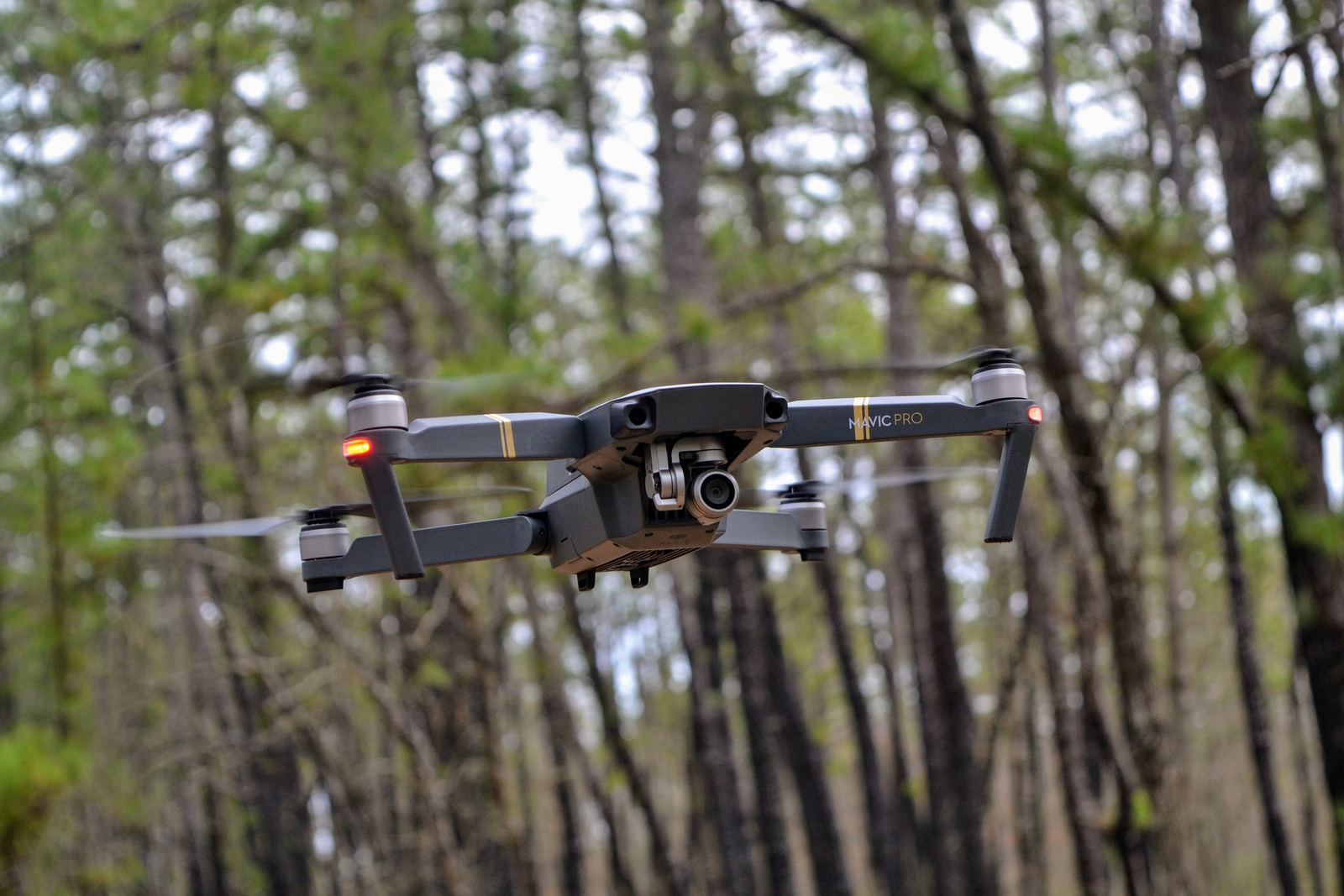
For an Alaska road trip, a drone with excellent wind resistance, reliable GPS, and good battery life is ideal. Models like the DJI Mavic series (e.g., Mavic 3, Air 3) are popular choices due to their portability, advanced features, and ability to handle moderate winds. often prioritize a drone you are comfortable and proficient with.
Plan Your Ultimate Alaskan Vlogging Adventure
Capturing the raw, untamed beauty of Alaska from the air is an unforgettable experience, but it demands respect for the land, its wildlife, and its regulations. By diligently following Alaska drone rules, understanding the environmental challenges, and planning your shots strategically, you can create a stunning visual diary of your road trip. Don't let the complexities deter you; instead, let them empower you to be a responsible and skilled aerial storyteller. Ready to embark on your journey? Alaska Road Trip offers Alaska Travel Itinerary Planning Services to help you craft the perfect itinerary and ensure every aspect of your adventure, including your drone photography, is seamlessly integrated and optimized for an epic experience.
See a real Alaska itinerary before you spend a dollar
A real 3-day plan with driving times, lodging picks, and a daylight chart — free, in your inbox.
One email. No spam. Unsubscribe anytime. Or view it right now — no email needed ↗
Ready for the full plan? Get your custom itinerary — from $197 · 5-day delivery →