Embarking on a journey through the Last Frontier requires a level of preparation far beyond your average vacation. If you are wondering exactly what to pack for alaska road trip, you are not alone. The sheer scale of the state, combined with its rapidly changing microclimates and vast stretches of remote wilderness, means your packing list needs to be strategic, versatile, and focused on safety.
Unlike a standard road trip where you can simply pull over at the next exit to buy a forgotten jacket or a spare tire, driving through Alaska often means traveling hundreds of miles between basic services. Whether you are navigating the paved curves of the Seward Highway or tackling the rugged gravel of the remote northern routes, having the right gear can make the difference between a minor inconvenience and a trip-ruining emergency. Here are the absolute essentials, from mastering the Alaskan layering system to outfitting your vehicle with crucial recovery tools.
The Golden Rule of Alaskan Clothing: The Layering System
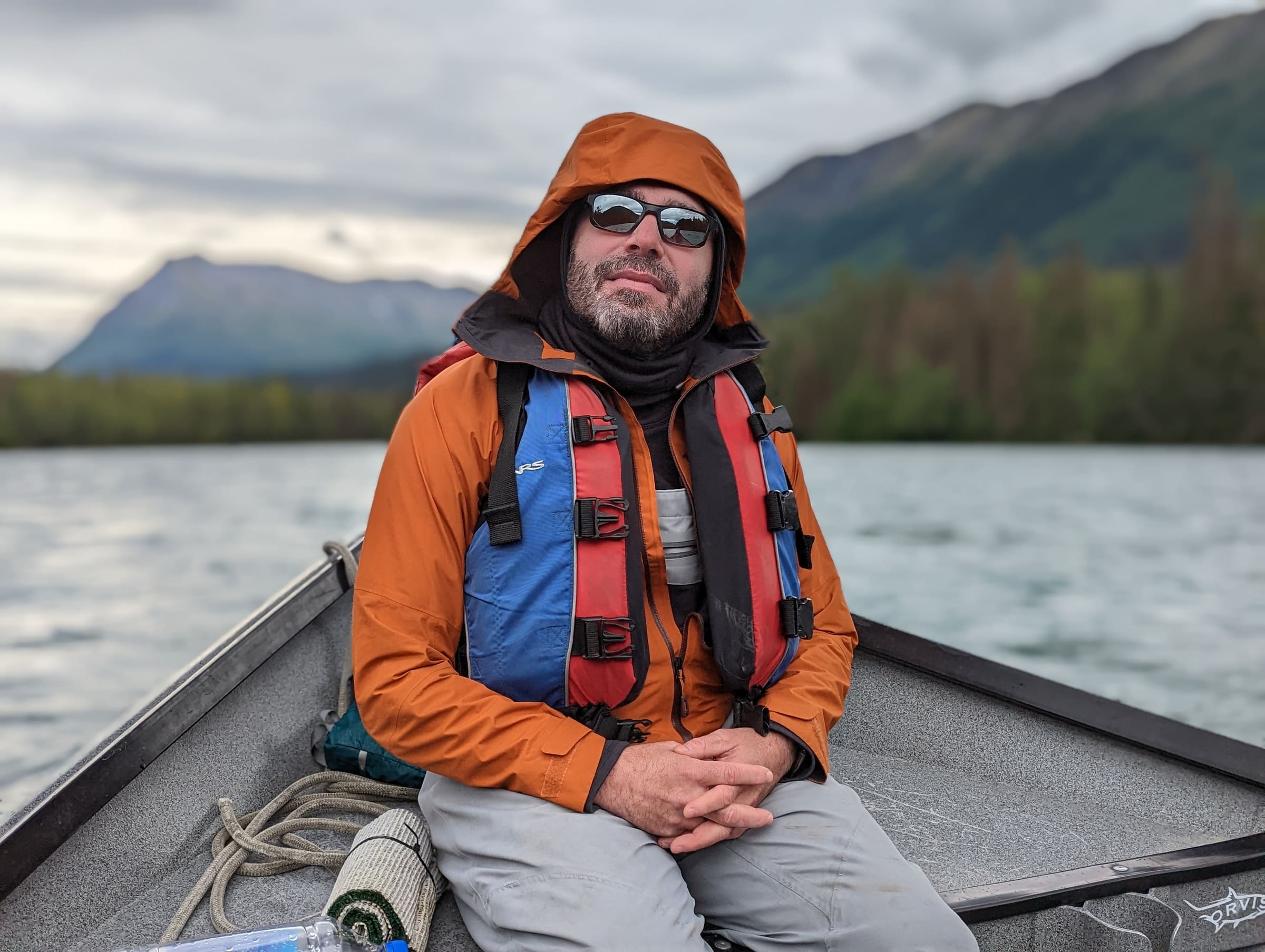
The weather in Alaska is notoriously unpredictable. You might start your morning scraping frost off your windshield, strip down to a t-shirt while hiking in the afternoon sun, and find yourself reaching for a heavy rain jacket by evening. Because of this, packing bulky, single-purpose winter coats is a mistake. Instead, you need a dynamic layering system.
1. The Base Layer (Moisture Management)
Your base layer sits directly against your skin and is responsible for wicking away sweat. In Alaska, the golden rule of the outdoors applies: cotton kills. Cotton absorbs moisture and loses all its insulating properties when wet, leaving you cold and clammy. Instead, pack base layers made of merino wool or high-quality synthetics. Merino wool is highly recommended because it naturally resists odors, meaning you can wear it multiple days in a row without offending your travel companions—a huge bonus on a long road trip.
2. The Mid Layer (Insulation)
The mid layer traps your body heat. Depending on the best time for an Alaska road trip that you choose, you will want one or two insulating options. A lightweight, packable down or synthetic puffer jacket is an absolute must. It provides incredible warmth for its weight and compresses down to almost nothing in your daypack. A mid-weight fleece pullover is also an excellent addition for active days when a puffer jacket might be too warm.
3. The Outer Layer (Weather Protection)
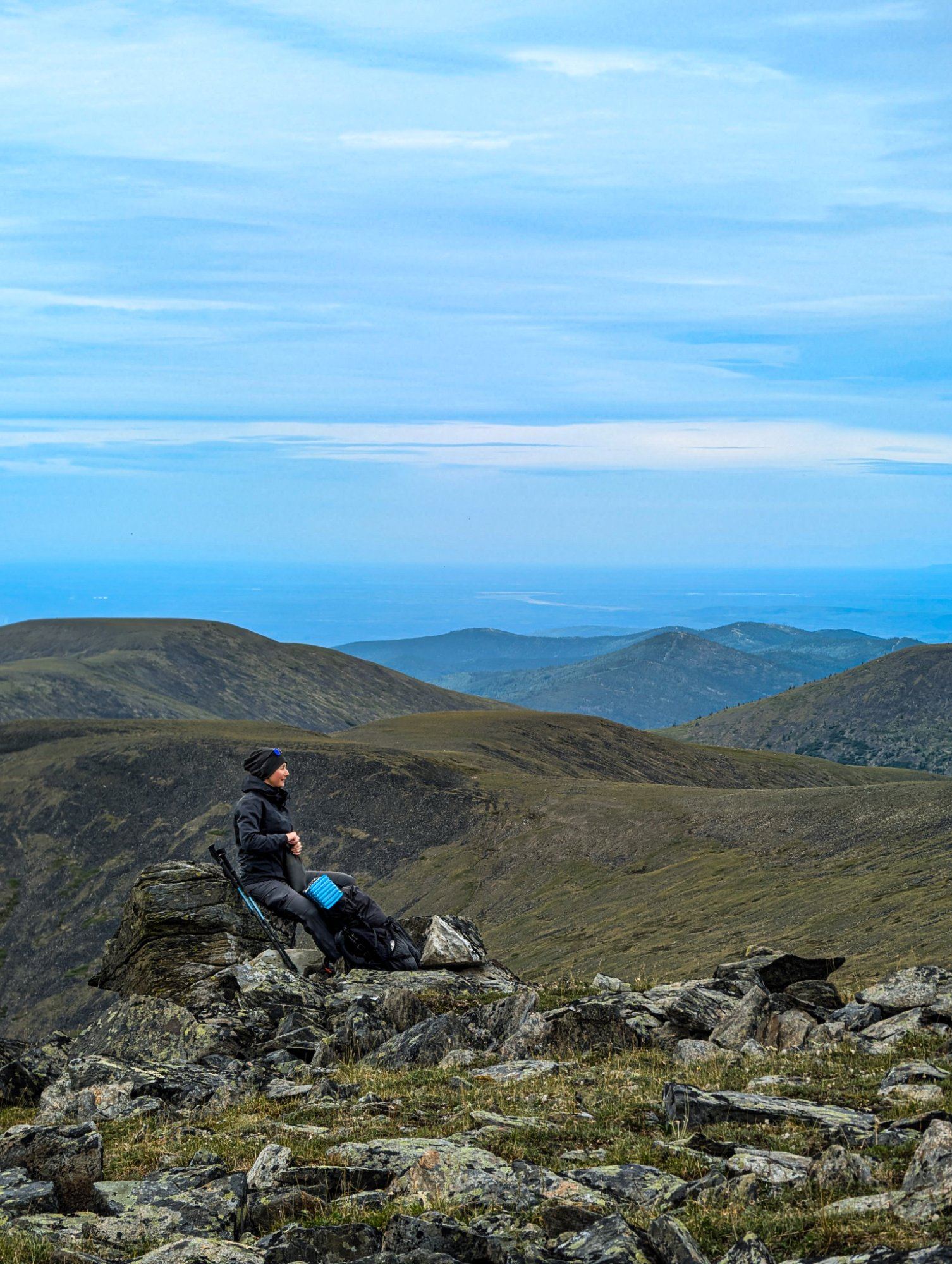
Your outer shell is your armor against the elements. You need a high-quality, breathable, and fully waterproof rain jacket (look for materials like Gore-Tex). Do not settle for a "water-resistant" windbreaker; when the coastal Alaskan rain sets in, water-resistant gear will soak through in minutes. Pair your rain jacket with a pair of waterproof rain pants. Rain pants are often overlooked, but they are essential for hiking through wet brush or staying comfortable on a rainy boat tour in Kenai Fjords National Park. According to the National Park Service weather data for Denali, summer temperatures can easily drop into the 30s (Fahrenheit) with sudden rainstorms, making a waterproof shell non-negotiable.
Footwear: Keeping Your Feet Dry and Comfortable
Alaskan terrain is rugged, muddy, and often wet. Your footwear choices will dictate your comfort level for the entire trip.
- Waterproof Hiking Boots: Bring a sturdy, broken-in pair of waterproof hiking boots with excellent ankle support. You will encounter muskeg (boggy wetlands), shallow stream crossings, and rocky trails.
- Camp Shoes / Slip-ons: After a long day of driving or hiking, you will want comfortable shoes to wear around your campsite or lodge. Slip-on shoes with a durable sole are perfect for late-night bathroom runs.
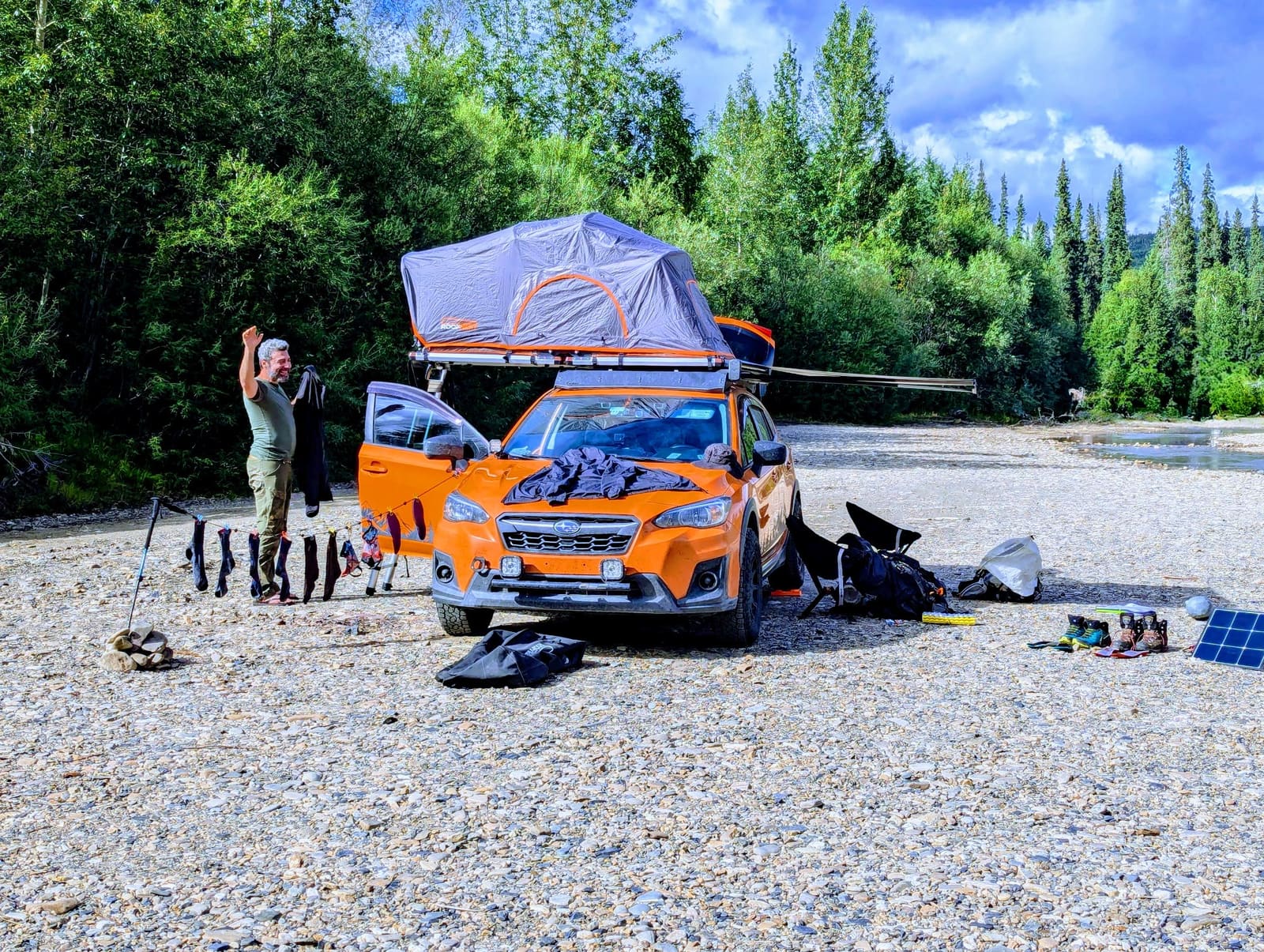
- Merino Wool Socks: Pack more socks than you think you need. Merino wool socks (like Darn Tough or Smartwool) will keep your feet warm even if they get damp and will prevent blisters during long hikes.
Vehicle Emergency & Recovery Gear
When considering what to pack for alaska road trip, you must think of your vehicle as your lifeline. Many Alaskan highways have long stretches with zero cell service and minimal traffic. If you have a breakdown, you need to be self-sufficient.
Tire Care and Repair
Gravel roads, frost heaves, and potholes are common. A standard "donut" spare tire is virtually useless on remote Alaskan dirt roads. Ensure your vehicle is equipped with a full-size spare tire. Additionally, pack a heavy-duty tire plug kit and a portable 12V air compressor. If you get a puncture on a route like the Dalton Highway, you can plug the tire and reinflate it yourself, saving you a massive towing bill. If you are driving the Dalton Highway, carrying two full-size spares is highly recommended.
Jump Starting and Battery Health
Cold mornings can drain older car batteries quickly. Instead of relying solely on traditional jumper cables (which require another vehicle to be present), invest in a portable lithium-ion jump starter. These compact devices hold enough charge to jump-start a V8 engine multiple times and double as power banks for your electronics.
Basic Tool Kit and Fluids
Pack a basic mechanic's tool kit containing socket wrenches, screwdrivers, pliers, zip ties, and duct tape. You should also carry extra vehicle fluids, including motor oil, transmission fluid, and a gallon of windshield washer fluid. Alaskan roads can be incredibly dusty or muddy, and you will go through washer fluid faster than you expect.
Emergency Roadside Kit
Always carry reflective warning triangles or LED road flares to make your vehicle visible if you have to pull over on a narrow shoulder. A heavy-duty tow strap is also essential; even if you cannot pull yourself out of a ditch, a passing truck might be able to help if you have the right equipment. Before you set out each day, it is wise to check the Alaska Department of Transportation 511 system for real-time road conditions and closures.
Safety & Survival Equipment
Alaska is wild, and safety should be your top priority. Whether you are stepping out of your car for a quick photo or embarking on a multi-day backcountry trek, specific safety gear is mandatory.
Bear Safety Gear
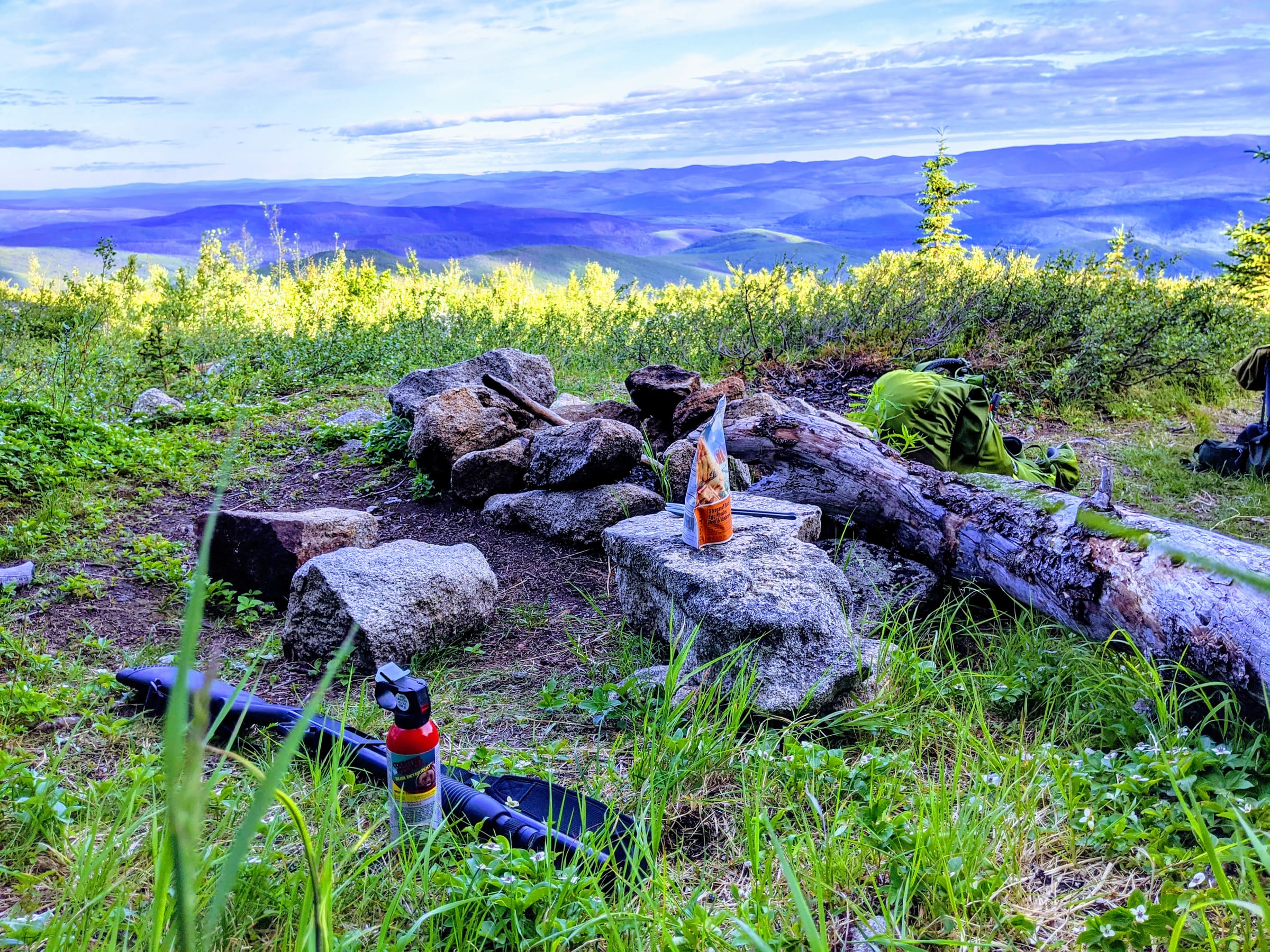
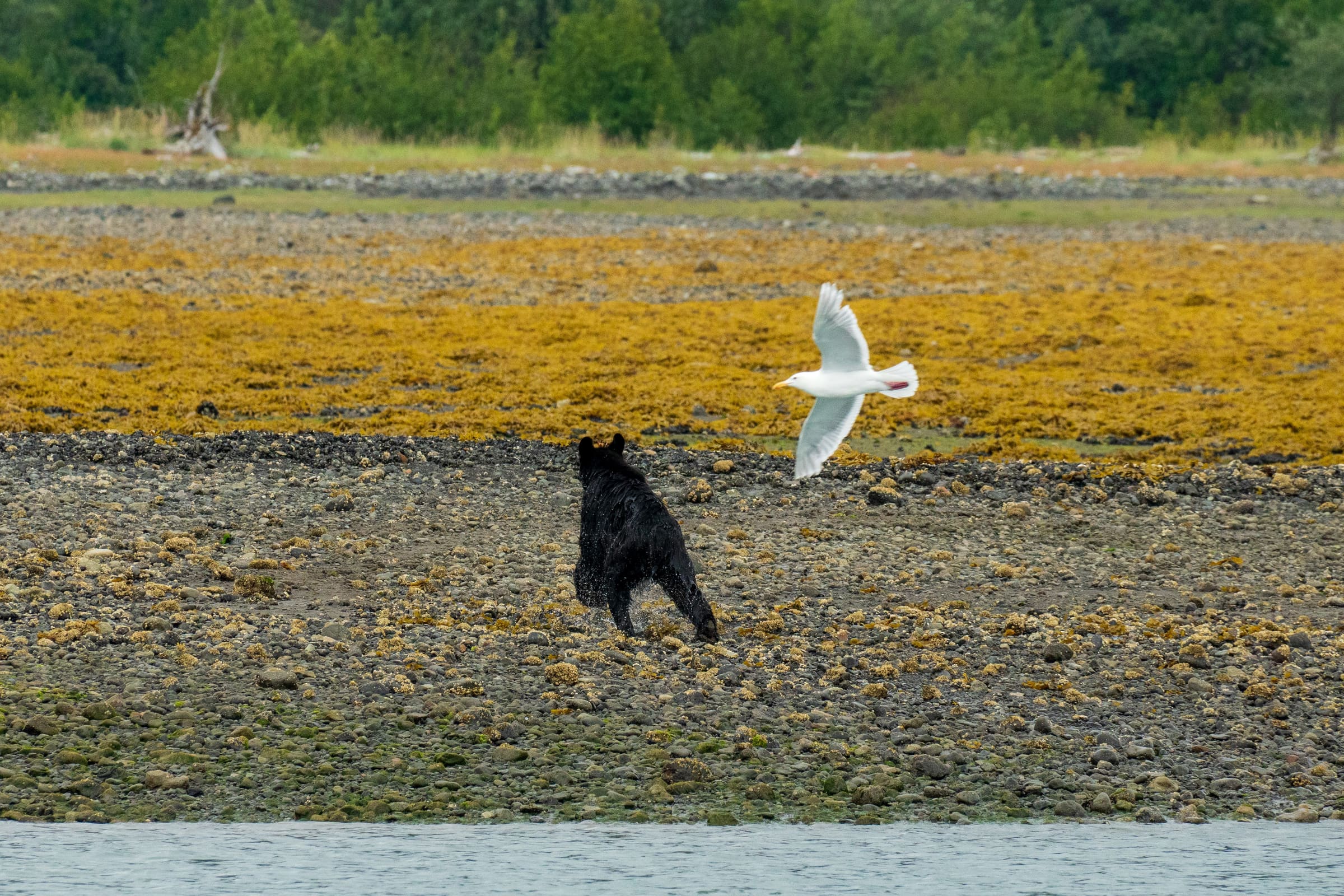
Alaska is home to black bears, grizzly bears, and polar bears. If you are hiking, fishing, or camping, you are in bear country. Bear spray is an absolute necessity. It is a highly concentrated pepper spray designed to deter charging bears. Carry it in a quick-draw holster on your chest or hip—never buried inside your backpack. Remember that you cannot take bear spray on commercial airplanes (even in checked luggage), so you will need to purchase or rent it upon arriving in Alaska. For detailed protocols on how to handle encounters, review the guidelines provided by the Alaska Department of Fish and Game, and read our comprehensive guide on wildlife safety in Alaska.
First Aid and Emergency Communication
A standard drugstore first aid kit won't cut it. Build or buy a comprehensive trauma kit that includes tourniquets, pressure dressings, blister treatments, splints, and a generous supply of any personal prescription medications. Because cell phone coverage is practically non-existent outside of major towns like Anchorage, Fairbanks, and Juneau, carrying a satellite communication device (such as a Garmin inReach or Zoleo) is highly recommended. These devices allow you to send text messages via satellite and feature an SOS button to summon search and rescue in a life-threatening emergency.
Navigation & Electronics
While modern technology is incredibly helpful, you cannot rely solely on cloud-based apps in the Alaskan wilderness.
- Physical Maps and Guidebooks: Always carry a physical map, a practice strongly encouraged by the National Park Service for wilderness safety. The Milepost is widely considered the bible of Alaska travel; it provides mile-by-mile descriptions of every major highway, noting gas stations, pullouts, and scenic viewpoints.
- Offline Digital Maps: Before you leave home, download offline areas in Google Maps or use dedicated GPS apps like Gaia GPS or OnX Offroad.
- Power Banks and Inverters: Keep your devices charged with high-capacity power banks. A 12V power inverter that plugs into your car's cigarette lighter is incredibly useful for charging camera batteries and laptops while driving.
- Photography Gear: Alaska offers unparalleled wildlife viewing. If you enjoy photography, a smartphone camera won't do justice to a moose standing 100 yards away. Bring a DSLR or mirrorless camera with a telephoto lens (at least 300mm) to capture wildlife safely from a distance.
Comfort, Food, and Bug Protection
Long driving days require sustenance and comfort. Pack a high-quality cooler to keep groceries fresh, as dining options are sparse on remote highways. Stock up on high-calorie, non-perishable snacks like trail mix, jerky, and protein bars.
Hydration is equally important. Bring large, reusable water bottles and a portable water filtration system (like a Sawyer Squeeze or LifeStraw). While Alaskan streams look pristine, they can carry Giardia, which is why the National Park Service advises never drinking unfiltered surface water.
Finally, we must address the unofficial state bird of Alaska: the mosquito. During the summer months, particularly in the interior and near standing water, mosquitoes can be relentless. Pack a strong insect repellent containing DEET or Picaridin. For severe bug pressure, a head net that fits over a wide-brimmed hat is worth its weight in gold. Treating your outer clothing layers with Permethrin before your trip is another highly effective strategy to keep biting insects at bay.
Frequently Asked Questions
Do I need a 4x4 vehicle for an Alaska road trip?
It depends on your route. If you are sticking to the major paved highways (like the Parks, Seward, and Glenn Highways), a standard 2WD sedan or front-wheel-drive SUV is perfectly fine during the summer. However, if you plan to drive the Dalton Highway, the Denali Highway, or the McCarthy Road, a 4WD or AWD vehicle with high clearance and robust tires is strongly recommended due to deep gravel, mud, and ruts.
Can I buy gear in Alaska, or should I bring it all with me?
Major cities like Anchorage and Fairbanks have large outdoor retailers (including REI and local outfitters) where you can buy almost anything you need, including bear spray and camping fuel. However, prices in Alaska are generally higher than in the lower 48 due to shipping costs. It is best to bring your core clothing and expensive gear with you, and only purchase restricted items (like bear spray) or last-minute forgotten items locally.
How do I pack for the extreme daylight hours in the summer?
During the peak of summer, Alaska experiences the "Midnight Sun," with up to 24 hours of daylight depending on how far north you travel. This can severely disrupt your sleep cycle. Pack a high-quality, contoured sleep mask to block out the light. If you are tent camping, consider a "dark room" tent. If you are staying in lodges or an RV, a few binder clips can be incredibly handy to pin hotel curtains tightly shut.
Ready to Hit the Road?
Knowing exactly what to pack for alaska road trip is the first major step toward a successful and stress-free adventure. By prioritizing a versatile layering system, robust vehicle recovery gear, and essential safety equipment, you are setting yourself up to safely enjoy the breathtaking landscapes and incredible wildlife of the Last Frontier. Don't leave your itinerary to chance—start mapping out your dream journey today by utilizing our comprehensive Alaska road trip planner to ensure you hit all the best stops along the way.
See a real Alaska itinerary before you spend a dollar
A real 3-day plan with driving times, lodging picks, and a daylight chart — free, in your inbox.
One email. No spam. Unsubscribe anytime. Or view it right now — no email needed ↗
Ready for the full plan? Get your custom itinerary — from $197 · 5-day delivery →