Conquering the Endless Daylight of the Last Frontier
Imagine driving along the coast at midnight, the horizon bathed in a perpetual, golden twilight that refuses to fade into darkness. Traveling through the Last Frontier during the summer solstice is an unforgettable experience, offering endless opportunities for exploration. However, 20+ hours of daylight sounds like an outdoor enthusiast's dream until you are staring wide awake at your tent ceiling or vehicle roof at 2:30 AM. To help you survive and thrive during your journey, we have compiled the ultimate guide to alaska midnight sun sleeping tips so you can enjoy the endless days without sacrificing your health, safety, or sanity.
As you plan your 2026 summer road trip, understanding how to manage your sleep environment is just as important as mapping out your route. The excitement of constant daylight can quickly turn into exhaustion if you do not have a clear strategy for resting. Whether you are camping in a remote state park, sleeping in a converted SUV, or staying in local lodges, managing the midnight sun is a skill every northern traveler must master.
The Science of the Midnight Sun
To understand why you need these alaska midnight sun sleeping tips, it helps to understand the science behind this celestial phenomenon. Because of the Earth's axial tilt of 23.5 degrees, the polar regions lean toward the sun during the summer months. According to solar data and research from the Geophysical Institute at the University of Alaska Fairbanks, areas north of the Arctic Circle experience continuous sunlight around the summer solstice, while southern regions like Anchorage still enjoy extended hours of functional daylight. When planning the best time for an Alaska road trip, you must prepare for this constant light. While the endless daylight is perfect for packing your itinerary with activities, it presents a major challenge to your body's internal clock.
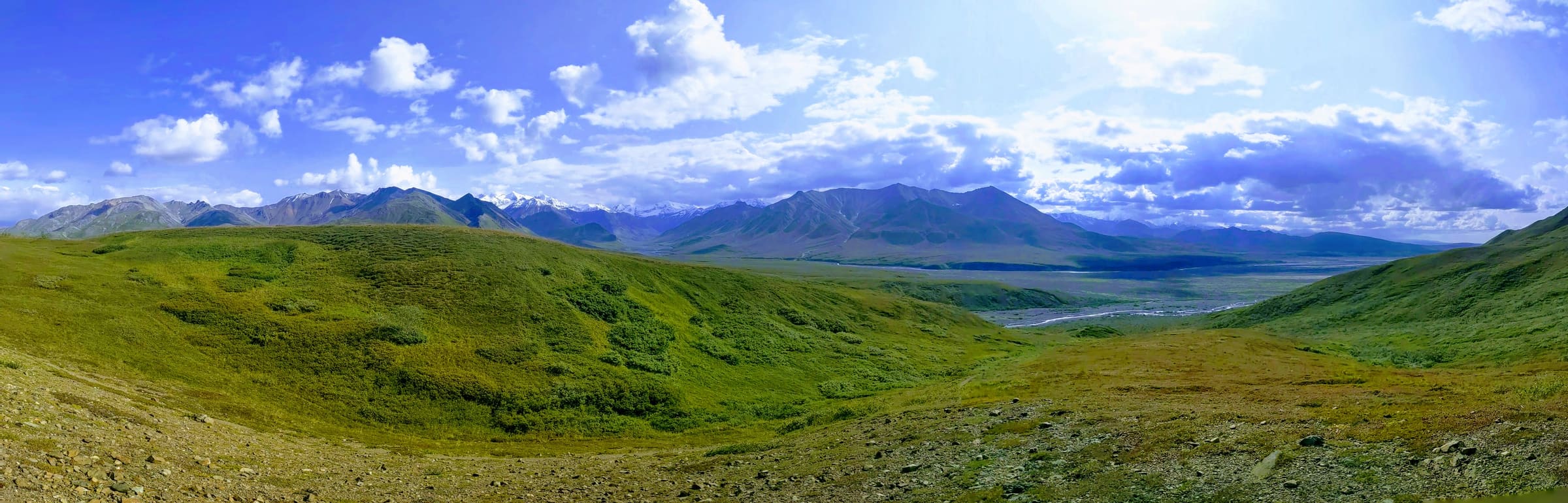
The intensity of the light varies depending on where you are in the state. In northern destinations like Fairbanks or Coldfoot, the sun remains above the horizon for weeks at a time. In southcentral regions like the Kenai Peninsula, the sun dips below the horizon briefly, but it rarely gets fully dark; instead, you experience a prolonged twilight that keeps the sky bright enough to read outdoors even in the middle of the night. This constant illumination can easily disrupt your sense of time, making it easy to lose track of the hours and push your body past its natural limits.
The Biological Challenge of Constant Daylight
Our bodies rely on environmental cues to regulate sleep. The primary cue is light. When the sun sets, our brains produce melatonin, the hormone responsible for signaling that it is time to rest. According to the Sleep Foundation, light exposure directly suppresses melatonin production, keeping your body in a state of high alertness. Without a natural sunset, your circadian rhythm can become severely disrupted, leading to insomnia, fatigue, and irritability. This biological disruption is why finding effective alaska midnight sun sleeping tips is so important for road trippers who need to stay sharp and focused while navigating challenging northern highways.
Furthermore, sleep deprivation can accumulate quickly. On a multi-day road trip, losing just one or two hours of sleep each night can impair your reaction times, decision-making abilities, and overall enjoyment of the trip. The psychological impact of constant light can also make you feel anxious or restless, as your brain struggles to reconcile the bright sky with the late hour on your watch. To combat this, you must actively intervene to create an artificial night for your body.
Tactical Gear for Sleeping in a Vehicle or Tent
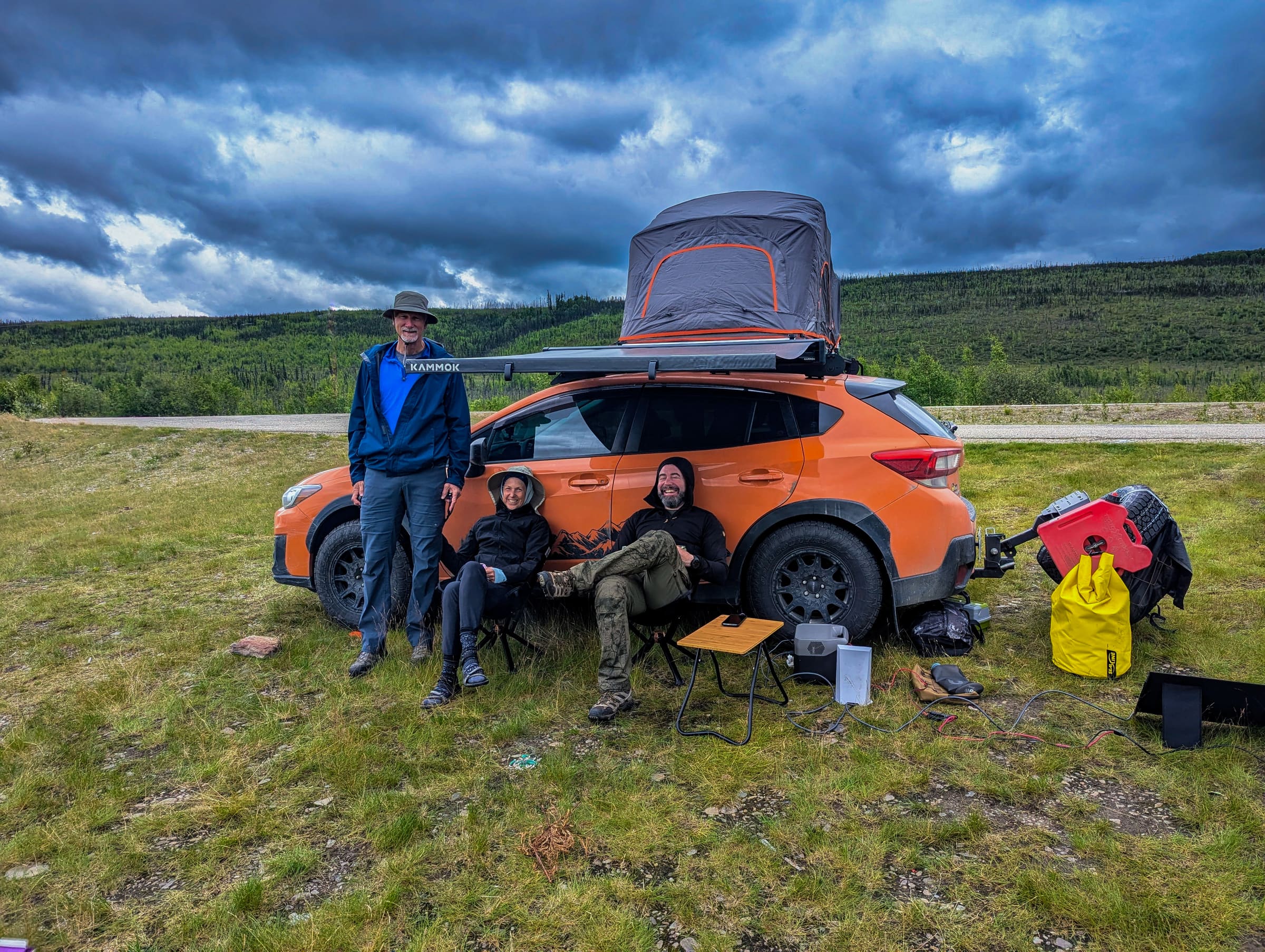
If you are looking for alaska midnight sun sleeping tips that actually work, start with your gear. Whether you are sleeping in a rooftop tent, a converted SUV, or a traditional ground tent, light mitigation is your number one priority. Here is the essential gear you should add to your Alaska road trip packing list:
- Magnetic Blackout Curtains: If you are sleeping in a rental SUV or van, standard curtains often let light leak through the edges. Magnetic blackout curtains snap directly to the metal frame of your vehicle's windows, blocking virtually all ambient light. They are compact, easy to install, and highly effective at turning your vehicle cabin into a dark sanctuary.
- Molded 3D Eye Masks: Do not rely on cheap, flat eye masks. Invest in a high-quality, molded 3D eye mask. These masks feature recessed eye cups that do not press against your eyelids, allowing for natural REM movement while creating a complete seal around your nose to block out every sliver of midnight sun.
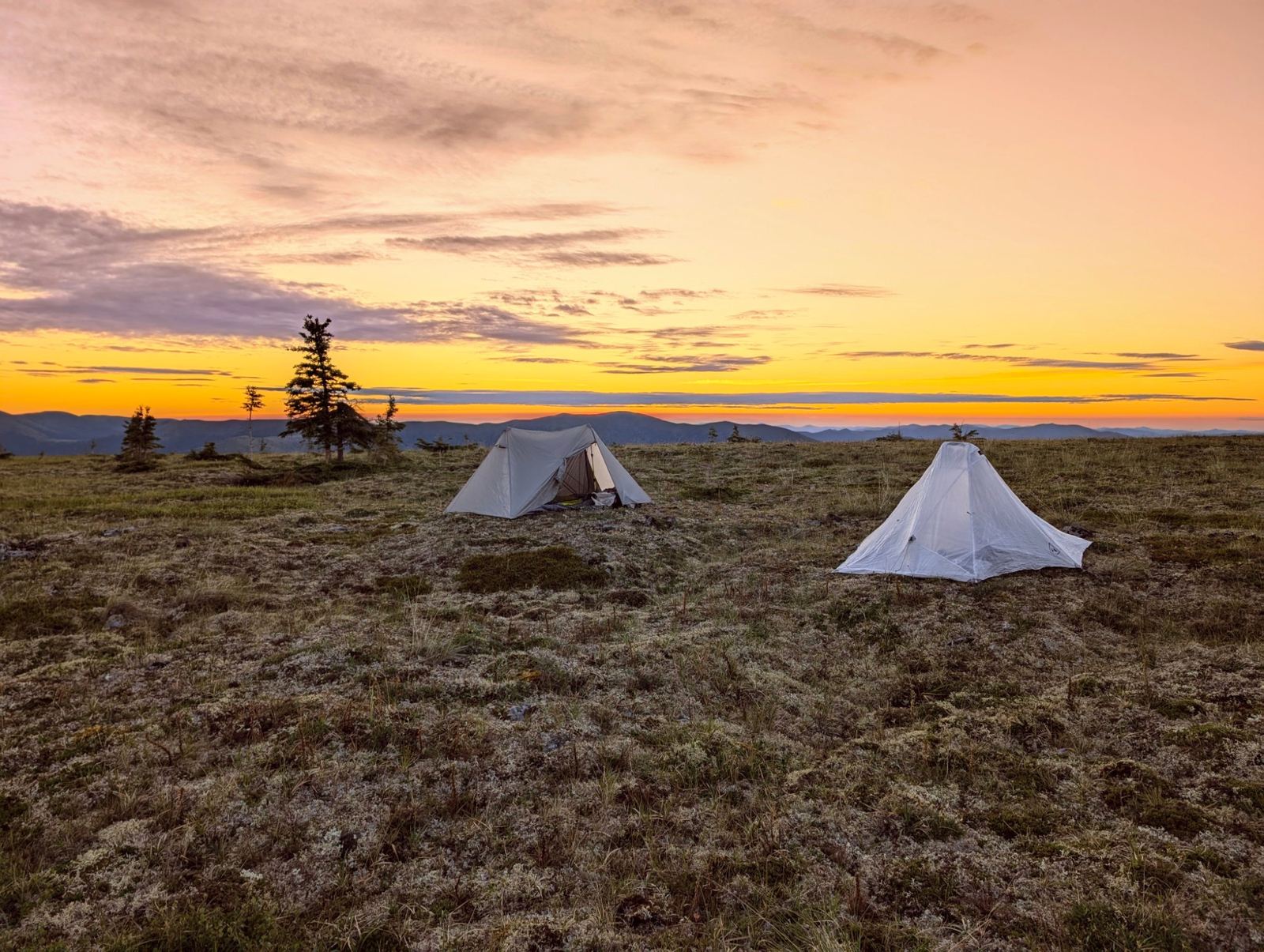
- Dark-Room Technology Tents: If you plan on tent camping, look for tents specifically designed with dark-room technology. These tents use specialized fabrics designed to block the vast majority of sunlight, keeping the interior dark and helping to manage the temperature during the day.
- Reflective Foil Insulation (Reflectix): Cut pieces of Reflectix to fit your vehicle windows. Not only does this block out the blinding light, but it also helps regulate the interior temperature of your vehicle by reflecting solar radiation away.
When traveling Alaska in summer, having these items on hand will make the difference between a restless night and a deep, restorative sleep. Do not underestimate the power of a completely dark sleeping environment; even a small amount of light leaking into your tent or vehicle can signal your brain to stay awake.
The Night Owl Strategy: Safely Adjusting Your Driving Schedule
Another one of our favorite alaska midnight sun sleeping tips involves changing your perspective on time. Standard road trip habits often shift when you travel in a region where the sun rarely sets. Instead of fighting the daylight, you can safely adjust your driving schedule to utilize empty, sunlit highways late at night.
Imagine driving the Glenn Highway or the Richardson Highway at 11:00 PM or even 2:00 AM. The roads are virtually empty, the lighting is spectacular for landscape photography, and the midday tourist traffic is completely gone. However, this "Night Owl" strategy requires careful planning and strict safety measures:
- Watch for Wildlife: While the sun is shining, wildlife activity patterns remain relatively unchanged. Moose and bears are highly active during the cooler morning and evening hours. According to road safety guidelines from the Alaska Department of Transportation, wildlife collisions are most frequent during the winter months when daylight is limited. Keep your speed down, use your high beams if necessary, and scan the shoulders constantly.
- Monitor Your Fatigue: The constant daylight can trick your brain into feeling energized when your body is actually exhausted. Set a strict limit on your driving hours and do not push past your physical limits. If you begin to feel drowsy, pull over immediately in a safe designated turnout and rest.
- Plan Your Fuel and Food Stops: While the highways are bright, businesses are not. Gas stations, restaurants, and visitor centers in remote towns still close at standard hours. It is wise to keep your fuel tank well-filled and carry extra food and water in your vehicle, especially when traveling through remote areas.
Implementing these alaska midnight sun sleeping tips will help you stay safe on the road while taking full advantage of the unique summer environment. By shifting your active hours to the late evening or early morning, you can experience Alaska's most famous drives in complete peace and quiet.
Choosing the Right Campsites and Accommodations
For those camping or sleeping in their vehicles, some of the most practical alaska midnight sun sleeping tips center around campsite selection. If you are choosing between an RV and a rental car, your sleeping setup will dictate where you should park.
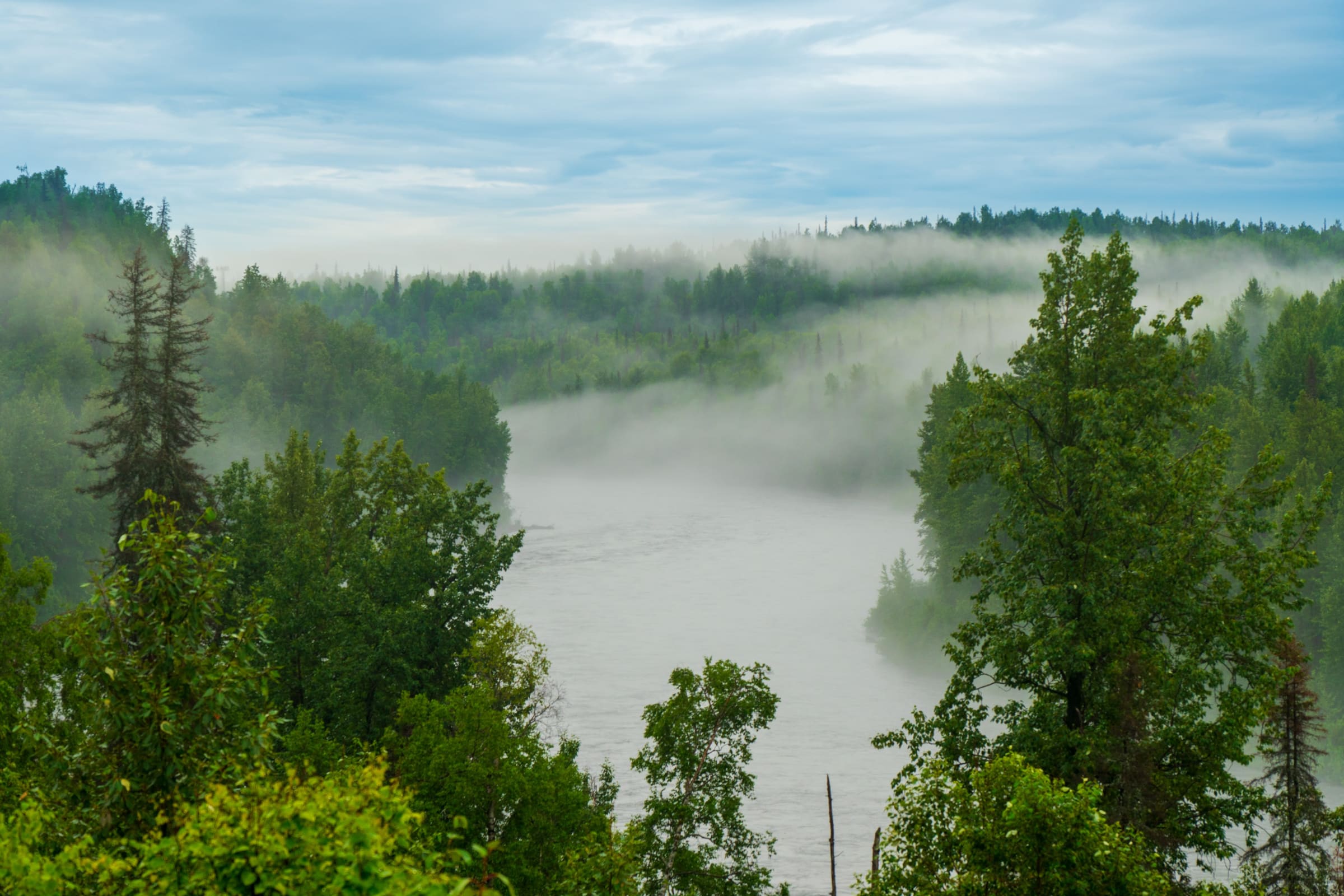
When selecting a campsite, look for natural shade. While much of Alaska's terrain is wide open, parking under a canopy of spruce or birch trees can block a significant portion of the low-angle midnight sun. Avoid open gravel parking lots or exposed ridges where the sun will beat down on your vehicle or tent continuously. If you are staying in local lodges or cabins, often ask ahead of time if they provide heavy blackout drapes, as older or more rustic accommodations may only have thin blinds. If they do not, you may want to bring temporary travel blackout shades that attach to windows via suction cups.
Additionally, consider the orientation of your vehicle or tent. Position your sleeping setup so that the head of your bed is facing away from the eastern and western horizons, where the sun hangs lowest and brightest during the early morning and late evening hours. This simple adjustment can significantly reduce the amount of direct light hitting your face.
A Step-by-Step Evening Routine to Simulate Night
To help your body transition into sleep mode, you must establish a structured evening routine. This step-by-step routine incorporates the best alaska midnight sun sleeping tips into a seamless nightly habit:
- Initiate a "Digital and Solar Sunset" at 9:00 PM: Put on a pair of polarized sunglasses if you are still outdoors. This reduces the intensity of the light entering your eyes and signals to your brain that evening is approaching. Turn off bright screens and electronic devices, which emit blue light that further suppresses melatonin.
- Prepare Your Sleeping Space: Install your magnetic blackout curtains or set up your dark-room tent. Ensure there are no light leaks around the edges of your windows or doors.
- Manage the Temperature: The midnight sun can turn your vehicle or tent into a greenhouse. Even if it is cool outside, the constant solar radiation can heat up your sleeping space. Open vents or crack windows slightly (use bug screens to keep out Alaska's famous mosquitoes) and use a small, battery-powered fan to circulate air and keep the temperature comfortable.
- Introduce White Noise: Alaska's wildlife does not sleep much during the summer either. Birds will sing loudly at 2:00 AM, and other campers may be active. Use earplugs or a white noise app on your phone to block out these ambient sounds and create a quiet, peaceful environment.
By consistently practicing these alaska midnight sun sleeping tips, you can train your body to fall asleep quickly, even when the sun is shining brightly outside. Consistency is key; keeping a regular sleep schedule will help stabilize your circadian rhythm throughout your entire journey.
Frequently Asked Questions
What are the most essential alaska midnight sun sleeping tips for tent campers?
For tent campers, the most important tips are to invest in a dark-room technology tent, choose a campsite with natural tree cover to block the low-angle sun, and often wear a high-quality, molded 3D eye mask. Additionally, using earplugs is highly recommended to block out the sounds of active wildlife and early-rising birds that thrive in the constant daylight.
Do these alaska midnight sun sleeping tips apply to RV travelers as well?
Yes, absolutely. While RVs offer more insulation than tents, they often have thin window blinds that let light leak around the edges. RV travelers should use reflective foil insulation (Reflectix) or blackout fabric secured with suction cups or magnets to completely seal the windows. Managing the interior temperature with fans or air conditioning is also crucial, as the sun can heat up an RV quickly.
How do Alaskans sleep during the summer?
Local Alaskans rely heavily on high-quality blackout curtains, cellular shades, and strict sleep schedules. Many Alaskans also adjust their lifestyles to embrace the summer energy, sleeping fewer hours during the peak of summer and catching up on sleep during the long, dark winter months. However, they still maintain dark sleeping environments to ensure they get quality rest when they do sleep.
Is it safe to drive at 2:00 AM under the midnight sun?
Yes, it is generally safe because visibility is excellent. However, you must remain highly vigilant for wildlife, particularly moose, which are very active during the cooler twilight hours. Additionally, remember that while the roads are bright, gas stations and emergency services may have limited hours, so plan your fuel stops carefully and ensure you are well-rested before driving.
Plan Your Ultimate Alaskan Adventure
Navigating the endless daylight of an Alaskan summer is one of the most magical aspects of visiting the Last Frontier. By preparing your gear, adjusting your schedule, and implementing these proven alaska midnight sun sleeping tips, you can enjoy the ultimate road trip adventure without sacrificing your well-being. Ready to plan your perfect summer getaway? Let Alaska Road Trip help you design a seamless, custom itinerary that balances epic daytime adventures with comfortable, restful nights. Explore our curated travel plans today and start planning the road trip of a lifetime!
See a real Alaska itinerary before you spend a dollar
A real 3-day plan with driving times, lodging picks, and a daylight chart — free, in your inbox.
One email. No spam. Unsubscribe anytime. Or view it right now — no email needed ↗
Ready for the full plan? Get your custom itinerary — from $197 · 5-day delivery →